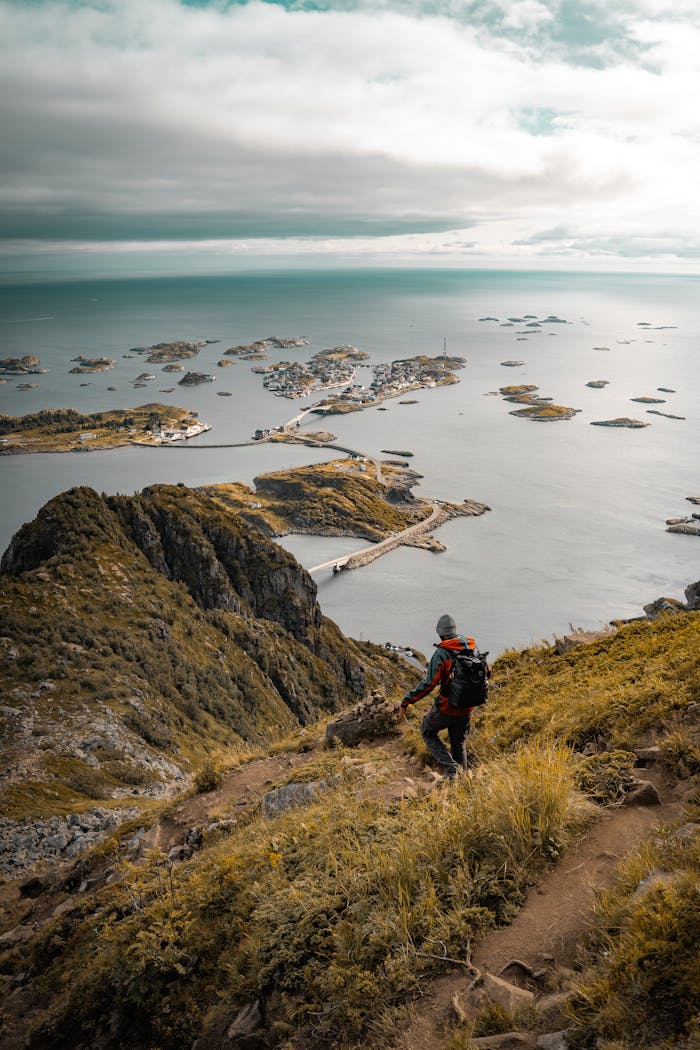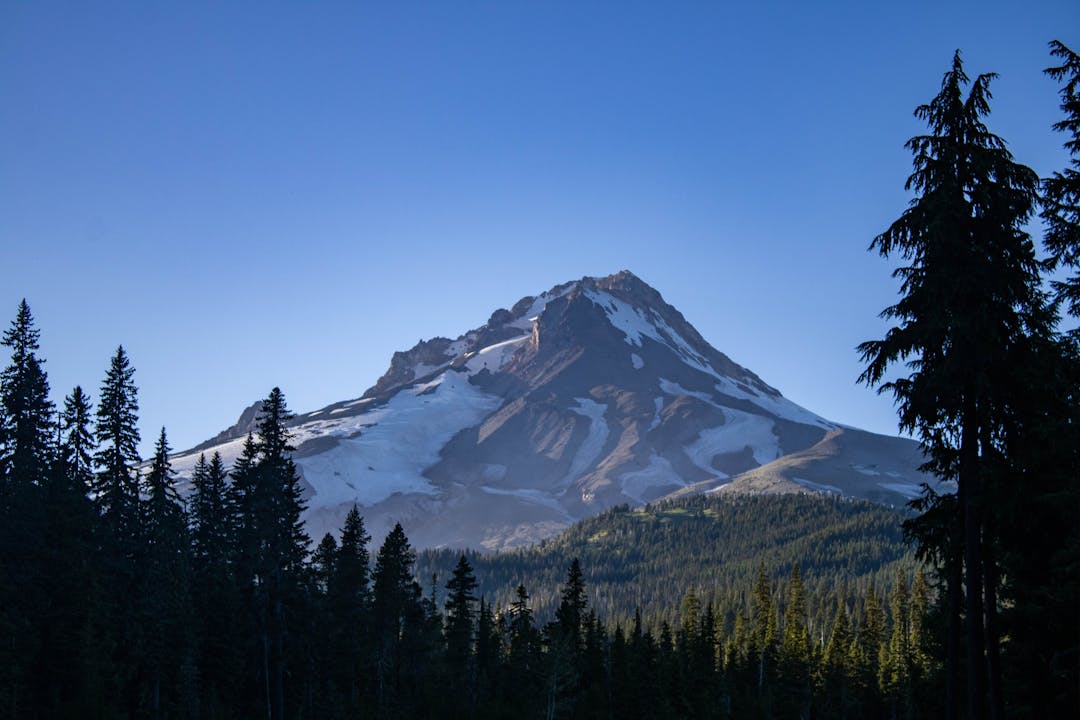
Oregon’s backwoods offer a rare blend of rugged terrain, quiet forest stretches, and long-standing access points that foster deep familiarity across generations. Many families have spent decades learning how the land shifts with weather, wildlife habits, and seasonal patterns, making these woods feel like an extension of home. The traditions tied to this landscape continue to shape hunting culture, preserving skills that grow stronger with each passing year and keeping the region grounded in heritage and respect for the land.
Deep Family Traditions
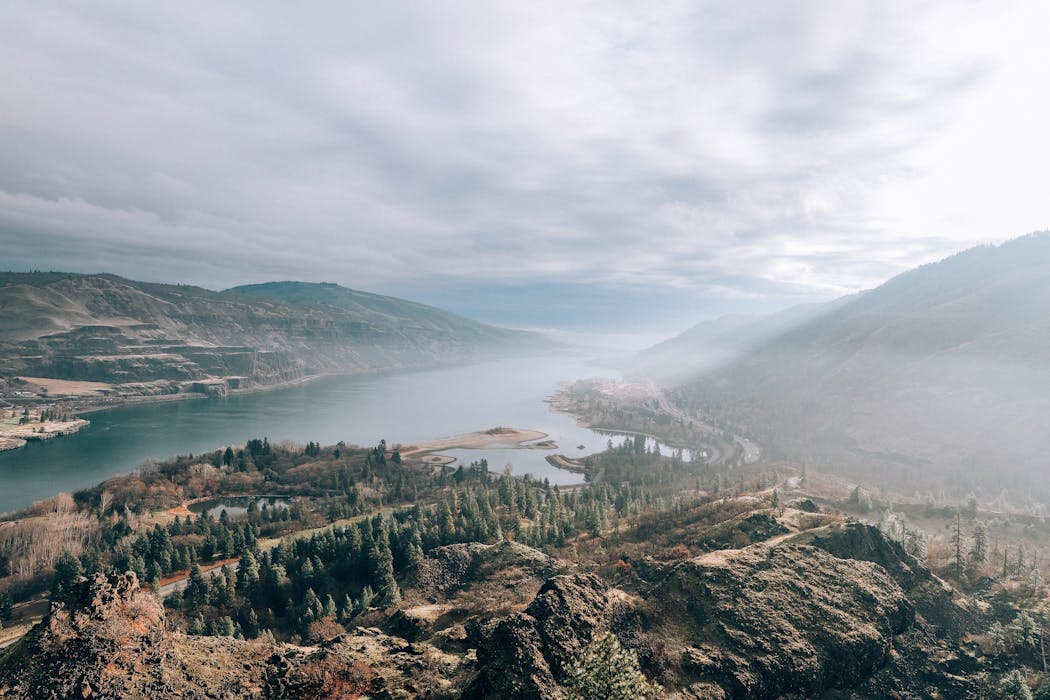
Family tradition plays a powerful role in Oregon’s backwoods, where knowledge often passes from grandparents to younger relatives through shared hunts and familiar routes. These experiences create a bond that connects generations to the same ridges, valleys, and familiar markers used for decades. Long-standing stories, inherited techniques, and collectively held wisdom offer a sense of belonging that newer hunters cannot replicate quickly. This deep-rooted continuity helps preserve skills and values tied directly to the land.
Familiarity With Rugged Terrain
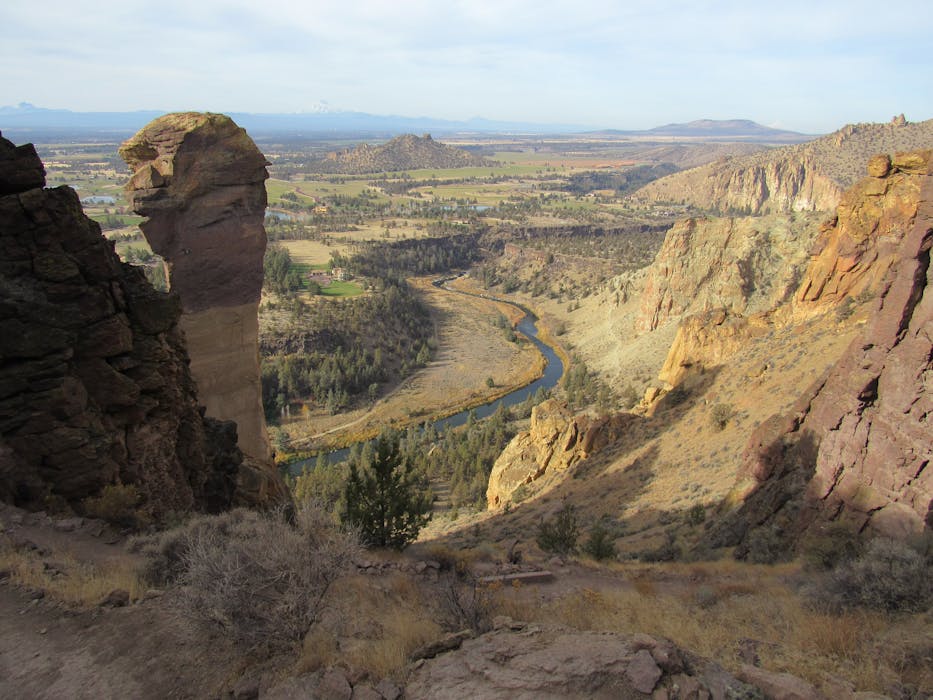
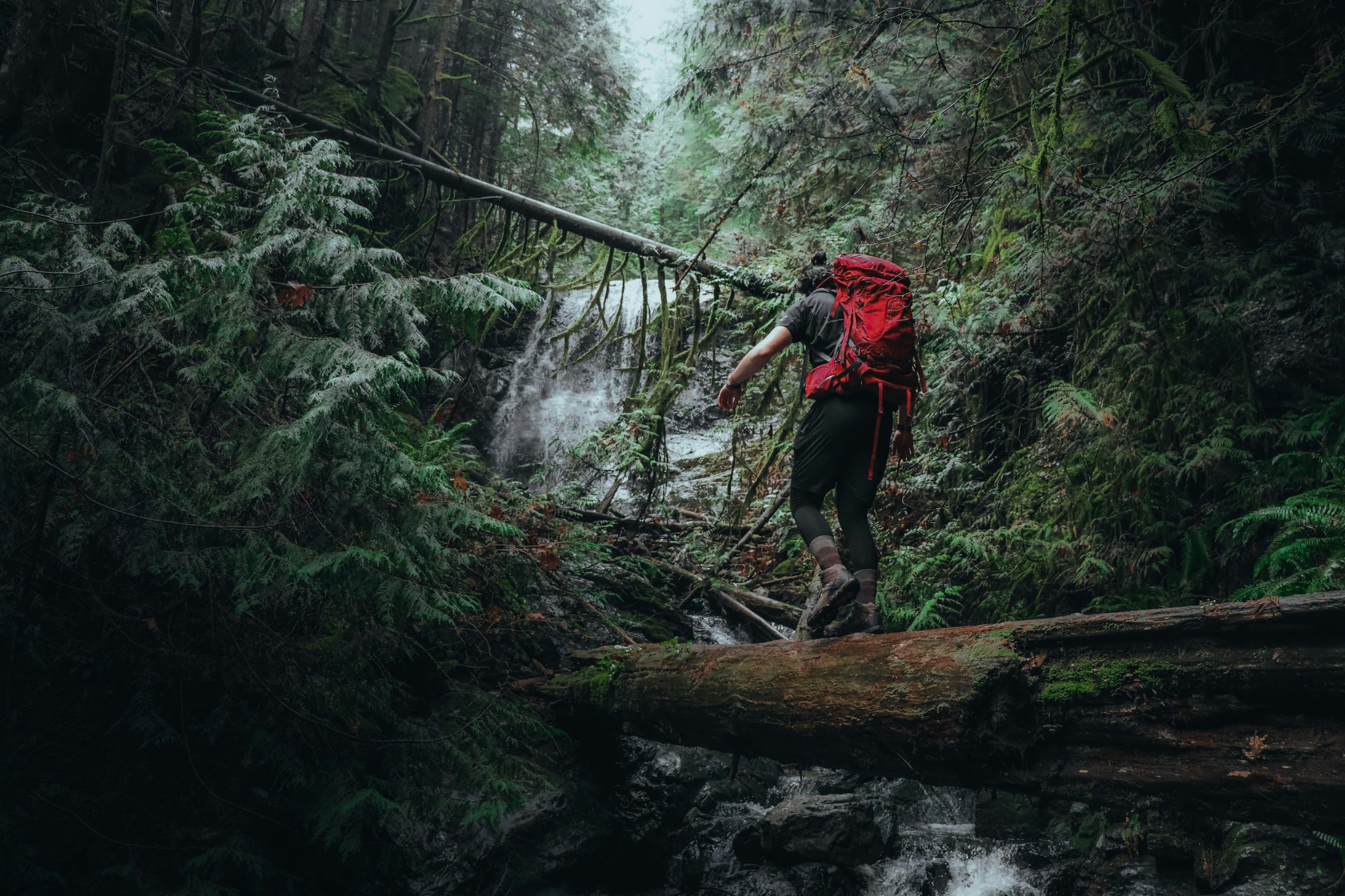
Oregon’s backwoods include steep canyons, thick brush, and hidden game trails that can challenge even experienced hunters. Generational hunters develop a strong sense of where animals move during weather changes and how the terrain behaves throughout the year. Their comfort with natural obstacles grew from years of adjusting to shifting conditions. This familiarity reduces guesswork and builds confidence, allowing seasoned hunters to follow routes shaped by decades of accumulated experience.
Respect for Seasonal Rhythms
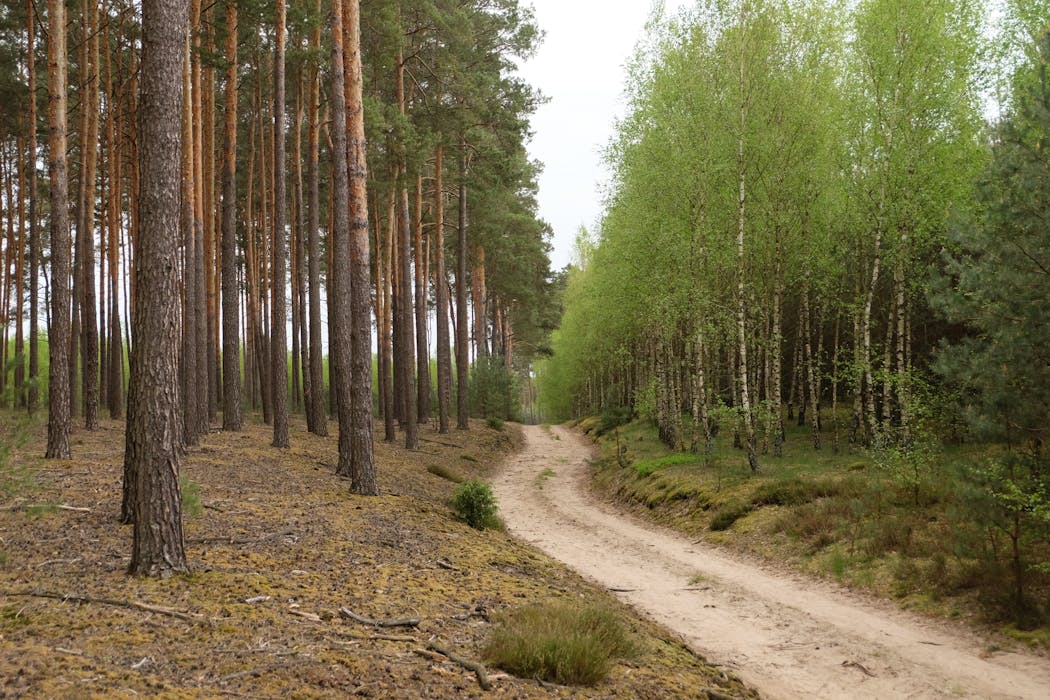
Seasonal rhythms guide every decision in the backwoods, and generational hunters understand those changes through long-term observation. Shifts in temperature, rainfall, and feeding patterns influence when and where animals move. Decades of watching these cycles create a practical understanding of nature’s pace, helping hunters stay aligned with subtle cues. This respect for seasonal flow shapes how they travel, set up, and adapt as weather shifts or new patterns emerge across the forest.
Strong Community Networks
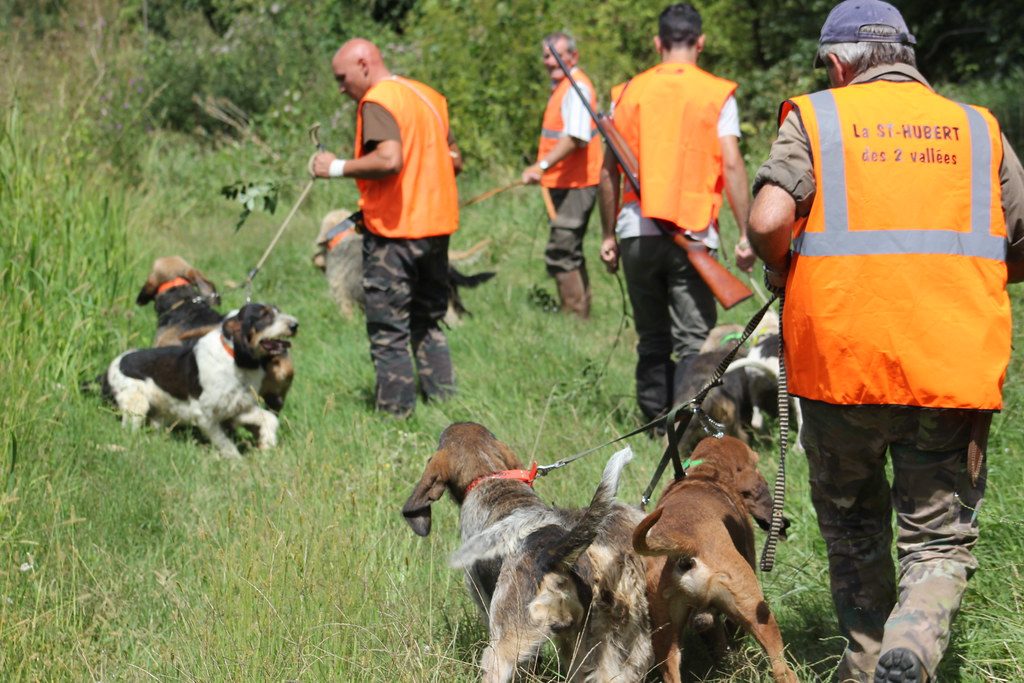
Community networks remain a defining feature of Oregon hunting culture, providing guidance, mentorship, and shared responsibility for the surrounding land. Generational hunters often belong to close-knit groups that support safe practices and preserve access to traditional spaces. Informal conversations at local shops, gatherings, or trailheads help maintain awareness of conditions and changes in the region. These trusted networks reinforce stewardship and encourage collective respect for the backwoods environment.
Deep Knowledge of Wildlife Behavior
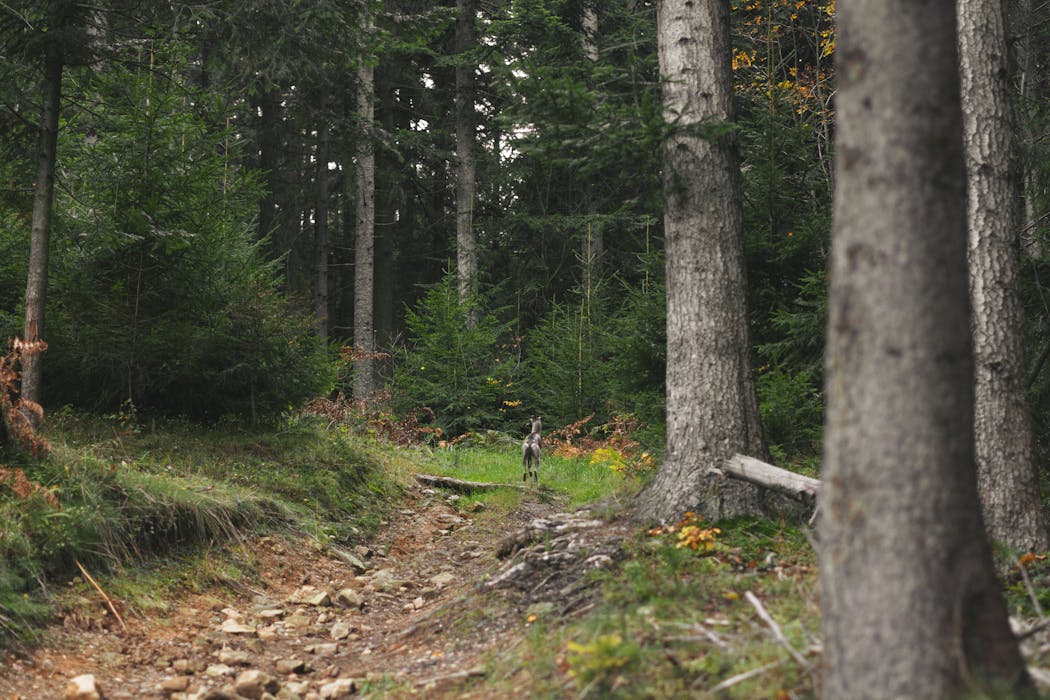
Generational hunters often carry a refined understanding of how animals respond to terrain, pressure, and seasonal transitions. Observing the same areas over many years reveals patterns in feeding times, preferred bedding spots, and migration paths. This insight helps predict movement even in unpredictable conditions. Long-term familiarity with wildlife behavior reduces uncertainty, making each outing more efficient and grounded in practical knowledge gained from countless hours spent observing Oregon’s diverse habitats.
Long-Term Stewardship
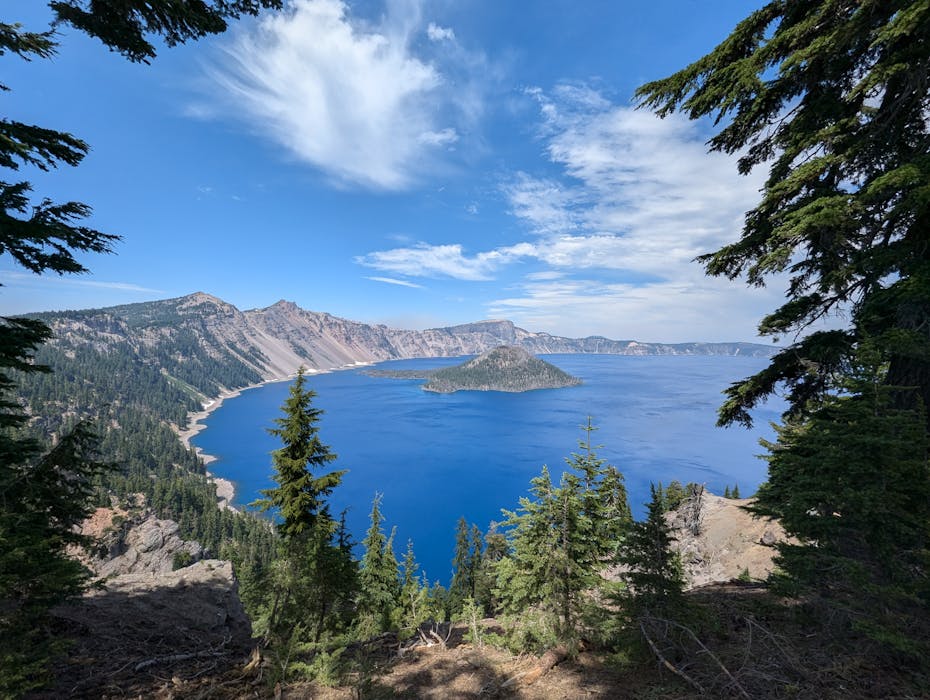
Stewardship remains central to those who have relied on the same backwoods for generations. Maintaining trails, protecting habitats, and minimizing disturbance are values handed down alongside hunting skills. Many families feel a personal responsibility to leave the land healthier for those who follow, recognizing that sustainable practices ensure stronger seasons ahead. This long-term mindset preserves Oregon’s forests and fosters a culture that treats the landscape with lasting respect and care.
Adaptation Through Experience
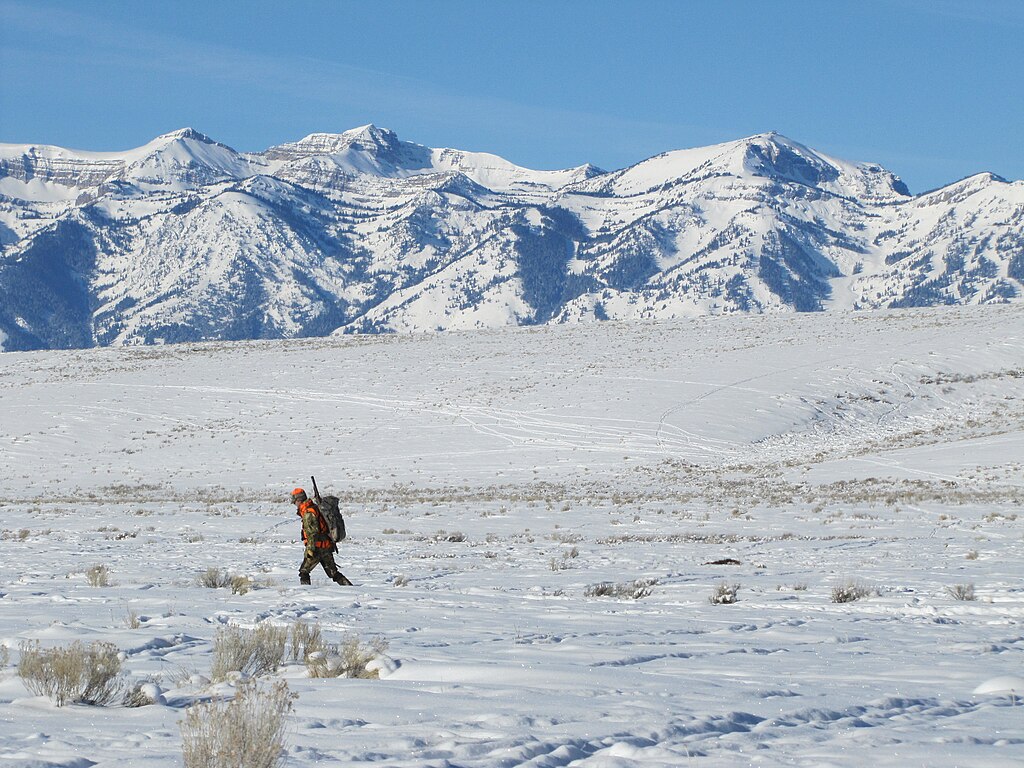
Experience allows seasoned hunters to adapt quickly when new challenges arise, whether shaped by weather, wildfires, or shifting access points. Generational familiarity helps interpret unusual patterns or unexpected changes in terrain. This adaptability emerges from years of navigating similar situations and understanding how the land responds to different pressures. As conditions evolve, the depth of experience allows for steady decision-making rooted in knowledge built over many seasons.
Passing Down Outdoor Skills
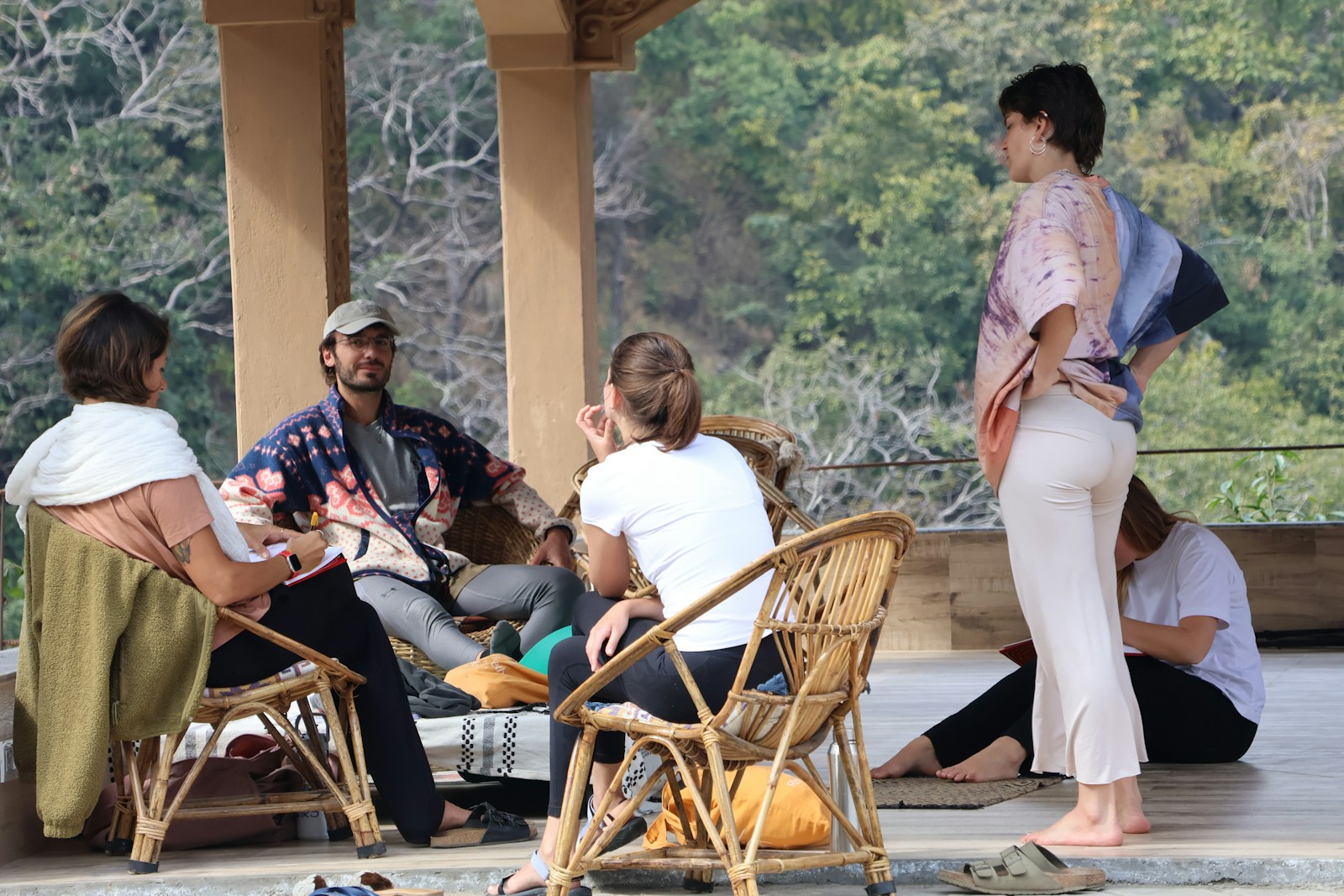
Passing down outdoor skills keeps Oregon’s backwoods culture alive and ensures that new generations understand the responsibilities tied to hunting. Tracking, navigation, safety, and fieldcraft are often taught through shared time in the forest. These lessons build confidence and encourage independence while honoring long-standing practices. As families continue to share these experiences, the region’s hunting heritage remains strong, upheld by those who learned directly from the wisdom of previous generations.