Nostalgia often paints a rosy picture of childhood play, but a closer look reveals a startling reality about vintage safety standards. Many 8 most popular toys from the past that would be considered weapons today were once common gifts found under holiday trees. Parents in previous decades seemingly trusted children with dangerous explosives, heavy projectiles, and even radioactive materials without much hesitation. Modern regulations have strictly banned or modified these items to prevent serious injuries and protect young consumers. Exploring these hazardous playthings highlights just how drastically the definition of a safe toy has shifted over the last fifty years.
Jarts Lawn Darts
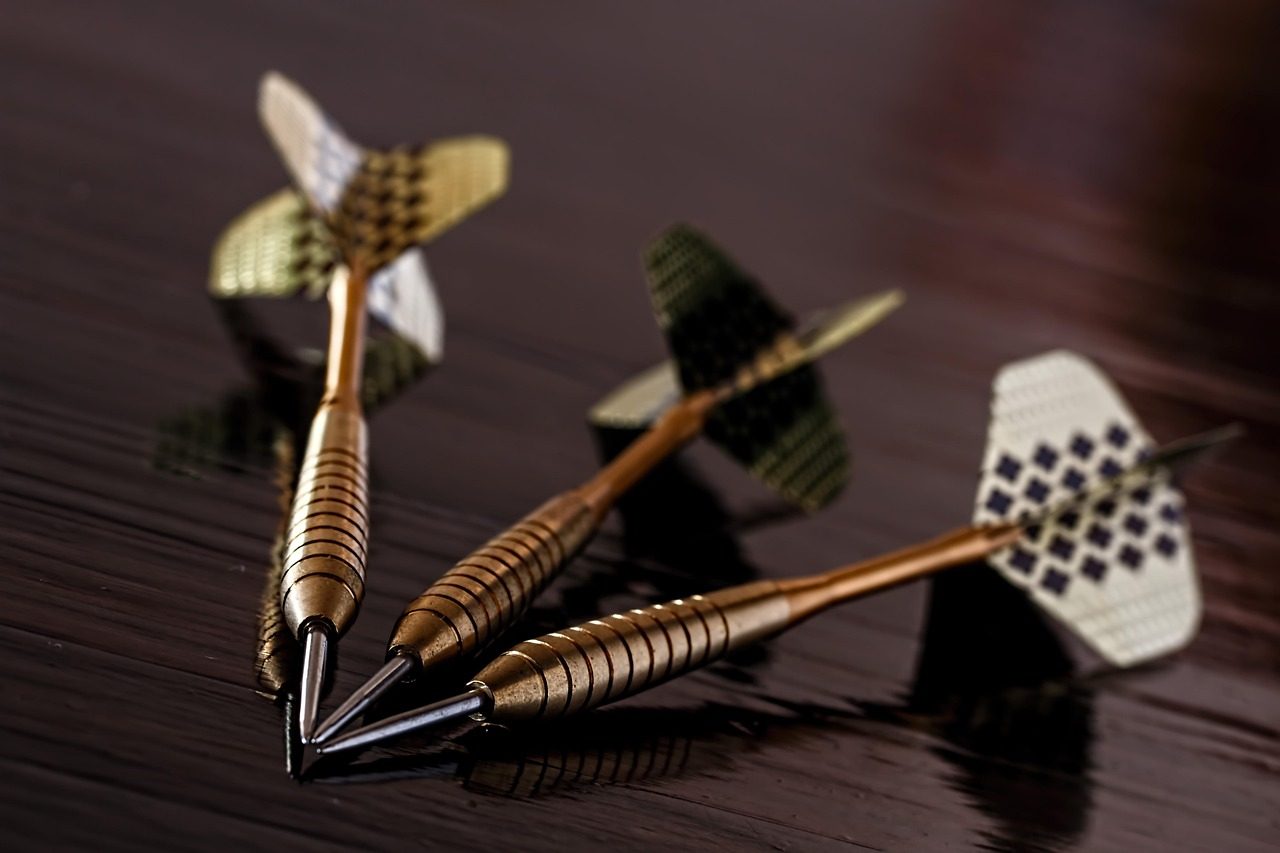
Jarts, or lawn darts, remain the most infamous example of a backyard game that was actually a lethal weapon. These large darts featured heavy-weighted metal tips designed to stick into the ground when thrown high into the air. Children frequently tossed them without looking or stood too close to the target area during family gatherings. The aerodynamic design ensured they fell with enough force to pierce skulls and cause catastrophic injuries. Regulators eventually banned them completely after thousands of emergency room visits and several tragic fatalities. Owning a set is now illegal in the United States.
Gilbert U-238 Atomic Energy Lab
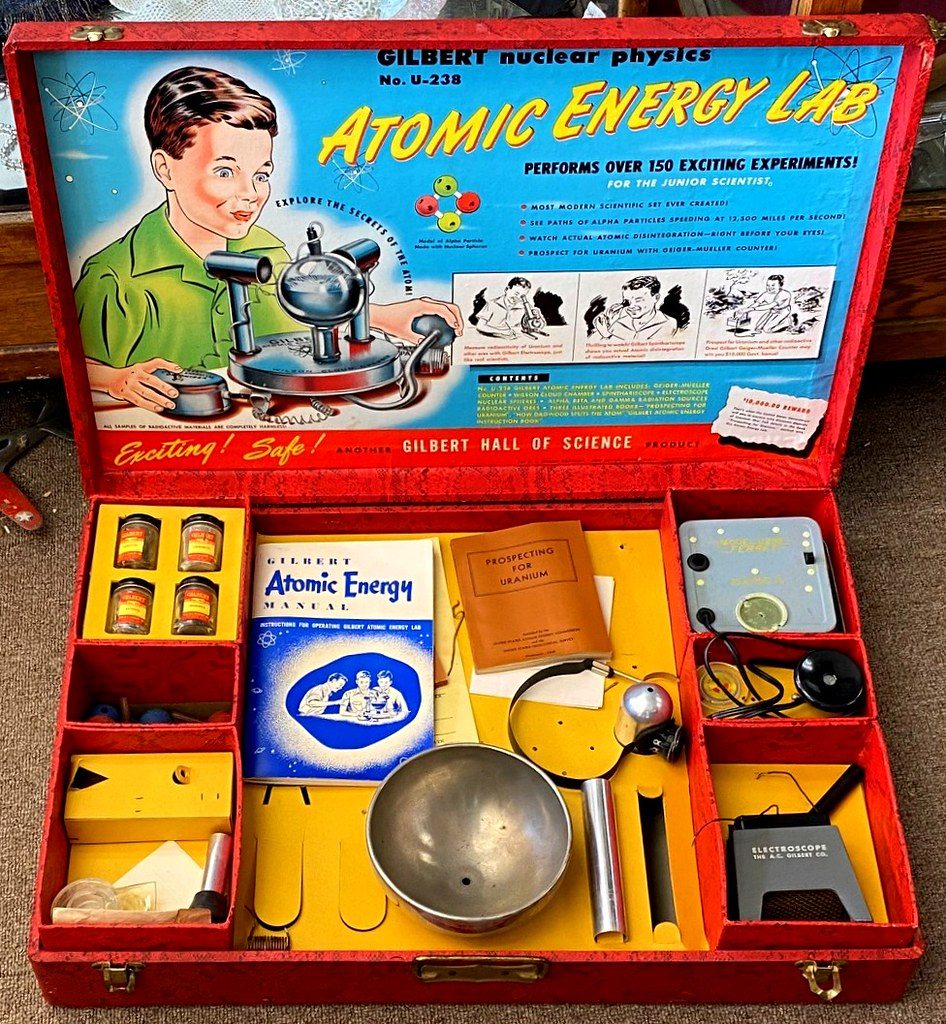
The Gilbert U-238 Atomic Energy Lab allowed children to experiment with actual radioactive isotopes in their own bedrooms. This complex kit included a Geiger counter and samples of uranium ore that emitted measurable radiation. The manufacturer intended to teach science, but inadvertently handed kids hazardous materials that required professional handling. Parents unknowingly exposed their families to long-term health risks for a high price tag back in the early fifties. Today, handling such substances requires strict government licenses and safety protocols. It stands as a shocking reminder of a time when nuclear energy was treated as a casual novelty.
Austin Magic Pistol
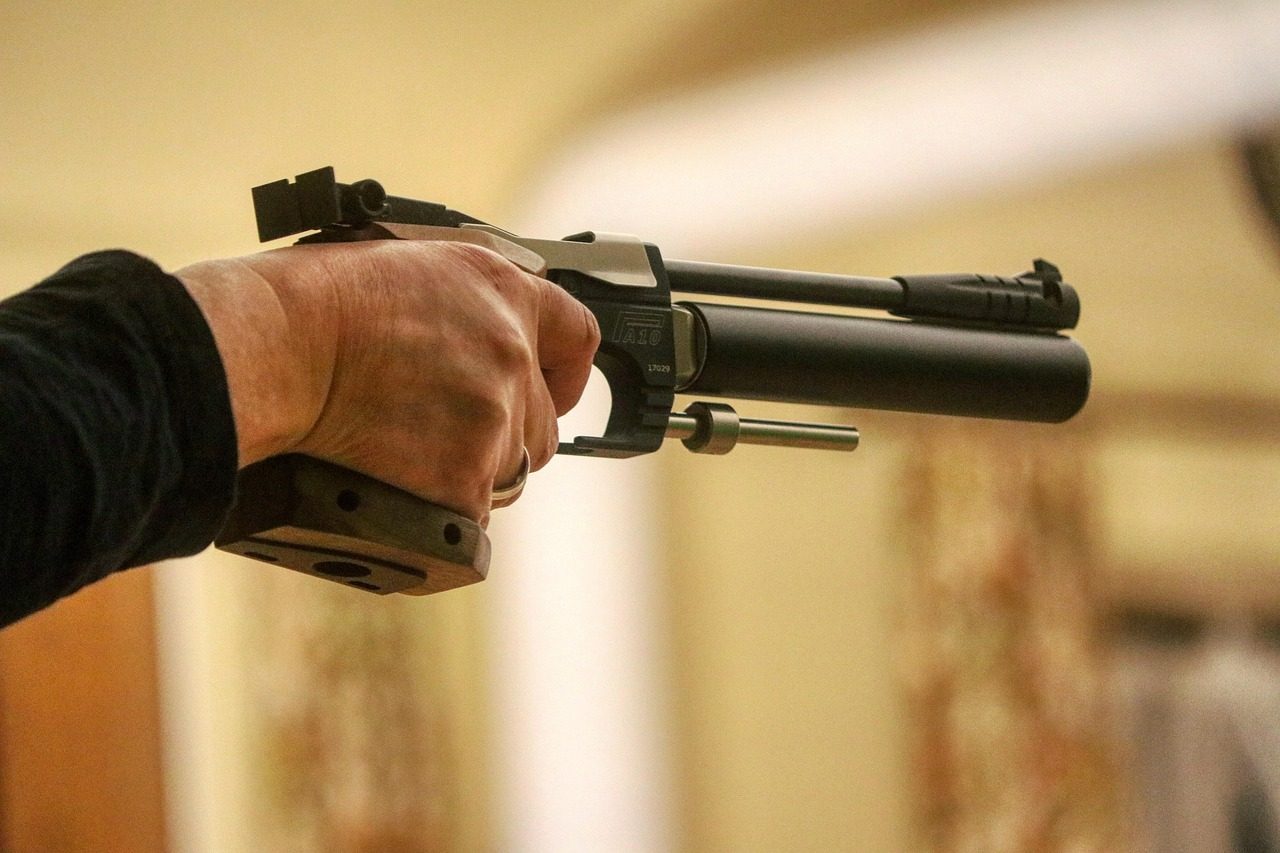
The Austin Magic Pistol functioned more like a dangerous firearm than a harmless toy ray gun. This device used calcium carbide and water to generate a chemical reaction that created explosive gas inside the chamber. Pulling the trigger ignited the gas and launched a ping-pong ball with surprising velocity and a loud bang. The resulting fireball at the muzzle posed a significant burn risk to the user and anyone standing nearby. It essentially taught children how to mix volatile chemicals to create controlled explosions. Modern safety laws would classify this item as a hazardous incendiary device immediately.
Wham-O Air Blaster
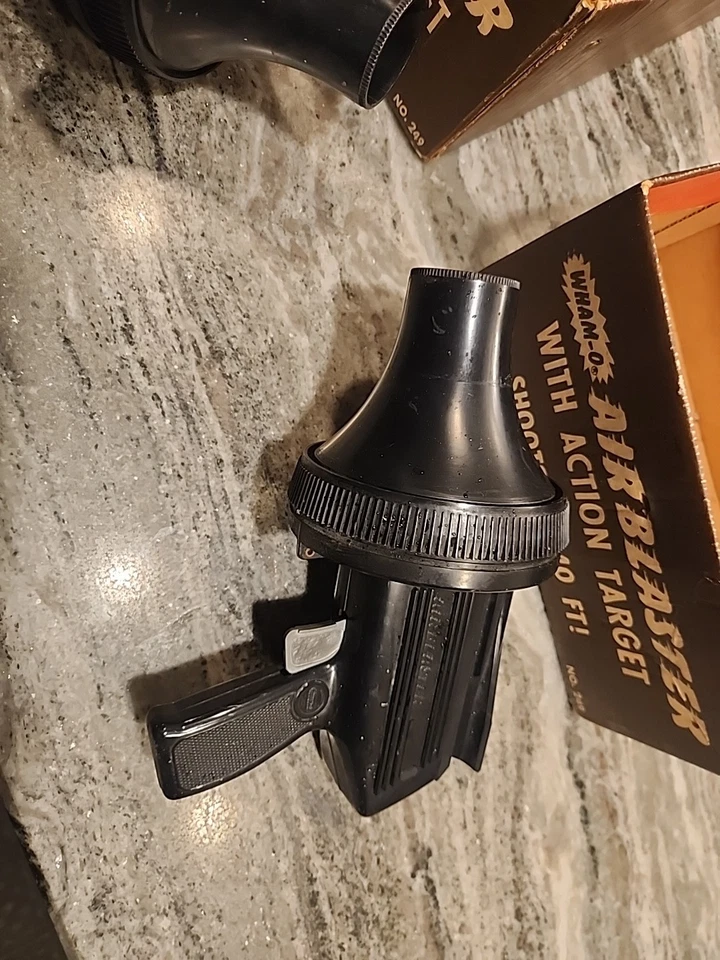
Wham-O released the Air Blaster as a gun that shot a pulse of compressed air instead of a solid projectile. While it seemed safer than a BB gun, the concentrated burst of air was powerful enough to cause damage. Children quickly discovered that firing it directly near an ear could rupture the eardrum instantly. The toy encouraged kids to aim at each other and pull the trigger for a harmless prank. Medical reports eventually linked the device to permanent hearing loss and other pressure-related injuries. It represents a category of toys where the mechanism itself was the danger.
Wrist-Rocket Slingshot

The Wrist-Rocket Slingshot upgraded a traditional mischievous tool into a high-velocity hunting weapon capable of serious destruction. Its surgical tubing and metal wrist brace allowed users to launch steel ball bearings with terrifying speed and accuracy. This device possessed enough power to break windows, kill small game, or cause blinding eye injuries from a distance. Unlike a simple wooden branch, this manufactured product was designed for maximum kinetic energy output. Many communities banned them because they blurred the line between a childhood toy and a regulated weapon. It remains a potent example of overpowered engineering for kids.
Mattel Belt Buckle Derringer
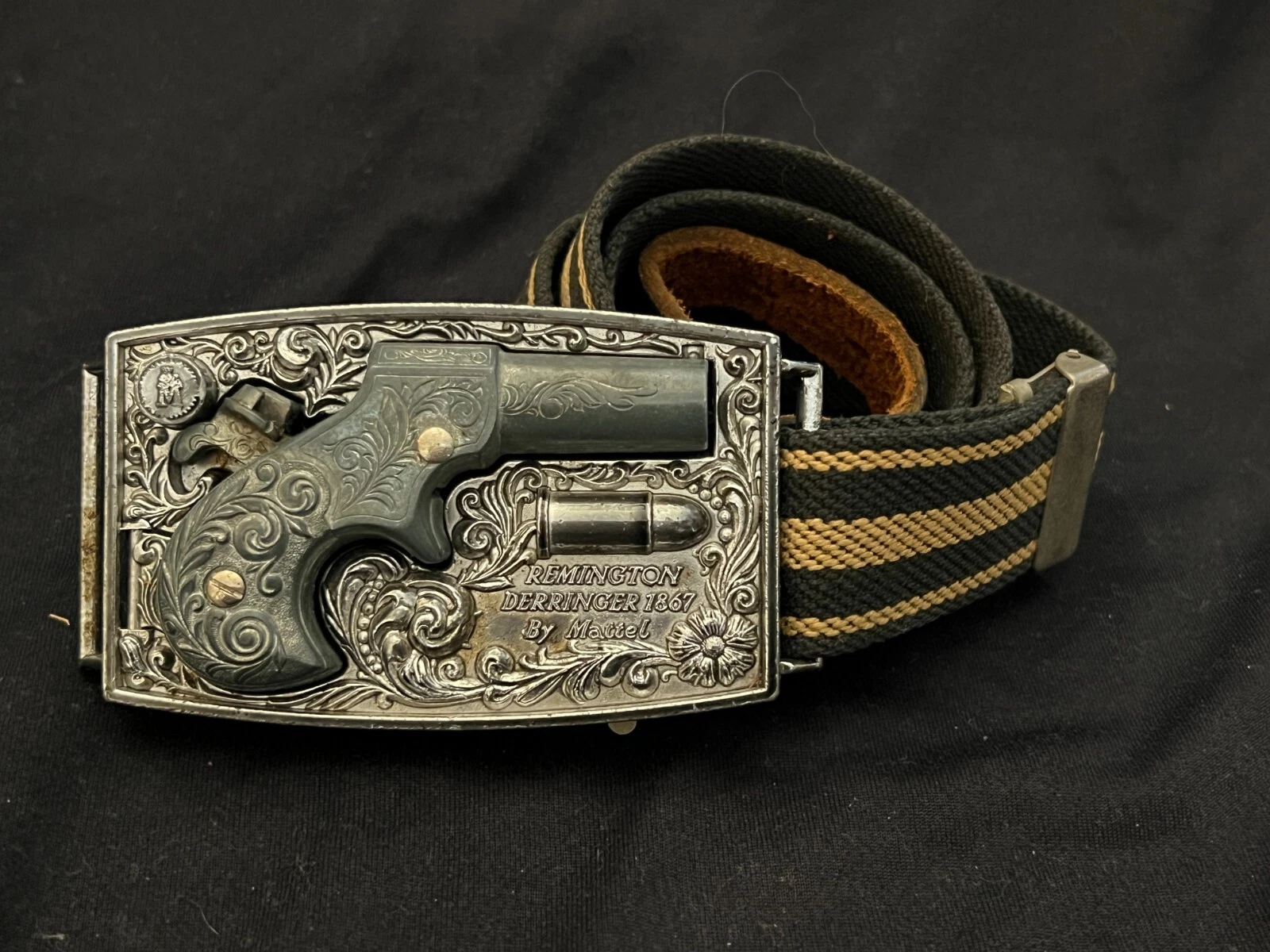
Mattel designed the Belt Buckle Derringer to let kids pretend they were secret agents with a hidden firearm. The toy gun was wearable and fired a plastic bullet and a cap when the wearer expanded their stomach. This mechanism is often triggered accidentally and causes the projectile to strike unsuspecting playmates or the wearer themselves. The cap explosion near the body also caused burns and startled reactions that led to injuries. It taught children that concealing a loaded weapon was a fun game. The Consumer Product Safety Commission would likely recall this item immediately in the modern market.
Big-Bang Carbide Cannon
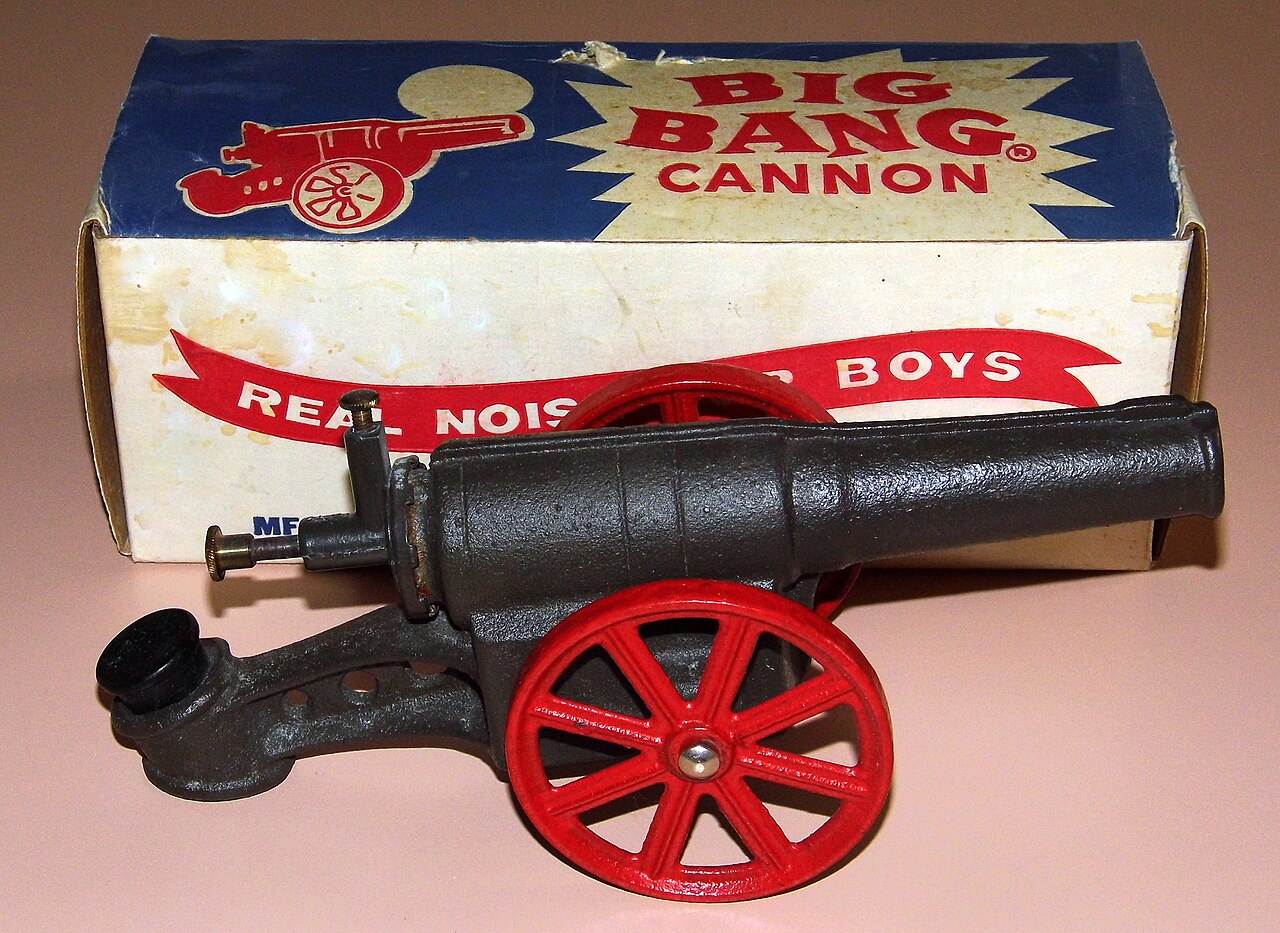
Big-Bang Carbide Cannons used the same volatile chemical principles as the magic pistol to create loud, deafening explosions. Kids mixed calcium carbide and water in the iron chamber to produce acetylene gas for a celebration. Lighting the fuse caused a massive boom that mimicked real artillery fire without a projectile. However, the risk of flash burns and explosion hazards made it incredibly risky for unsupervised play. The noise alone was often loud enough to cause permanent hearing damage to young ears. These heavy cast-iron toys were essentially miniature bombs sold in colorful boxes to excitement-seeking boys.
Wham-O Powermaster Crossbow
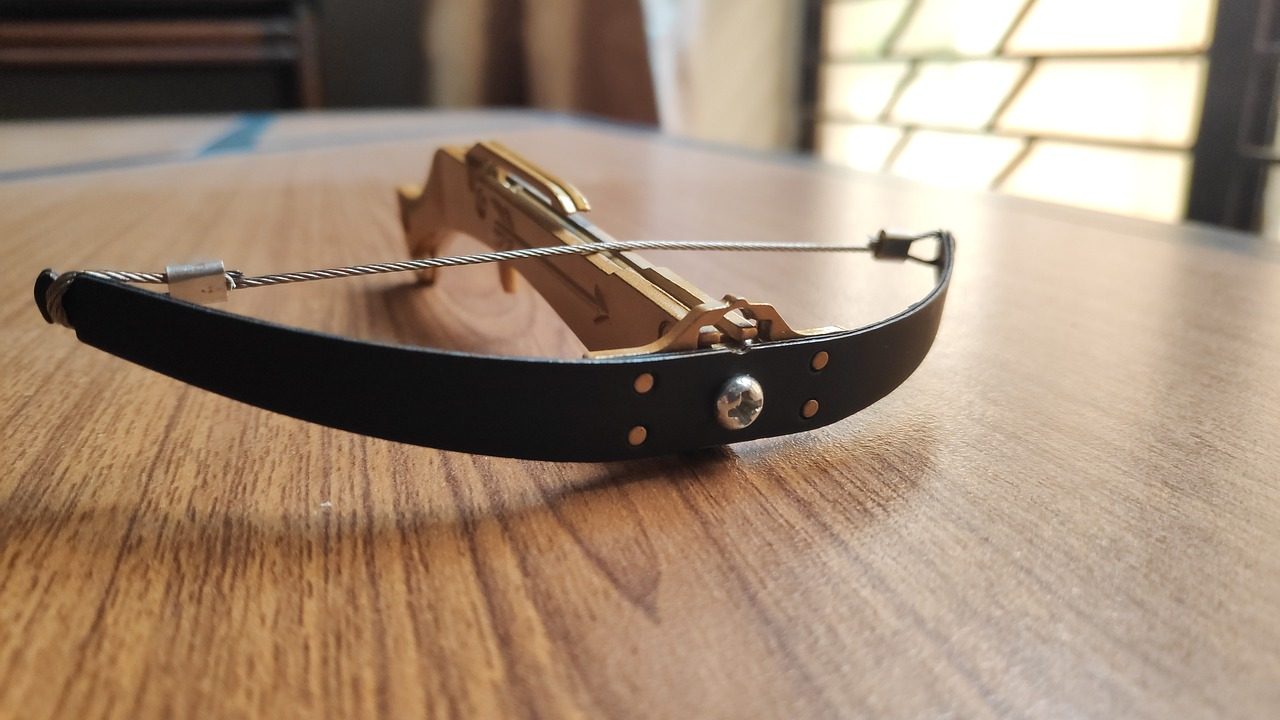
The Wham-O Powermaster Crossbow was a fully functional weapon marketed directly to children for backyard target practice. It featured a seventy-pound draw weight that rivaled hunting gear used by adults for small game. The bolts could easily penetrate wood fences, garage doors, or flesh if mishandled during use. Giving a child a weapon with this level of lethal potential seems unthinkable to modern parents. The line between a sporting good and a toy was nonexistent with this specific product. It serves as a stark example of how different risk assessment was during the mid-twentieth-century era.