Hunting requires stealth and strategy because the 8 mistakes that make you hunted before you hunt can ruin any expedition. Many beginners enter the woods assuming they are the apex predator, only to find themselves detected instantly. Animals possess heightened senses that allow them to spot intruders long before visual contact occurs. A shift in the wind or a snapped twig alerts the entire forest to human presence. Recognizing these common errors helps outdoorsmen improve their success rates and safety in the wild. This guide outlines the specific behaviors that reveal a location to wary game or dangerous predators nearby.
Ignoring Wind Direction
Many hunters forget that scent travels much farther than sound or sight in the wilderness. Ignoring wind direction essentially broadcasts a human presence to every animal downwind of the position. Deer and bear rely primarily on their olfactory senses to detect threats from hundreds of yards away. Setting up a stand without checking the prevailing breeze ensures that the area remains empty all day. Successful trackers constantly monitor air currents using powder or natural vegetation to stay undetectable. Hunting with the wind at your back guarantees that the quarry knows exactly where the danger lies long before arrival.
Skylining On Ridges

Walking along the very top of a ridge creates a distinct silhouette against the bright sky. This practice, known as skylining, makes a hunter visible to animals watching from miles away below. The contrast between the dark human form and the light background destroys all camouflage efforts instantly. Experienced stalkers always move just below the crest of the hill to keep a solid backdrop behind them. Breaking up the human outline is critical for remaining unseen by sharp-eyed game like elk or sheep. Crossing a ridge improperly announces an arrival to the entire valley without saying a word.
Making Unnatural Noises
The forest is full of sounds, but the rhythmic crunch of human footsteps stands out immediately. Metal clinking against a treestand or the zip of a backpack creates artificial noise that alarms wildlife. Animals distinguish between the random rustle of a squirrel and the heavy cadence of a clumsy hunter. Coughing or talking while moving through the woods signals danger to every creature within earshot. Silence is the most powerful tool available when pursuing wary game in their home environment. Eliminating these foreign sounds requires slow movement and careful gear management to remain completely stealthy and effective.
Using Artificial Scents

Wearing strong deodorant or washing clothes with scented detergents leaves a chemical trail that animals despise. These artificial odors scream danger to wild creatures that live and die by their sense of smell. Even the lingering scent of gasoline from a vehicle or smoke from a campfire can ruin a hunt. Serious hunters use scent-elimination sprays and store their gear in sealed containers to remain neutral. Smelling like a pine forest is useless if the hunter also smells like fresh laundry soap. Controlling body odor is a fundamental skill that separates the amateur observer from the successful harvester.
Fidgeting In The Stand
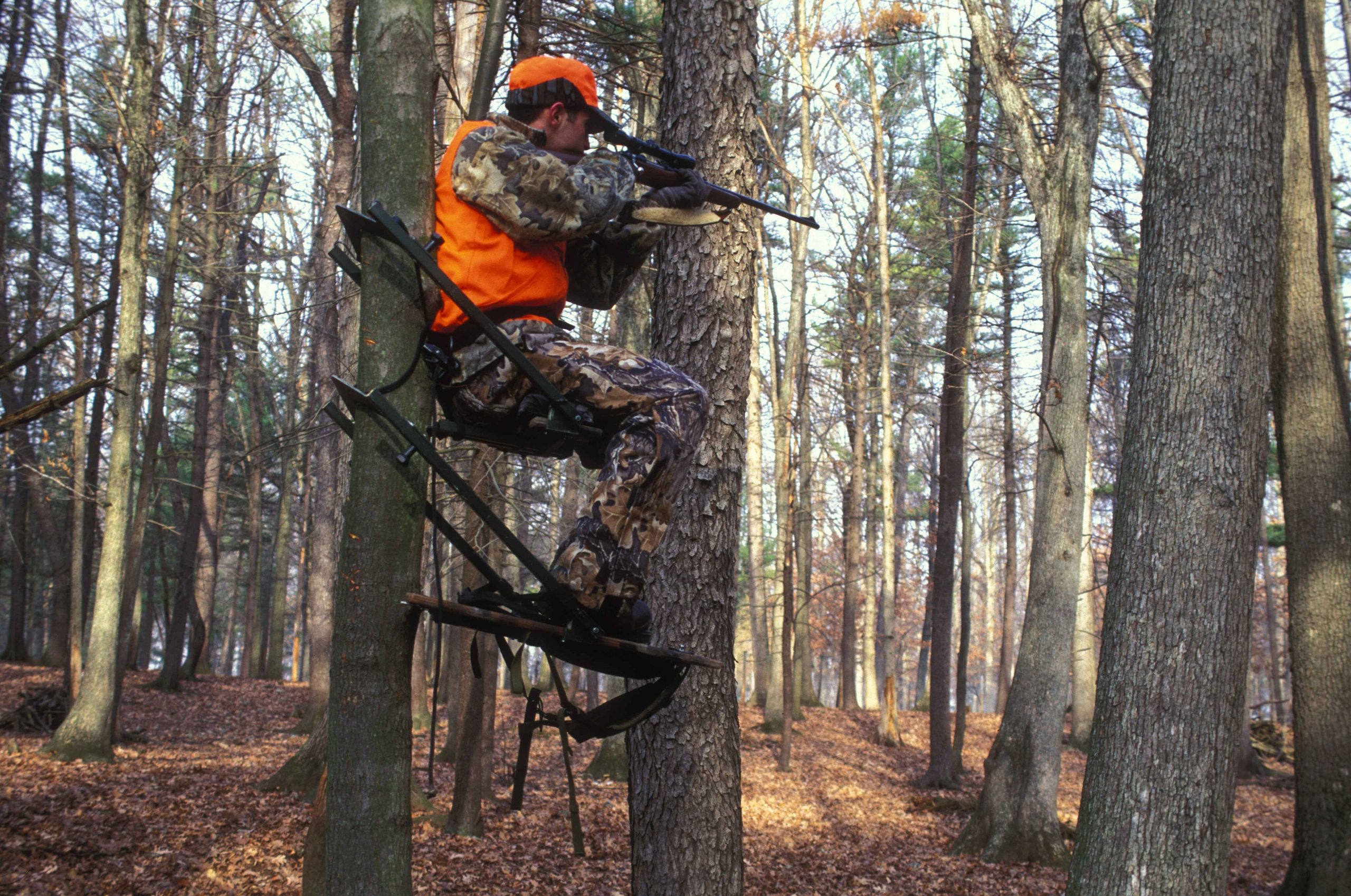
Remaining perfectly motionless for hours is physically demanding but absolutely necessary for avoiding detection by game. Constant shifting or scratching catches the eye of animals that are evolved to spot movement instantly. A deer might overlook a stationary object, but a waving hand or turning head triggers a flight response. Using a comfortable seat and dressing warmly helps reduce the urge to move during long waits. Discipline and patience are just as important as marksmanship when waiting for an opportunity. Every small movement increases the probability of being spotted by the very target the hunter hopes to see.
Neglecting Camouflage Coverage

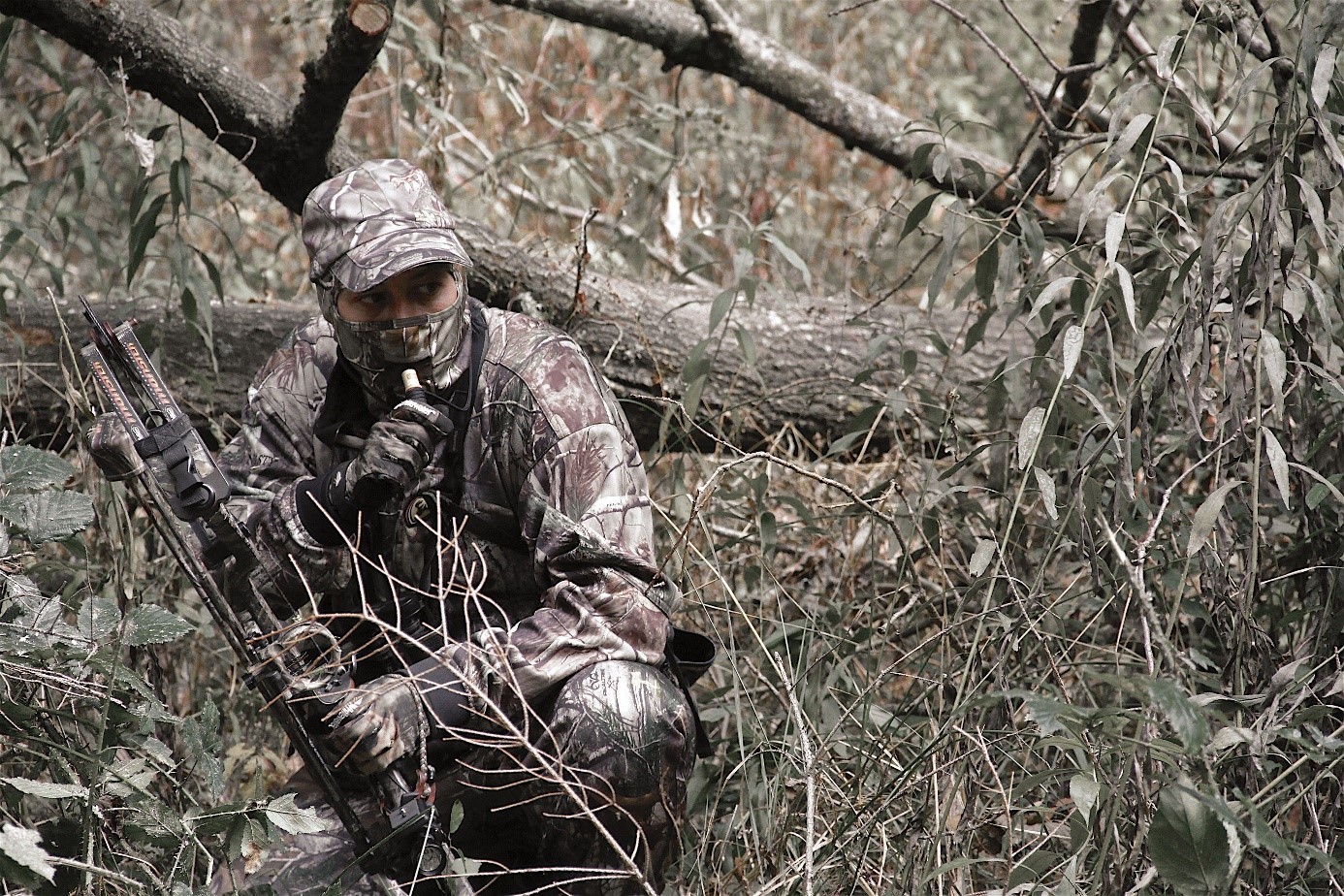
Wearing camouflage clothing is effective only when it matches the specific environment and covers exposed skin. A bright white face or hands shining in the sun acts like a beacon in the dark woods. Many hunters cover their bodies but leave their pale skin exposed, which reflects light noticeably. Using face paint or wearing gloves completes the concealment and breaks up the recognizable human form. The goal is to blend into the shadows and vegetation seamlessly rather than just wearing a pattern. Incomplete coverage allows sharp-eyed prey to identify the predator and escape before a shot is possible.
Moving Too Fast
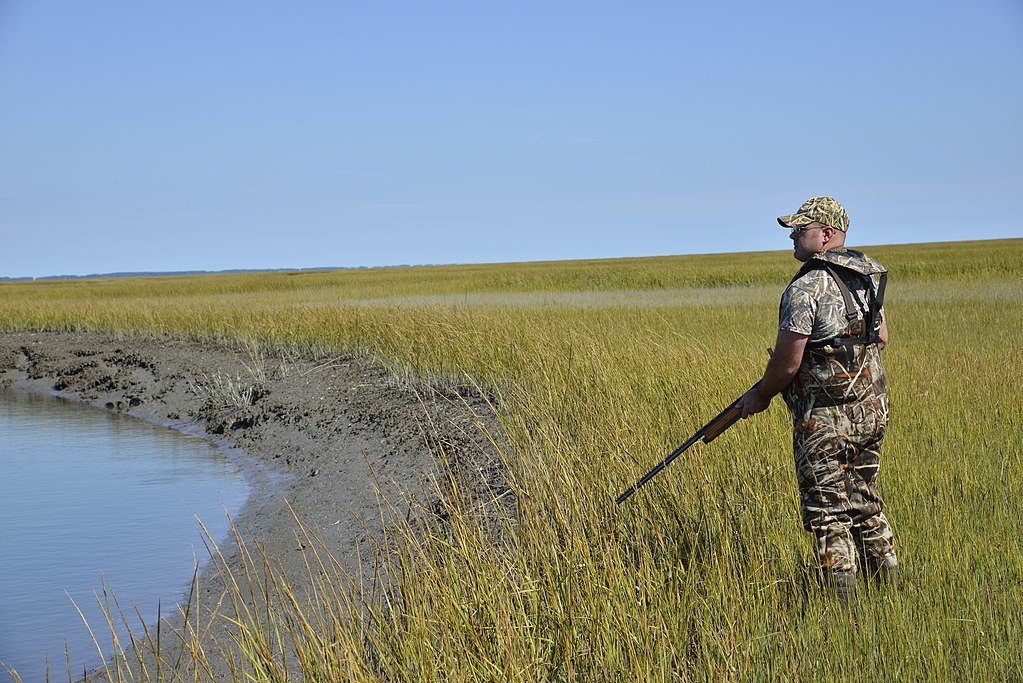
Impatience often drives hunters to walk through the woods at a pace that alerts everything nearby. Moving too fast makes it impossible to spot hidden animals before they spot the intruder. A rapid pace creates more noise and motion that triggers the survival instincts of resting game. Successful stalking involves taking a few slow steps and then pausing to scan the surroundings carefully. The hunter must see the animal before the animal sees the movement to have any chance of success. Slowing down forces the observer to become part of the rhythm of the natural world.
Overcalling The Game
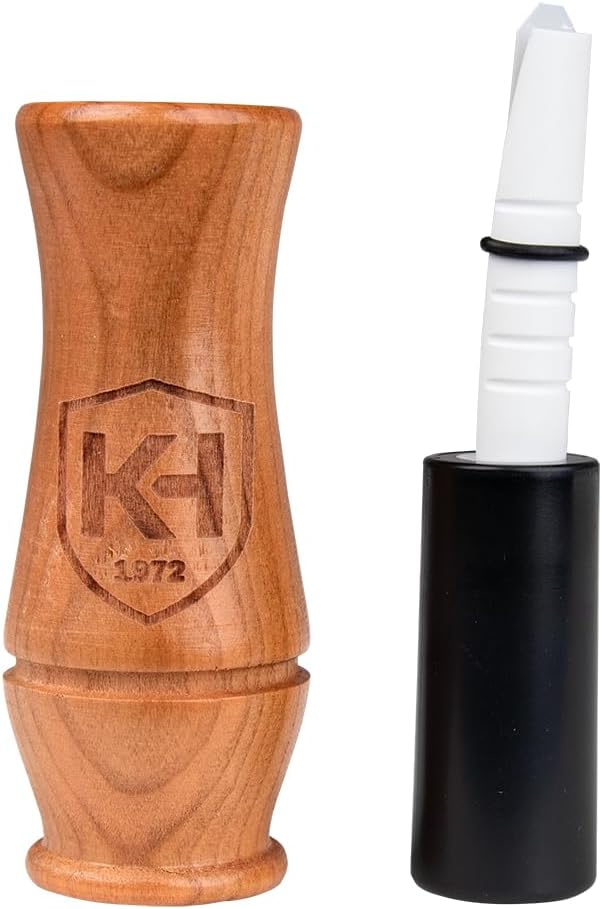
Using game calls can attract animals effectively, but using them too frequently has the opposite effect. Aggressive or repetitive calling sounds unnatural and warns educated animals that something is wrong. A real turkey or elk does not vocalize constantly without a specific reason or social context. Hunters who blow their calls nonstop often educate the game and push them out of the area entirely. Learning when to remain silent is just as important as knowing how to make the sound. Subtlety and realism are the keys to fooling a wary animal into coming within effective range.