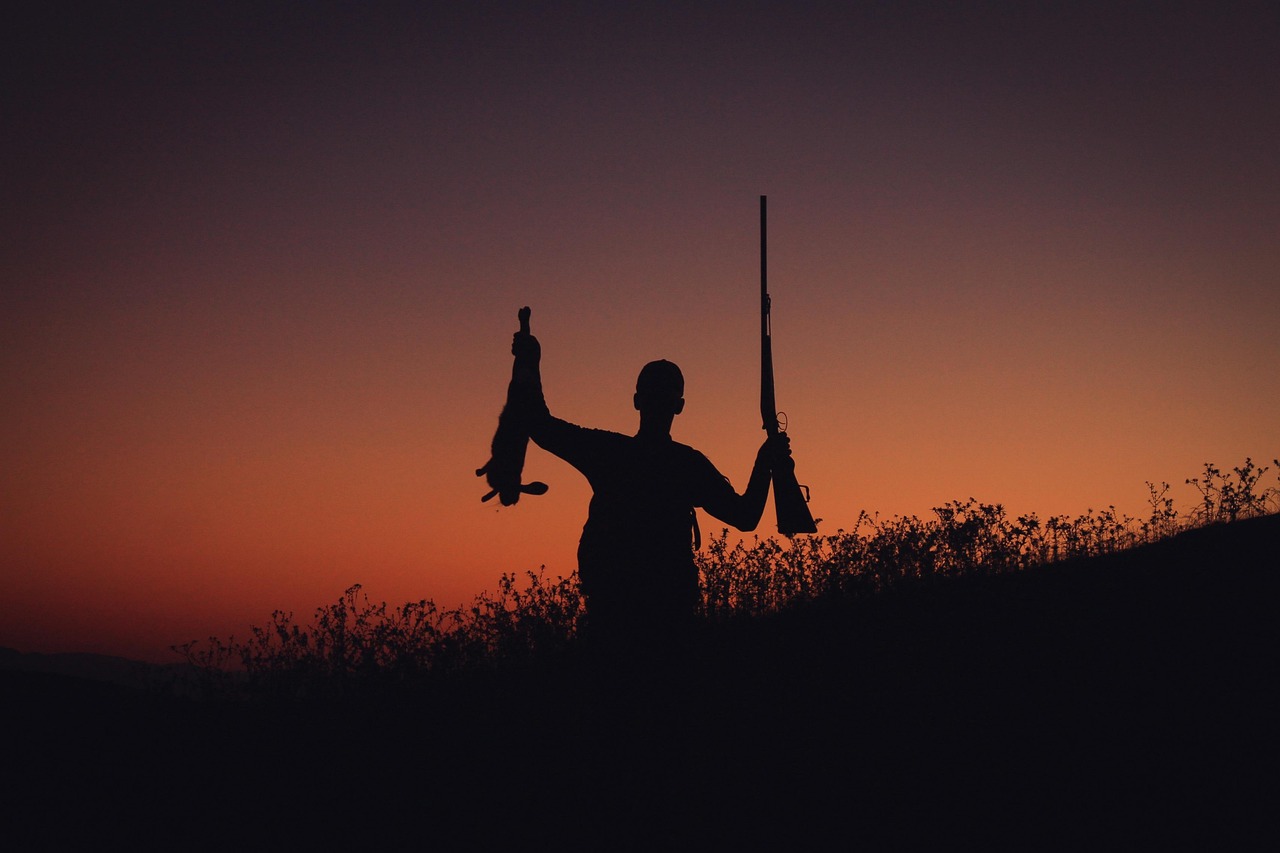
Before the first light breaks across the horizon, hunters are already awake, preparing for a successful and safe day outdoors. The early morning routine sets the stage for everything that follows, and seasoned hunters know that every detail matters. From weather checks to gear inspections, the hours before dawn are a time for focus and readiness. This careful preparation ensures that when the hunt begins, there are no distractions, only confidence and determination.
1. Weather Conditions
One of the first things hunters do before dawn is review the weather forecast. Knowing if rain, fog, or wind is expected helps them decide how to dress and whether to adjust hunting plans. Temperature shifts can influence animal movement, and strong winds can carry human scent farther than usual. A clear morning may call for different camouflage than an overcast one. Hunters understand that nature dictates the day, so they plan accordingly by checking reliable weather apps or radios before heading out.
2. Firearm or Bow Readiness
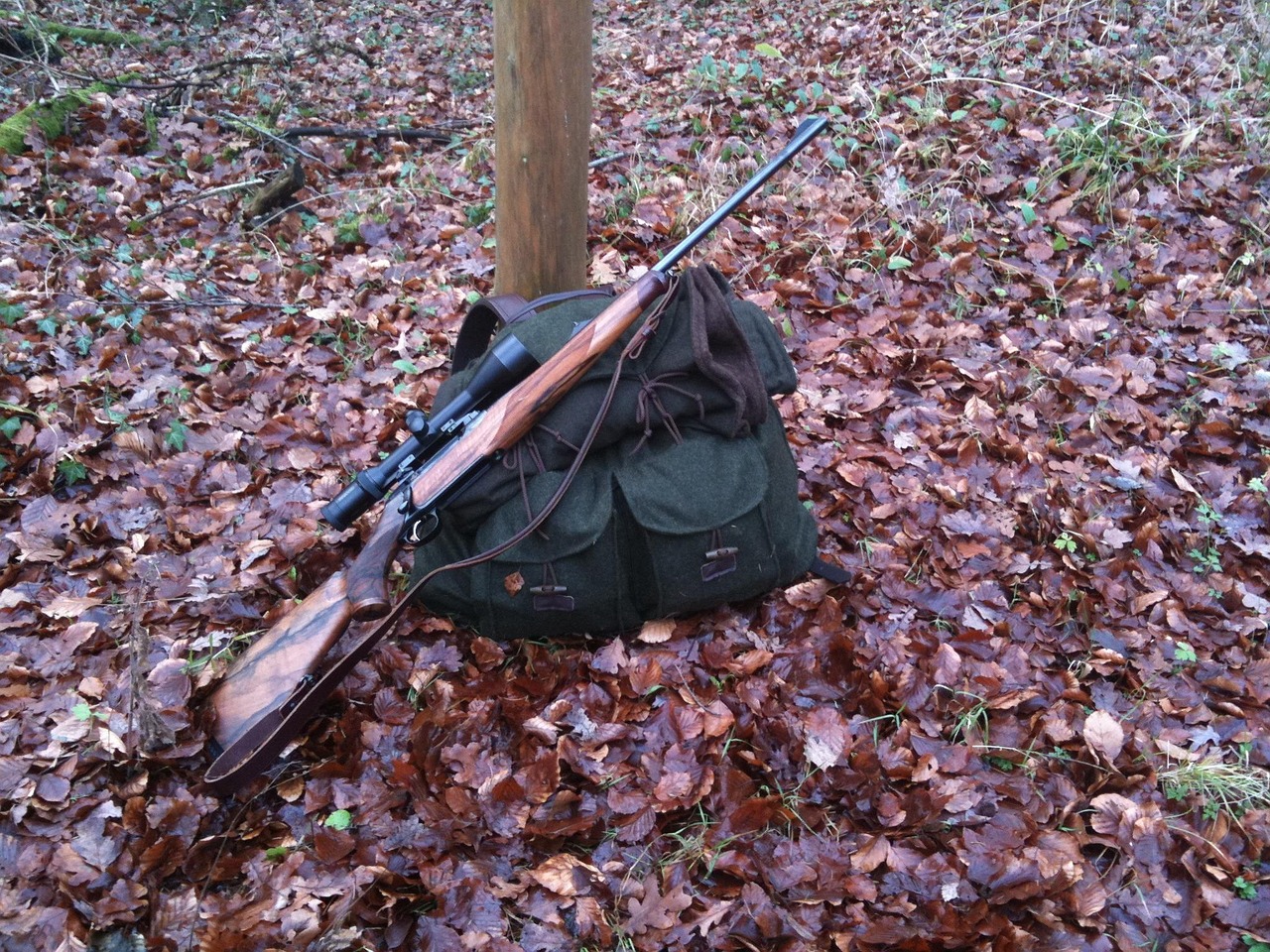
A weapon is a hunter’s most critical tool, and checking it thoroughly before dawn is nonnegotiable. Hunters ensure their rifle, shotgun, or bow is clean, functional, and sighted in properly. They confirm that optics are clear, safeties are working, and triggers are responsive. Even the smallest malfunction can cost a shot or create unsafe conditions. By inspecting equipment ahead of time, hunters remove uncertainty and know that when the moment comes, their weapon will perform exactly as intended without failure.
3. Ammunition and Arrows
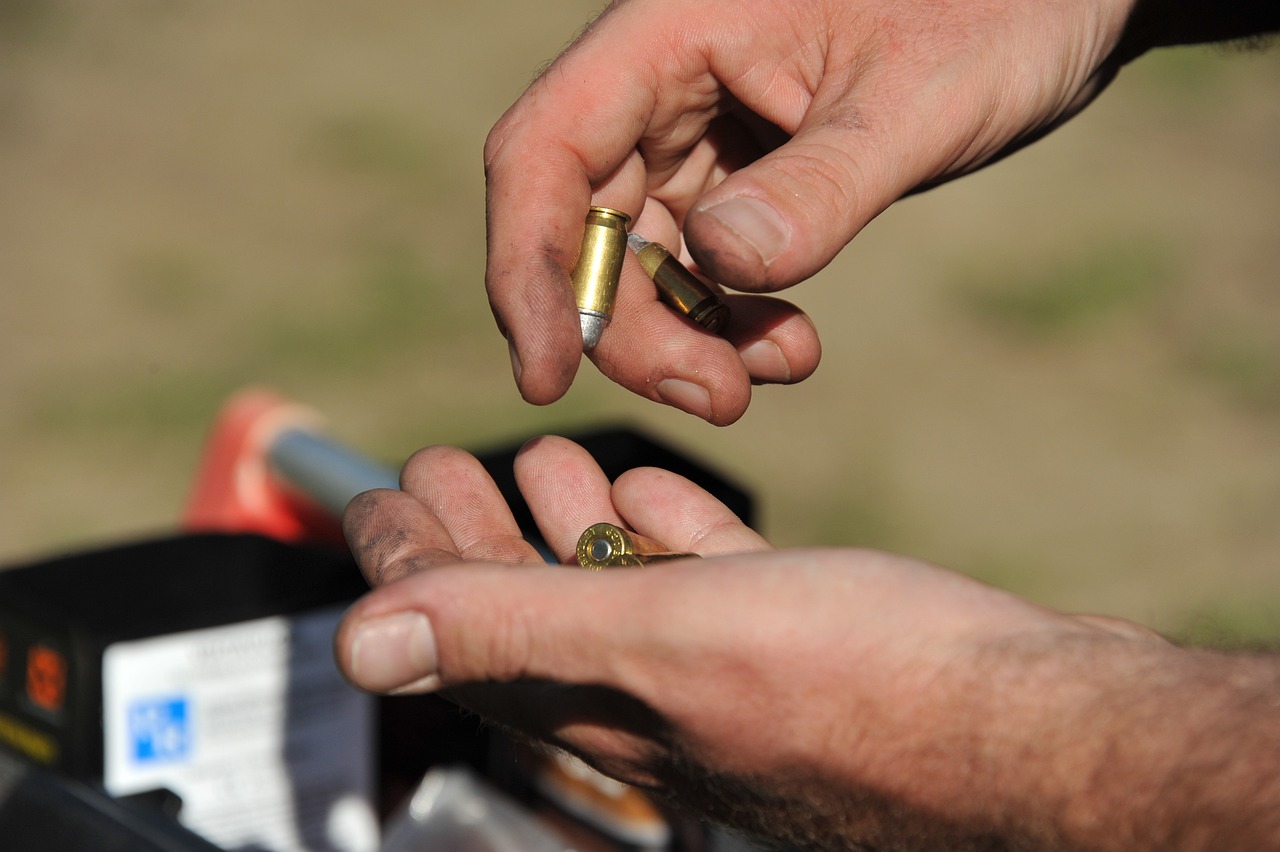
Forgetting ammunition or arrows is a mistake no hunter wants to make, which is why they double-check supplies before stepping out. Hunters carefully count the rounds or arrows they need and pack extra in case of extended hunts. Storage is important too; ammunition should be dry, and arrows should be straight with secure tips. Properly prepared, hunters avoid the frustration of being under-equipped. Having the right amount ensures confidence that the hunt can continue smoothly without unnecessary interruptions.
4. Clothing and Camouflage
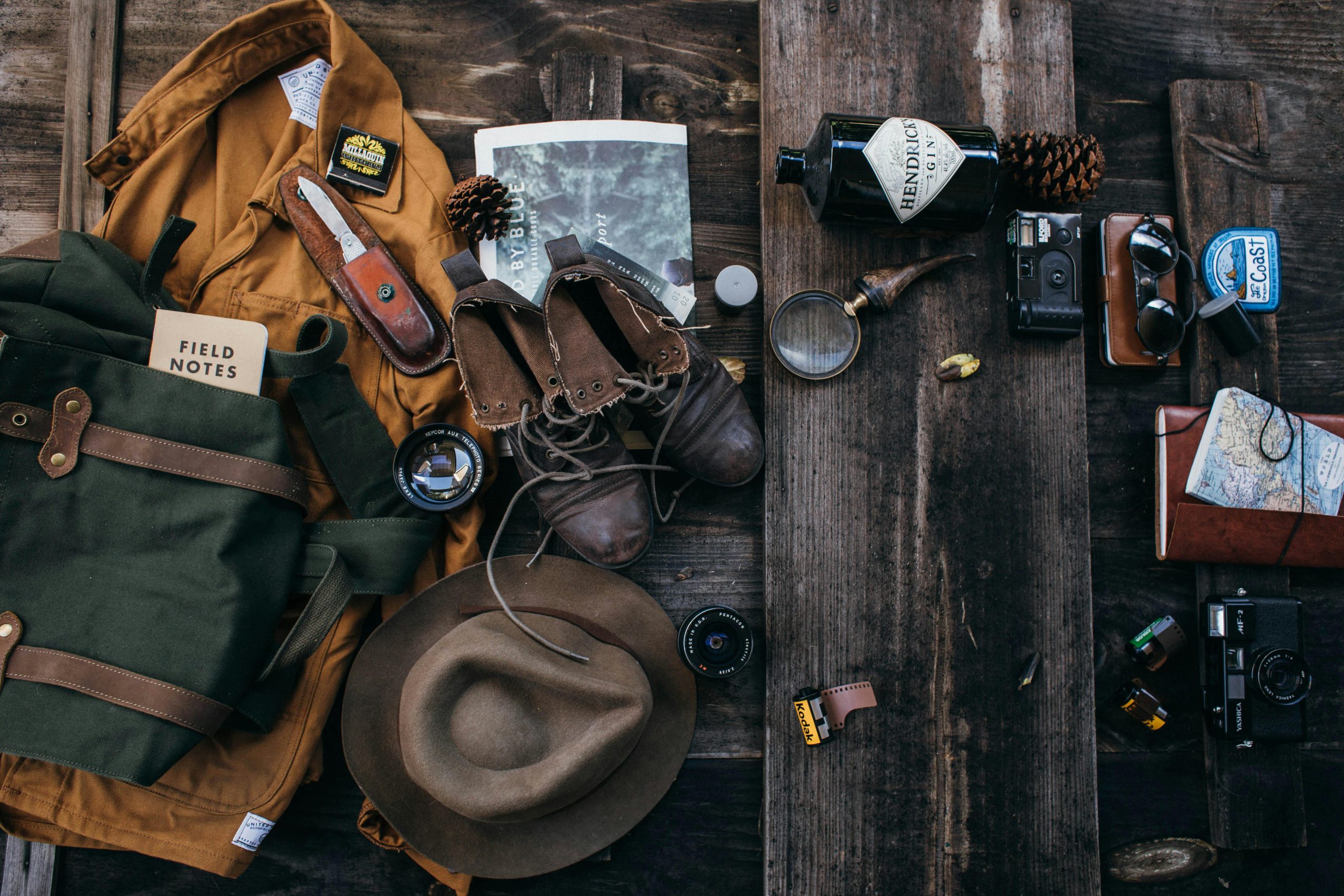
What hunters wear before dawn can determine their comfort and effectiveness in the field. They layer clothing to adapt to changing temperatures and choose fabrics designed for silence and durability. Camouflage patterns are selected based on terrain, whether that’s dense forest, open plains, or snowy ground. Footwear is double-checked for warmth and grip, as spending hours outdoors requires reliability. By dressing with care, hunters stay comfortable, move undetected, and focus on the hunt rather than distractions from poor gear choices.
5. Scent Control

Animals have a sense of smell far more sensitive than humans, so hunters pay close attention to scent management before dawn. They may shower with unscented soap, apply odor-eliminating sprays, and change into clean clothing reserved only for hunting. Some even use natural cover scents like earth or pine to blend in better with the environment. A small slip in scent control can alert wildlife from hundreds of yards away, so taking time to manage odor can dramatically increase success.
6. Navigation Tools
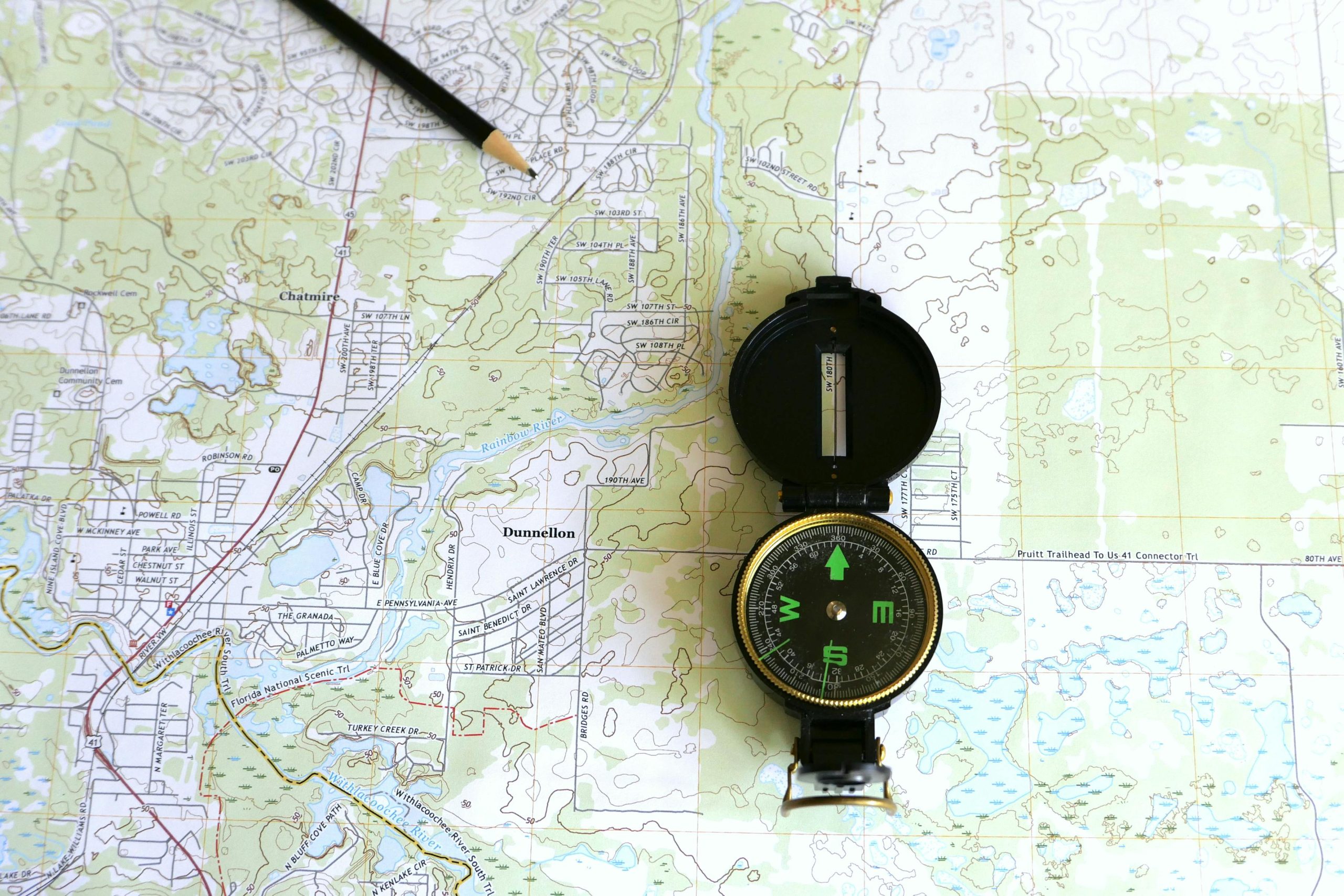
Before entering the dark woods, hunters confirm their navigation gear is ready. GPS devices, compasses, or maps are checked to ensure reliability, with batteries fully charged and backups packed if needed. Many hunters study their route the night before, marking landmarks and key points. Darkness can make even familiar terrain confusing, and getting lost wastes valuable time and energy. By double-checking navigation tools, hunters protect themselves from disorientation and ensure they can move confidently to and from hunting areas.
7. Hunting License and Tags
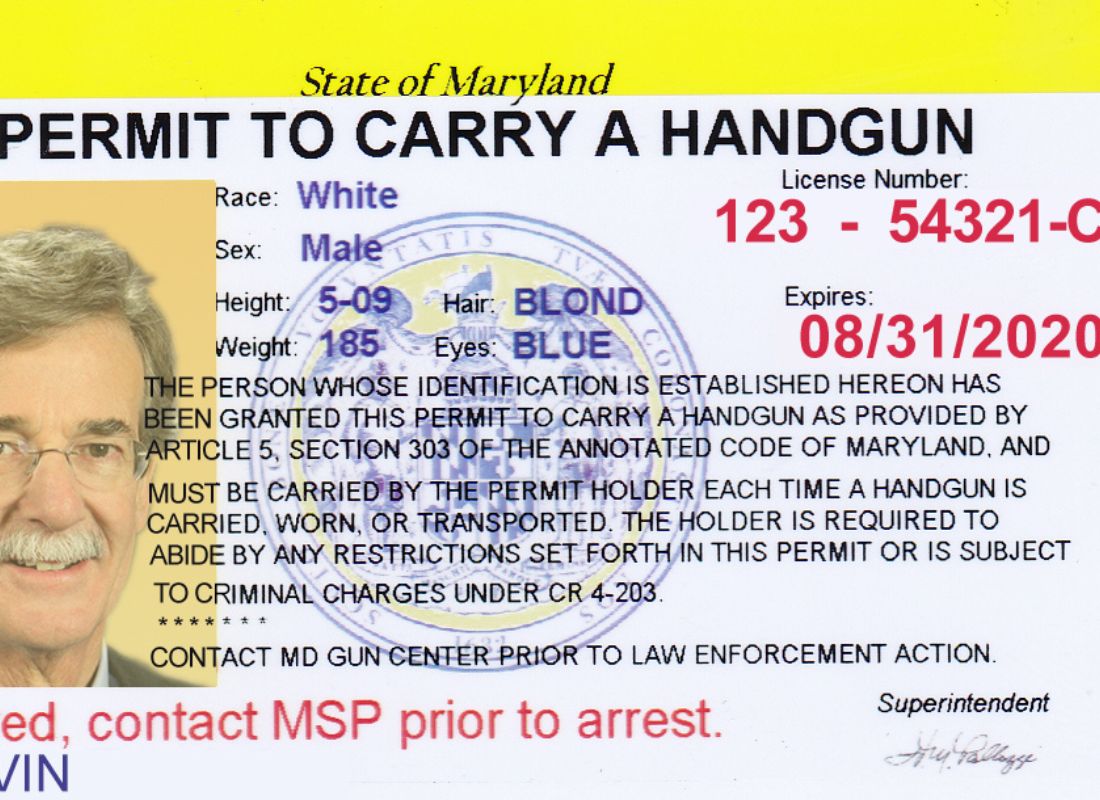
No hunt is complete without proper documentation, which is why hunters always verify they have their licenses and tags before leaving. Regulations vary by state, and carrying the right paperwork ensures legal compliance. Forgetting a license or tag can result in fines, ruined opportunities, or even forfeited game. Hunters often keep these documents in a waterproof case or pouch for safekeeping. Checking early ensures there are no last-minute surprises that could disrupt an otherwise well-prepared hunting trip.
8. Safety Gear and First Aid
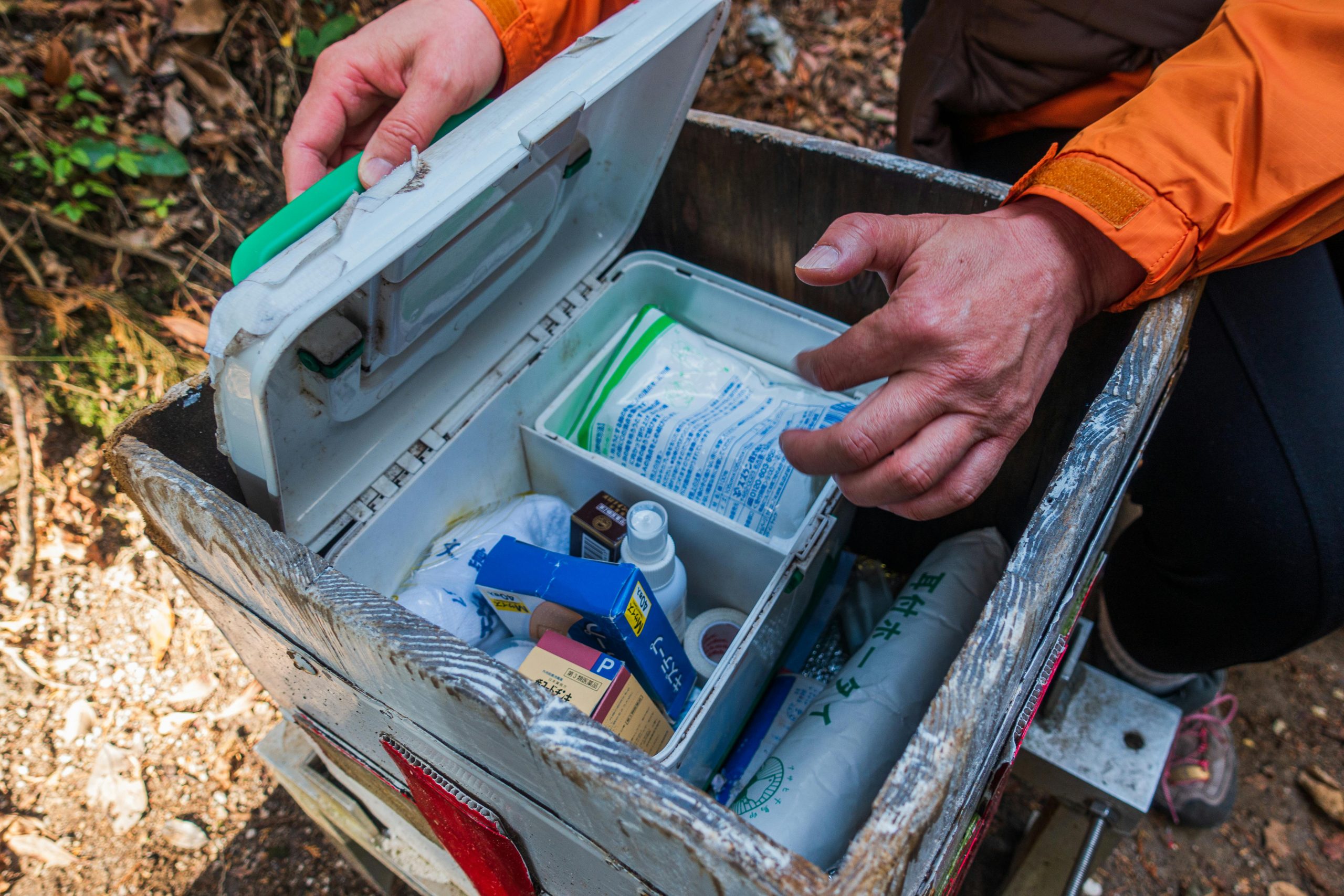
Safety is as important as success in hunting, and checking gear before dawn reduces risks. Hunters pack essentials like harnesses for tree stands, whistles, flashlights, and reflective clothing. A compact first aid kit is another must-have, containing bandages, antiseptics, and pain relievers for emergencies. These items might never be used, but they are invaluable in an unexpected situation. Hunters who prioritize safety leave home knowing they are prepared for both the adventure ahead and any unforeseen accidents.