Hunting culture passes along plenty of rifle wisdom, but some claims stick around long after science, training, and modern manufacturing move on. Misunderstandings can lead to poor shot placement, wasted time at the range, and risky handling habits. A clearer view starts with separating what sounds plausible from what consistently holds up in ballistics testing, hunting education, and basic physics. The eight myths below show up in camps, stores, and social media, yet each one has a more reliable explanation grounded in how rifles, ammunition, and shooters actually behave.
Myth One: Bigger Caliber Always Drops Game Faster
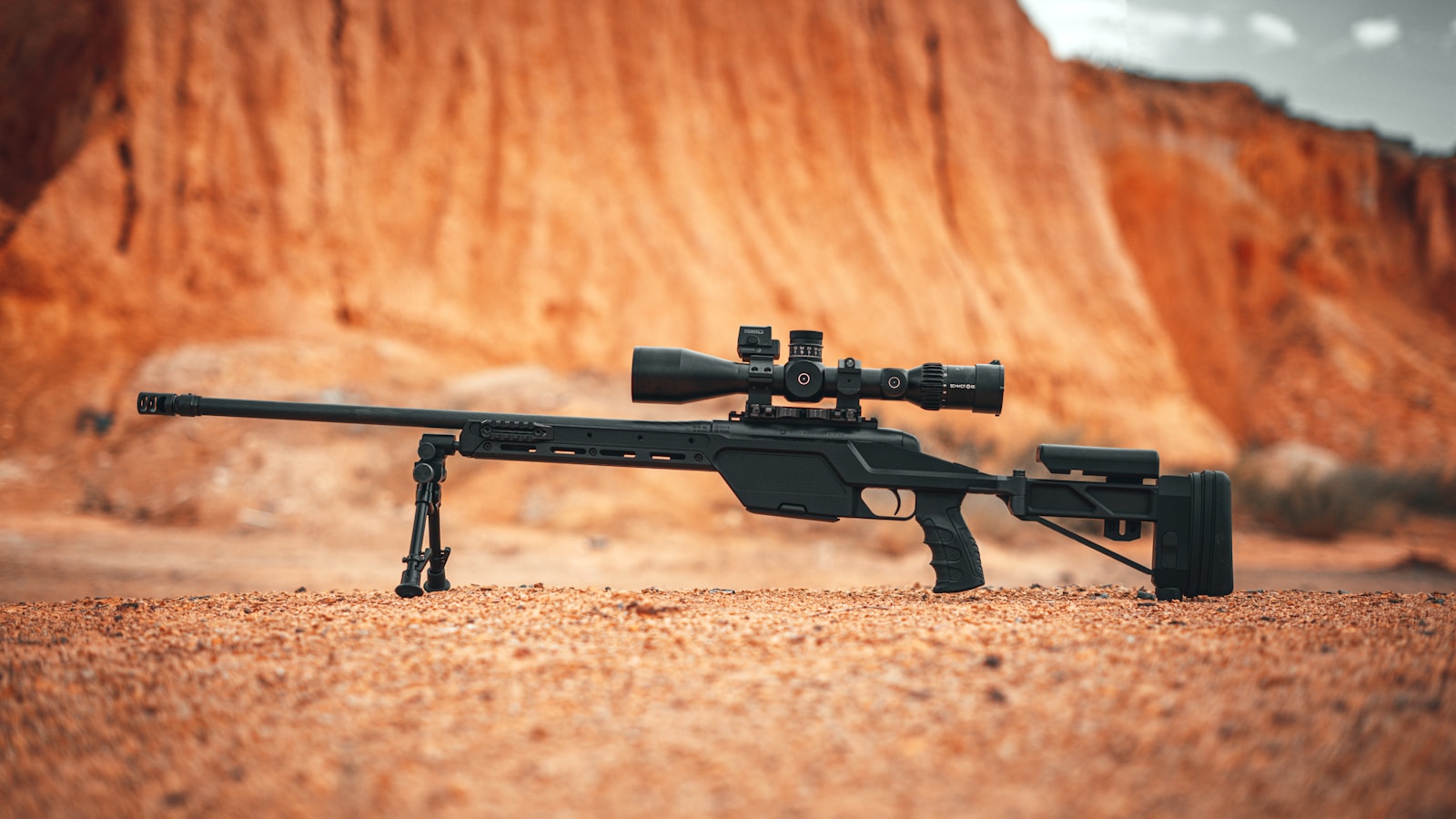
Many hunters assume a larger caliber guarantees quicker, cleaner kills, but terminal performance depends on several linked factors. Bullet construction, impact velocity, and shot placement drive tissue damage far more than diameter alone. A well-designed projectile that expands or penetrates as intended can outperform a larger, poorly matched bullet at the same range. Ethical outcomes rely on reaching vital organs with enough penetration and a stable wound channel. Recoil also increases with many larger cartridges, and heavier recoil can degrade accuracy for some shooters, undermining the most important factor: placing a precise shot.
Myth Two: Every Rifle Shoots Best With The Same Ammo

A common belief says one popular load will work equally well in any rifle of the same chambering, but barrels vary. Differences in chamber dimensions, throat length, bore smoothness, and twist rate can change pressure, velocity, and stability. Two rifles that look identical can print very different groups with the same factory box. Ammunition also varies by bullet shape, jacket thickness, powder burn rate, and primer choice, all of which influence harmonics and consistency. The most dependable approach is to test a few reputable loads, then confirm the results with a solid rest and a repeatable technique.
Myth Three: A Scope Makes Up For Weak Fundamentals
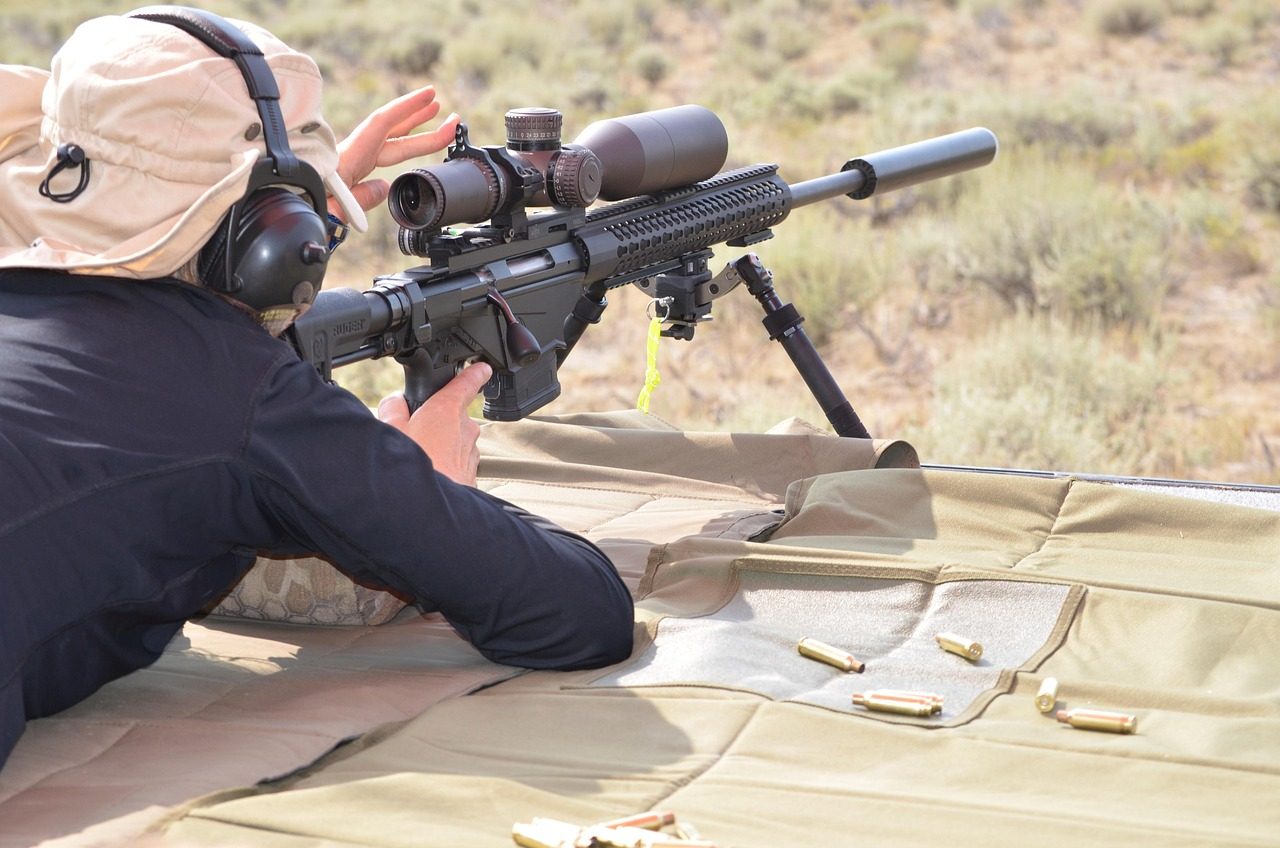
A high-quality optic can improve aiming precision, but it cannot replace stable position, trigger control, and follow-through. Many misses come from flinching, poor breathing timing, or inconsistent cheek weld, and those issues remain with any scope. Magnification can even amplify wobble, which leads to rushed shots and overcorrection. Parallax and eye relief also matter because a slight head shift can move the point of aim on some setups. Fundamentals, including a steady support and a clean trigger press, produce accuracy first, while an optic helps the shooter see and confirm it.
Myth Four: A Rifle Is Safe If The Safety Is On
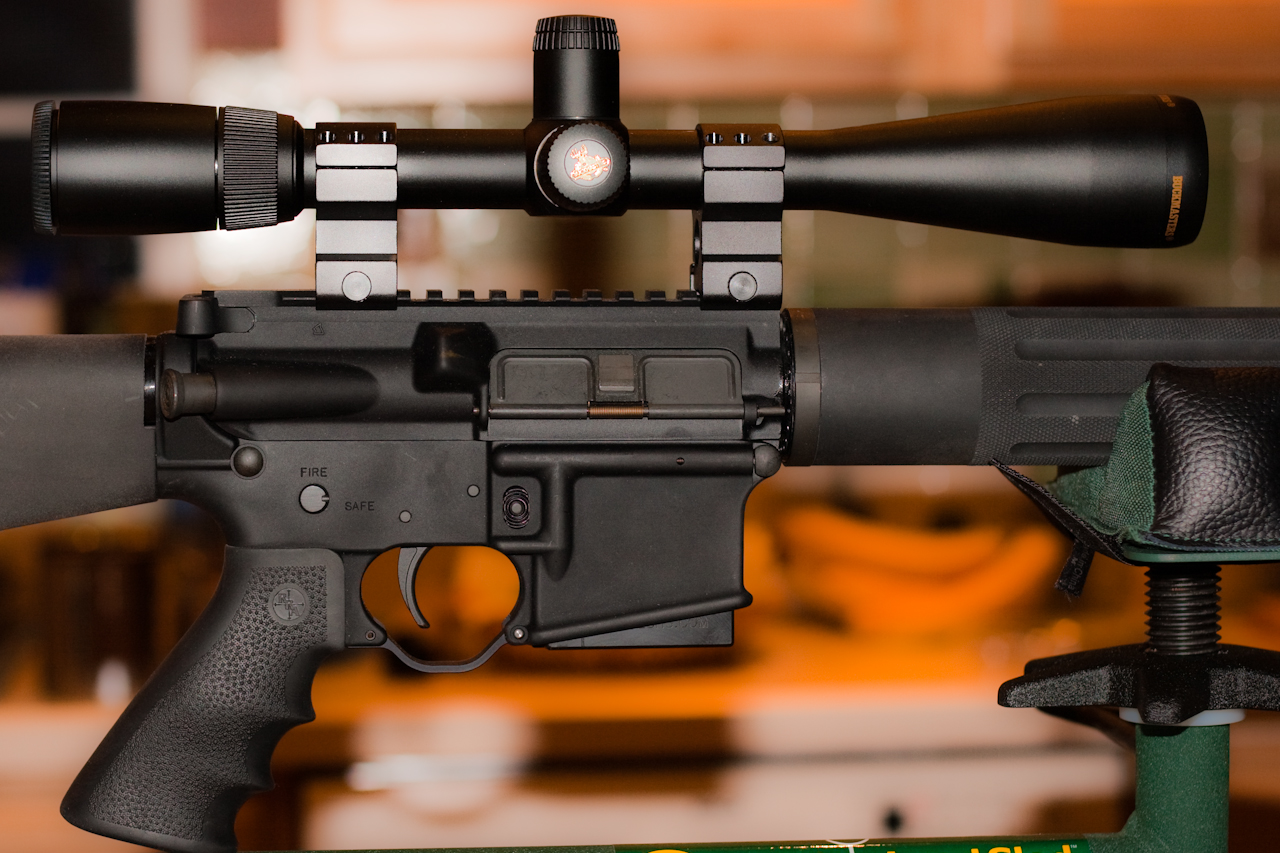
Mechanical safeties reduce risk, but they do not make a rifle inherently safe in every situation. Safeties can be bumped off, wear over time, or fail if debris or damage interferes with the mechanism. Some firearms allow bolt movement with the safety engaged, and some designs behave differently across models, which can confuse handling under stress. Safe gun handling relies on muzzle discipline, keeping fingers off the trigger until ready, and keeping the firearm unloaded until the moment of use. Treating every firearm as loaded remains the most reliable rule.
Myth Five: Longer Barrels Are Always More Accurate
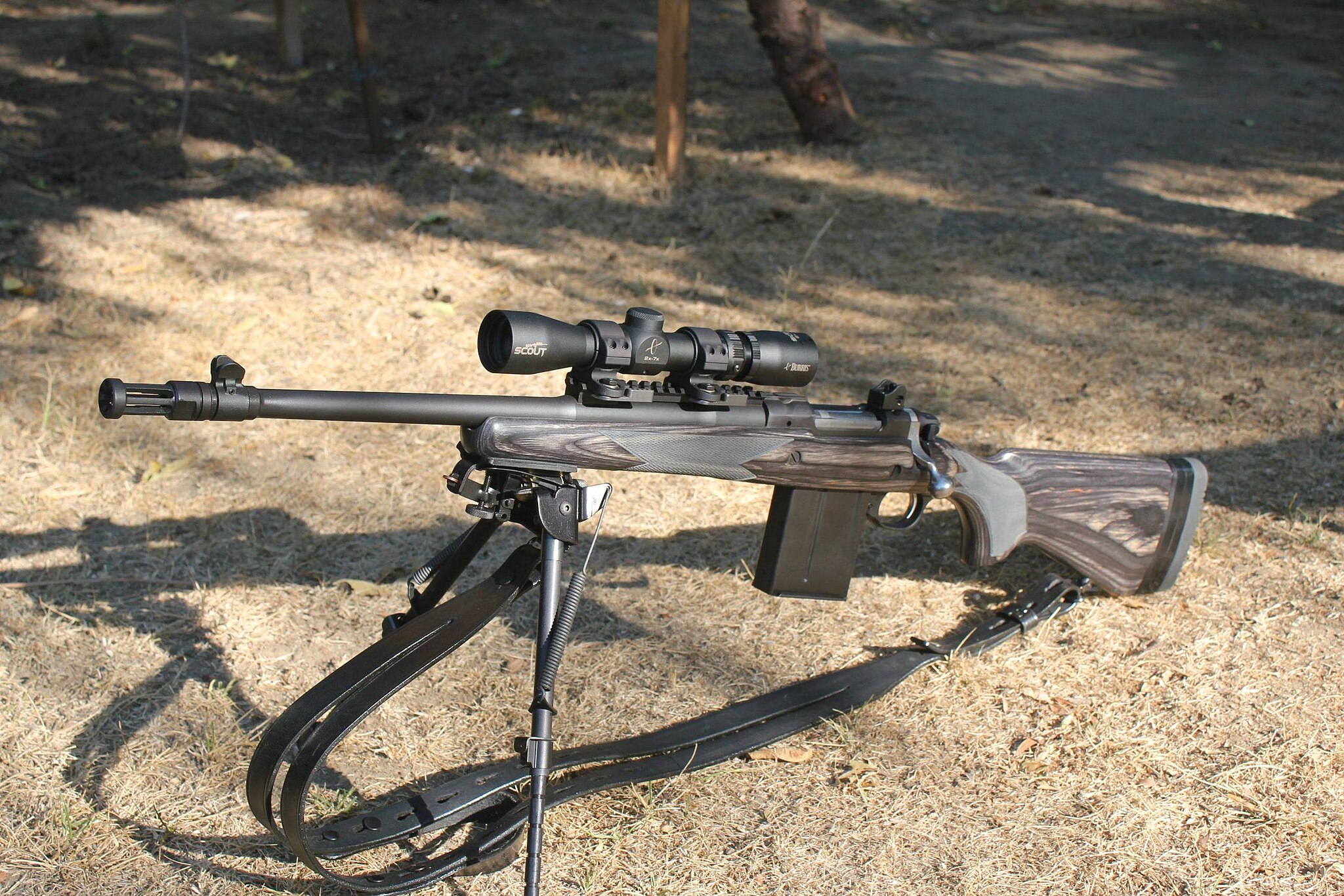
A longer barrel can raise velocity in many cartridges, but length alone does not guarantee tighter groups. Accuracy depends on barrel quality, consistent bedding, crown condition, and how well the barrel harmonics match the load. A shorter, stiffer barrel can resist vibration and sometimes shoot exceptionally well. Longer barrels can also become harder to manage in thick brush or steep terrain, which affects practical field accuracy. Sight radius matters for iron sights, yet optics reduce that advantage. The best choice balances handling, intended range, and proven performance with the chosen ammunition.
Myth Six: Every Miss Means The Rifle Needs A New Zero
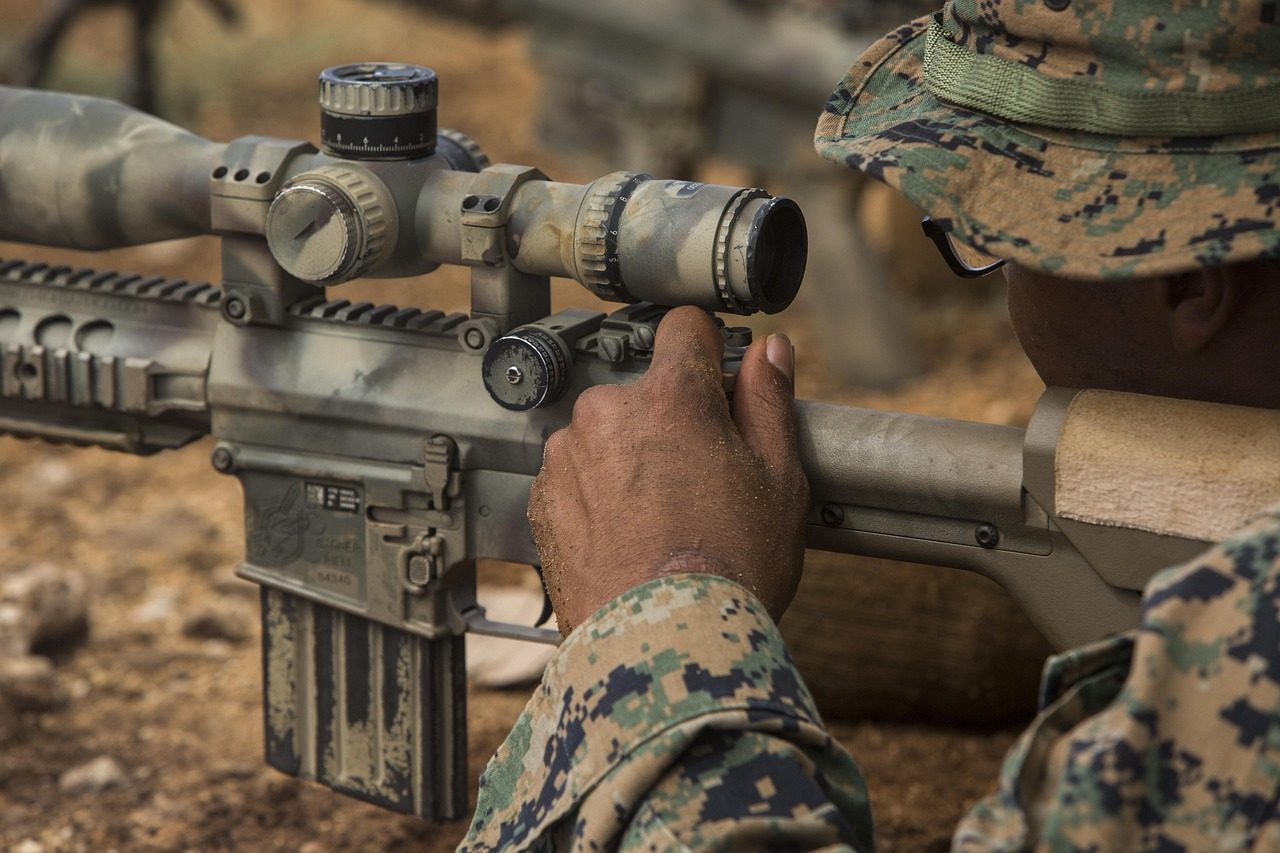
When a shot goes wide, it is tempting to blame the scope, but many misses come from human or environmental causes. Wind drift, awkward shooting angles, rushed positions, and inconsistent rest contact can shift the point of impact without any change to zero. Even small differences in shoulder pressure or how the fore end sits on a pack can alter harmonics. Before adjusting sights, confirm the rifle is on a stable bench, use the same ammunition, and fire a careful group. If the group stays centered, the zero likely holds, and the technique needs attention.
Myth Seven: Any Bullet Works For Any Game Animal
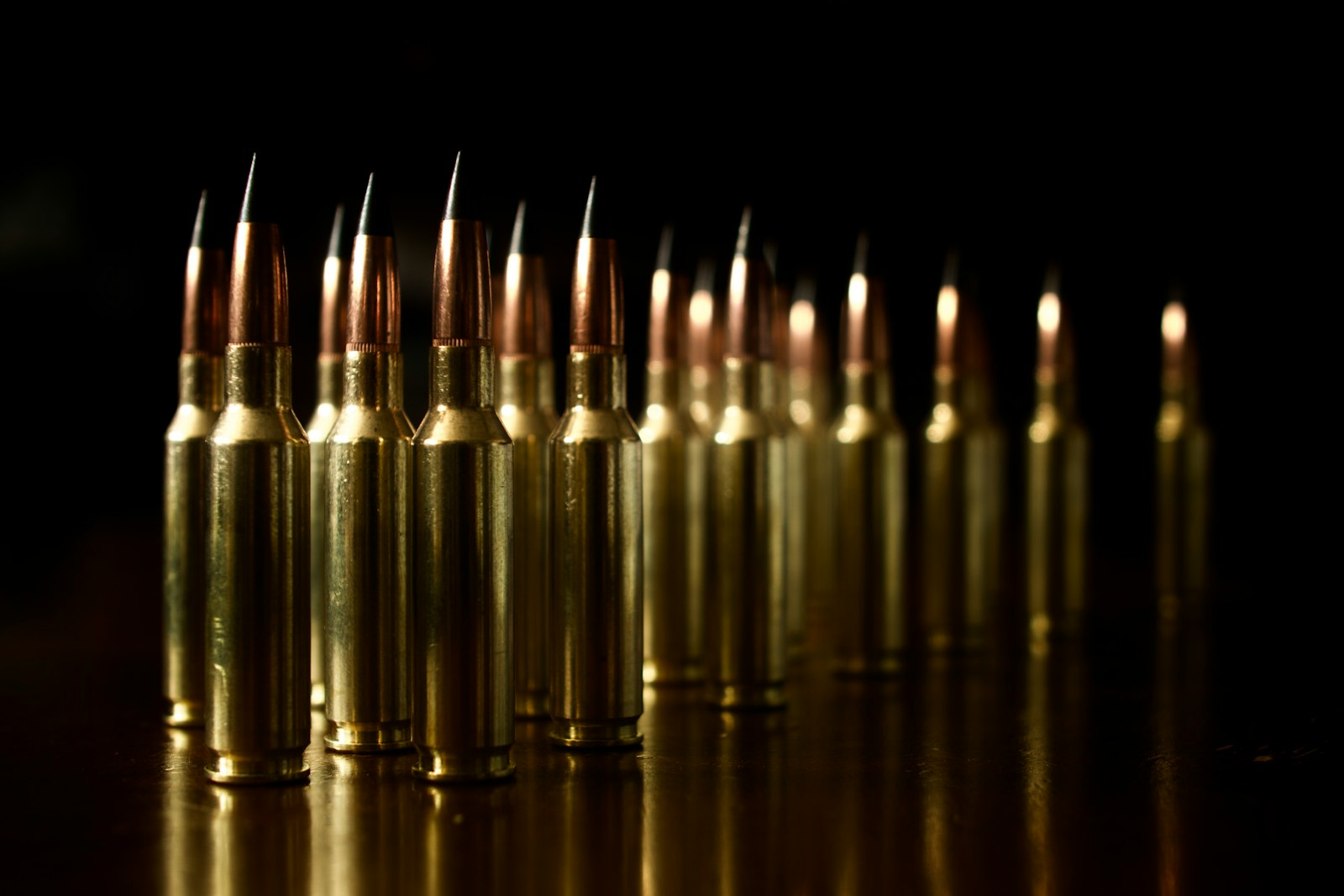
Bullet choice should match the animal, distance, and expected impact speed, and a one-size approach can create problems. Light, fast bullets may expand too rapidly on larger game and fail to penetrate vital organs. Very hard bullets may pass through smaller animals with limited energy transfer and narrow wound channels. Controlled expansion designs, bonded cores, and monolithic bullets each behave differently, especially at close range or extended distance. Local regulations can also specify minimum calibers or bullet types. Selecting a bullet built for the target species supports humane results and reduces tracking challenges.
Myth Eight: Cleaning After Every Trip Always Improves Accuracy
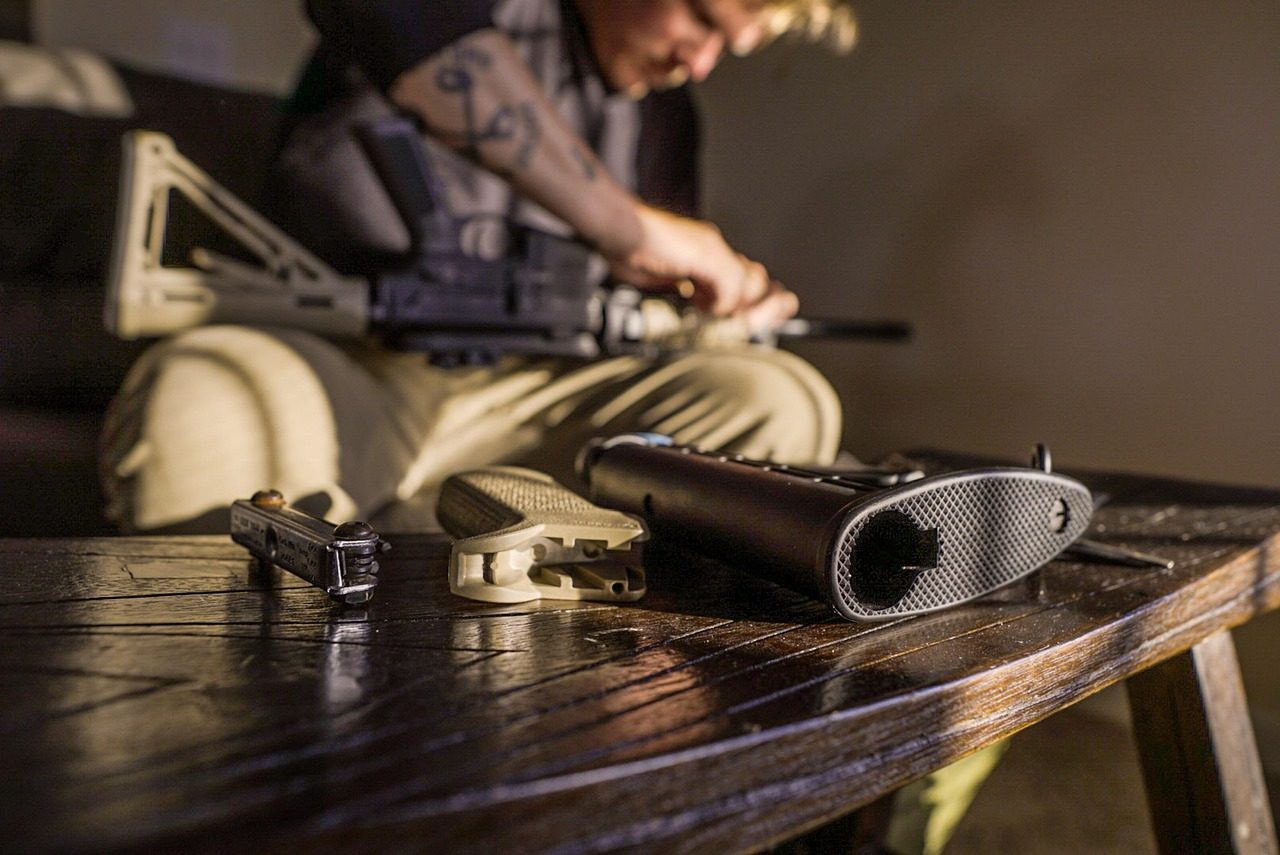
Some cleaning helps reliability, but excessive or aggressive cleaning can harm accuracy and barrel life. Overuse of stiff rods, poor technique at the muzzle, or harsh abrasives can damage the crown and throat, which are critical to consistent bullet release. Many rifles also shoot best with a light layer of fouling, and groups can shift after a deep clean until a few rounds settle the barrel. A practical routine focuses on removing moisture, preventing rust, and cleaning when accuracy degrades or fouling builds. Proper tools, gentle methods, and protection matter more than frequency.