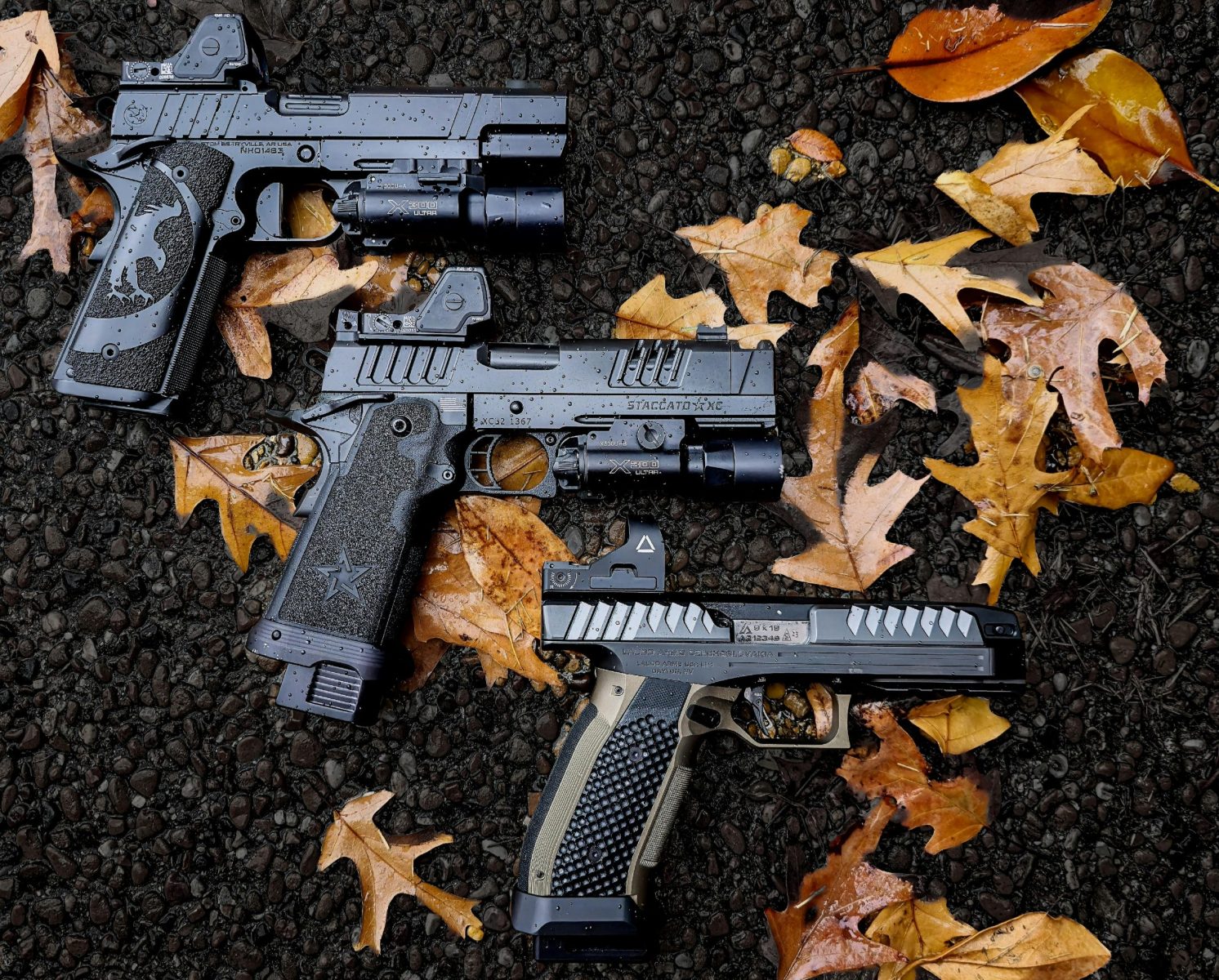
Owning specific firearms brings joy until the cleaning kit comes out. 8 handguns that make cleaning a full-time job often feature intricate internal mechanisms or tight tolerances that demand hours of attention. Enthusiasts quickly learn that disassembling these engineering marvels requires patience and specialized tools to avoid losing tiny springs. Neglecting the maintenance schedule on these models frequently leads to frustrating malfunctions at the range. This guide highlights the notorious pistols that test even the most dedicated collectors’ resolve. Understanding the commitment required helps buyers prepare for the labor involved in keeping these beautiful machines running smoothly.
Ruger Mark III
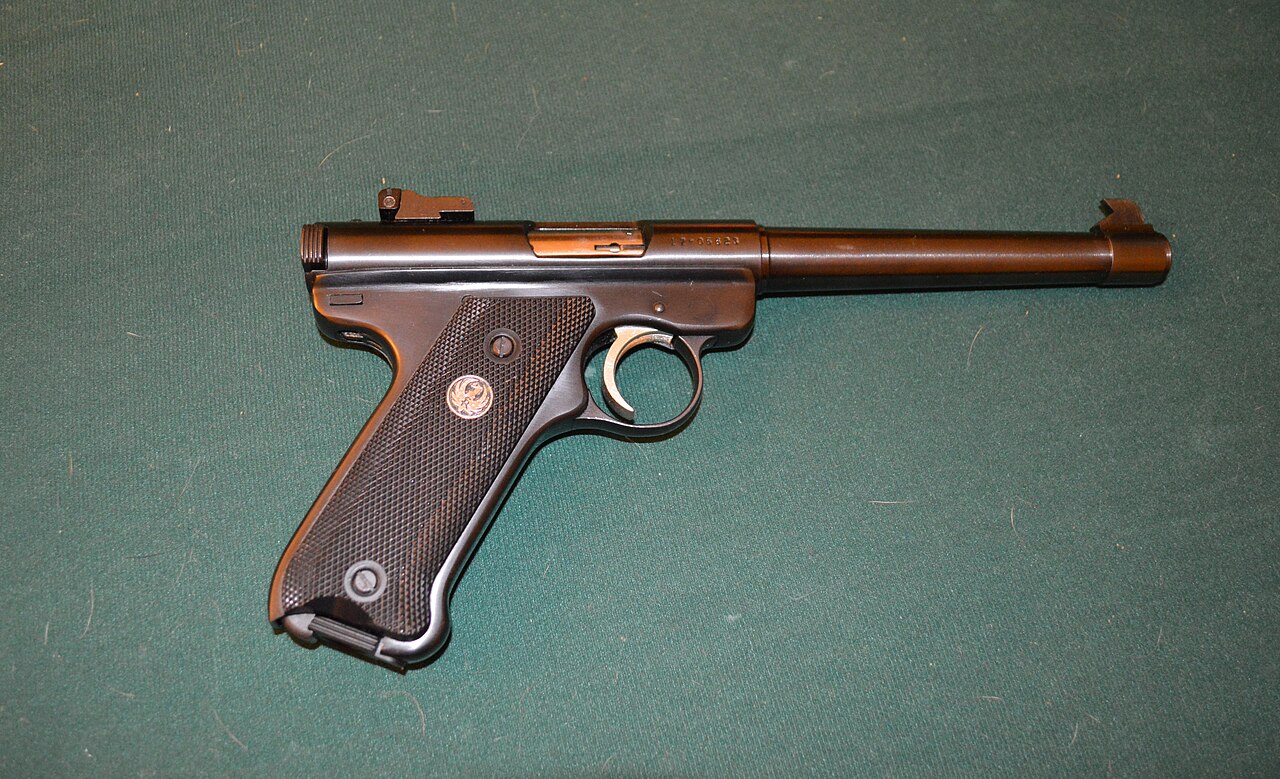
The Ruger Mark III is legendary for its accuracy but infamous for a takedown process that frustrates owners universally. Reassembling the receiver requires a precise sequence of tilting the gun to align the hammer strut correctly. Many shooters report spending hours hitting the frame with a rubber mallet just to separate the barrel from the grip. The tight fit of the takedown lever often requires a paperclip or a specialized tool to remove initially. This rimfire pistol has caused more headaches on the workbench than almost any other firearm in history. It demands practice and immense patience.
Desert Eagle
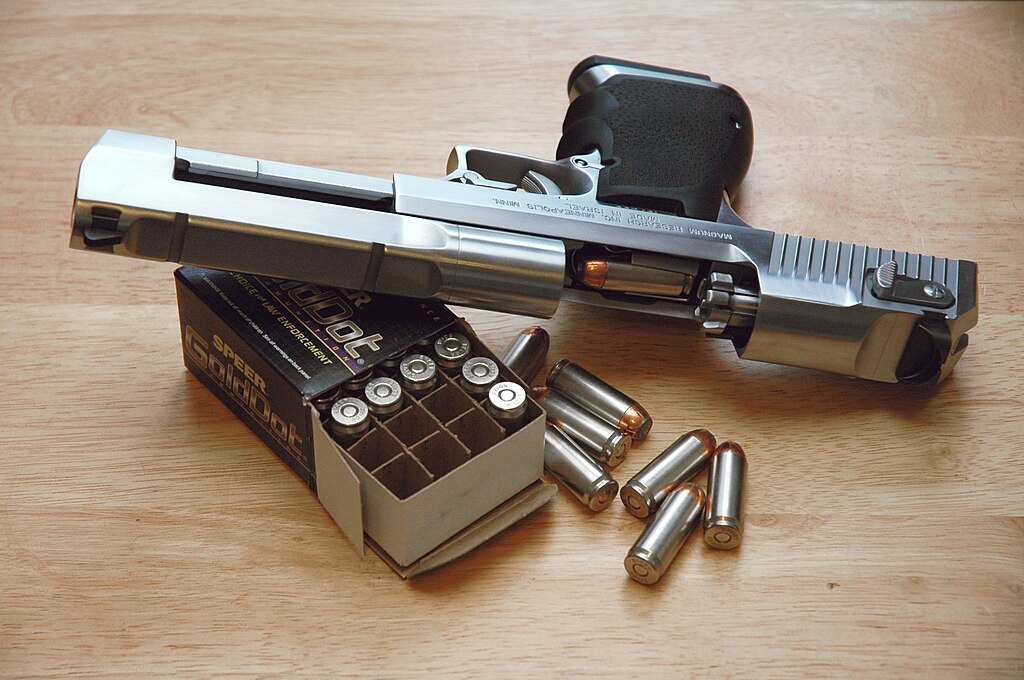
The Desert Eagle operates using a gas system similar to a rifle, which makes cleaning it a very intensive chore. Carbon buildup accumulates rapidly in the gas port and piston area, which requires scraping with specialized tools. If the user neglects this specific area, the massive handgun will fail to cycle reliably with heavy magnum loads. The twin recoil springs are difficult to compress during reassembly and can easily kink if mishandled. Owners must dedicate significant time to scrubbing the barrel and gas cylinder after every single range trip. It is a high-maintenance showpiece.
Luger P08
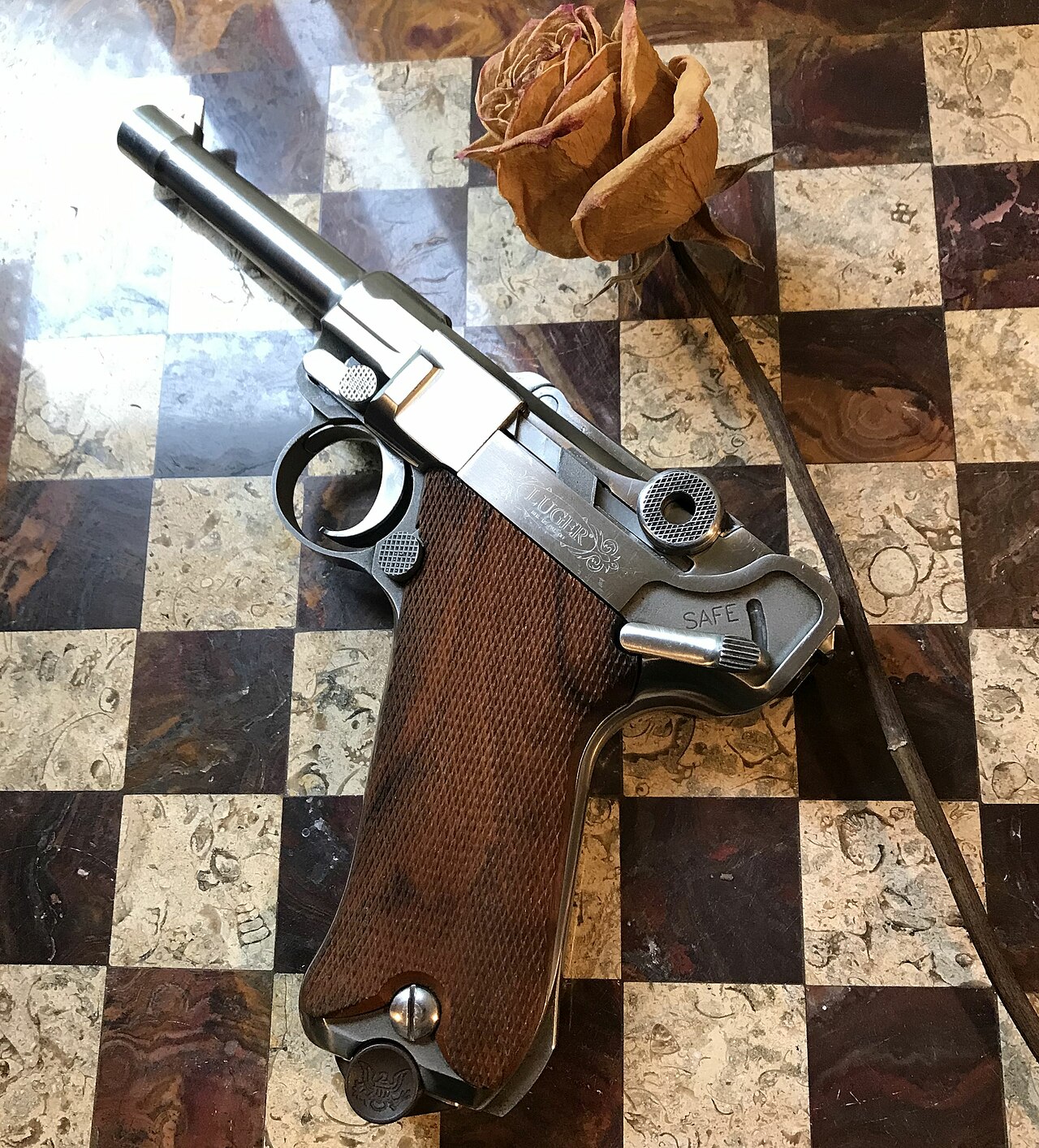
German engineering created the iconic Luger P08, but the tight tolerances make it a nightmare to maintain in the field. The toggle lock mechanism fits together like a Swiss watch and halts immediately if dirt enters the action. Disassembling the side plate requires a specific technique that risks scratching the finish if done incorrectly. Realigning the coupling link during reassembly is a delicate task that often pinches fingers and tests patience. This pistol requires a spotless environment and high-quality lubricant to function properly. It is a historical treasure that demands absolute cleanliness to perform.
Heckler And Koch P7
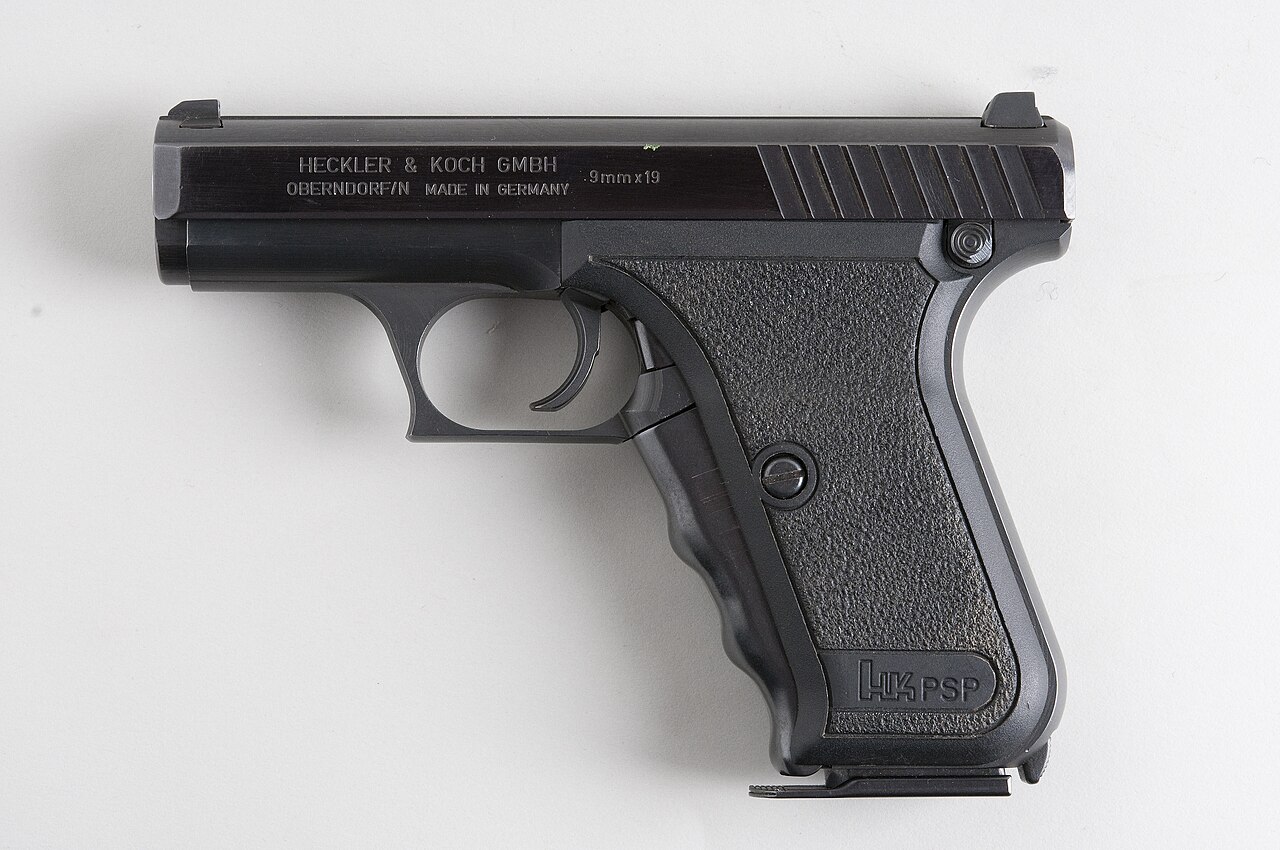
The unique squeeze cocker design of the Heckler and Koch P7 includes a gas piston located under the barrel. This cylinder gets extremely hot and collects hard carbon deposits that must be scraped out regularly. The manufacturer supplies a special tool for this purpose because standard brushes cannot reach the fouling effectively. If the piston becomes clogged, the slide will not cycle, and the gun becomes a single-shot weapon. Owners must scrub this internal chamber diligently after every fifty rounds to ensure reliability. It is a brilliant design that requires constant and specialized attention.
Mauser C96 Broomhandle
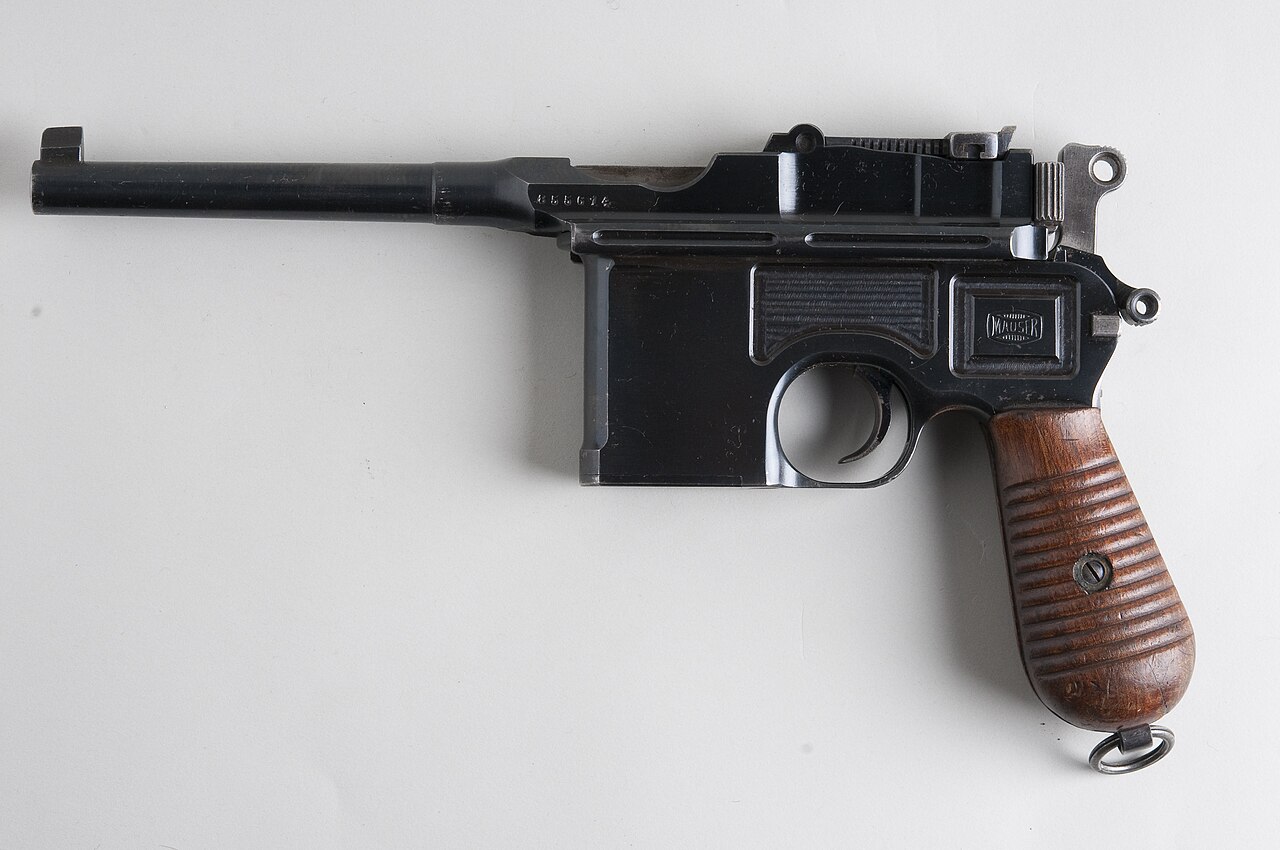
Disassembling a Mauser C96 Broomhandle is akin to solving a complex mechanical puzzle without using any external pins or screws. The parts interlock in a specific order that must be followed exactly to prevent damaging the firearm. Reassembling the bolt stop and the rocker mechanism requires three hands and a deep understanding of geometry. Many collectors refuse to take this pistol apart completely because the risk of losing a critical spring is too high. It stands as a testament to early industrial complexity that scares modern hobbyists. It is truly a challenge to clean.
Colt Python
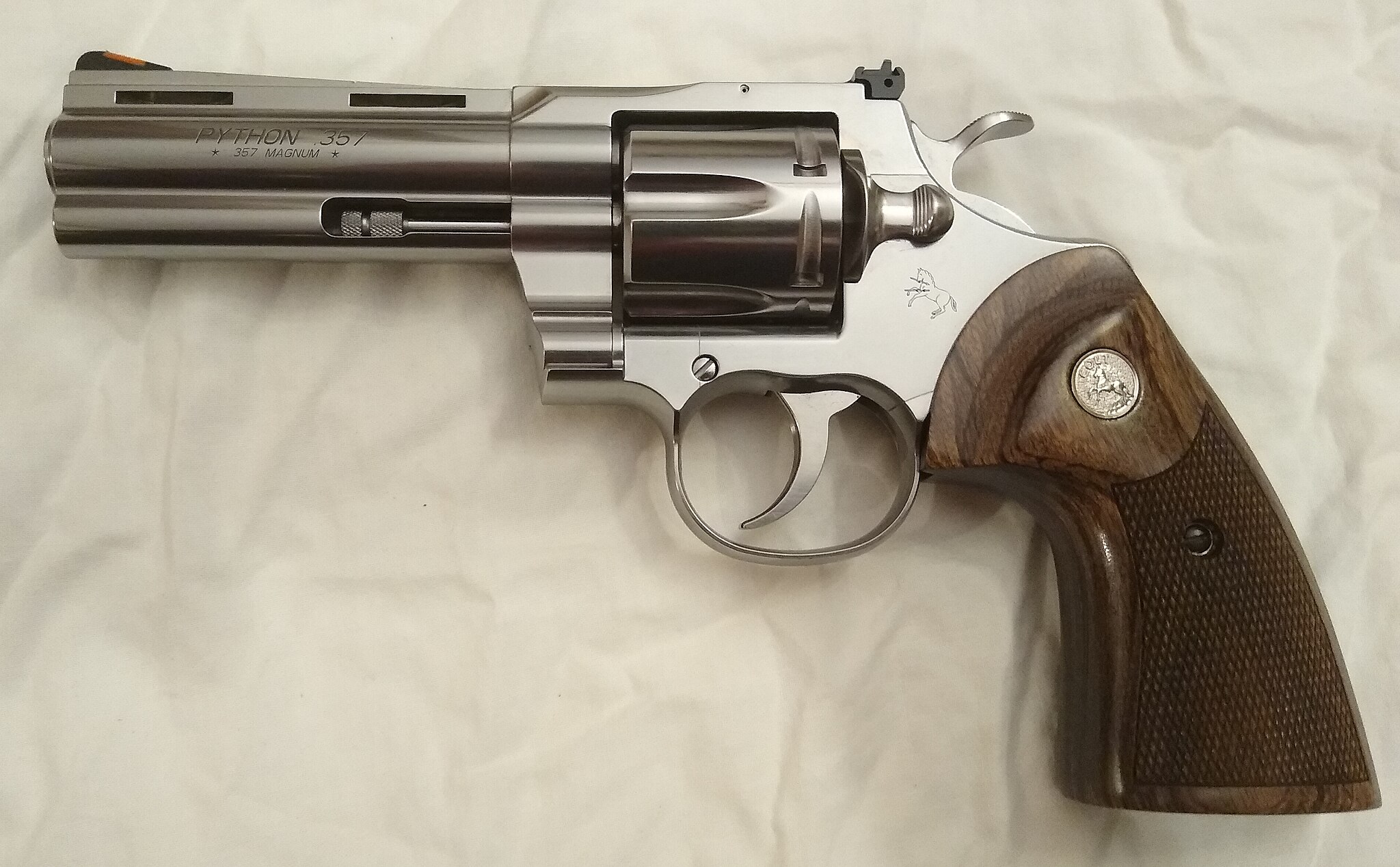
The internal mechanism of the Colt Python is often compared to the inner workings of a fine mechanical clock. The hand-fitted parts are so delicate that improper cleaning or disassembly can ruin the timing of the cylinder. Scrubbing the forcing cone and the crane requires a gentle touch to avoid disturbing the precise alignment. Most owners rely on ultrasonic cleaners rather than risking a full disassembly of the side plate. This revolver represents the peak of craftsmanship but demands a level of care that exceeds modern standards. It is a functional work of art.
Remington Model 51
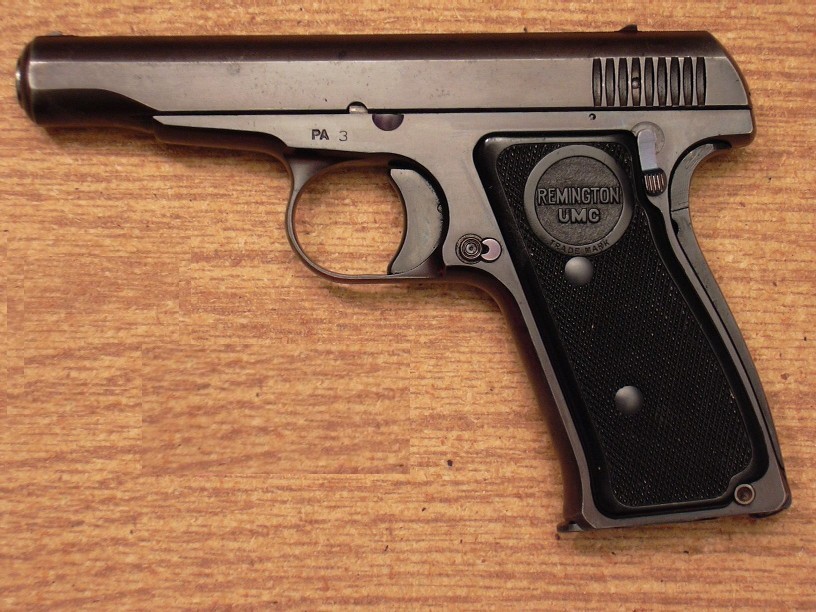
The original Remington Model 51 utilizes a hesitation-locked action that is notoriously difficult for the average shooter to reassemble. The breech block and slide occupy the same space in a way that defies logical spatial reasoning. Putting the slide back onto the frame requires depressing the grip safety while manipulating the barrel in a specific sequence. Many owners have sent their disassembled pistols to gunsmiths in a bag after failing to put them back together. This elegant design hides a terrifyingly complex interior that punishes anyone who attempts a deep cleaning without instructions.
Nambu Type 14
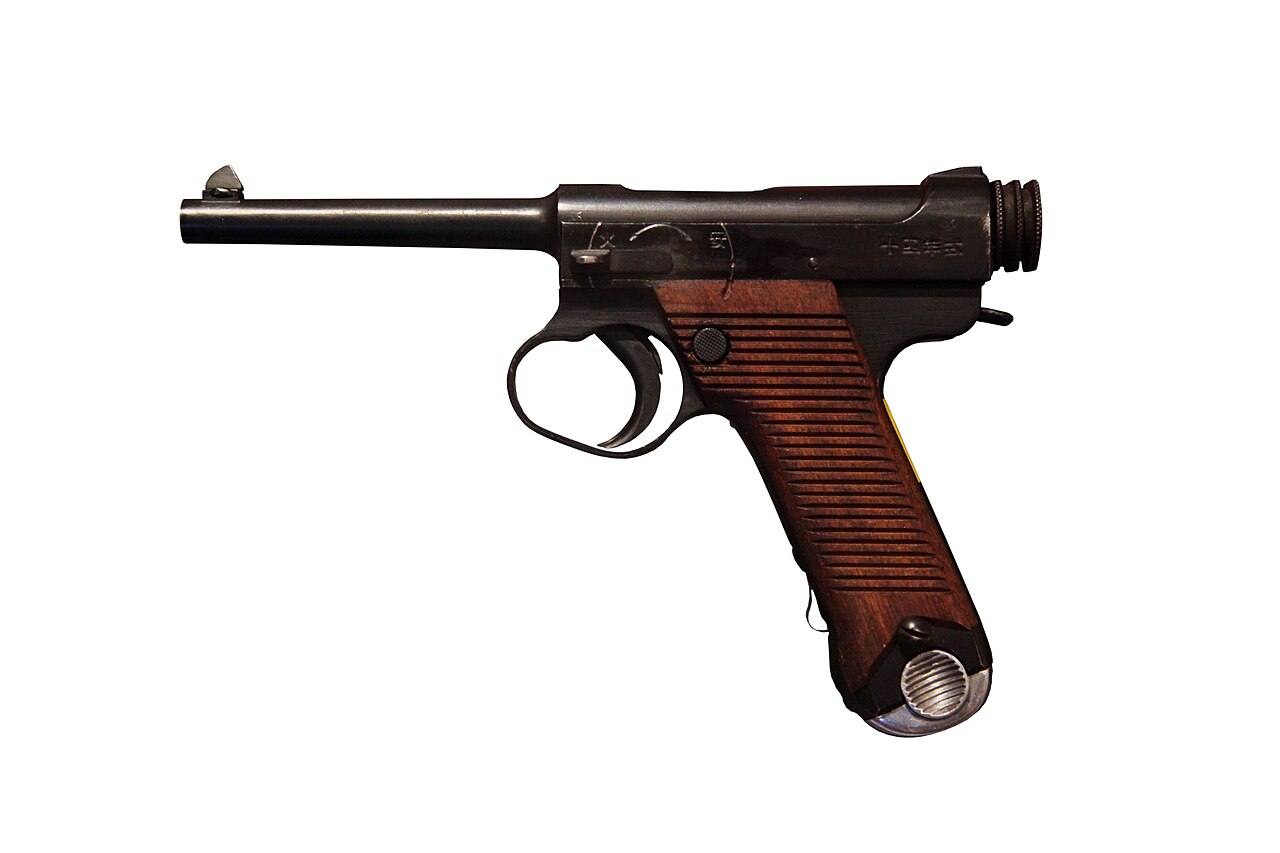
The Nambu Type 14 features a dual recoil spring design that makes reassembly a frustrating juggling act for collectors. The firing pin extension and the striker spring are under significant tension and often launch across the room. The sear bar is exposed on the side of the frame and can easily fall out during the cleaning process. Finding replacement parts for this Japanese service pistol is nearly impossible which adds stress to the maintenance routine. It requires a clean workspace and a steady hand to maintain safety. It is a historical piece that demands respect.