Camping in coastal states can feel refreshing and adventurous, but the same salty breeze that makes those trips memorable also triggers rapid wear on your gear. High humidity, constant mist, and airborne salt crystals settle onto metal surfaces and seep into every small gap, speeding up corrosion in ways many campers don’t expect. Even tools that normally hold up well during inland trips can start showing rust surprisingly fast near the ocean. Understanding how coastal environments accelerate damage helps campers protect their equipment and avoid costly replacements after just a few outings.
1. Fixed-Blade Knives
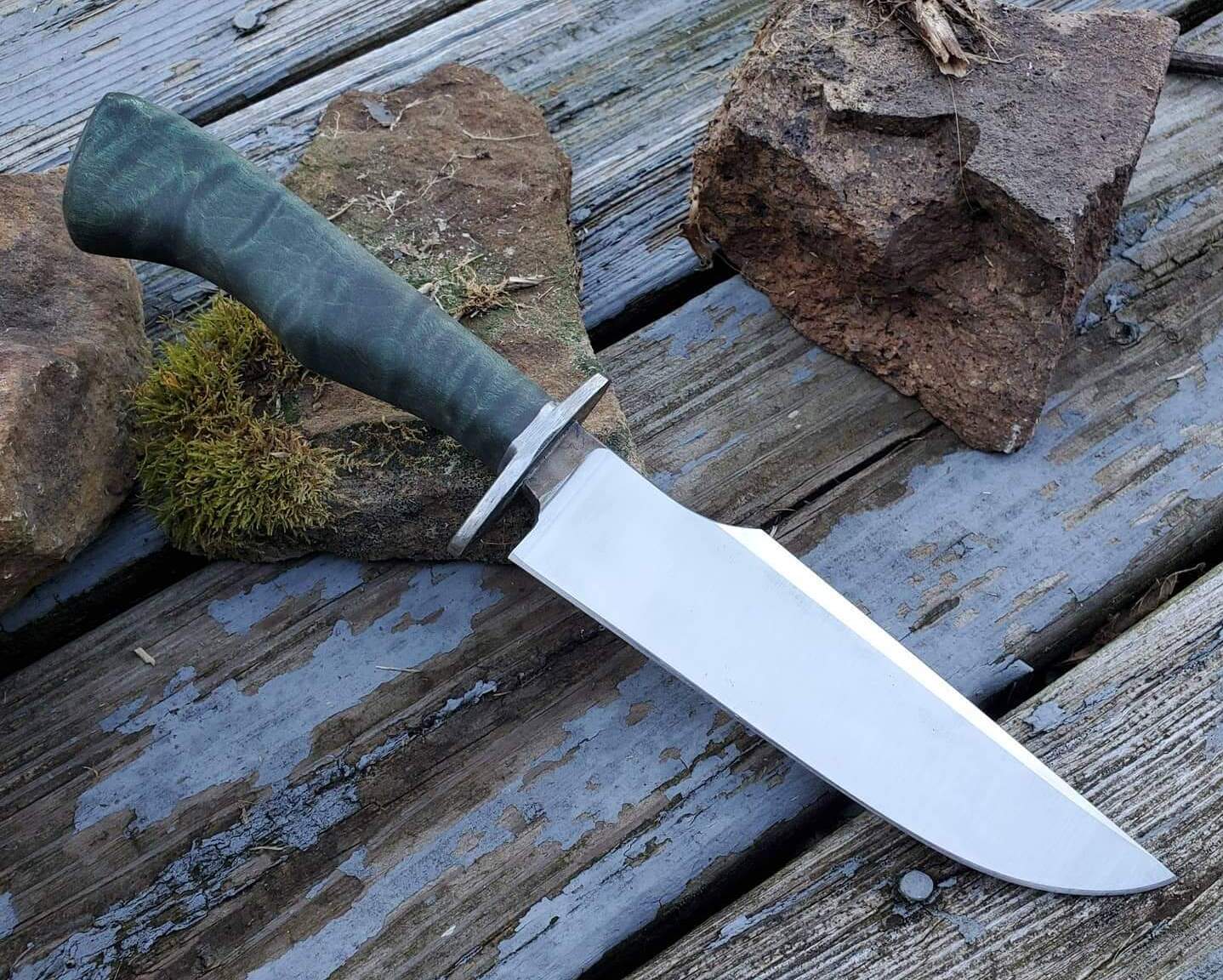
Fixed-blade knives rust quickly in coastal states because their exposed metal surfaces are constantly hit by salty air, moisture, and sweat from frequent use. Even stainless steel isn’t completely safe; its chromium layer can weaken when salt particles cling to the blade, creating tiny pits where corrosion begins. Sand trapped in sheaths holds moisture against the metal, accelerating wear each time the knife is reinserted. If the handle has steel components, those can corrode as well, loosening the fit and stability. These knives need frequent rinsing with fresh water, full drying, and a protective oil coating to remain dependable for food prep, wood processing, and camp safety.
2. Multi-Tools
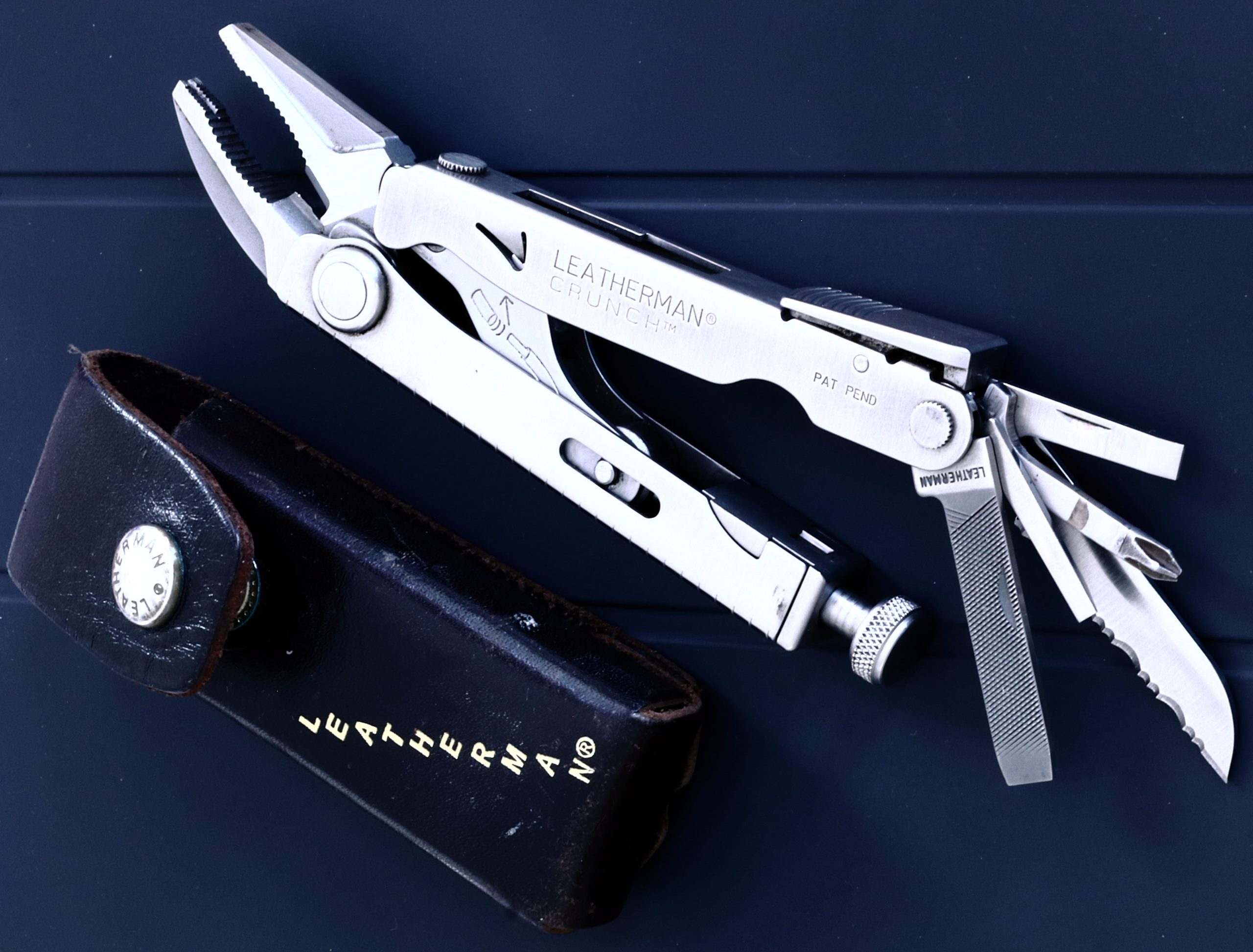
Multi-tools corrode faster at the coast because their many joints, springs, and internal hinges that trap salty moisture that’s almost impossible to remove without thorough cleaning. Each fold creates a micro-gap where damp air lingers, and as salt accumulates, it speeds up oxidation on parts that usually stay protected. The tiny screws and sliding mechanisms also wear down faster if sand works its way inside, creating grinding friction that damages metal surfaces. Once rust starts forming in tight spaces, the tool becomes harder to open and close, eventually compromising precision and safety. Regular disassembly, lubrication, and fresh-water rinsing help slow degradation.
3. Camp Axes and Hatchets
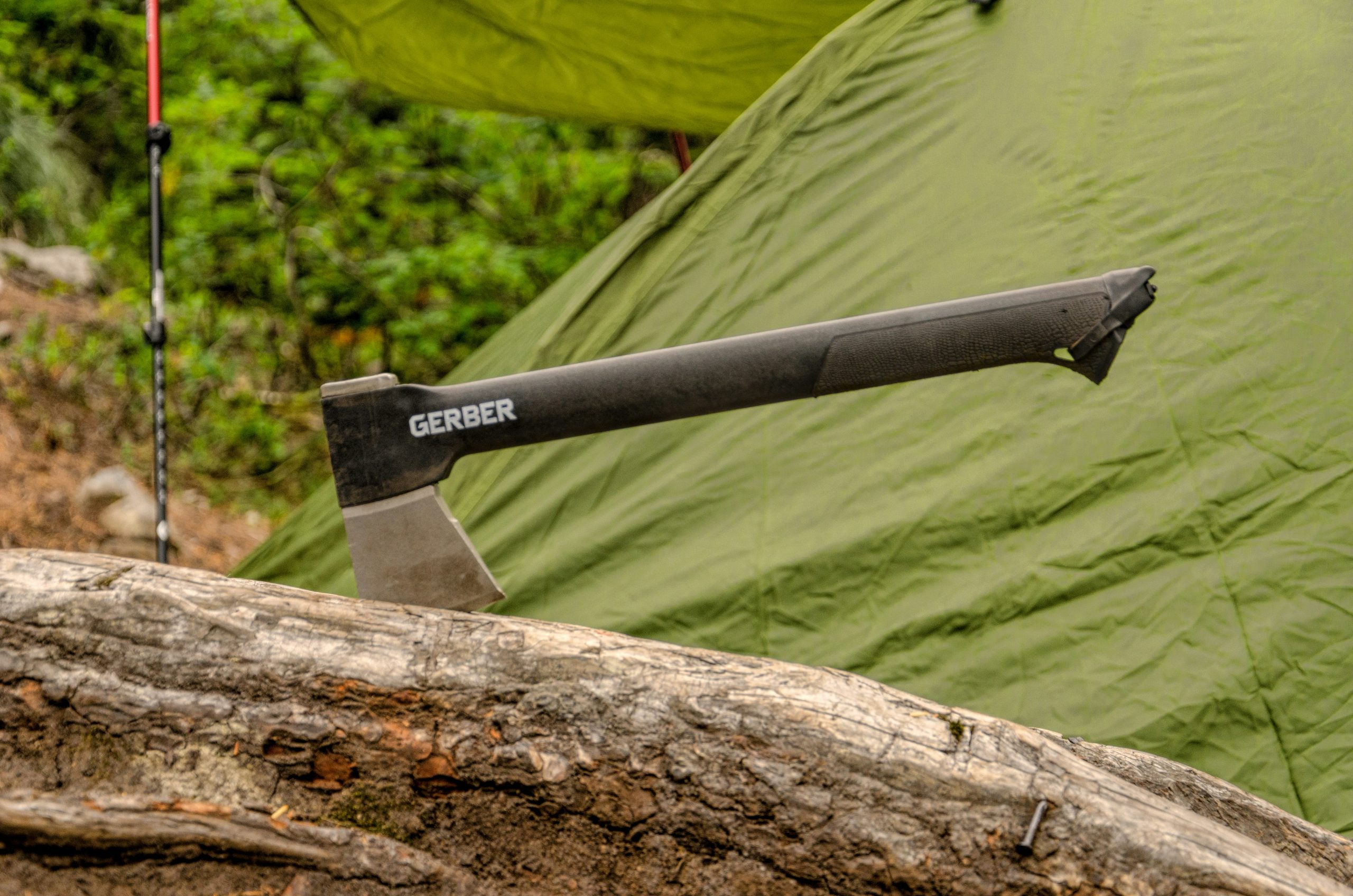
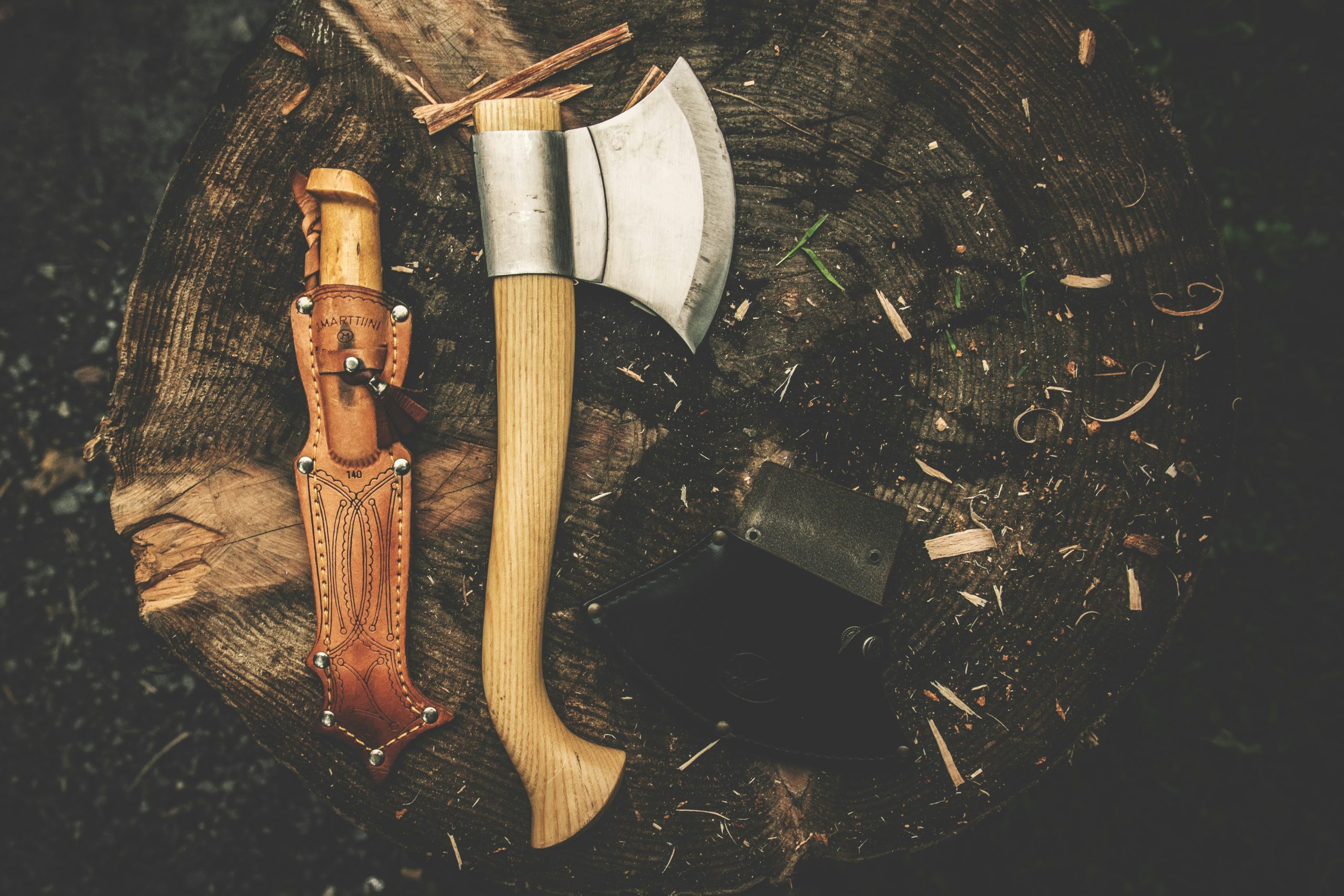
Camp axes and hatchets are highly vulnerable to coastal rust because their broad steel heads hold moisture easily, especially after chopping damp wood or being left on sand. Salt carried in sea breeze settles onto the blade and works its way into small scratches, causing reddish corrosion that dulls the edge faster than normal use would. If the tool has a steel wedge securing the head, that part can rust too, potentially loosening the connection over time. Even fiberglass handles aren’t immune since metal attachments can corrode from underneath. Proper maintenance includes drying, oiling, and storing them off the ground.
4. Tent Stakes
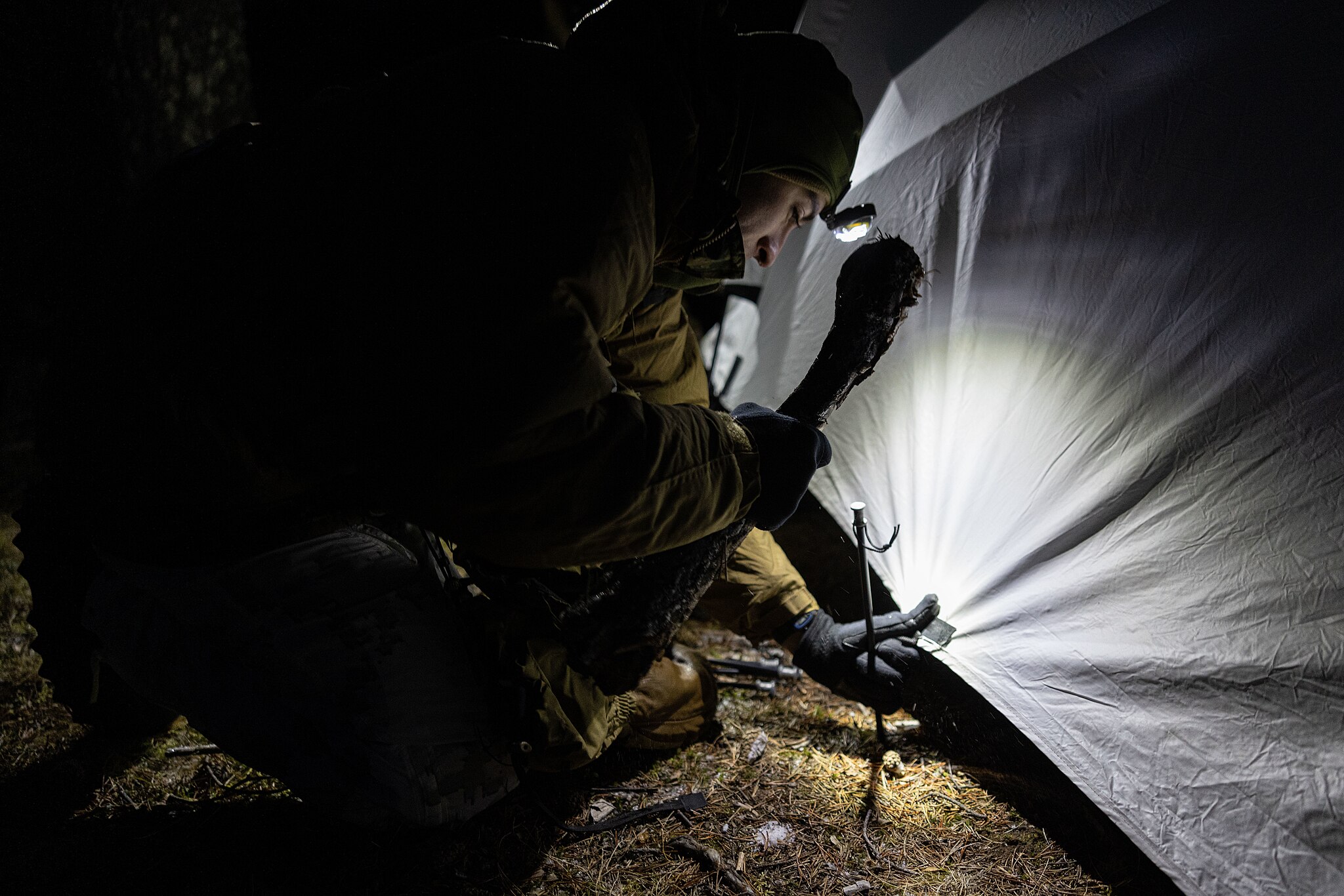
Tent stakes rust exceptionally fast near the coast because they spend so much time buried in wet, salty soil or sand that retains moisture long after being removed. Even galvanized or coated models eventually develop worn spots where coatings chip off during hammering, exposing raw metal that corrodes rapidly. Once rust forms on the surface, stakes become harder to drive and pull, and corroded grooves collect more dirt, encouraging further oxidation. The salty residue from tide-influenced campsites also clings to them during storage, spreading corrosion inside gear bags. Rinsing and drying them completely is essential for longevity.
5. Campfire Grates and Portable Grills
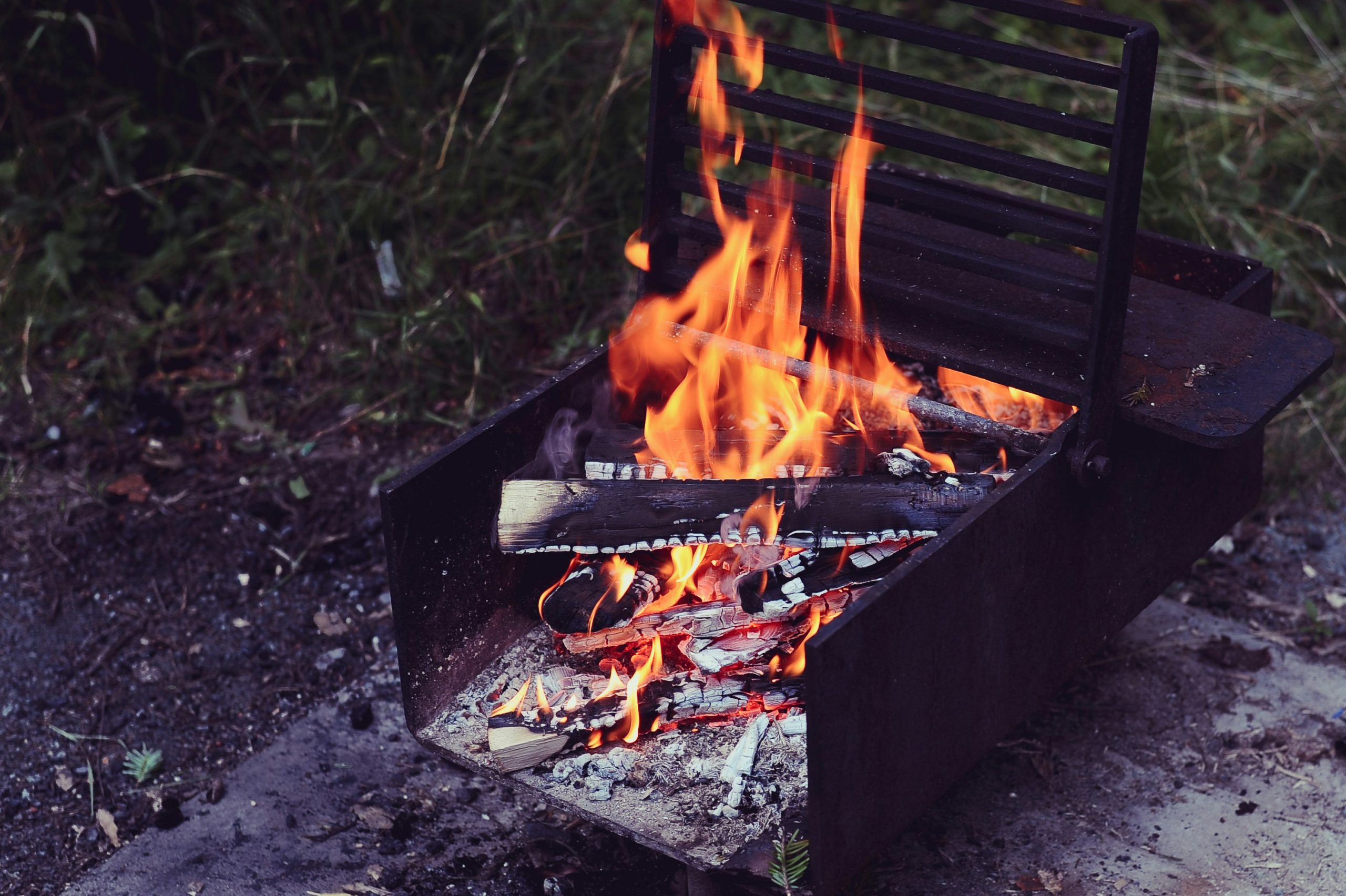
Campfire grates and portable grills rust quickly in coastal environments because repeated heating mixed with salty air weakens protective coatings over time. When steel expands during cooking and cools afterward, microcracks form where moisture can settle and react with exposed metal. Salt particles multiply this reaction, causing flaking rust that spreads across the cooking surface and frame. Grease and food residue also trap humidity, turning the grill into a corrosion hotspot if not cleaned thoroughly. Folding grill legs and hinges are especially vulnerable since those small areas stay damp longer. Frequent scrubbing and oiling help prevent deep deterioration.
6. Shovels and Digging Tools
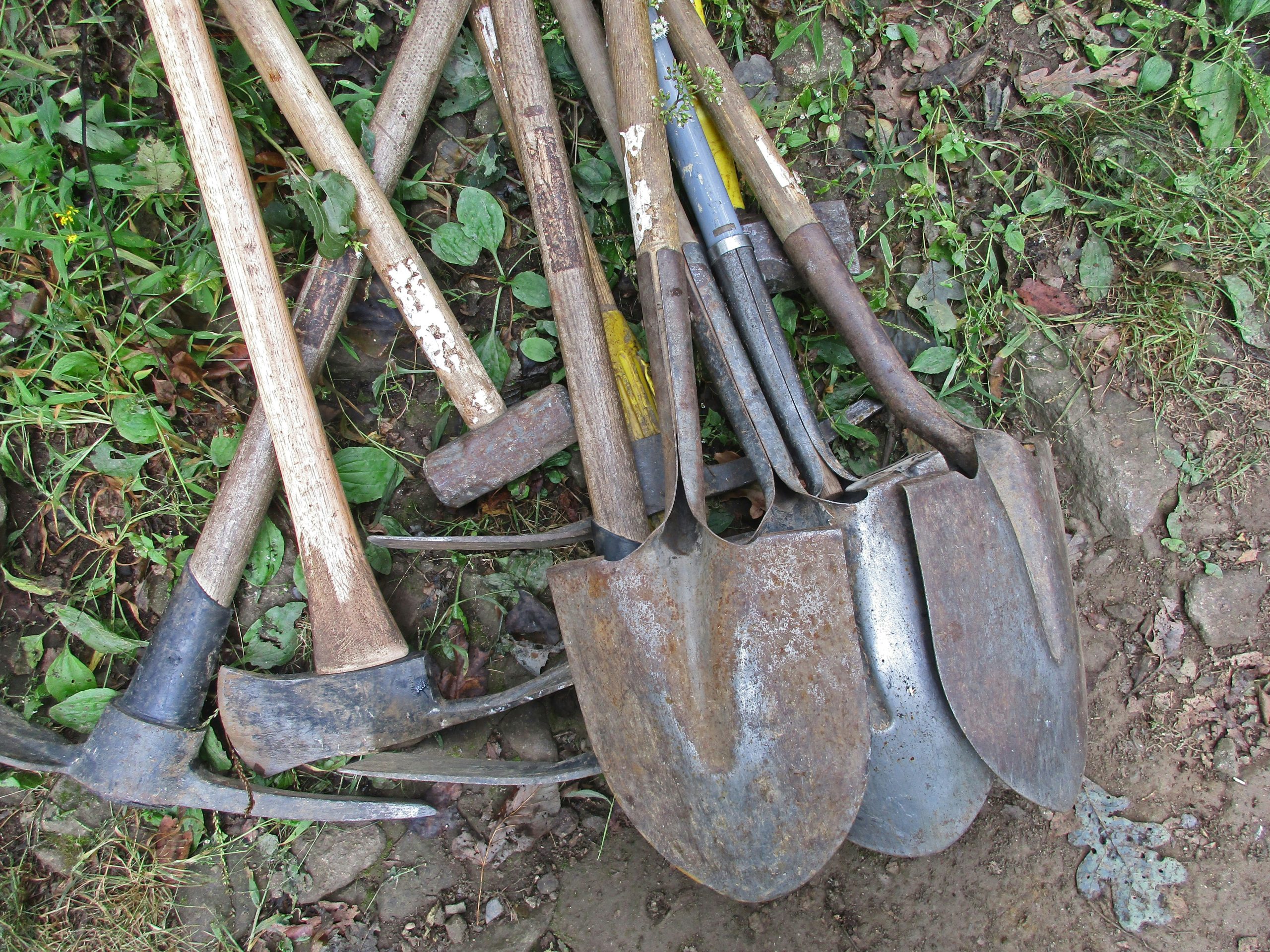
Shovels and digging tools suffer rapid corrosion in coastal states because their blades often encounter wet sand, salty soil, and sea-sprayed surfaces that cling to metal even after shaking them off. Over time, abrasive grains scratch the protective finish, creating areas where oxidation begins almost immediately. The constant pressure from digging can flex the blade slightly, worsening any existing coating damage and exposing fresh steel. Salt also accumulates around the connection between the blade and the handle, rusting the socket and weakening overall strength. Rinsing them with clean water and storing them upright greatly reduces long-term deterioration risks.
7. Camp Saws and Folding Saws
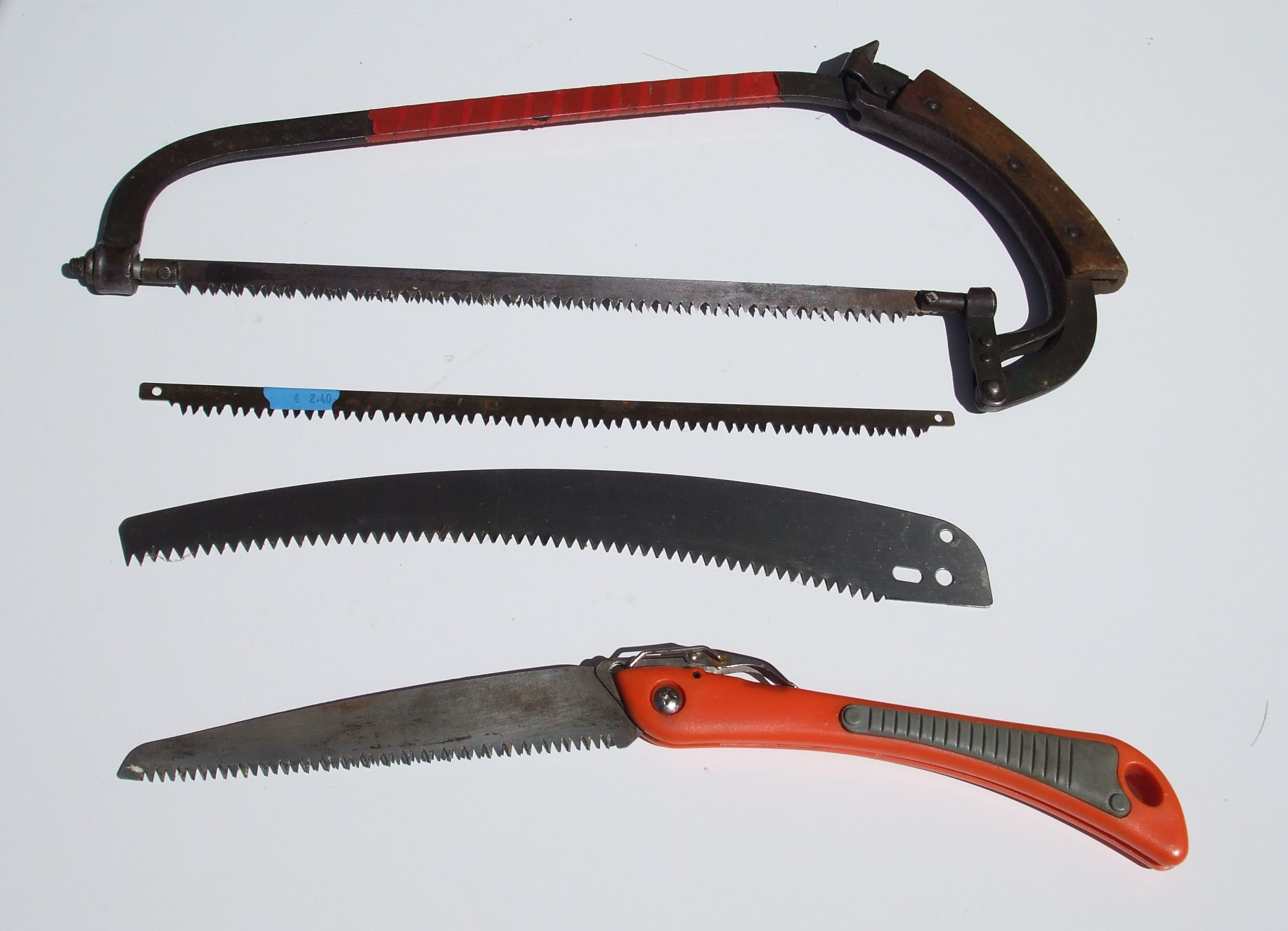
Camp saws rust faster near the ocean because their teeth and folding mechanisms collect moisture in tiny crevices that never fully dry in humid coastal air. Salt accelerates oxidation on the thin, sharp edges, dulling them in a fraction of the time compared to inland trips. When folded, the trapped air inside the handle keeps the blade damp, especially when residue from green wood is still present. If sand gets lodged in the hinge, it scratches the metal each time the saw opens, speeding corrosion. Regular cleaning, drying, and a light oil layer keep these saws functional longer.
8. Metal Water Bottles and Cook Pots
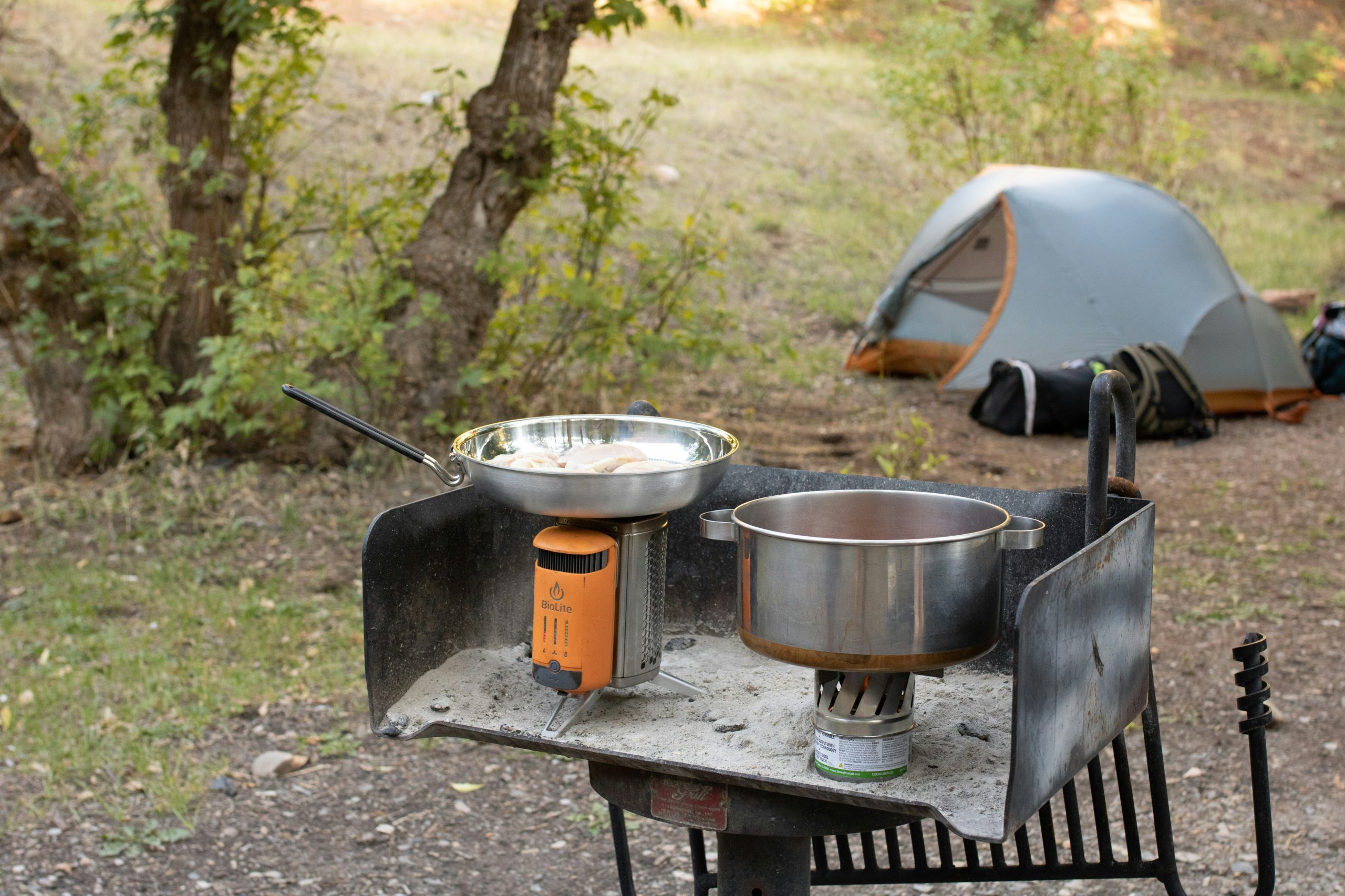
Metal water bottles and cook pots corrode quickly at the coast because salt and moisture cling to their surfaces, especially around lids, threads, and handles, where water often pools. Repeated heating cycles weaken protective coatings on pots, allowing tiny rust spots to form that expand each time the cookware cools. Bottles used at the beach often pick up sand that scratches the metal and makes oxidation easier. If left closed while damp, the humidity trapped inside accelerates internal corrosion, too. Thorough rinsing, drying, and avoiding storage with salty residue are key to preventing long-term damage in coastal climates.