Military weapon testing is far more demanding than most civilian shooters realize. Before any caliber is adopted, it goes through years of trials involving reliability, recoil control, penetration, weight, logistics, and long term durability. Many calibers that look impressive on paper fail during these tests, not because they are useless, but because they do not fit the strict requirements of military use. The interesting part is that once a caliber is rejected, it does not disappear. Civilian markets often continue to promote it as powerful, tactical, or battle-proven, even when the military decided it was not practical. In some cases the rejection was due to recoil, cost, or supply problems rather than pure performance. Here are eight calibers that were tested seriously by military programs but were quietly passed over, even though they are still heavily sold today.
1. .45 ACP
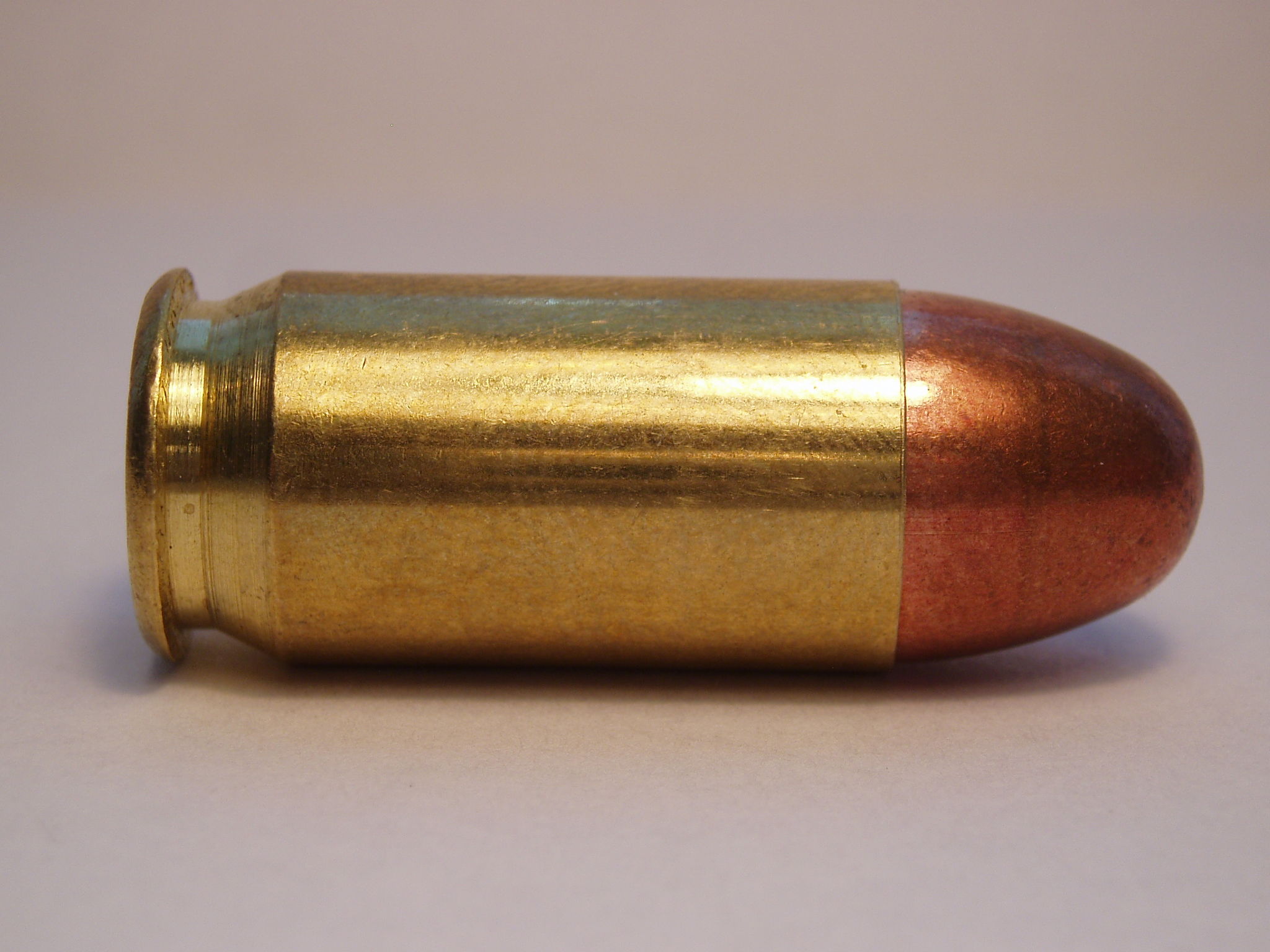
The .45 ACP served for decades as a standard military handgun caliber, but later testing showed several drawbacks that led to its replacement. During trials comparing modern sidearm cartridges, military evaluators found that the heavy recoil slowed follow up shots for many shooters, especially during rapid fire drills. Another issue was magazine capacity, since pistols chambered in .45 usually hold fewer rounds than smaller calibers. Logistics also played a role, because heavier ammunition means more weight for soldiers already carrying large loads. Ballistic testing showed that modern, smaller calibers could meet penetration standards with less recoil and higher capacity. Because of these factors, the military moved away from the .45 ACP even though it still had a strong reputation. Today it is still sold as the ultimate fighting caliber, but testing results showed that practicality mattered more than tradition.
2. 10mm Auto
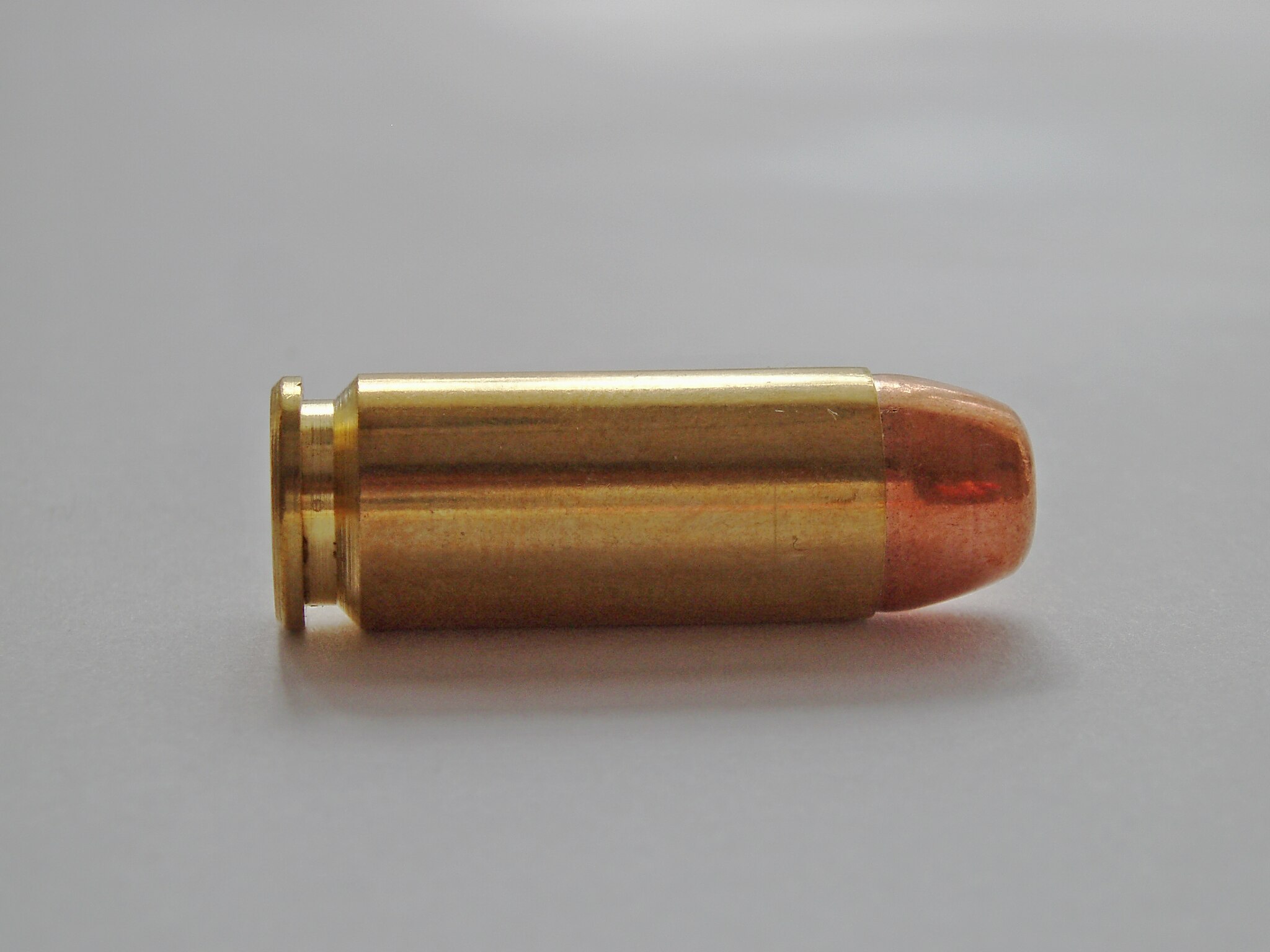
The 10mm Auto was once seriously considered for military and law enforcement use because of its high power and strong penetration. Early testing showed impressive energy numbers, but longer trials revealed problems that made it difficult to adopt widely. The recoil was stronger than many shooters could control during fast firing, which reduced accuracy in realistic training exercises. Another issue was firearm wear, since the high pressure of the cartridge caused more stress on pistols during extended testing. Ammunition weight was also higher, which reduced how much soldiers could carry comfortably. Evaluators eventually decided that the extra power did not provide enough advantage to justify the drawbacks. Even though the military moved on, the 10mm Auto is still marketed as the ultimate tactical handgun caliber, often without mentioning why it failed to become a standard choice.
3. .40 S&W
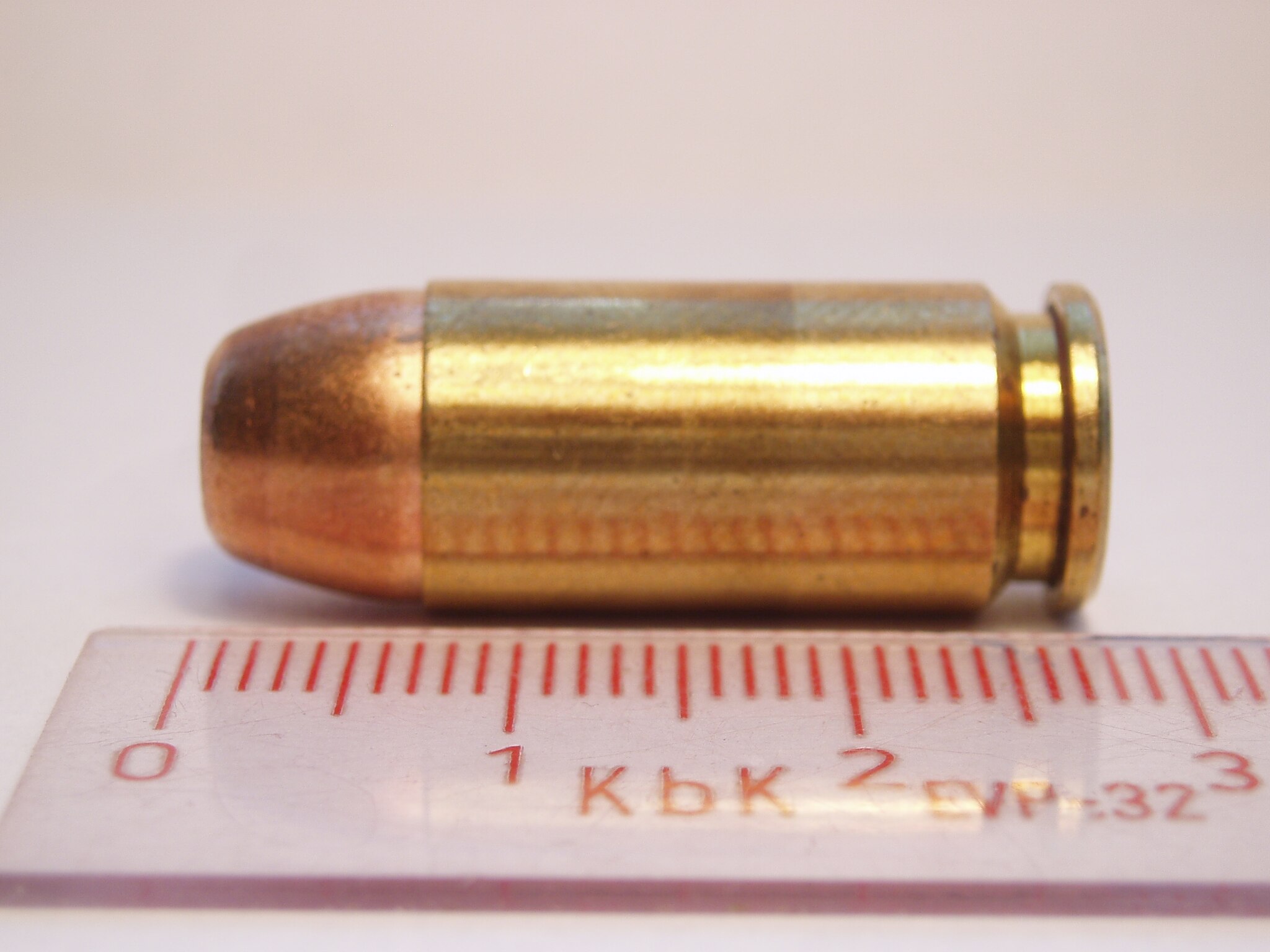
The .40 S&W gained popularity after law enforcement adoption, and it was also examined in military testing as a possible compromise between power and capacity. Early results looked promising, but extended trials showed that the recoil was sharper than expected, especially for shooters with smaller hands or less training. During rapid fire drills, testers often produced slower and less accurate follow up shots compared to smaller calibers. Another concern was long term durability, because the higher pressure caused more wear on pistols during high round count testing. Ballistic performance was good, but not enough to clearly outperform modern 9mm ammunition. Because of this, the military decided the extra recoil and maintenance were not worth the small gain in power. Even so, the .40 S&W is still sold as the perfect balance, despite the mixed results in testing.
4. .357 SIG
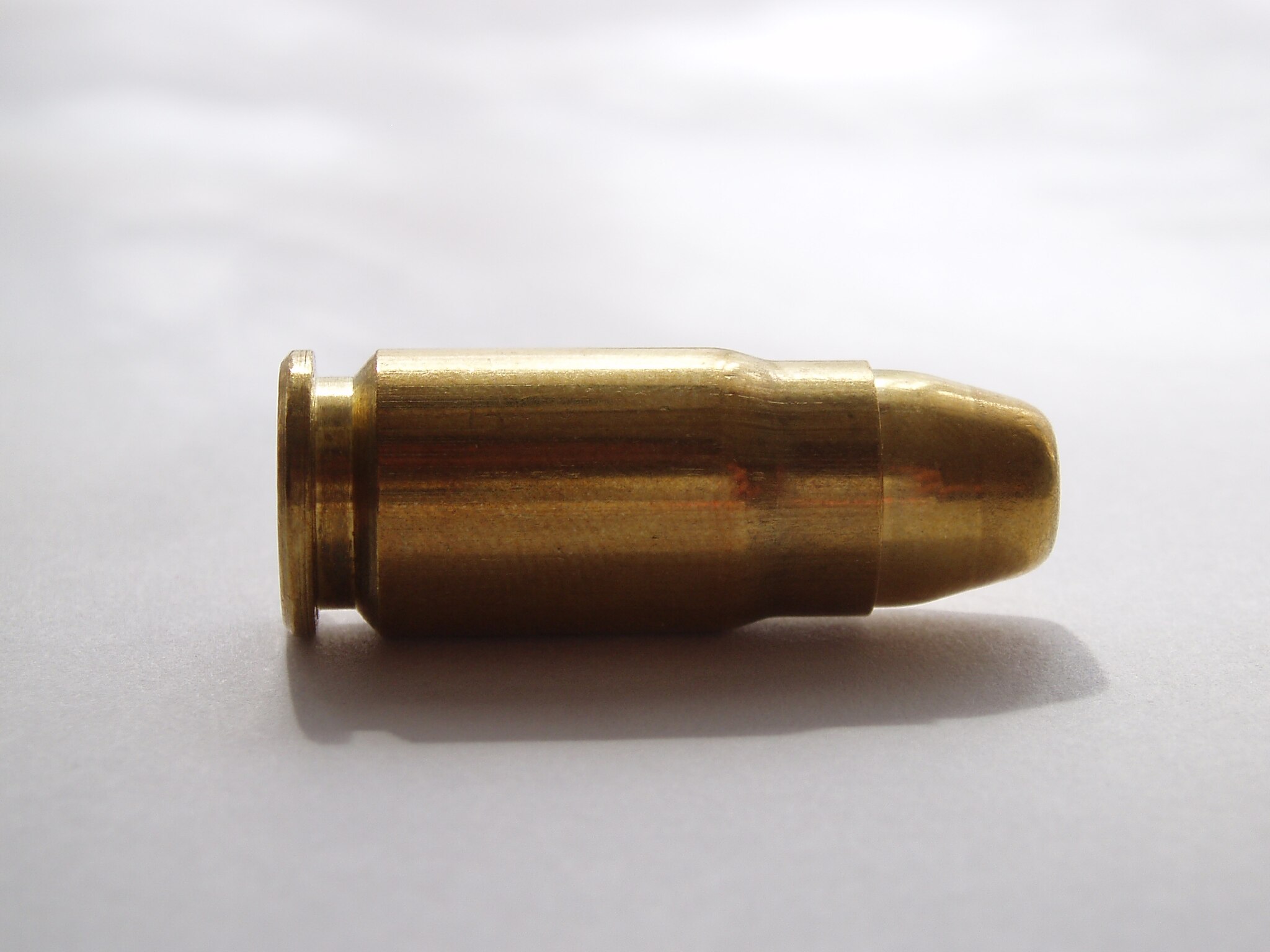
The .357 SIG was developed to deliver high velocity performance from a semi automatic pistol, and it attracted interest during military evaluations. Initial testing showed strong penetration and flat trajectory, which made it appealing on paper. However, extended trials revealed several drawbacks that reduced its chances of adoption. The cartridge produced loud muzzle blast and sharp recoil, which made training more difficult for many shooters. Ammunition cost was also higher, which becomes a major factor when thousands of rounds are used in training programs. Another issue was barrel wear, since the high velocity caused faster erosion during heavy use. While the caliber performed well in certain tests, the military decided that the benefits did not justify the increased cost and recoil. Today it is still promoted as extremely powerful, even though it was never widely adopted.
5. .380 ACP
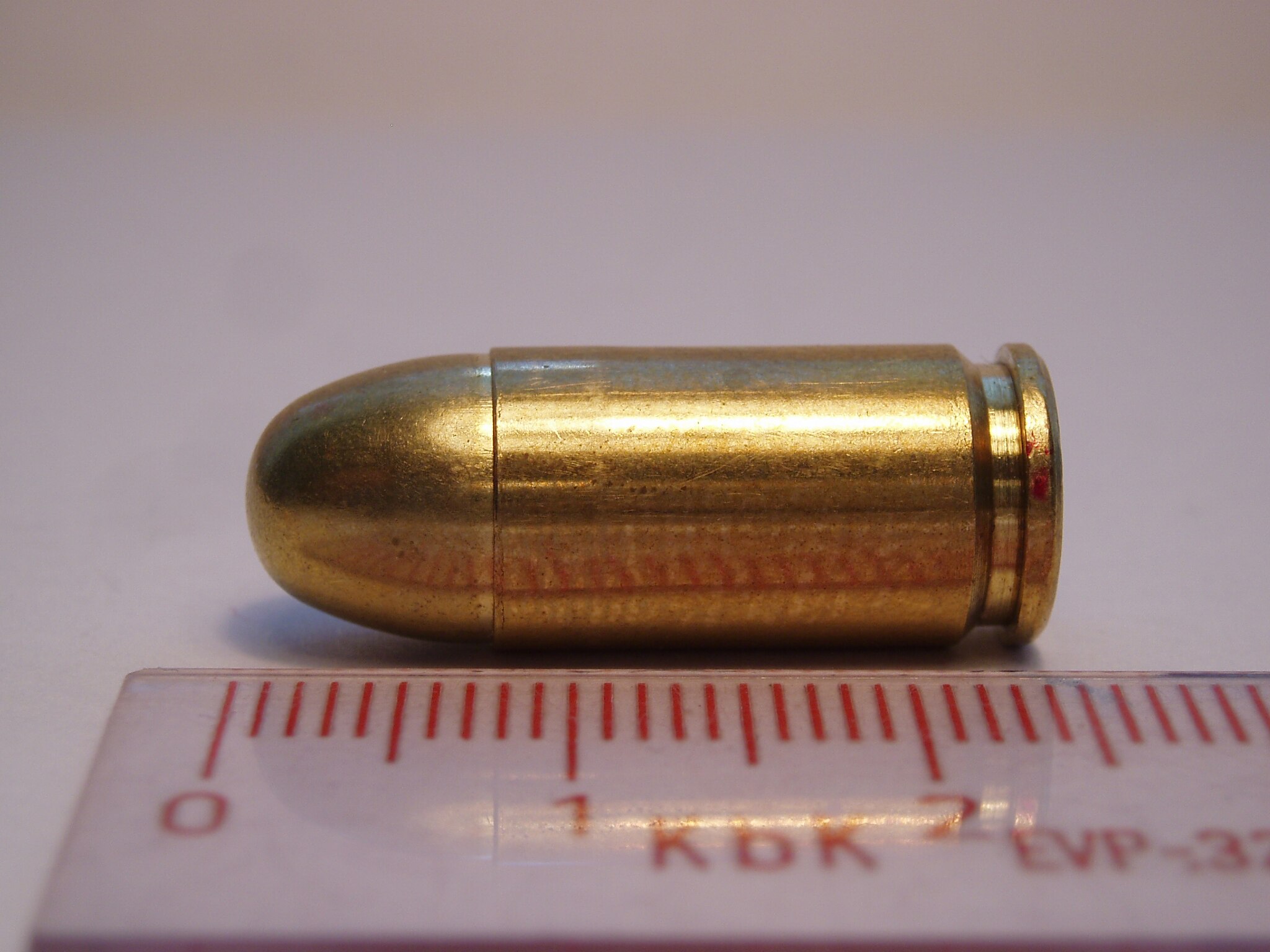
The .380 ACP was tested in compact sidearm trials because of its small size and light recoil, but military evaluators found that it did not meet penetration standards in many situations. Early tests showed that the cartridge was easy to control, which is useful for training, but ballistic performance was inconsistent when fired from short barrels. Another concern was limited range, since the lighter bullet loses energy faster than larger calibers. Military requirements often demand reliable performance through barriers and protective gear, and the .380 ACP struggled in those conditions. Because of this, testers preferred calibers that could provide stronger penetration without increasing recoil too much. Even though it was rejected for service use, the .380 ACP is still sold as a serious defensive caliber, often without mentioning the strict standards it failed to meet during trials.
6. 5.7×28mm
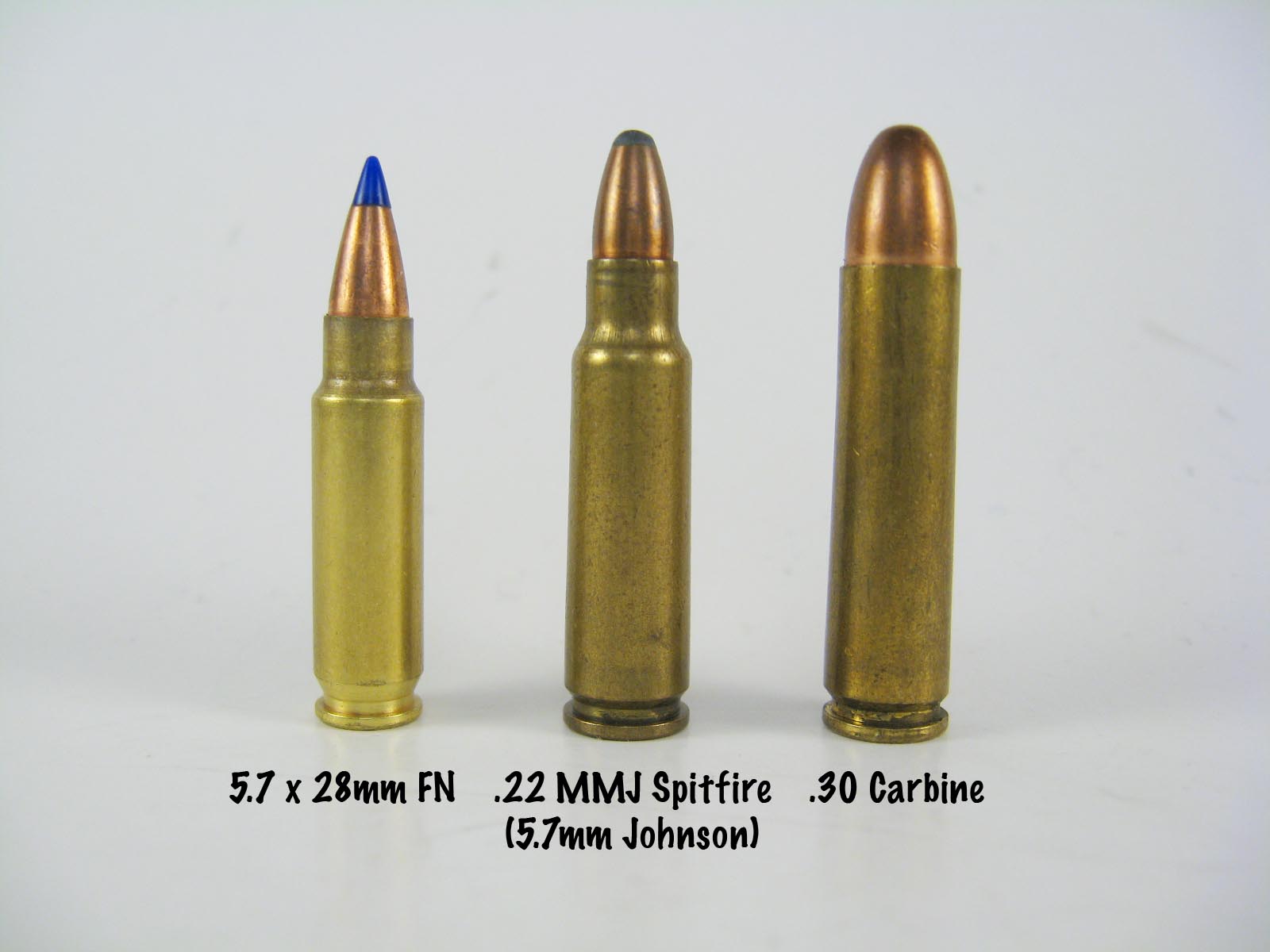
The 5.7×28mm cartridge was developed for specialized military roles, and it went through extensive testing before limited adoption in certain units. During evaluations, it showed very light recoil and high velocity, which made it easy to shoot accurately. However, wider testing revealed concerns about cost, supply, and overall effectiveness compared to standard rifle calibers. The ammunition is more expensive to produce, and its performance depends heavily on specific bullet types. Some testers also questioned its stopping ability compared to larger rounds. Because of these factors, it was never adopted as a general service caliber, even though it works well in certain weapons. Today, it is often marketed as futuristic and superior, but the military kept its use limited after testing showed that it was not the universal solution some expected.
7. .30 Carbine
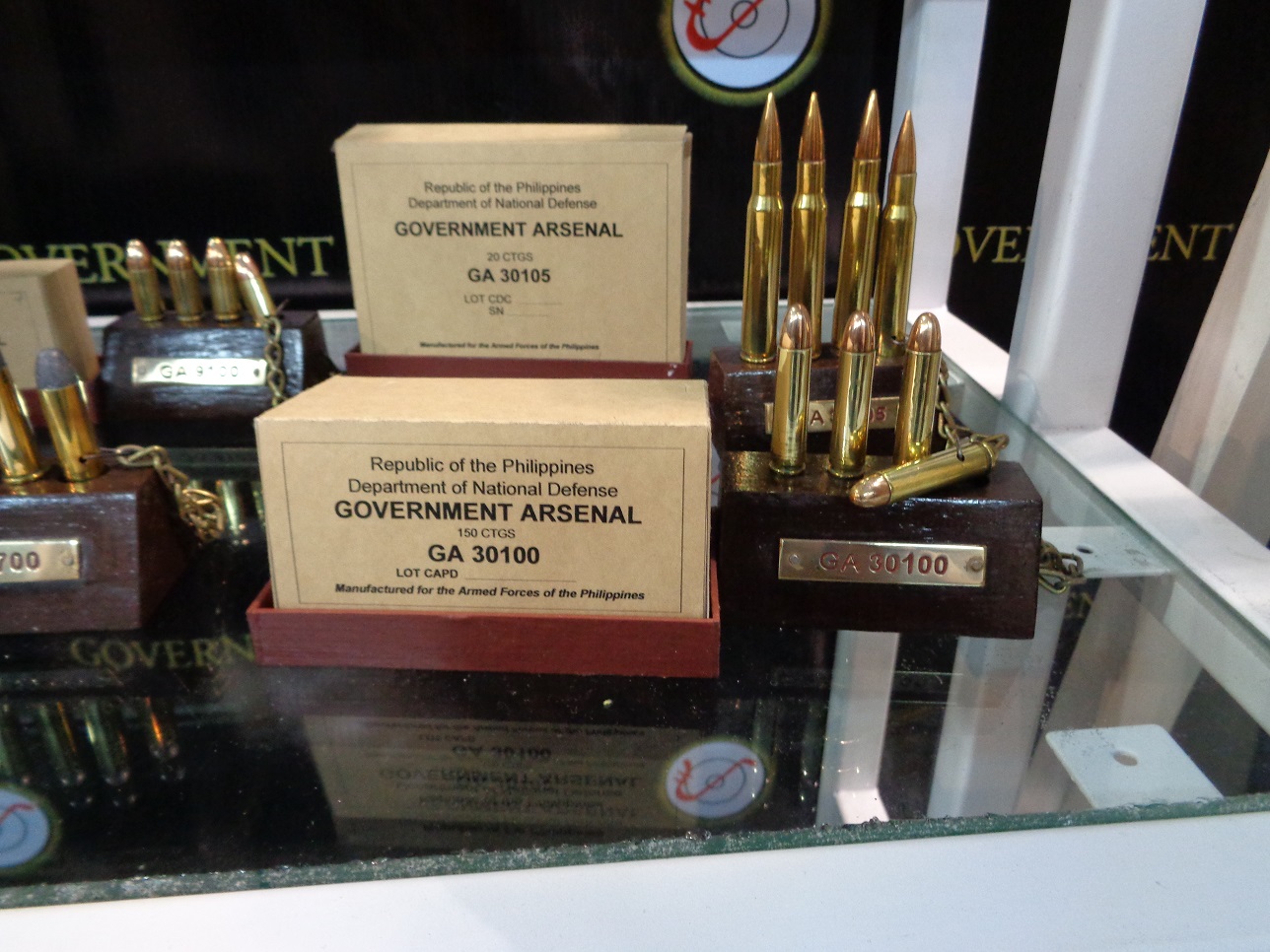
The .30 Carbine cartridge was widely used in the past, but later testing raised questions about its effectiveness compared to newer rifle calibers. During evaluations, testers found that it produced less penetration than full power rifle rounds, especially at longer distances. Another issue was performance through barriers, where the lighter bullet sometimes lost too much energy. While the recoil was light and the ammunition weight was low, the military decided that modern rifles chambered in stronger calibers offered better overall performance. Improved body armor standards also reduced the usefulness of lighter cartridges in some situations. Because of these changes, the .30 Carbine was eventually replaced, even though it had served for many years. Today it is still sold as a capable defensive round, but its limitations became clear during later testing programs.
8. 7.62×25mm Tokarev
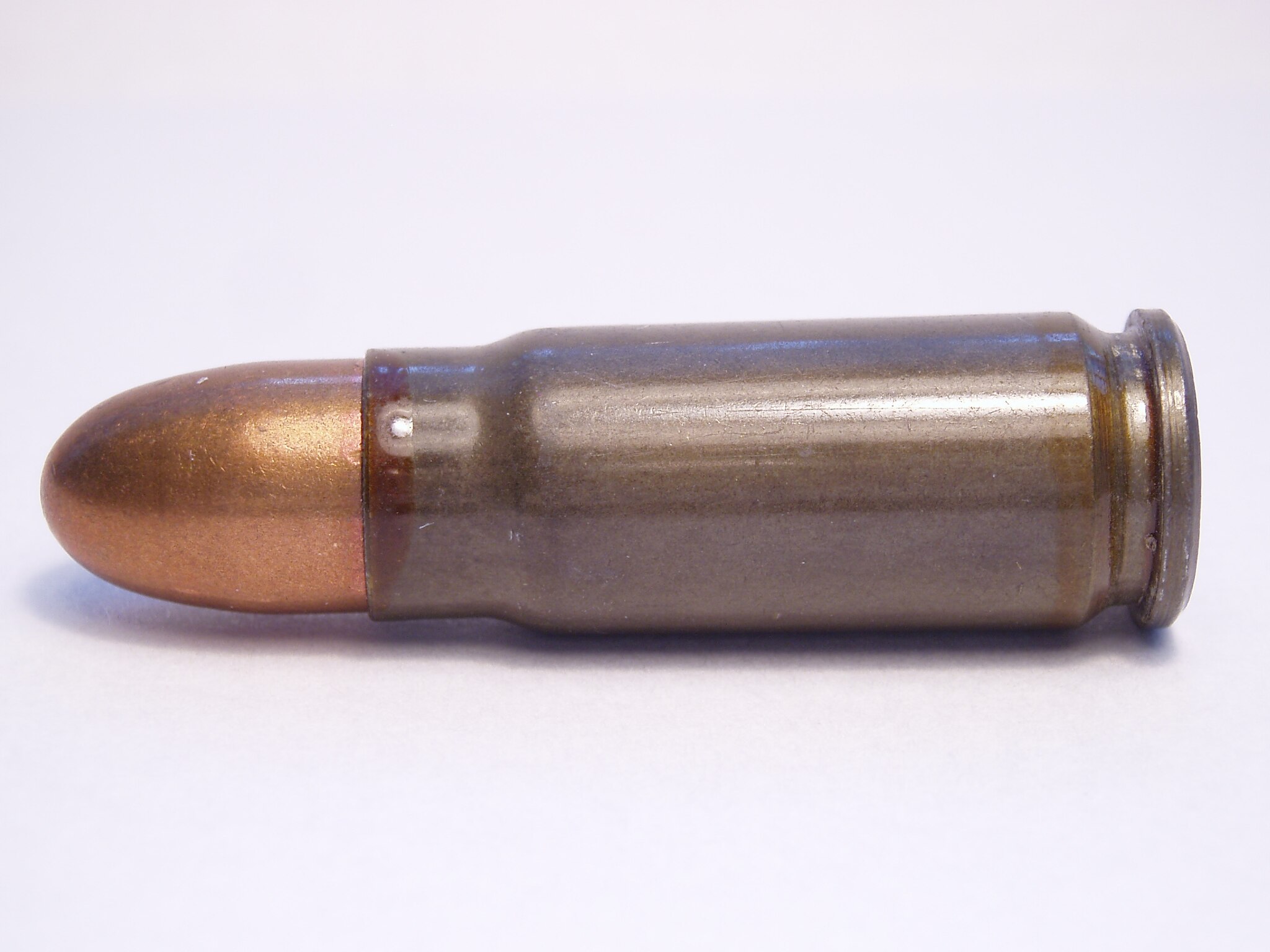
The 7.62×25mm Tokarev attracted attention during testing because of its high velocity and strong penetration for a handgun cartridge. Early results showed that it could travel very fast and penetrate deeply, which made it look impressive in simple comparisons. However, extended trials revealed problems that made it less suitable for modern military use. The recoil was sharp for its size, and the loud report made training more difficult without proper protection. Another concern was the design of older pistols chambered for the round, which did not meet modern safety standards. Ammunition availability and compatibility also became issues during evaluation. Because of these factors, the caliber was never widely adopted in modern programs. Even today it is often sold as extremely powerful, but military testing showed that power alone was not enough.