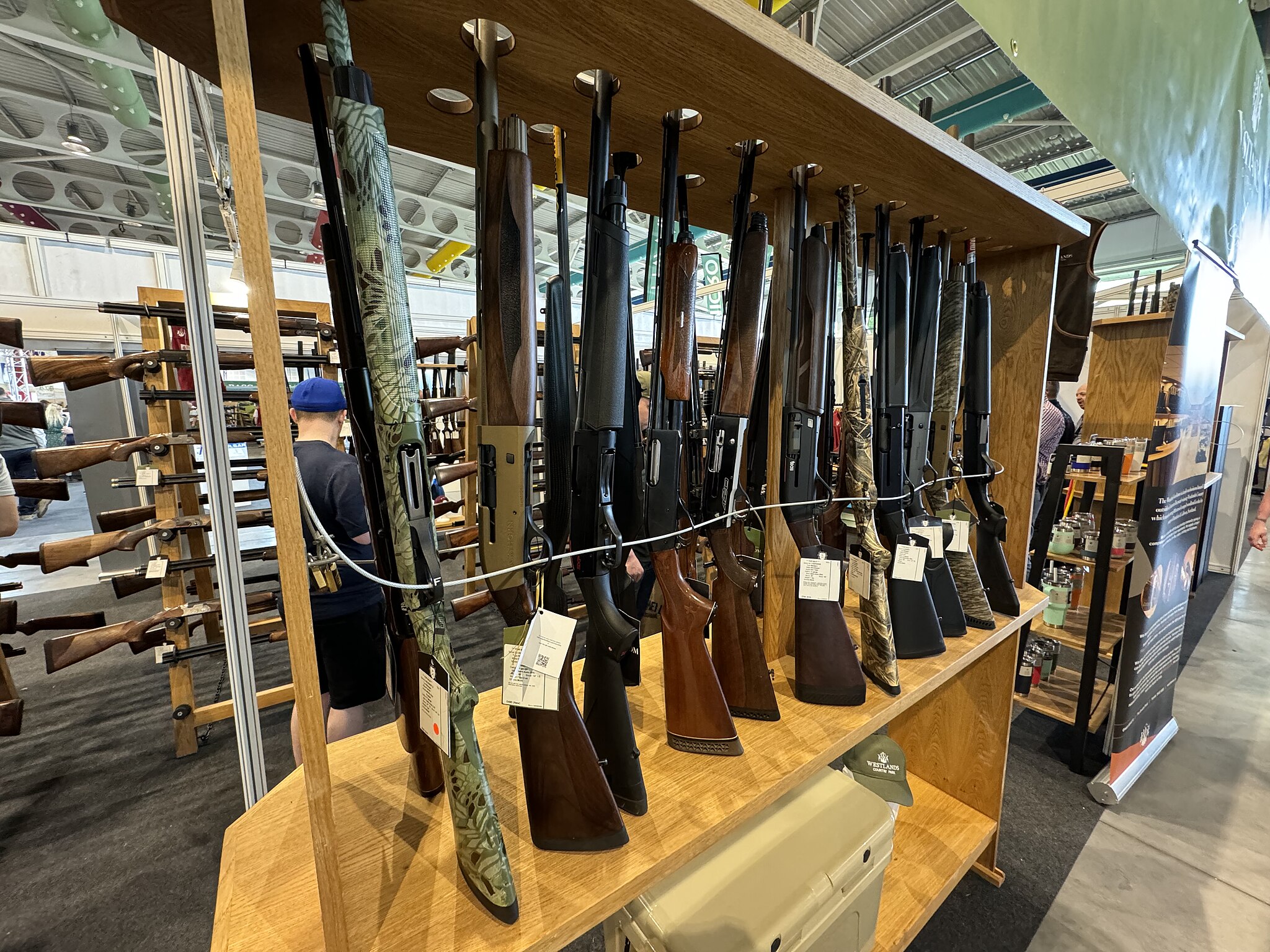
Gun shows bring together a wide mix of vendors, each catering to a different aspect of firearm ownership and shooting culture. Whether you attend to browse, buy, trade, or simply learn, these events reflect the full ecosystem surrounding guns, gear, and responsibility. Some booths focus on practical equipment, others on history, craftsmanship, or customization. Experienced attendees often recognize familiar vendor types within minutes of walking the floor. Understanding who these sellers are and what they offer helps visitors navigate shows more efficiently, ask better questions, and avoid impulse purchases. Knowing vendor roles also reveals how gun shows function beyond simple buying and selling.
1. Licensed Firearms Dealers
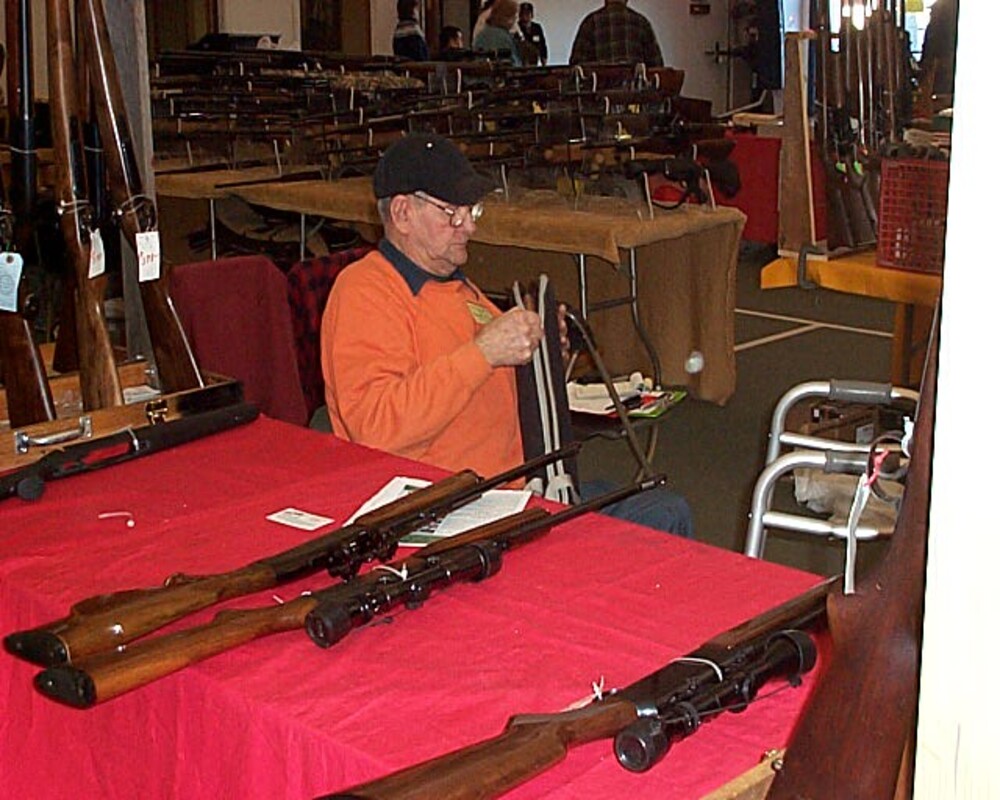
Licensed firearms dealers are the backbone of most gun shows. These vendors operate under federal and state regulations and handle background checks where required. Their tables typically feature new or lightly used pistols, rifles, and shotguns from recognized manufacturers. Buyers often appreciate the ability to compare models in person and ask knowledgeable questions. Prices may be competitive, especially on older inventory or show specials. These dealers also provide transfer services, warranty guidance, and legal clarity. Their presence adds legitimacy and structure to gun shows, making them a trusted option for buyers seeking compliant and documented purchases.
2. Private Collectors and Hobby Sellers
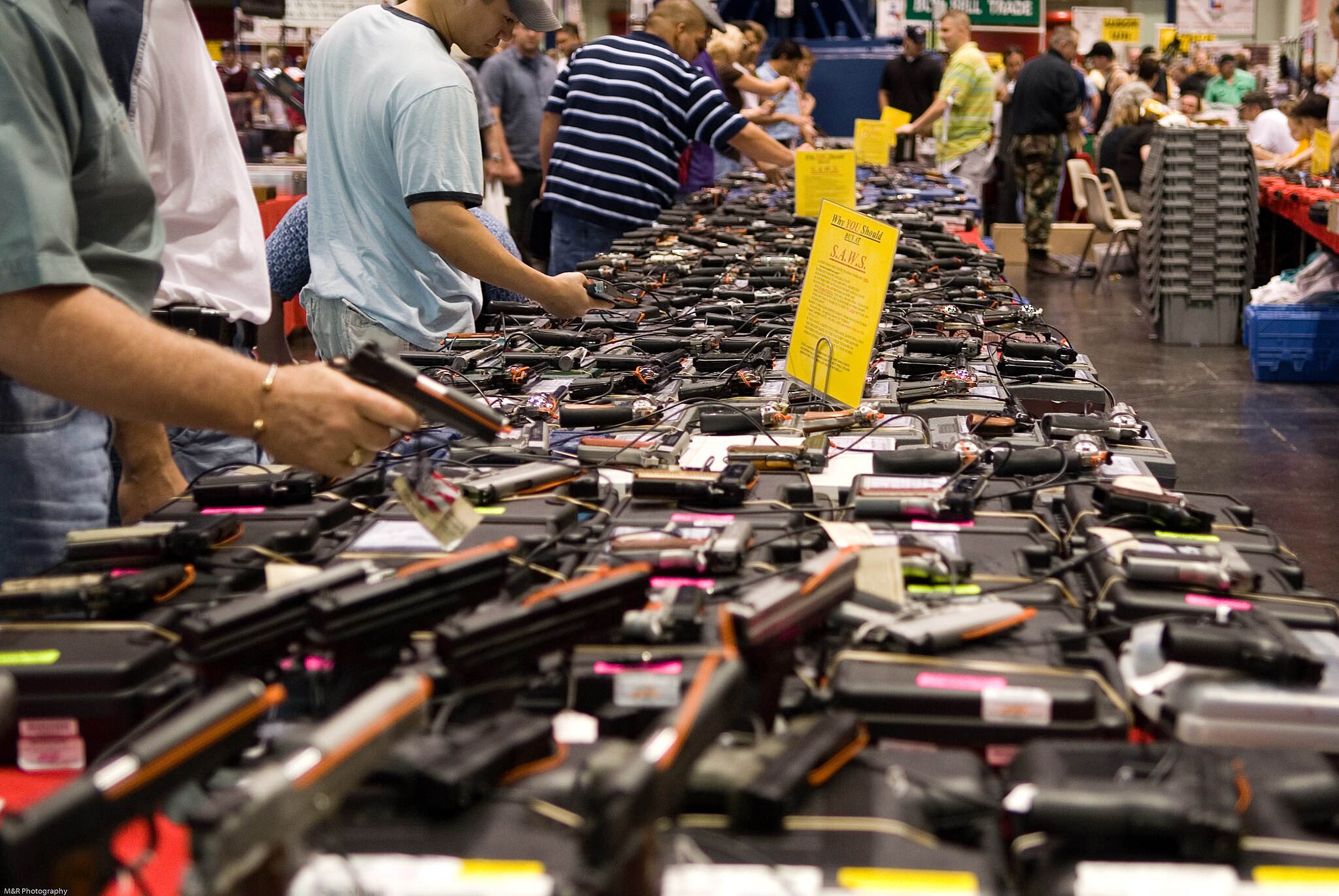
Private collectors bring personality and variety to gun shows. Their tables often feature older firearms, rare calibers, military surplus pieces, or discontinued models no longer found in stores. Many are passionate hobbyists eager to share stories and technical details. Pricing can vary widely, but negotiation is often expected. Buyers should carefully inspect the condition and ask about the history. These vendors contribute to the educational side of gun shows, offering insight into firearm evolution and craftsmanship. While purchases may require extra diligence, collectors often provide unique opportunities unavailable through standard retail channels.
3. Ammunition and Reloading Suppliers
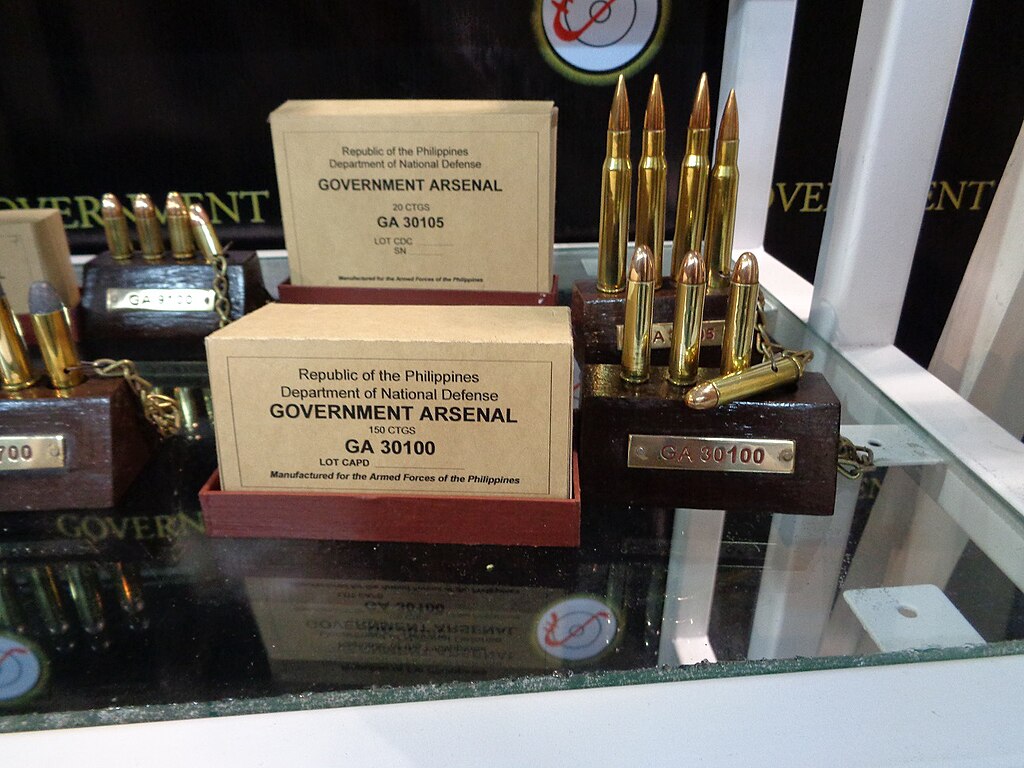
Ammo vendors are among the busiest booths at any gun show. They offer factory ammunition across common and specialty calibers, often in bulk quantities. Some also sell reloading components like brass, bullets, primers, and powder. Shoppers compare prices, availability, and packaging sizes, especially during shortages. Reloading suppliers attract experienced shooters looking to control costs or fine-tune performance. These vendors play a practical role, keeping shooters supplied beyond firearms themselves. Their booths highlight market trends, popular calibers, and how demand shifts with seasons, legislation, or shooting sports popularity.
4. Accessories and Gear Vendors
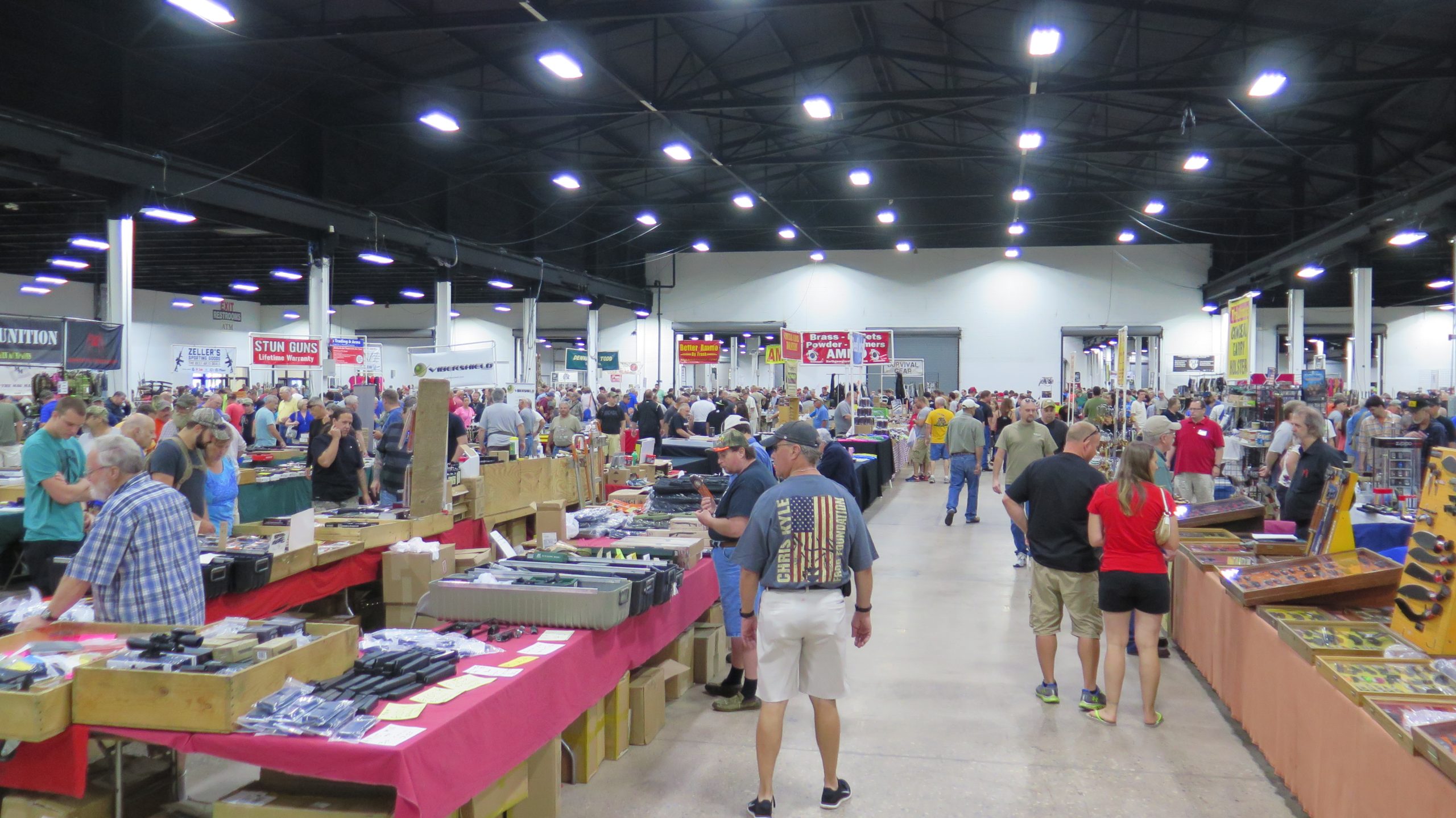
Accessory vendors fill tables with items that personalize and support firearm use. Holsters, optics, magazines, grips, slings, lights, and cases are common offerings. Many focus on tactical, hunting, or concealed-carry gear. Shoppers appreciate being able to handle items directly and check fit and quality. Knowledgeable sellers explain compatibility and practical use. Prices range from budget to premium. These vendors enhance gun shows by offering customization options that improve comfort, efficiency, and safety. Their products often reflect current trends in shooting disciplines and defensive carry preferences.
5. Knife and Tool Sellers
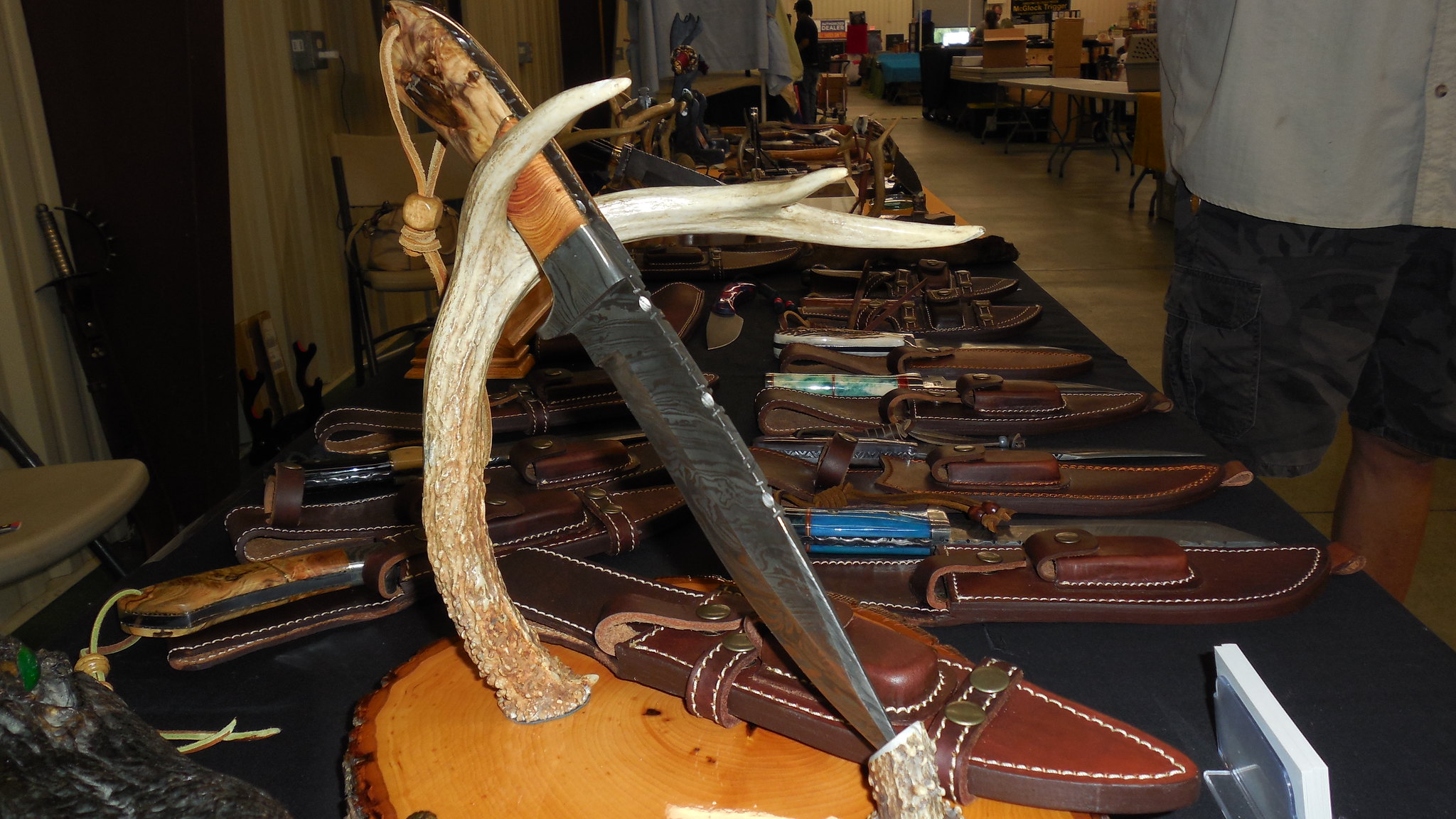
Knife vendors are a consistent presence at gun shows, appealing to collectors, outdoorsmen, and everyday-carry enthusiasts. Tables display fixed blades, folders, multi-tools, and handcrafted pieces. Some focus on tactical designs, while others emphasize traditional or custom work. Buyers can examine balance, steel quality, and ergonomics firsthand. Many vendors are skilled craftsmen who explain materials and maintenance. These booths broaden the appeal of gun shows beyond firearms alone. Knives and tools complement shooting activities and attract attendees interested in self-reliance, utility, and craftsmanship.
6. Surplus and Tactical Apparel Vendors
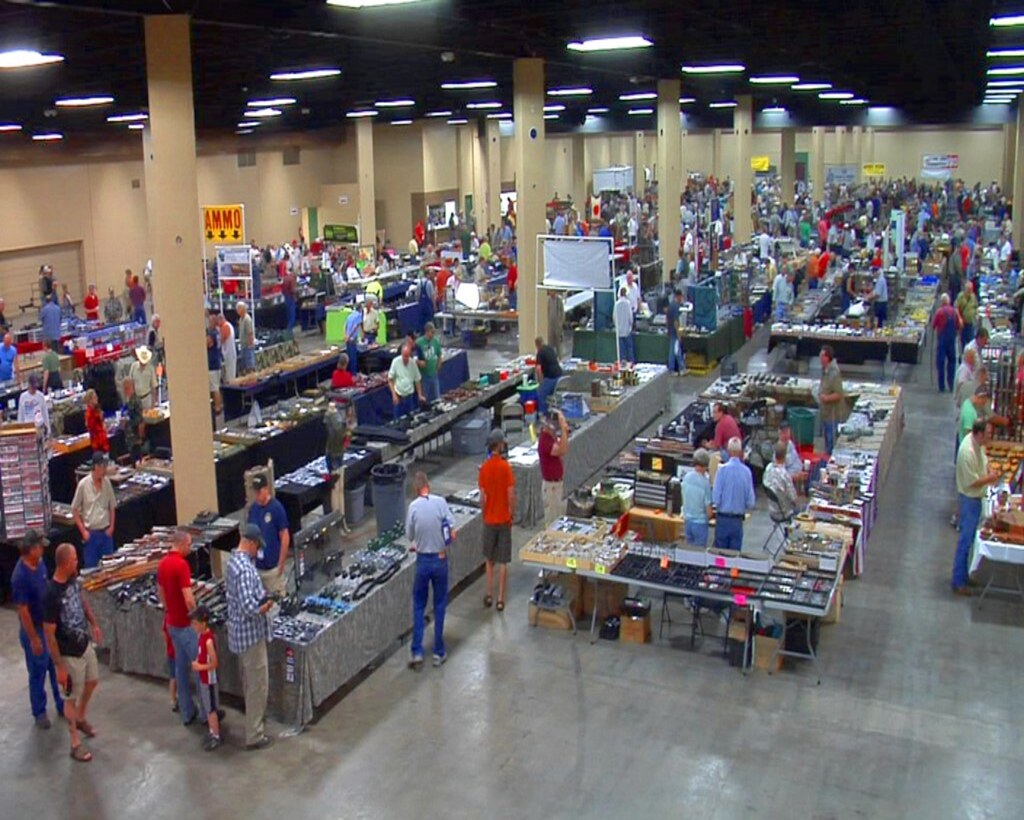
Surplus and tactical clothing vendors offer functional gear rooted in military and outdoor use. Common items include camouflage clothing, boots, packs, webbing, and protective accessories. Many products are designed for durability and field use. Shoppers often value affordability and ruggedness over style. These vendors attract hunters, campers, and preparedness-minded buyers. Their presence reflects the overlap between shooting sports and outdoor lifestyles. Tactical apparel booths add practical variety to gun shows, serving those who prioritize function, comfort, and long-term wear in demanding environments.
7. Firearms Education and Services Providers
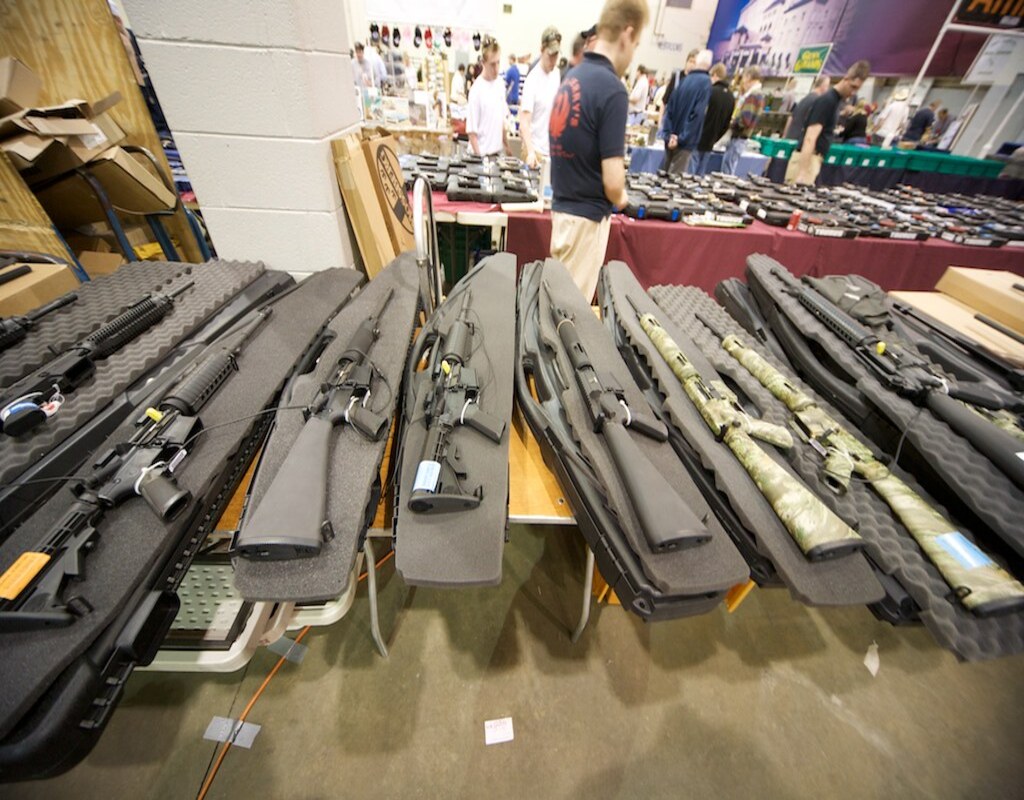
Some vendors focus on services rather than physical products. These include firearm instructors, gunsmiths, appraisers, and legal education providers. They offer training schedules, repair services, safety courses, and compliance guidance. These booths emphasize responsibility and skill development. Attendees gain access to expertise that extends beyond the show itself. Service providers help connect buyers with ongoing education and support. Their role highlights that gun ownership involves knowledge and care, not just equipment. These vendors add depth and credibility to gun shows as learning environments.