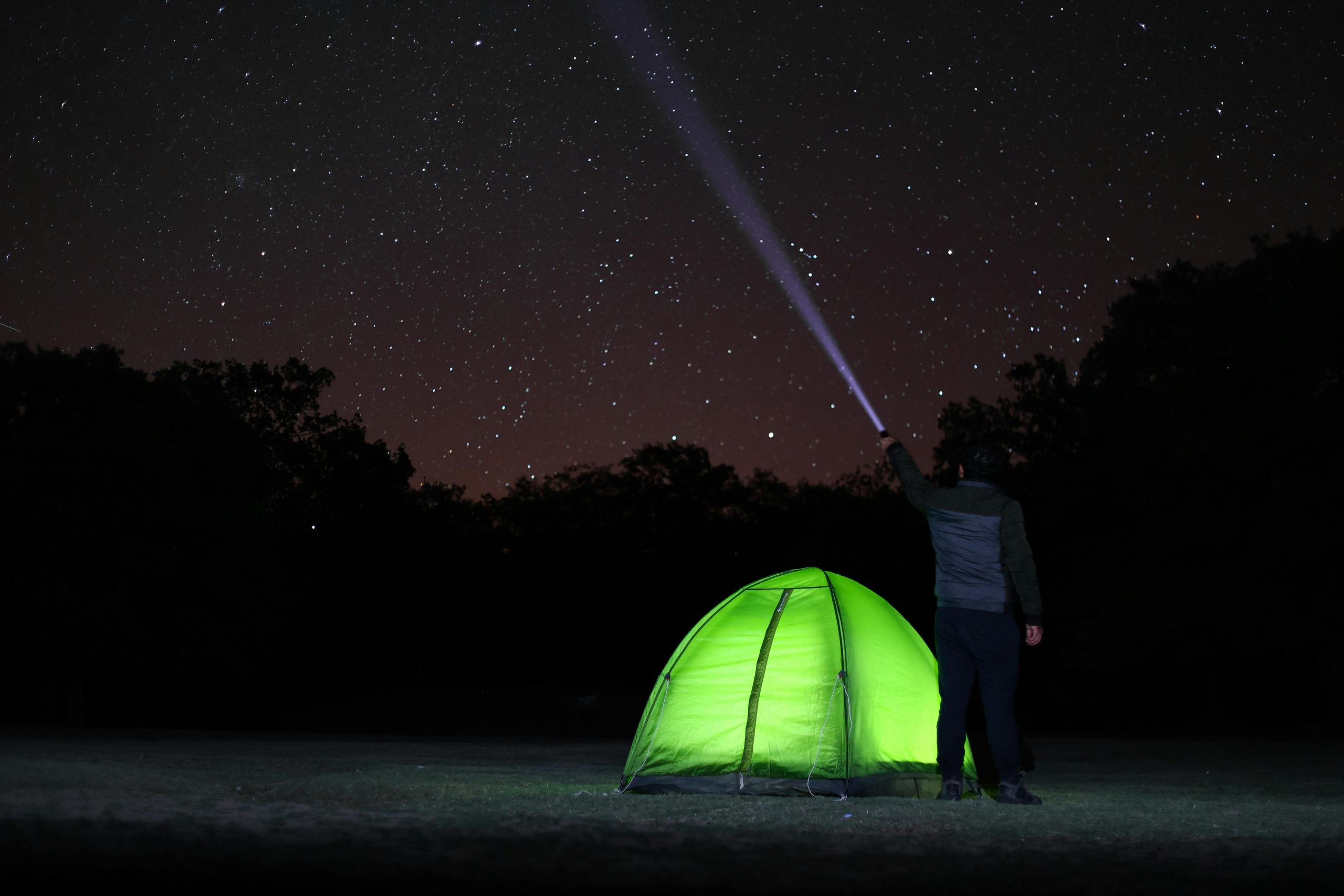
Sleeping under the open sky feels freeing, primal, and peaceful, but it also exposes you to risks many outdoor enthusiasts underestimate. While tents are often viewed as automatic protection, they can sometimes increase danger instead of reducing it. Environmental conditions, wildlife behavior, and human error all play unexpected roles once night falls. This article explores seven overlooked hazards of sleeping outdoors and explains why understanding your surroundings matters more than simply having shelter. Knowing these dangers helps you choose smarter sleeping setups, reduce risk, and stay safer whether you sleep in a tent or beneath the stars.
1. Sudden Weather Shifts Can Turn Deadly
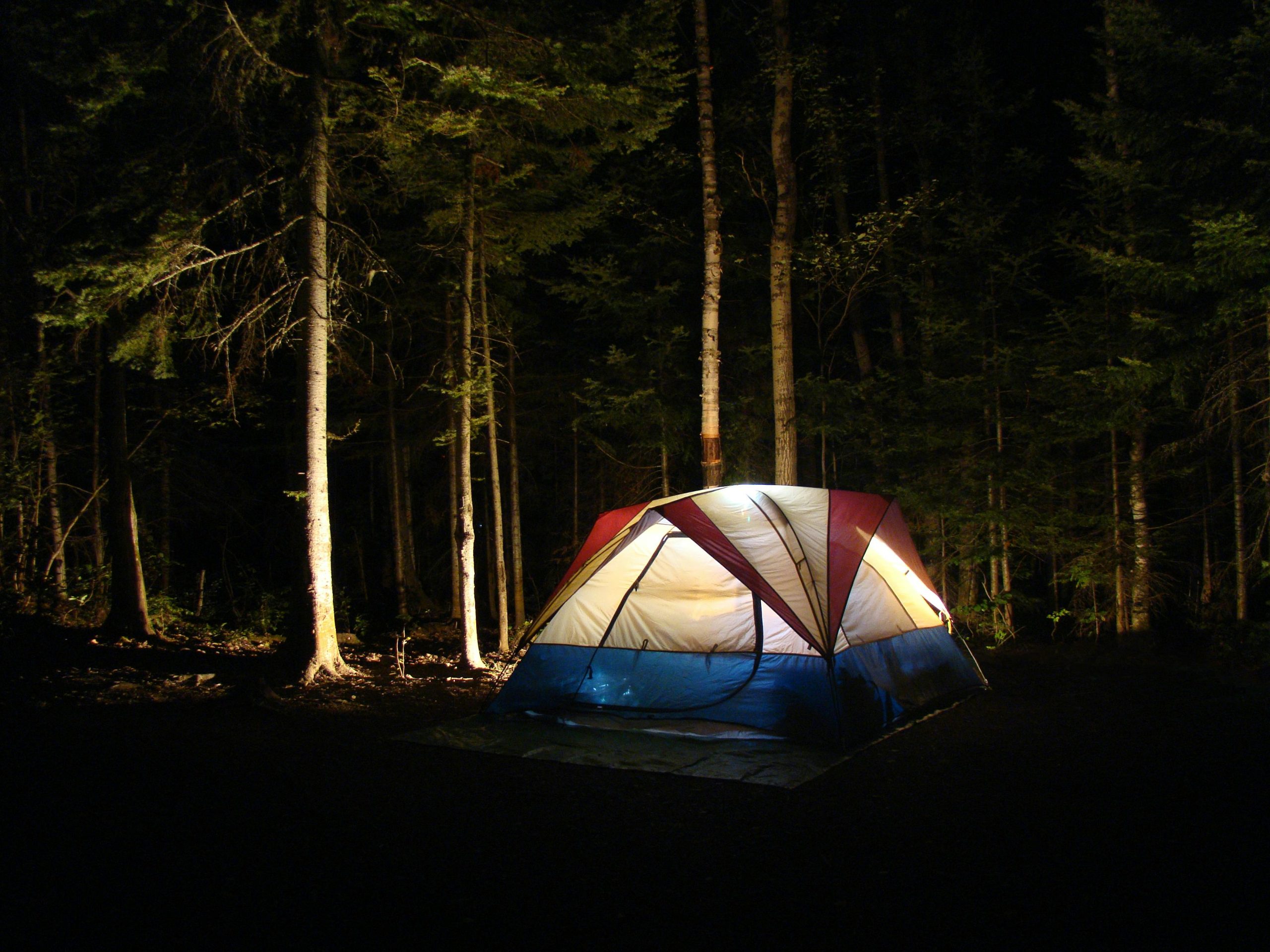
The weather can change faster at night than most people expect, especially in mountains, deserts, and open plains. Clear skies can suddenly bring freezing temperatures, heavy dew, fog, or violent wind gusts. Without preparation, exposure leads to hypothermia even in mild seasons. Tents may trap moisture, worsening heat loss and soaking sleeping gear. Condensation buildup can leave insulation damp by morning. Wind-driven rain can flatten poorly pitched shelters, forcing emergency exits in darkness. Sleeping outdoors demands awareness of forecasts, terrain, and wind direction. Choosing natural windbreaks, insulating ground layers, and adaptable shelter options matters more than trusting calm skies at sunset.
2. Wildlife Encounters Are More Likely at Night
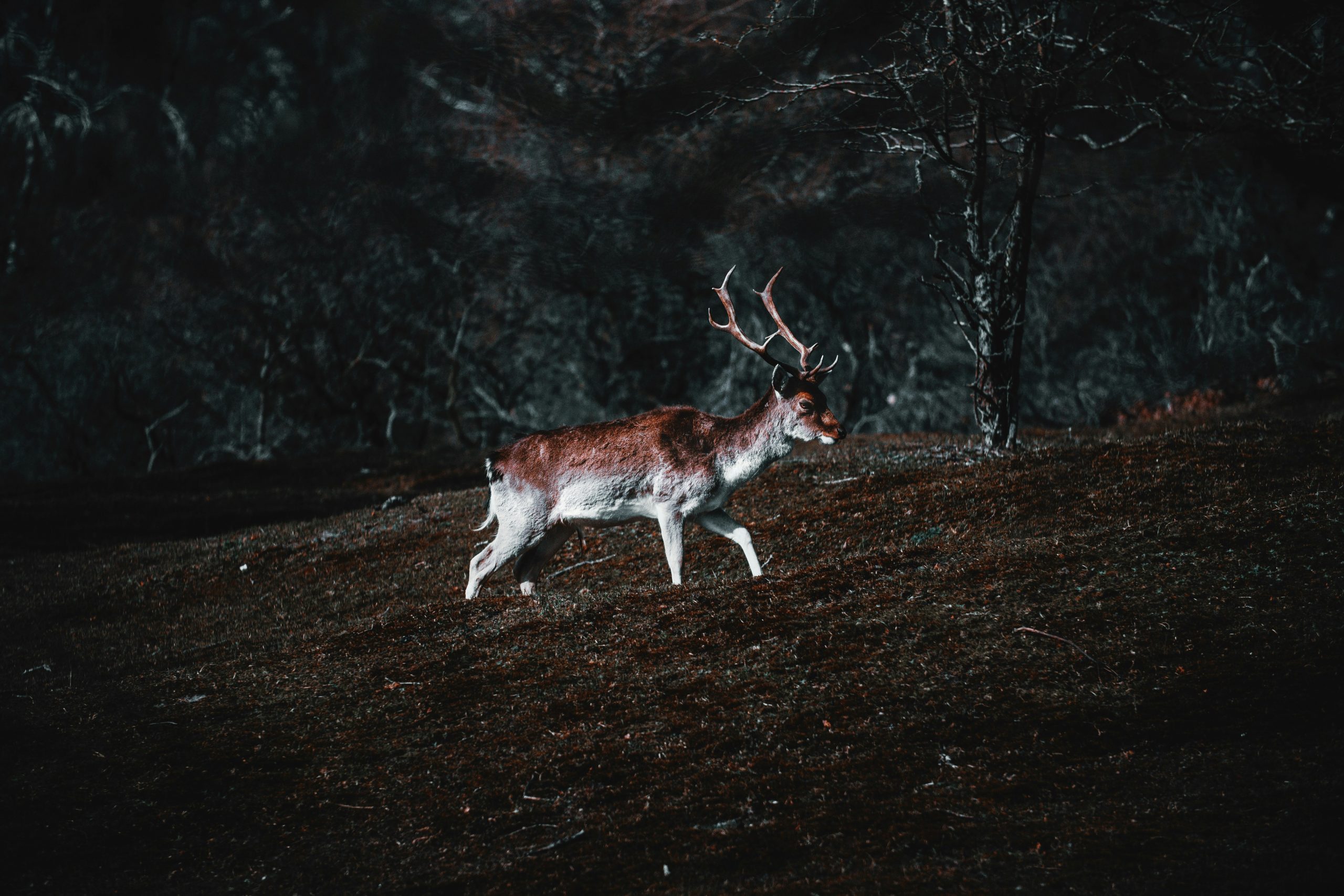
Nighttime is when many animals become active, increasing the chance of close encounters. Small animals may chew gear, attracted by salt or food smells, while larger wildlife may investigate camps out of curiosity. A tent offers limited protection and can restrict visibility and escape options. Animals startled by sudden movement may react aggressively. Sleeping in the open improves situational awareness, but it also increases exposure. Food storage mistakes raise the risk dramatically. Proper campsite selection, clean cooking habits, and odor control reduce danger. Understanding local wildlife behavior is essential for safe overnight stays in natural environments.
3. Insects and Parasites Pose Serious Health Risks
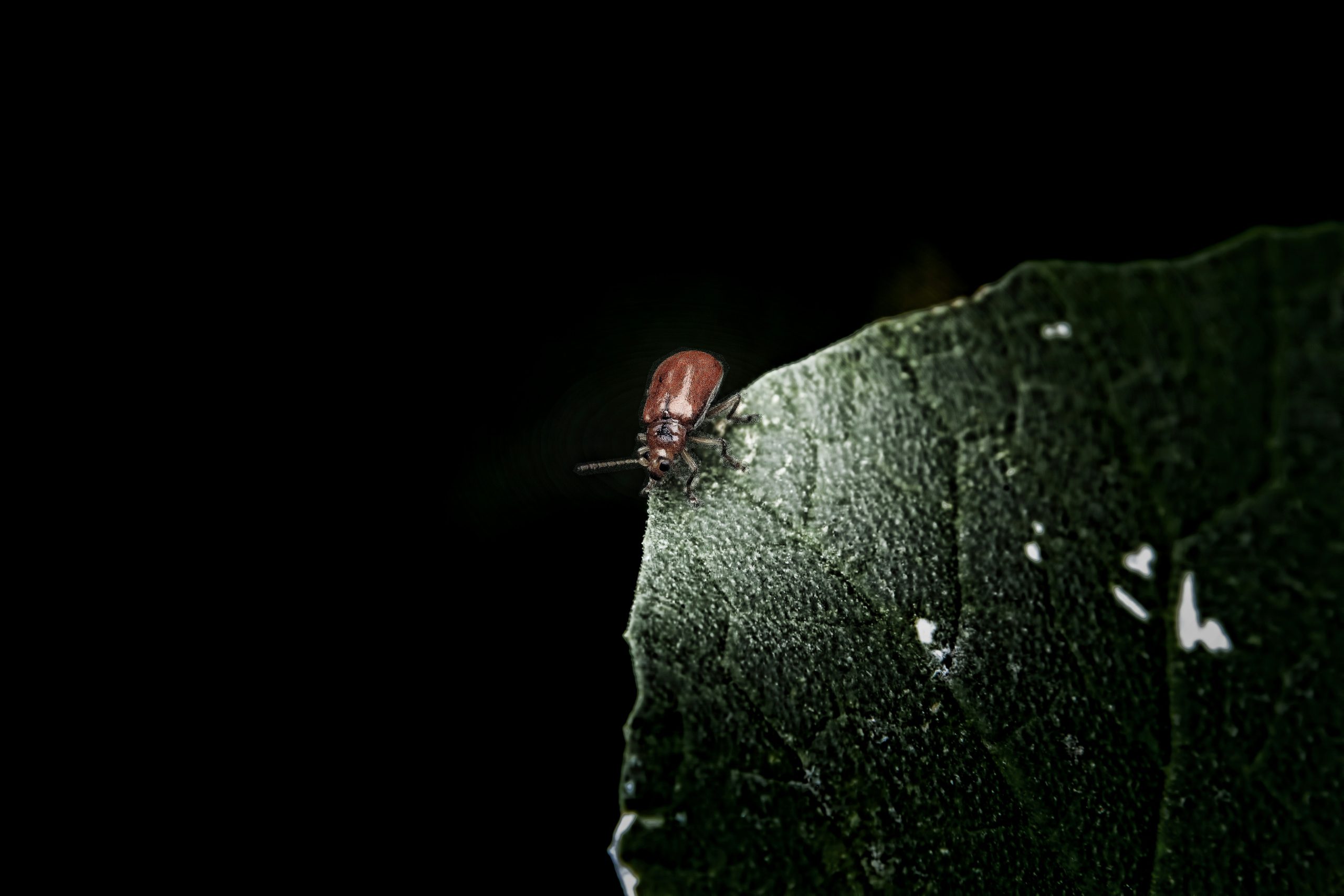
Bugs are more than an annoyance when sleeping outdoors. Mosquitoes, ticks, fleas, and mites are most active at night and can transmit diseases. Tents without proper mesh allow entry, while sealed tents can trap insects already inside. Ticks crawl upward from vegetation and attach unnoticed during sleep. Ants and spiders may bite defensively when disturbed. Sleeping directly on the ground increases exposure significantly. Insect repellent, elevated sleeping systems, and site clearing reduce risk. Long sleeves and treated clothing provide added protection. Ignoring insect threats can lead to infections that outlast the trip itself.
4. Ground Hazards Are Easy to Miss in Darkness
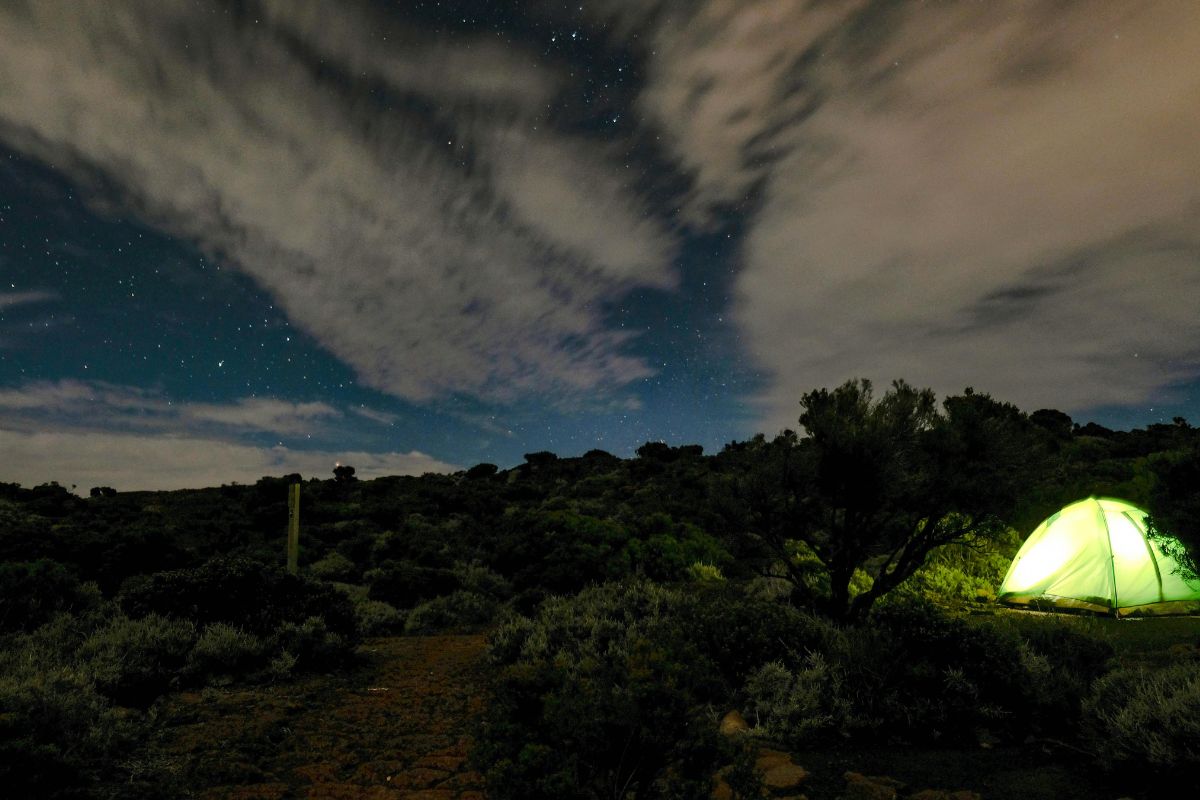
The ground beneath you may hide dangers invisible at night. Sharp rocks, roots, cactus spines, and uneven terrain can cause injury during sleep or sudden movement. Poor ground choice leads to pressure points, circulation issues, and restless sleep, reducing alertness the next day. In cold areas, ground contact rapidly drains body heat. In deserts, stored heat may burn exposed skin. Tents can give a false sense of safety while masking hazards below. Proper site inspection before dark, ground insulation, and careful orientation prevent injuries that often occur while entering or exiting sleep.
5. Reduced Awareness Increases Human Threats
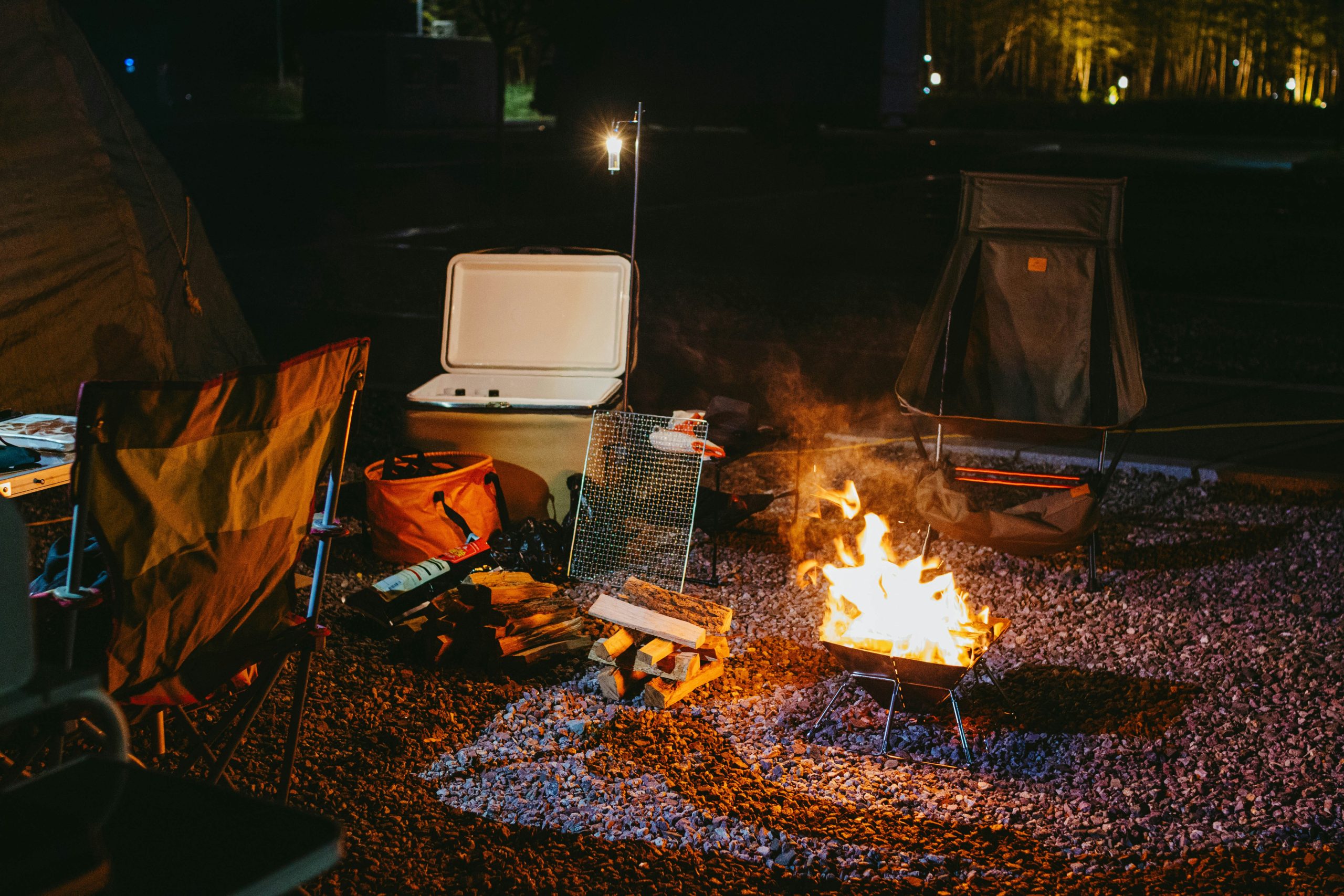
In populated or remote areas alike, human-related risks are often overlooked. Theft, harassment, or accidental encounters with other campers are more likely at night. Tents limit awareness by blocking sound and sight, delaying reaction time. Sleeping openly improves perception but increases visibility. Poor campsite placement near trails or roads raises exposure. Keeping a low profile, choosing concealed locations, and maintaining situational awareness matter more than shelter type. Headlamp access, communication devices, and escape routes should be planned. Personal safety depends on awareness, not walls of fabric.
6. Fire and Carbon Monoxide Risks Increase
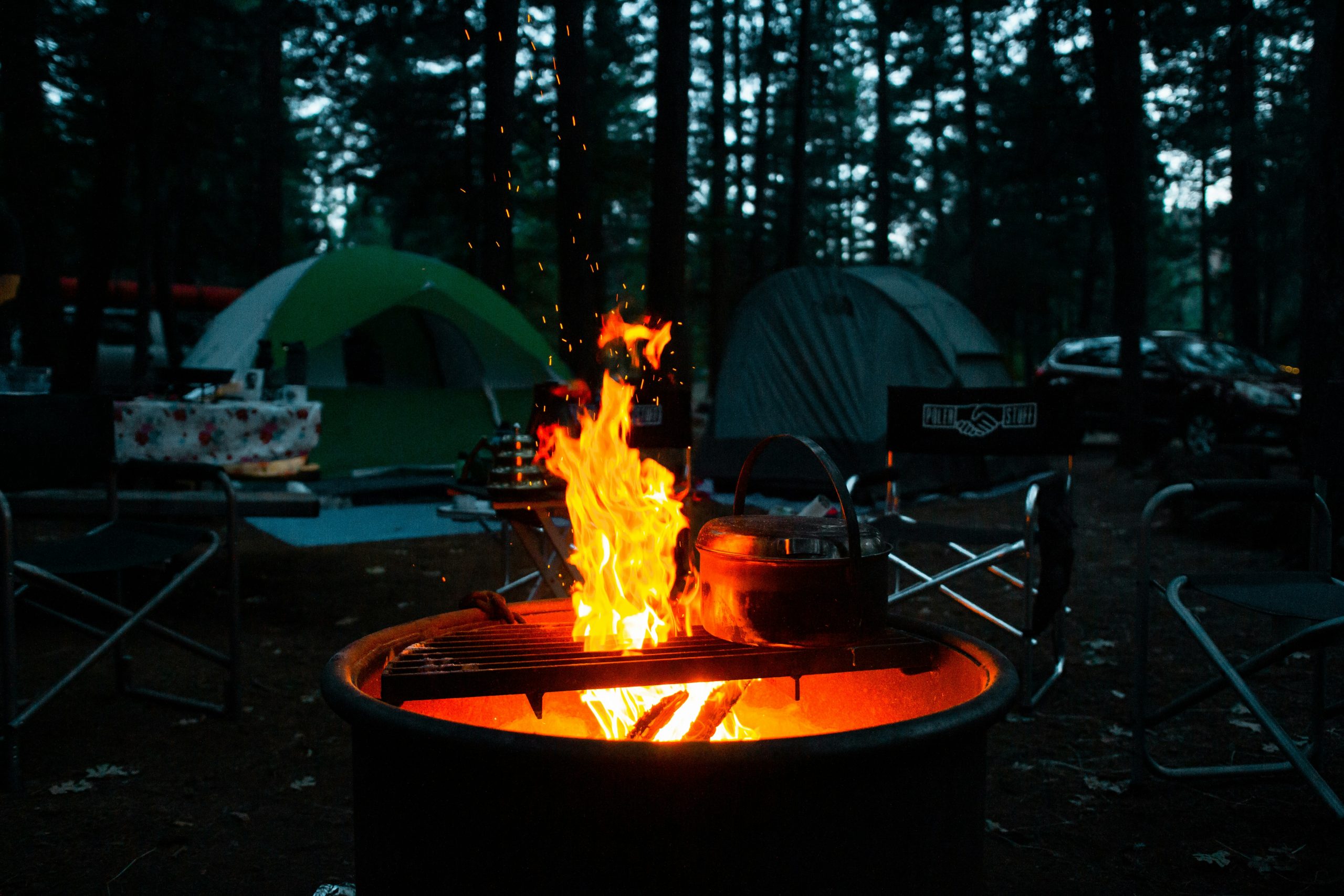
Improper fire use near sleeping areas causes danger. Campfires can shift with the wind, sending sparks onto sleeping gear. Hot embers remain active long after flames fade. Using stoves inside tents is especially dangerous, as carbon monoxide can build silently and become fatal. Open sleeping areas reduce gas buildup but increase burn risk if fire placement is careless. Safe distance, fire discipline, and complete extinguishing are critical. Understanding airflow and fuel behavior prevents injuries. Fire provides warmth and comfort, but mismanagement turns it into one of the most dangerous nighttime threats outdoors.
7. Mental Fatigue and False Security Affect Judgment
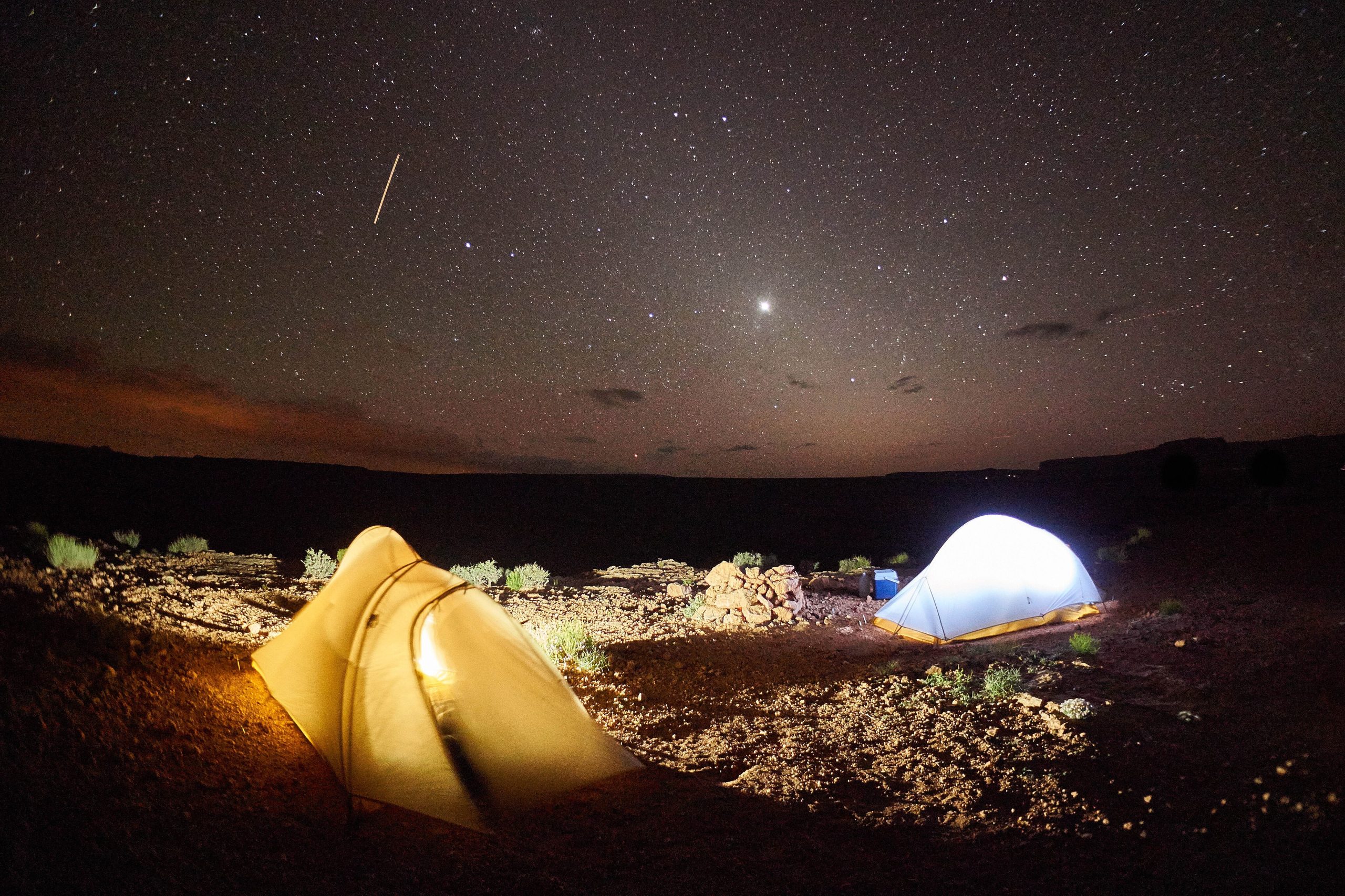
Sleep quality directly impacts decision-making and safety. Poor sleep from cold, noise, or discomfort leads to mental fatigue and slower reactions. Tents can create a false sense of security, encouraging people to ignore environmental cues. Overconfidence reduces caution. Open sleeping requires mindfulness but improves connection to surroundings. Choosing comfort over awareness often leads to mistakes. Balanced rest systems, realistic risk assessment, and adaptable planning preserve mental clarity. Outdoor survival depends as much on mindset as equipment. Recognizing psychological factors helps prevent errors that turn manageable risks into emergencies.