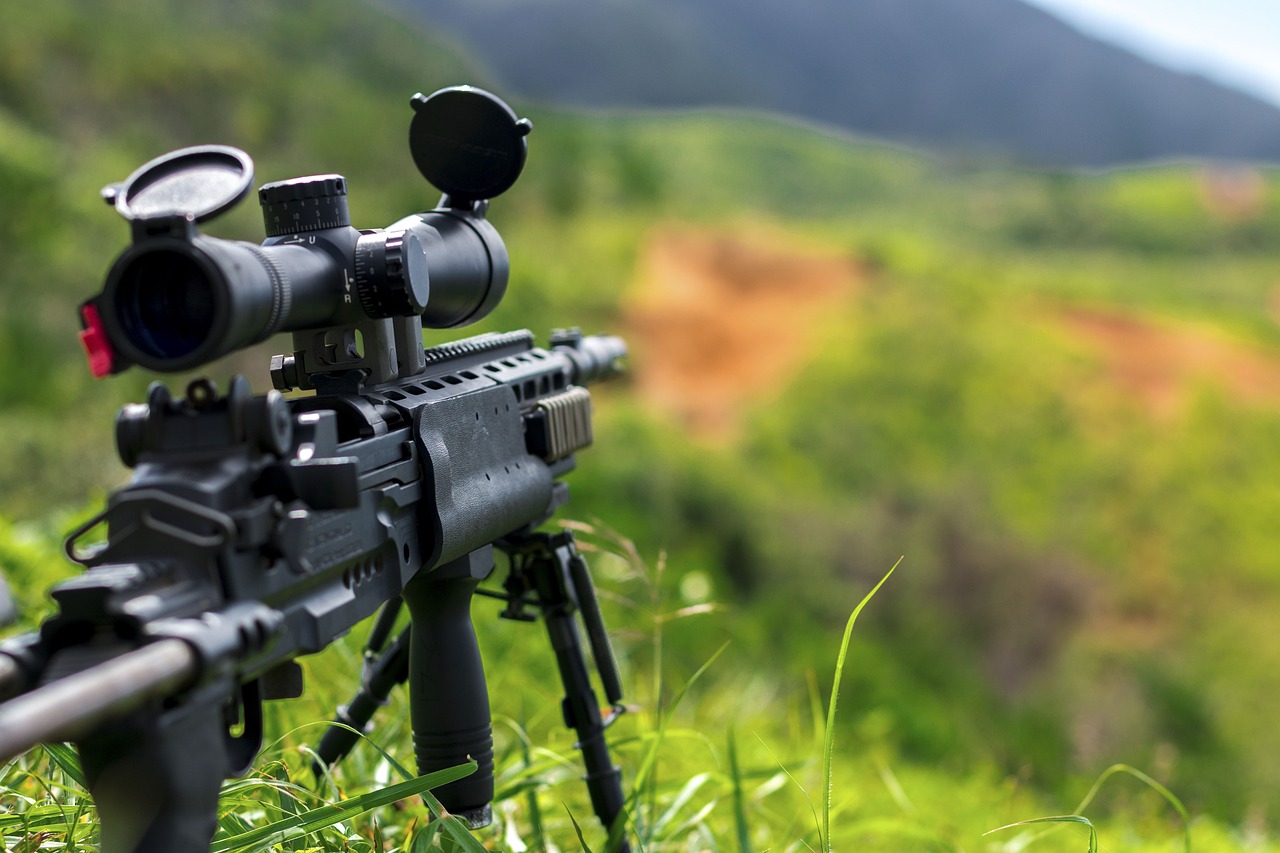
Picking the right optic for your rifle can feel like decoding a secret language of magnification numbers, reticle types, and mounting hardware. Too often, myths about scopes steer shooters into decisions that hurt accuracy instead of helping it. From over-magnification to cheap mounting, misconceptions abound, and they can cost you hits when it matters most. Let’s look at seven of the most persistent scope misconceptions and how clearing them can sharpen your aim for real.
1. Believing Higher Magnification Equals Better Precision
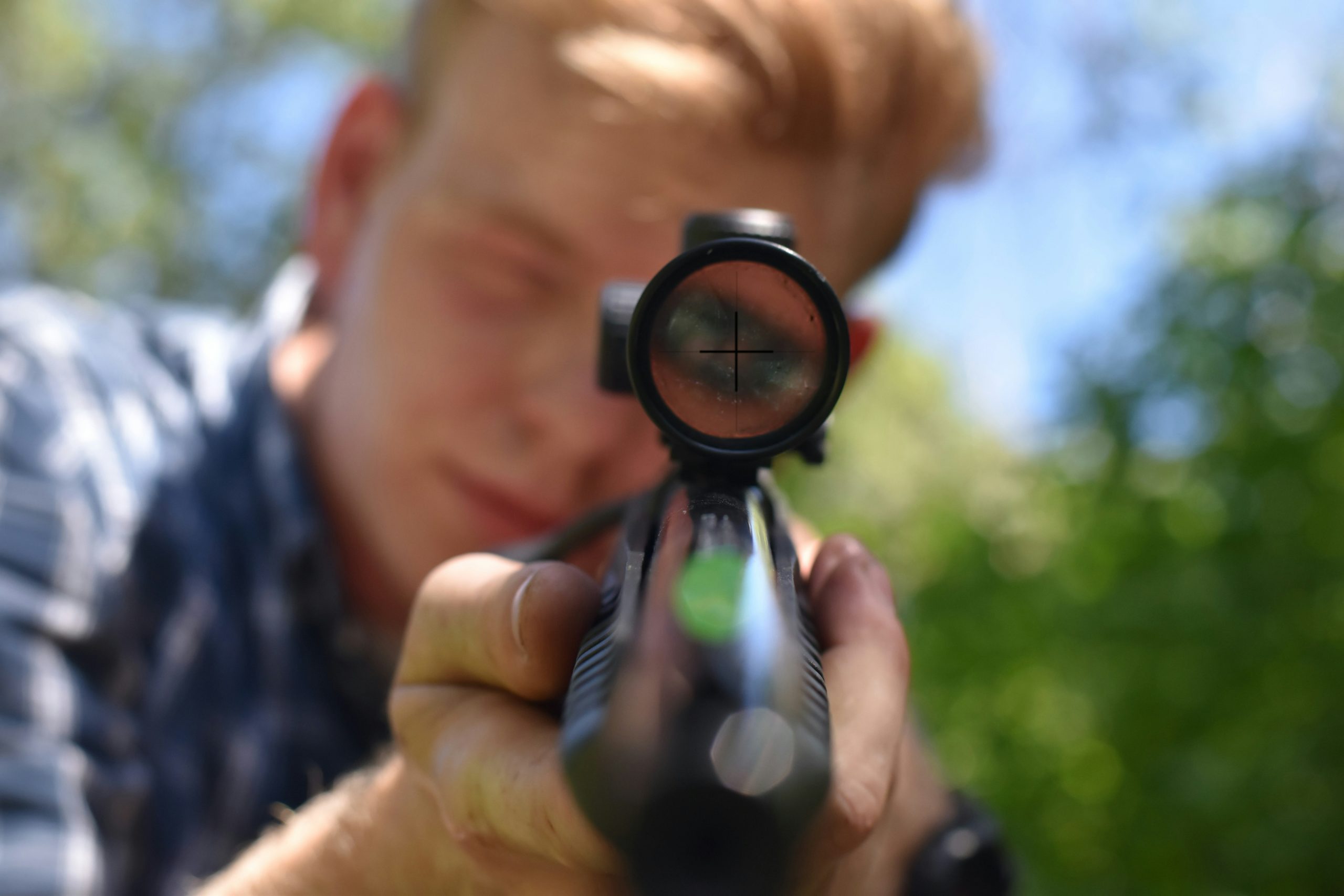
A common assumption is that more magnification automatically means more accuracy. But high magnification also amplifies your breathing, errant trigger pulls, and mirage, making the shot harder, not easier. At moderate ranges, a 6×–10× scope often delivers clearer, steadier sight pictures than a 20× zoom prone to shake. Accuracy begins with stable fundamentals; magnification is just a tool, not a fix.
2. Assuming Big Diameter Tubes Guarantee Brighter Images
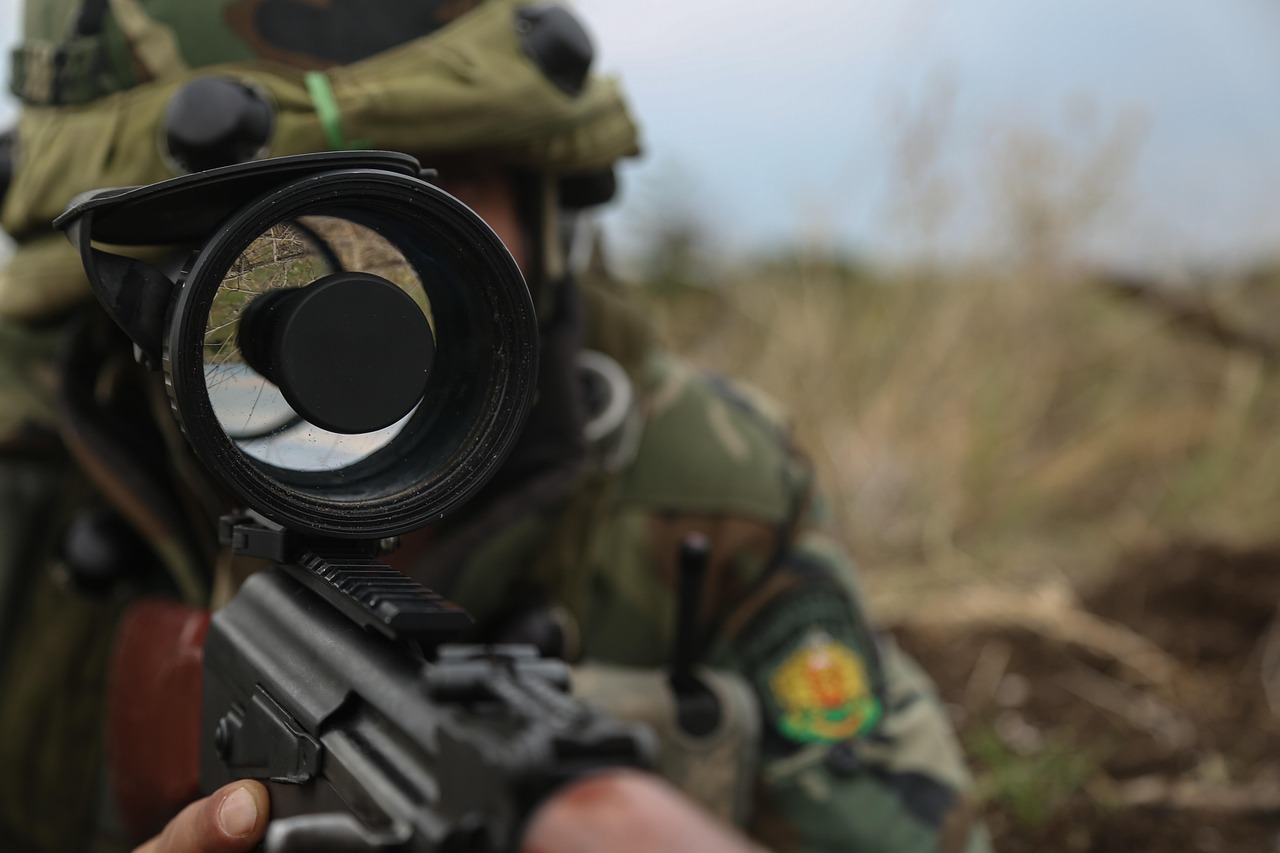
Bigger scope tubes often look premium, but size doesn’t directly translate to brightness. In reality, light transmission depends more on objective lens size, coatings, and glass quality than tube diameter. A 30 mm tube can outperform a 34 mm one if the optics are superior. Many shooters waste money chasing larger tubes instead of looking for optical efficiency and clarity in low-light conditions.
3. Thinking Expensive Scopes Automatically Solve Shooter Errors
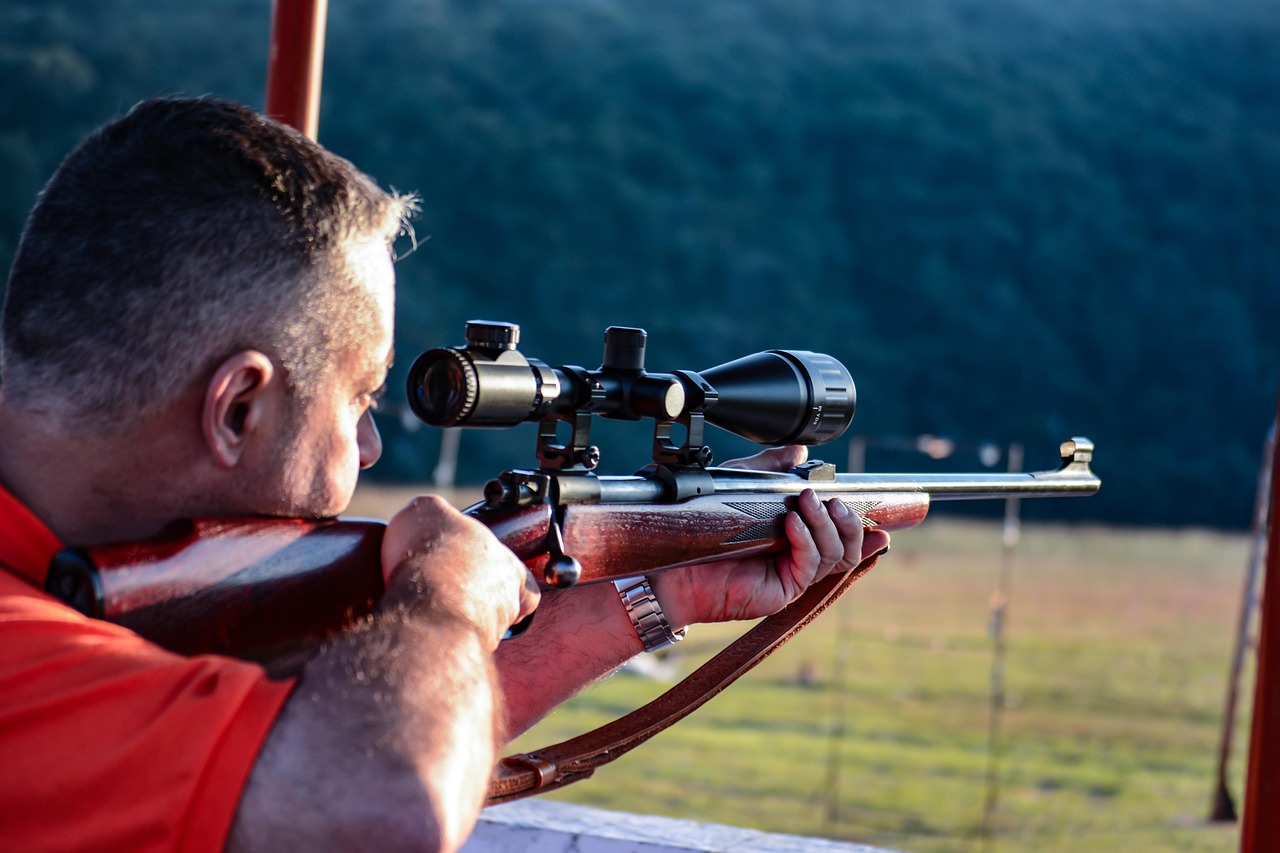
There’s a strong belief that dropping thousands on an optic will make every shot better. But no matter how sharp your glass is, poor fundamentals like jerky triggers, incorrect breathing, or bad rest still produce inconsistent groups. A well-trained shooter with a mid-tier scope often outperforms someone relying on the gear’s price to carry their technique.
4. Believing All Exposed Turrets Are Dead On Accurate
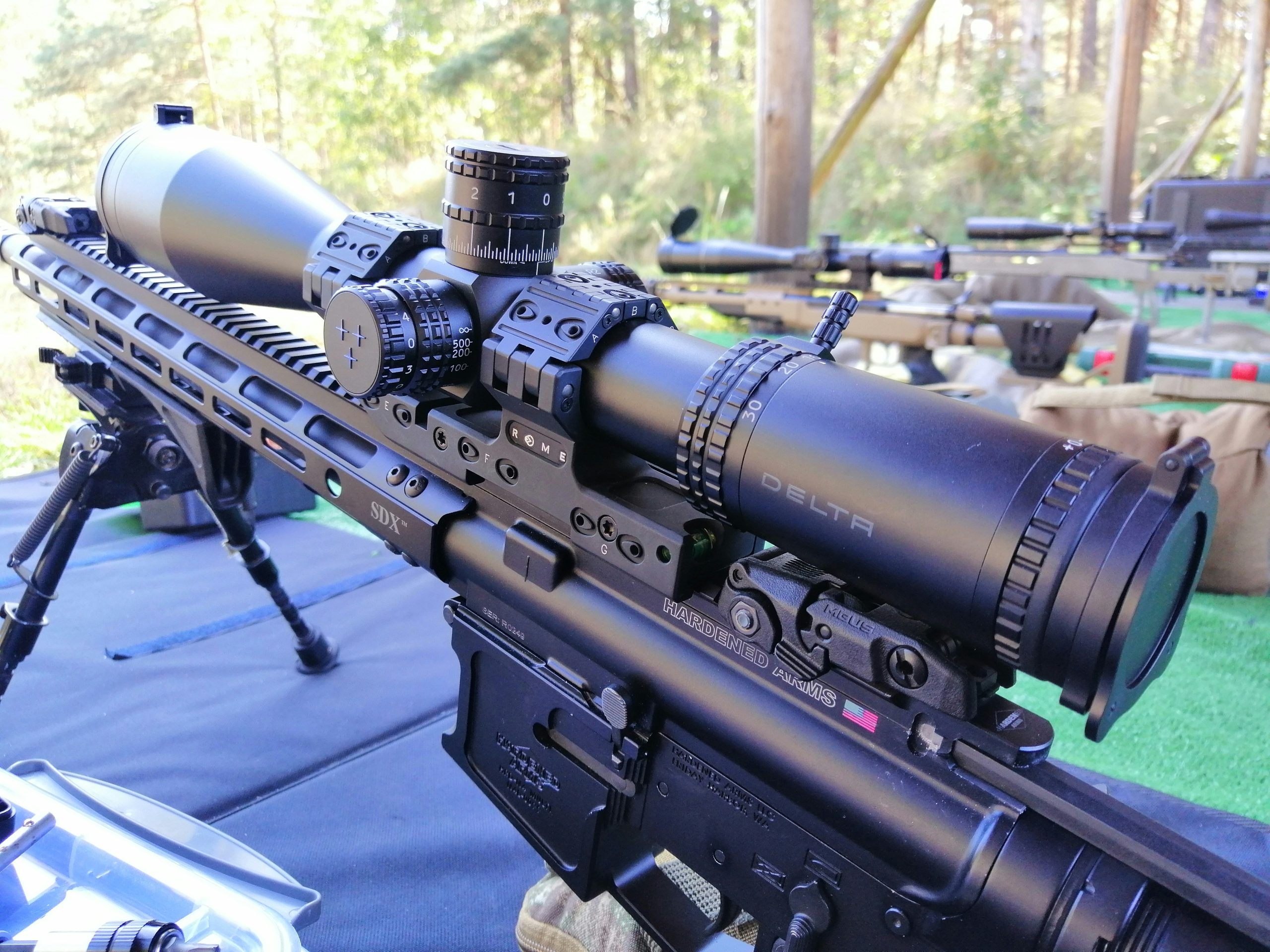
Exposed turrets give a tactical look, but they can be misleading. Some scopes with these features don’t genuinely match clicks to impact as advertised. Without verifying that each click genuinely corresponds to the adjustment, you risk dialing in errors, especially at longer ranges. Confirm turret accuracy through testing, rather than assuming premium design equals perfect performance.
5. Thinking the Choice Between MOA and MIL Always Means “One Is Better”
Shooters often argue MOA is inherently more precise than MIL or vice versa, but the truth is it depends on application and familiarity. Precision isn’t just about unit size; it’s about consistent use, understanding your system, and being comfortable under stress. Choose the measurement that matches your training, gear, and terrain, not just the one others claim is superior.
6. Hearing “Cheap Rings Work Too” and Underestimating Mounting Quality
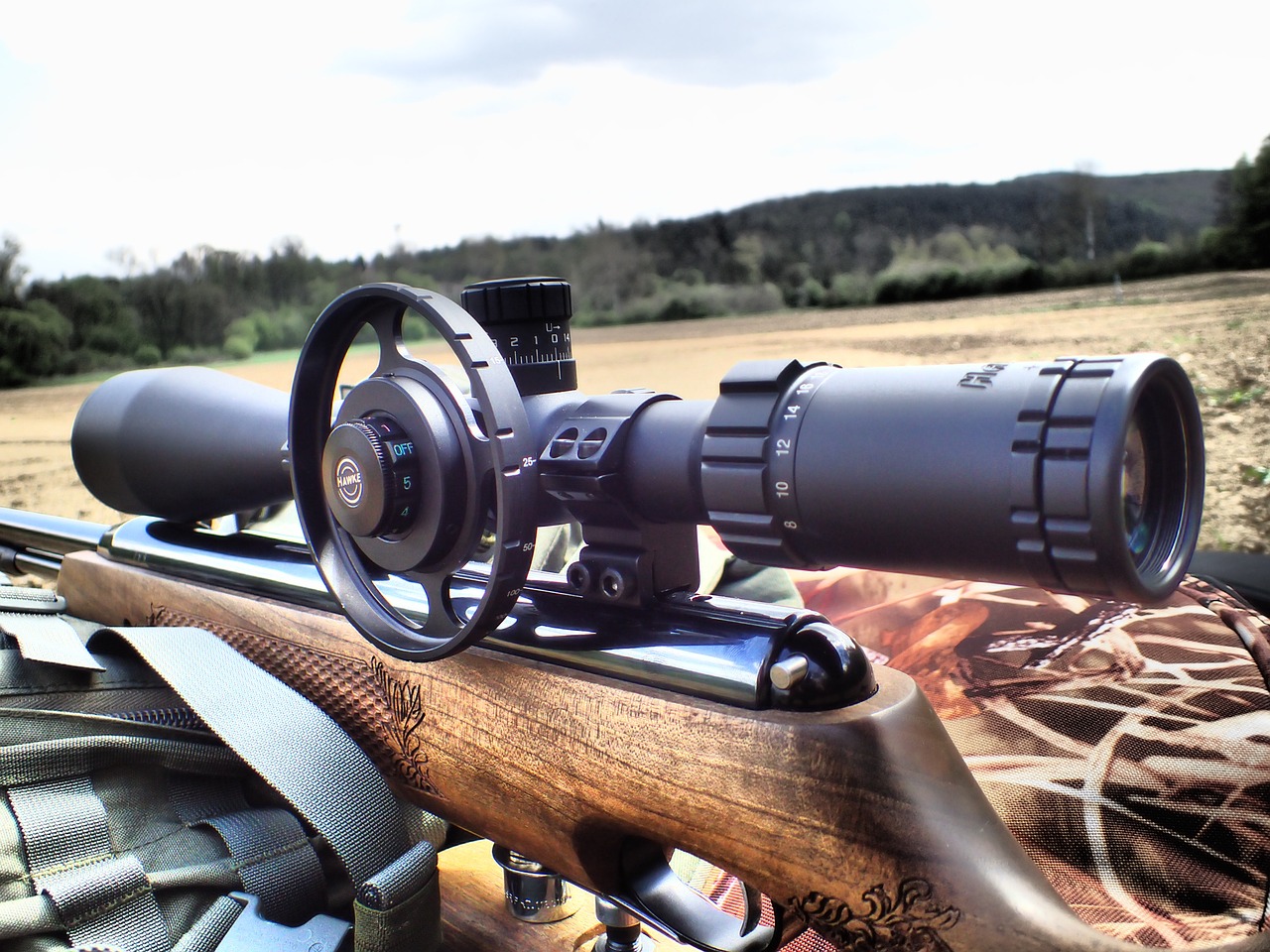
Mounting a scope on cheap rings may feel like a savings, but it risks your zero. Cheap or misdesigned rings can shift under recoil, misalign the optic, or apply uneven pressure. Many accuracy issues stem not from the glass but from poor mounting. A solid base with proper torque and leveling ensures your optic performs as it should, rather than becoming the weak link.
7. Assuming Scope Zero Is Permanent After First Setup
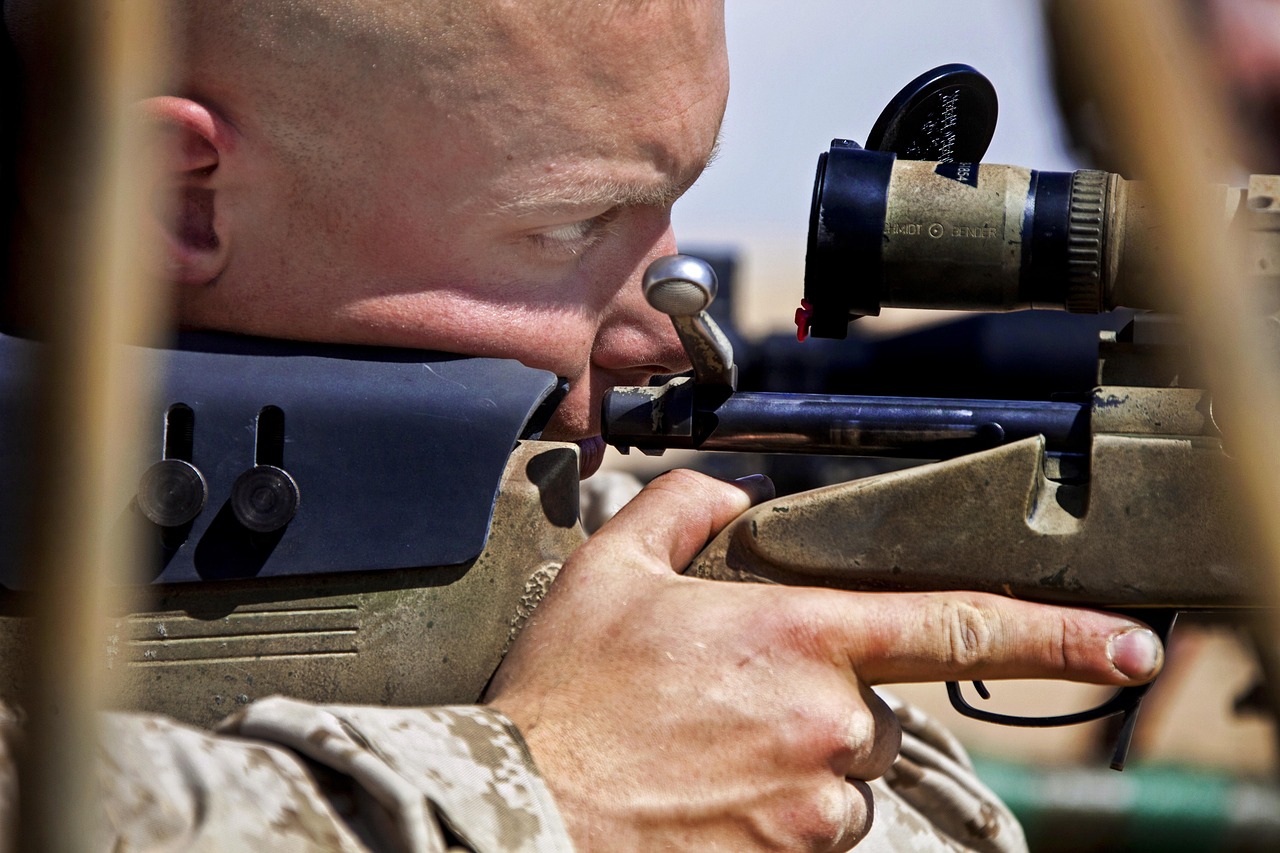
Zeroing your rifle and walking away is tempting, but stability isn’t guaranteed. Temperature changes, ammo variances, mount shifts, and even travel can affect your zero. Trusting that one setup forever leaves you vulnerable. Regularly confirm zero, especially after backyard transport, barrel changes, or ammo swaps, to ensure that your scope remains aligned when it counts.