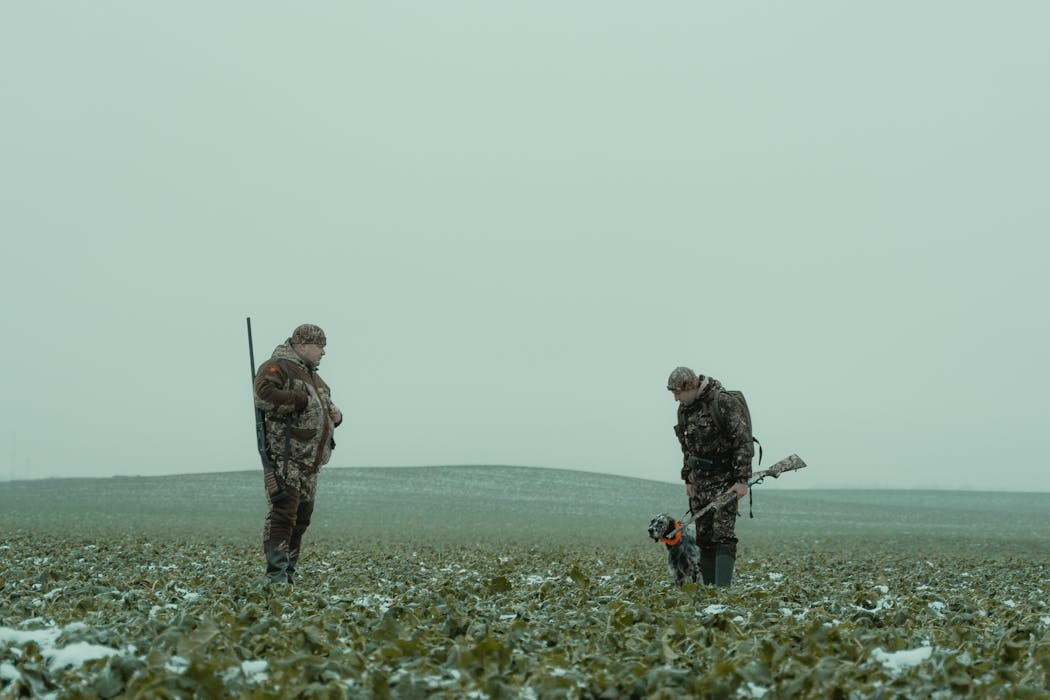
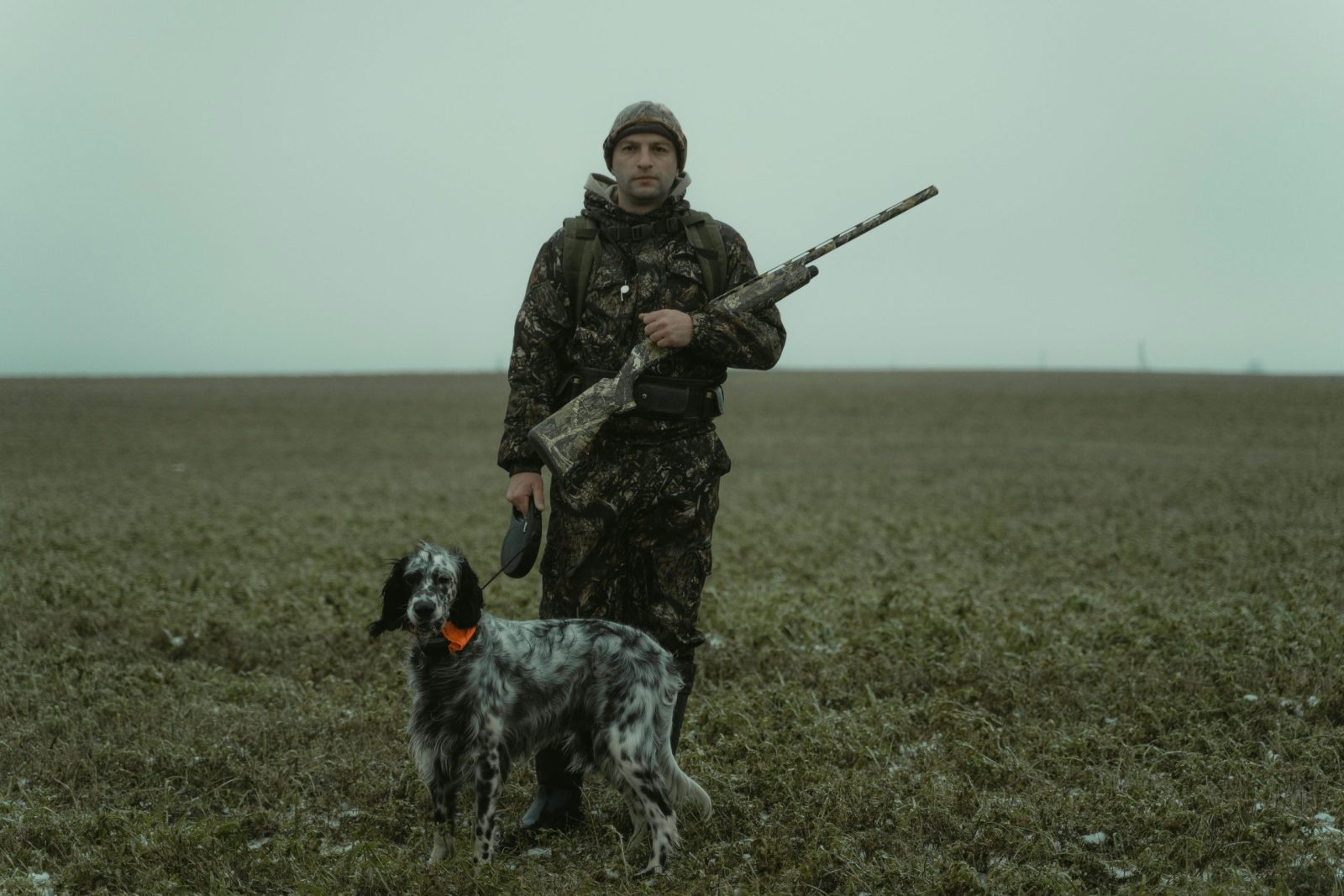
Modern shooting ranges reward stability, weight, and precision, while hunting environments demand mobility, discretion, and adaptability. Many rifles that perform exceptionally well during controlled target practice feel cumbersome once carried across uneven ground or dense cover. Civilian legal rifles commonly owned for recreation often meet state hunting laws but still present practical challenges outdoors. Weight distribution, barrel length, and accessory compatibility affect real world use. Understanding these tradeoffs helps hunters choose equipment wisely. These rifles remain popular, affordable, and legal in most states, yet frequently disappoint when transitioned from benches to unpredictable field conditions.
Remington 700 ADL
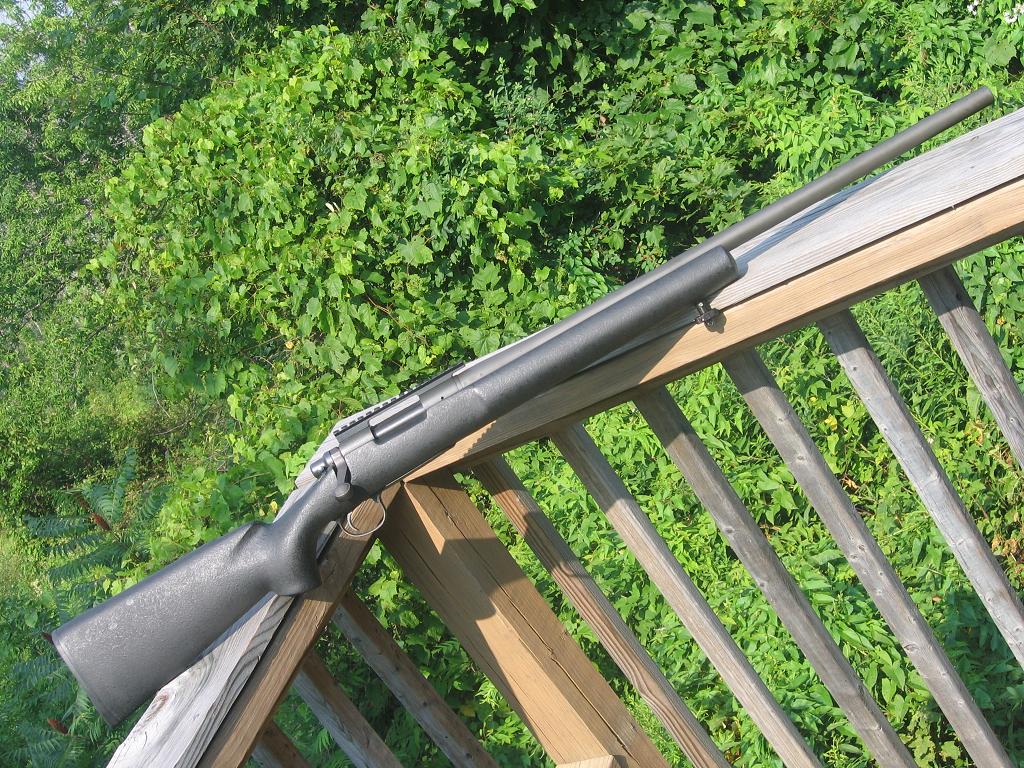
The Remington 700 ADL remains a popular civilian bolt-action rifle due to its accuracy, affordability, and widespread legality across hunting states. On the range, its solid action and predictable trigger deliver consistent results from supported positions with ease. In the wild, however, its longer barrel and traditional stock balance feel front heavy during long carries. Without adjustable features, adapting to uneven terrain becomes tiring over time. While legal for most big game seasons depending on caliber, the ADL feels less forgiving when moving through brush, climbing slopes, or navigating tight woodland environments during extended hunts.
Savage Axis
The Savage Axis attracts budget-conscious shooters with its low price, acceptable accuracy, and compliance with most state hunting regulations. From a bench, it performs reliably, offering respectable precision with factory ammunition and basic optics installed. Outdoors, its lightweight construction creates balance issues, especially with longer barrels and added scopes. The factory stock flexes under pressure, reducing stability when shooting offhand or from improvised rests. Carrying comfort declines during long hikes due to poor ergonomics. While entirely legal for hunting in many states, the Axis often feels better suited to stationary shooting than active field movement across varied terrain.
Ruger American Rifle
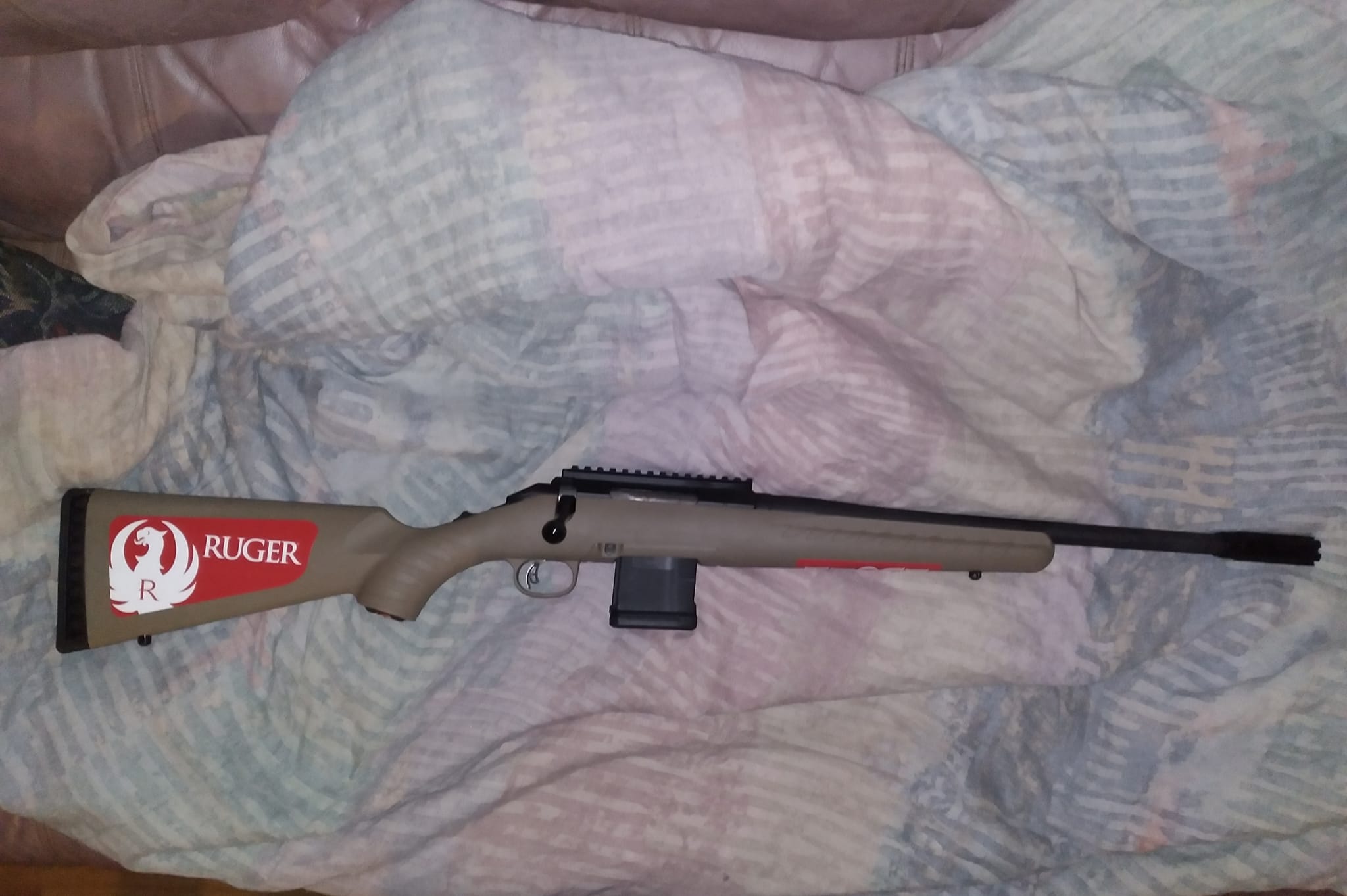
The Ruger American Rifle excels at the range for its smooth bolt, decent trigger, and impressive accuracy given its affordable cost. It is widely legal for hunting across states when chambered appropriately for local regulations. In the wild, however, the rifle’s synthetic stock and lightweight build transmit recoil sharply and feel less stable during quick, unsupported shots. Balance shifts awkwardly with scopes installed. While easy to transport, the rifle lacks the refined handling needed for stalking or uneven footing, making it feel less confident during prolonged backcountry hunts where adaptability matters most.
Tikka T3x Lite
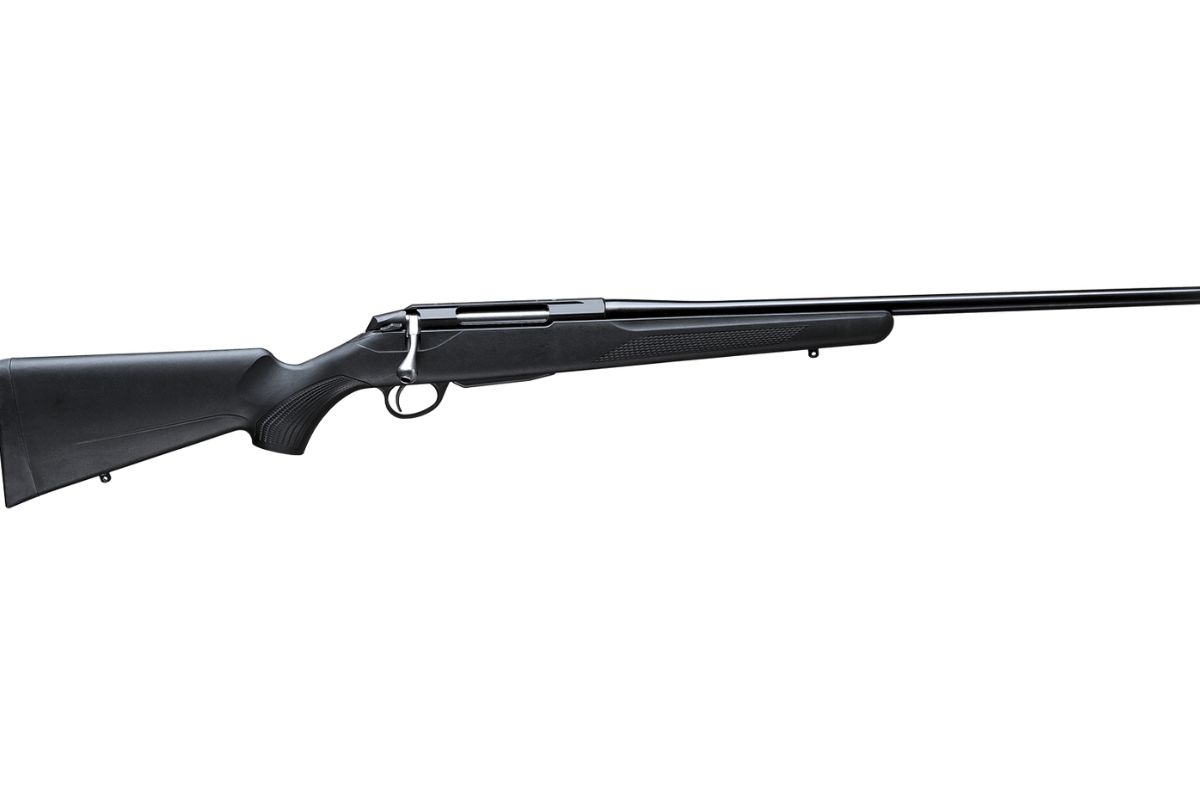
The Tikka T3x Lite is known for exceptional accuracy and smooth operation, making it a favorite among civilian shooters and precision enthusiasts. It meets hunting regulations in most states and excels during controlled range sessions. In field conditions, its light weight becomes a drawback, amplifying recoil and reducing stability during offhand shots at unpredictable angles. Long barrels complicate movement through dense vegetation and thick cover. The rifle performs best when rested or supported, limiting effectiveness during dynamic hunting scenarios. While technically excellent, it often feels optimized for precision rather than real-world mobility.
Basic AR-15 Hunting Builds
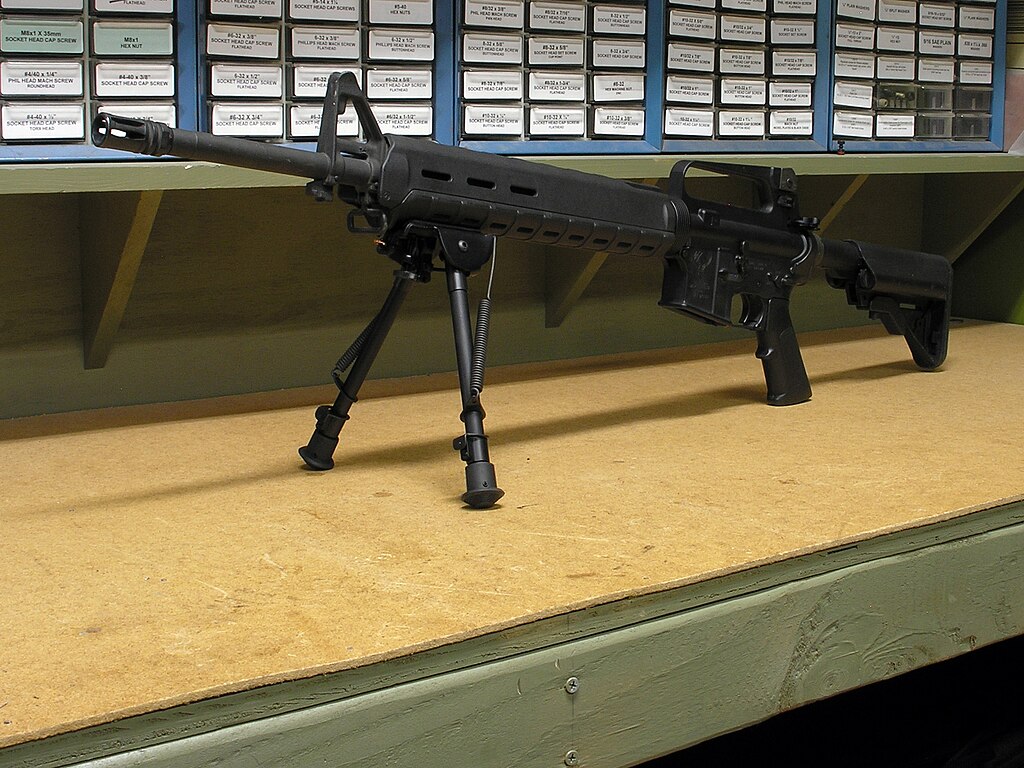
Basic AR-15 rifles are legal for hunting in many states when chambered in approved calibers and configured within magazine limits. At the range, they offer comfort, low recoil, and quick follow-up shots that shooters appreciate. Outdoors, even minimally accessorized ARs feel bulky compared to traditional rifles. Magazine weight, buffer systems, and optics increase fatigue during long carries. Maneuvering quietly through terrain becomes challenging. Though compliant with regulations in some regions, AR-15s frequently feel more at home on firing lines than in backcountry environments where simplicity and balance matter.
Mosin-Nagant Surplus Rifles
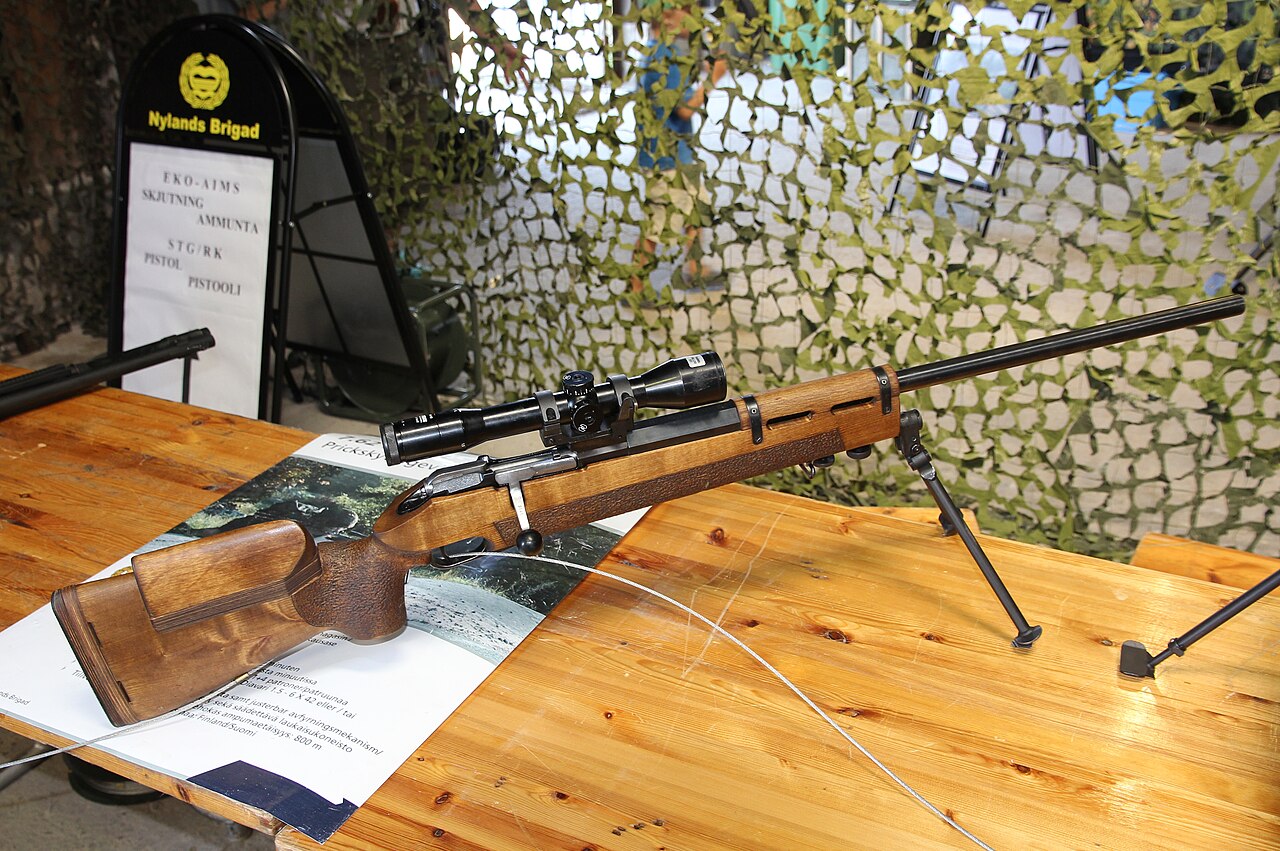
Mosin-Nagant rifles remain legal for hunting in many states and are commonly owned due to affordability and availability. At the range, their long sight radius and heavy steel construction support consistent accuracy from supported positions. In the wild, their extreme length and substantial weight quickly become liabilities. Carrying the rifle over distance proves exhausting. Recoil feels harsh without modern ergonomics or recoil pads. Bolt operation is slow, and safety manipulation is awkward. Though legal and powerful enough for game, Mosin-Nagants feel outdated and unwieldy during active hunting conditions.
SKS Rifles
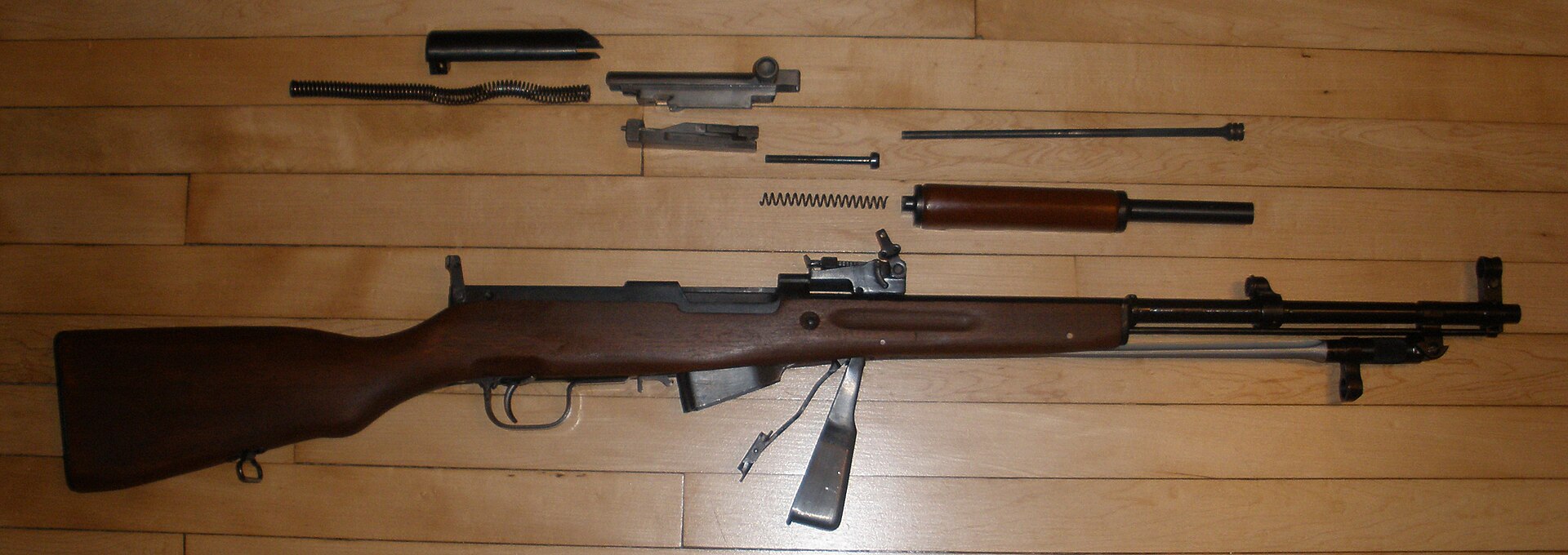
SKS rifles are legal for hunting in select states depending on magazine configuration and caliber restrictions. At the range, they offer mild recoil, reliability, and dependable accuracy with surplus or commercial ammunition. Outdoors, the rifle’s weight, length, and fixed magazine complicate handling and reload efficiency. Carrying extra ammunition adds bulk and slows movement. Reloading is slow compared to modern bolt-actions. While compliant in certain jurisdictions, the SKS lacks the balance and simplicity preferred for hunting environments. It performs best during controlled shooting rather than dynamic outdoor movement requiring efficiency and adaptability.