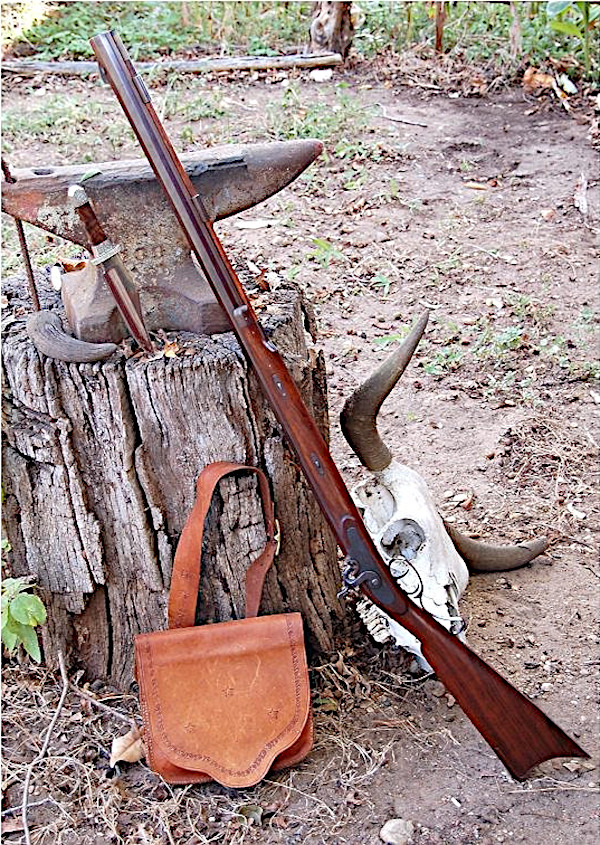
The Hawken rifle deserves its place in American history as the weapon that tamed the western frontier. Jacob and Samuel Hawken created this legendary firearm in St. Louis to meet the brutal demands of fur trappers and explorers. Unlike the delicate long rifles of the east, this sturdy piece was built to take down massive game like grizzly bears and buffalo. Its distinct design and reliability made it the preferred tool for survival in the harsh Rocky Mountains. Historians and collectors alike revere this masterpiece for its crucial role in the expansion of the United States.
Superior Knockdown Power
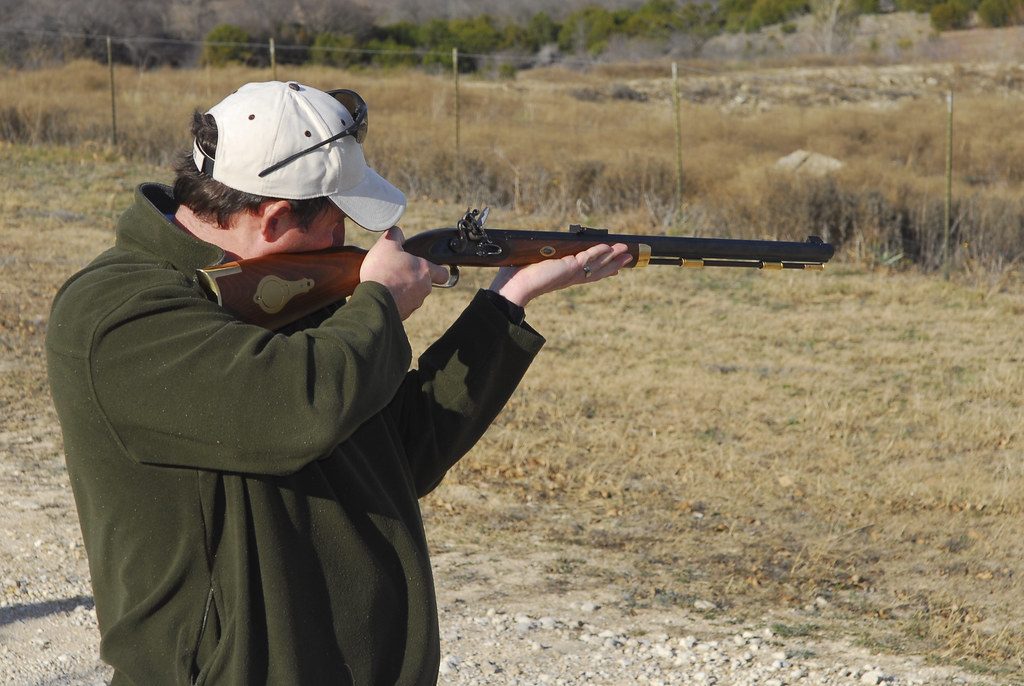
The caliber of the Hawken rifle set it apart from its predecessors in the eastern woodlands. Trappers needed a lead ball that could stop an angry bison or charging grizzly bear with a single well-placed shot. Standard fifty caliber or fifty-four caliber balls provided the massive kinetic energy required for these dangerous encounters. Smaller calibers simply lacked the penetration and shock needed to drop large animals instantly in the open plains. This stopping power gave mountain men the confidence to venture deep into hostile territory alone. It was a tool designed specifically for big game hunting survival.
Rugged Durability
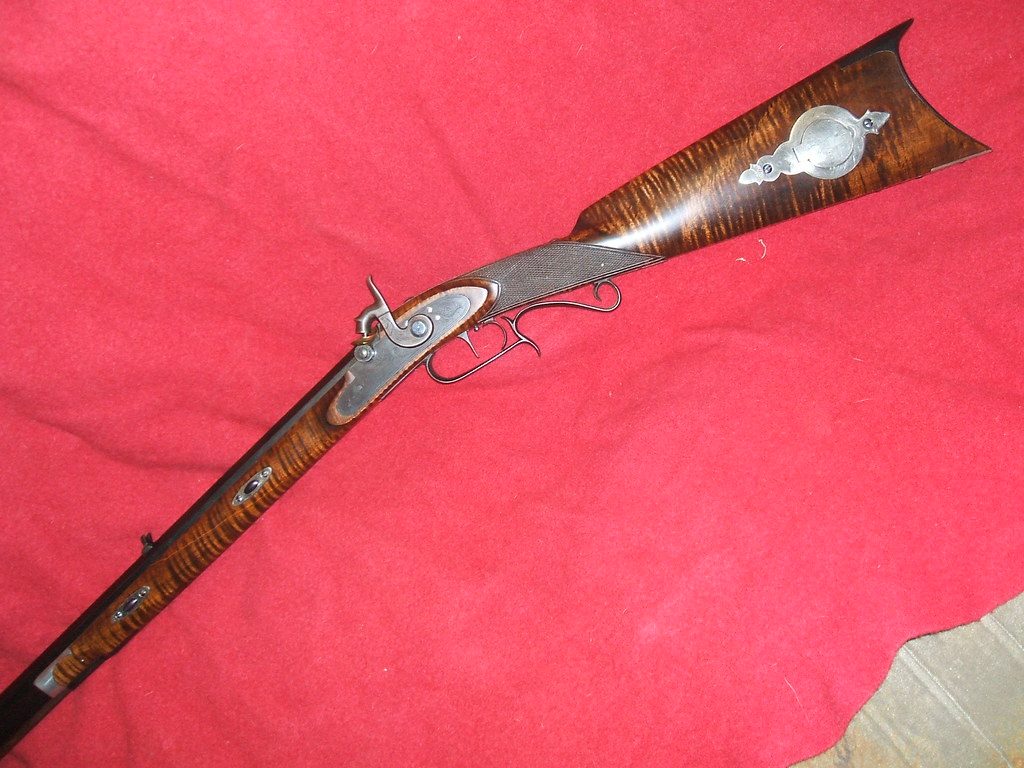
The construction of the Hawken rifle prioritized strength over the elegance found in earlier firearm designs. Its stock was typically made from dense maple wood that could withstand the abuse of daily life on the trail. Iron mountings replaced the fragile brass furniture often used on Pennsylvania rifles to prevent bending or breaking. This robust build allowed the gun to serve as a club or walking stick without suffering mechanical failure. A broken rifle in the wilderness meant certain death for a solitary trapper. The Hawken was built to endure the harshest conditions imaginable without breaking.
Long Range Accuracy
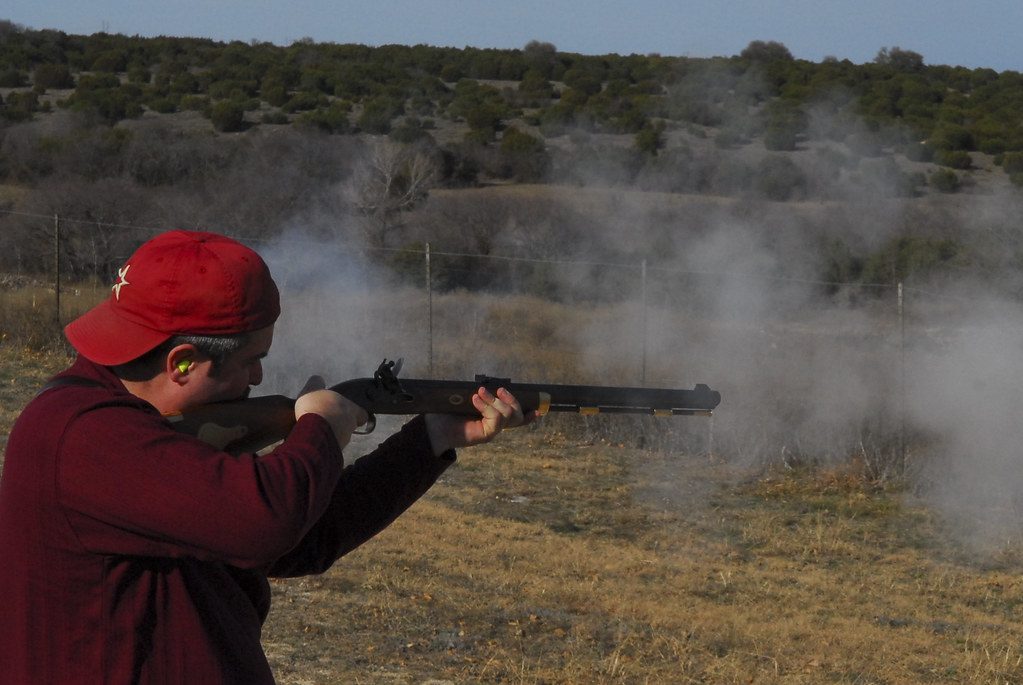
Accuracy was paramount for survival when food was scarce, and enemies were often watching from a distance. The heavy octagonal barrel of the Hawken rifle provided stability that minimized vibration and improved consistency. A slow twist rate in the rifling allowed for heavy charges of black powder without stripping the patch. This combination enabled marksmen to hit targets well beyond two hundred yards with open iron sights. Such precision was essential for hunting wary game like antelope across the vast open prairies. Every shot had to count when supplies were miles away and hard to replenish.
The Mountain Man Connection
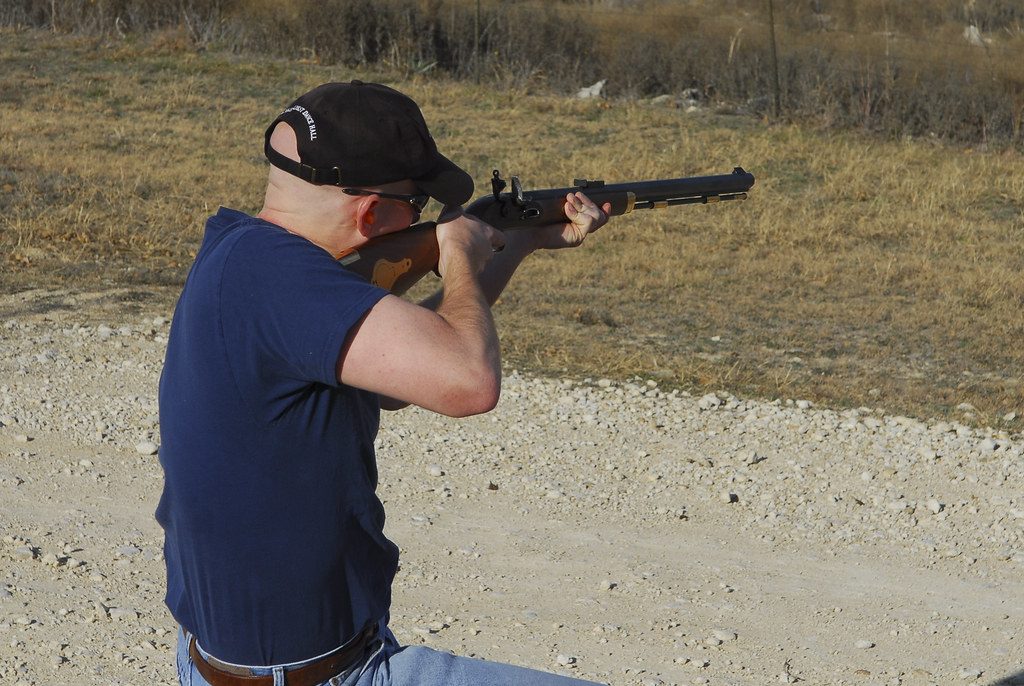
Famous frontiersmen like Jim Bridger and Kit Carson carried the Hawken rifle and cemented its legendary status. Their exploits and stories spread the reputation of the St. Louis shop across the entire continent. Owning a genuine Hawken became a status symbol that proved a man was a serious professional trapper. These historical figures relied on the weapon to navigate the unknown territories of the American West safely. Their endorsements turned a high-quality tool into an icon of the fur trade era. The rifle became inseparable from the image of the rugged individualist conquering the wild.
Evolution Of Design
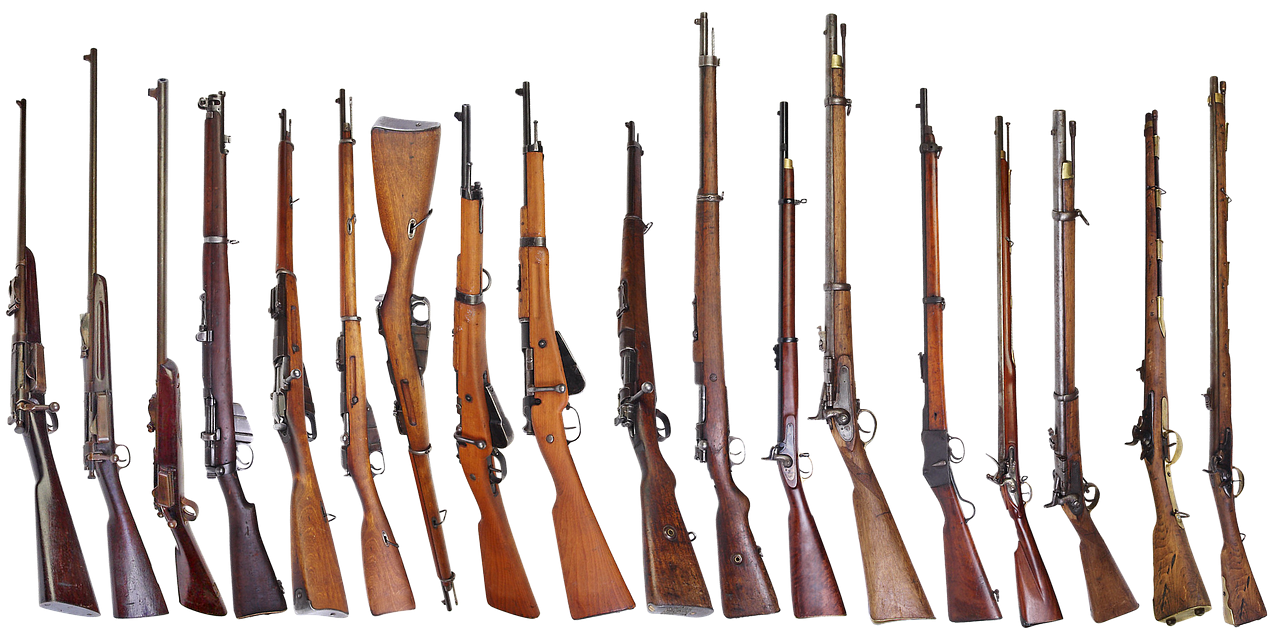
The Hawken brothers successfully adapted the traditional long rifle design to suit a changing environment. They shortened the barrel to make the weapon easier to carry while riding on horseback through brush. The full stock was often replaced with a half stock to reduce weight without sacrificing necessary strength. This evolution marked a distinct shift from the woodland hunting style to the open plains requirements. It demonstrated an understanding of ergonomics and utility that was ahead of its time. This willingness to innovate kept their shop busy for decades as the frontier moved westward.
Reliable Ignition System
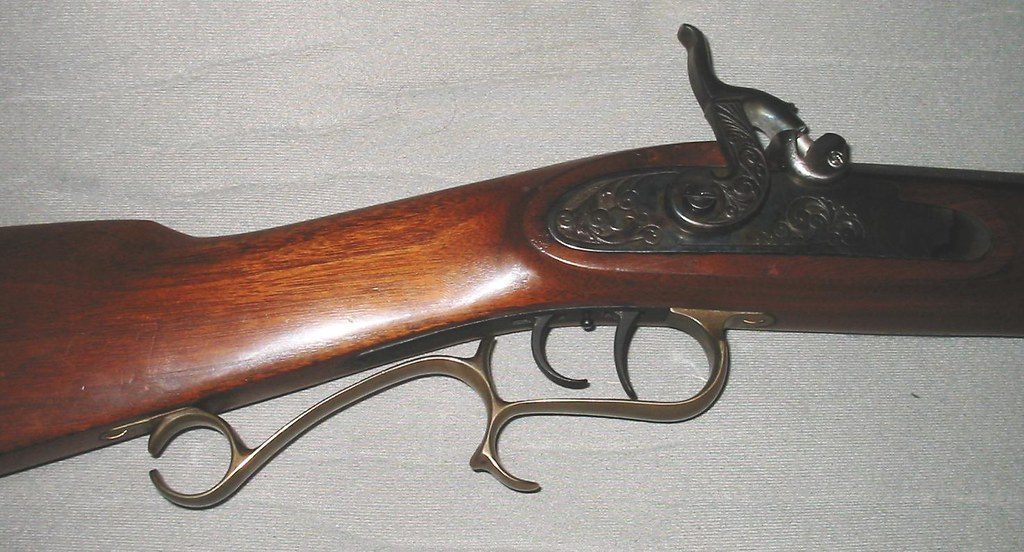
Reliability in wet and snowy weather was critical for a firearm used in the Rocky Mountains. The Hawken utilized a robust percussion cap system that was far more consistent than older flintlock mechanisms. Rain and wind often rendered flintlocks useless by dampening the powder in the flash pan. The percussion cap enclosed the ignition source and ensured the rifle fired even in adverse conditions. This technological advantage saved countless lives during sudden storms or river crossings. Trappers could trust that their weapon would function the moment they pulled the trigger, regardless of the damp climate.
Lasting Cultural Legacy
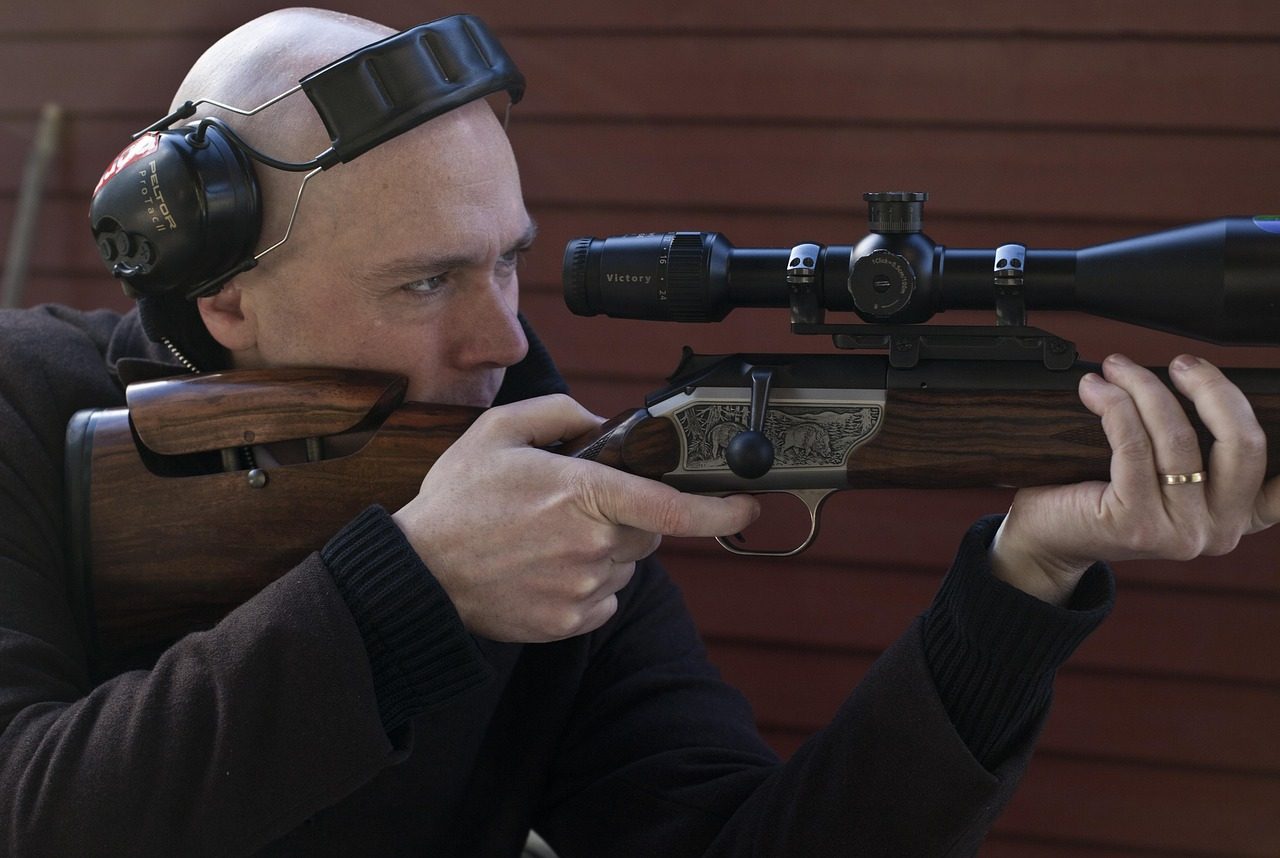
The legacy of the Hawken rifle endures today through movies and reenactments, and museum exhibits nationwide. It represents the spirit of exploration and self-reliance that defines the American character in popular culture. Films like Jeremiah Johnson showcased the rifle to a new generation of enthusiasts and sparked a revival. Modern replicas allow shooters to experience the history and craftsmanship of the original design firsthand. It remains a tangible link to a pivotal era when the map of the country was still being drawn. The name Hawken is synonymous with the romance and danger of the West.