Military working dogs can be asked to search dangerous buildings, detect explosives, track people, accompany patrols, and operate around aircraft and vehicles. Their equipment therefore has to solve problems that ordinary pet gear never encounters. From ballistic protection to specialized harnesses and cooling systems, each item is designed around a working dog’s anatomy, senses, mobility, and endurance. The interesting part is that some of this equipment looks surprisingly sophisticated, while other pieces are deceptively simple. Together, they show how seriously modern military organizations treat canine safety and performance.
1. Ballistic Body Armor
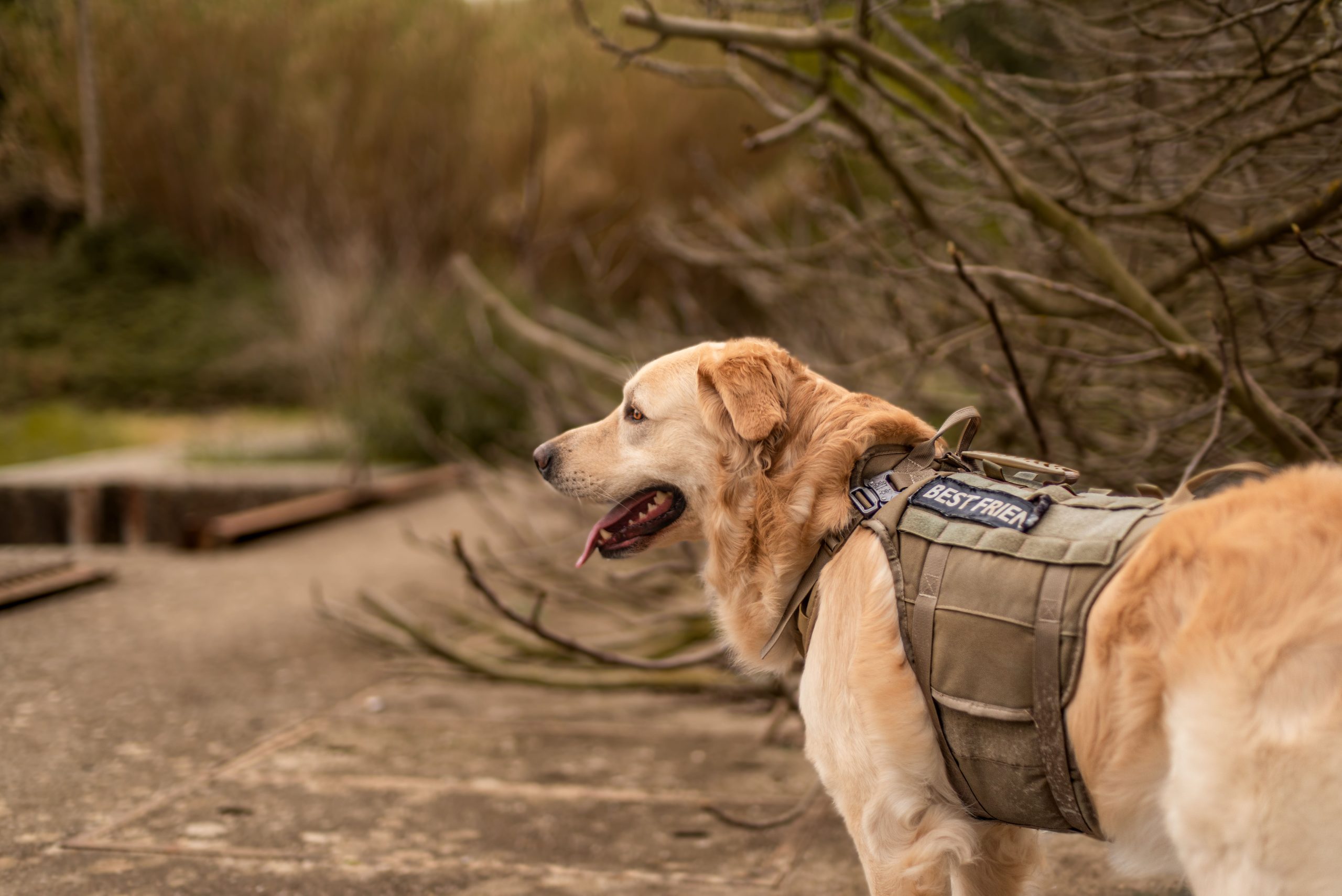
Combat dogs can face blast, fragmentation, and gunfire hazards beside the people working with them, so purpose-built armor became a major addition to canine equipment. Military examples have used soft Kevlar panels, with one Marine Corps vest weighing about 7 pounds and designed for protection against small-arms fire and stabbing threats. Fit is critical: too much coverage adds heat and restricts movement, while too little leaves vulnerable areas exposed. Some designs include cooling inserts and lifting or rappel points. The aim is not to make a dog heavily armored, but to add protection without preventing it from running, climbing, or searching.
2. Protective Doggles
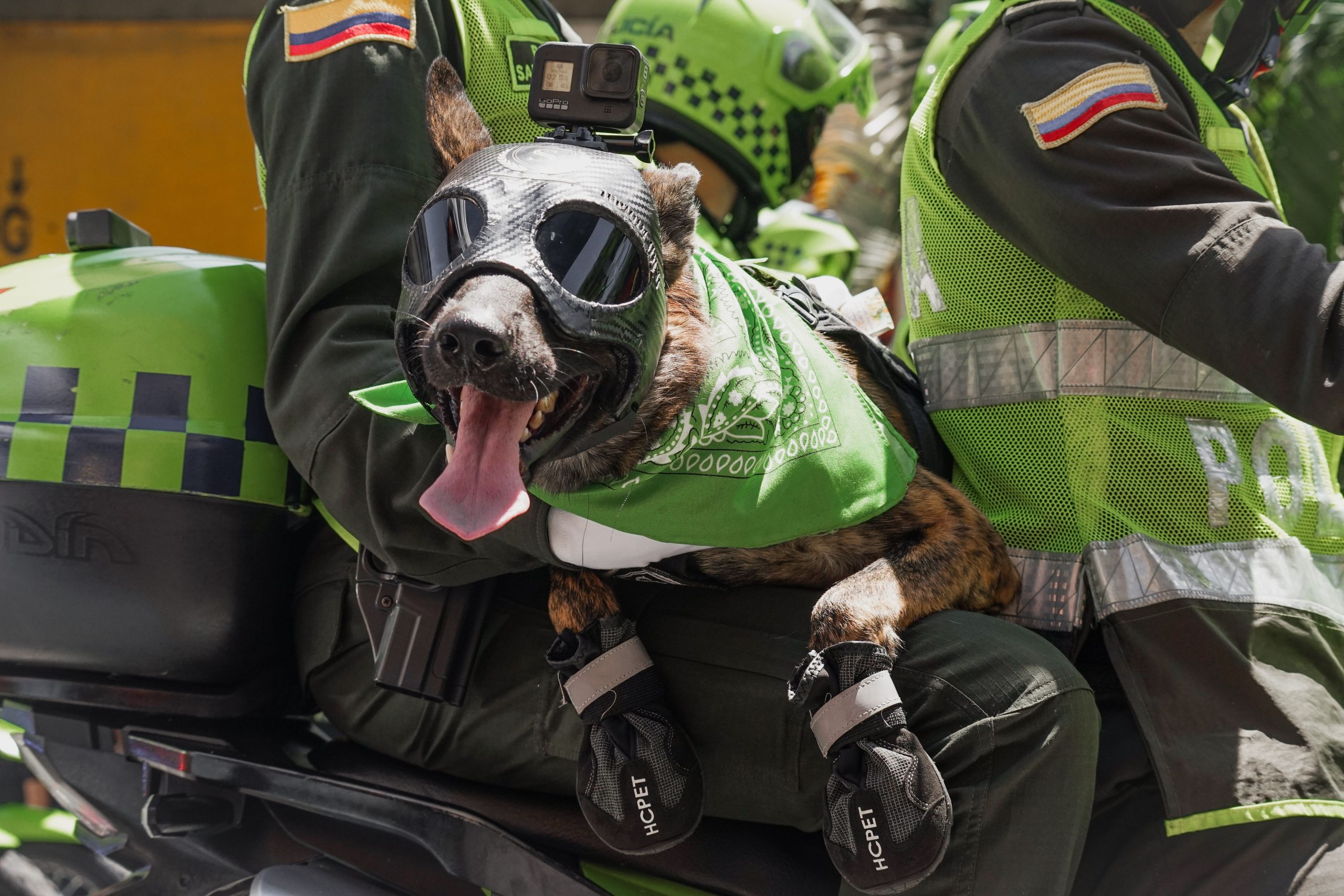
A dog working around helicopters, vehicles, dust, smoke, or flying debris needs eye protection that will not hinder its ability to see and move. Military “doggles” were developed for that problem. The U.S. Army describes them as useful during helicopter insertions, when rotor wash can throw dust and particles toward a dog’s eyes. The equipment must preserve field of vision and remain stable during movement. Research has explored low-profile designs that can integrate with other headgear. It is a small-looking item, but protecting vision can affect a dog’s ability to follow a handler and complete a search.
3. Canine Hearing Protection
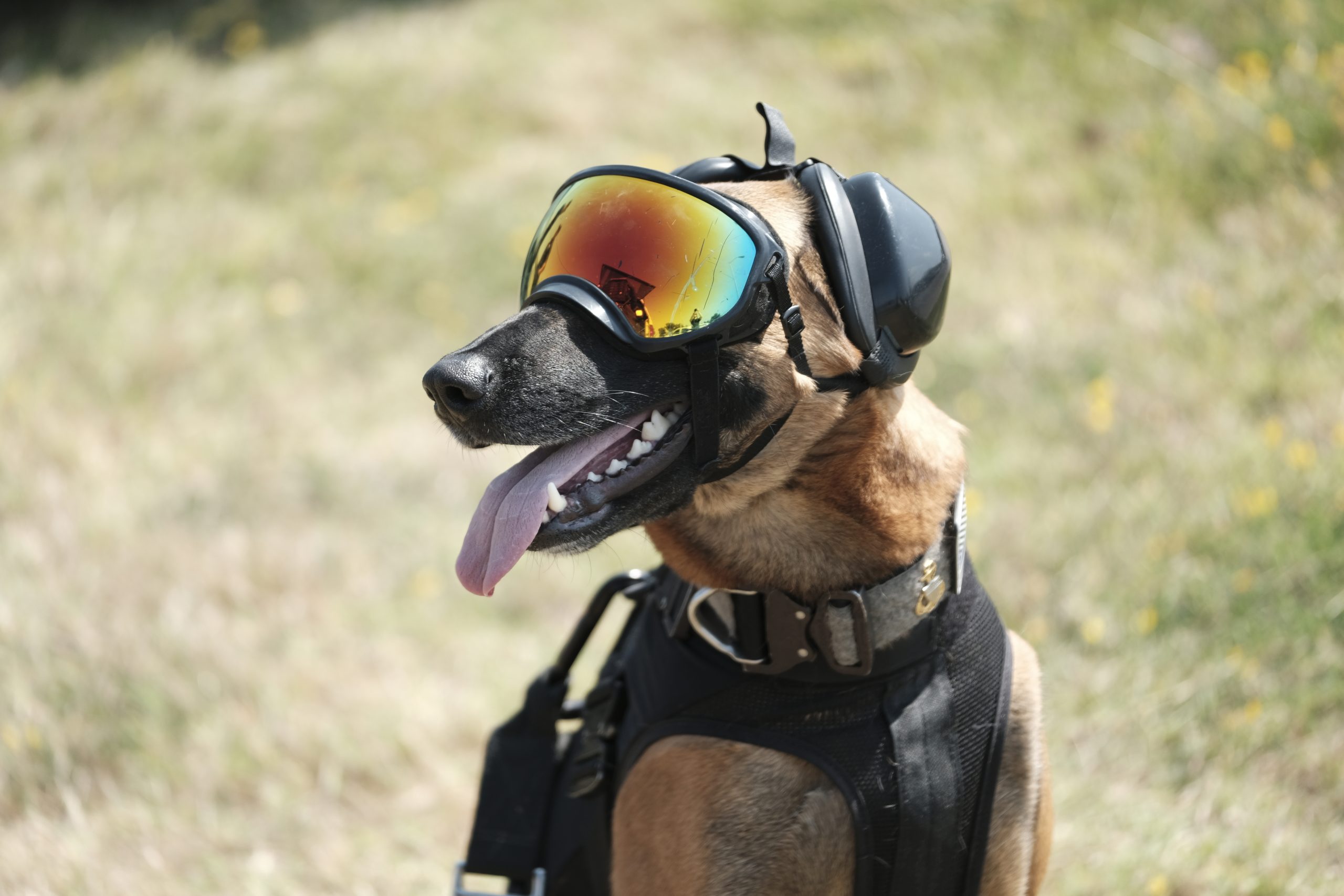
Gunfire, helicopters, aircraft engines, explosions, and other high-decibel sounds can damage a working dog’s hearing or temporarily reduce its ability to detect commands. That makes canine hearing protection more than a comfort item. The Army supported the development of the Canine Auditory Protection System, or CAPS, a flexible hood-style design intended to reduce harmful noise while remaining compatible with other equipment. Researchers noted that even a short helicopter flight can affect canine hearing. The system fits closely around the head without bulky straps. Protecting hearing matters because a dog that cannot hear its handler reliably can become less effective and harder to control.
4. Cooling Vests
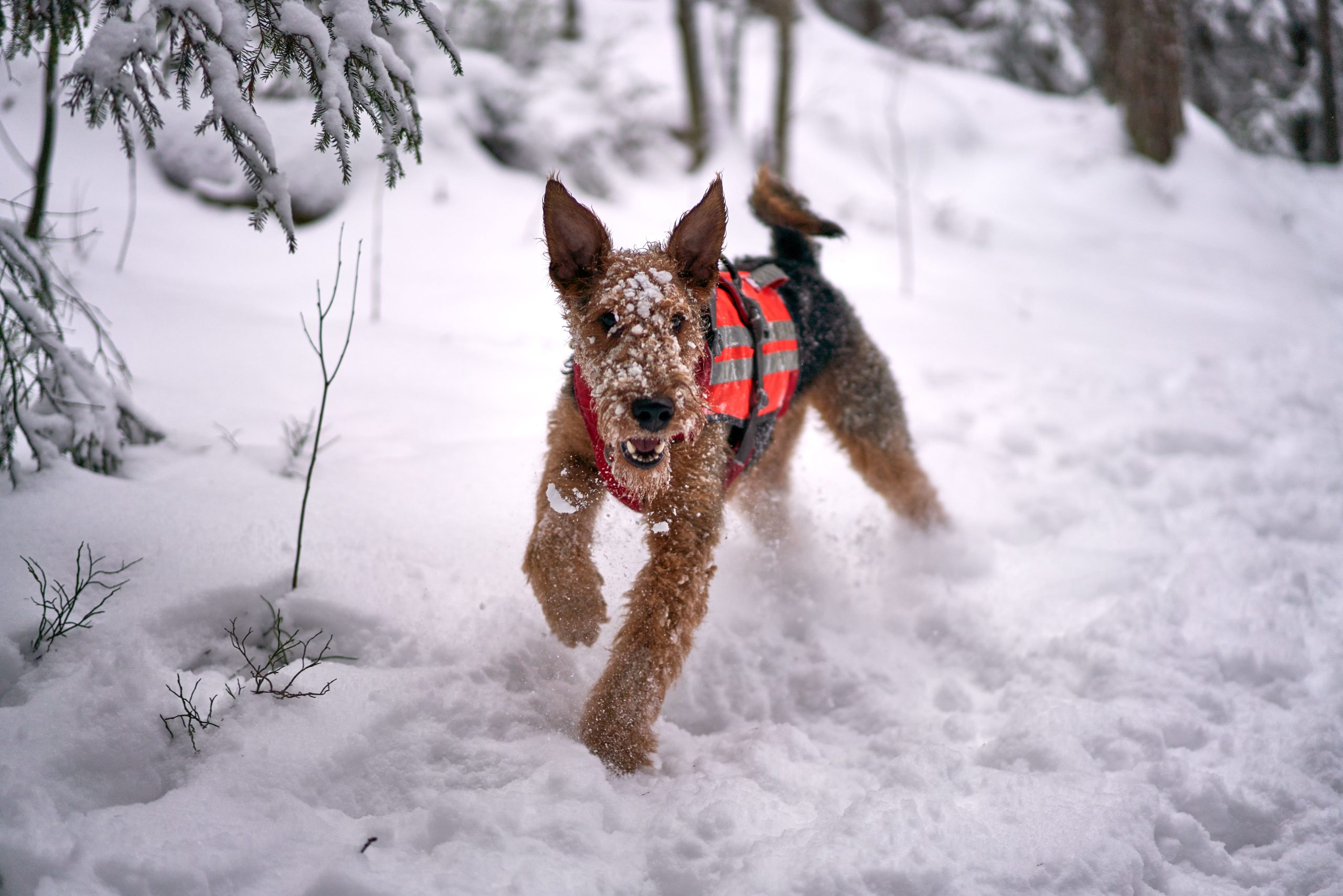
Heat management is a major concern for working dogs because their bodies handle heat differently from ours. Dogs mainly dissipate heat through panting and their paw pads, so hard exercise in hot environments can become dangerous quickly. Military units have issued cooling vests containing frozen inserts for deployments in extreme climates. One Marine Corps example combined armor with removable cold packs, while Army accounts describe cooling vests as deployment gear. The equipment must balance cooling with mobility: a bulky or poorly fitted vest can become another burden. In hot combat zones, cooling gear is therefore more than comfort; it can help a dog remain functional and reduce heat-related risk.
5. Protective Booties
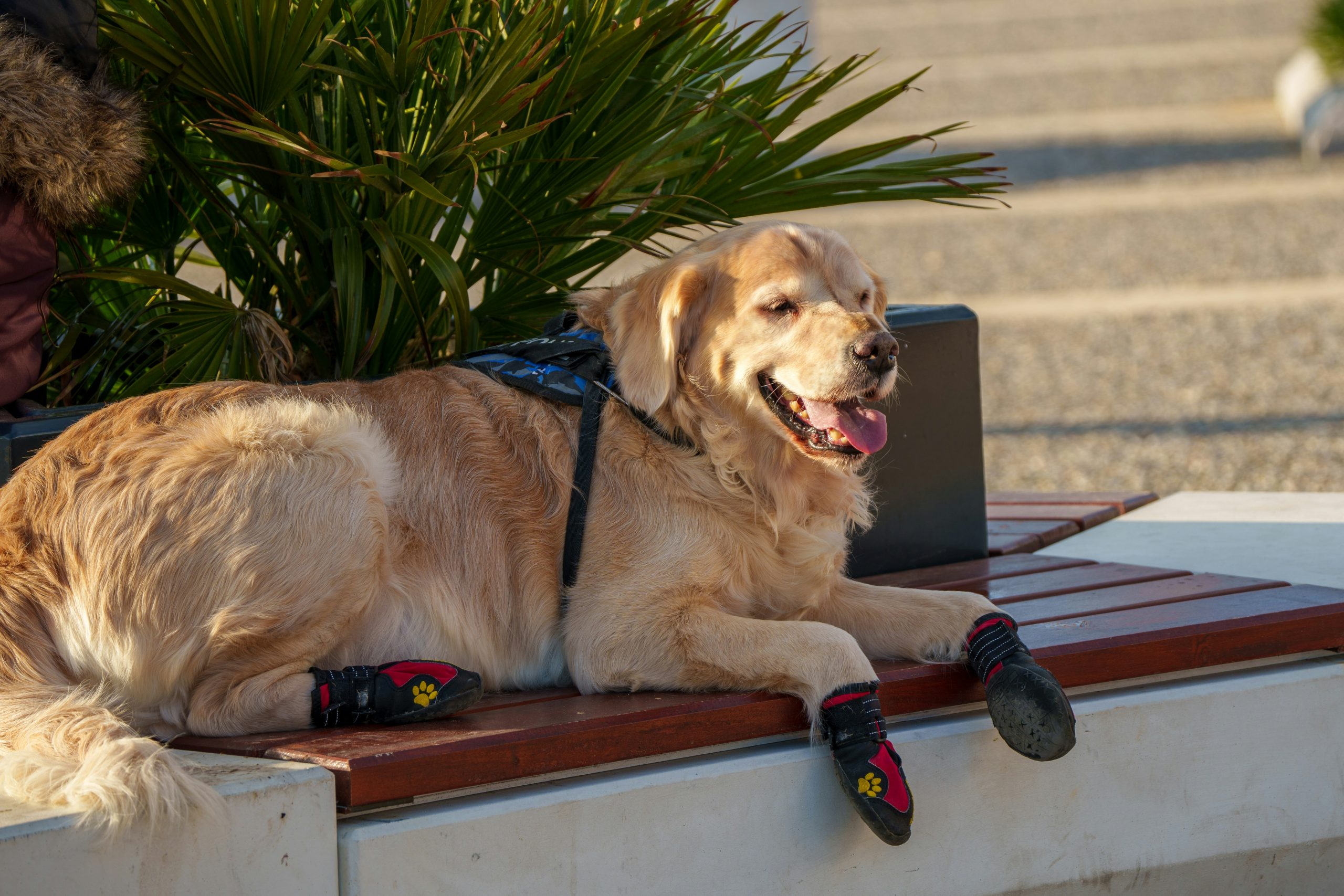
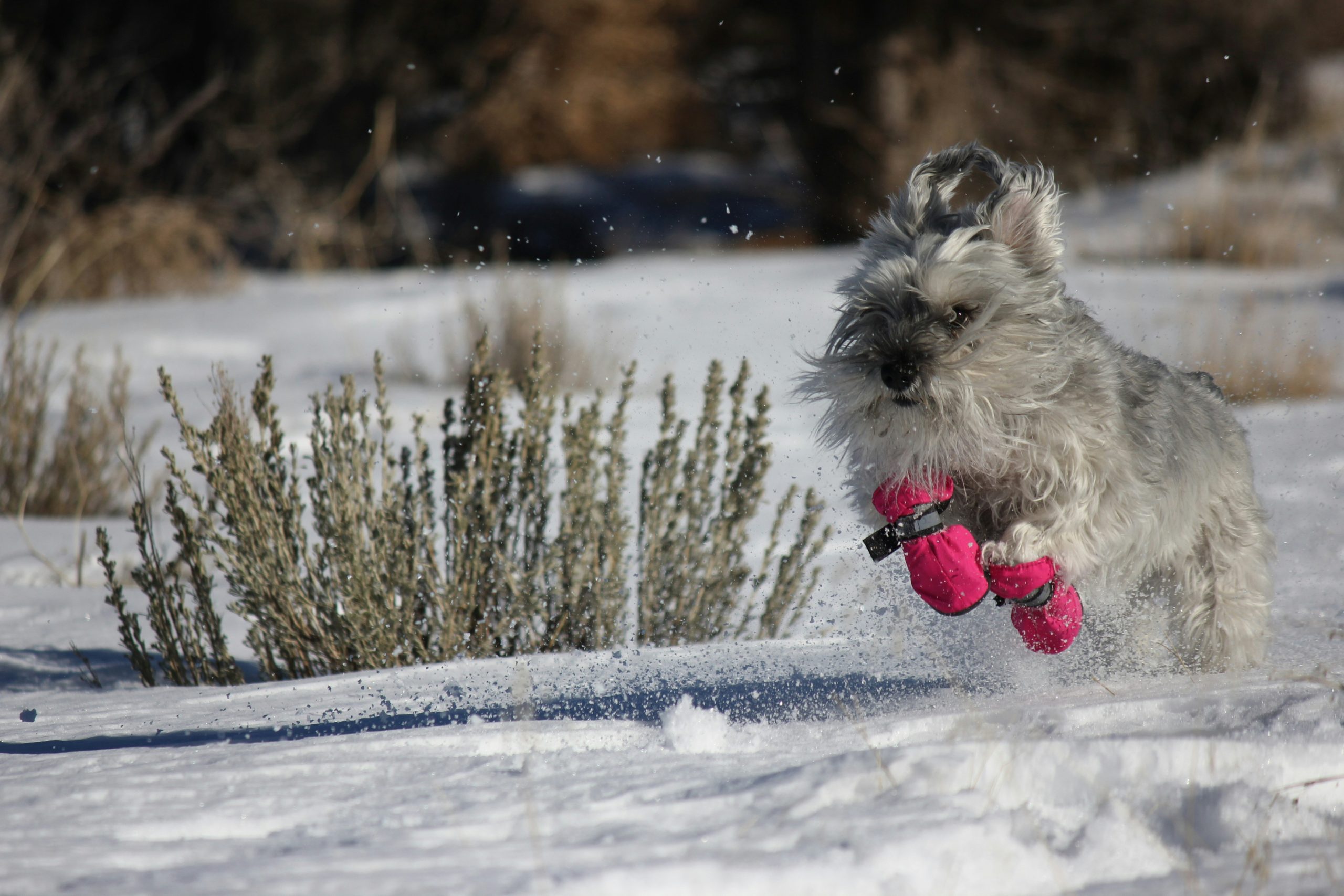
Canine booties may look simple, but rough terrain can make a dog’s paws a serious vulnerability. Deployed working dogs can cross broken ground, hot surfaces, rubble, sharp debris, and other terrain that can cut or abrade paw pads. The U.S. Army has listed booties among equipment used for dogs working in extreme hot or cold weather and debris-filled areas. Their value is practical: protecting the paws can prevent injuries that would otherwise end a mission early. Booties also have to stay secure without changing the dog’s natural gait. A useful design therefore balances protection, fit, traction, and freedom of movement rather than simply adding thicker material.
6. Mission-Specific Harnesses
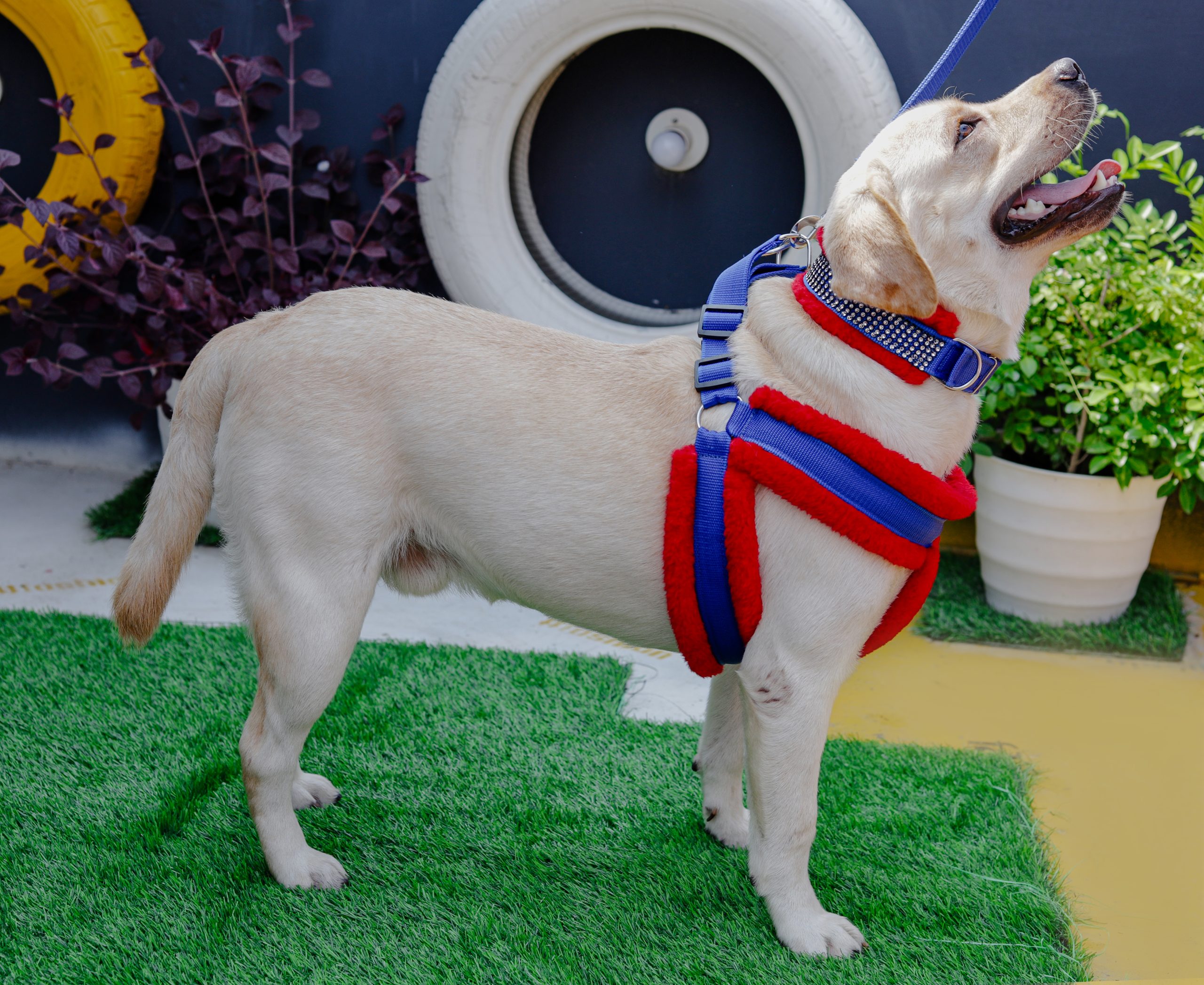
A military working dog does not perform every task in the same posture, so one generic harness cannot cover every mission. Army guidance distinguishes 2 specialized types: tracking harnesses, which support ground-scent work, and scouting harnesses designed for a dog working with its head up. Operational harnesses can also provide secure control points and, in specialized systems, attachment locations for equipment. Some military armor designs have incorporated handles, lifting points, or parachute and rappel interfaces. The key requirement is movement: a harness must let the dog breathe, run, search, and change direction naturally. Good canine gear is shaped around the task rather than copied from human tactical equipment.
7. Cameras and Tracking Technology
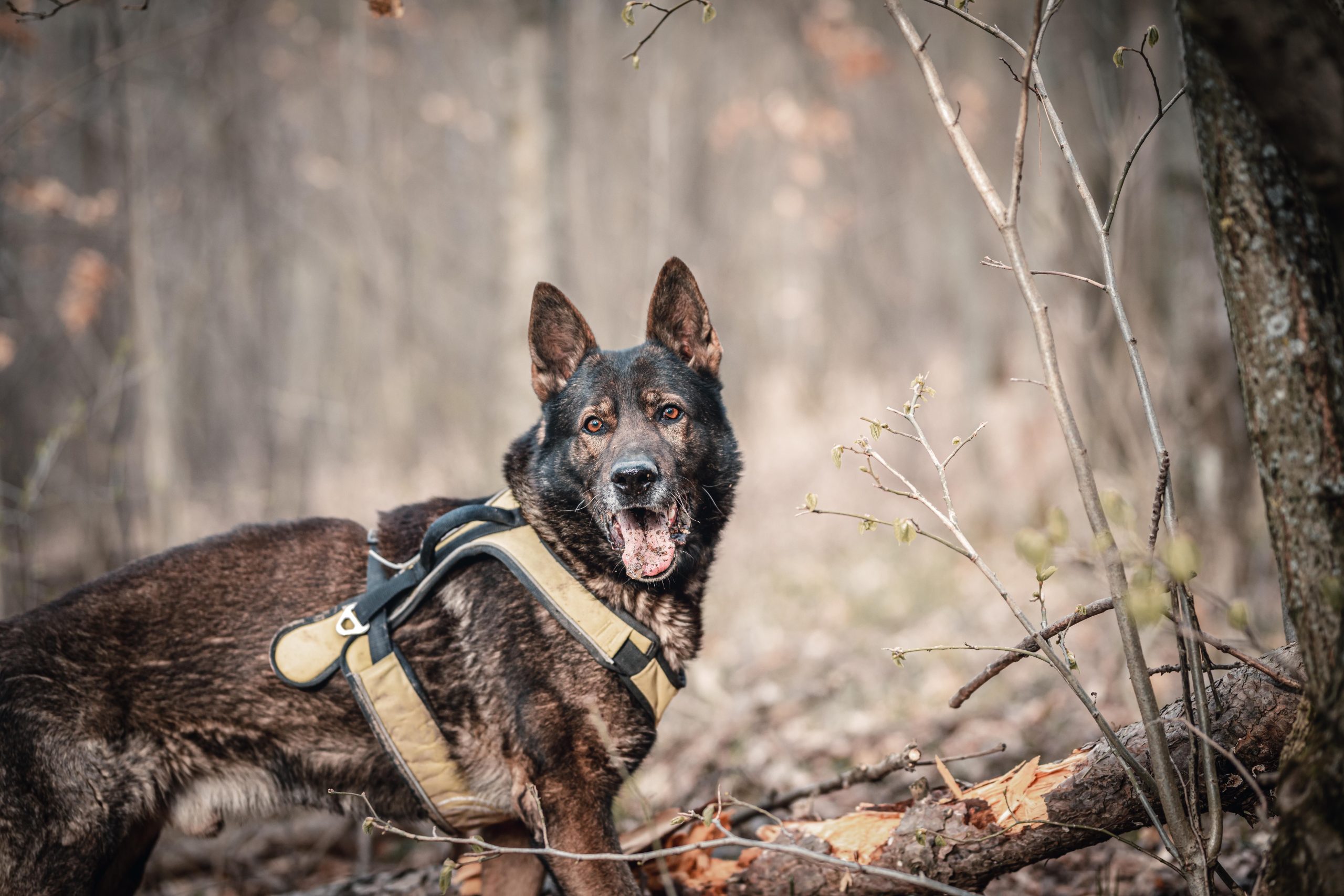
Technology has increasingly moved from the handler’s equipment onto the dog itself. Military working dogs have been equipped with camera systems for missions where seeing what the animal sees can help a team understand a search or movement through a structure. Research programs have also examined tracking and veterinary technology for military working dogs. The purpose is situational awareness and accountability. A camera can provide a remote visual perspective, while tracking technology can help locate a dog during complex operations. These systems must remain compact and secure because extra weight, loose cables, heat, or awkward mounting can interfere with the animal’s movement and concentration.