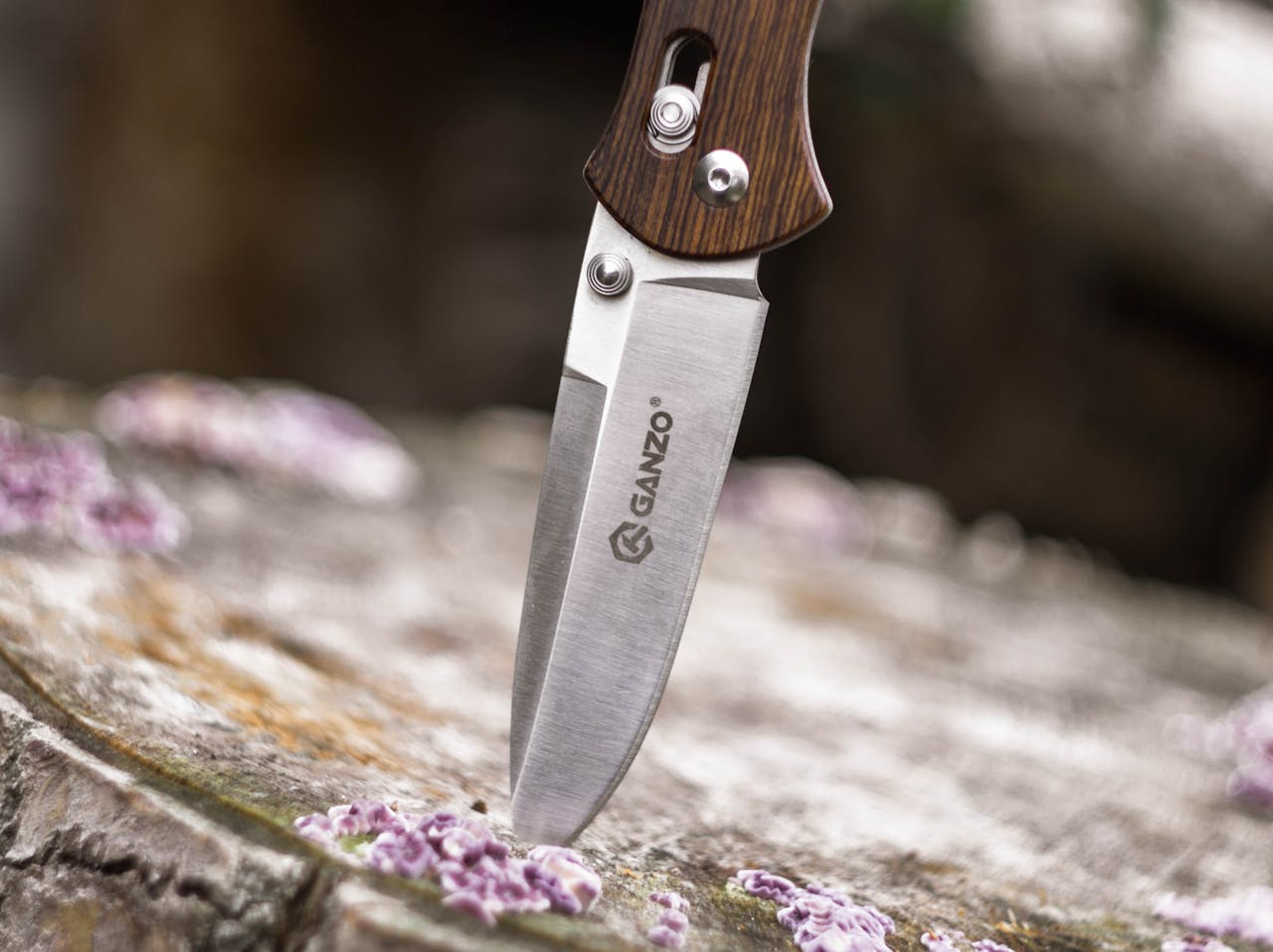
Travelers increasingly carry knives for camping, hiking, or utility purposes; however, misuse or ignorance of the laws can lead to injuries or legal trouble. According to the U.S. Consumer Product Safety Commission, knives account for more than 350,000 emergency room visits annually. In Europe alone, EuroSafe data shows that blade-related injuries rank among the top five outdoor gear accidents. Whether for backcountry trips or international travel, following structured safety rules ensures both personal protection and compliance with regulations.
Know the Knife Laws Before You Go
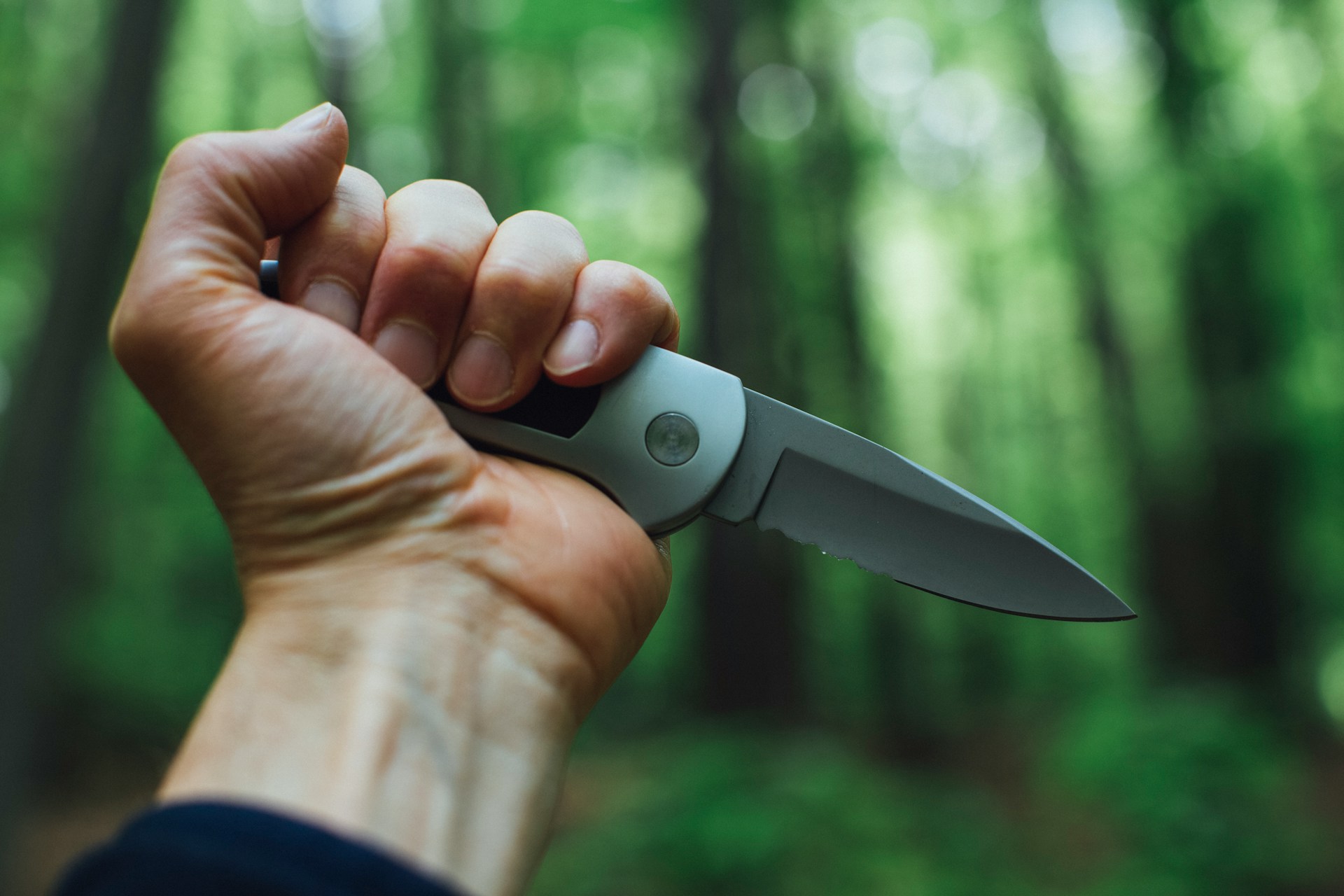
Knife laws vary widely between countries and even within states or provinces. In the United Kingdom, carrying a blade over 3 inches without a valid reason is illegal, while in Germany requires knives with one-handed opening mechanisms to be stored away during travel. In the U.S., states like New York and California impose restrictions on blade length and concealed carry. Checking official transport or customs websites before traveling prevents costly fines, confiscation, or even arrest.
Choose a Travel-Friendly Knife
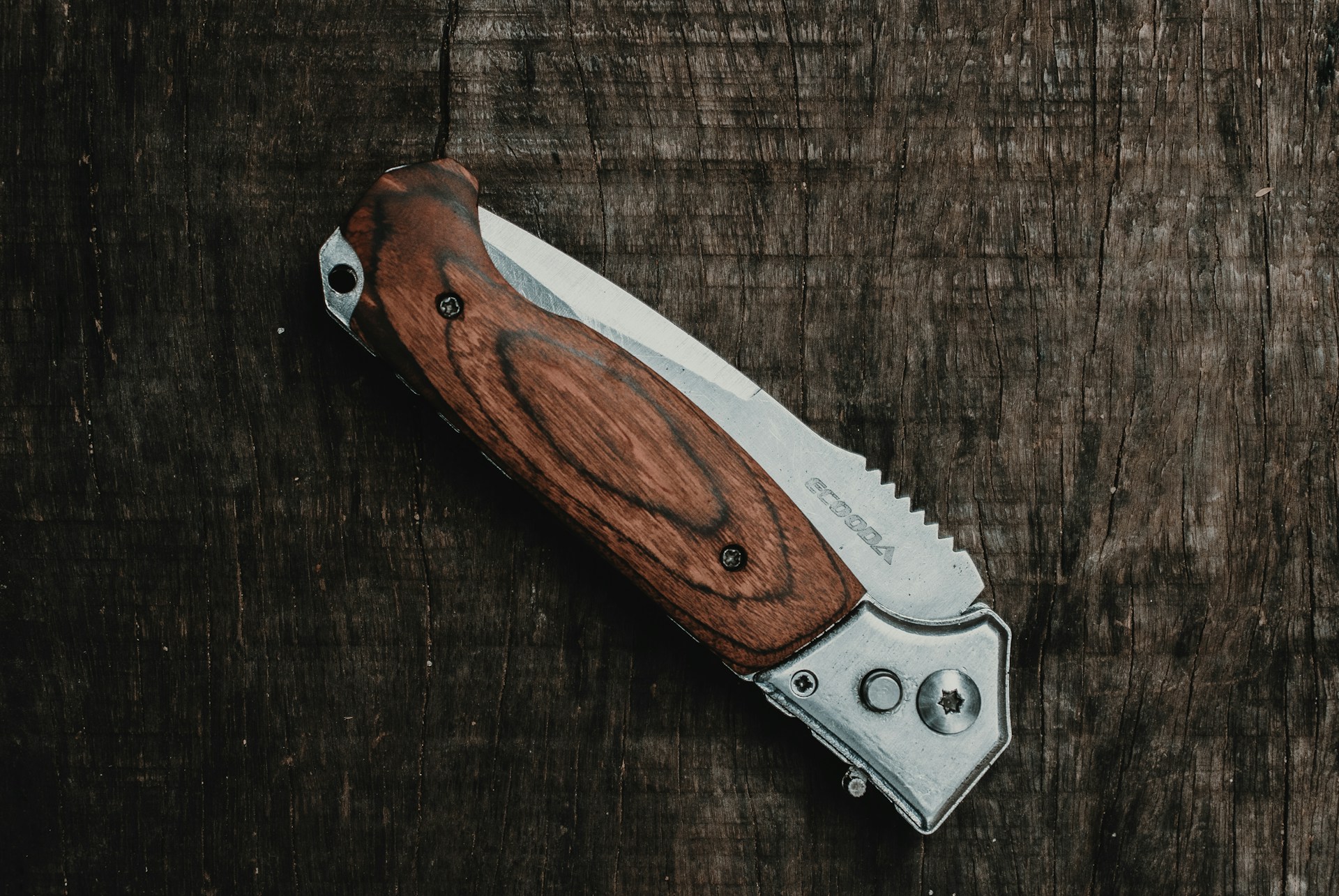
The right knife depends on your travel context. For camping, a folding knife with a 2.5–3-inch blade is usually sufficient, while multi-tools are better for general travel. TSA data shows that in 2023 alone, over 2,200 knives were confiscated at U.S. airports for improper packing. A small, non-locking blade that complies with regional rules minimizes risk. Selecting lightweight, durable materials like stainless steel also ensures performance without adding unnecessary baggage weight.
Pack Blades Securely for Transit
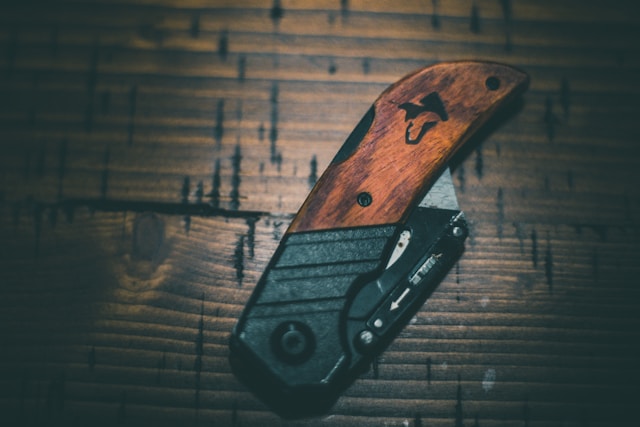
Improperly packed knives are a frequent cause of airport confiscations. The TSA mandates that all knives must be stored in checked baggage, not carry-on, unless the blade is plastic or round-tipped. For overland travel, sheathing is essential; uncovered knives are linked to a higher rate of accidental cuts during transit. Using a hard sheath or padded case prevents both injury and damage to other gear. Packing a knife in an outer pocket also makes inspection easier during security checks.
Handle Every Knife With Control
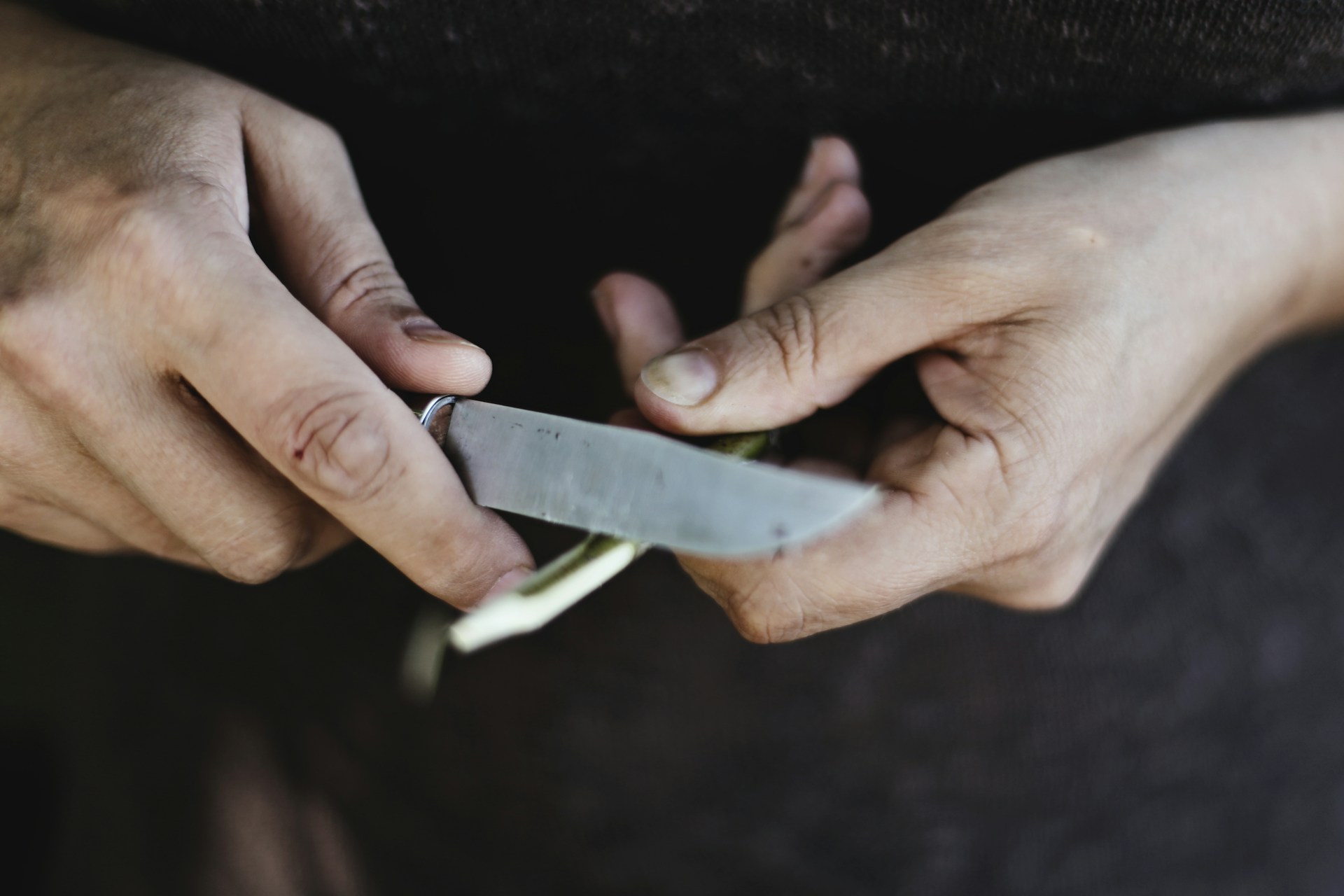
Most knife injuries occur during use, not transport. A study by the American Journal of Emergency Medicine found that improper handling accounted for 60% of lacerations requiring stitches. Always cut away from the body, keep a secure grip, and avoid distractions when using a blade. On uneven terrain, kneeling rather than standing provides better control. Practicing deliberate, slow cuts rather than forceful strokes reduces both the risk of slips and the severity of potential injuries.
Keep Blades Sharp and Sanitized
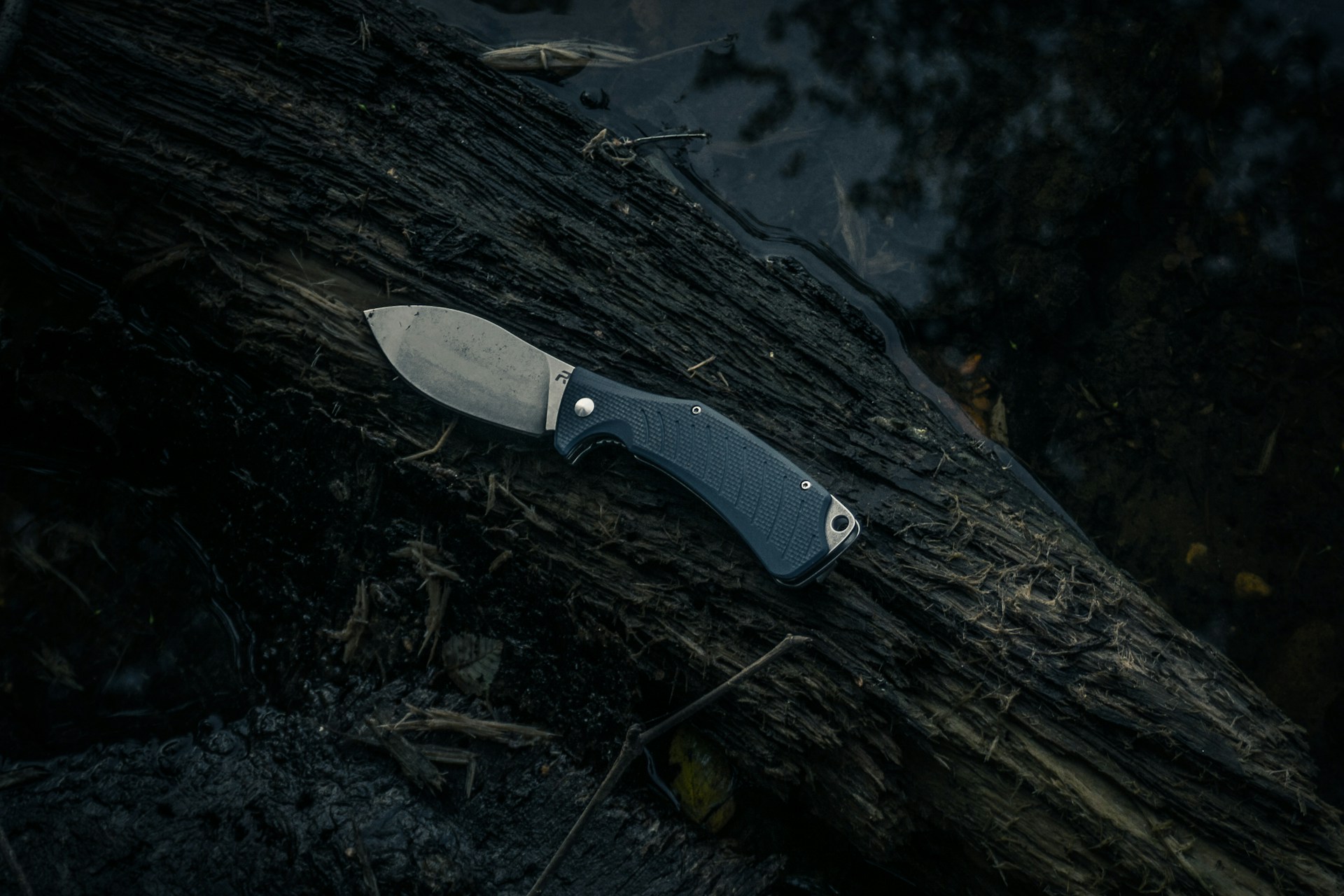
Dull knives are statistically more dangerous than sharp ones because they require more force to cut, increasing the likelihood of slips. Research by the Occupational Safety and Health Administration (OSHA) confirms that keeping tools sharp reduces injury rates in both professional and recreational settings. For travelers, maintaining a small pocket sharpener is practical. Additionally, cleaning knives prevents cross-contamination, which is essential when using the same blade for both food preparation and camp tasks. A simple alcohol wipe can disinfect without heavy gear.
Use Knives Only When Necessary
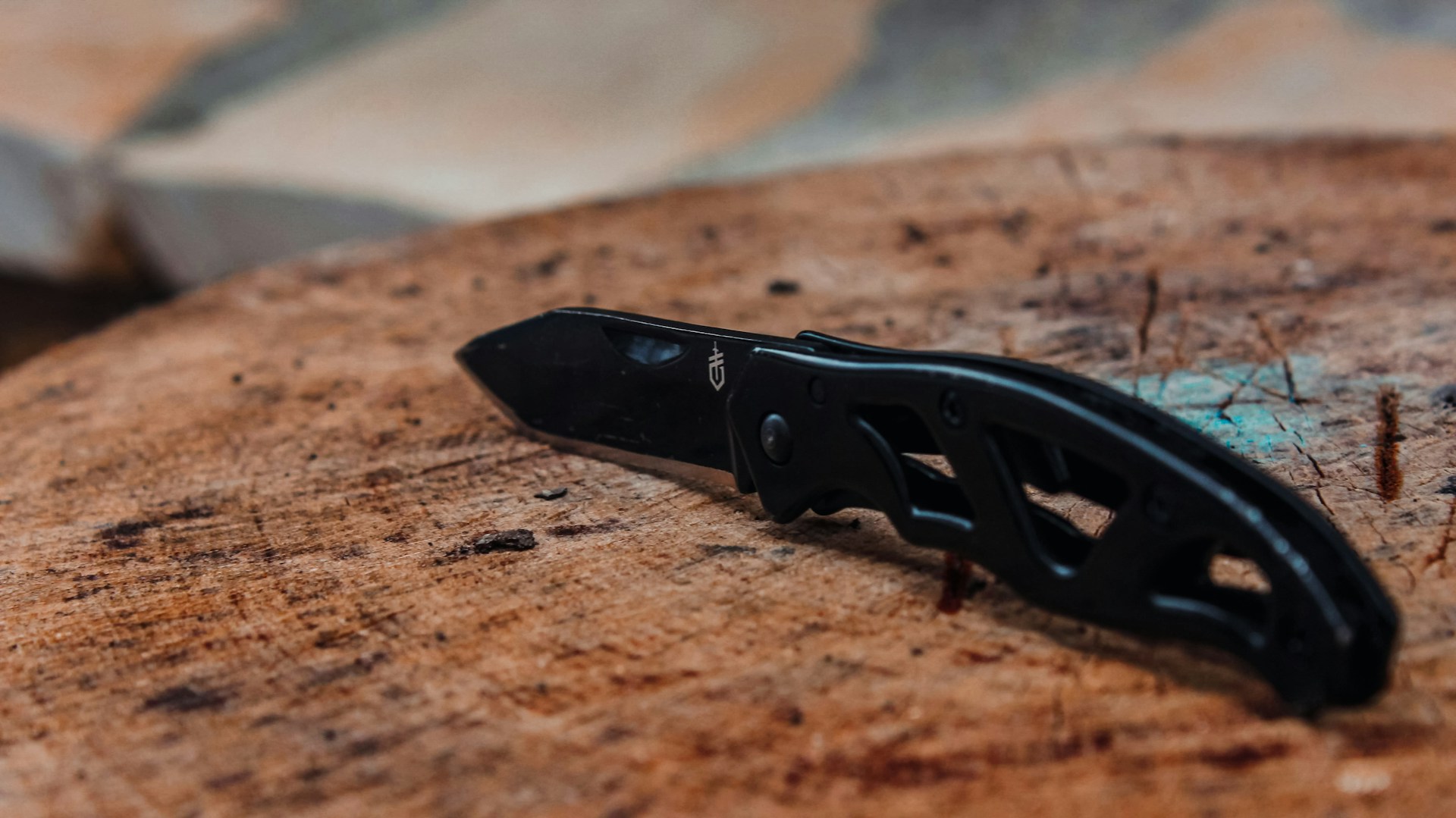
Unnecessary use is one of the leading contributors to knife-related accidents in outdoor settings. National Outdoor Leadership School (NOLS) training highlights that more than 40% of field injuries among youth campers were linked to misusing knives for tasks like prying or opening cans. Travelers should reserve blades for essential activities such as food preparation, rope cutting, or emergency shelter building. This not only limits wear and tear on the knife but also significantly lowers injury risk.
Build Skills Before You Rely on a Knife

Carrying a knife without proper training creates risk rather than security. A 2022 survey of outdoor program instructors in North America revealed that structured knife-safety instruction reduced student injury rates by over 70%. Basic skills include learning different grip techniques, safe passing methods, and emergency first-aid steps for cuts. Practicing under supervision before a major trip ensures confidence and safety. Online tutorials or certified bushcraft and camping workshops are excellent starting points for gaining competency.