The Thompson is one of history’s great timing paradoxes. It was conceived during World War I as a compact weapon for brutal trench fighting, yet the war ended before it could reach the battlefield. Instead, the gun spent the 1920s struggling to find customers, became associated with criminals and law enforcement, and only decades later found its true military moment. By World War II, the forgotten design had become a mass-produced Allied weapon, with more than 1.5 million made during the conflict.
1. Born for World War I, Finished Too Late
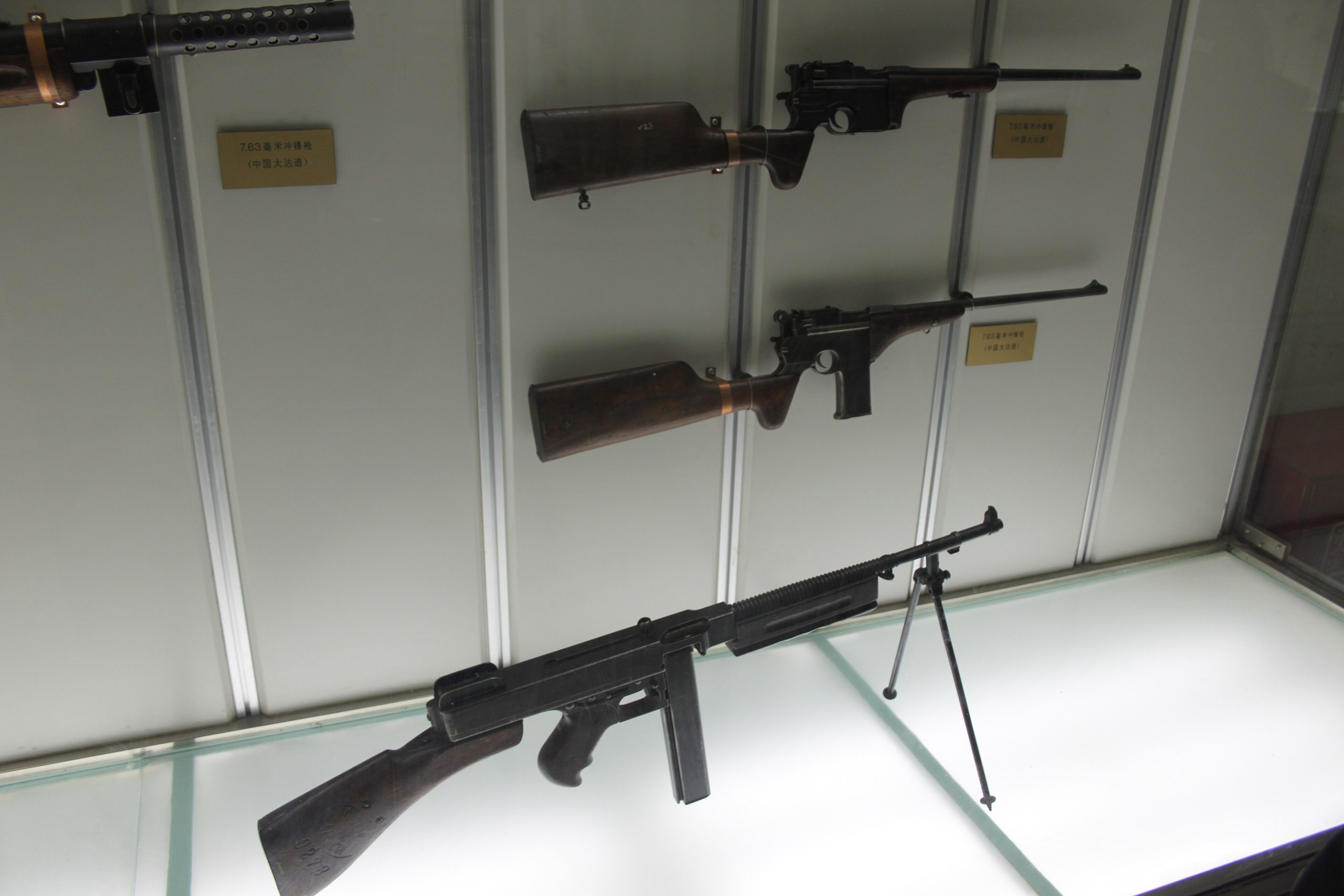
The Thompson was born from a World War I problem, not a gangster movie fantasy. John T. Thompson wanted a compact weapon that could pour .45-caliber fire into enemy trenches. A workable prototype appeared in 1918, but production lagged behind events. The Armistice arrived on November 11, 1918, before the Thompson could become a battlefield weapon. That timing became its defining irony: the gun designed for the Great War became famous in the very war it was never originally built to miss.
2. Its First Production Run Came in Peacetime
The first production Thompsons were made by Colt in 1921 and 1922, long after the conflict that inspired them had ended. Only 15,000 were produced in that original run, and the commercial price was about $200 with a 20-round magazine. That was an enormous sum for the era, limiting sales. Instead of marching into World War I, Thompson spent the 1920s searching for a market. Marines, police agencies, and foreign buyers gave it useful early exposure while the U.S. military remained cautious. The gap between invention and demand became part of the Thompson story.
3. The Marines Used It Before the Army Wanted It
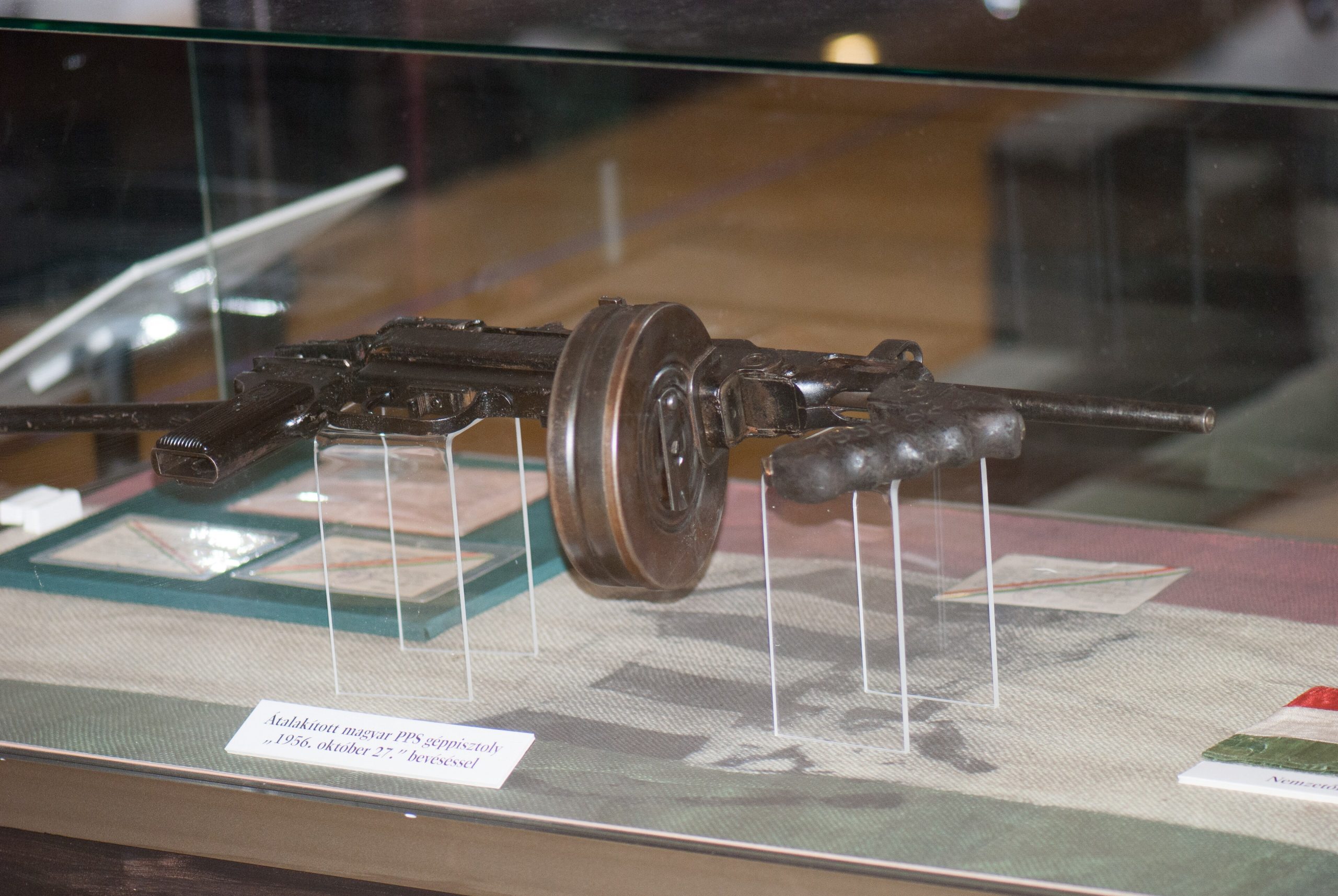
The Thompsons’ late arrival was not caused by poor engineering alone. It was an expensive, unfamiliar weapon entering a peacetime market where armies were cutting budgets. The U.S. Army tested it and showed interest in some roles, yet did not adopt it as a standard infantry arm until 1938. The U.S. Marine Corps had acquired Thompsons earlier, beginning in 1926, and used them in operations overseas. Those experiences quietly proved that the gun had practical value before its biggest war arrived. By then, the weapon had already accumulated useful field experience.
4. Europe Suddenly Created the Market It Needed
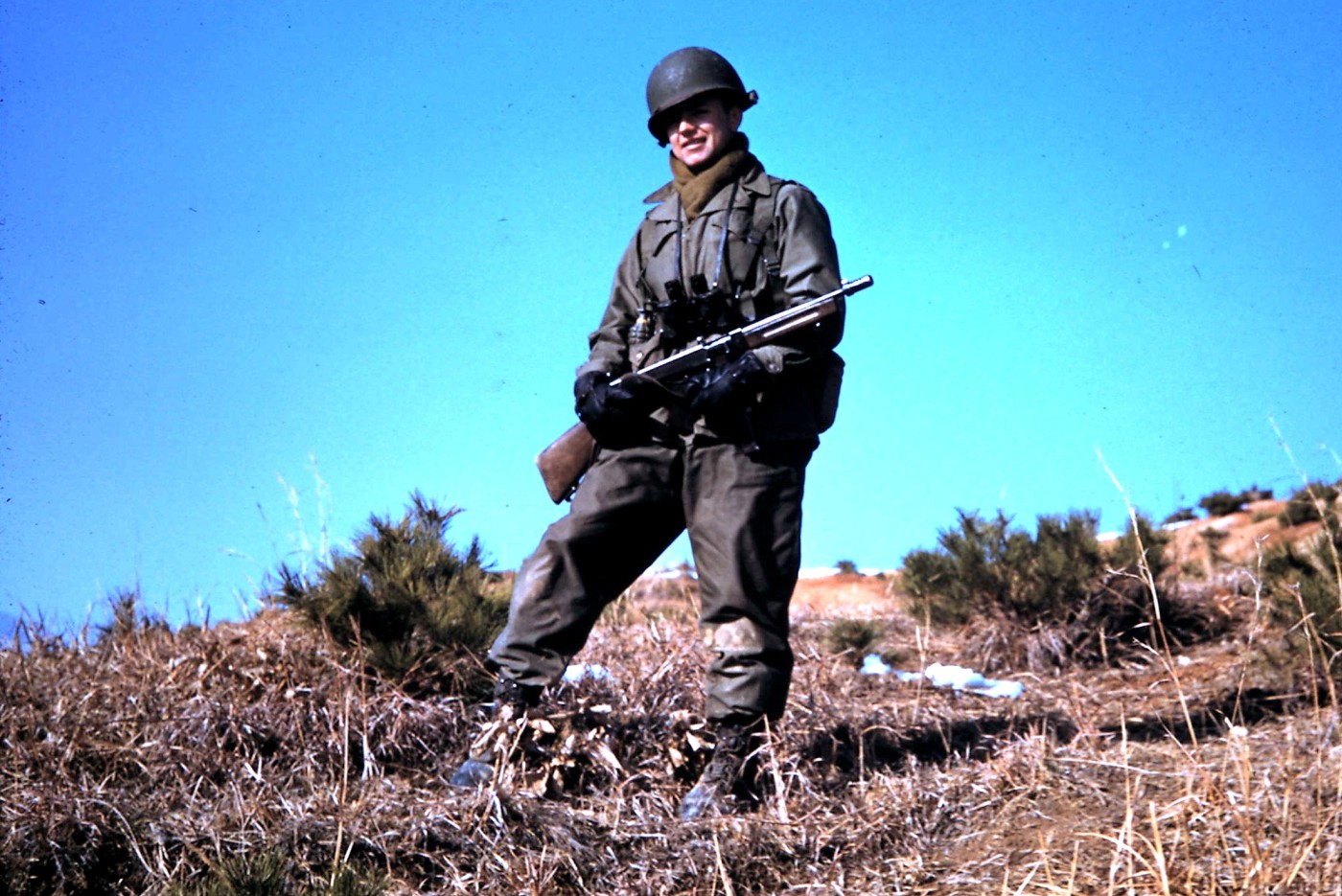
Its battlefield comeback began when Europe went to war in 1939. Britain, France, and other Allied customers urgently needed modern small arms, turning a once slow-selling American design into a valuable export. Britain ordered 450 Thompsons in January 1940 and later sought 107,500. Savage Arms joined production, followed by a Bridgeport plant. By February 1942, more than 500,000 Thompsons had been produced, showing how quickly a weapon ignored in peacetime could become important once war created demand. The timing could hardly have been more dramatic for Auto-Ordnance.
5. Wartime Production Changed the Original Design
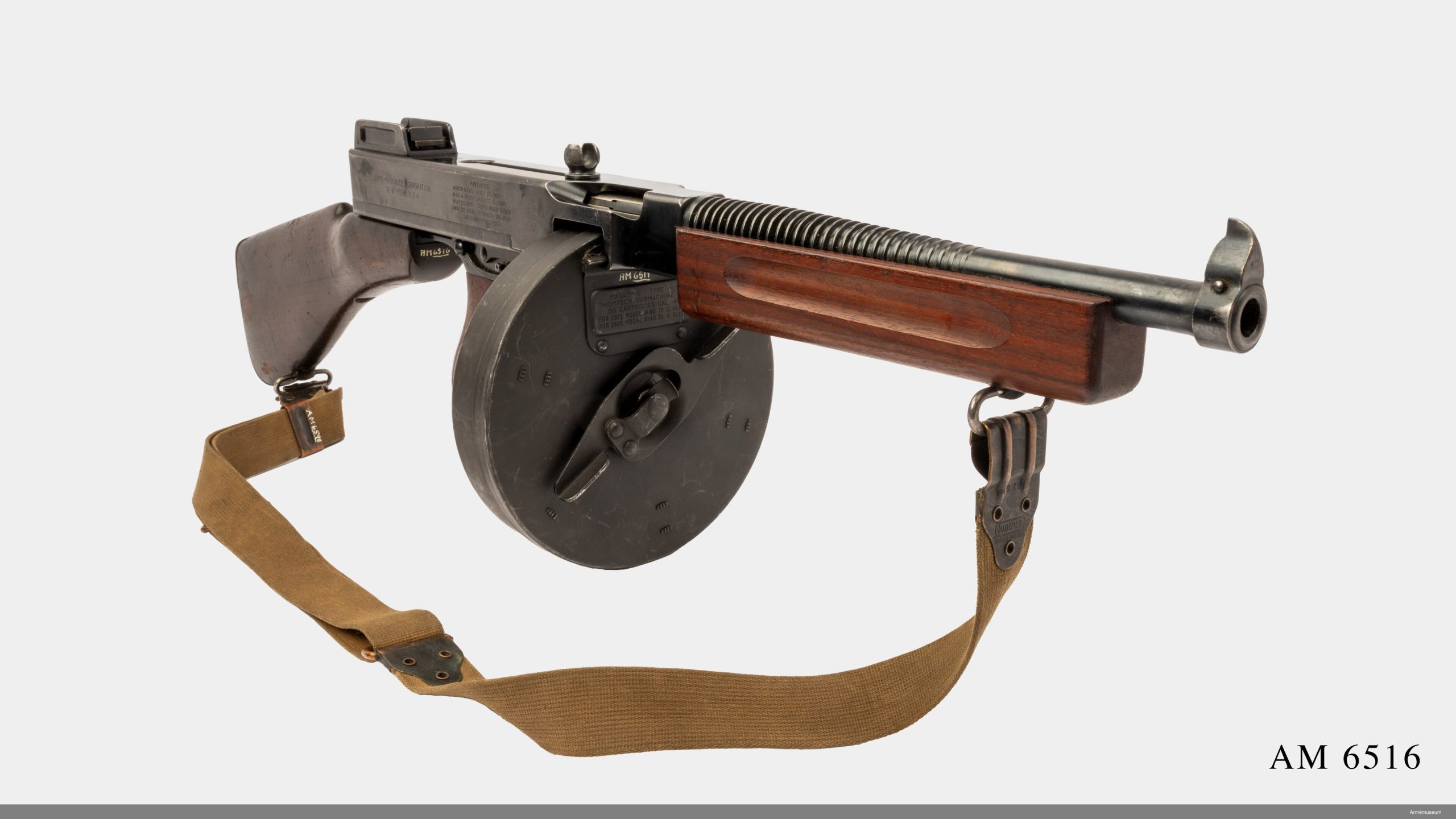
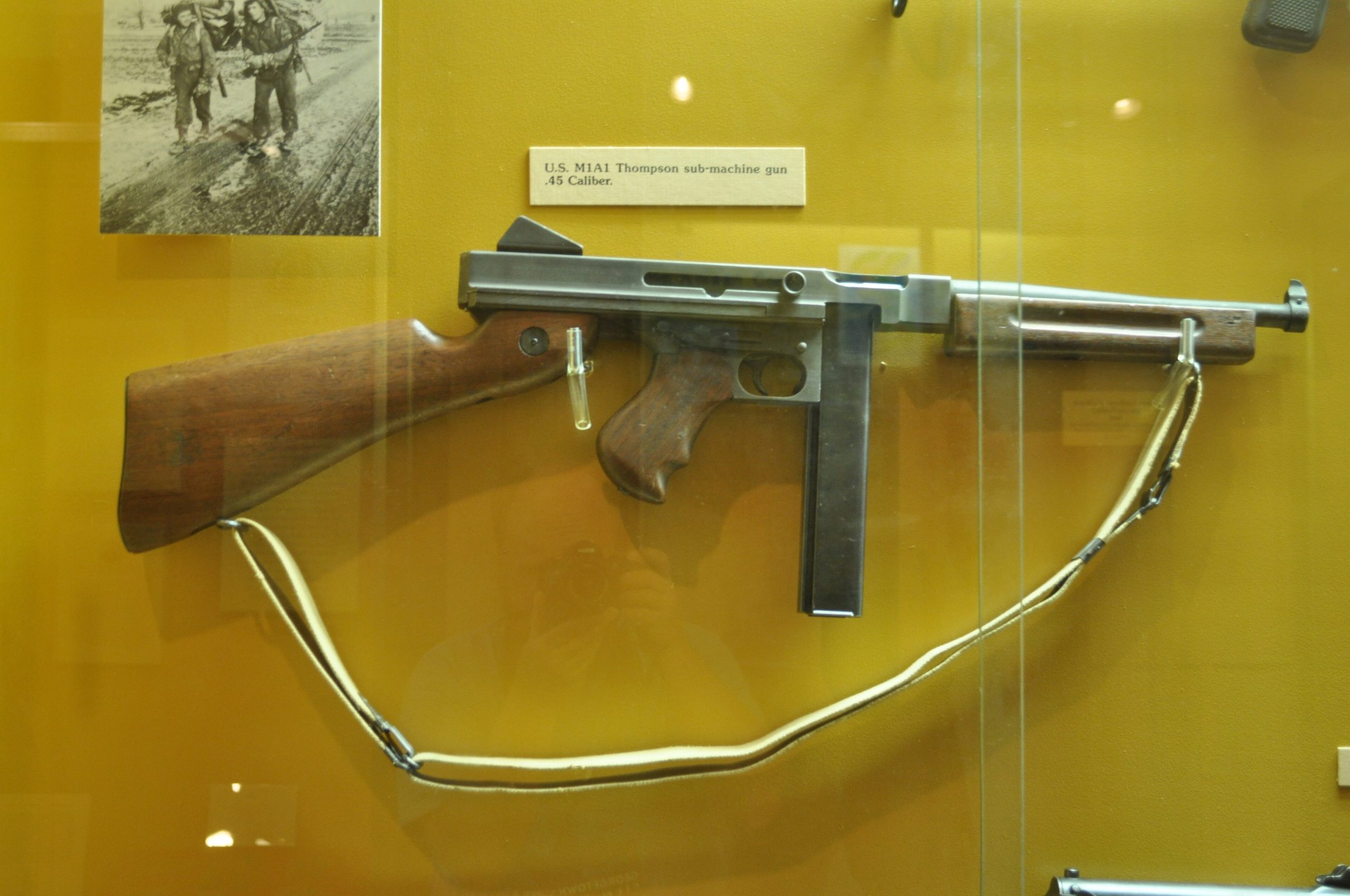
The Thompson that finally reached mass military service was not identical to the elegant early model. The M1928A1 retained features such as a finned barrel and could use box or drum magazines, but wartime production pushed engineers toward simpler construction. The M1 removed the complicated Blish locking arrangement, shifted the charging handle to the side,e and accepted box magazines only. The M1A1 simplified the firing system further. These changes made the gun faster and cheaper to manufacture for a global war. The wartime versions sacrificed polish for production speed and practicality.
6. Production Rose From 15,000 to More Than 1.5 Million
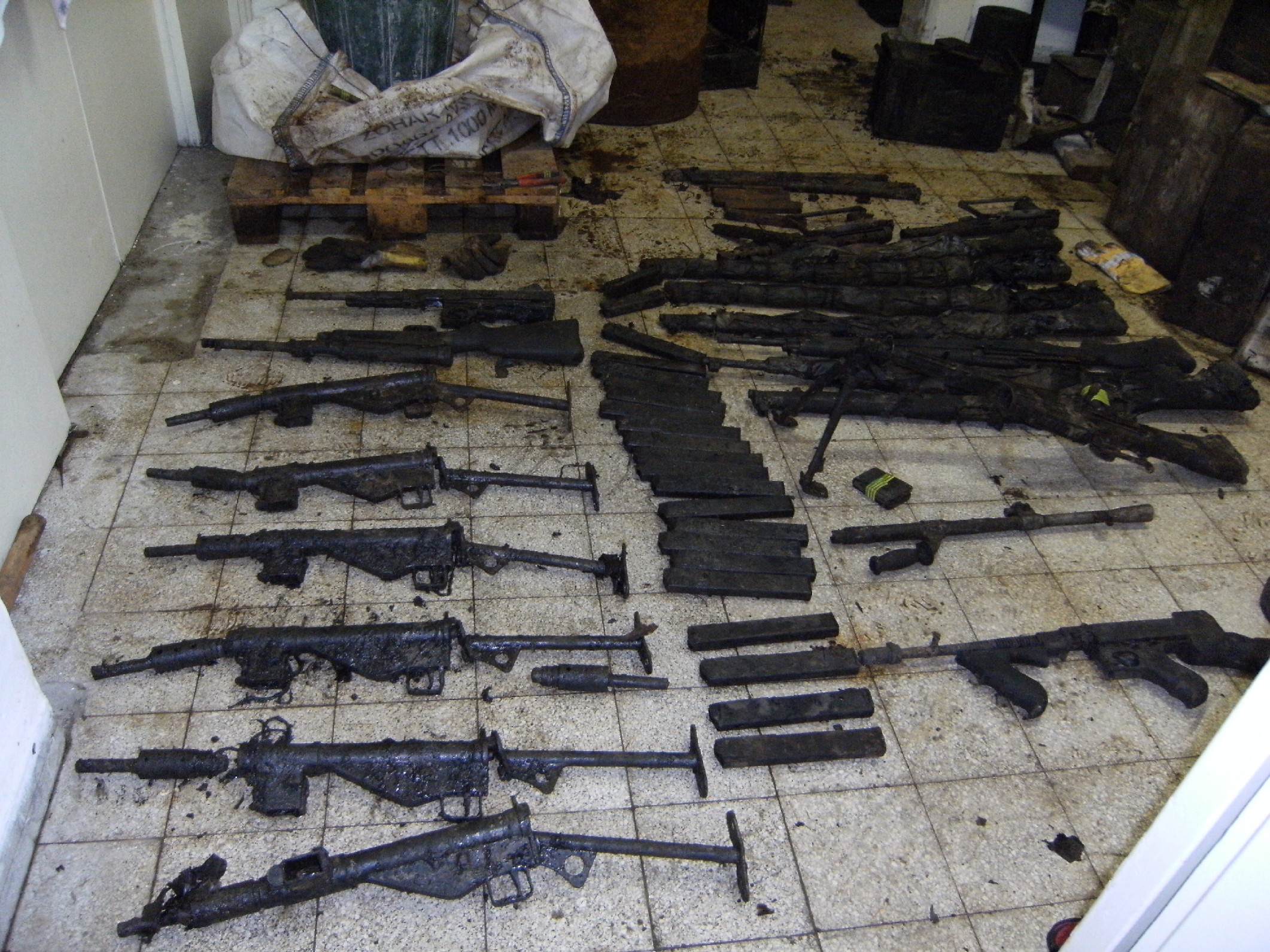
Numbers reveal how completely Thompson recovered from its disastrous timing. About 562,511 M1928A1 guns were produced, followed by roughly 285,480 M1s and 539,143 M1A1s. Altogether, wartime Thompson production reached well over 1.5 million examples. That is remarkable for a design whose first production batch was only 15,000 guns. The same weapon that struggled to find buyers in the 1920s became a mass-produced Allied arm less than 25 years after its original battlefield opportunity had vanished. Few small arms have undergone such a dramatic rise from commercial failure to mass issue.
7. Its Heavy Weight Was Both an Advantage and a Burden
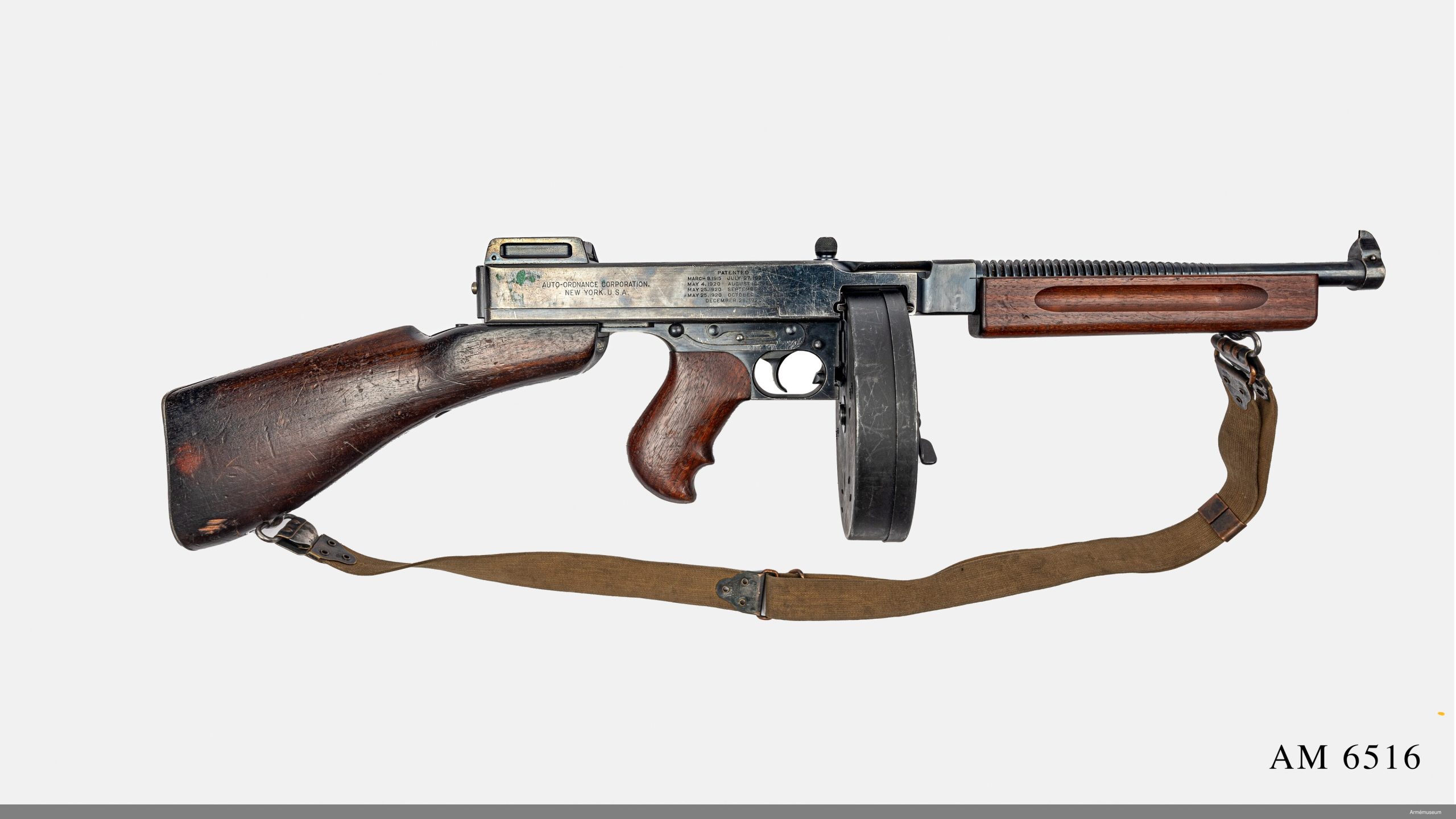
The Thompson also became famous for being heavy. An M1928A1 weighed about 10.8 pounds empty, while the later M1A1 was about 10 pounds. That bulk was a burden for troops carrying weapons and ammunition over long distances, but it also gave the gun a solid, controllable feel. Its .45 ACP cartridge, compact overall form, and automatic fire made it particularly suited to close-range fighting. The design was therefore a compromise: heavy for a submachine gun, but reassuringly sturdy in combat. Its weight became one of its most discussed strengths and weaknesses among users.
8. The Famous Drum Was Not Always Practical
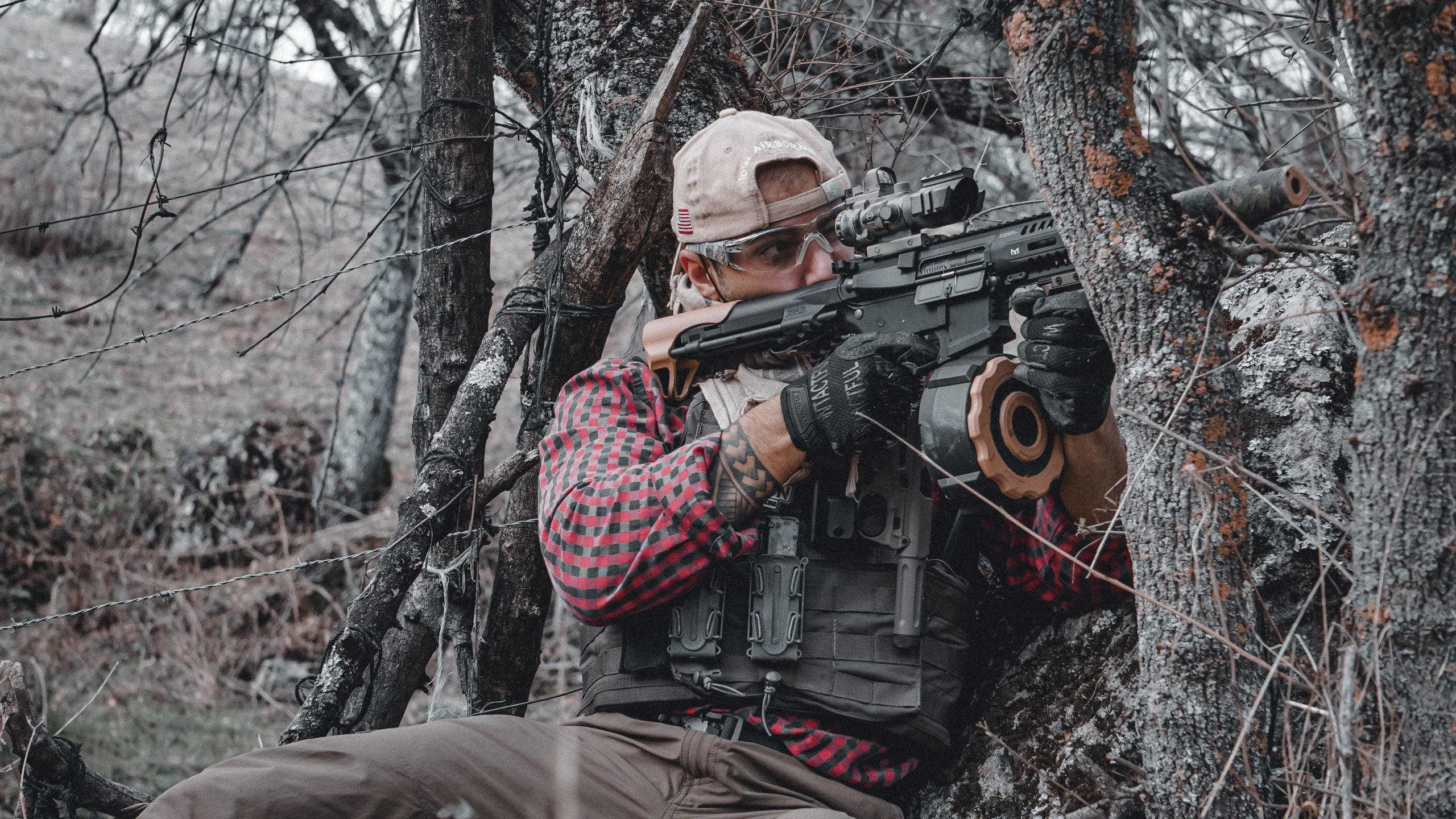
Its magazine story also changed with experience. Early Thompsons could use 20-round and 30-round box magazines, while the M1928 family also supported 50-round and 100-round drums. Drums offered impressive capacity but were heavy, bulky,y and noisy, and British troops often preferred box magazines. Wartime simplification ultimately centered the military on box-fed models. That shift reflected real combat priorities: soldiers valued reliability, manageable weight and quicker handling over spectacular capacity. The change reflected lessons learned from actual troops rather than showroom appeal.
9. Its Reputation Was Built Before Its Greatest War
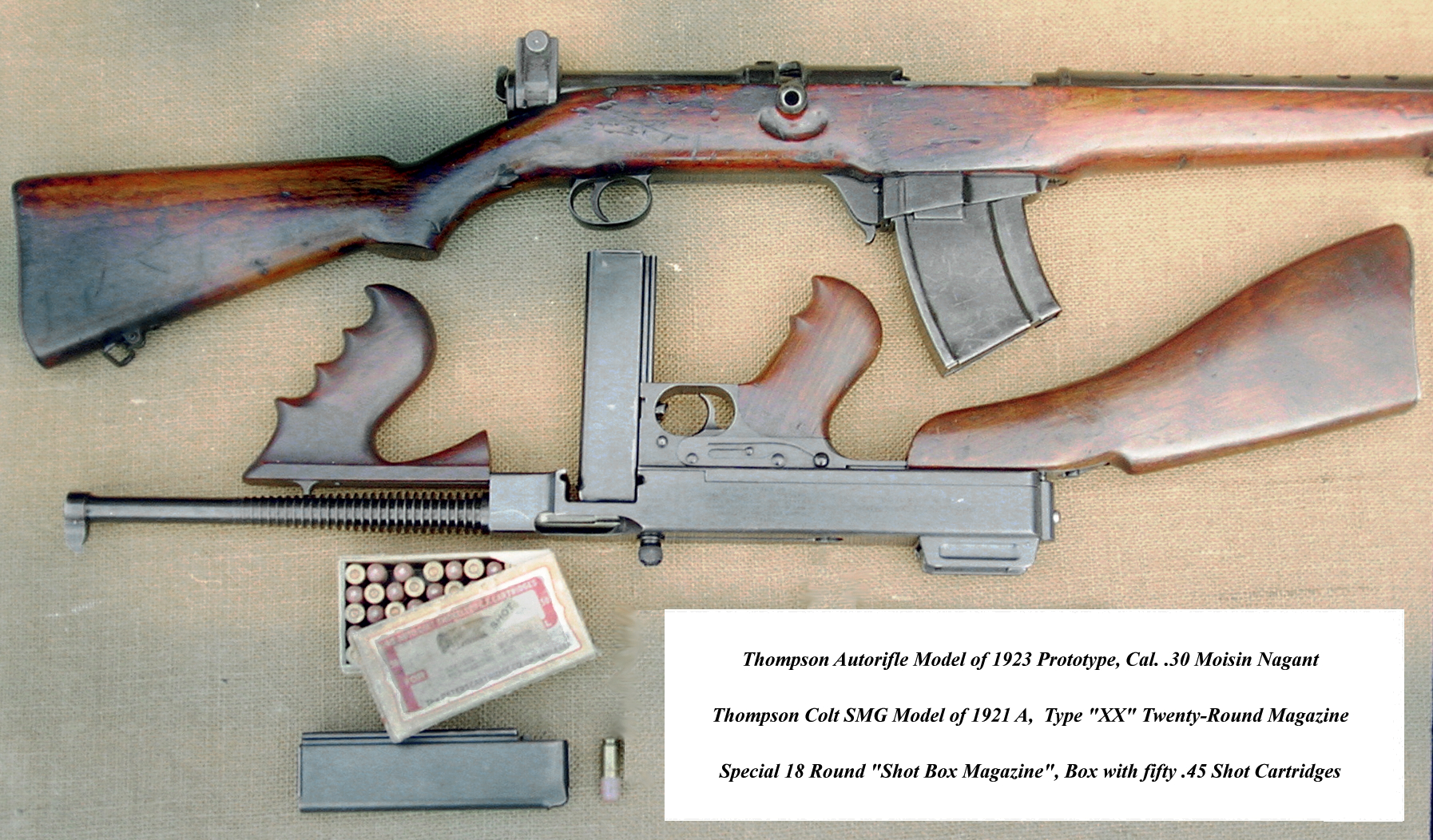
The Thompsons’ reputation was shaped by two very different worlds before their World War II fame. During Prohibition, American criminals helped turn the gun into a cultural symbol, while police and federal agencies also used it. Overseas, the Marine Corps and other forces gained practical experience with the weapon. By 1938, the U.S. Army finally standardized it, and after Pearl Harbor in December 1941, demand surged. Its unusual résumé mixed crime headlines, police work, and small wars. That unusual background helped make the Thompson recognizable long before its wartime peak.
10. It Finally Won the War It Was Meant to Fight
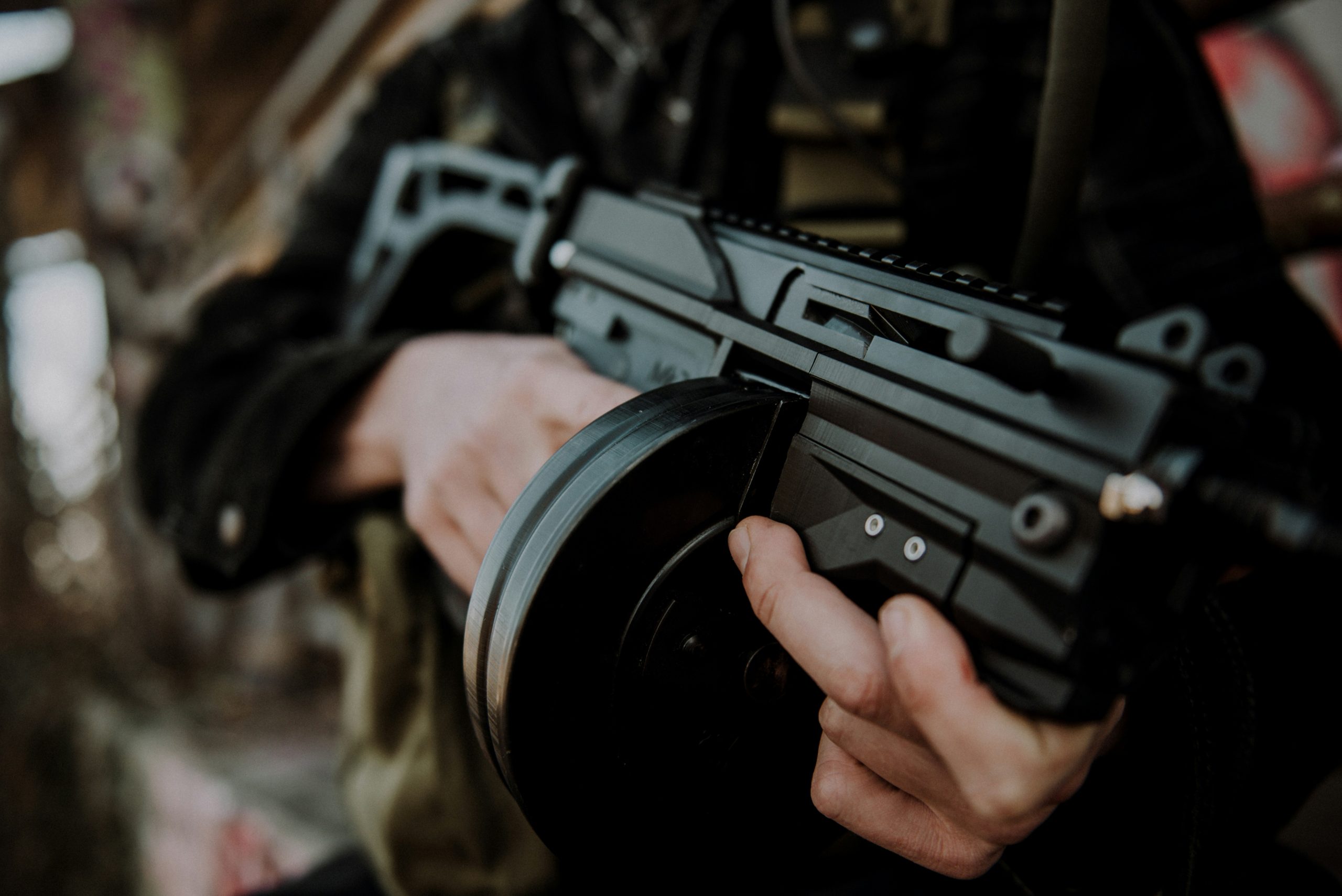
The final irony is that Thompson became most successful only after its original concept had aged. Conceived around 1917 and tested in the shadow of World War I, it did not reach mass military production until World War II. Production ended in 1944 as simpler designs such as the M3 gained favor. Yet the Thompson had already become an icon. Its journey from an unwanted postwar invention to more than 1.5 million wartime guns is one of the clearest examples of history giving a weapon a second chance. In that sense, the Thompson did not miss its war forever; it simply arrived for the next one.