
Battery life plays a critical role in how flashlights and headlamps perform during everyday use and outdoor activities. Many people assume runtime claims translate directly to real world conditions, yet multiple factors influence actual performance. Brightness settings, temperature, battery chemistry, and usage patterns all affect how long light output remains useful. Misunderstandings often lead to disappointment, premature battery changes, or unexpected darkness. Clear expectations improve reliability and safety. This article explains six common misconceptions surrounding battery life in flashlights and headlamps, focusing on how these devices truly behave during regular use rather than ideal laboratory testing scenarios manufacturers reference.
Maximum Lumens Equals Maximum Runtime
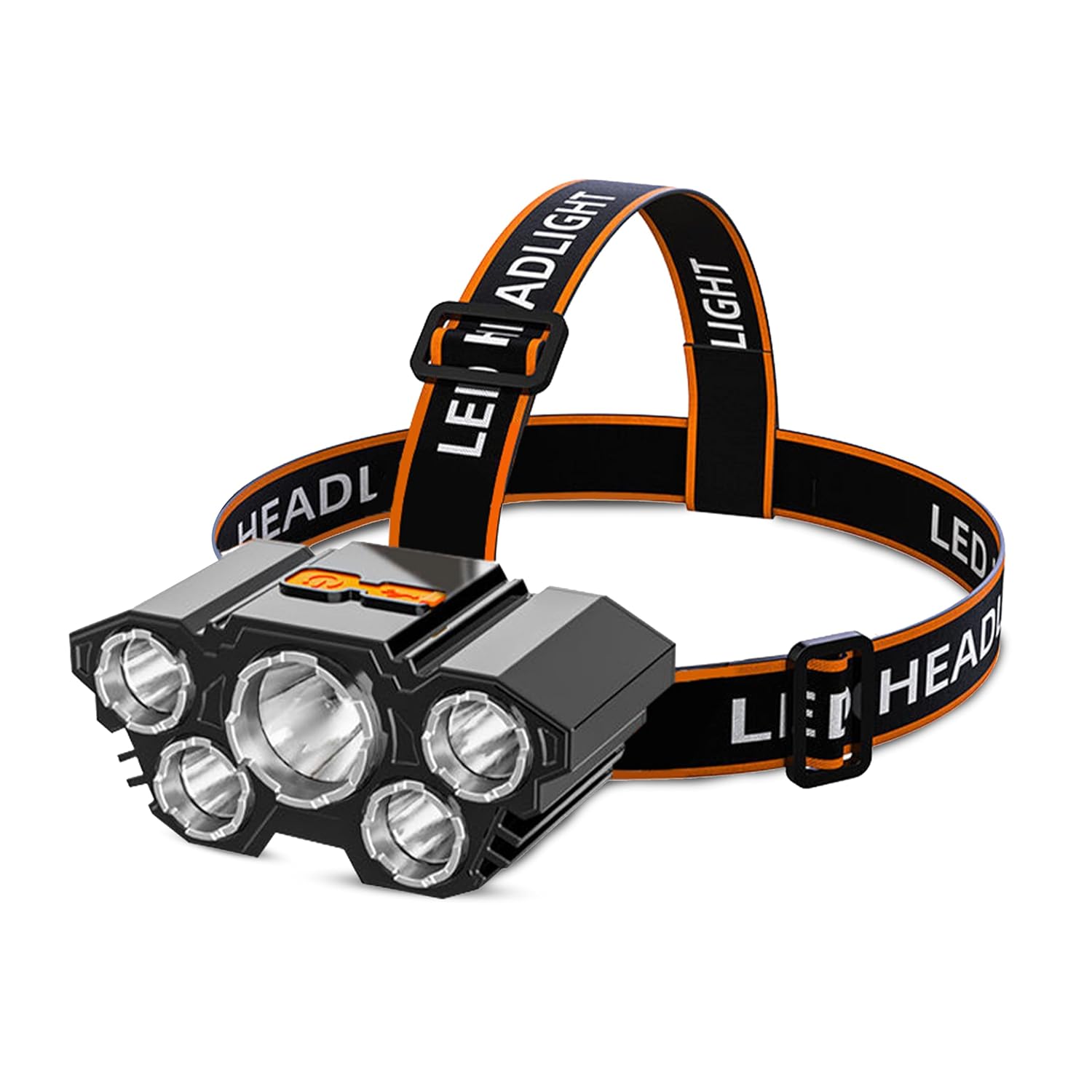
Many people believe running a flashlight at maximum lumens provides the same runtime advertised on packaging. In reality, runtime ratings often measure reduced output, not sustained brightness. High output modes drain batteries rapidly and trigger thermal regulation. Light output steps down automatically to prevent overheating. This means brightness drops long before batteries fully deplete. Users expecting constant maximum output often feel misled. Lower settings dramatically extend usable time. Understanding output curves matters more than headline lumen numbers. Runtime reflects survival, not performance. Recognizing that brightness and longevity trade off helps users choose appropriate modes and manage expectations during extended tasks or outdoor use.
Cold Temperatures Do Not Matter

Cold temperatures significantly affect battery performance, yet many users overlook this impact. Alkaline and lithium ion batteries both lose efficiency in freezing conditions. Chemical reactions slow, reducing available energy. Flashlights dim sooner, and headlamps shut down unexpectedly. Outdoor users often blame faulty equipment rather than temperature effects. Keeping batteries warm restores performance temporarily. Storing spares close to the body helps. Cold rated lithium batteries perform better but still suffer losses. Understanding temperature sensitivity prevents surprises during winter use. Battery life claims assume moderate conditions, making cold environments one of the most common reasons real world runtimes fall short.
Battery Type Makes Little Difference
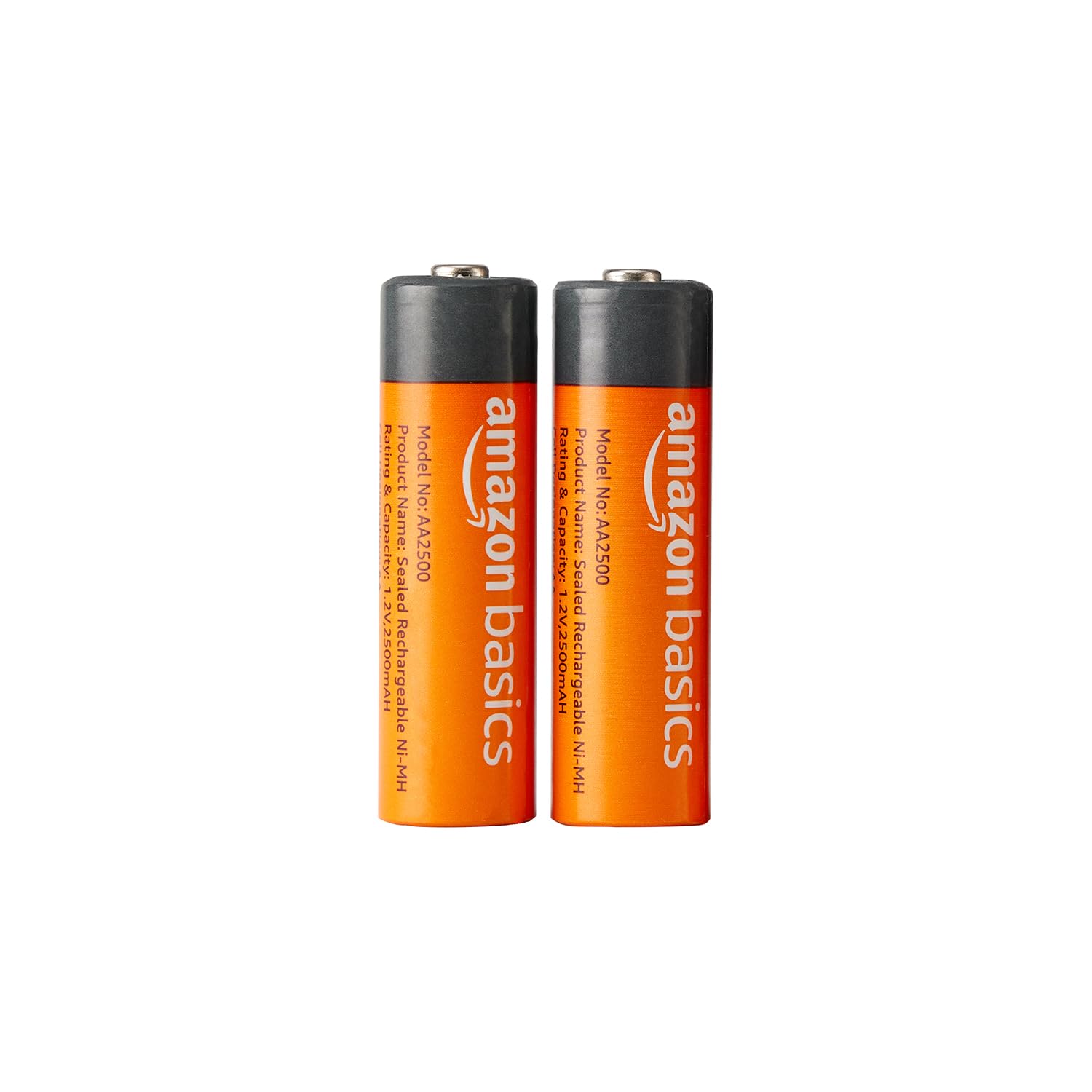
Battery chemistry strongly influences flashlight and headlamp performance. Alkaline, lithium primary, and rechargeable lithium ion batteries behave differently under load. Alkaline batteries drop voltage quickly during high drain use. Lithium batteries maintain output longer and handle cold better. Rechargeable cells offer consistent performance but vary by quality. Assuming all batteries deliver similar runtime leads to poor results. Device design often favors specific chemistries. Using recommended battery types improves efficiency and brightness stability. Matching battery chemistry to intended use matters. Understanding these differences helps users select batteries that provide predictable runtime rather than relying on convenience or availability alone.
Runtime Means Full Brightness Duration
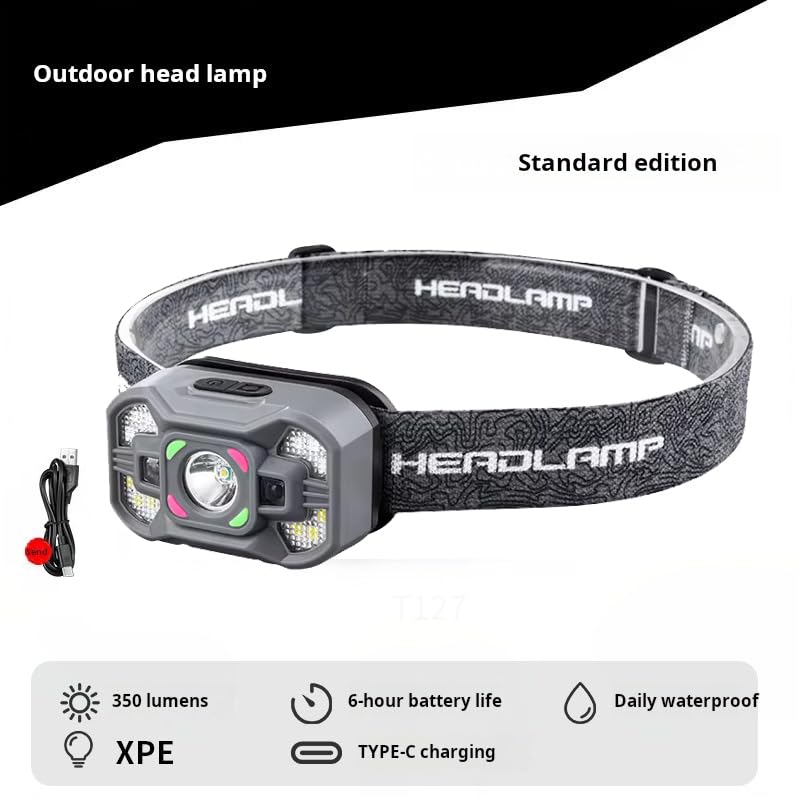
Many users assume runtime ratings indicate how long a light stays bright. In reality, manufacturers define runtime until output reaches a minimal threshold, often ten percent. Lights may run for hours while providing dim illumination. Thermal regulation and battery protection circuits reduce brightness gradually. This creates long tail runtimes that appear impressive but lack practical usefulness. For tasks requiring visibility, effective runtime is much shorter. Reading runtime graphs provides clarity. Understanding usable brightness duration matters more than total runtime. This misconception explains why lights feel weaker sooner than expected despite technically still operating according to published specifications.
Leaving Batteries Installed Has No Impact

Leaving batteries installed during storage can shorten battery life. Parasitic drain from electronic switches slowly consumes power. Over time, stored lights lose charge even when unused. Alkaline batteries may leak, damaging contacts. Rechargeable cells self discharge gradually. Long term storage with batteries installed reduces readiness. Removing batteries or locking out switches preserves charge. Many users discover dead lights when needed most. Understanding storage effects improves reliability. Battery life includes shelf behavior, not just active use. Proper storage habits extend usability and protect devices, ensuring flashlights and headlamps perform as expected when retrieved after long periods.
Headlamps Use Less Power Than Flashlights
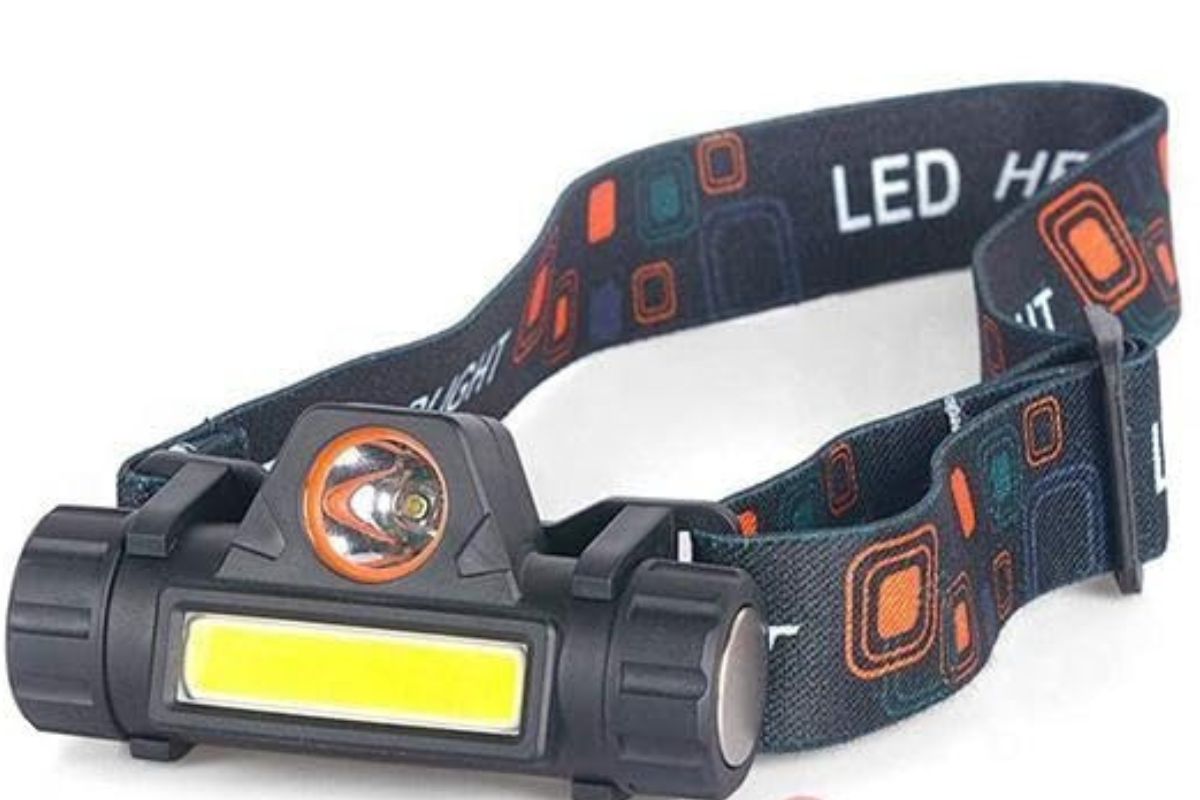
Headlamps often appear more efficient than flashlights, but power consumption depends on output and design. Many headlamps run multiple LEDs or wide flood patterns that draw significant current. High lumen headlamp modes drain batteries quickly. Constant use near maximum brightness reduces runtime. The hands free design encourages continuous operation, increasing consumption. Assuming headlamps inherently last longer creates false confidence. Both devices follow the same battery principles. Managing brightness settings and usage time matters more than form factor. Understanding actual power draw helps users plan battery needs realistically during work, travel, or extended outdoor activities.