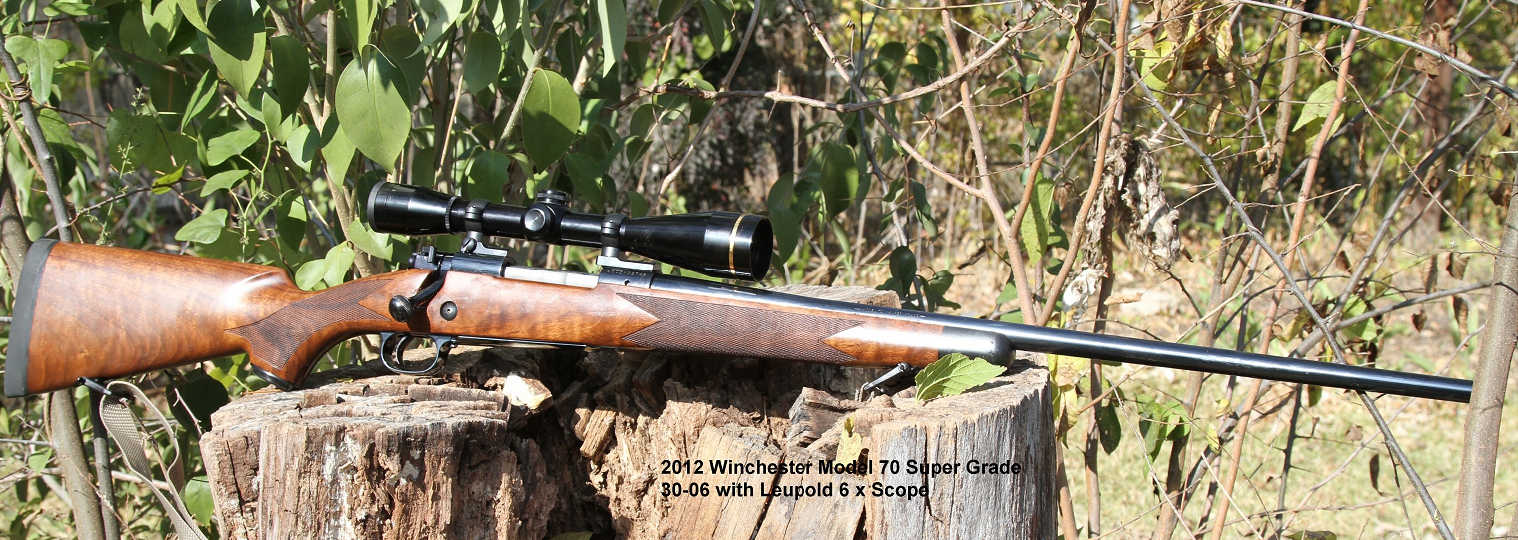
Firearm enthusiasts often speak about the legendary status of older rifles with a sense of reverence and nostalgia. The term pre-64 Winchesters specifically refers to model 70 rifles manufactured before the company changed its production methods in 1964. These vintage pieces represent a high point in American gun making that many believe has never been equaled since that time. Collectors and hunters alike pursue these firearms because they embody a level of industrial art that modern mass production rarely achieves today. Understanding why these specific rifles command such high prices reveals much about the history of manufacturing.
Superior Hand Craftsmanship
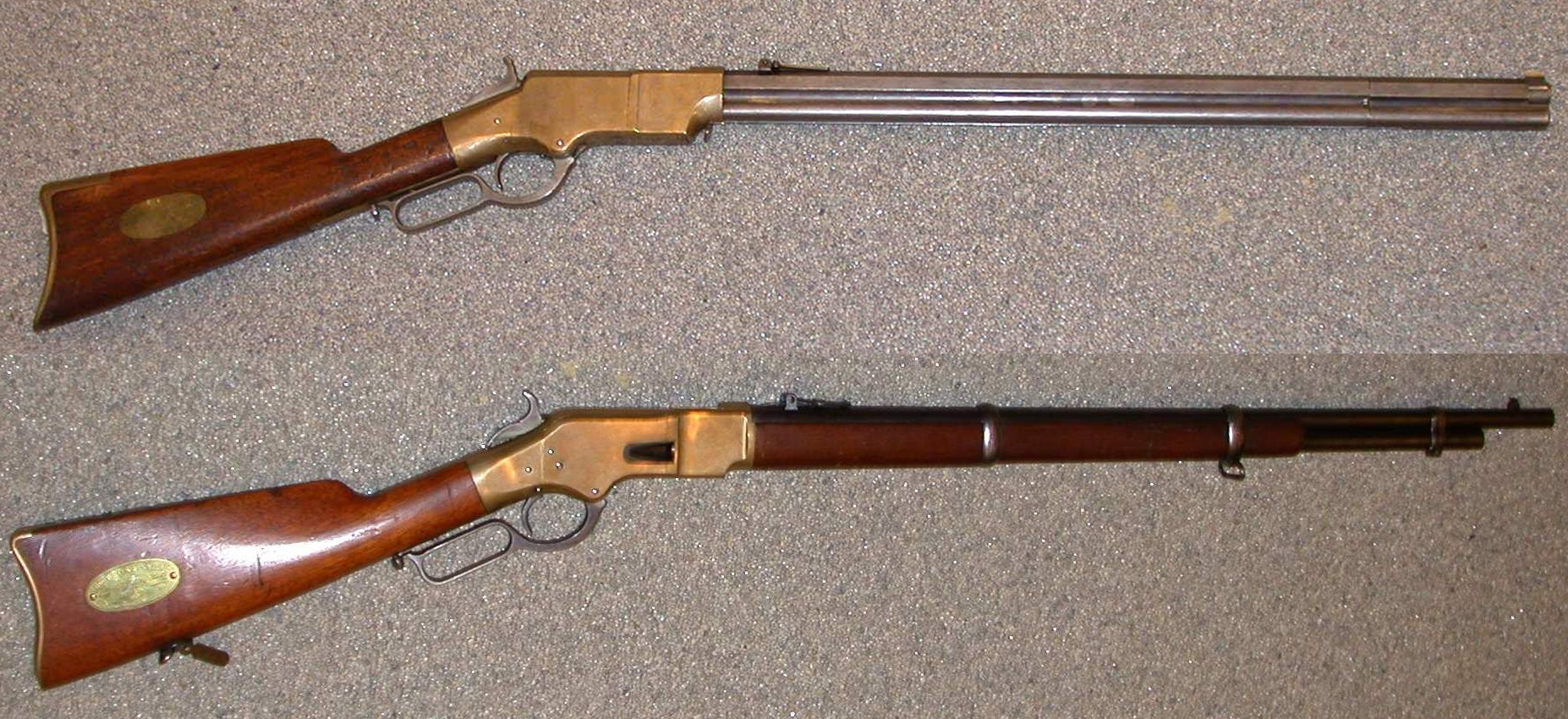
Before nineteen sixty-four, skilled laborers performed much of the machining and fitting by hand rather than relying solely on automated machines. This human touch ensured that every part fit together with a precision that feels incredibly smooth and solid to the user. Workers took immense pride in polishing the internal components until they functioned without any grittiness or hesitation during operation. This dedication to excellence created a mechanical action that feels like a custom instrument rather than a factory commodity. The difference in feel is immediately apparent to anyone who cycles the bolt of an original vintage specimen.
Controlled Round Feed
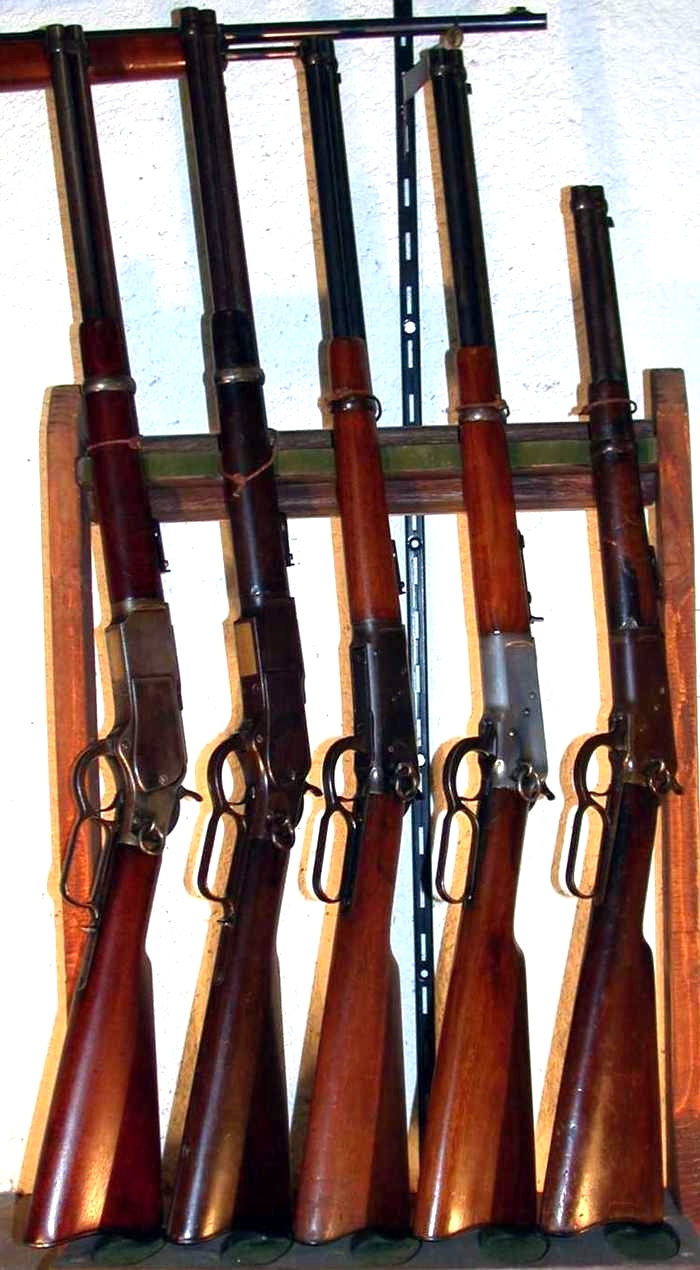
The most cited feature of the pre-64 Model 70 is its massive Mauser-style non-rotating claw extractor that controls the cartridge. This specific design captures the rim of the round immediately as it leaves the magazine and holds it firmly against the bolt face. Serious hunters value this system because it allows the rifle to feed and extract reliably even when the user is upside down. Later push-feed designs are cheaper to make but lack this absolute mechanical certainty during the cycling process. This robust engineering detail provides peace of mind when facing dangerous game in the field.
Checkered Walnut Stocks
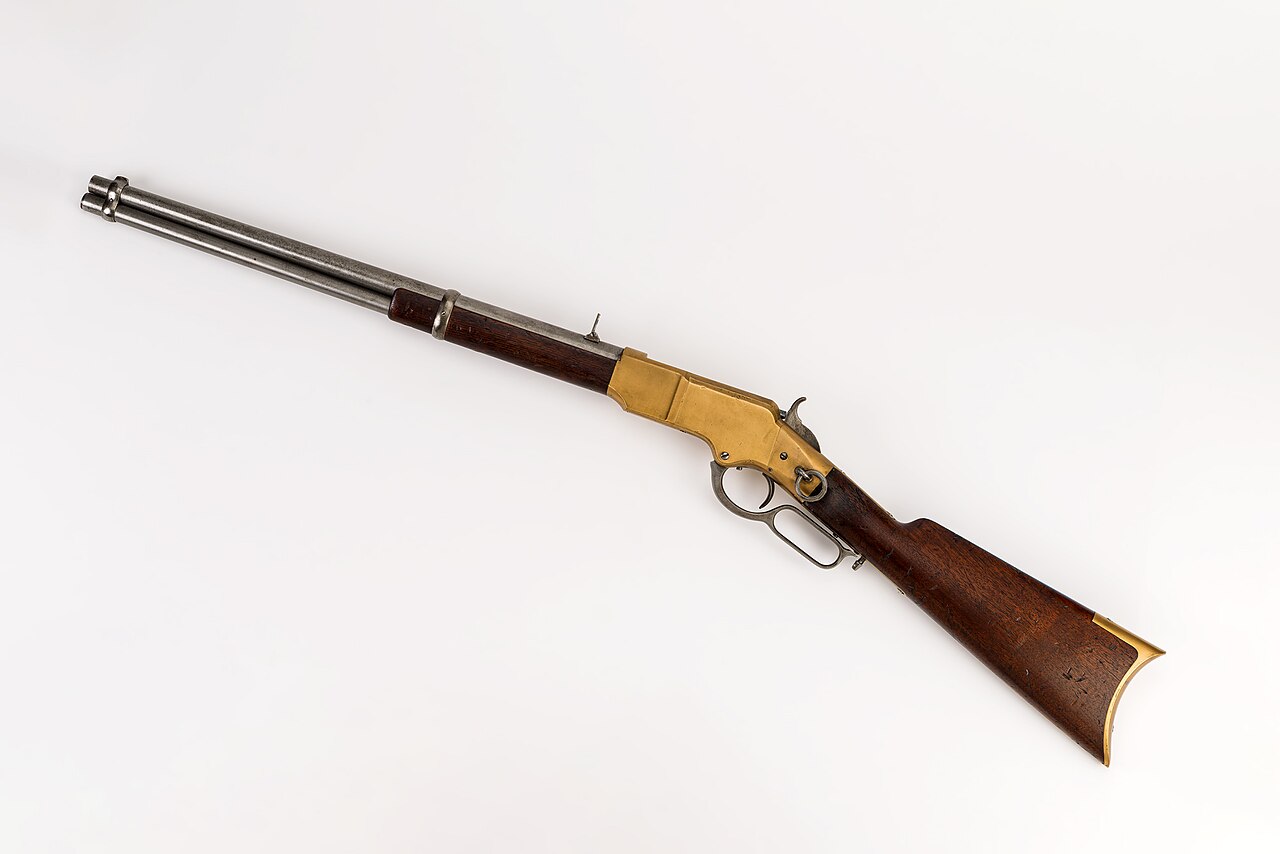
Aesthetic beauty plays a major role in the allure of these rifles as they feature genuine hand-cut checkering on high-quality walnut. Artisans cut the diamond patterns into the wood one line at a time using simple hand tools and steady nerves. This creates a sharp and grippy texture that machine-pressed checkering simply cannot replicate in terms of feel or appearance. The wood itself was often better-grade timber with richer grain flow and superior structural integrity compared to modern stocks. Holding one reveals a warmth and character that synthetic materials or mass-produced laminates will always fail to convey.
Solid Steel Components
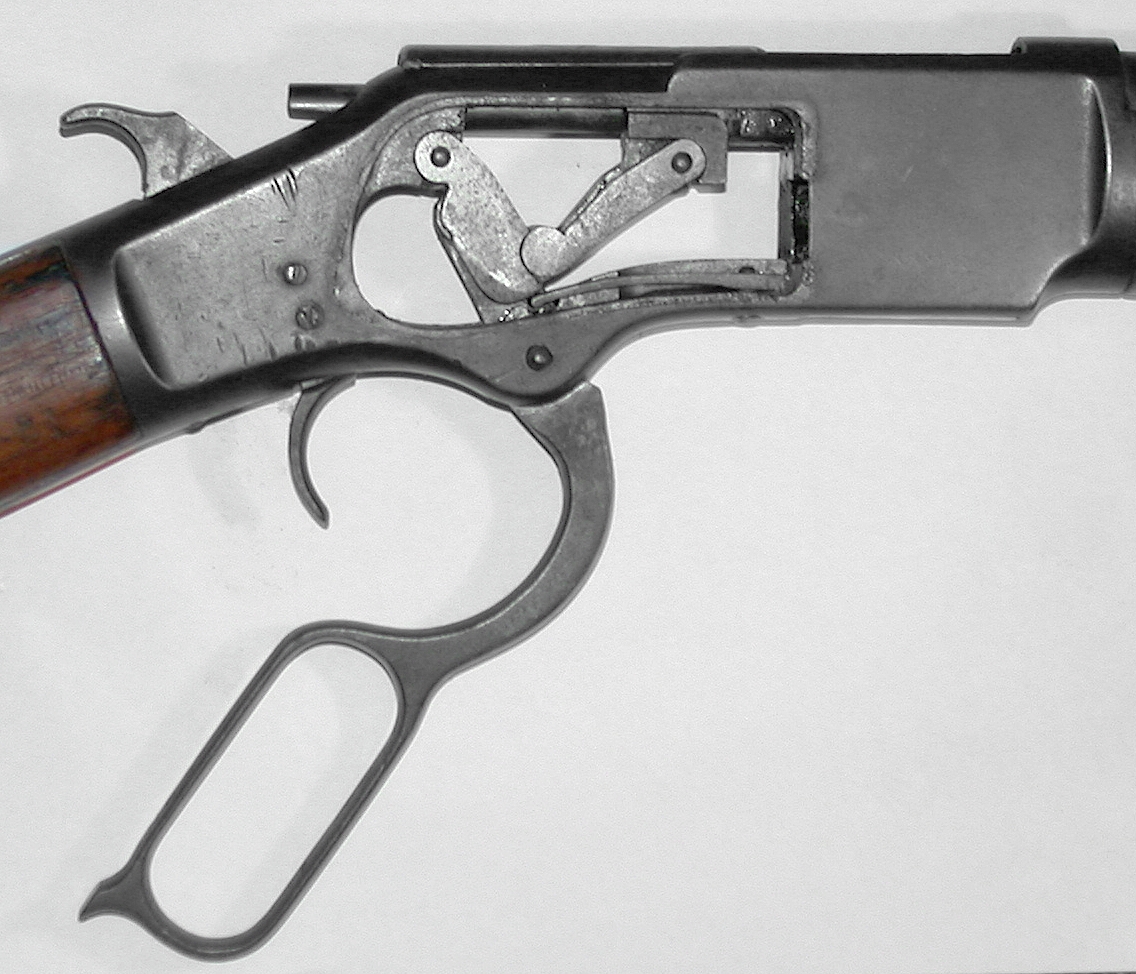
Cost-cutting measures in nineteen sixty-four replaced many solid steel parts with cheaper alloy stampings or sintered metal components. The earlier rifles utilized machined steel for the trigger guard and floorplate, which added significant strength and desirable weight. This all-steel construction gives the rifle a balanced heft that helps stabilize the aim for offhand shooting in the woods. Enthusiasts appreciate that plastic and aluminum were virtually nonexistent on these classic builds from that specific era. The durability of machined steel ensures that these rifles can be passed down for generations without the fear of small plastic parts cracking.
Simple Adjustable Trigger
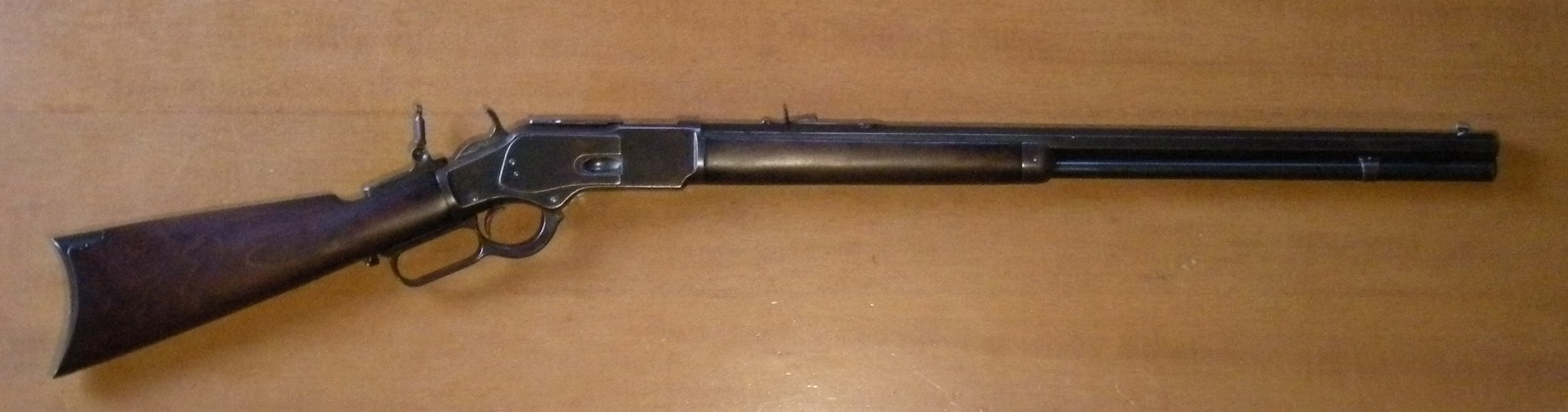
The original Model 70 trigger mechanism is widely regarded as one of the simplest and most effective designs ever created. It consists of very few moving parts, which makes it incredibly rugged and easy to maintain in the field. A knowledgeable gunsmith or careful owner can adjust the weight of pull and overtravel with basic tools. This simplicity contrasts sharply with complex modern enclosed trigger groups that are often impossible to service or repair. A crisp and reliable trigger break improves accuracy potential significantly. This user-friendly design element remains a favorite feature among competitive shooters and hunters alike.