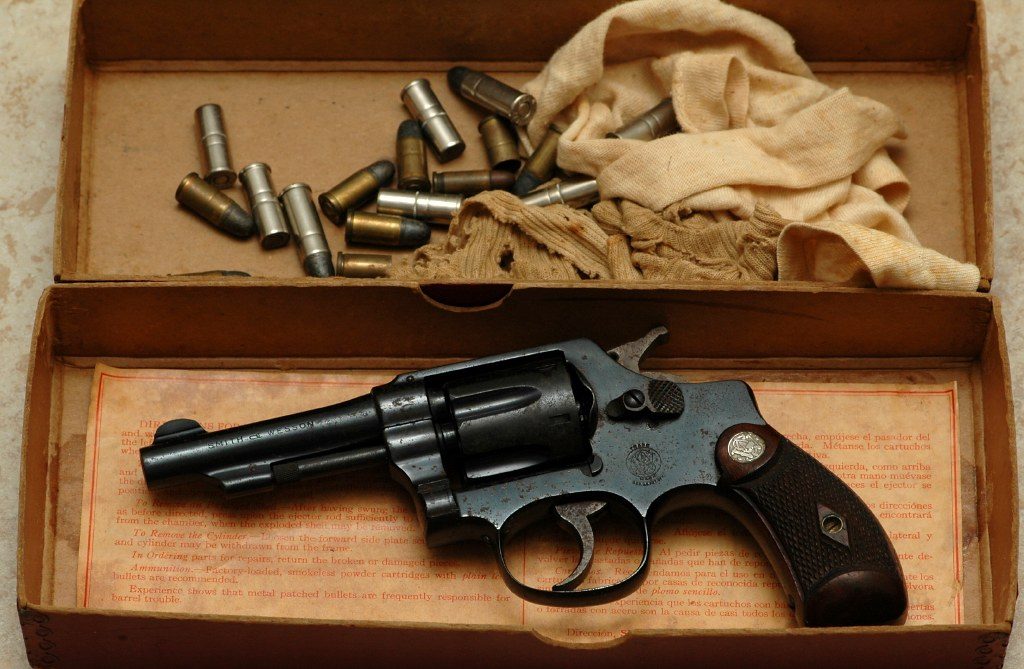
Many famous sidearms became cultural markers in the 20th century, appearing in military service, policing, sport shooting, and film. Several designs earned attention for engineering choices, manufacturing scale, and widespread adoption across countries. This overview stays historical and neutral, focusing on why certain all-metal models became recognizable rather than judging performance. Five specific handguns stand out for documented roles and long-running visibility in public records, collections, and period photography. Each section names one model and highlights a verifiable context tied to the manufacturing era, institutional use, or notable appearance in 20th century history.
Colt M1911
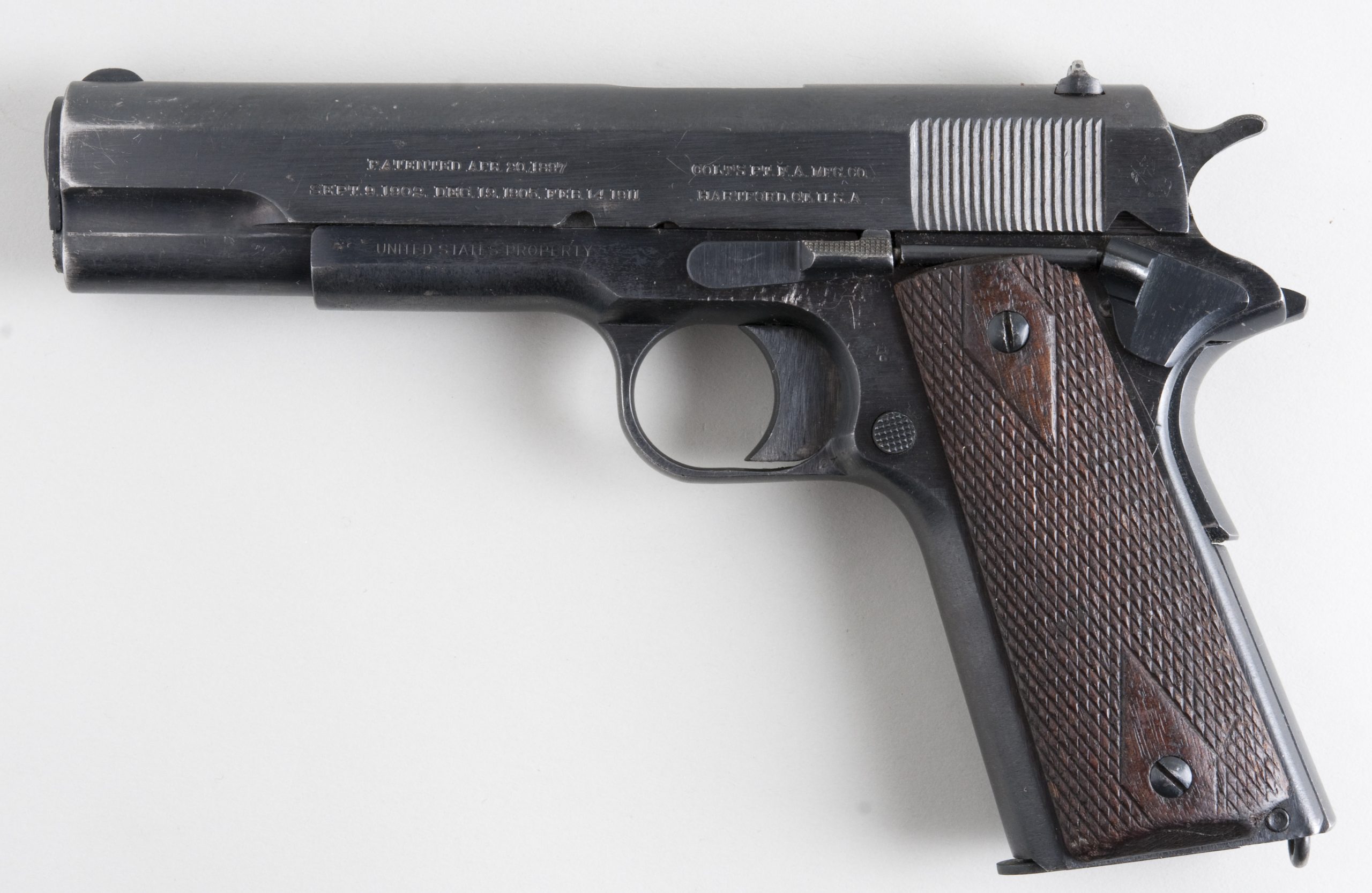
The Colt M1911 became one of the most recognized American military pistols of the 20th century after the U.S. adopted it in 1911. The design, credited to John Browning, served widely through World War I, World War II, and later conflicts, with variations produced by multiple manufacturers during wartime procurement. Collectors often connect the model to its long service life and the many marked examples that document units, contracts, and production periods. In popular culture, the M1911 also appears frequently in period films and photographs, reinforcing its association with American service history.
Luger P08
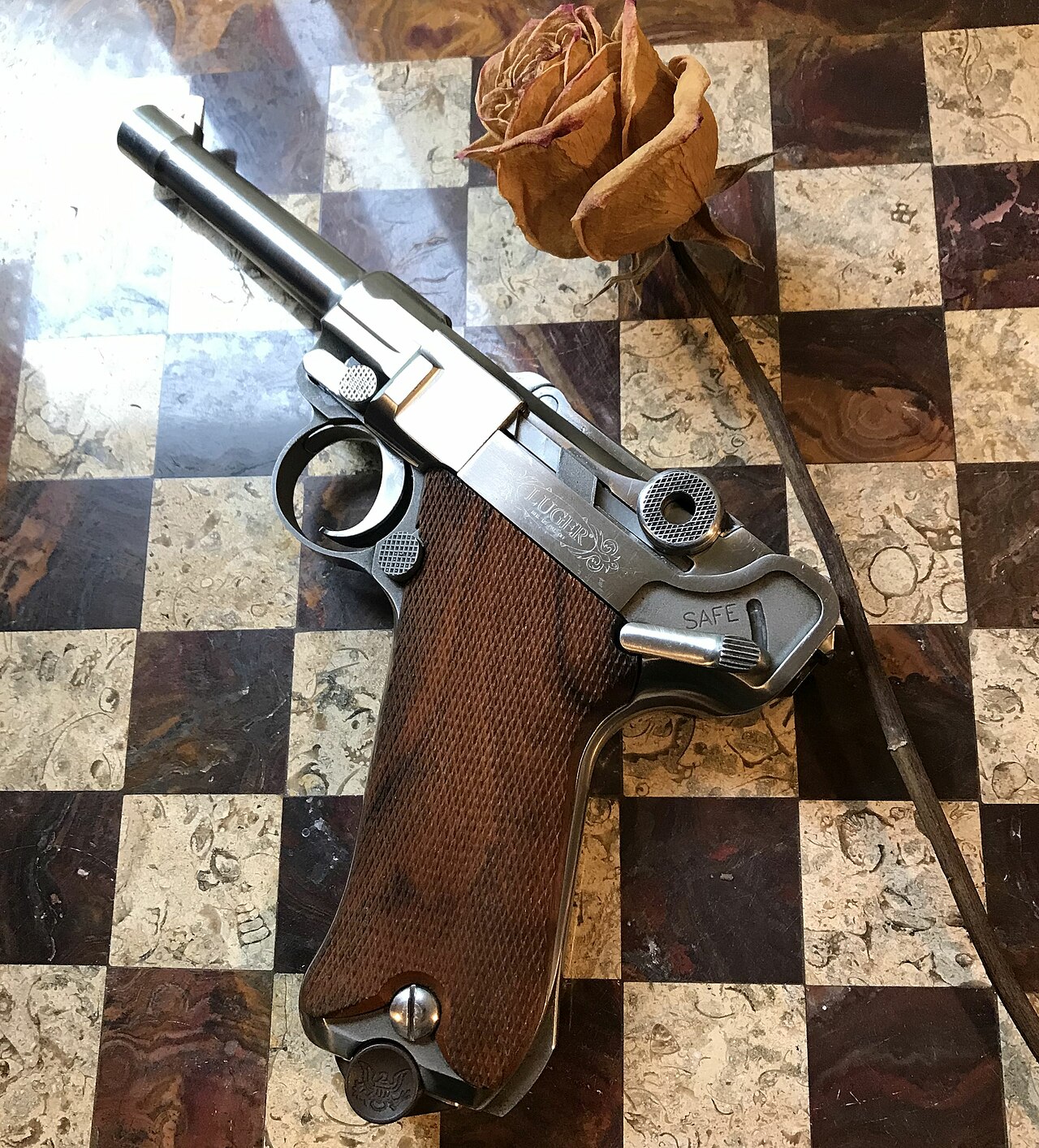
The Luger P08 is closely associated with early 20th century German military history and became widely recognized through its distinct toggle-lock silhouette. Germany adopted versions of the pistol before World War I, and the model remained visible through the World War II era, including in photographs and captured-war-trophy accounts. Surviving examples often carry dated markings and arsenal stamps that help historians trace production and issue patterns. The pistol’s presence in museums and collections also reflects its role as a representative artifact of German service sidearms from that period and its enduring identification in historical media.
Browning Hi-Power
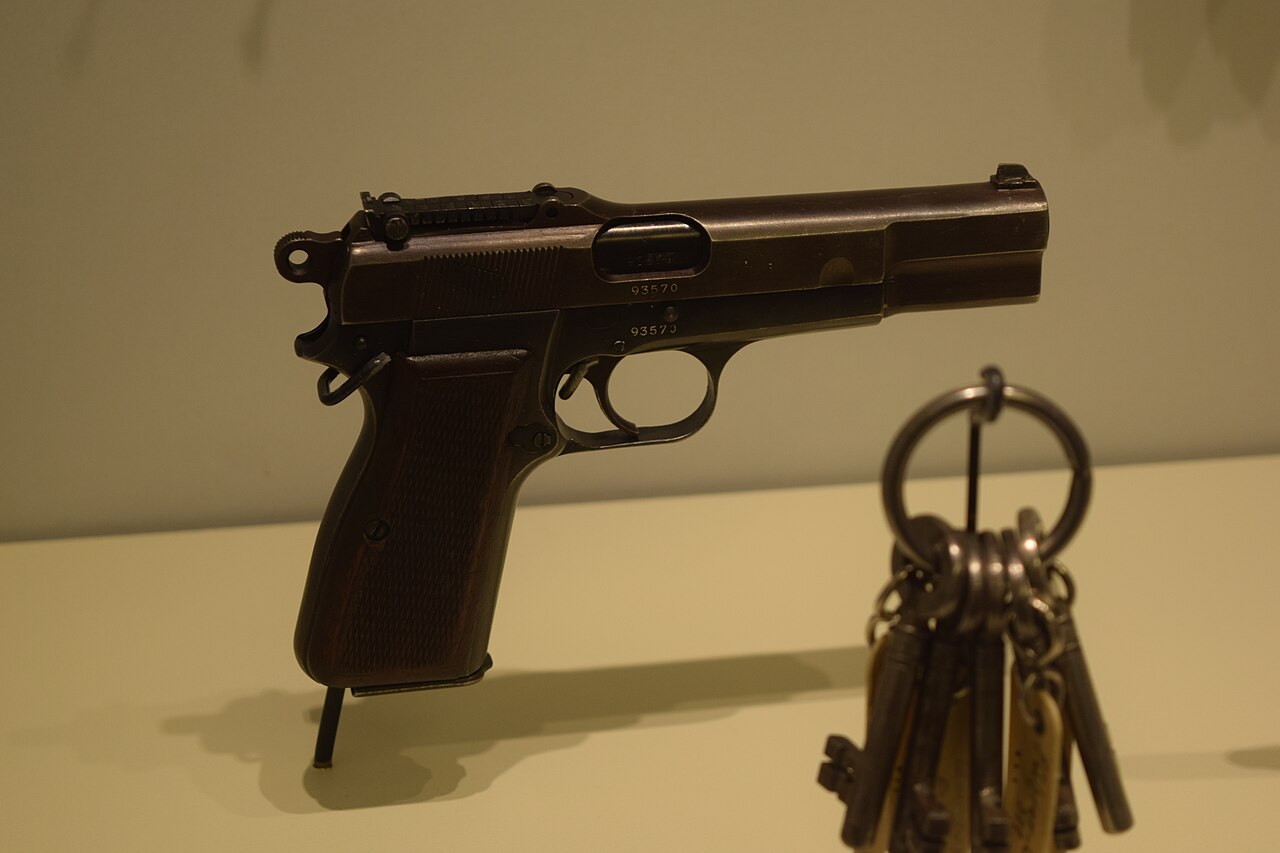
The Browning Hi-Power, designed by John Browning and completed by Dieudonné Saive, became notable for broad international service during the 20th century. Production began in the 1930s, and the pistol saw adoption by military and police forces across numerous countries, which contributed to its wide geographic footprint. Wartime and postwar manufacturing in different facilities created identifiable variants that appear in reference guides and collections. The model also gained visibility through its use in mid-century conflicts and training imagery. Its long production run and multinational adoption made it a recurring presence in 20th century firearms history.
Walther P38
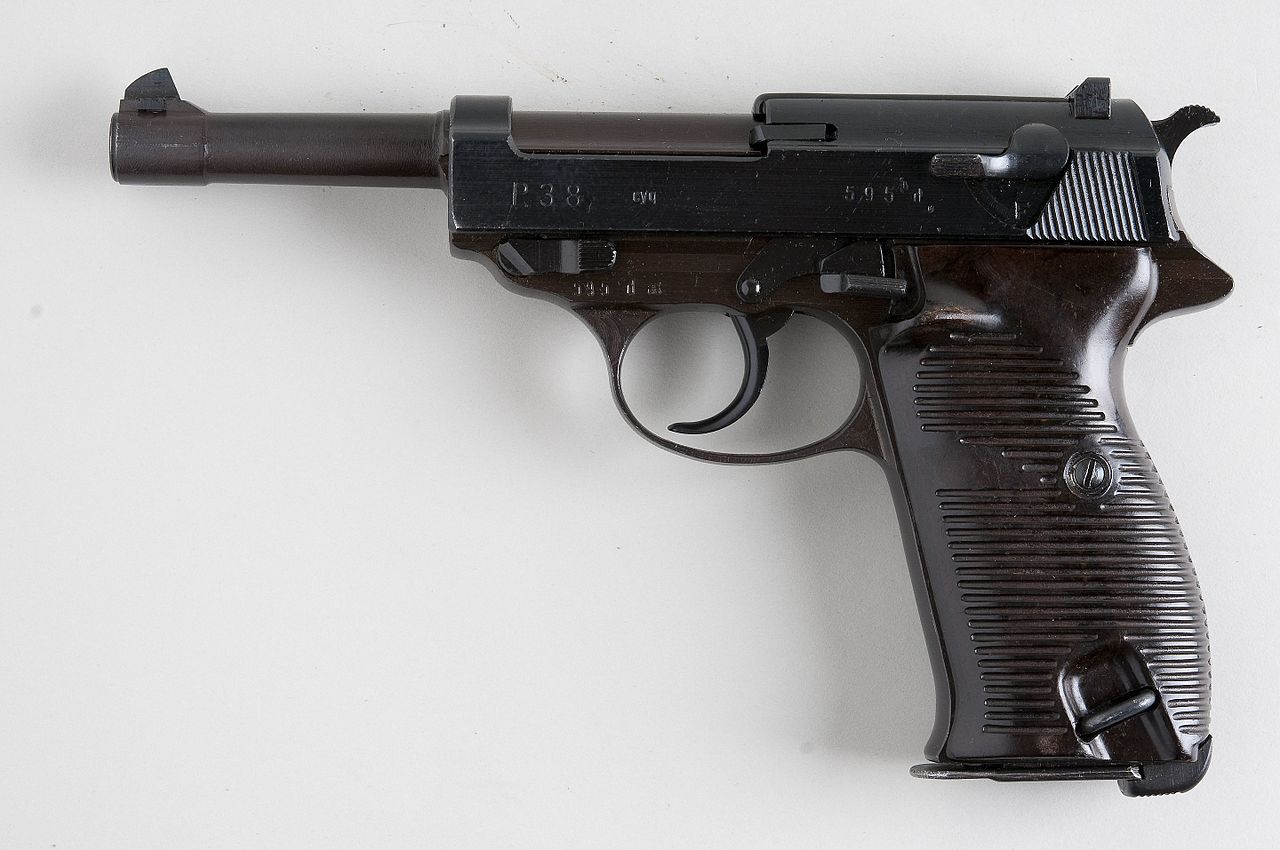
The Walther P38 became a major German service pistol during World War II and is frequently discussed in historical references about wartime sidearm standardization. Germany adopted it to replace earlier designs, and production expanded across several factories under wartime conditions, creating a range of marked variants that historians use to study manufacturing and logistics. Many surviving examples show date codes and acceptance marks linked to specific production periods. The pistol also appears in wartime photographs and postwar collections, reflecting its documented use and its role in discussions about mid-century military pistol development and service procurement practices.
Smith & Wesson Model 10
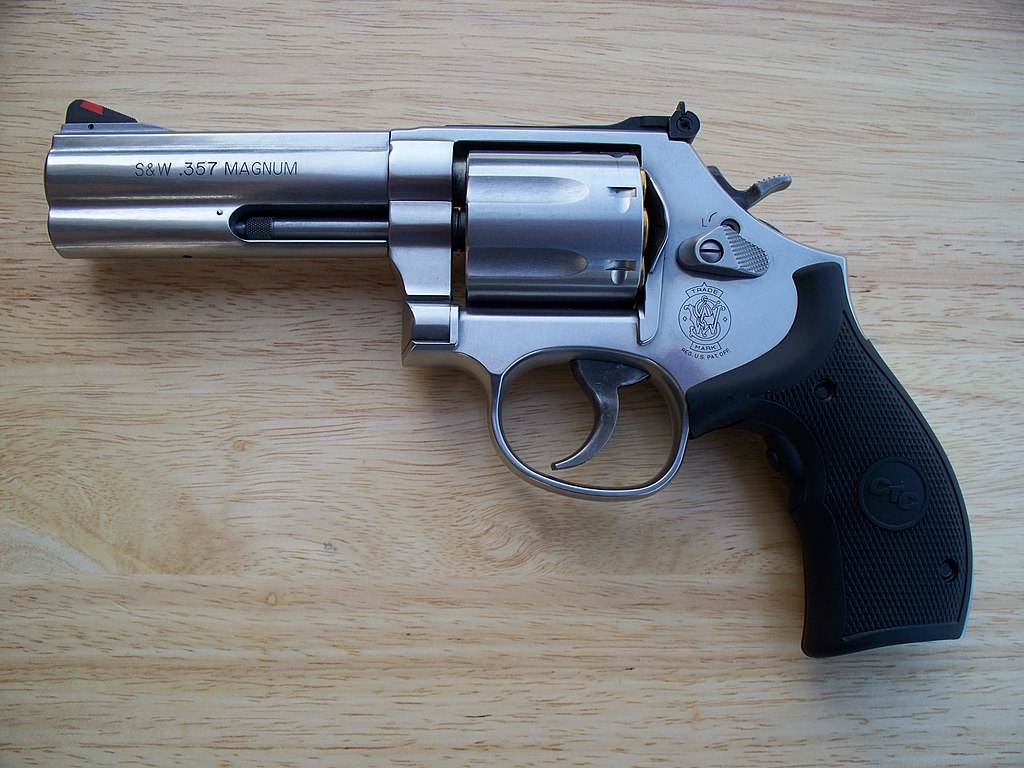
The Smith & Wesson Model 10 earned a durable place in 20th century law enforcement history, especially in the United States, where it served widely as a standard-issue revolver for decades. The model’s long production span and straightforward configuration made it common in duty holsters, training settings, and departmental inventories, which are often documented through procurement records and period photographs. Many examples carry agency markings or serial ranges that help date manufacturing eras. The revolver also appears often in mid-century news imagery and film, reflecting its everyday visibility in policing during much of the century.