Survival isn’t about luck; it’s about preparation. The terrain you explore determines what could save your life when things go south. Each landscape has its own dangers and demands, from bone-dry deserts to dense forests or icy ridges. A well-built DIY survival kit helps you stay resourceful and resilient in the wild. Below are five terrain-specific kits that balance practicality, portability, and readiness, each fine-tuned to help you survive whatever nature throws your way.
1. Forest Survival Kit
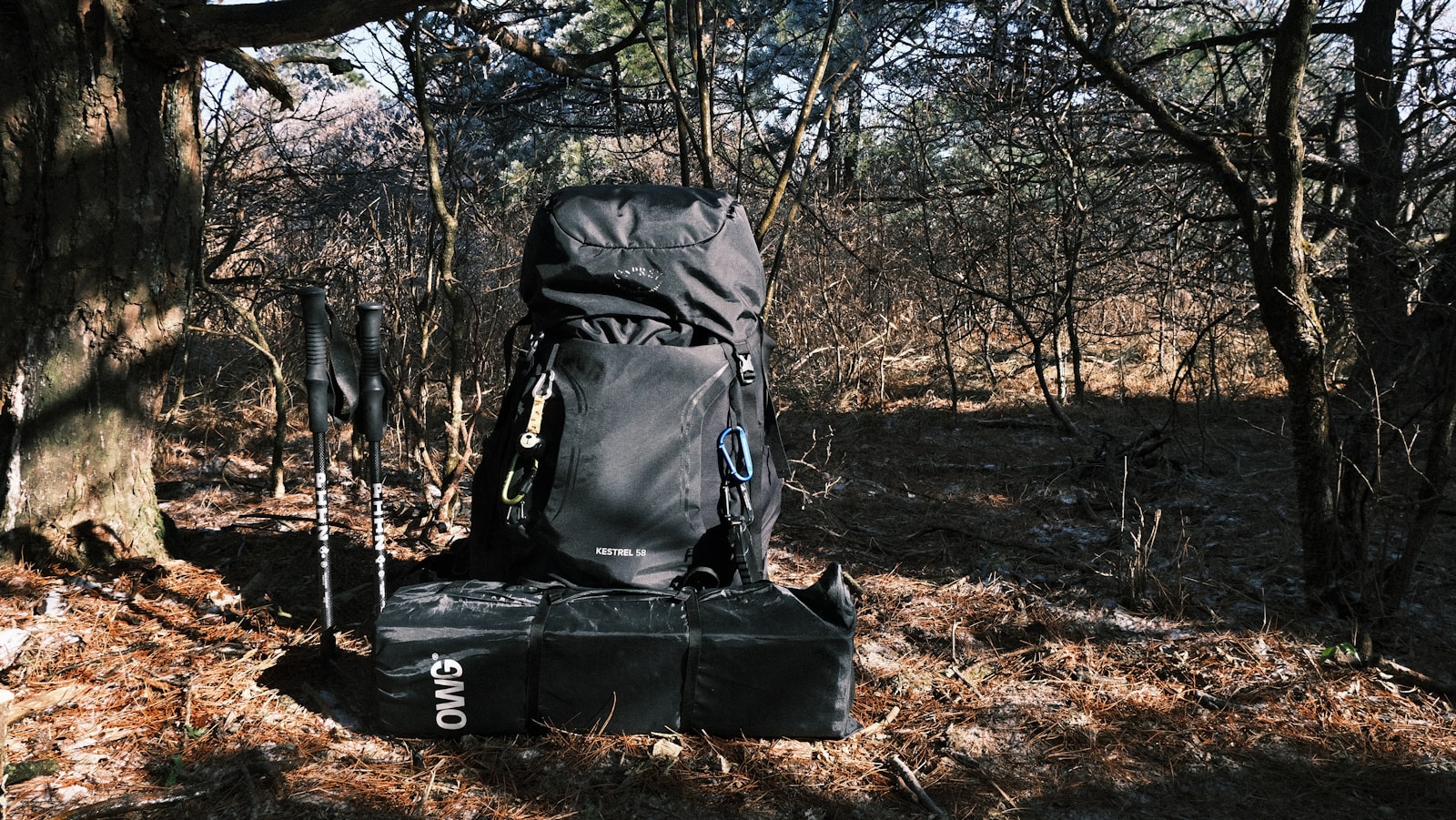
The forest’s lush cover hides both resources and risks. A proper kit should include a sharp fixed blade knife, flint firestarter, and waterproof matches to handle wet conditions. Add a compact first aid kit, insect repellent, and water purification tablets for safe hydration. Carry a tarp and paracord for quick shelter setups, plus protein bars or jerky for energy. The forest is damp and full of life. Your gear must resist moisture, support navigation, and ensure visibility when daylight fades.
2. Desert Survival Kit
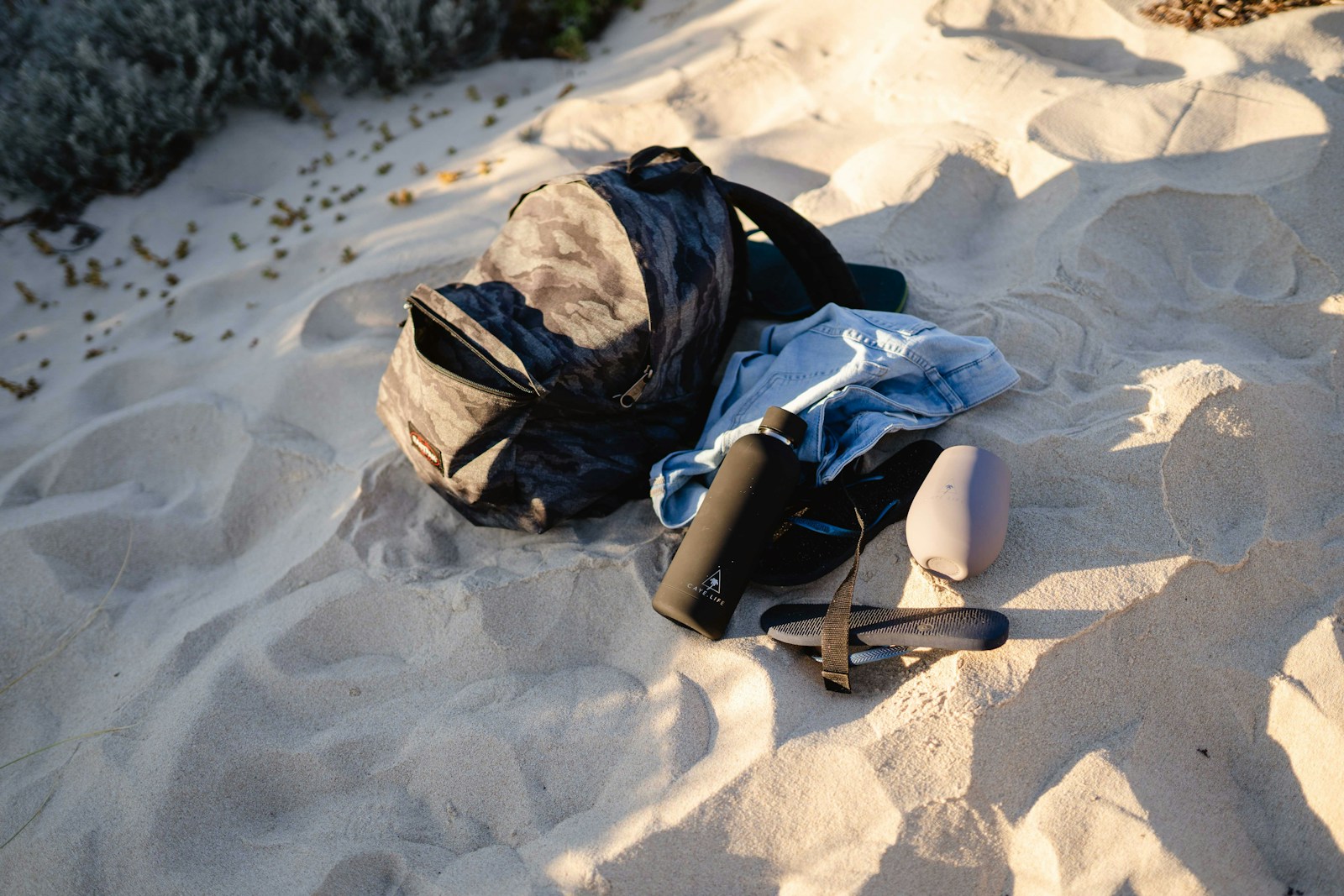
The desert demands light, reflective gear, and efficient hydration tools. Start with a hydration pack, electrolyte tablets, and a lightweight tarp for shade. Add a solar charger, signaling mirror, and flashlight for emergency visibility. Clothing should be light colored and UV protective. Energy-dense snacks like nuts or dates work best in the heat. Pack sunscreen, lip balm, and a scarf to guard against wind and sand. Every ounce counts, so prioritize items that cool, hydrate, and protect you from relentless sun exposure.
3. Mountain Survival Kit
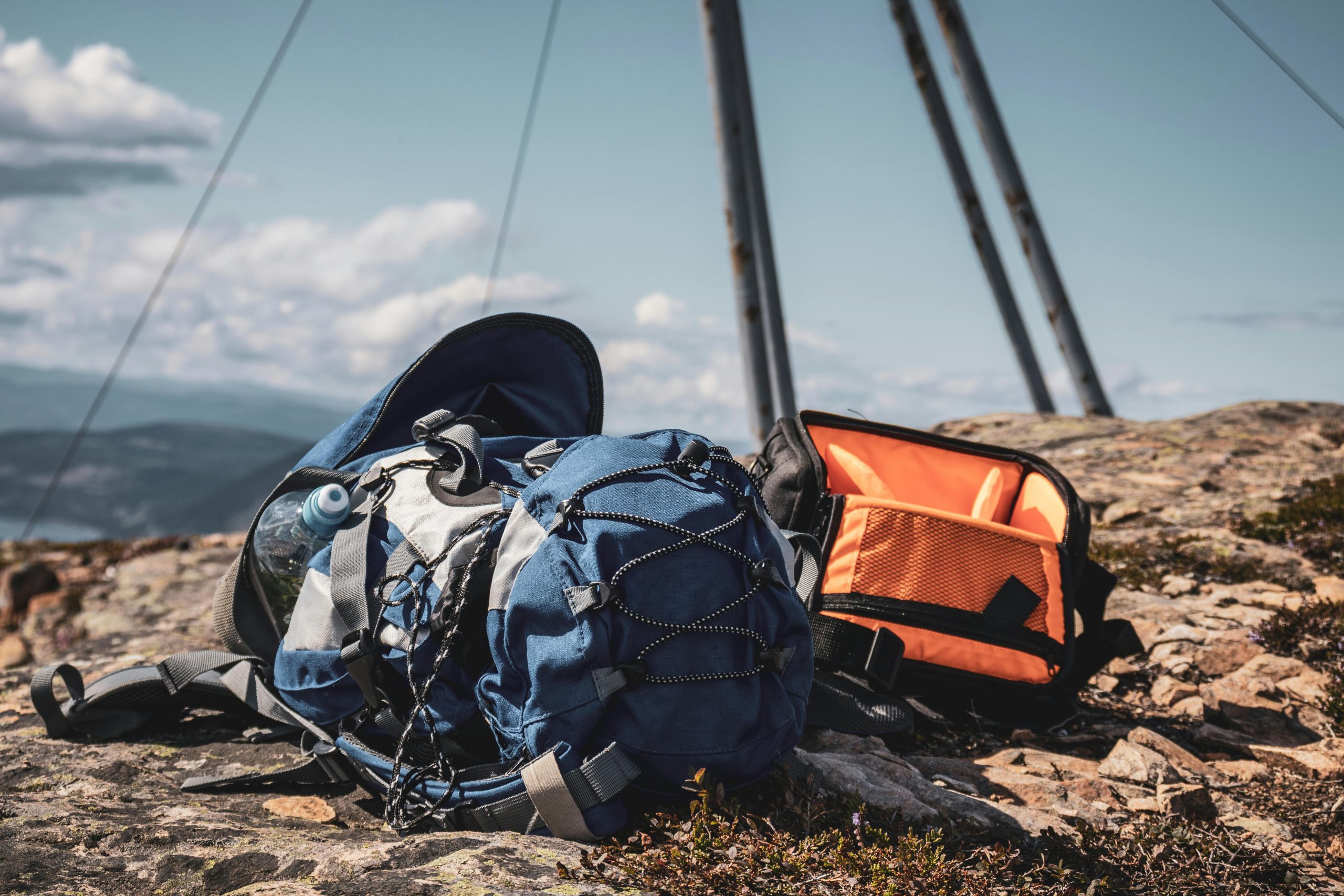
Mountain terrain is unpredictable, freezing one hour, stormy the next. Pack layered clothing, a thermal blanket, and compact hand warmers. Include a small camp stove for melting snow, a compass, and a whistle for emergencies. Energy bars and dried fruits provide sustained calories in high altitudes. Add a multi-tool, rope, and crampons for steep terrain. The focus should be warmth, navigation, and safety from slips or sudden drops. When you climb, your kit should act as both your shield and your lifeline.
4. Coastal Survival Kit
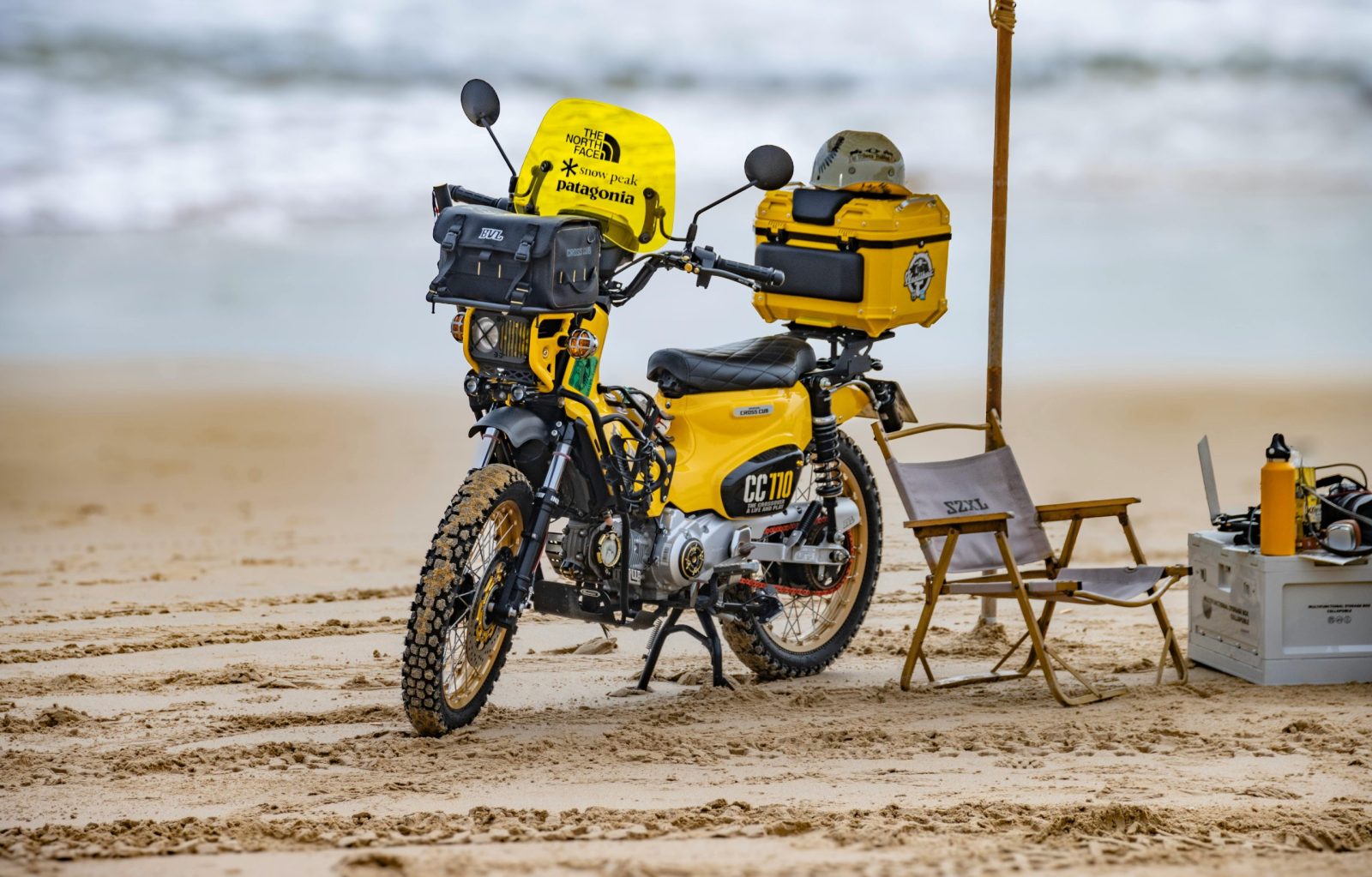
Salt air and shifting tides demand gear built for wet resilience. A waterproof bag, fishing line, and multi-tool knife are key essentials. Add water purification tablets, sunscreen, and lightweight rain gear. Include a tarp or poncho for quick shelter, and always keep an emergency whistle and waterproof flashlight handy. Food options should resist humidity; vacuum-sealed snacks or protein bars are ideal. The ocean’s edge can change fast, so your kit must balance buoyancy, corrosion resistance, and portability.
5. Arctic Survival Kit
The coldest environments require serious insulation and energy management. Start with thermal layers, waterproof gloves, and an emergency bivy sack. A firestarter kit, chemical heat packs, and high-fat snacks are non-negotiable. Include a stainless steel bottle for melting ice and a compact stove with fuel. Navigation tools like a compass and GPS are crucial since blizzards can erase trails instantly. The goal is to conserve body heat, maintain hydration, and keep every tool frost-resistant for the subzero wilderness.