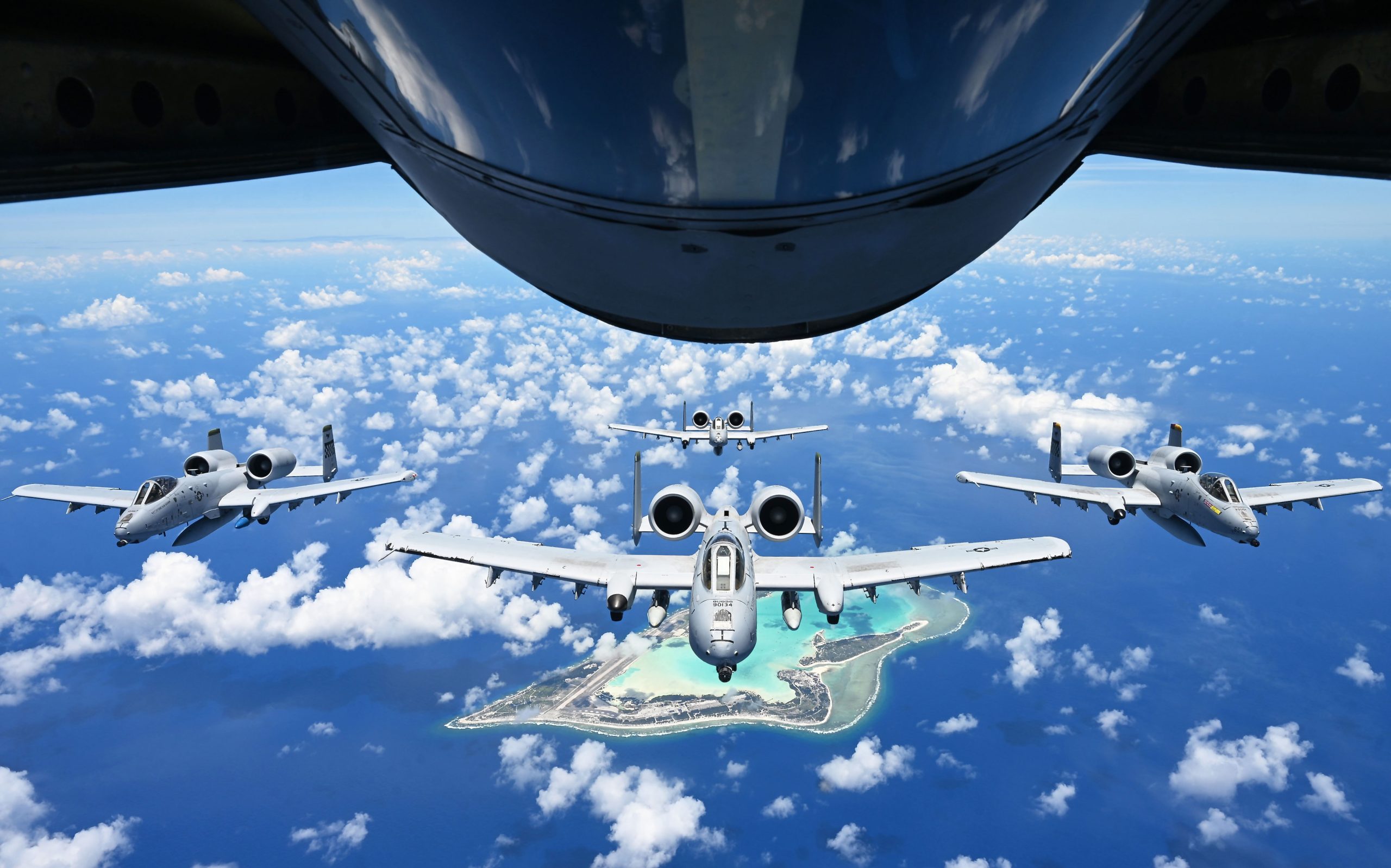
Few military aircraft have earned a nickname as vivid and enduring as the A-10’s “Flying Cannon.” This reputation did not come from marketing or legend alone, but from deliberate engineering choices that placed firepower, survivability, and mission focus above speed or elegance. Designed during the Cold War, the A-10 was built for a specific role and built unapologetically around it. Everything about the aircraft serves a purpose, from its unusual shape to its sound in flight. Understanding why the A-10 gained this nickname requires looking beyond appearances and into the philosophy that shaped it, revealing why it remains one of the most distinctive aircraft ever flown.
1. A Cannon Built Around an Airplane
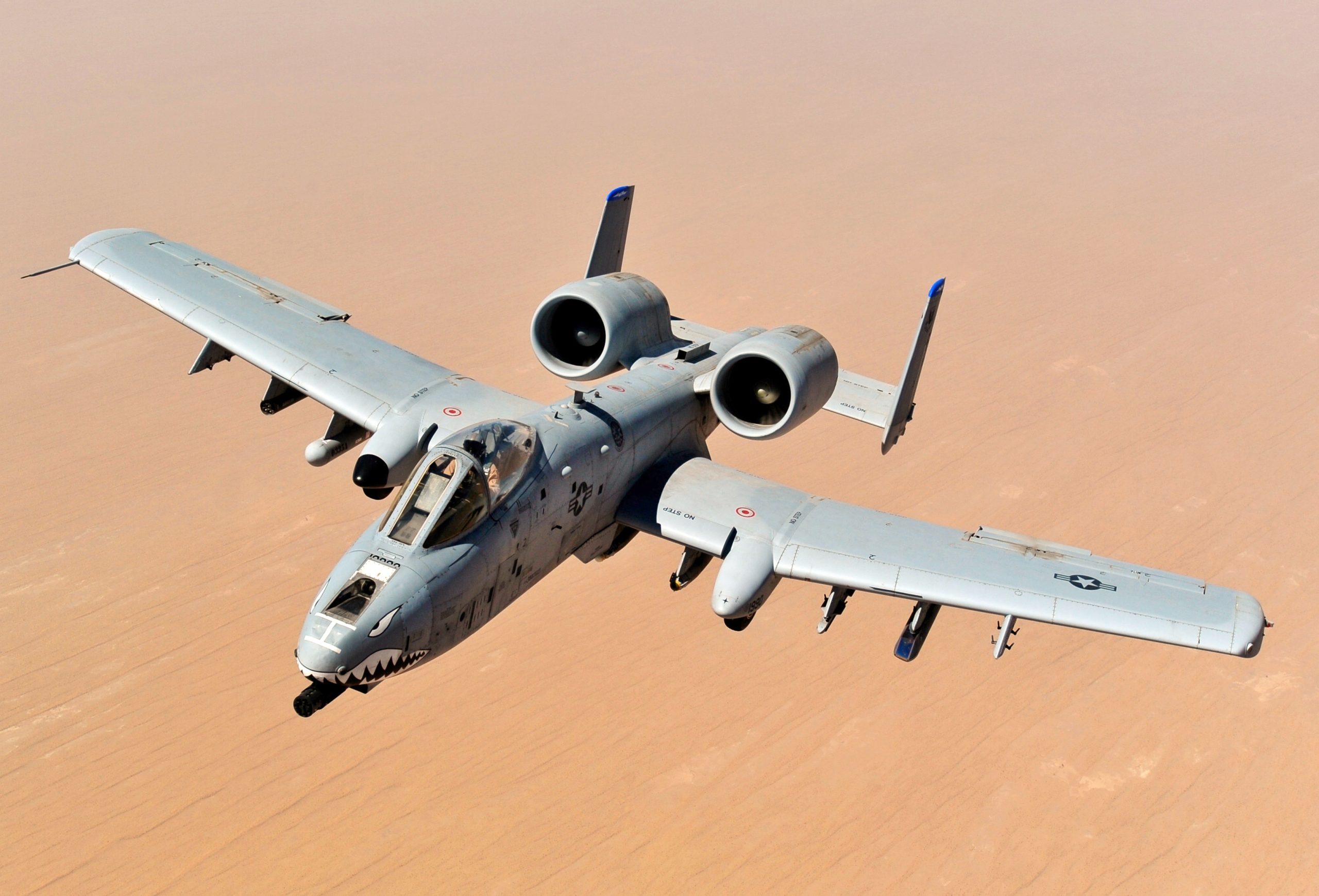
The A-10’s identity begins with its massive GAU-8/A Avenger cannon, which was not added as an afterthought but treated as the aircraft’s core feature. Engineers effectively designed the airplane around the weapon rather than fitting a weapon onto an existing airframe. The cannon’s size, weight, and recoil influenced everything from fuselage shape to landing gear placement. This design choice gave the aircraft a singular purpose and unmistakable character. Unlike most aircraft, where weapons support the platform, the A-10 exists to support its cannon. This inversion of priorities is a major reason the aircraft feels less like a jet with guns and more like a cannon that happens to fly.
2. Sound, Presence, and Psychological Impact
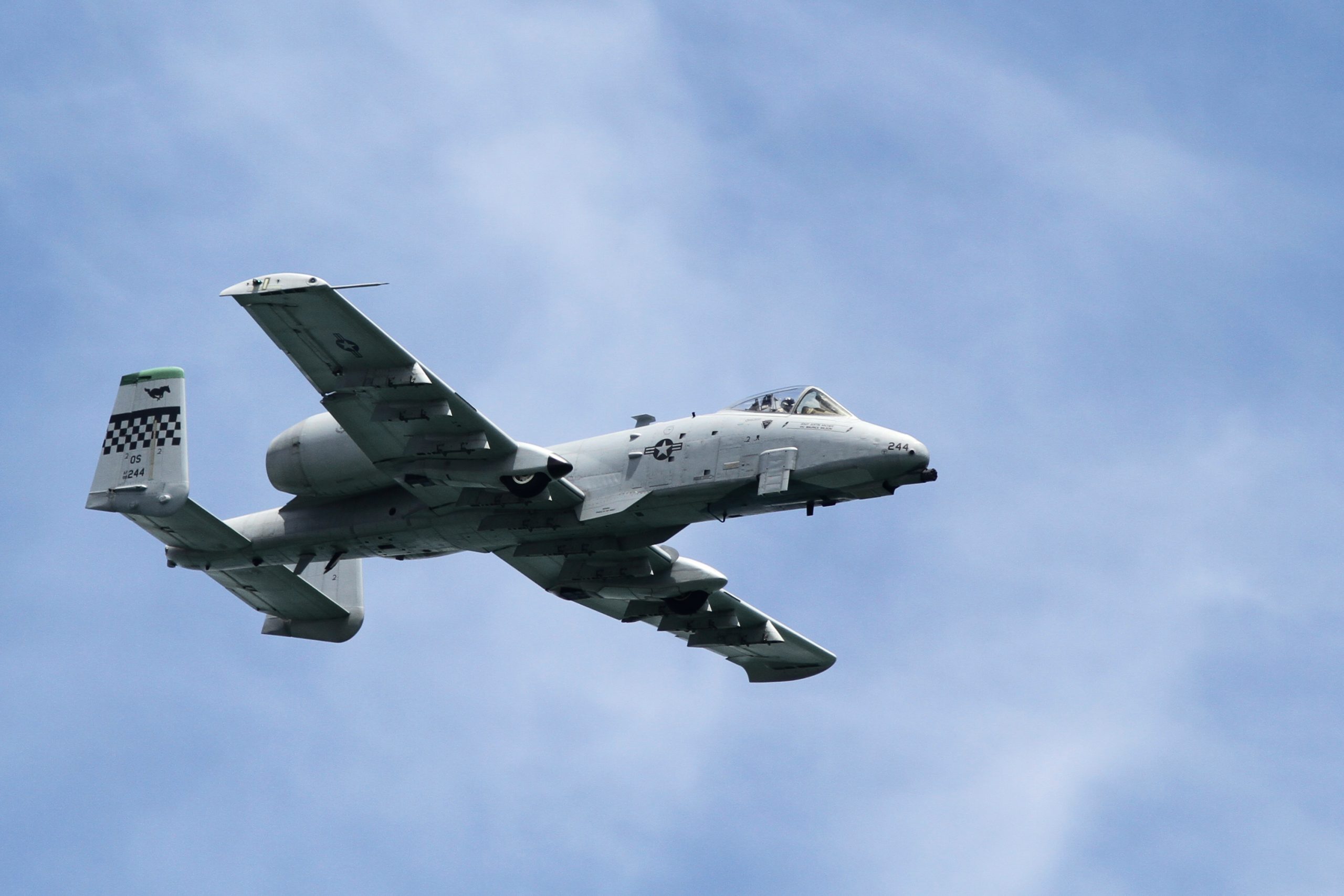
The A-10’s reputation is reinforced by its unmistakable sound and physical presence. Its engines produce a deep, growling tone that is instantly recognizable, even from a distance. Combined with its slow, deliberate flight profile, the aircraft feels imposing rather than fleeting. The firing sound of its cannon has become legendary, often described as continuous and mechanical rather than explosive. This auditory signature contributes heavily to its image as a flying weapon rather than a sleek aircraft. The A-10 does not rely on speed or surprise to make an impression. Its presence alone communicates purpose, reinforcing the idea that it was built to deliver sustained force with precision and confidence.
3. Built to Absorb Damage and Keep Fighting
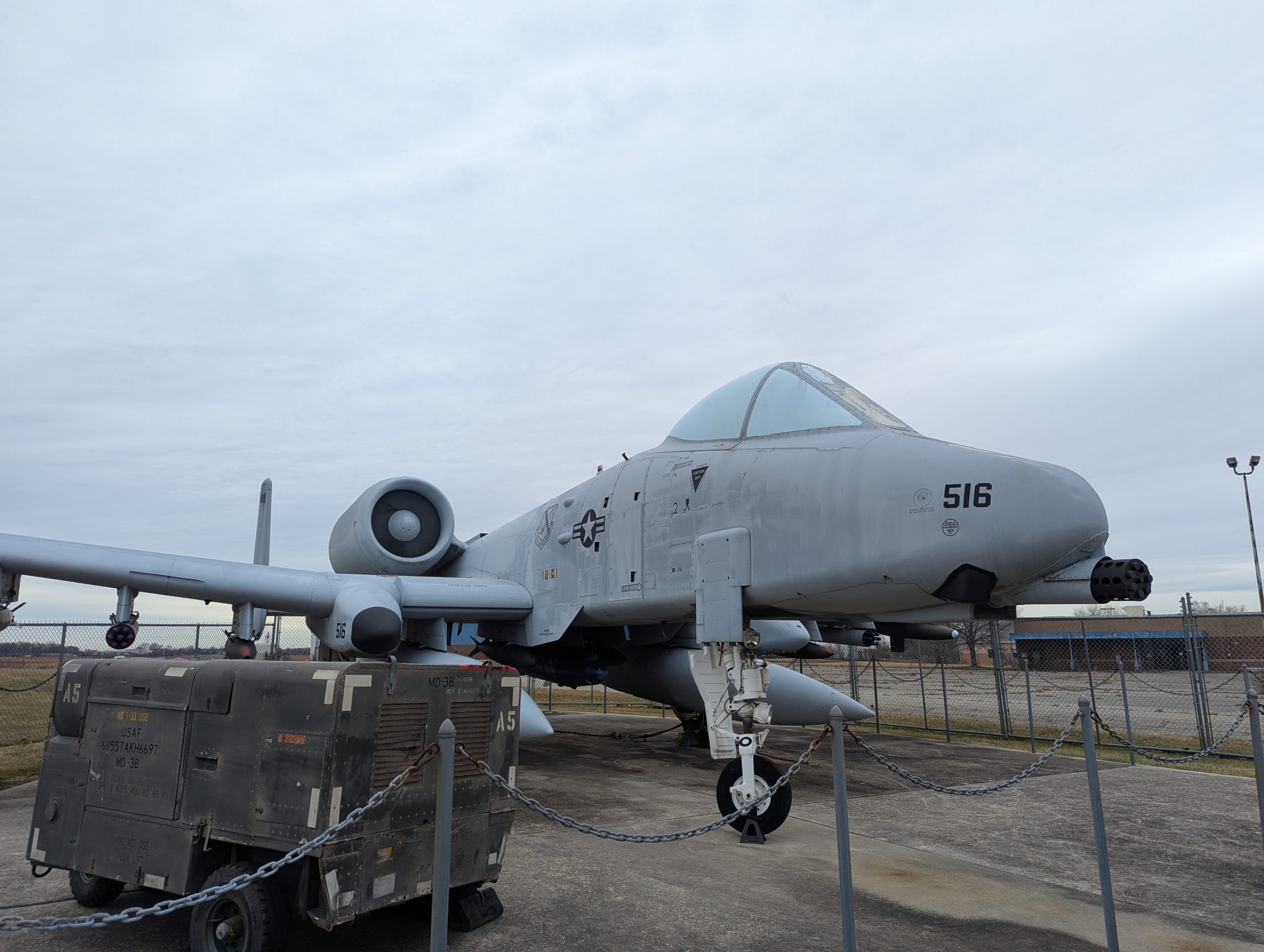
Another reason the A-10 is seen as a flying cannon is its extreme durability. The aircraft was engineered to survive damage that would cripple or destroy other platforms. Redundant systems, armored components, and a reinforced structure allow it to continue operating under harsh conditions. This toughness complements its firepower, creating an image of relentless capability. The aircraft’s design prioritizes function over appearance, embracing a rugged, almost industrial look. This resilience reinforces the perception that the A-10 is more weapon than machine. Its ability to endure, return, and operate again strengthens its legendary status as a flying cannon rather than a fragile high-speed jet.