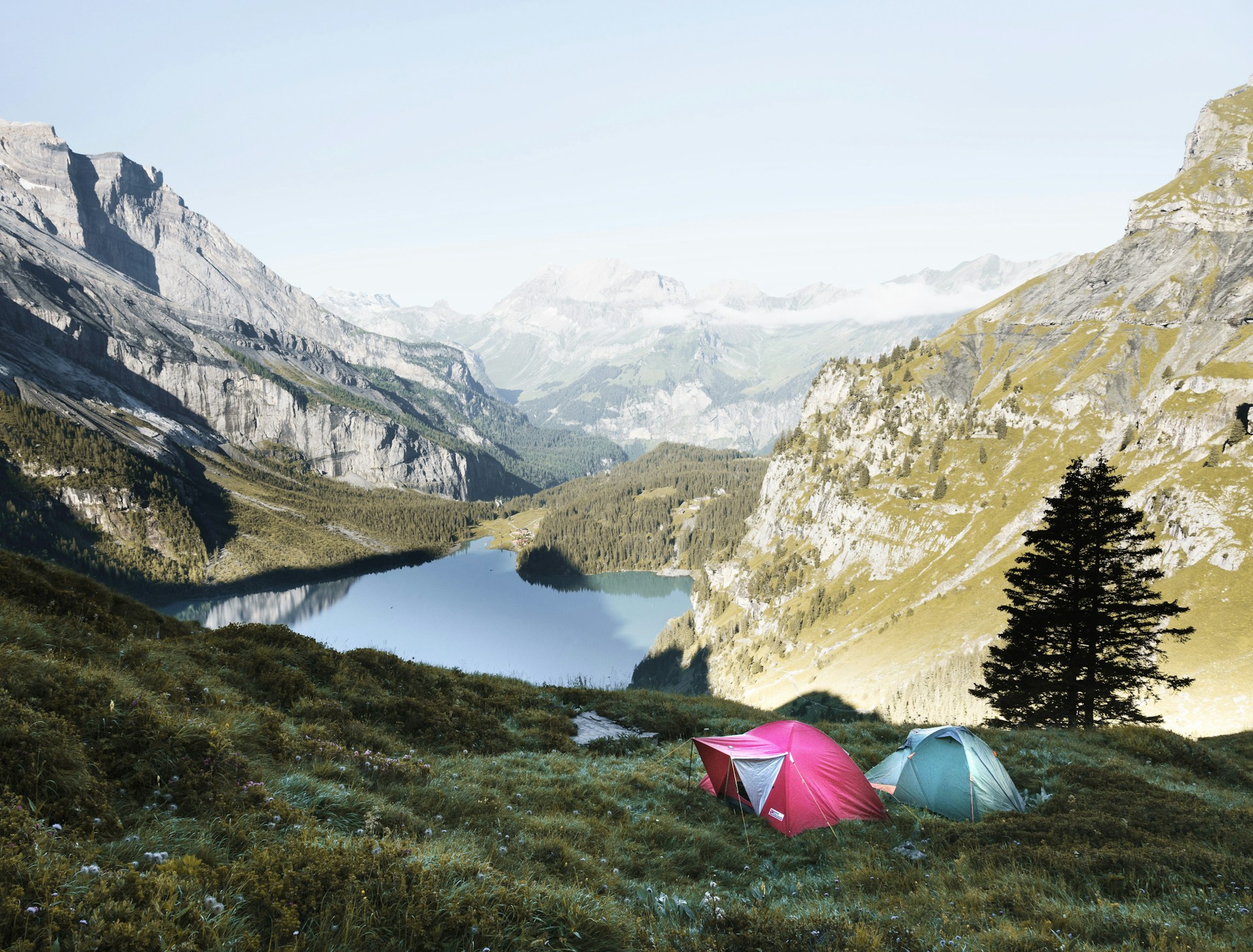
According to the Adventure Travel Trade Association, trekking and hiking rank among the top five global adventure activities, with an estimated 44% of adventure travelers choosing multi-day hikes. This list compiles 20 trails widely recognized by sources like National Geographic, Lonely Planet, and UNESCO for their natural beauty, cultural significance, and challenge level. Each offers unique terrain, from glaciers to deserts, and has data on length, altitude, or historical importance to help travelers plan.
The Legendary Inca Trail, Peru
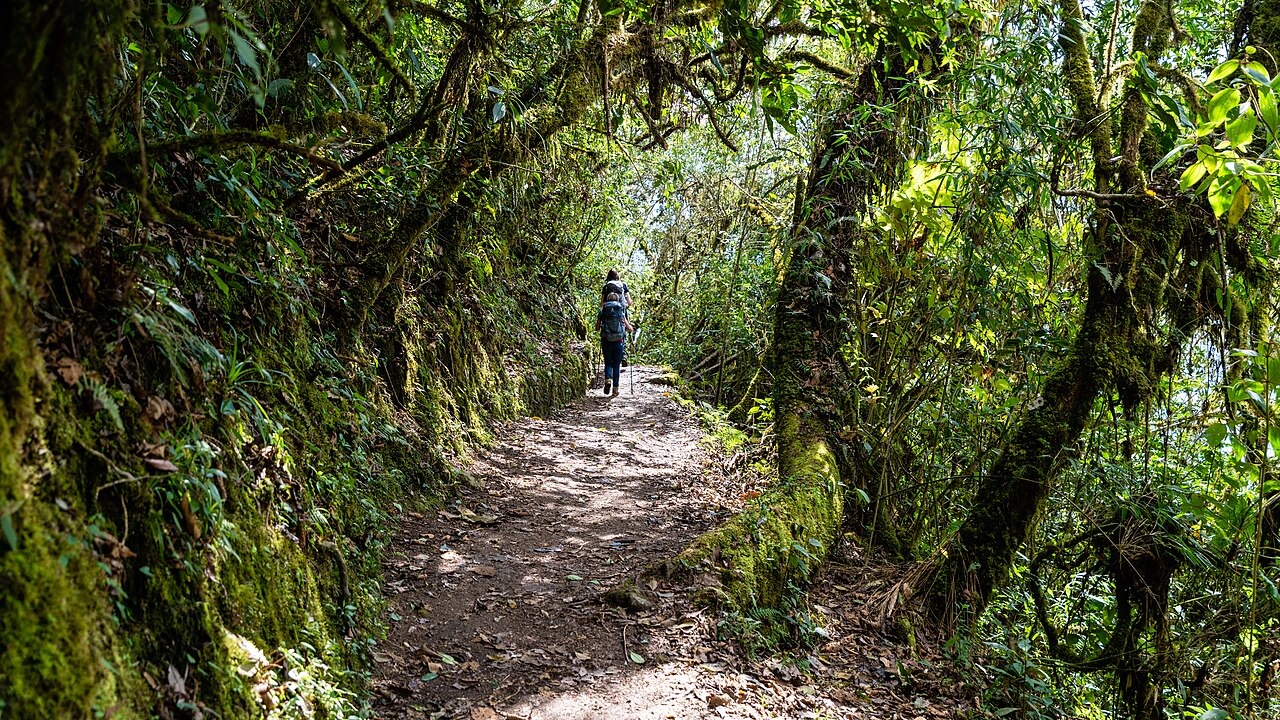
Covering 42 kilometers from Cusco to Machu Picchu, the Inca Trail combines Andean scenery with Incan archaeological sites. Visitor numbers are capped at 500 per day, including guides and porters, to protect the fragile ecosystem. The hike typically takes four days, with the highest point at 4,215 meters at Dead Woman’s Pass.
Torres del Paine Circuit, Chile’s Patagonian Jewel
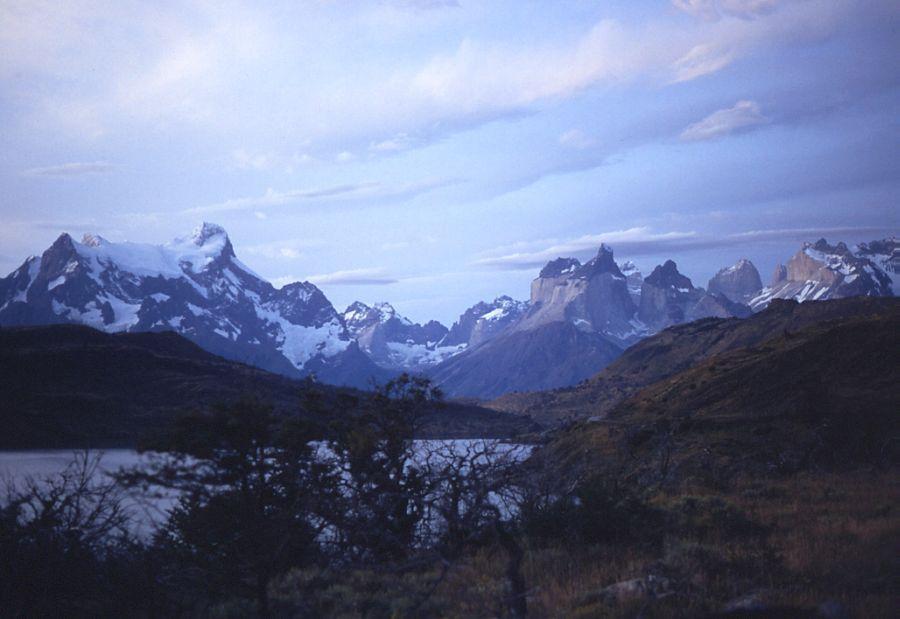
The O Circuit in Torres del Paine spans 130 kilometers, taking 7–10 days to complete. Its rugged terrain includes glaciers, lenga forests, and the iconic granite towers. A 2019 CONAF report noted that the park receives over 300,000 visitors annually, yet the O Circuit remains less crowded than the W Trek, offering a more remote Patagonian experience.
The Appalachian Trail, USA’s Longest Footpath
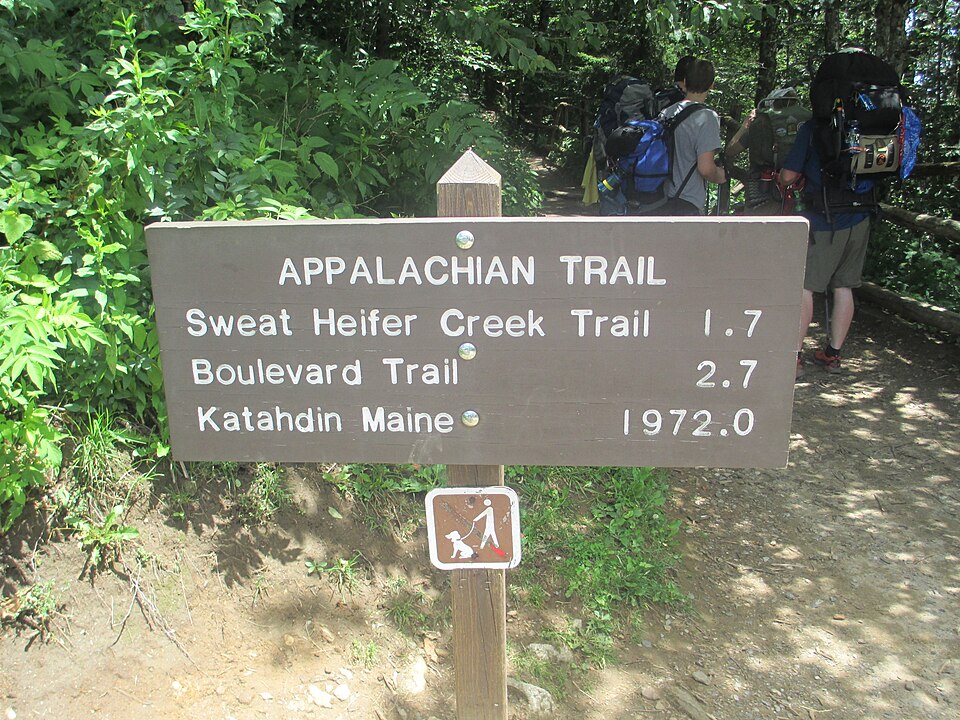
Stretching 3,500 kilometers across 14 states, the Appalachian Trail is the world’s longest hiking-only footpath. Managed by the Appalachian Trail Conservancy, it attracts about 3 million visitors annually, with around 3,000 attempting a thru-hike each year. Only about 25% successfully complete the entire route, taking 5–7 months on average.
Sunrise on Mount Pulag, Philippines
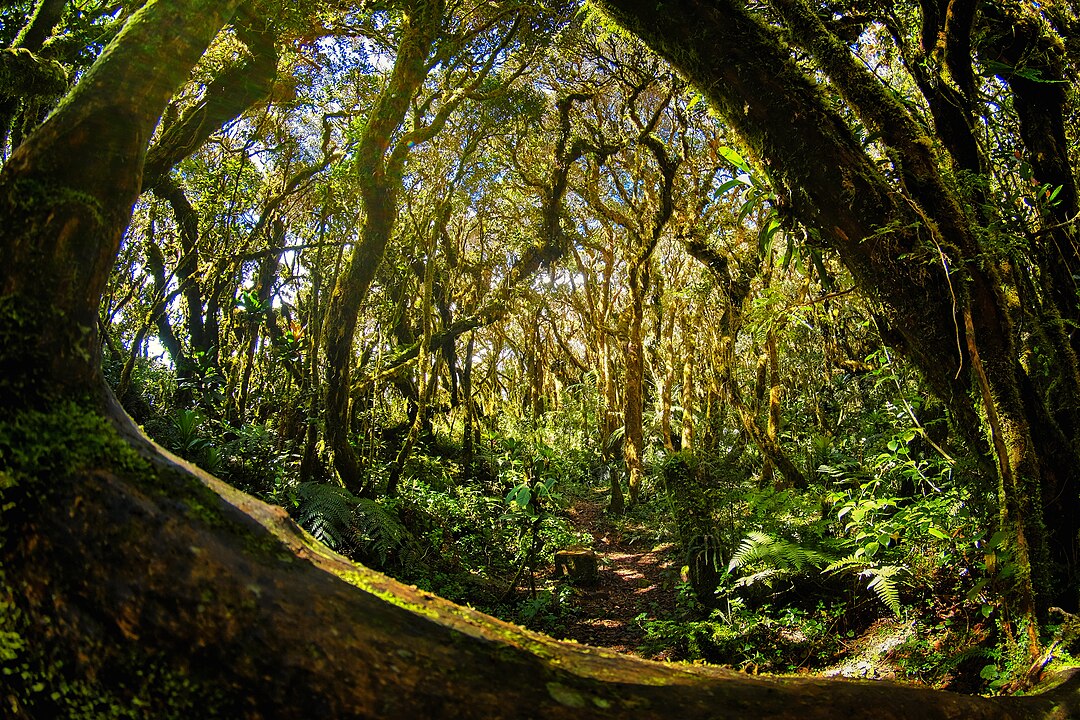
At 2,926 meters, Mount Pulag is Luzon’s highest peak, famous for its “sea of clouds.” The trail offers access to more than 528 plant species and endemic wildlife like the Luzon pygmy fruit bat. Due to its delicate alpine ecosystem, the Department of Environment and Natural Resources limits daily hikers to 500 permits.
Milford Track, New Zealand’s “Finest Walk”
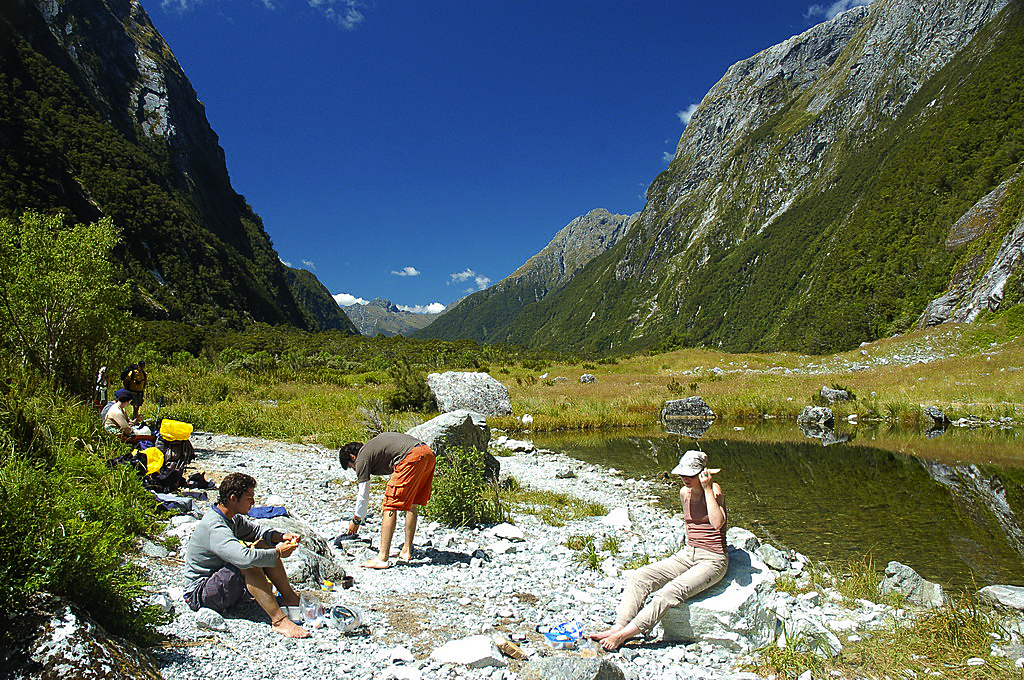
This 53.5-kilometer track, completed in four days, passes through Fiordland National Park, a UNESCO World Heritage site. With annual rainfall reaching 7,000 mm, it’s one of the wettest places on Earth. New Zealand’s Department of Conservation restricts bookings to maintain its reputation as “the finest walk in the world,” a phrase first coined in 1908.
Everest Base Camp Trek, Nepal’s Himalayan Classic
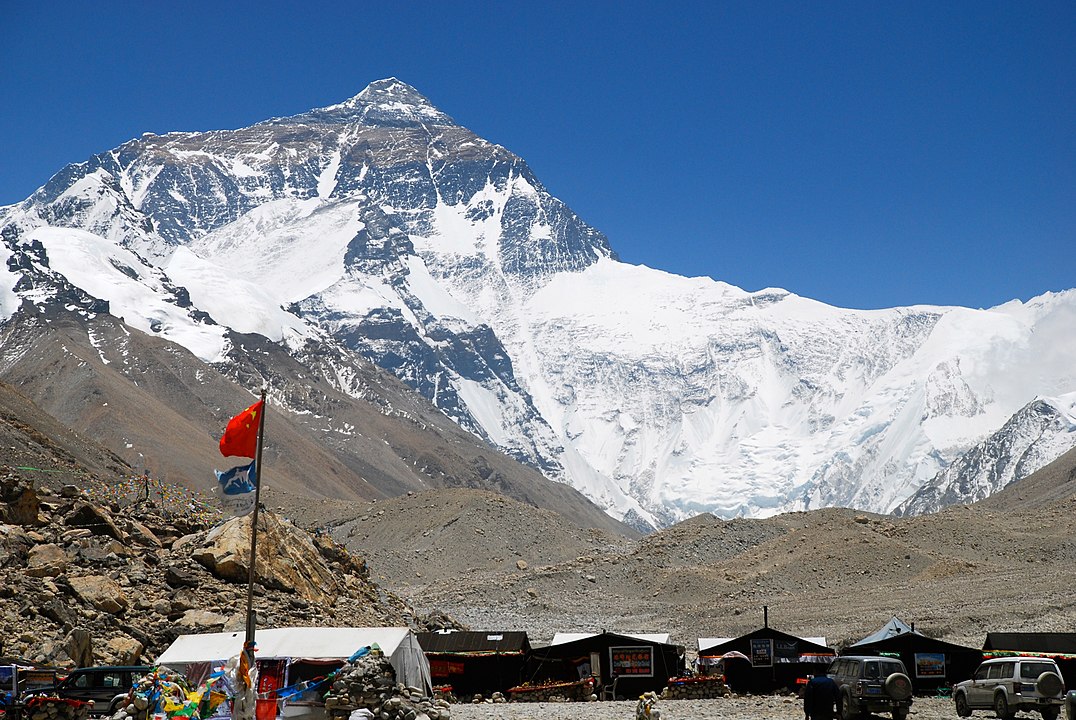
Reaching 5,364 meters, the trek to Everest Base Camp takes 12–14 days across 130 kilometers. According to Nepal’s Department of Tourism, the Khumbu region welcomed over 57,000 trekkers in 2019. The route passes Sherpa villages, Buddhist monasteries, and glacier views, with acclimatization days critical to avoid altitude sickness.
Tour du Mont Blanc, Europe’s Alpine Icon
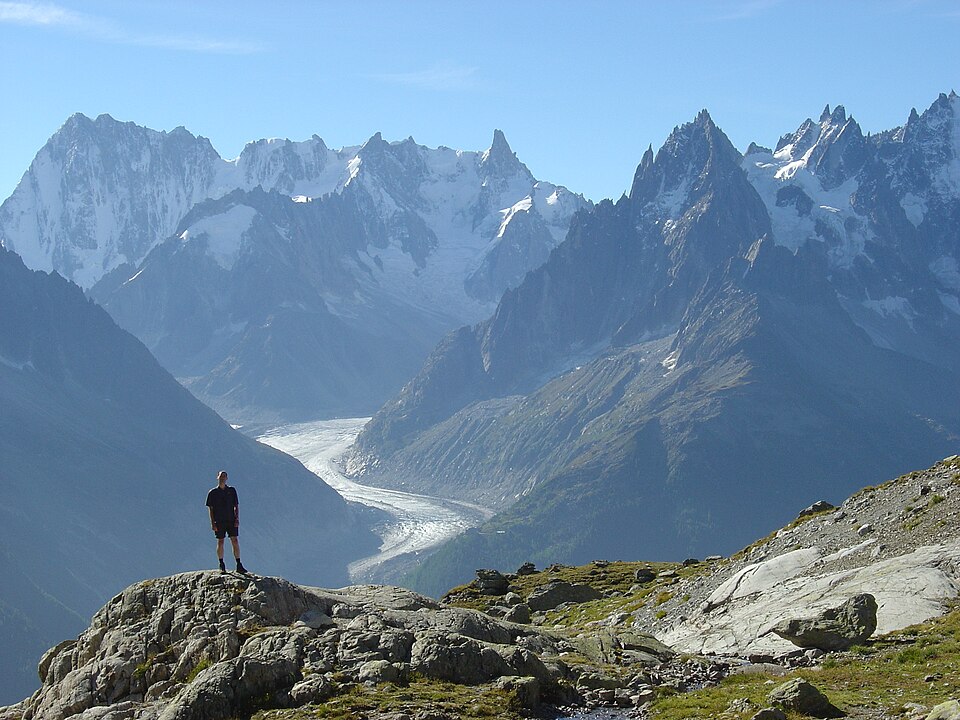
Encircling Mont Blanc across 170 kilometers, the trail traverses France, Italy, and Switzerland. It typically takes 10–12 days and climbs a total of 10,000 meters in elevation gain. Recognized by National Geographic as one of the world’s top 15 hikes, it passes through alpine meadows, glaciers, and picturesque villages.
The Haute Route, Glacier-Packed Alpine Crossing
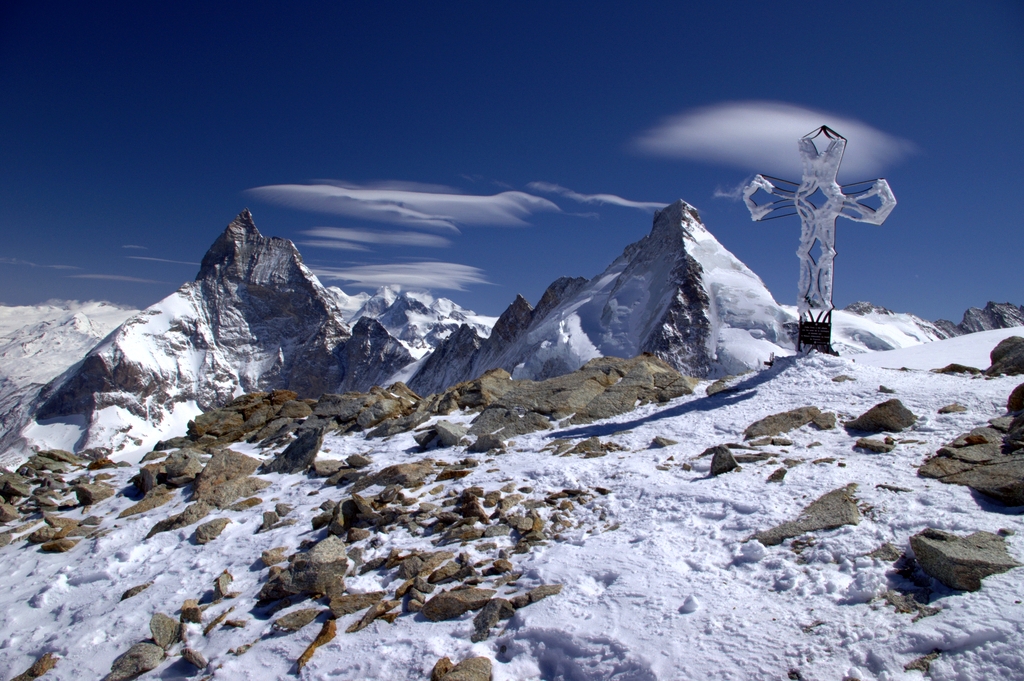
The Haute Route links Chamonix, France, to Zermatt, Switzerland, over 200 kilometers. Traditionally, a ski route, the summer hiking trail takes about two weeks. Trekkers encounter up to 11 mountain passes, many above 3,000 meters, offering views of iconic peaks like the Matterhorn and Mont Blanc.
Iceland’s Laugavegur Trail of Fire and Ice
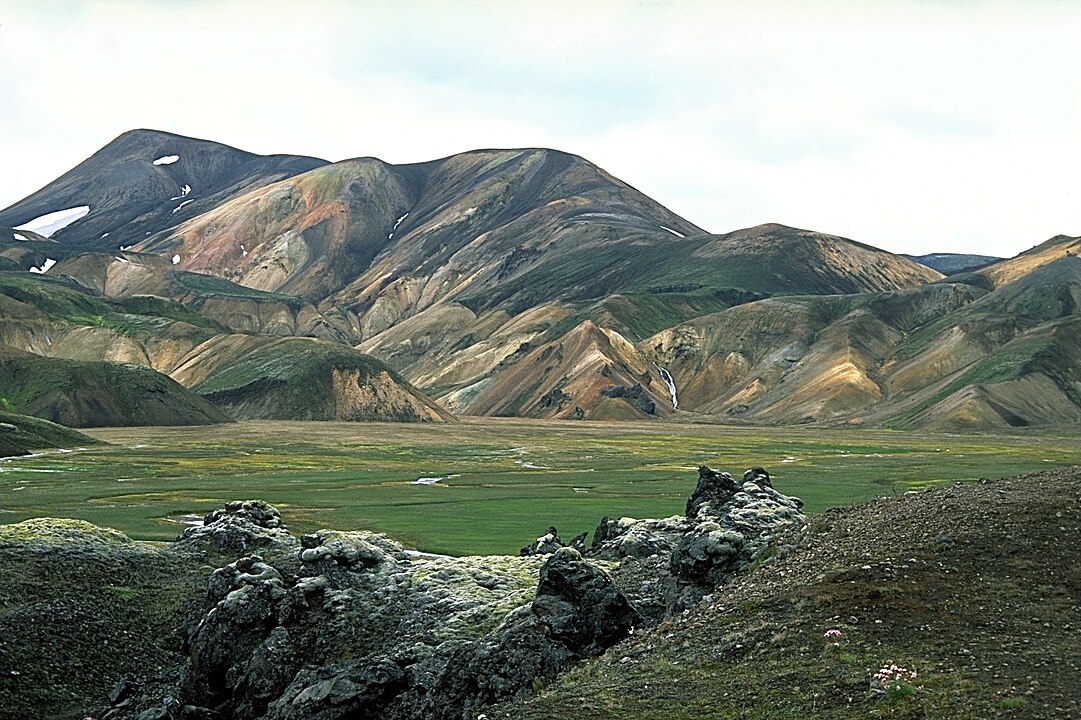
Covering 55 kilometers from Landmannalaugar to Thórsmörk, the Laugavegur Trail crosses geothermal hot springs, glaciers, and volcanic deserts. A 2022 Icelandic Tourism Board report noted it as the country’s most popular multi-day trek, with the hiking season limited to June–September due to snow. Huts along the route accommodate around 200 people nightly.
The Narrows of Zion, USA’s Slot Canyon Adventure
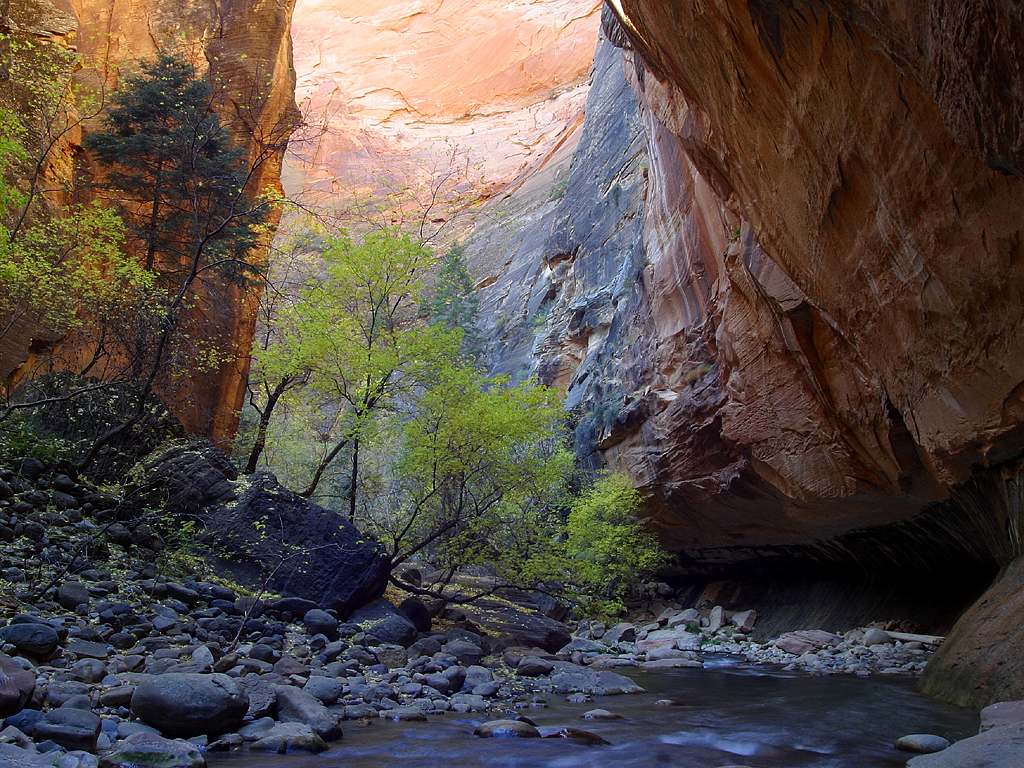
Hiking The Narrows in Zion National Park means wading through the Virgin River, with canyon walls rising up to 300 meters high. The full 26-kilometer thru-hike requires permits, though shorter sections draw thousands daily. The park recorded 5 million visitors in 2021, with The Narrows among its top attractions despite flash flood risks.
GR20, Corsica’s “Europe’s Toughest Trail”
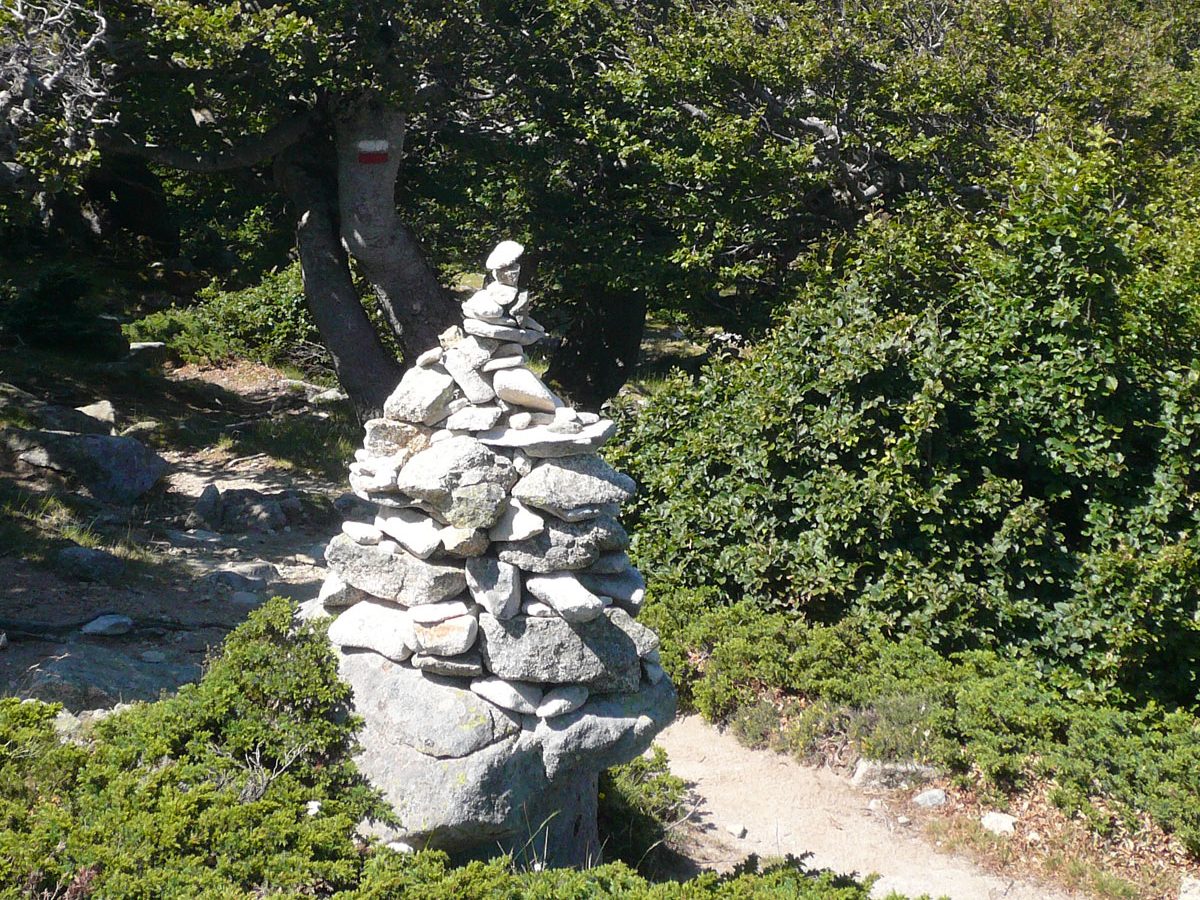
The GR20 stretches 180 kilometers across Corsica, usually completed in 15 days. With steep ascents and exposed rocky ridges, it has earned a reputation as Europe’s hardest long-distance hike. Elevation gain exceeds 12,000 meters, and hikers encounter both Mediterranean forests and alpine plateaus.
Kalalau Trail, Hawaii’s Coastal Wonder
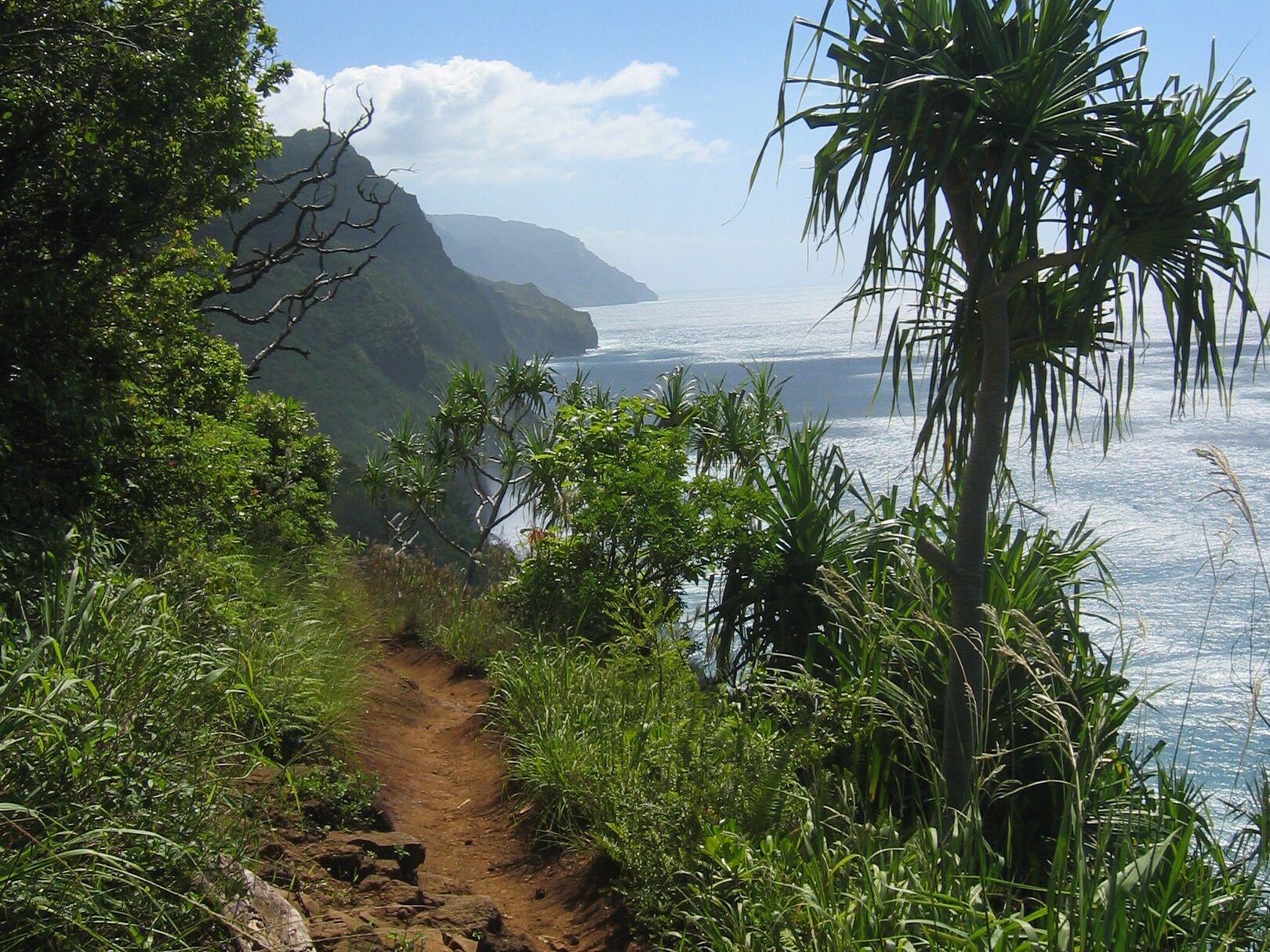
This 35-kilometer trail along Kauai’s Nā Pali Coast is known for its remote beaches and sea cliffs. Access is strictly limited: the Hawaii Department of Land and Natural Resources issues only 60 overnight permits daily. Flash floods and landslides make it one of the most dangerous U.S. hikes, yet also among the most scenic.
Overland Track, Australia’s Tasmanian Gem
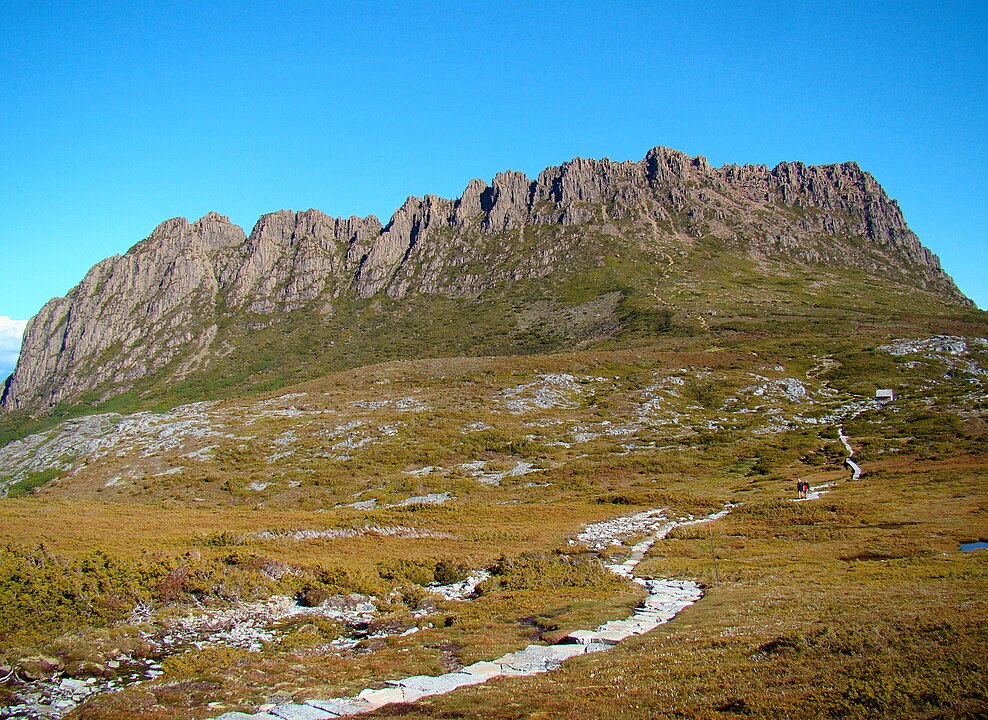
Spanning 65 kilometers, the Overland Track connects Cradle Mountain to Lake St. Clair. It takes 6 days and passes glacial lakes and ancient rainforests. Tasmania Parks and Wildlife requires permits from October to May, when about 8,000 hikers attempt it annually. It’s part of the Tasmanian Wilderness World Heritage Area.
Cinque Terre Coastal Path, Italy’s Riviera Classic
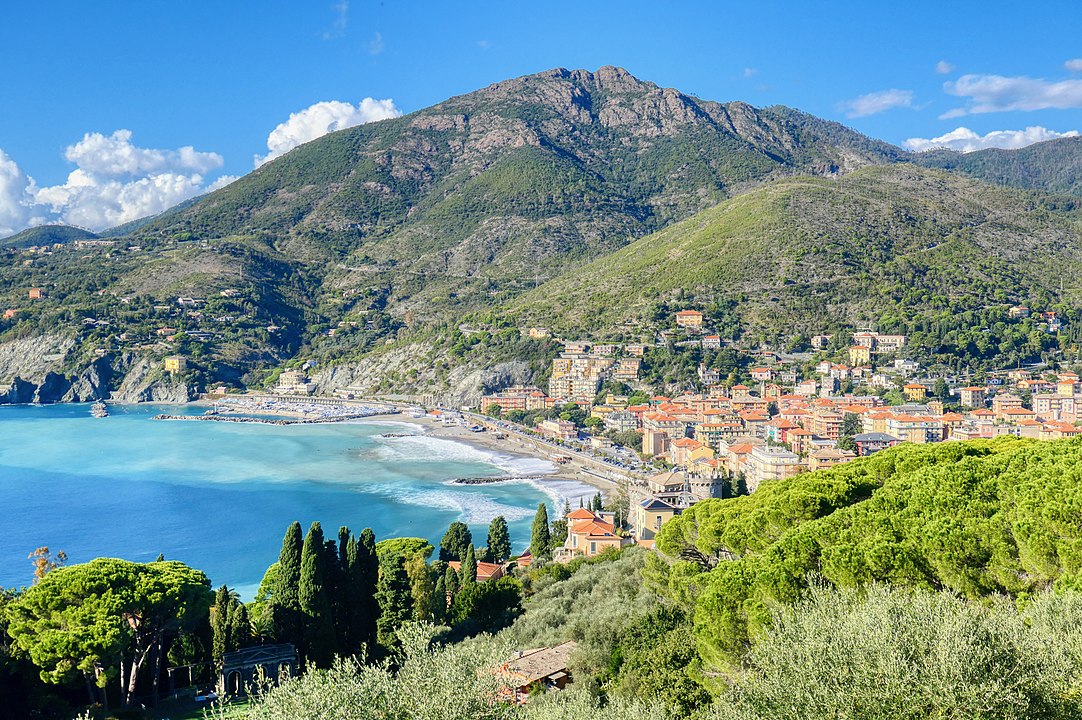
Cinque Terre’s Sentiero Azzurro links five historic fishing villages over 12 kilometers. The UNESCO-listed landscape is limited by daily visitor caps to reduce strain from the 2.4 million tourists the region receives annually. The trail combines cliffside vineyards, medieval architecture, and Ligurian Sea views.
Salkantay Trek, Peru’s Alternative to the Inca Trail
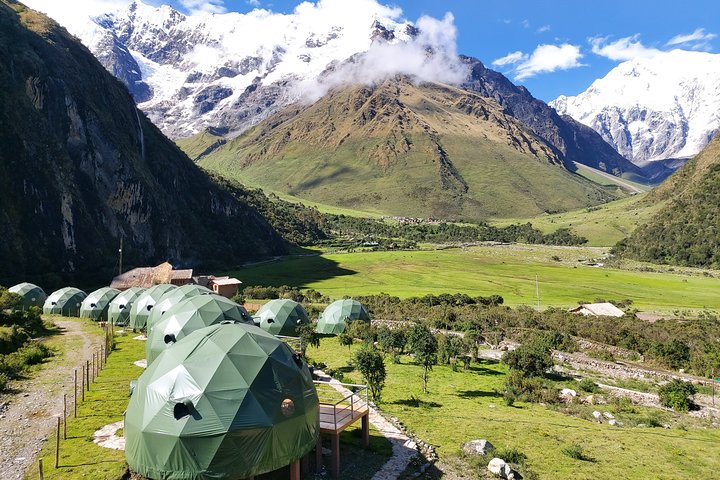
At 72 kilometers, the Salkantay Trek offers a longer, less crowded route to Machu Picchu. National Geographic Adventure named it among the top 25 treks in the world. The path crosses the 4,650-meter Salkantay Pass, with dramatic shifts from snowcapped peaks to cloud forest ecosystems.
Mount Rinjani Volcano Trek, Indonesia
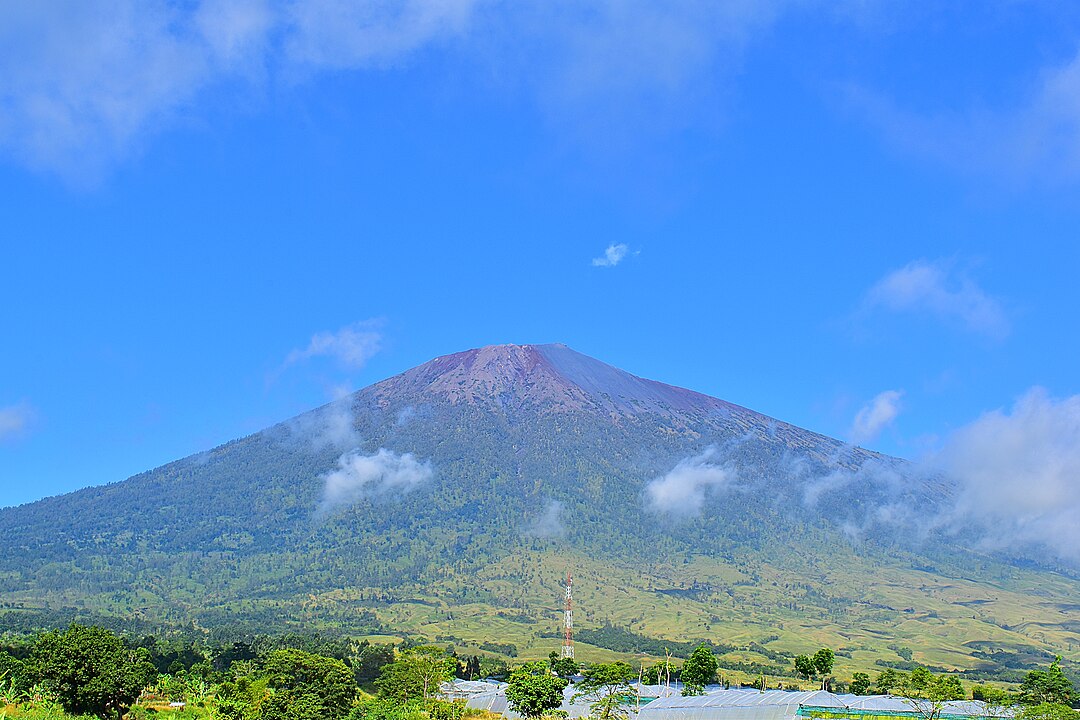
Lombok’s Mount Rinjani rises 3,726 meters, Indonesia’s second-highest volcano. The trek takes 2–4 days, with highlights including Segara Anak crater lake and active fumaroles. A 2018 earthquake reduced visitor numbers, leading park authorities to cap climbs at 500 hikers per day to balance safety and conservation.
West Highland Way, Scotland’s Highland Route
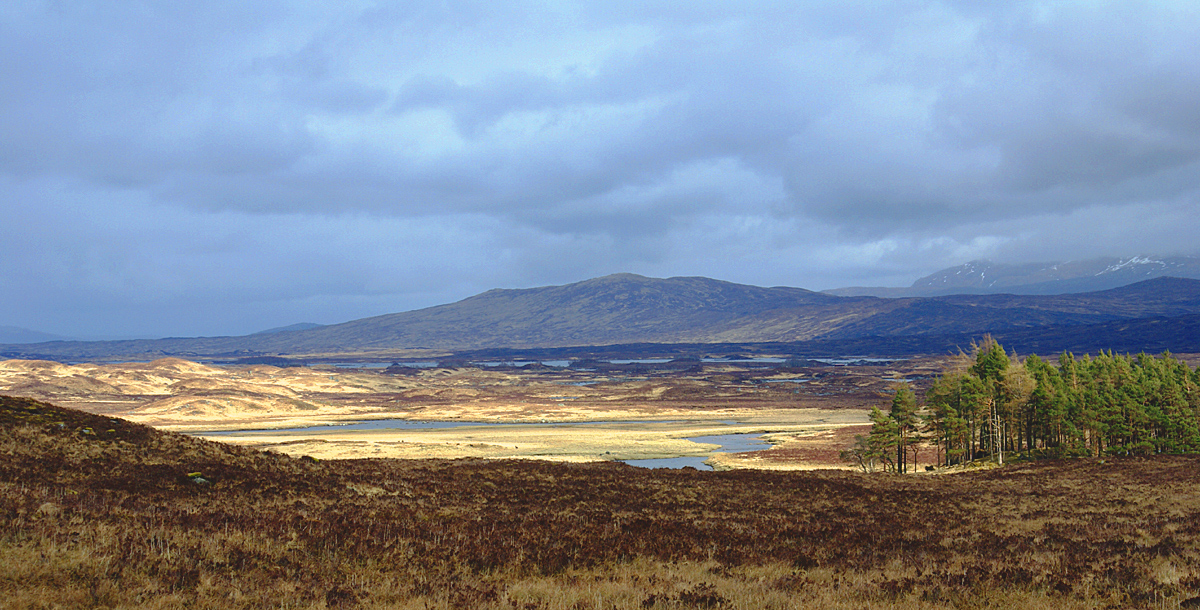
This 154-kilometer trail from Milngavie to Fort William attracts about 40,000 walkers annually. Completed in 6–8 days, it passes Loch Lomond, Rannoch Moor, and Ben Nevis. Opened in 1980, it was Scotland’s first official long-distance path and remains its most popular.
Camino de Santiago, Spain’s Pilgrim Path
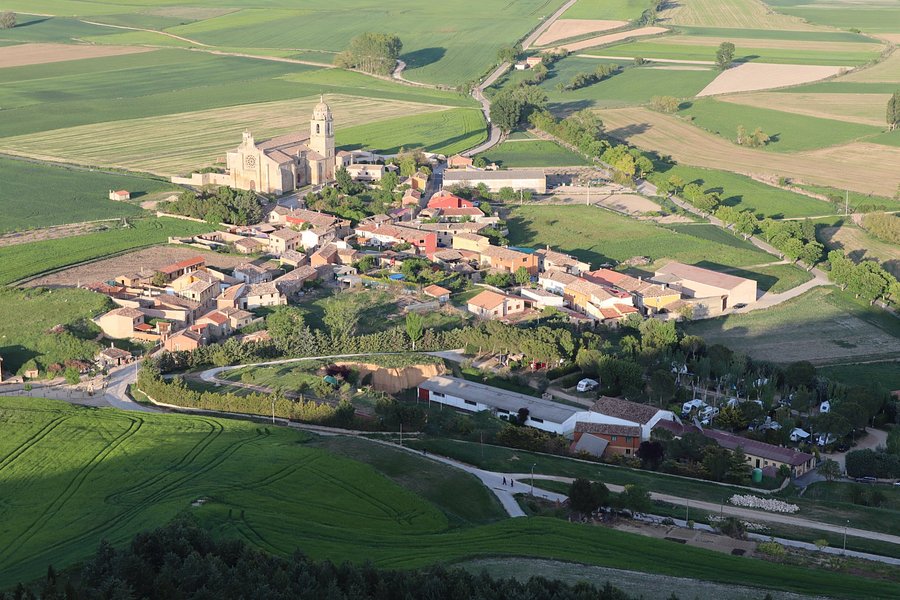
The Camino Frances, the most famous of the Camino routes, spans 780 kilometers from St. Jean Pied de Port in France to Santiago de Compostela. The Pilgrim’s Office recorded 438,000 completions in 2022, a record high. The walk combines religious pilgrimage, cultural immersion, and UNESCO World Heritage towns.
Jordan Trail, Ancient Trade Route Reborn
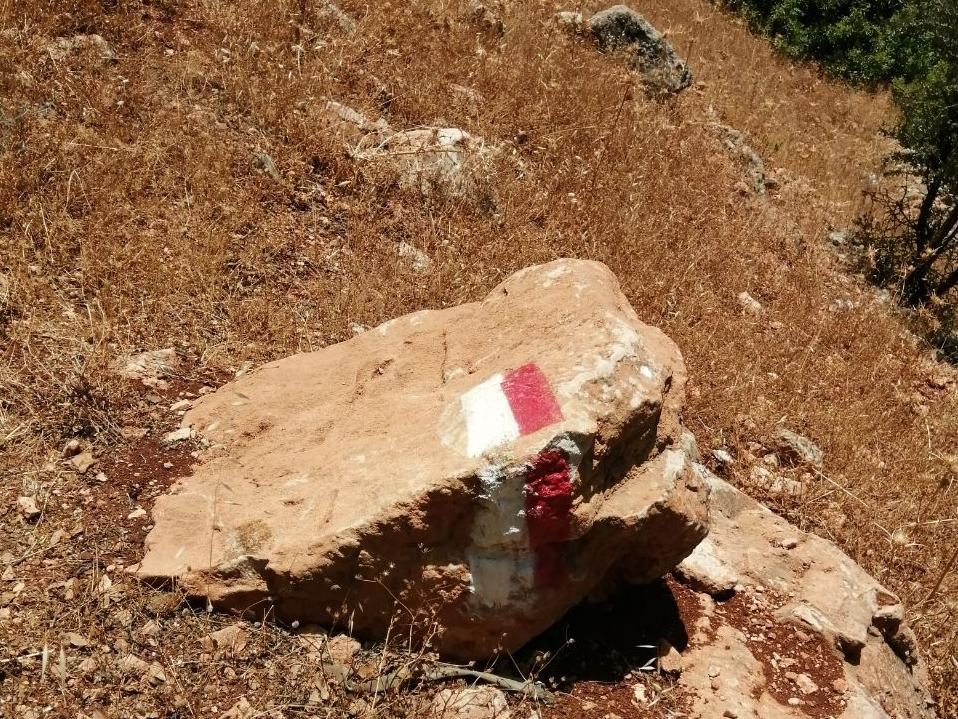
Extending 650 kilometers, the Jordan Trail runs the length of the country, from Umm Qais in the north to Aqaba on the Red Sea. Opened officially in 2017, it takes 40 days to thru-hike, passing Petra and Wadi Rum. The trail links 52 villages, offering cultural exchange alongside desert landscapes.
Drakensberg Grand Traverse, South Africa’s Alpine Frontier
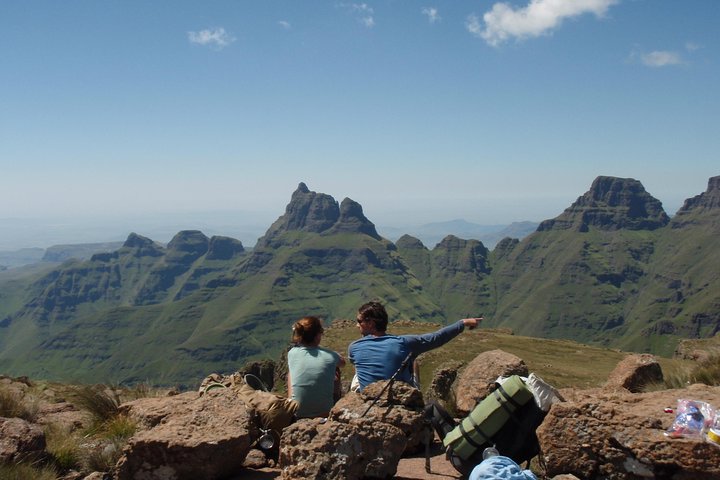
This 220-kilometer unmarked route along the Drakensberg escarpment requires navigation skills and takes 2–3 weeks. Peaks reach over 3,000 meters, with basalt cliffs forming part of a UNESCO World Heritage site. A 2019 survey estimated fewer than 500 hikers complete the full traverse annually due to its remoteness.