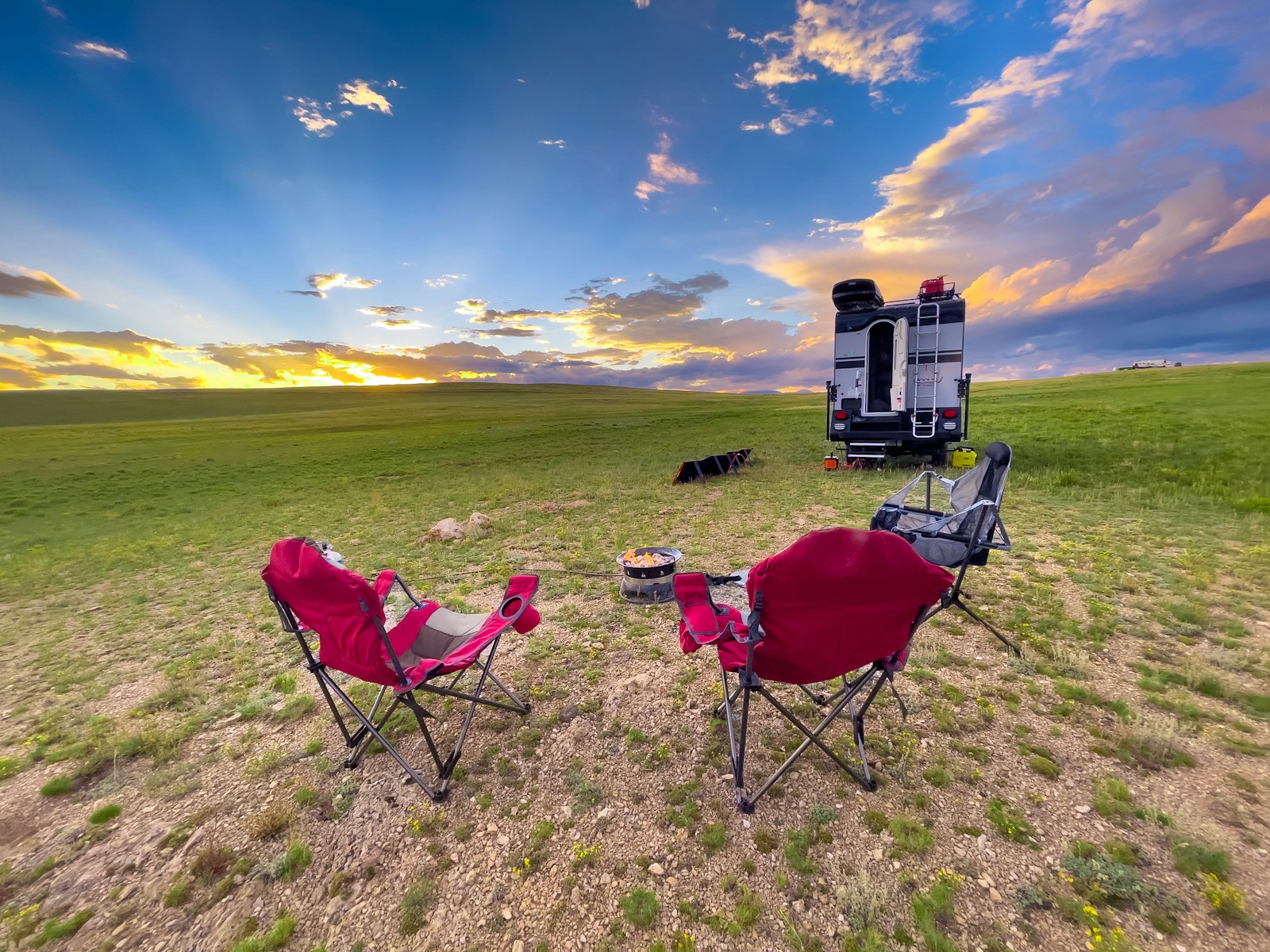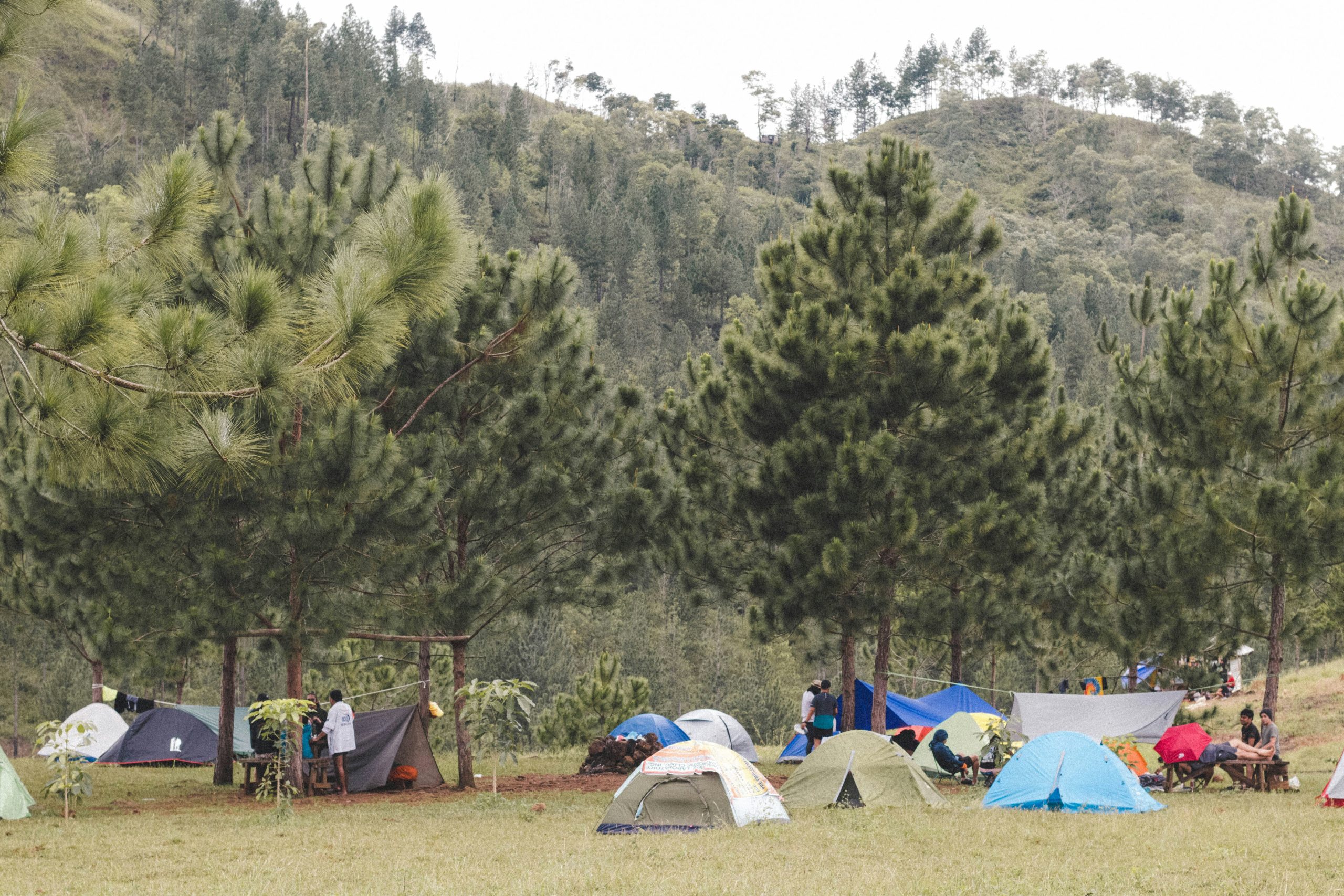
Camping more responsibly does not require fancy equipment or costly eco-branded products. Most waste reduction happens through small habits that lower what you carry in, cut what you throw out, and help you leave the space cleaner than you found it. The key is being thoughtful at every step, from planning meals to packing gear and cleaning your campsite. When you focus on simplicity instead of buying new items, you start noticing how much less trash you produce, and the entire outdoor experience begins to feel more relaxed and rewarding.
1. Pack Only What You Actually Use

Careful packing is one of the simplest ways to reduce camping waste because it prevents unused items from becoming trash at the end of a trip. Before heading out, lay everything on the floor and remove anything that solves the same problem twice. Lightweight clothing that dries quickly reduces the need for disposable wipes, and compact cookkits limit single-use food packaging. Focusing on genuine essentials helps keep your load lighter while also cutting the amount of waste that needs to be carried back out.
2. Choose Bulk Foods Instead of Single Servings

Buying food in bulk is an easy way to cut down on packaging without spending extra money. Instead of pre-packaged snacks, fill reusable bags or containers with rice, nuts, dried fruit, oats, or pasta. These smaller containers weigh less and reduce the plastic you bring into the campsite. Large portions are also more flexible, making meal planning easier and lowering the odds of leftover waste. Even simple items like peanut butter or instant coffee can be portioned out in reusable jars.
3. Bring Reusable Containers for Everything
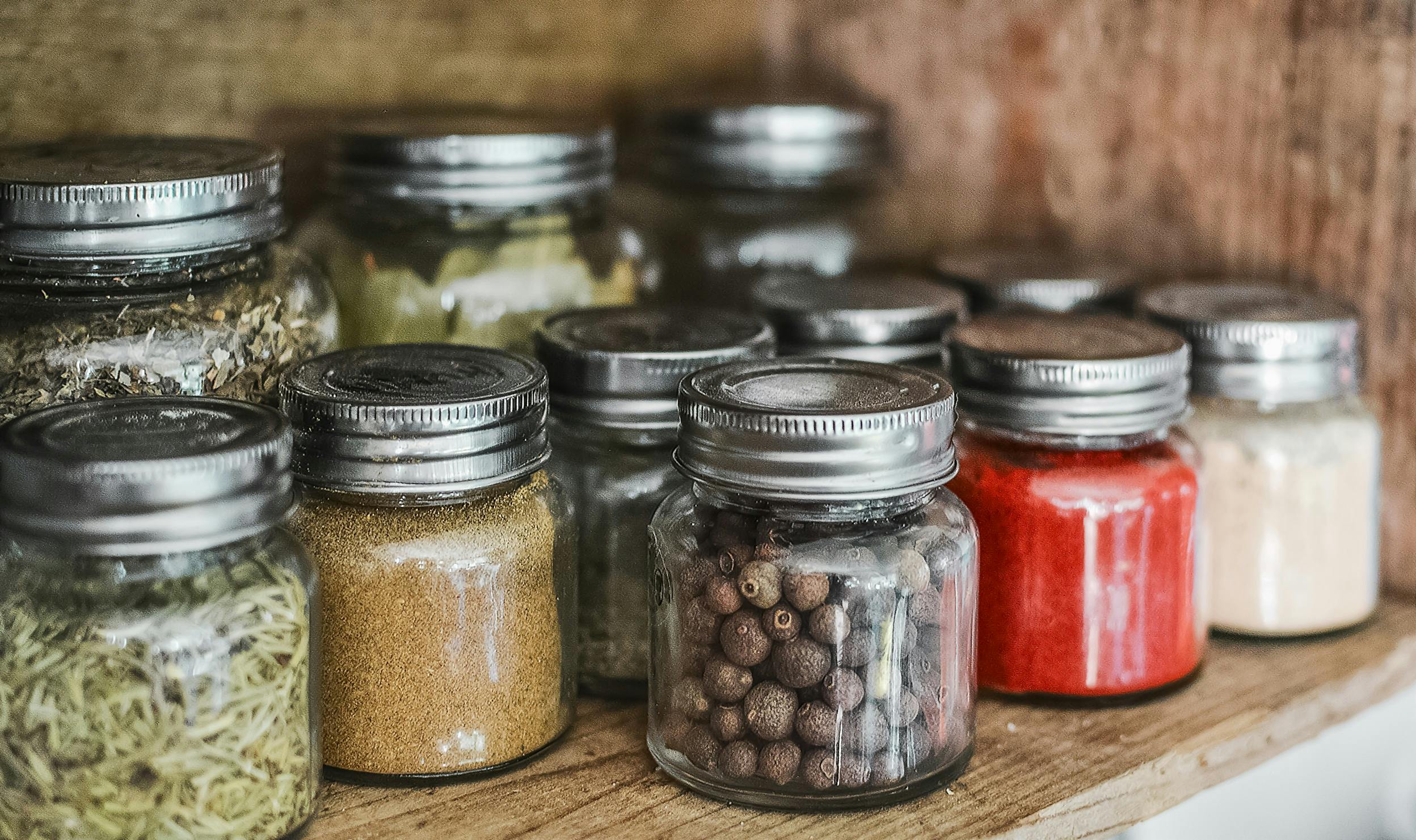
Reusable containers are an affordable and effective tool for reducing trash, especially if you repurpose jars or small plastic boxes you already own. They can store meals, leftover food scraps, spices, and even small gear items that normally come in disposable wrappers. Because they seal tightly, they keep animals out and protect food from moisture. After the trip, simply wash and use them again. Over time, this single shift cuts a surprising amount of trash compared to disposable bags.
4. Pre-Cook Meals to Avoid Excess Packaging
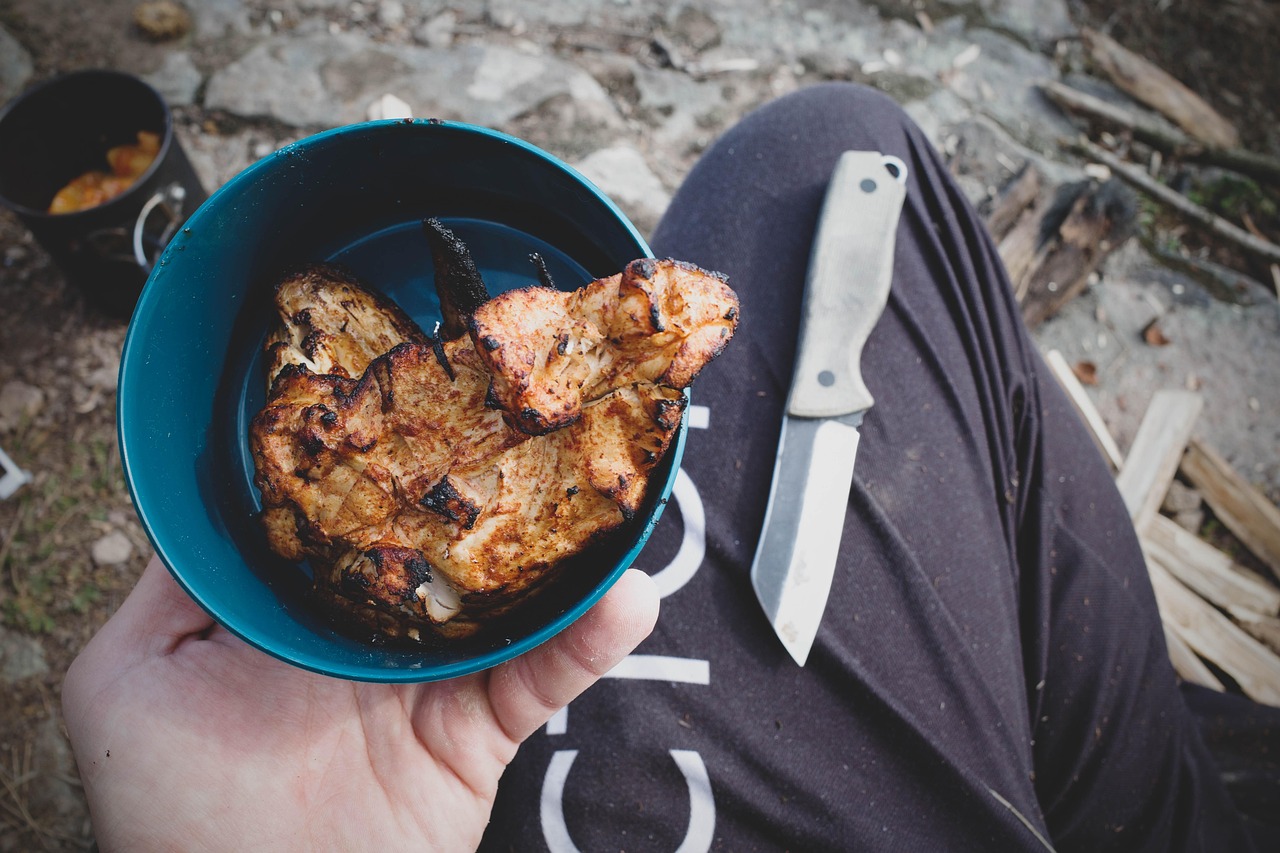
Pre-cooking meals at home significantly reduces the number of disposable items brought to camp. By preparing dishes like pasta, grilled chicken, or stir fry ahead of time, you avoid single-use seasoning packets, wrappers, and extra cooking fuel. The food packs neatly into reusable containers that stack easily in a cooler. This also speeds up campsite cooking and makes cleanup far simpler. With fewer food scraps or plastic packets, the amount of waste you pack out shrinks dramatically.
5. Use Refillable Water Bottles and Jugs
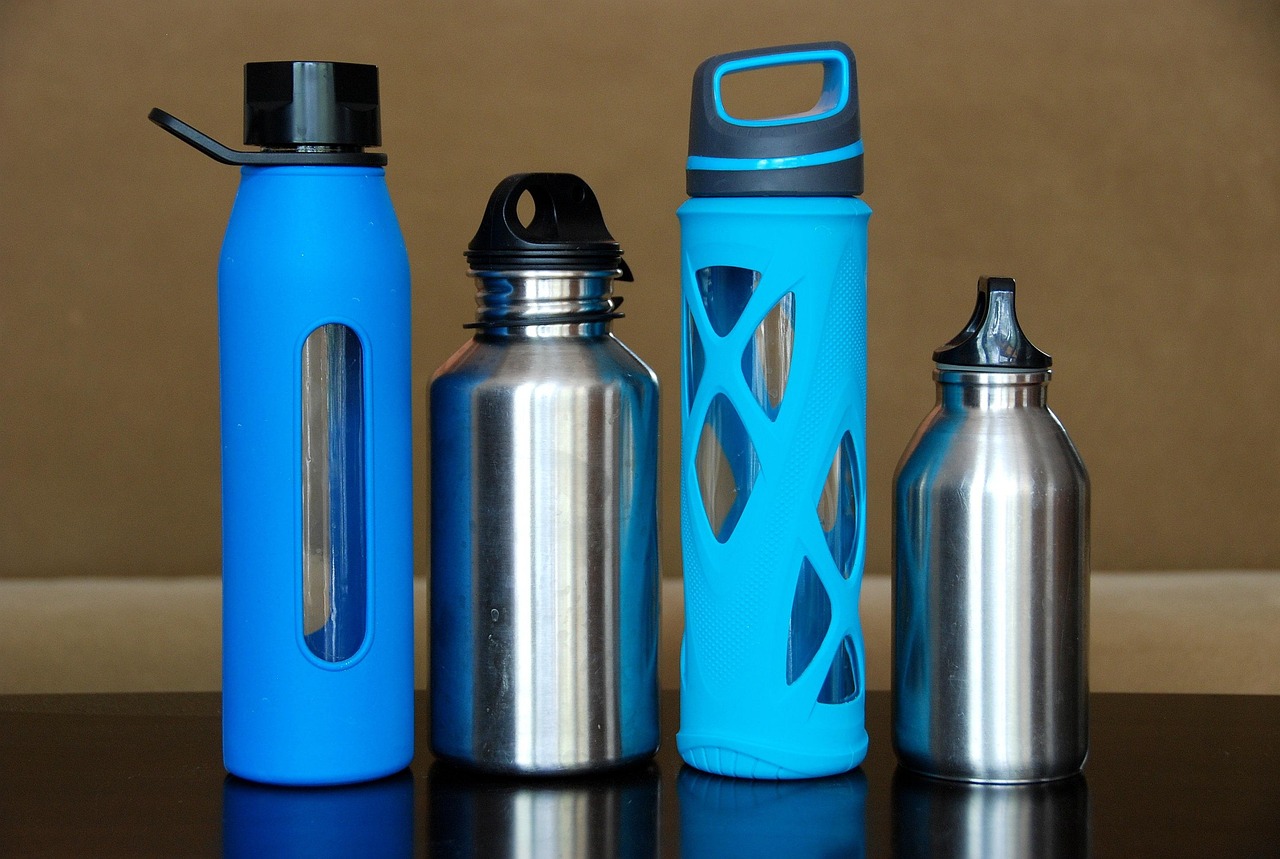
Refillable water bottles remain one of the most reliable ways to limit waste because they eliminate disposable plastic bottles completely. Bringing a large refillable jug for camp use allows you to top off smaller bottles throughout the trip without purchasing extra containers. Many public campgrounds have potable water stations that make refilling simple. Even in backcountry settings, a basic water filter paired with a durable bottle offers a low-cost setup that keeps trash out of your pack.
6. Switch to Cloth Instead of Paper Towels

Cloth towels are far more efficient than paper towels and quickly become a go-to item for cleaning dishes or drying gear. Pack two or three thin cloth rags that dry quickly and wash easily with a small amount of biodegradable soap. They can be reused throughout the trip without creating any disposable mess. A single cloth towel can replace an entire roll of paper towels, making it a practical and inexpensive way to reduce campsite waste.
7. Shop at Home First Instead of Buying New Gear
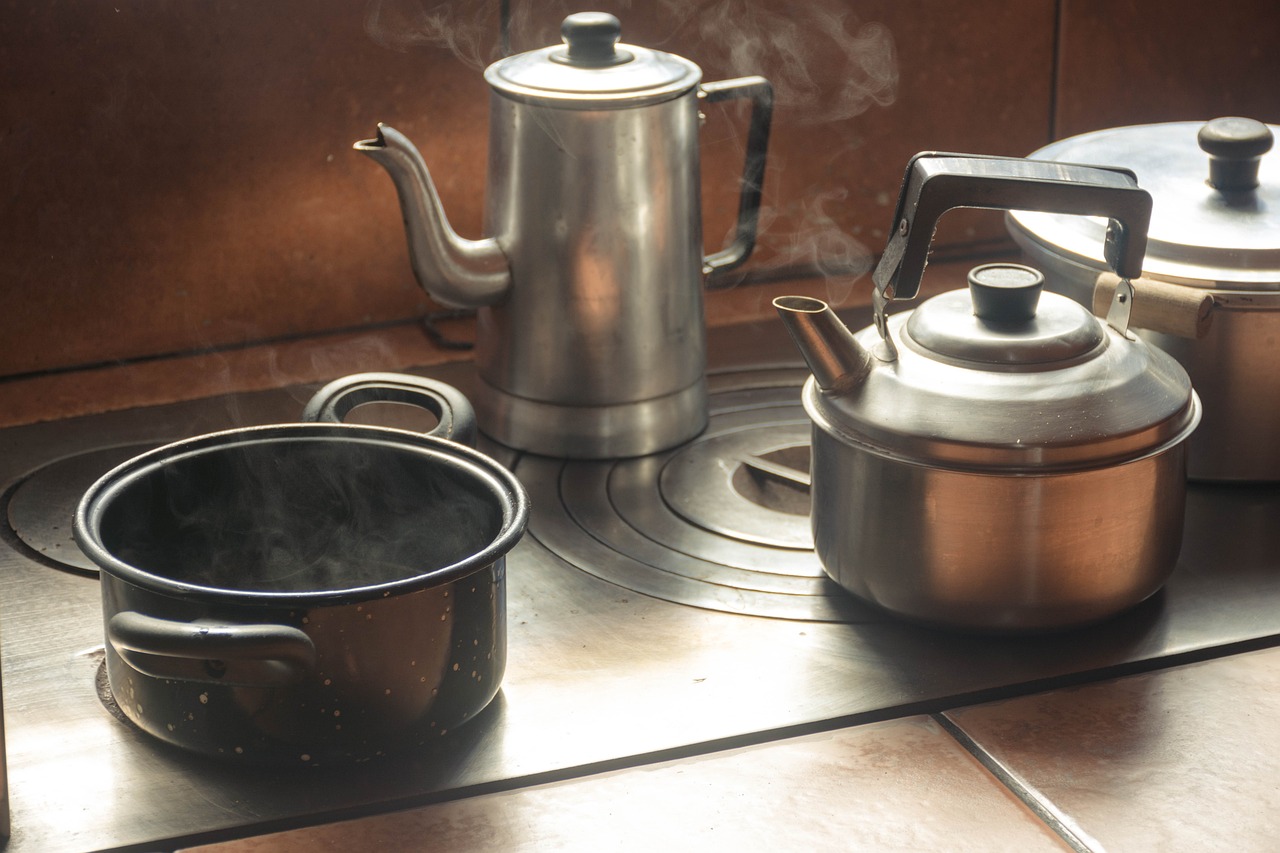
Shopping at home means checking your closets, garage, or kitchen for items that already serve the same purpose as outdoor gear. Old jars become food containers, worn blankets work as picnic mats, and household utensils handle camp cooking. You avoid unnecessary purchases and reduce the packaging that comes with new items. This approach also keeps your camping routine simple, proving you can be waste-conscious without investing in specialized eco gear.
8. Repair Old Gear Instead of Replacing It
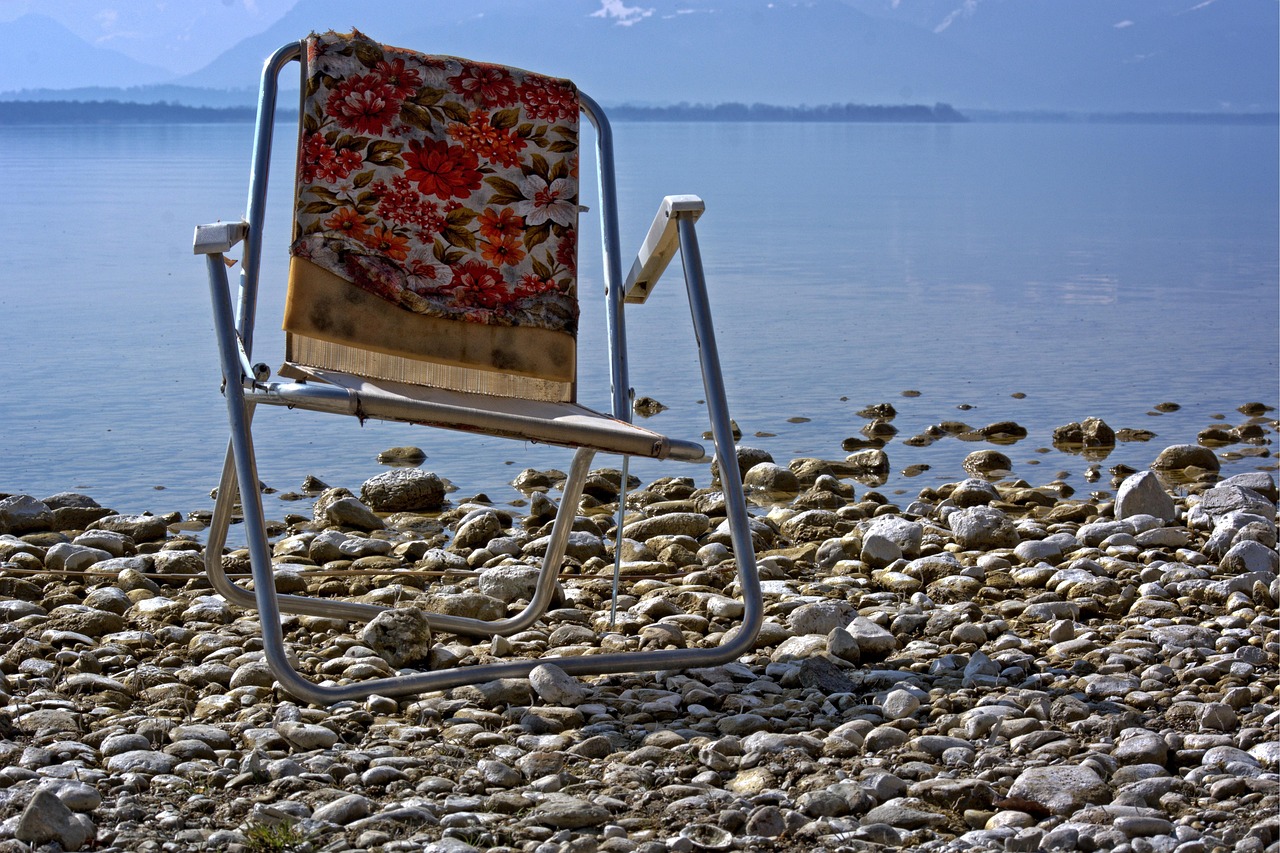
Repairing gear not only saves money but also keeps broken items out of the landfill. Many issues like torn tent seams, loose backpack straps, or small holes in sleeping bags can be fixed with simple sewing kits or patch sets. Even basic duct tape works as a temporary solution that gets you through the trip. Learning to repair gear extends its life and reduces the need for new purchases with unnecessary packaging.
9. Use Natural Fire Starters Instead of Packaged Ones
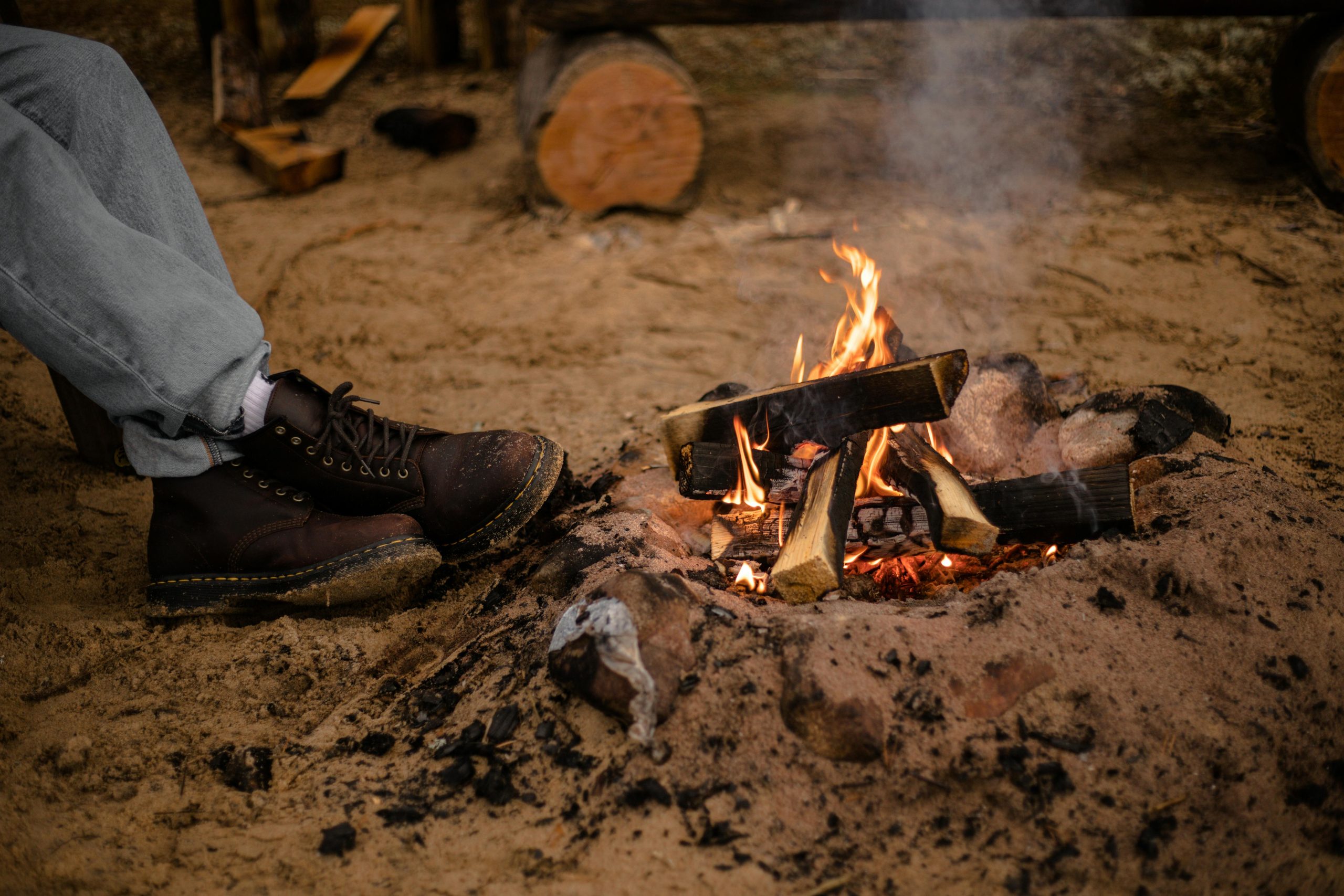
Instead of buying fire starters wrapped in plastic, you can gather dry twigs, pine cones, or fallen bark from around the campsite. These natural materials burn cleanly and eliminate the waste created by store-bought starters. If conditions are damp, a small bag of dryer lint from home works extremely well and costs nothing. Using natural fire-starting materials helps you connect with the environment while reducing items that end up in the trash bag.
10. Choose Simple Meals With Minimal Ingredients

Simple meals cut down on the number of wrappers, cartons, and scrap waste you carry into camp. Dishes like soups, stir fry, chili, oatmeal, or burritos use a handful of ingredients that pack well in reusable containers. Fewer ingredients also mean fewer scraps to manage and less cleanup afterward. Planning a few versatile meals helps keep your food waste low and prevents leftover items from being tossed at the end of the trip.
11. Save Cooking Fuel With Efficient Methods
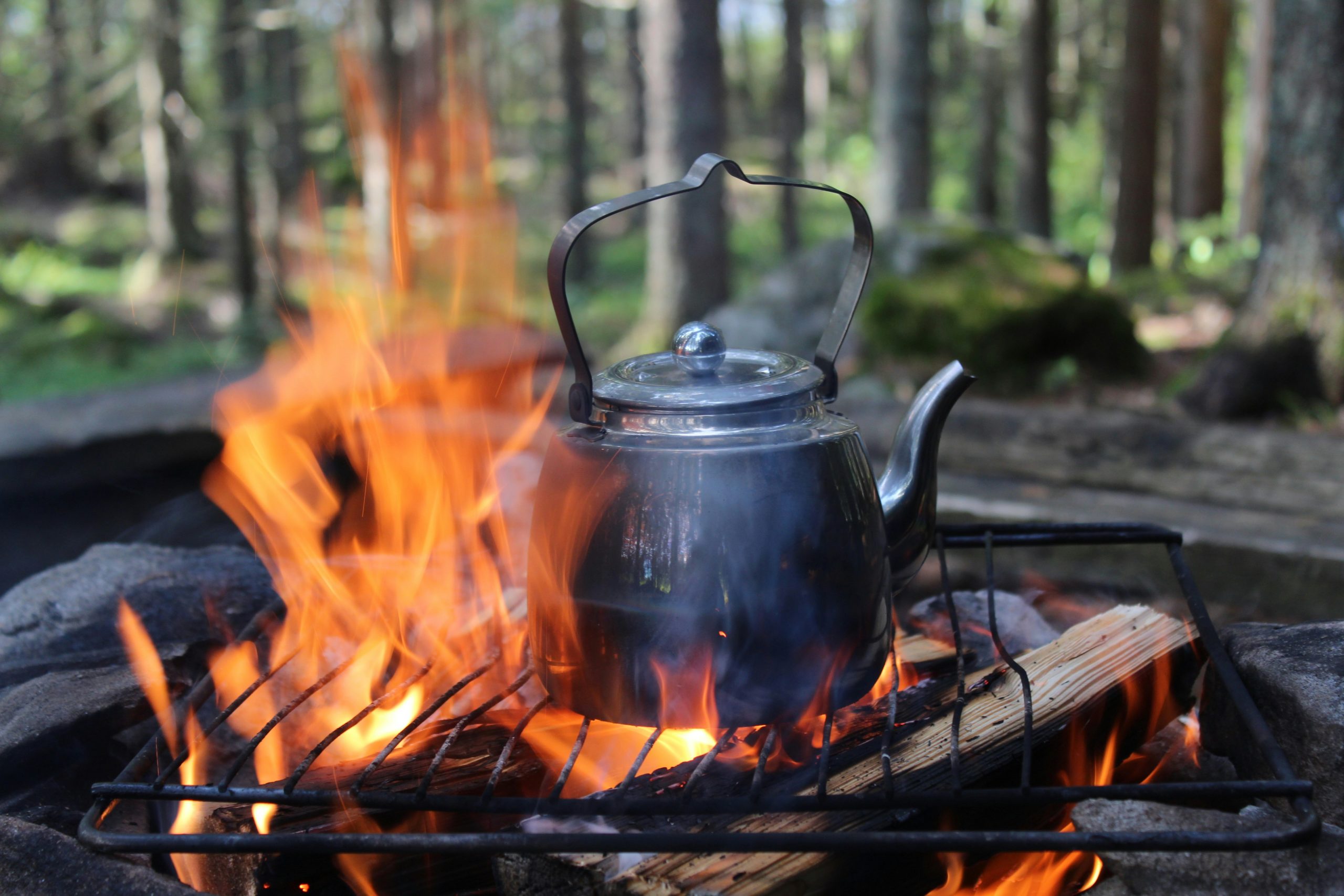
Using efficient cooking methods reduces how much fuel you burn and the number of empty canisters you carry out. Cooking with lids on pots, preparing smaller portions, and soaking items like rice or noodles before heating all help you use less fuel overall. Even placing your stove in a wind-protected spot keeps more heat contained. These simple habits lower waste and make your gear last longer without needing replacements.
12. Bring a Reusable Trash Bag Instead of Plastic Ones

A sturdy reusable trash bag is far more reliable than thin disposable ones that split or leak. You can line it with a repurposed bag from home or use it on its own for pack-in, pack-out trips. Because it seals tightly, it prevents smells from attracting animals. After the trip, simply rinse it out and store it with your gear. This removes the need to bring multiple plastic bags that become waste themselves.
13. Choose Campsites With Existing Fire Rings
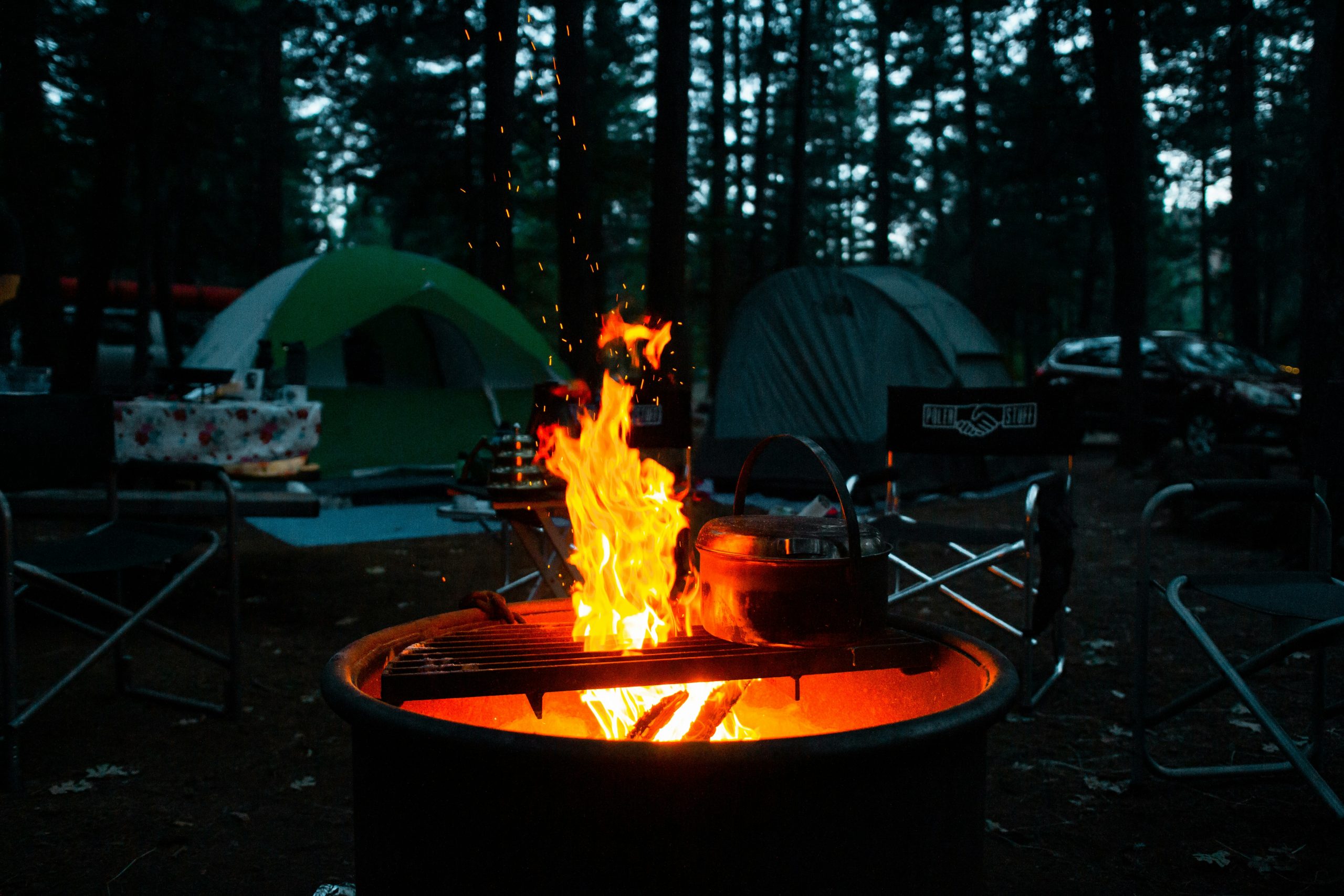
Using established fire rings reduces environmental impact and keeps new burn scars from forming across the landscape. It prevents leftover charcoal or ash from spreading and makes cleanup much cleaner. Established rings also concentrate waste from previous visitors into one area, making it easier to pack out any trash you find. By sticking to these designated spots, you help preserve surrounding vegetation and avoid creating new micro waste zones.
14. Avoid Disposable Cutlery and Plates

Using metal or sturdy plastic utensils eliminates the need for disposable forks, spoons, or plates that break easily and add to campsite litter. A simple reusable mess kit covers everything from cooking to eating and cleans up quickly with minimal water. Many campers already have suitable utensils at home, making this a zero-cost adjustment. Over time, avoiding disposable tableware significantly reduces your overall campsite waste.
15. Reuse Gray Water for Cleaning

Gray water from washing dishes or rinsing hands can be reused for cleaning tables, washing cookware, or putting out small cooking coals. By reusing this water, you reduce how much fresh water you use and avoid dumping wastewater irresponsibly. Keeping it in a small basin helps you control where it goes, so it does not flow into natural streams. This habit helps conserve water and cuts down on the need to bring extra.
16. Share Gear and Supplies With Campmates
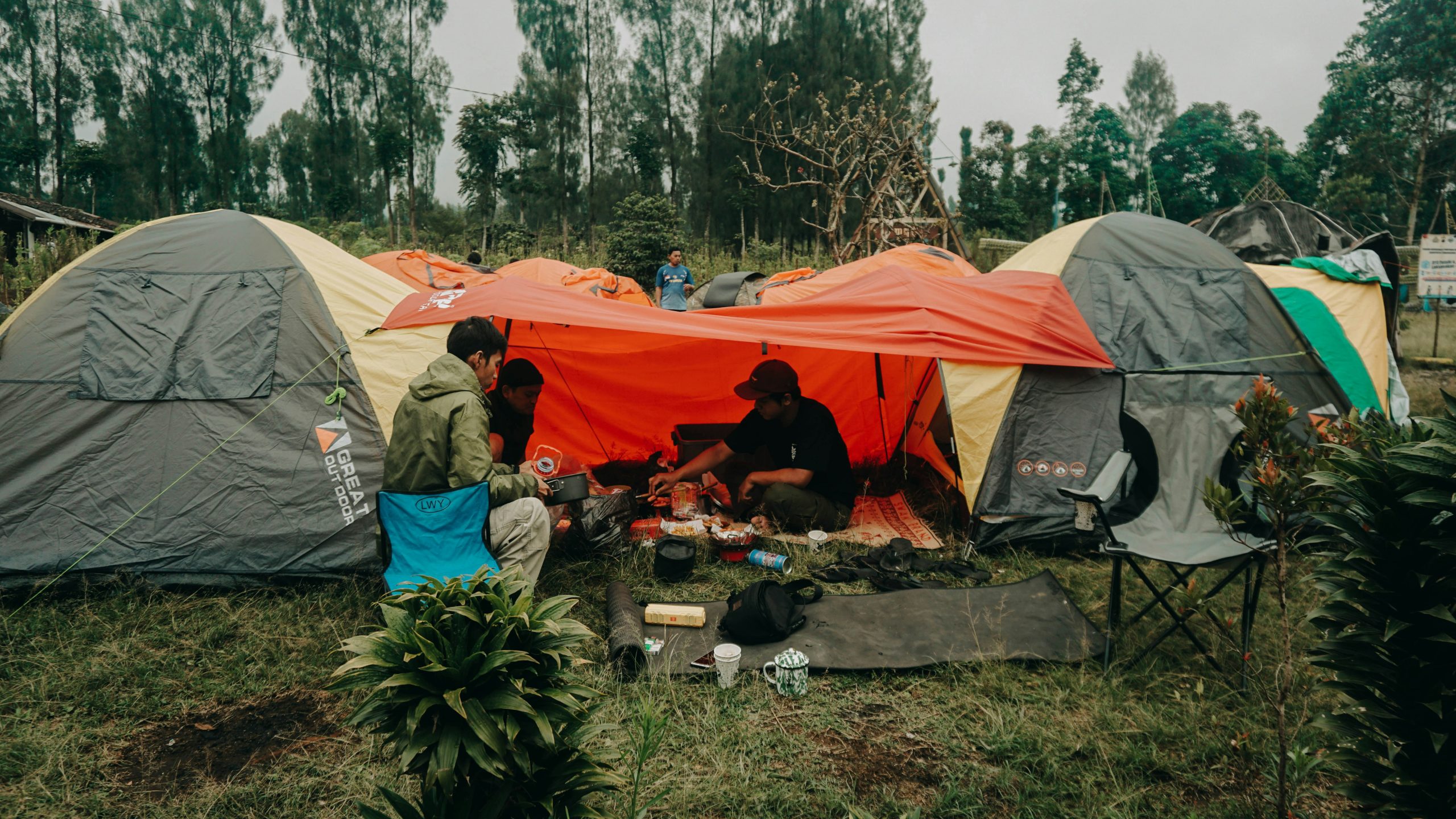
Sharing gear helps reduce the number of items everyone packs, which cuts down on duplicate waste. One stove, one cooler, and a shared cookware set often serve an entire group. This reduces packaging, fuel consumption, and cleanup materials. It also makes the trip feel more communal as everyone contributes to reducing waste. Bringing shared items is an easy way to lower the environmental footprint without any additional cost.
17. Choose Long Lasting Batteries or Rechargeables
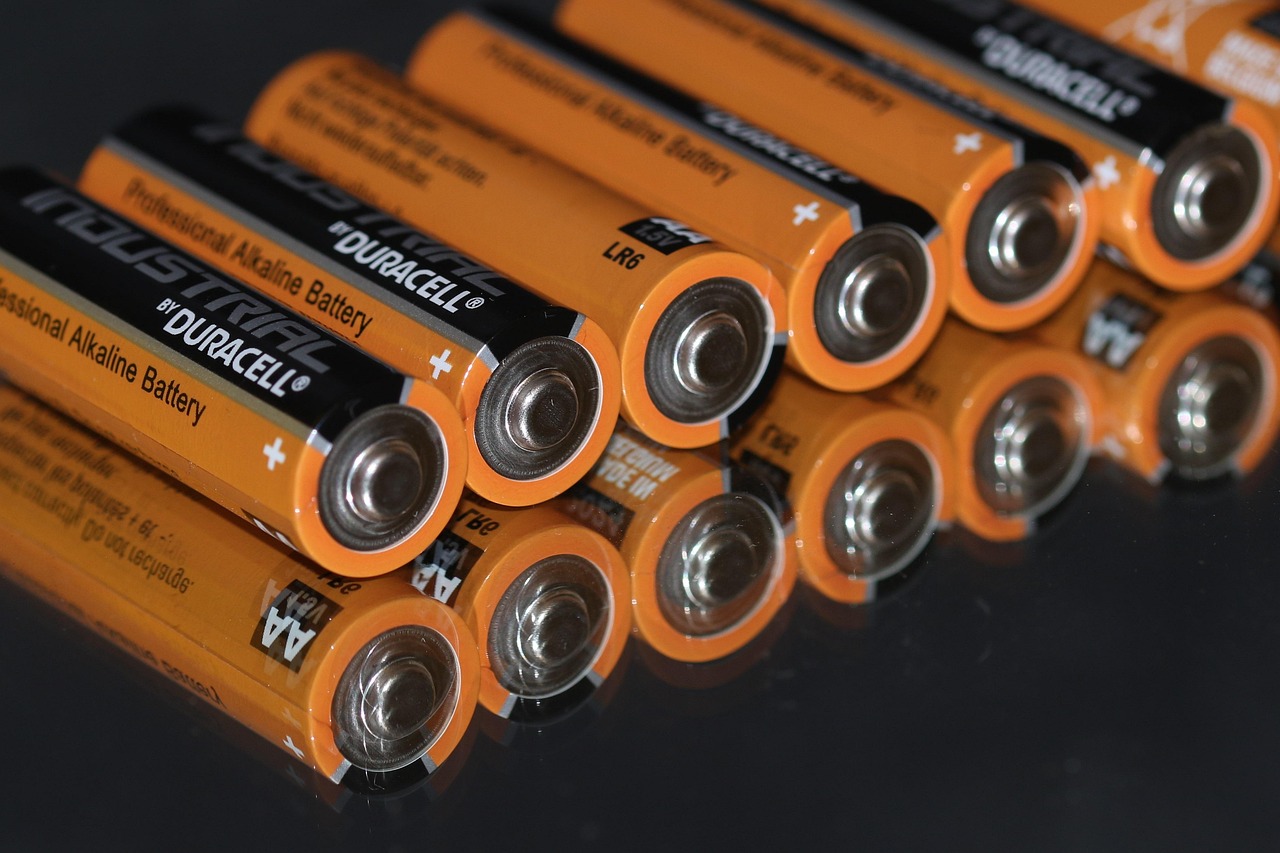
Rechargeable batteries reduce how many of single-use ones that end up in landfills. Paired with a small portable charger, they power headlamps, lanterns, and small electronics throughout the trip. If rechargeables are not available, choose long-lasting alkaline batteries that last the entire weekend so you do not toss extras. Storing them in a small pouch keeps them dry and organized, and you avoid bringing more than you need.
18. Follow Leave No Trace Principles
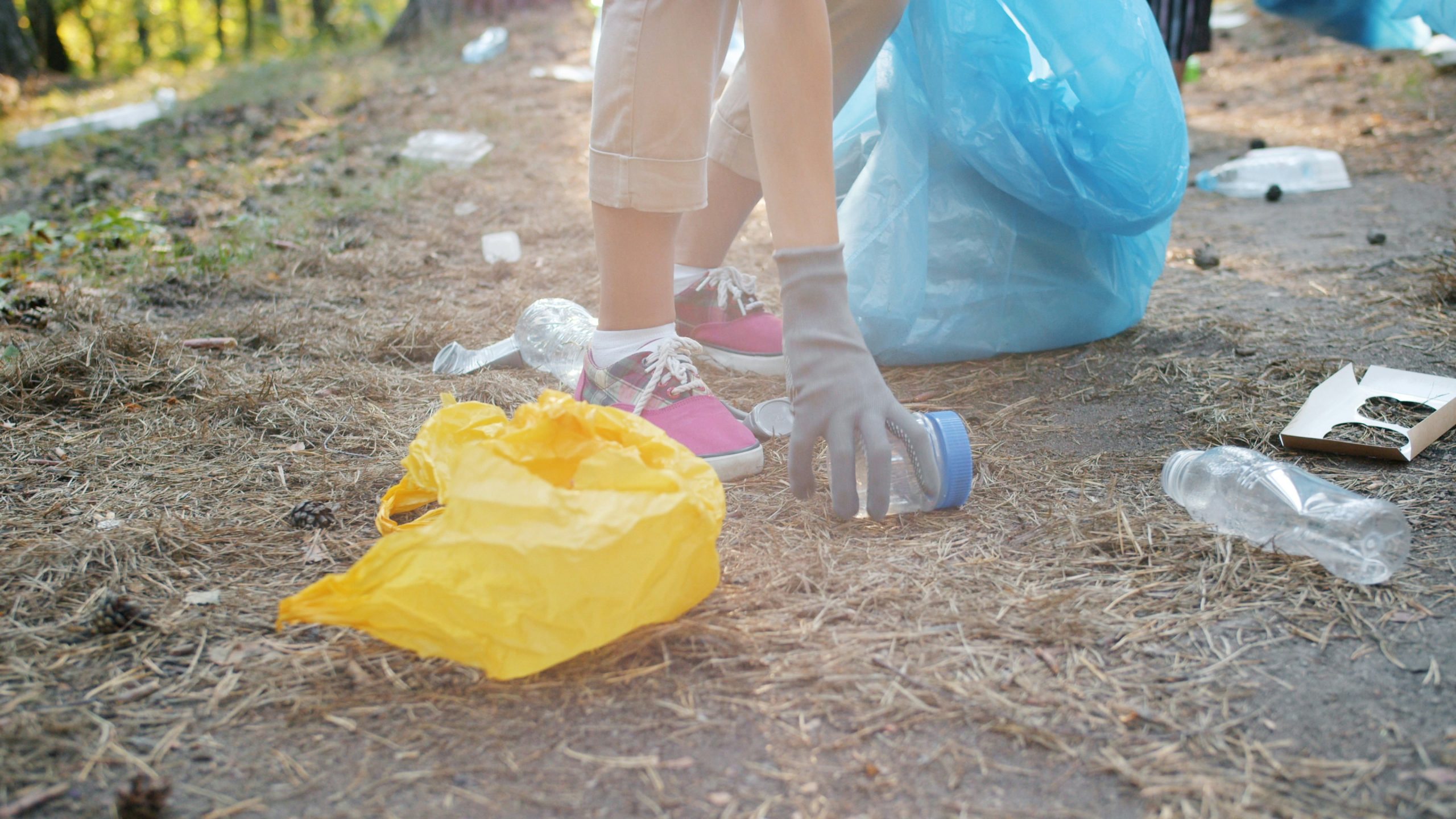
Leave No Trace principles encourage minimizing your impact by managing waste carefully, respecting wildlife, and keeping sites clean for the next visitors. Packing out every bit of trash, inspecting your campsite before leaving, and sticking to established trails all help reduce micro waste. These habits require no special gear, only attention and intention. With consistent effort, you maintain a cleaner environment without buying anything new.
19. Keep a Dedicated Set of Camp Towels
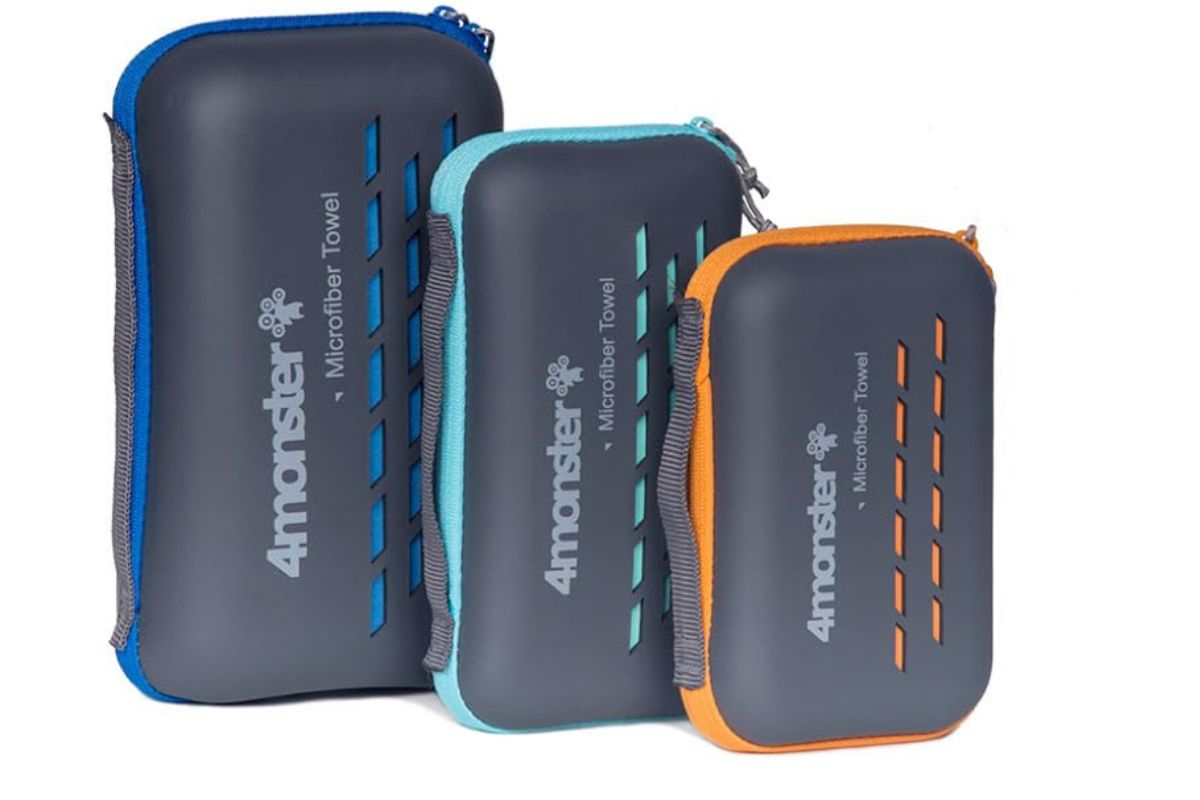
A set of thin towels reserved for camping cuts down on disposable wipes and paper products. These towels handle everything from drying cookware to wiping down surfaces. After the trip, they can be washed and stored with your gear. Because they are used only outdoors, you do not worry about staining or heavy wear. This simple addition keeps your campsite clean while reducing the amount of disposable waste generated.
20. Bring Everything Home for Proper Disposal
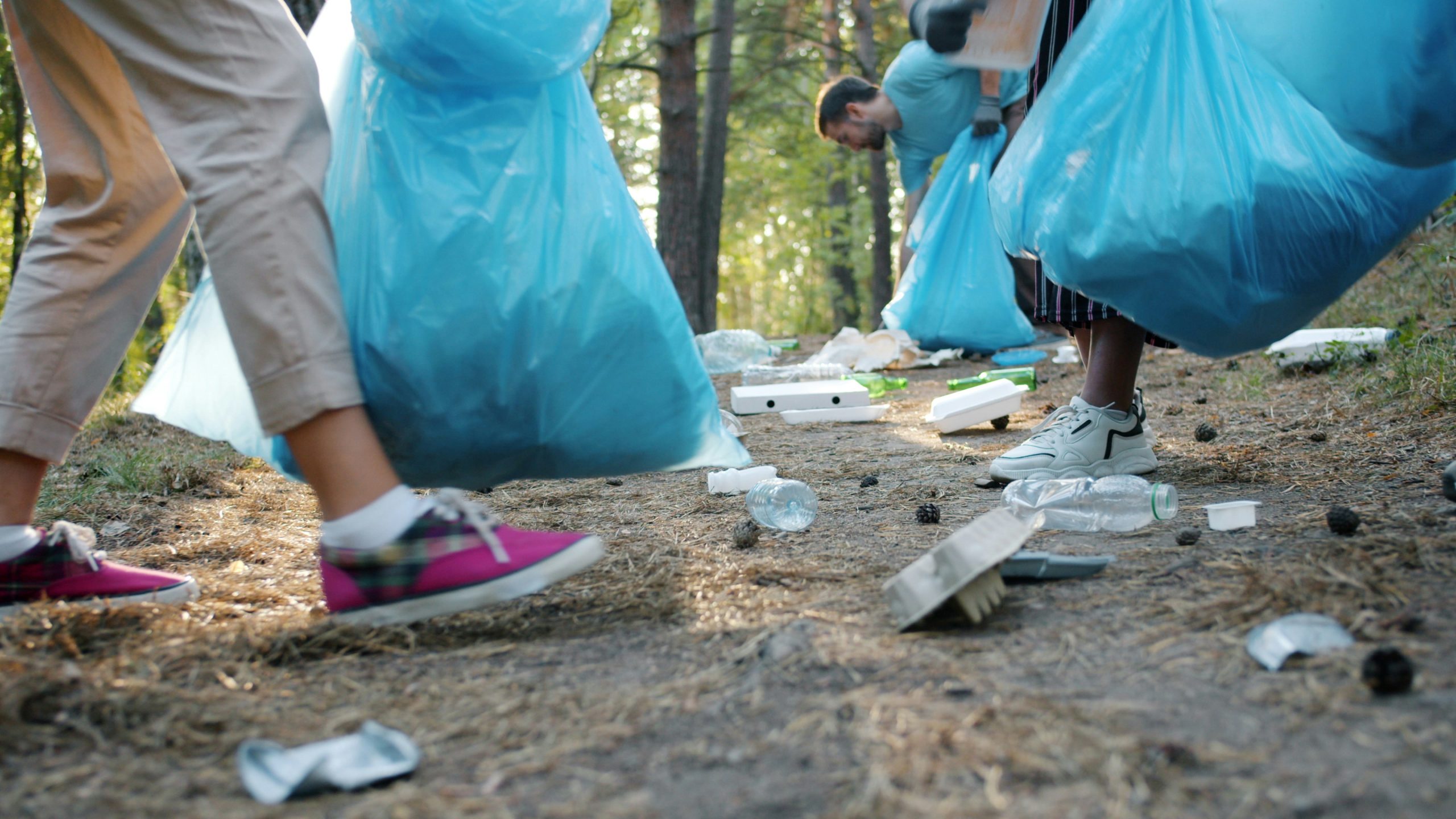
Bringing all waste home ensures items are recycled or disposed of correctly. Many campgrounds cannot sort recyclables, so keeping them separate in your pack allows you to handle them responsibly later. Even small scraps like twist ties, bottle caps, or food wrappers should come back with you. This habit prevents litter, protects wildlife, and keeps your campsite pristine. With a little organization, bringing items home becomes second nature.