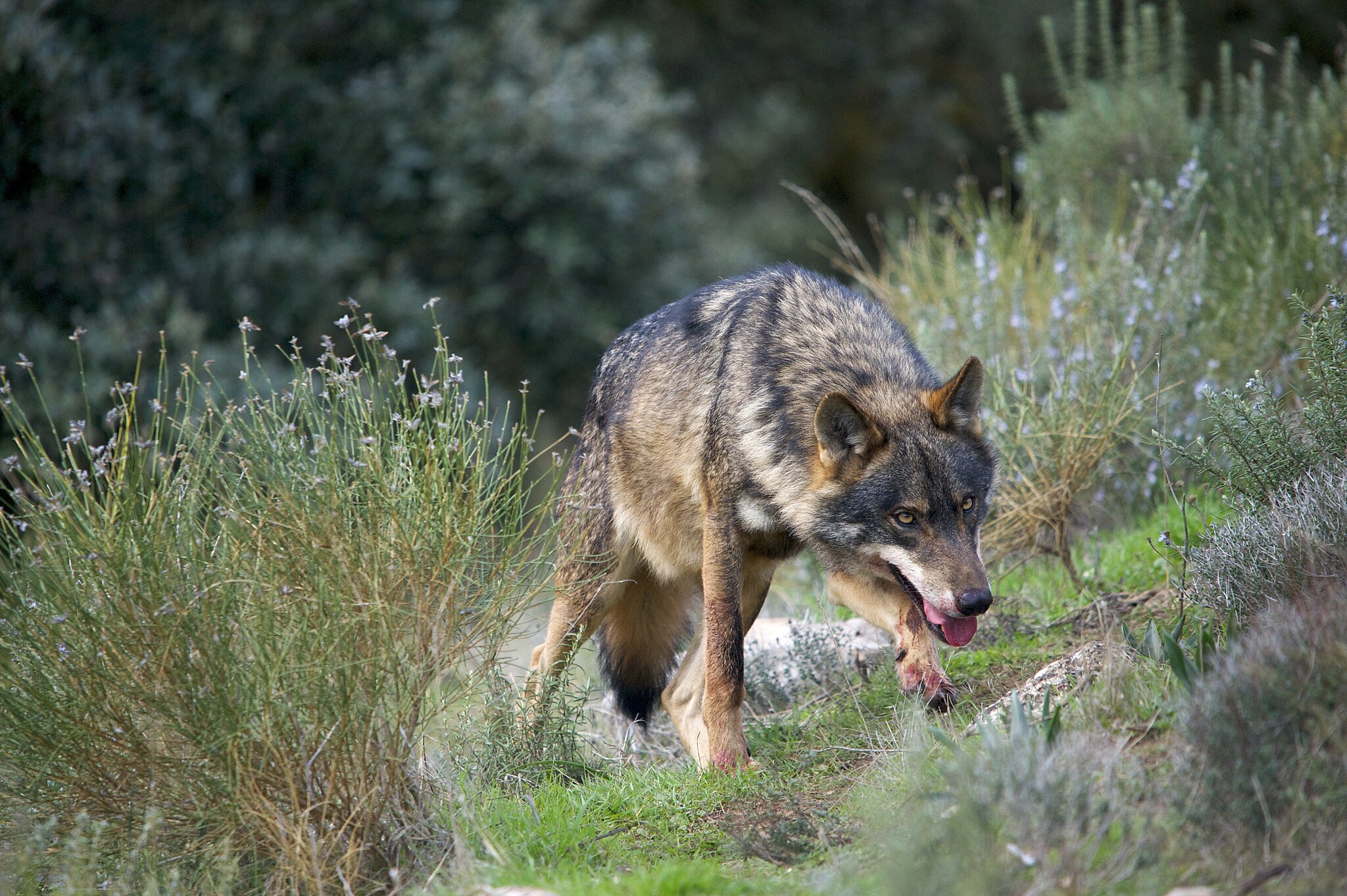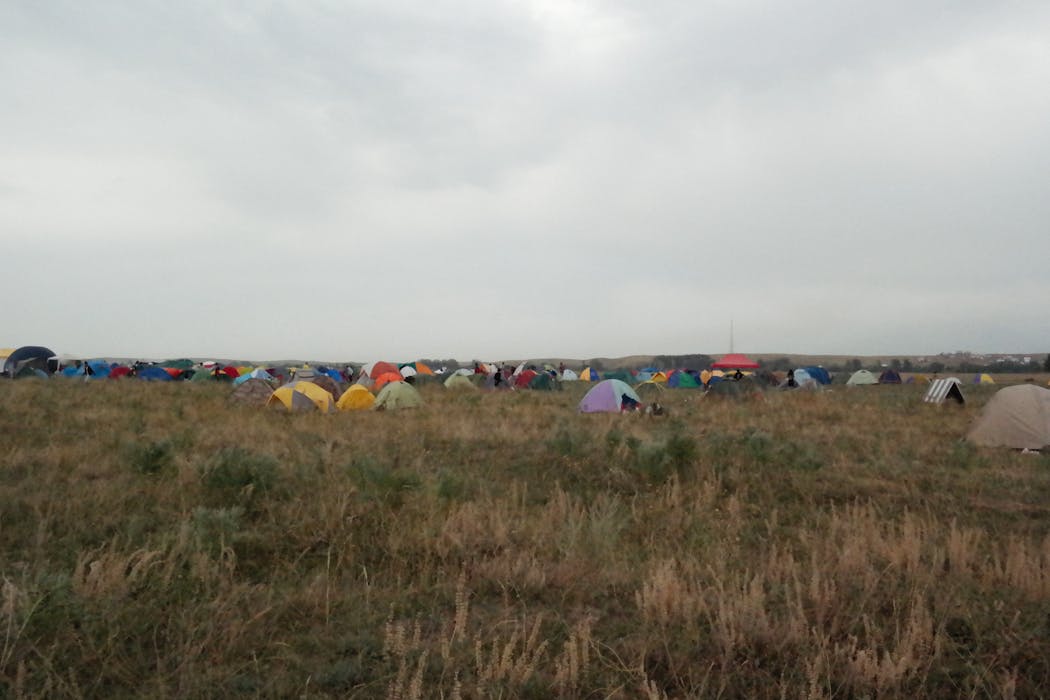
Camping across the Midwest offers beautiful lakes, rolling plains, and thick forests, but it also brings a unique set of challenges shaped by regional weather, wildlife, and terrain. Campers often navigate unpredictable storms, persistent insects, dense humidity, and varied landscapes that require flexibility and preparation. The region’s long summers, rapid temperature swings, and seasonal flooding influence everything from shelter setup to trail conditions. Wildlife patterns, including active mosquitoes, ticks, and raccoons, add another layer of consideration for anyone spending time outdoors. Cultural elements such as crowded state parks, holiday traditions, and agricultural surroundings also play meaningful roles in shaping the camping experience. Understanding these Midwest-specific factors helps highlight how different the region feels compared to the arid climates, high elevations, and dry air that define many Western camping destinations.
Sudden Thunderstorms
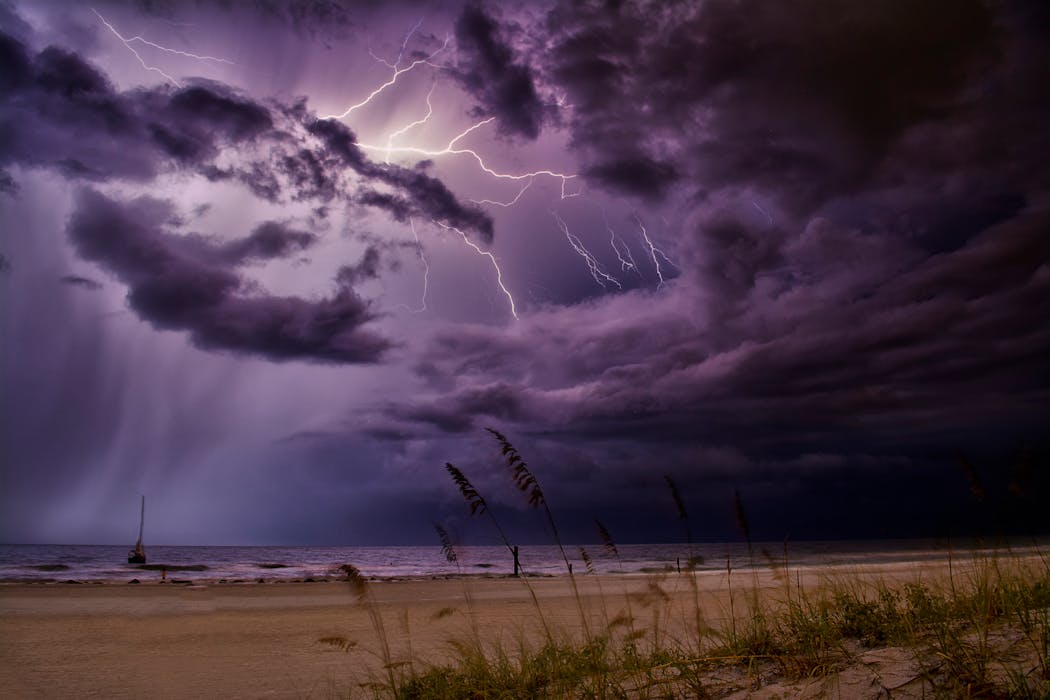
Midwest campers frequently deal with sudden thunderstorms that develop quickly due to regional humidity, warm temperatures, and expansive open plains. These storms bring heavy rain, strong winds, and dramatic lightning, often shifting conditions within minutes. Western regions, especially arid areas, tend to experience far fewer rapid storm buildups. The unpredictability of Midwest thunderstorms requires campers to monitor cloud formations, prepare shelters securely, and anticipate trail changes. These storms often pass quickly, but their intensity can reshape a campsite overnight by soaking gear and flooding low-lying areas. The dynamic nature of Midwest weather makes storm awareness an essential part of the region’s camping experience and illustrates how climate differences shape outdoor routines across the country.
High Humidity Levels
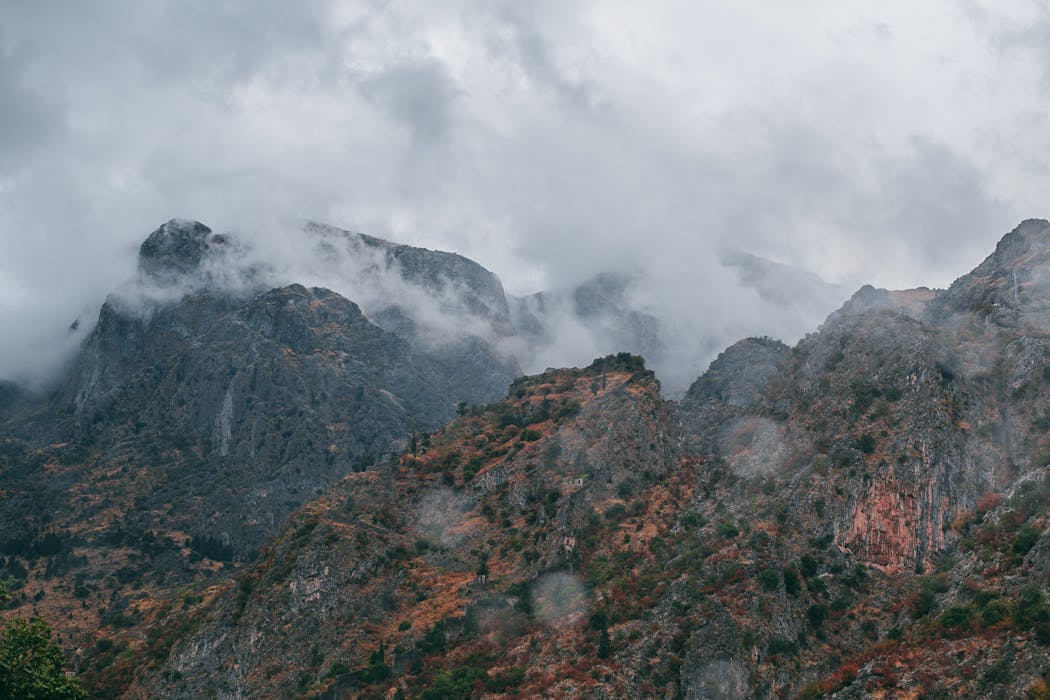
High humidity plays a major role in shaping comfort and gear performance for Midwest campers, creating sticky, heavy air that lingers throughout the summer months. Tents, clothing, and sleeping bags often trap moisture, making drying time significantly longer compared to Western states, where drier climates dominate. Humidity also amplifies heat, causing warm days to feel more intense and contributing to fatigue on long hikes. Campers must adjust routines to account for condensation buildup on tent walls, slippery surfaces, and slower evaporation rates. This moisture-rich environment distinguishes the Midwest from Western regions, where the air remains markedly drier and more forgiving for outdoor equipment and daily comfort.
Mosquito Populations
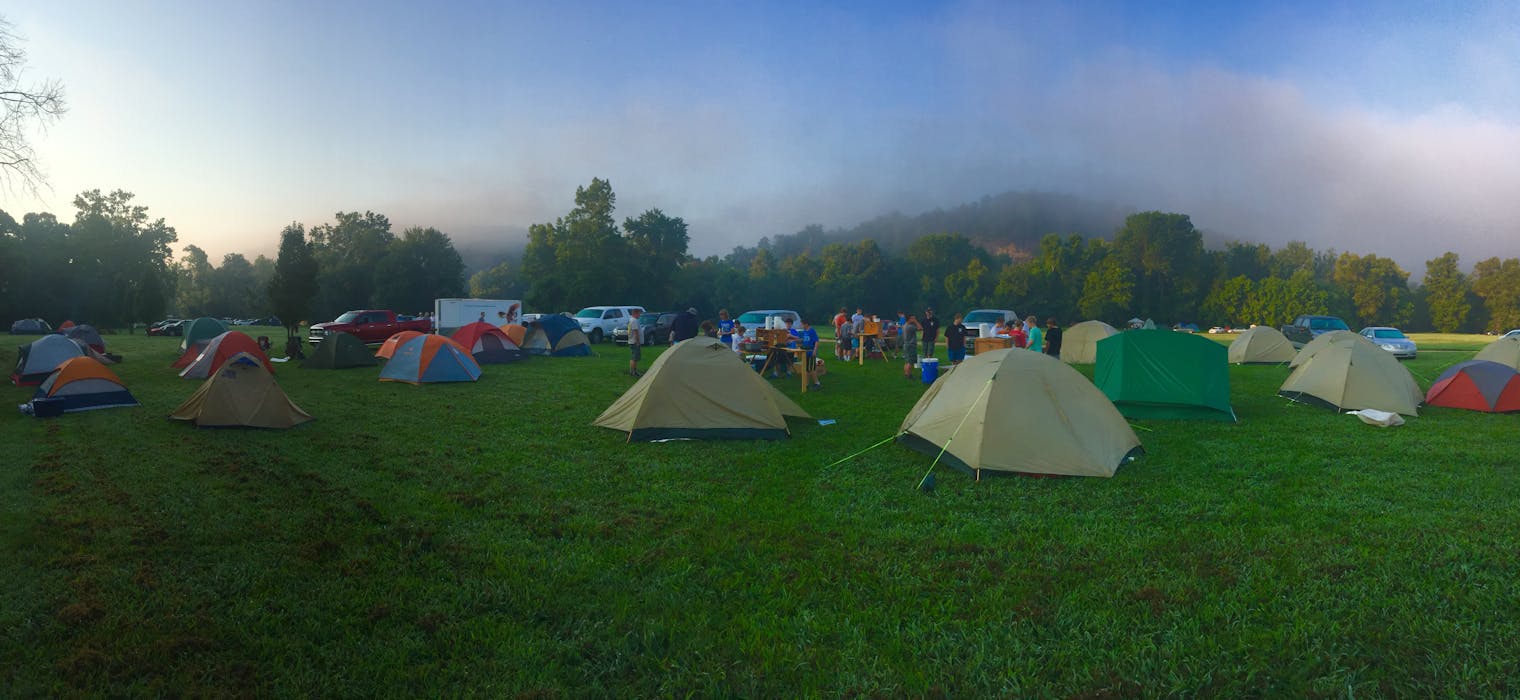
Mosquito populations thrive in the Midwest due to abundant standing water, dense vegetation, and long warm seasons, creating a persistent annoyance for campers. These insects become especially active at dawn and dusk, making outdoor cooking, fishing, or relaxing by the fire more challenging. Western campers, particularly those in arid or high-elevation regions, often encounter far fewer mosquitoes. Midwest campers must incorporate strategies such as wearing long sleeves, using repellents, and selecting breezy campsites near open areas. The constant presence of mosquitoes influences everything from campsite selection to mealtime routines and remains one of the most memorable differences between camping experiences in the two regions.
Tick Exposure
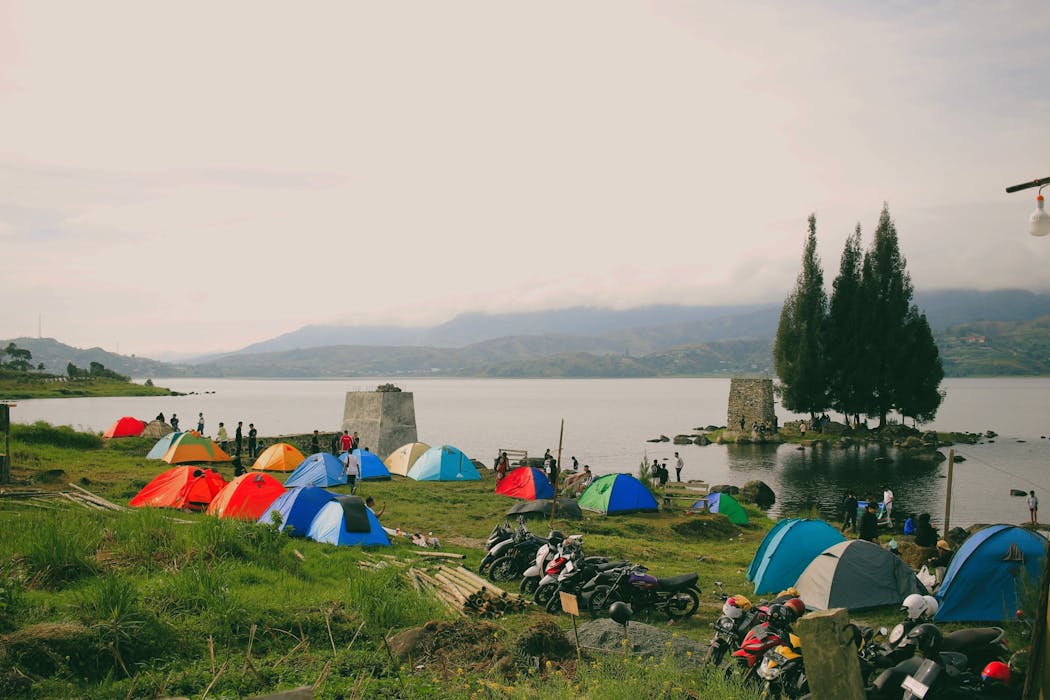
Ticks pose a significant concern across many Midwestern forests and grasslands, with species such as the deer tick and dog tick appearing frequently during warmer months. These insects thrive in tall grasses, wooded trails, and leaf litter, increasing exposure for campers exploring popular regional parks. While Western states also host ticks, many of the driest areas experience lower populations, reducing the risk compared to the Midwest. Campers in the region often check clothing and gear regularly and choose campsites away from dense vegetation. The widespread presence of ticks shapes outdoor habits and contributes to the extra precautions necessary when navigating the Midwest’s lush natural environments.
Thick Underbrush
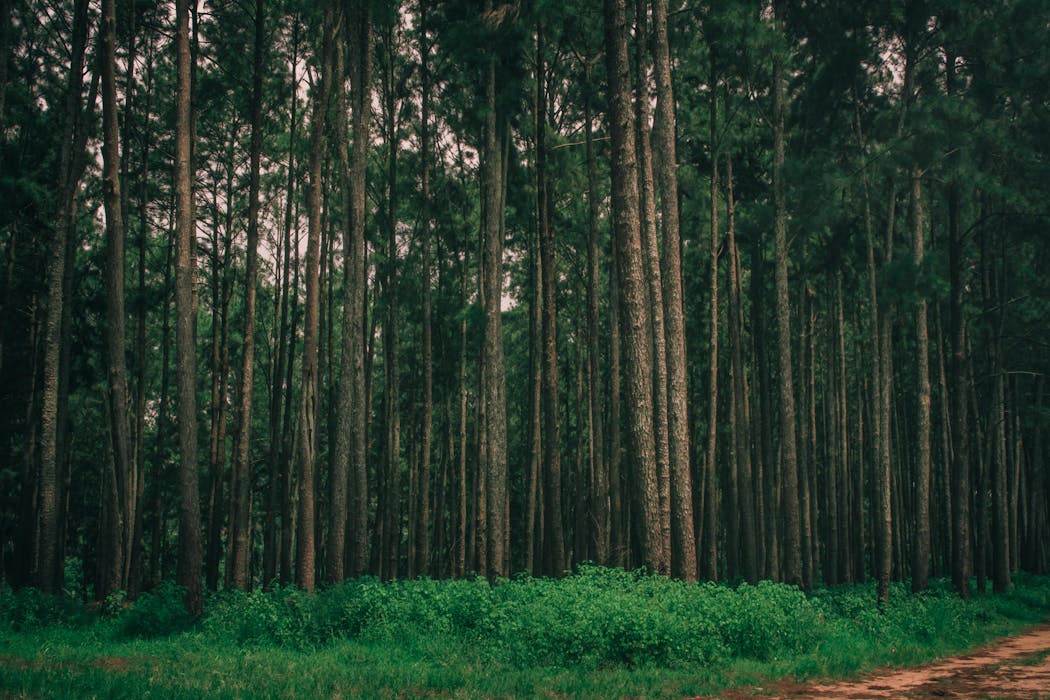
Thick underbrush commonly appears along Midwestern trails and forested campsites, creating obstacles that slow progress and obscure pathways. This dense vegetation grows quickly during warm, wet seasons and can hide rocks, holes, or fallen branches that challenge even experienced hikers. In contrast, many Western landscapes feature more open terrain with clearer sight lines, especially in desert and high-elevation areas. Midwest campers often use caution when navigating these overgrown spaces, paying attention to footing and adjusting routes as necessary. The underbrush also provides habitat for insects and small animals, adding another layer of awareness for those exploring heavily wooded areas during peak growth seasons.
Flat Yet Muddy Terrain
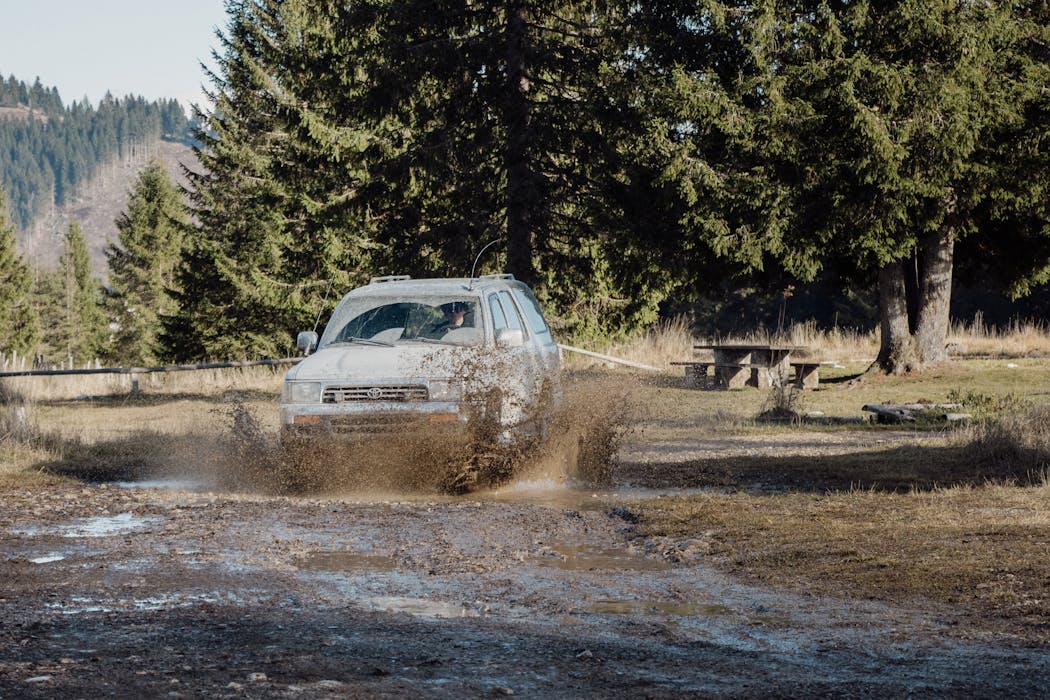
Many Midwestern regions feature flat landscapes that collect water easily, creating muddy trails and campsites after rainfall. This mud can linger for days, making hiking and tent placement more challenging. Western terrain often drains water more efficiently due to rocky soil composition and varied elevation, reducing long-term mud buildup. Campers in the Midwest frequently contend with slick surfaces, puddle-filled paths, and soft ground that complicates tent staking. The combination of mud and flat terrain influences gear choices and encourages more strategic campsite selection to avoid low-lying areas prone to pooling water, especially during unpredictable seasonal changes and extended periods of heavy rain.
Strong Winds on Open Plains
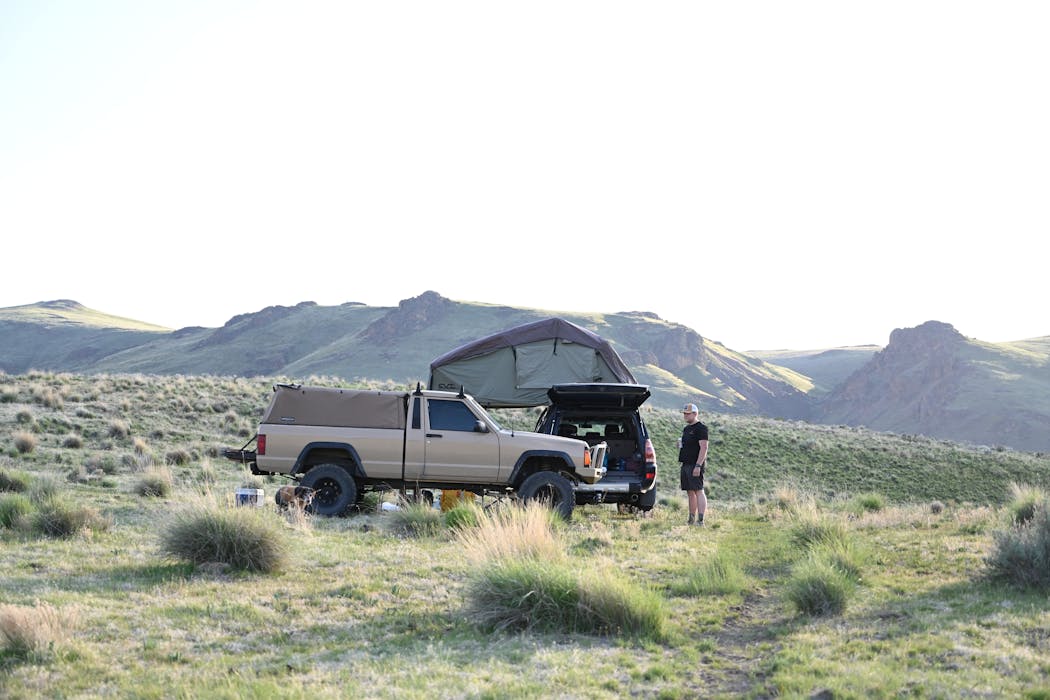
The Midwest’s open plains allow strong winds to travel long distances without obstruction, affecting everything from tent stability to campfire behavior. Western winds can be intense, particularly in mountain passes, but the consistent gusts across flat Midwestern landscapes create unique challenges. Tents must be secured with extra stakes, and lightweight items require careful storage to prevent sudden gusts from scattering gear. These winds also influence cooking conditions and make open-flame preparation more unpredictable. The region’s breezy character becomes especially noticeable during spring and fall, shaping outdoor routines for campers accustomed to calmer Western climates while encouraging additional precautions and careful campsite placement.
Seasonal Flooding
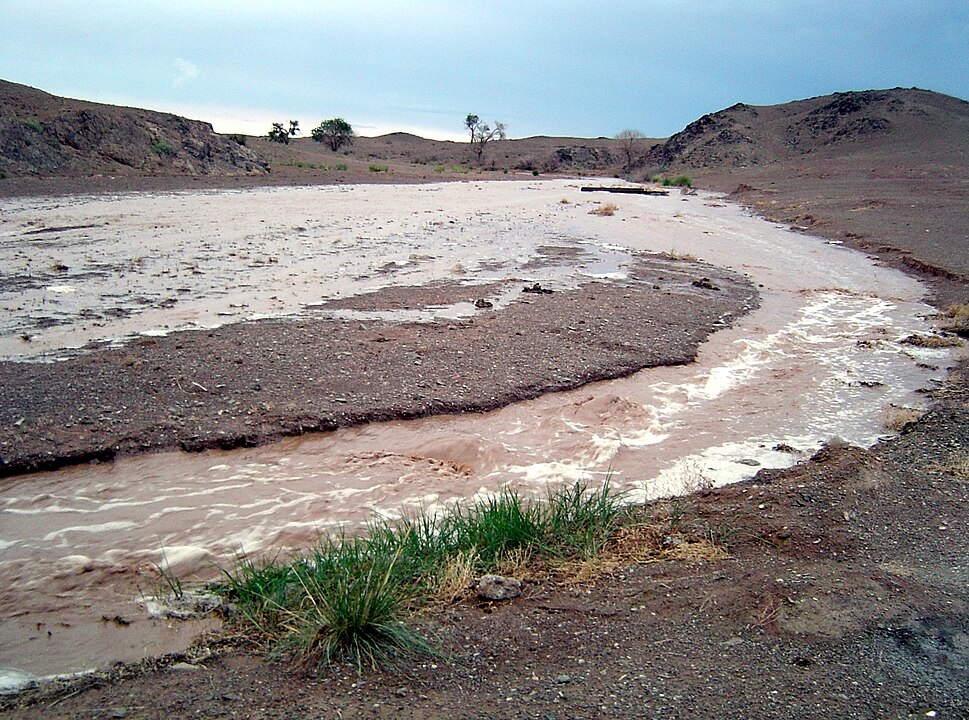
Seasonal flooding affects many Midwestern river valleys and low-lying campgrounds, especially during spring snowmelt or heavy rainfall. Campers may find certain parks partially submerged or trails temporarily inaccessible due to rising water. Western regions experience flooding as well, but the Midwest’s expansive river systems and flatter terrain increase the likelihood of widespread seasonal overflow. Understanding campground maps, monitoring weather forecasts, and selecting elevated campsites become essential habits for navigating flood-prone areas. These recurring water patterns shape the region’s outdoor culture and highlight the influence of geography on camping experiences while reminding visitors to account for rapid hydrological changes.
Intense Heat Waves
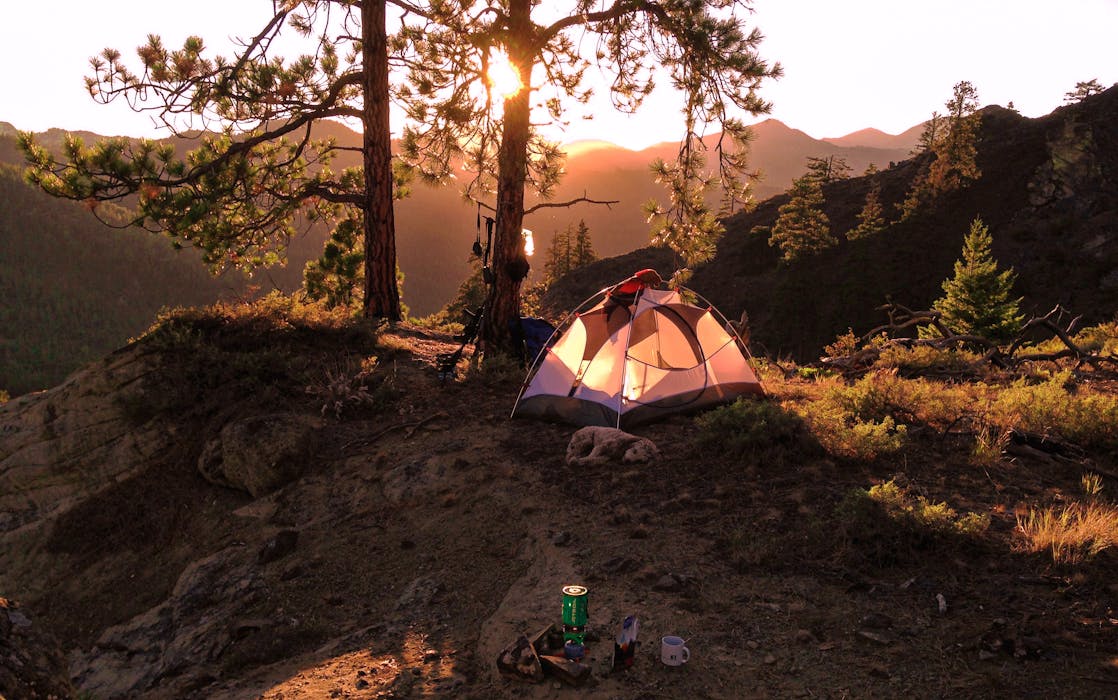
Midwestern heat waves bring high temperatures paired with thick humidity, creating conditions that feel significantly more oppressive than dry Western heat. Campers often struggle with sleep inside warm tents, a slower hiking pace, and limited opportunities for cooling off in shaded areas. The combination of radiant sunlight and moisture in the air reduces nighttime relief, extending discomfort well past sunset. Western campers in desert climates may face extreme temperatures as well, but the dry air allows sweat to evaporate more effectively. Heat waves across the Midwest reshape daily plans, encouraging early hikes, shaded rest periods, and careful hydration strategies that help maintain comfort throughout persistently warm conditions.
Sudden Cold Snaps
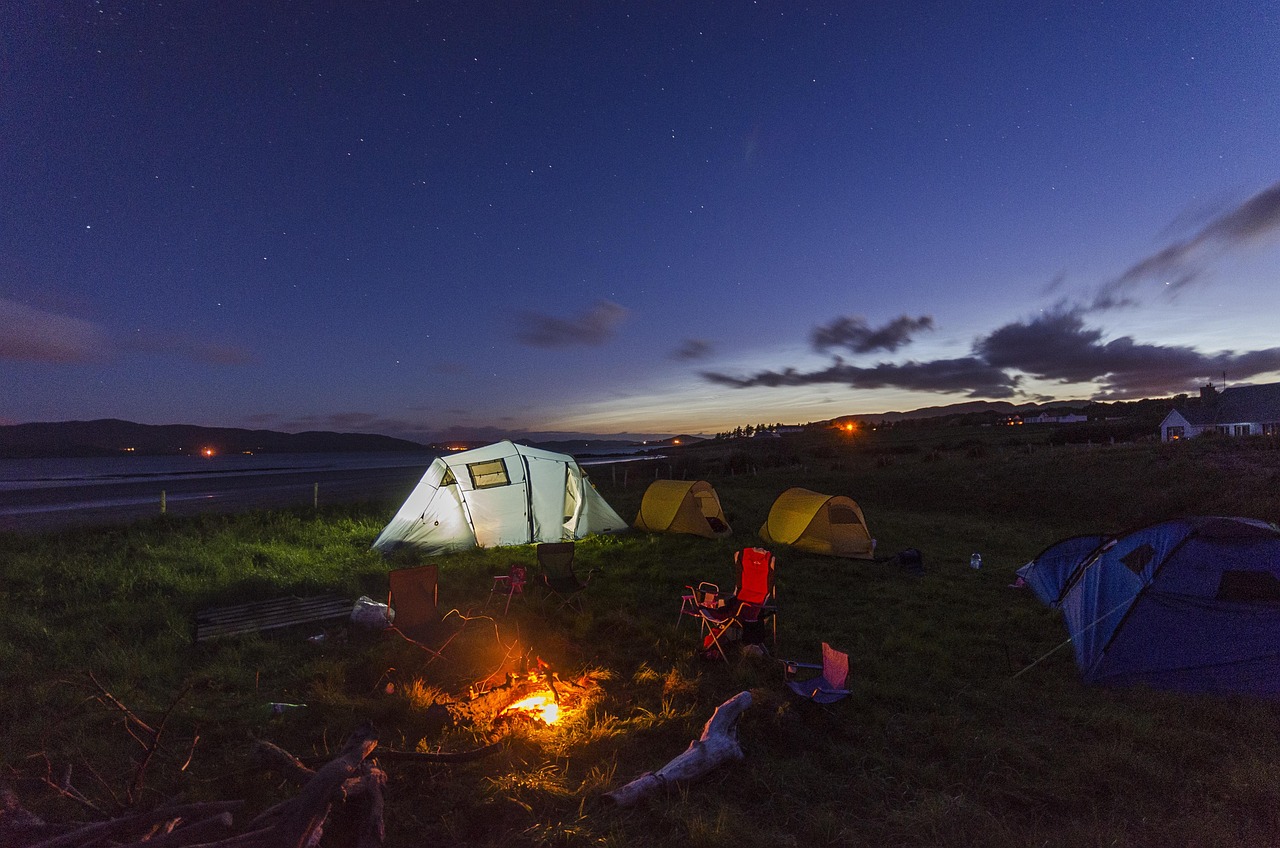
Sudden cold snaps remain a hallmark of Midwestern weather, often arriving without warning and dramatically shifting temperatures overnight. Campers must prepare for warm afternoons followed by unexpectedly chilly evenings that require extra layers and robust sleeping systems. Western climates, particularly in desert regions, also experience rapid drops, but the frequency and unpredictability of Midwest cold snaps create additional planning challenges. These shifts influence firewood usage, clothing choices, and morning routines as campers adjust to colder conditions. The variability of Midwestern temperatures showcases the region’s dynamic climate and its impact on outdoor comfort across multiple camping seasons and locations.
Thick Morning Dew
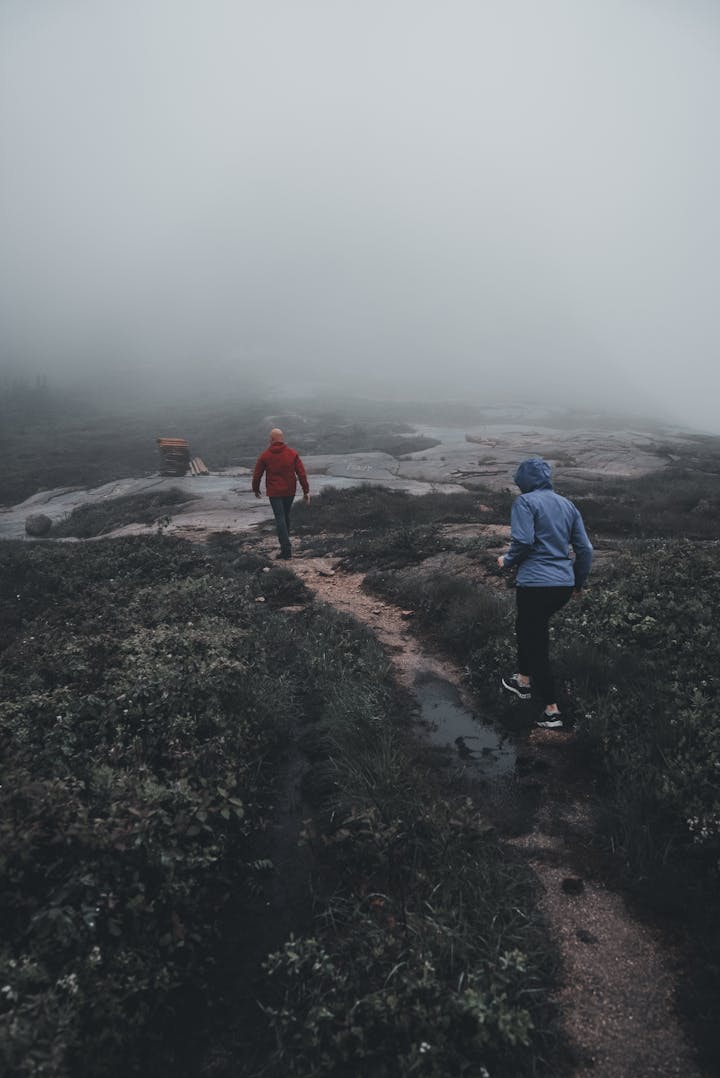
Thick morning dew blankets Midwestern campsites during warm seasons, leaving tents, chairs, and cooking surfaces coated in moisture that takes hours to dry. Western campers in arid regions rarely encounter such persistent dampness. Dew buildup influences how campers store gear, prepare breakfast, and manage drying time before breaking camp. Sleeping bags and clothing often absorb extra moisture, requiring additional ventilation and sun exposure. The heavy dew reflects the region’s humidity and plays a surprisingly large role in shaping morning routines for those camping throughout the Midwest by affecting preparation, cleanup, and departure timing significantly, especially during long stretches of humid late-summer weather.
Persistent Overcast Skies
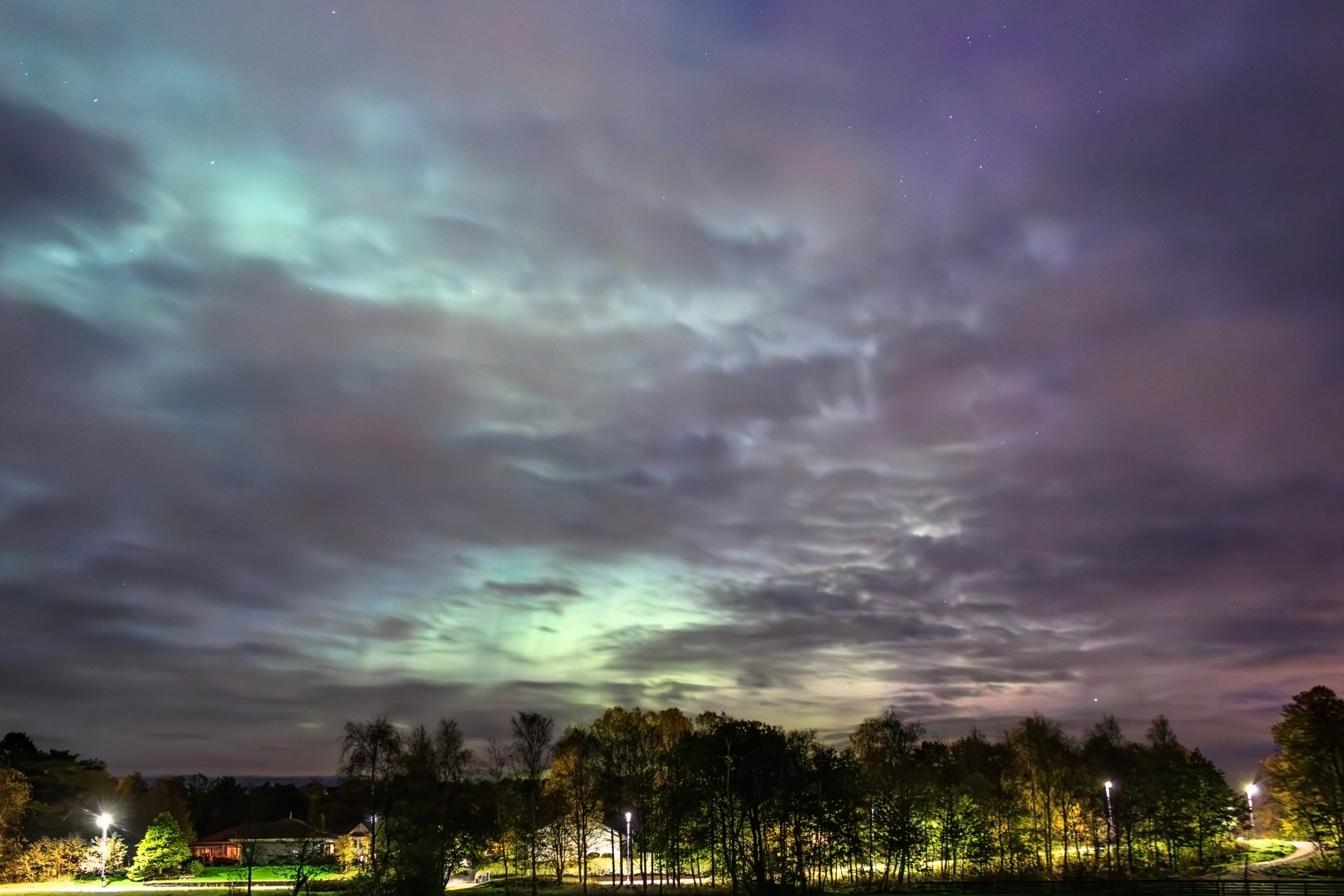
Persistent overcast skies appear frequently across the Midwest, especially during transitional seasons when cloud cover lingers for days. These conditions create cooler lighting, damp vegetation, and slower evaporation rates for wet gear. Western states, particularly along mountain ranges and deserts, often experience more consistent sunshine. The Midwest’s cloud-heavy days influence energy levels, campsite visibility, and overall mood for campers seeking bright, sunny conditions. Extended overcast weather becomes a defining characteristic of long camping trips in the region, shaping expectations for daylight and warmth while encouraging flexible planning for uncertain lighting and moisture patterns.
Long Summer Nights with Fireflies
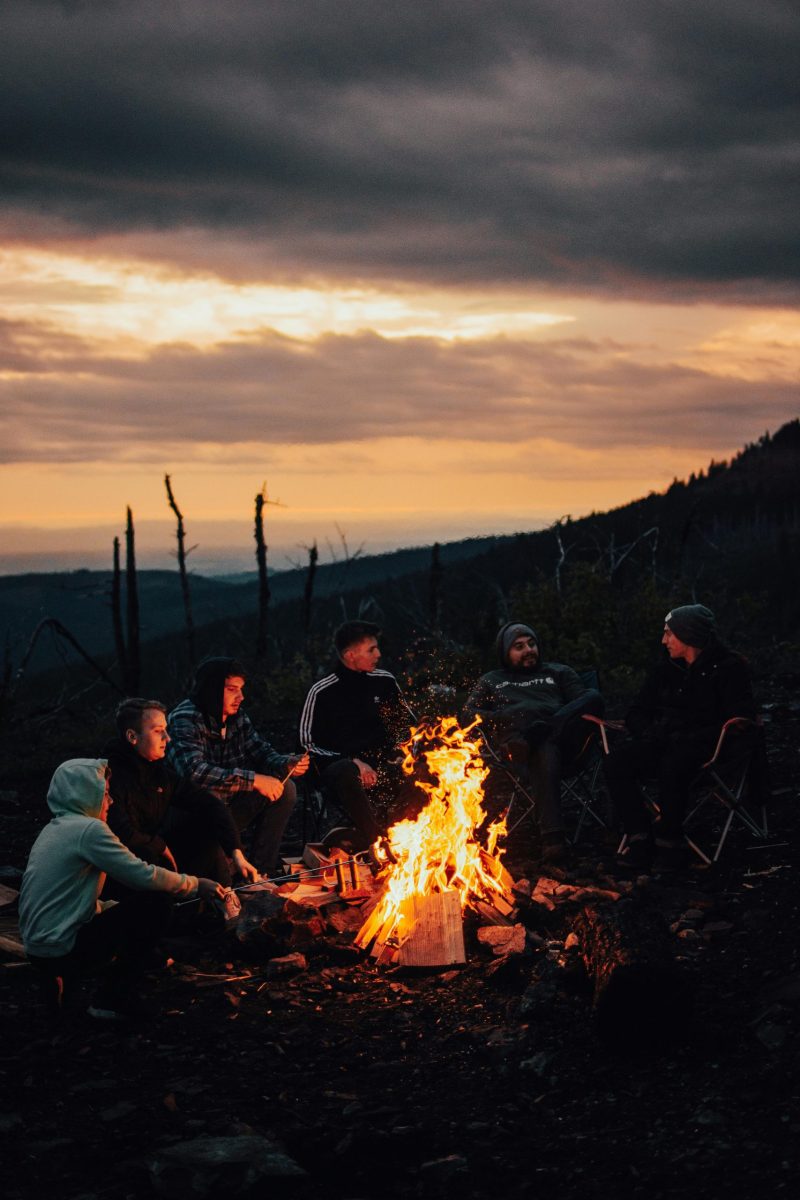
Long summer nights filled with fireflies create a uniquely Midwestern experience that Western campers rarely encounter. While this phenomenon brings beauty and nostalgia, it also attracts insects to bright camping areas and influences evening routines. Fireflies gather near water, tall grasses, and forest edges, creating magical displays but also increasing overall bug presence. This natural spectacle offers memorable nightly entertainment, yet it highlights the region’s rich insect populations and the environmental conditions that sustain them. Campers often adjust lighting, seating choices, and campfire placement to enjoy the ambiance while managing the accompanying insects throughout these warm, glowing summer evenings.
Crowded State Parks
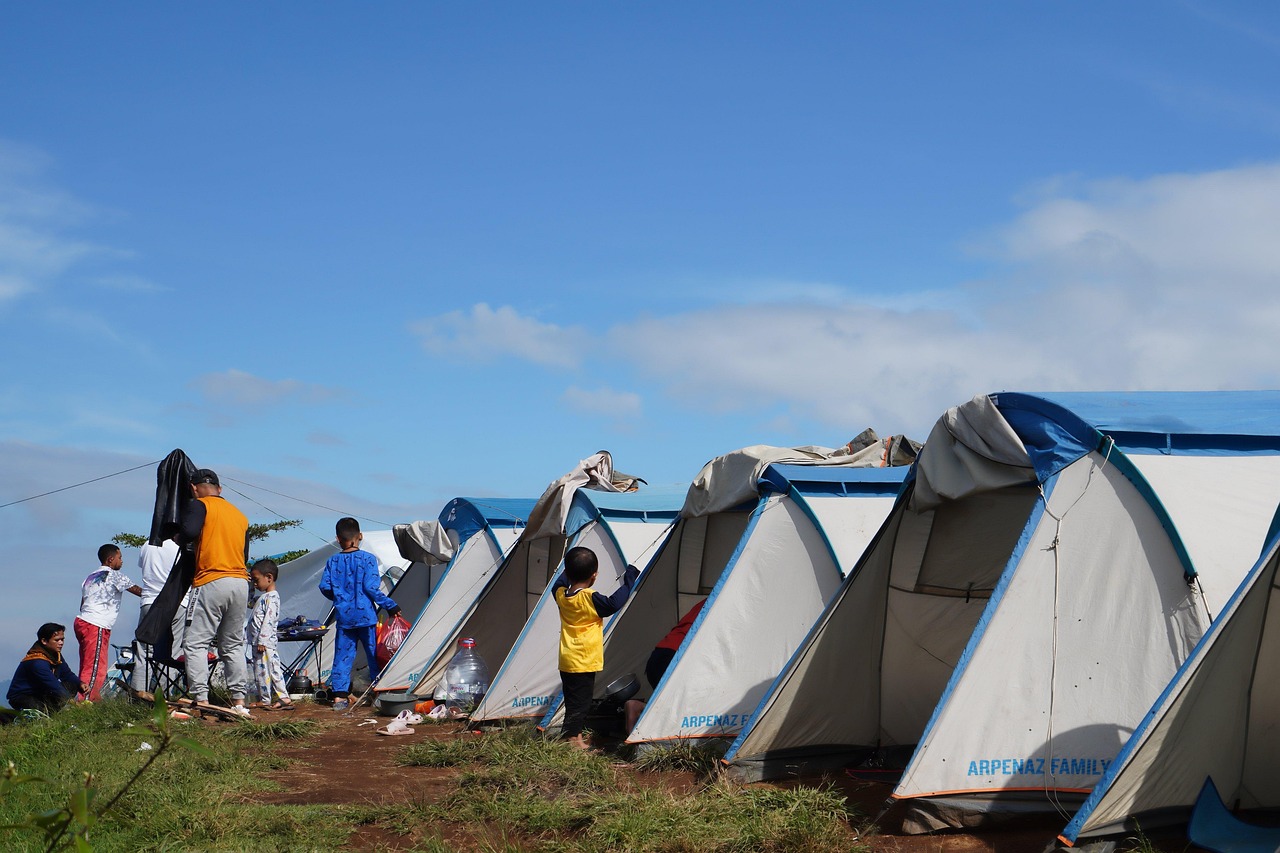
Midwestern state parks often become crowded during peak camping months, especially around lakes and popular recreation areas. These parks attract families, anglers, and vacationers from nearby cities, creating busy campgrounds where reservations fill quickly. Western states also see high visitation, but the Midwest’s centralized population hubs lead to particularly dense seasonal turnout. Campers must navigate increased noise, limited privacy, and competition for desirable sites. This pattern shapes weekend planning and encourages early booking habits for those hoping to secure peaceful campsites during busy months while navigating bustling campground atmosphere and seasonal travel surges.
Agricultural Surroundings
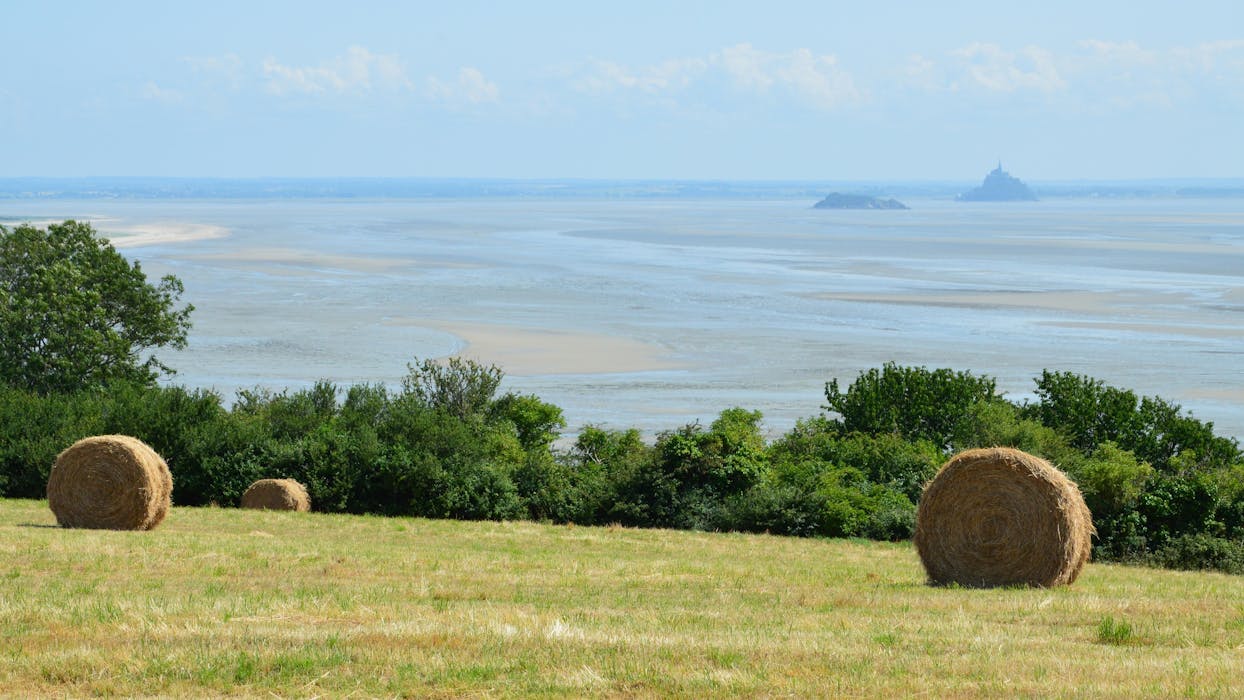
Many Midwestern campgrounds sit near agricultural land, bringing unique sounds, scents, and views that differ from Western wilderness settings. Campers may hear distant tractors, smell fresh-cut hay, or see expansive corn and soybean fields bordering park boundaries. These surroundings create a distinctive rural atmosphere but may also introduce dust or early morning noise depending on seasonal farming activity. The integration of farmland and recreation areas reflects the Midwest’s deep agricultural roots and shapes the camping experience in subtle but memorable ways. Campers often adapt routines around nearby farm operations and appreciate the region’s rural character, especially when harvest seasons create dynamic landscapes that shift noticeably throughout their stay.
Campfire Restrictions from High Winds
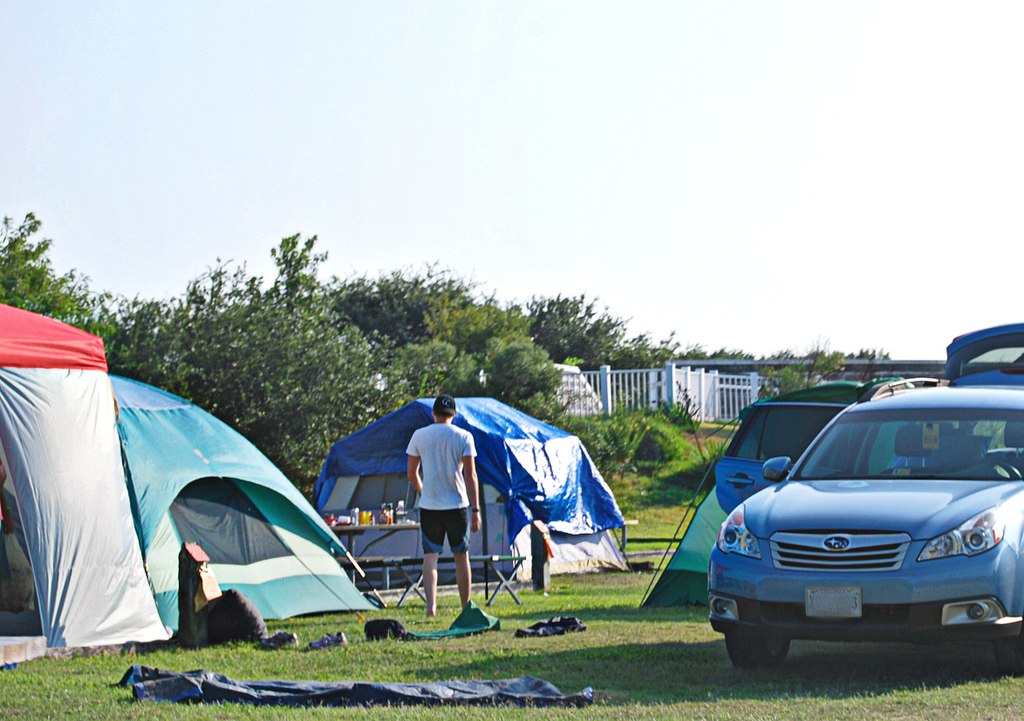
High winds across open Midwestern plains often lead to temporary campfire restrictions, particularly during dry spells or harvest seasons. While Western states also enforce burn bans, the Midwest’s flat landscapes allow winds to travel farther and pose additional fire risks. Campers must adjust cooking methods, rely on stoves, or choose sheltered areas when restrictions apply. These patterns reflect the region’s unique relationship with wind behavior and the precautions necessary to maintain safe outdoor environments. Awareness of changing conditions becomes essential for preventing accidents and preserving natural spaces responsibly, especially when gusts intensify quickly and create hazardous situations that require immediate attention and preparation.
Inconsistent Trail Markings
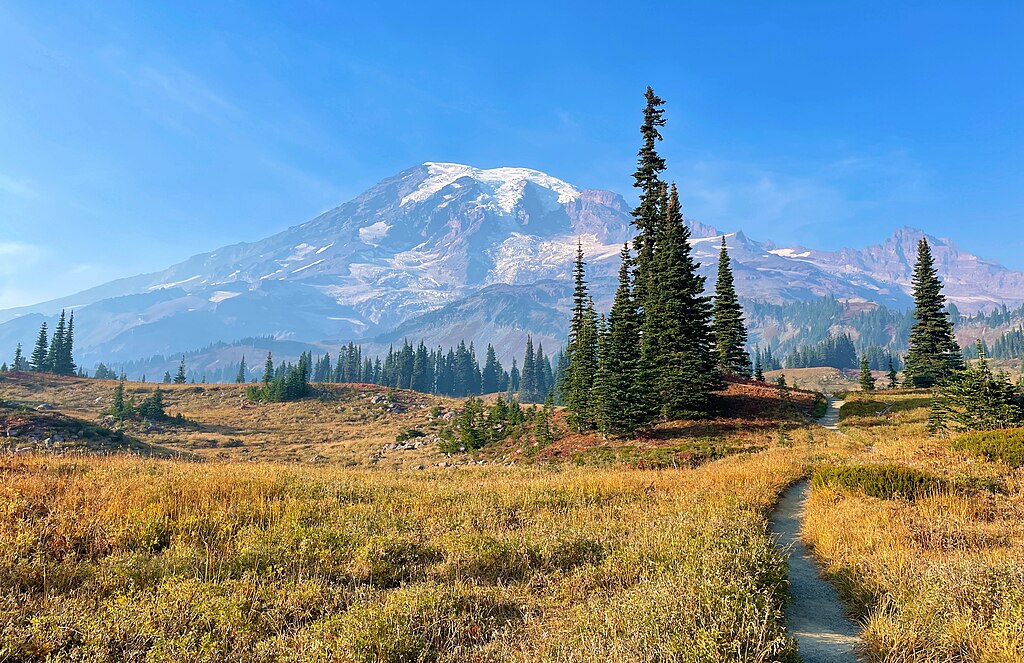
Trail markings can be inconsistent across Midwestern parks, where dense vegetation and seasonal overgrowth sometimes obscure signs or paths. Western trails, especially in national parks, often benefit from open terrain and clearly visible routes. Midwest campers navigate winding forest trails that shift with plant growth, requiring attentive observation to stay on course. The combination of flat landscapes and dense foliage adds challenge to trail navigation and shapes the region’s hiking dynamics. Campers frequently rely on maps, compasses, or digital tools to maintain orientation throughout these changing pathways, especially when weather conditions reduce visibility or further complicate already intricate forested routes.
Heavy Snowmelt in Spring
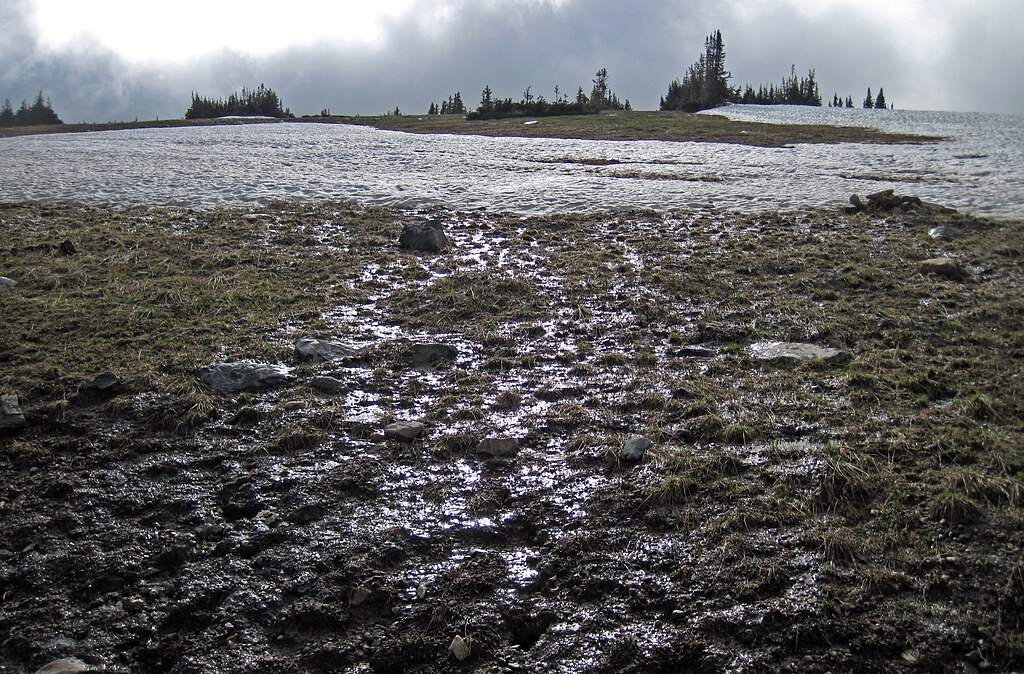
Spring camping in the Midwest often brings heavy snowmelt that saturates trails, raises river levels, and creates muddy campsites. Western snowmelt varies significantly by elevation, but many Midwestern parks experience widespread waterlogged conditions due to flatter topography. Campers must anticipate wet ground, slippery trails, and flooded lowlands when planning spring trips. These meltwater patterns contribute to unique seasonal challenges that shape early-year camping experiences across the region. Understanding regional hydrology helps campers prepare effectively for shifting water levels and unstable terrain during rapidly changing seasonal transitions and conditions.
Frequent Tornado Watches

Frequent tornado watches occur during storm seasons across Midwestern states such as Kansas, Nebraska, Iowa, and Missouri. While tornadoes are not guaranteed, the watches create heightened weather awareness for campers who must track alerts and plan shelter options. Western regions experience fewer tornado-related concerns due to differing climate patterns. The presence of tornado watches influences campsite selection, travel timing, and overall preparedness during peak storm months. Campers often adjust routines around unpredictable conditions to maintain safety while continuing their outdoor exploration responsibly, especially in regions where severe weather develops rapidly and demands immediate attention.
Active Raccoon Populations

Active raccoon populations remain a defining part of Midwest camping, as these clever animals frequently explore campsites for food and shiny gear. Their persistence requires secure food storage and careful cleanup routines. Western regions have raccoons as well, but populations often appear less concentrated in many arid and mountainous areas. The curiosity and confidence of Midwestern raccoons add both amusement and challenge to nights around the campsite, influencing how campers organize belongings and prepare for wildlife encounters. Their frequent visits encourage extra caution and thoughtful campsite maintenance while reminding campers of the region’s abundant wildlife activity throughout warm seasons and bustling forest environments.