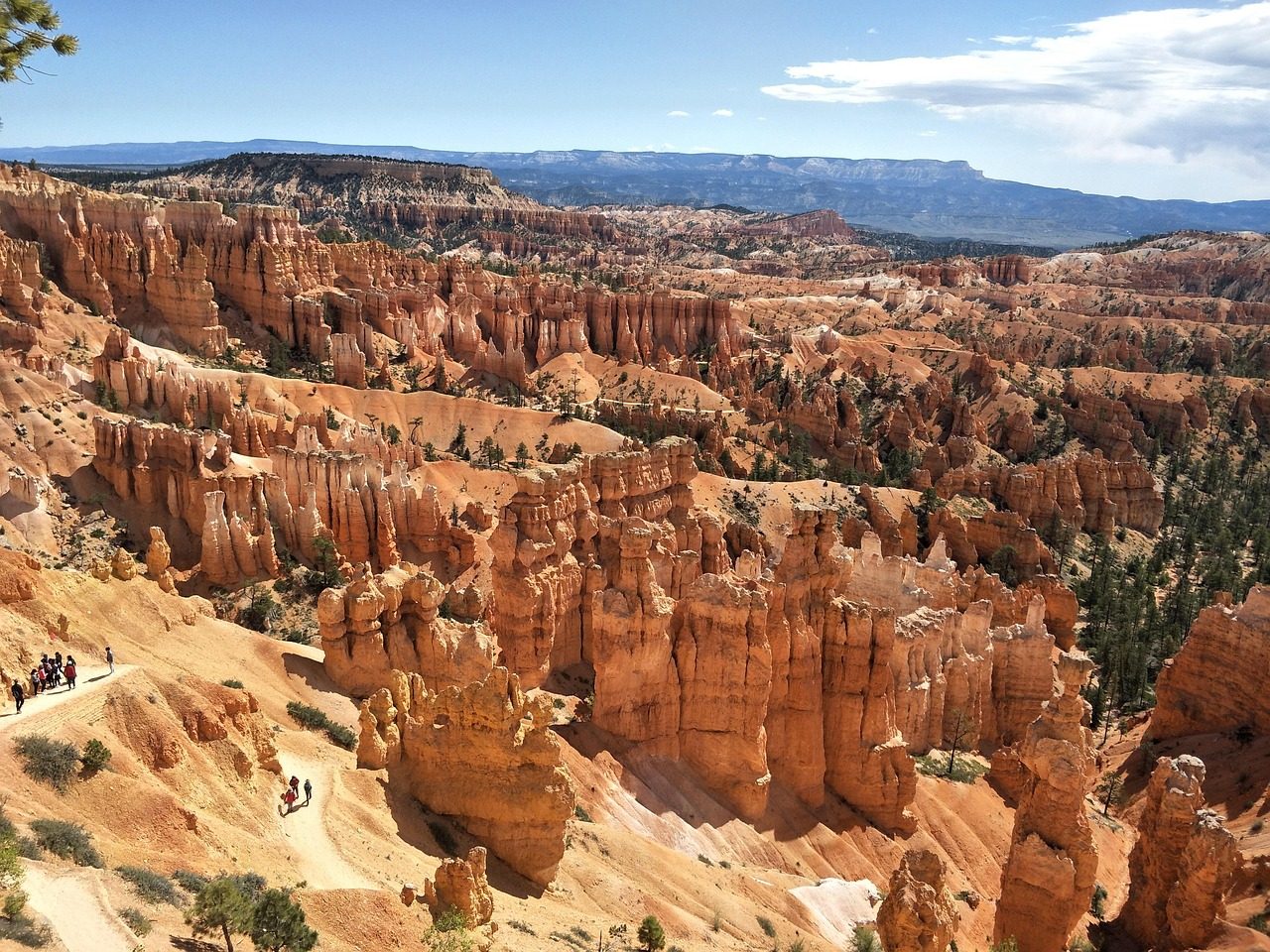
National parks are treasured spaces that protect natural beauty, wildlife, and cultural history for future generations. Millions of visitors arrive each year to hike trails, camp under the stars, and witness landscapes that feel untouched by time. To preserve these places, the National Park Service enforces rules that may surprise some travelers. These bans are not meant to restrict enjoyment but to ensure safety and protect the delicate balance of these wild spaces. Here are fifteen things you cannot do in U.S. national parks.
Feeding Wildlife
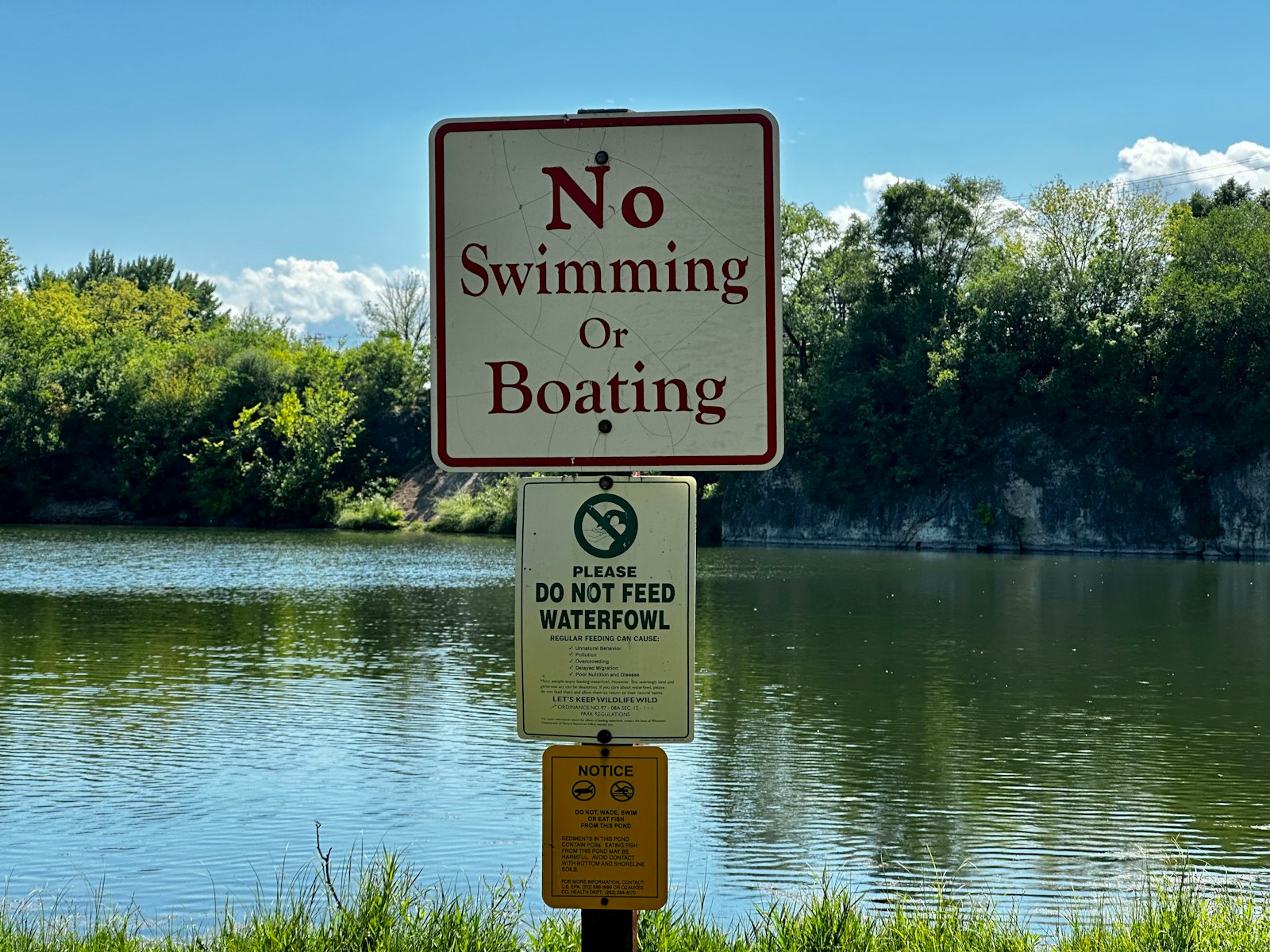
Feeding animals may seem harmless, but it changes their behavior and endangers both wildlife and people. Animals that associate humans with food can become aggressive or dependent. This ban ensures that creatures maintain their natural instincts and diets.
Picking Plants and Flowers
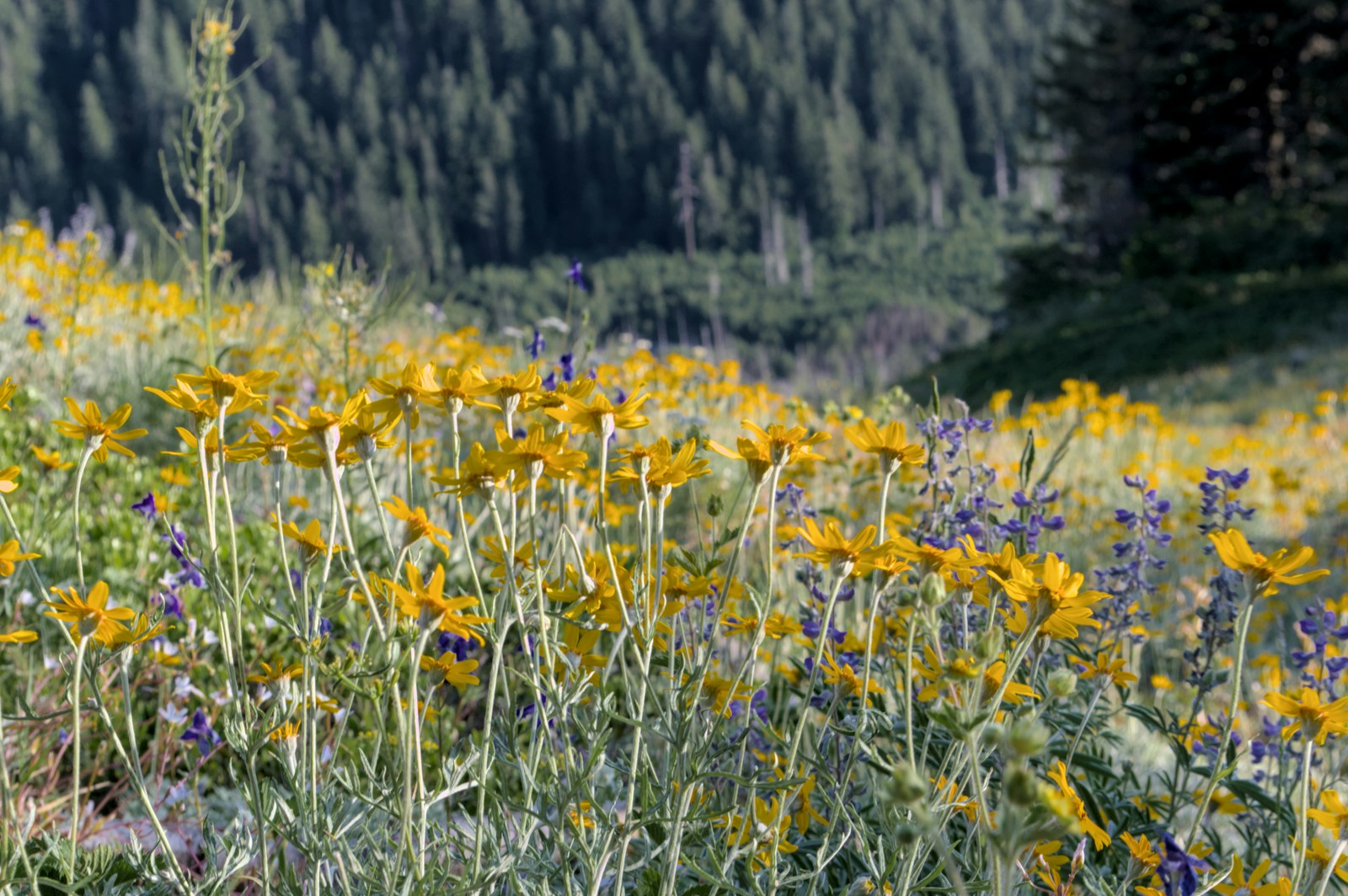
Even a small bouquet from a meadow can disrupt the ecosystem. Native plants play a vital role in sustaining pollinators and wildlife. By prohibiting picking, parks protect fragile species and preserve the beauty of the landscape for all visitors.
Collecting Rocks or Artifacts
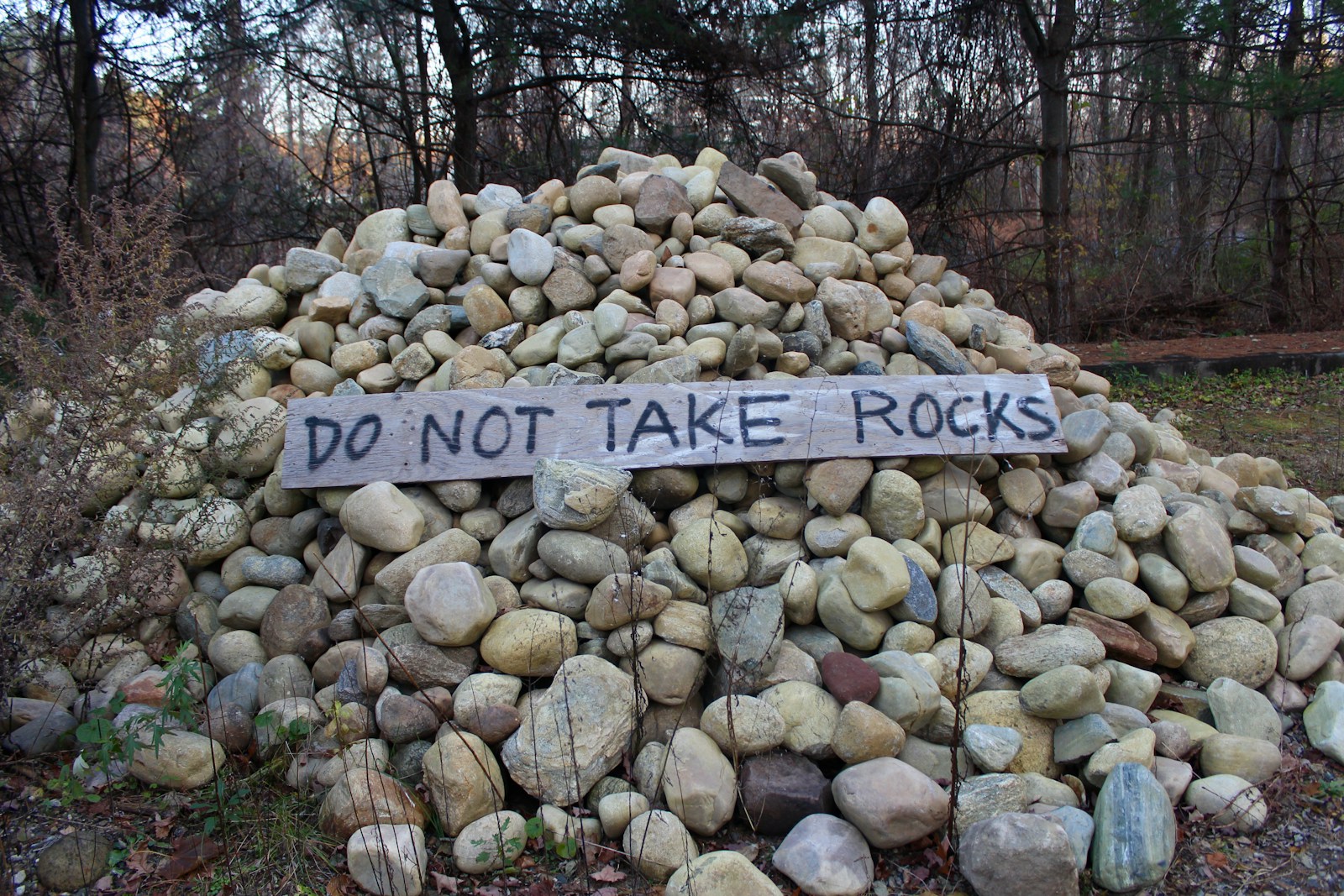
National parks protect not just nature but also history. Removing rocks, fossils, or artifacts erases stories from the land. This ban ensures that every visitor can experience the park as a living museum, untouched and authentic.
Hunting and Trapping
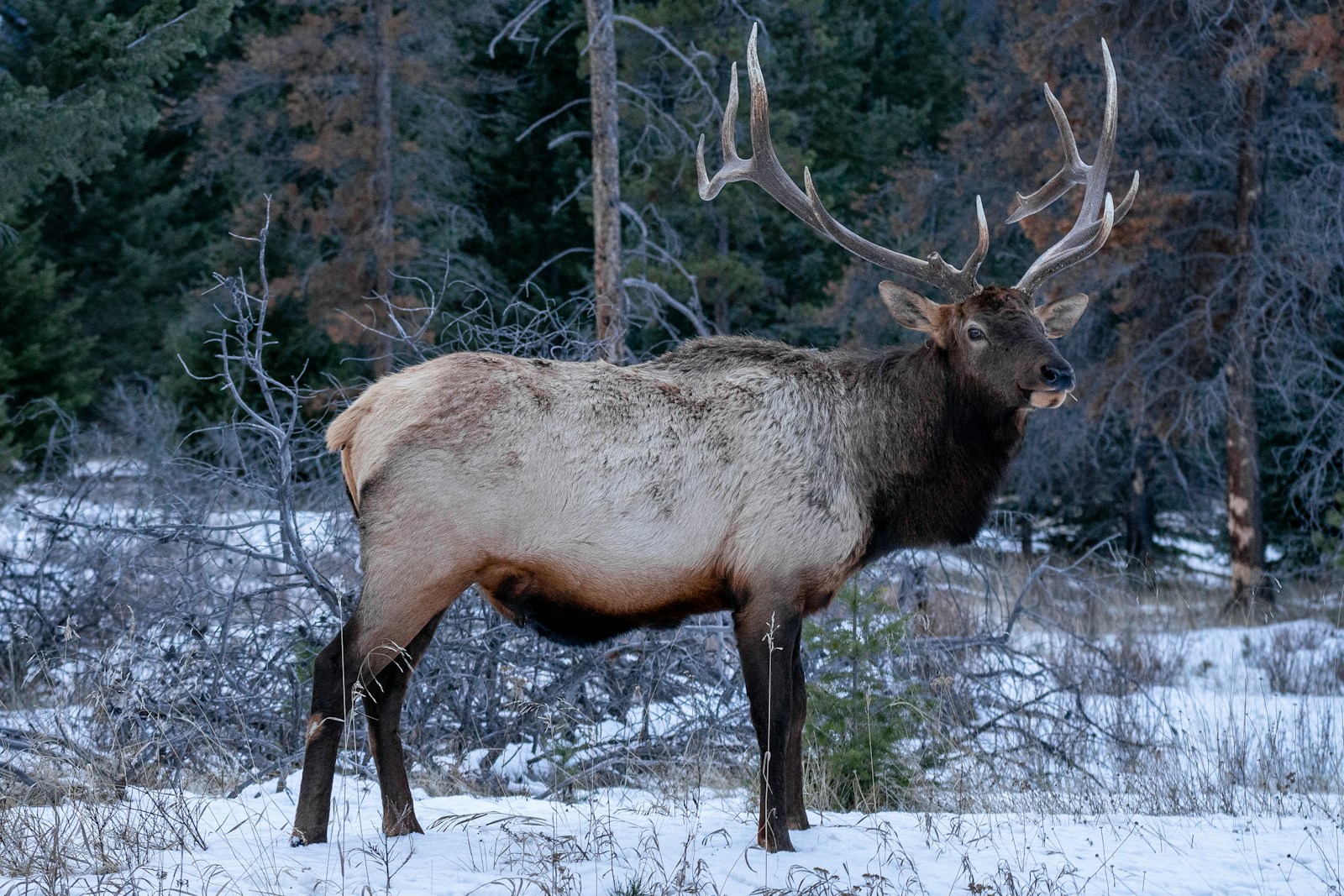
Unlike national forests, most national parks strictly prohibit hunting and trapping. Wildlife within these boundaries is protected so populations can thrive naturally. This safeguard creates safe havens for species at risk and preserves the balance of ecosystems.
Using Drones
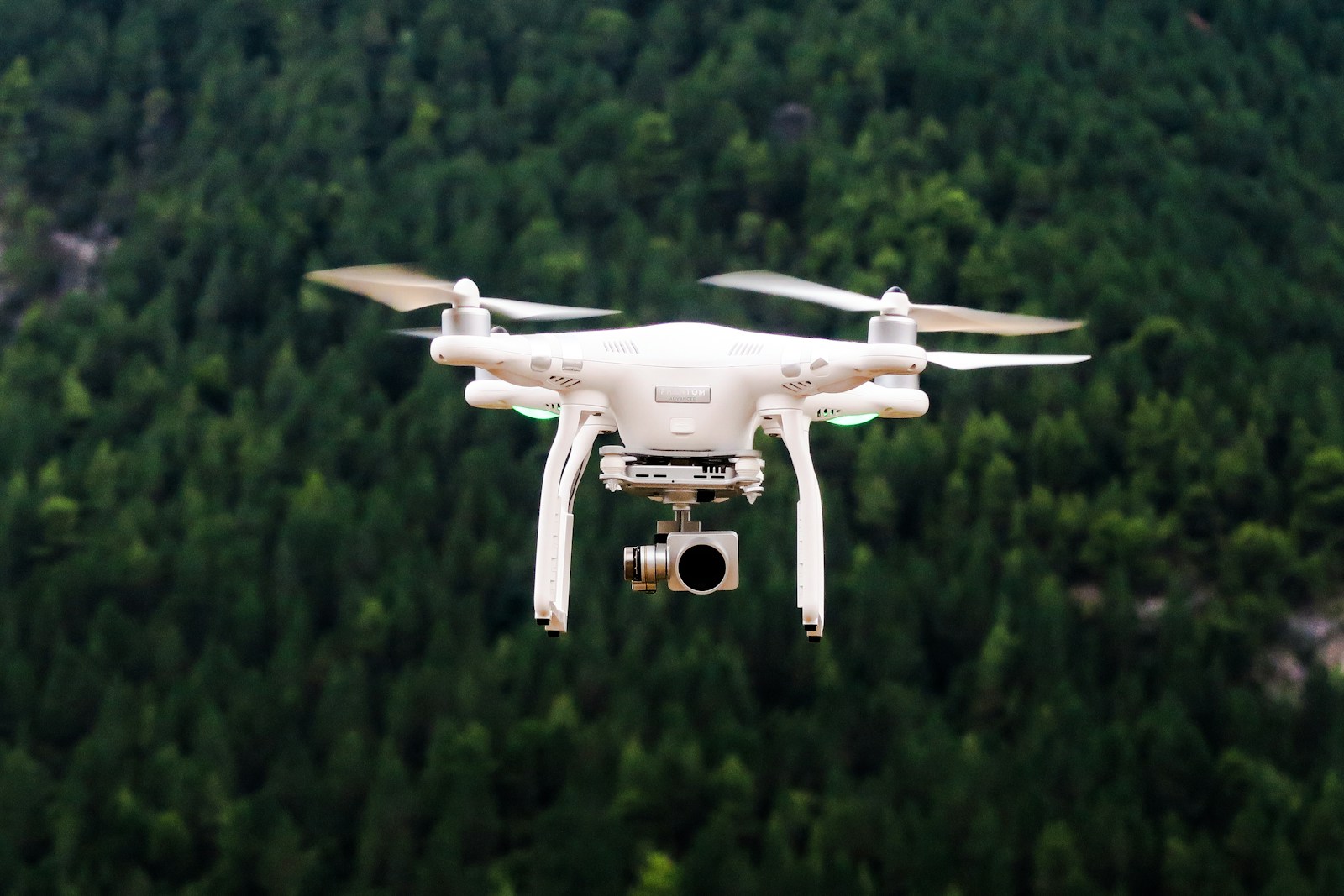
Drones may offer stunning aerial views, but they disrupt wildlife and spoil the quiet experience many seek in the parks. Their buzzing presence can startle animals and disturb visitors. To keep the skies natural and peaceful, drones are not allowed.
Off-Road Driving
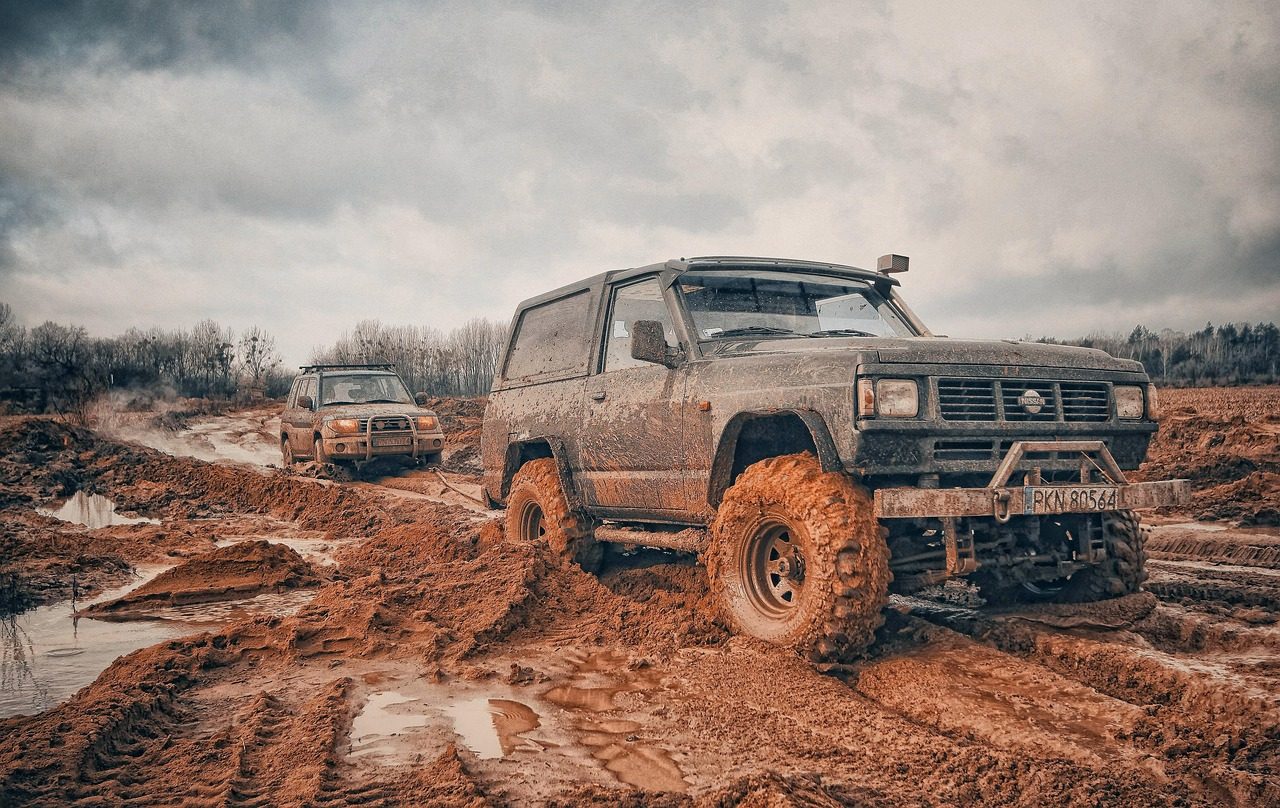
Driving off established roads damages fragile soils and vegetation. Tire tracks can scar landscapes for decades, and vehicles can disturb habitats. Staying on designated roads preserves the land and ensures safer conditions for all visitors.
Starting Unauthorized Fires
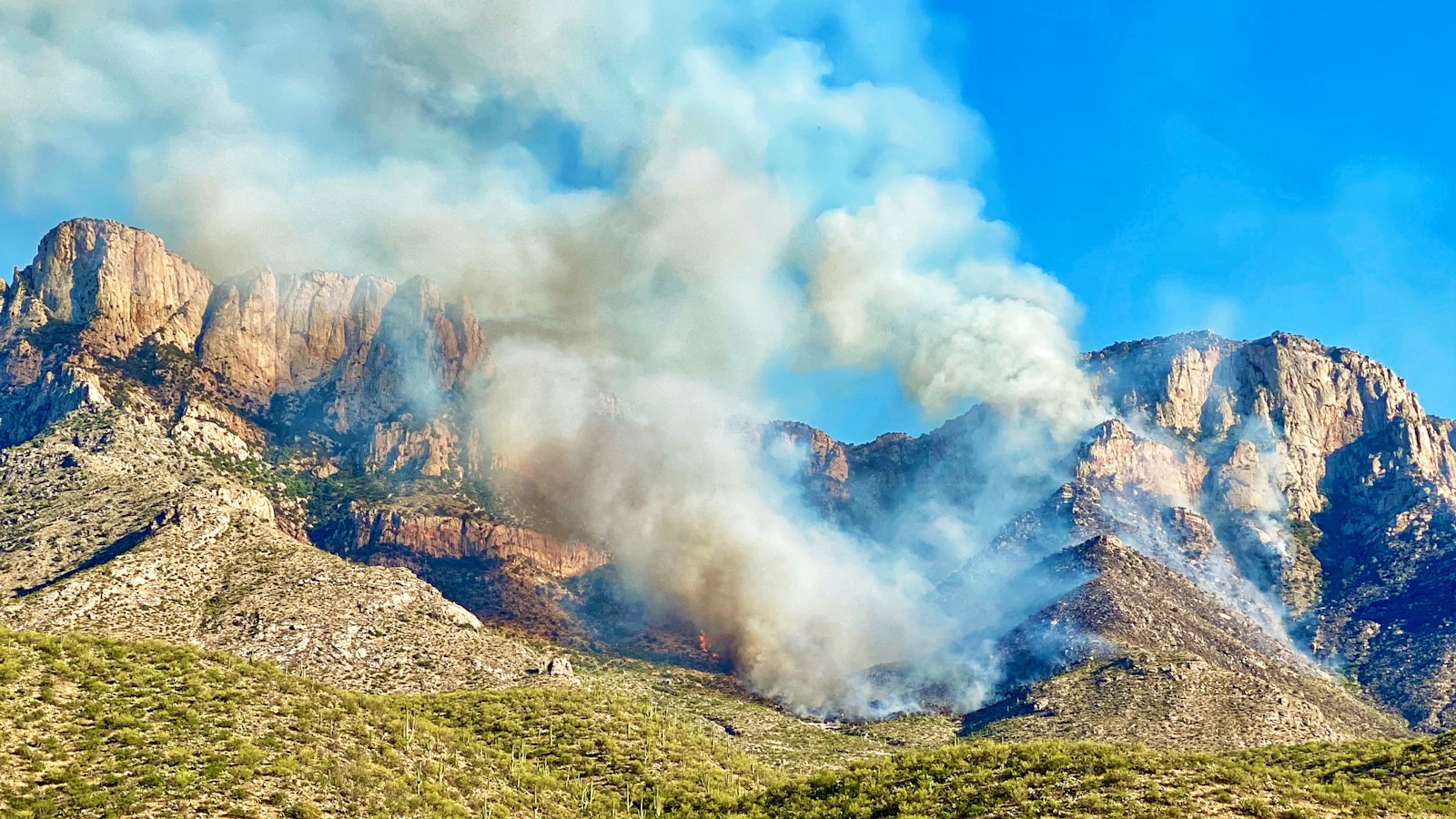
Campfires outside of designated areas pose serious risks in dry environments. Wildfires can spread rapidly and devastate large areas of protected land. Fire restrictions are carefully enforced to balance safety with the enjoyment of camping traditions.
Bringing Pets on Restricted Trails
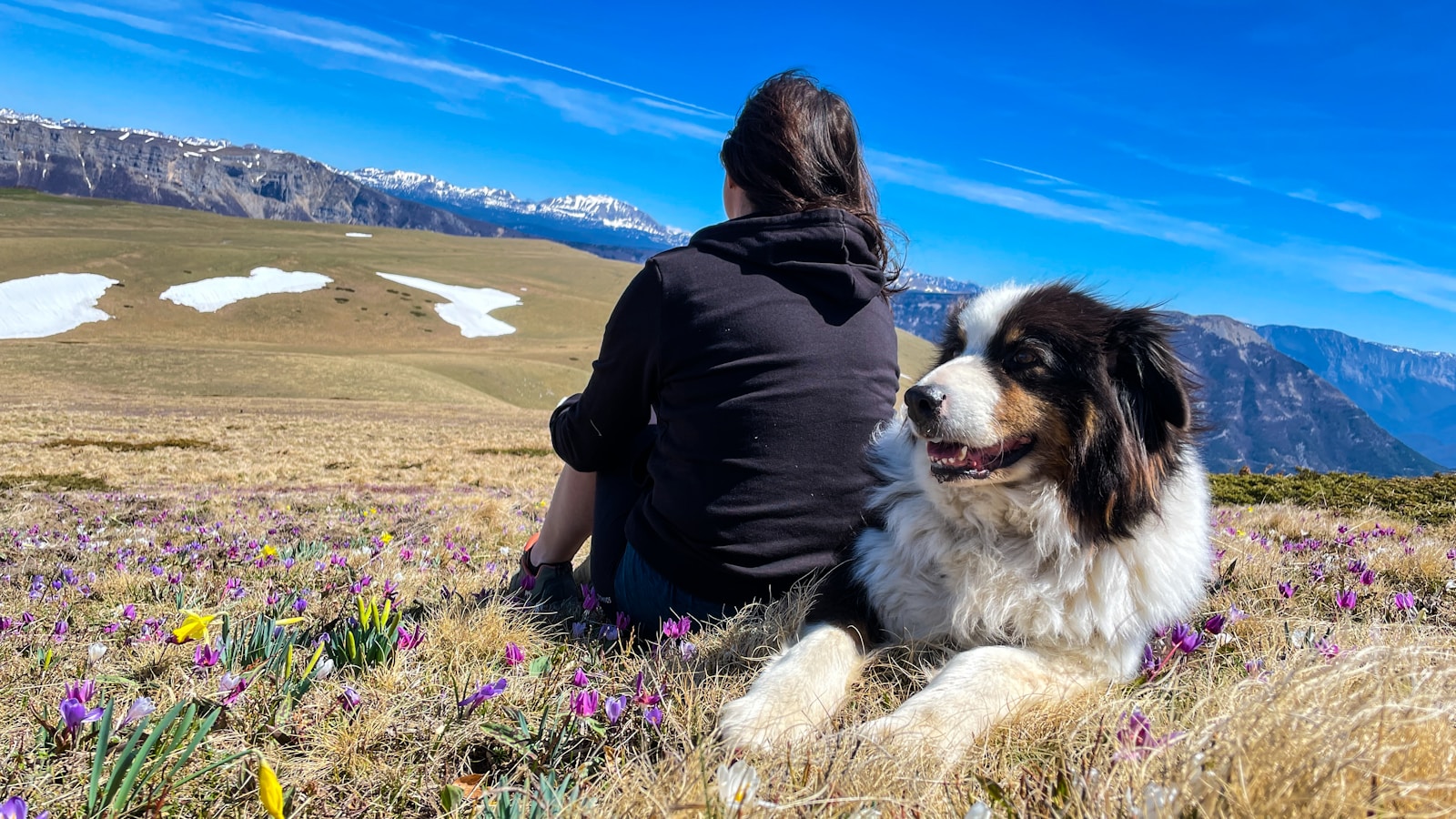
While many parks allow pets in certain areas, they are banned from sensitive trails and wilderness zones. Pets can disturb wildlife, introduce disease, or leave waste behind. These rules protect the animals and ensure safe, clean trails for everyone.
Using Metal Detectors
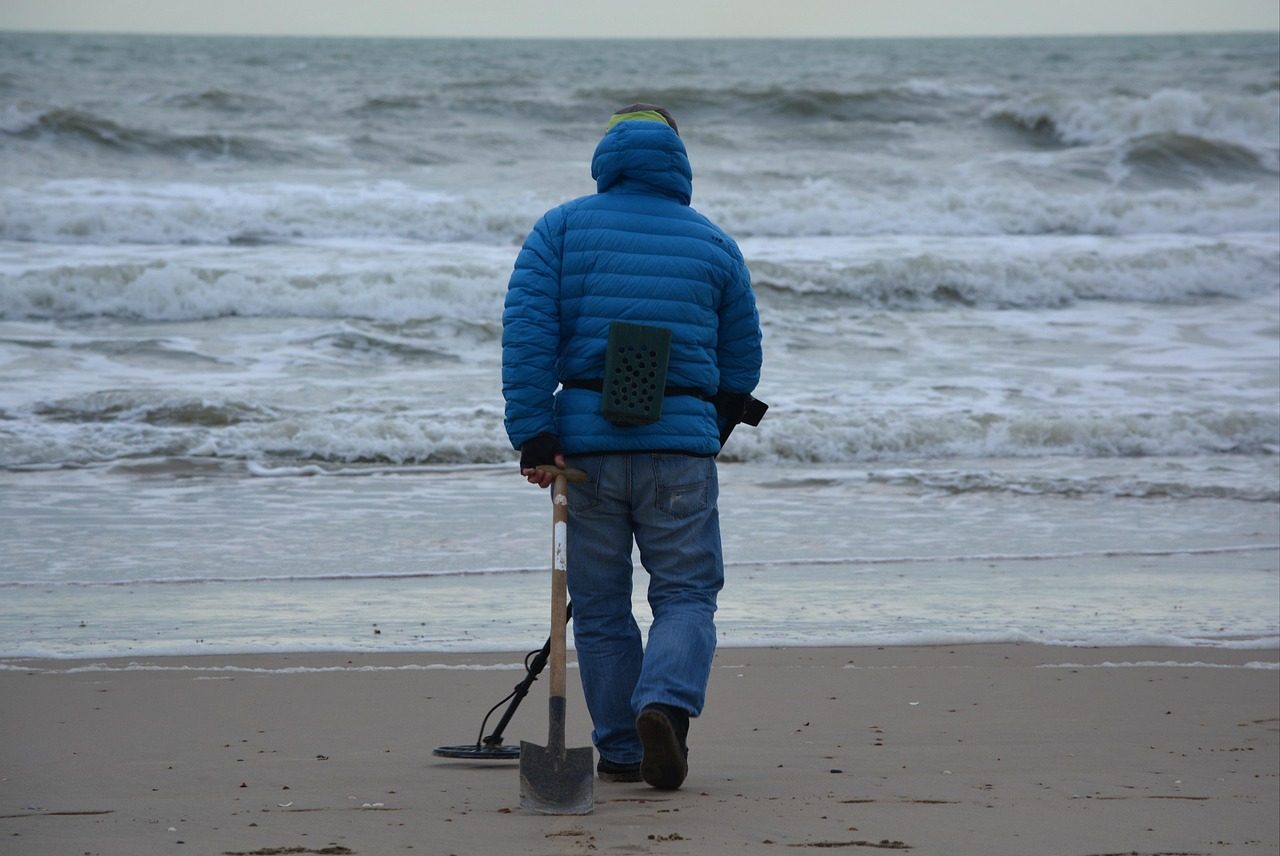
Treasure hunting may sound exciting, but digging for relics disturbs the land and removes protected items. Metal detecting is banned in national parks to safeguard history and preserve the integrity of archeological sites.
Smoking in Certain Areas
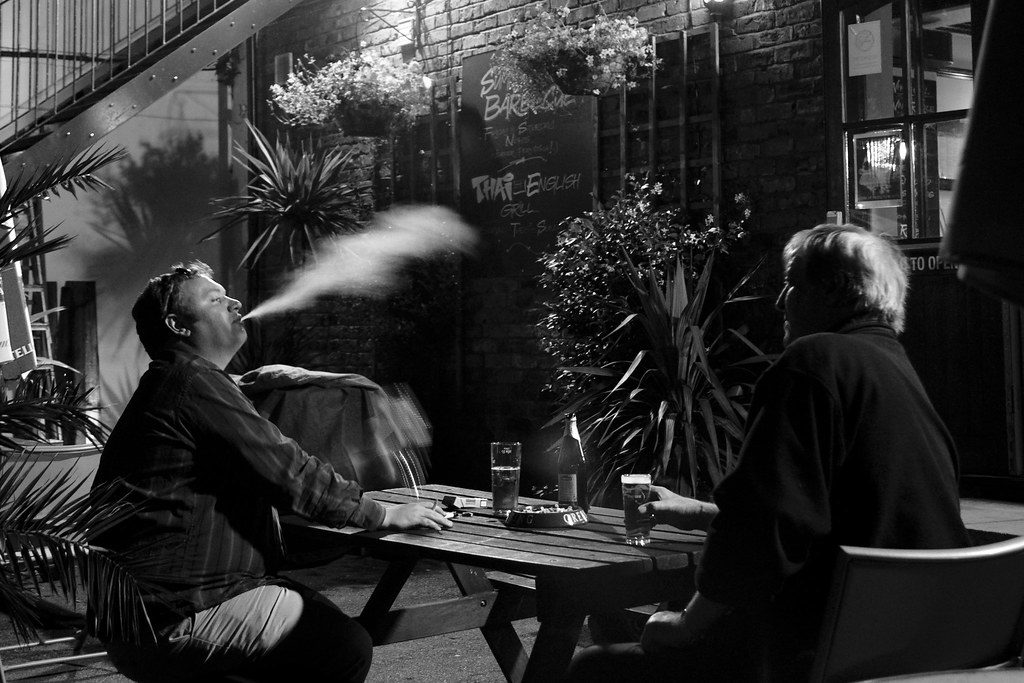
Smoking bans extend to many trails, visitor centers, and high-risk fire zones. Cigarette butts can pollute landscapes, and the fire risk is too great in dry conditions. This rule ensures cleaner parks and safer environments.
Fireworks
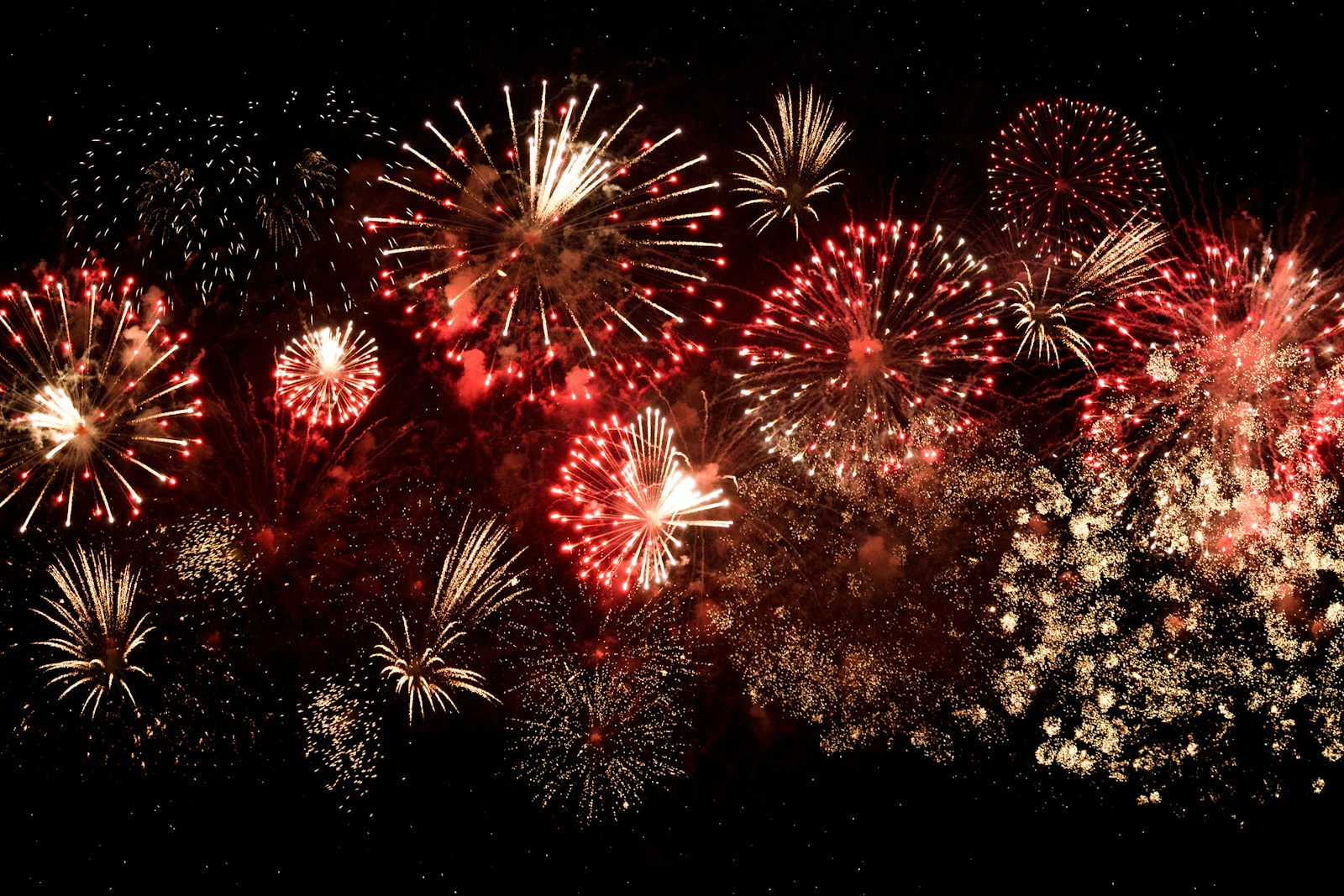
Fireworks are completely banned in national parks due to their fire hazards and impact on wildlife. Loud noises startle animals and disturb visitors seeking quiet. Celebrations are encouraged outside park boundaries where they can be enjoyed safely.
Collecting Firewood
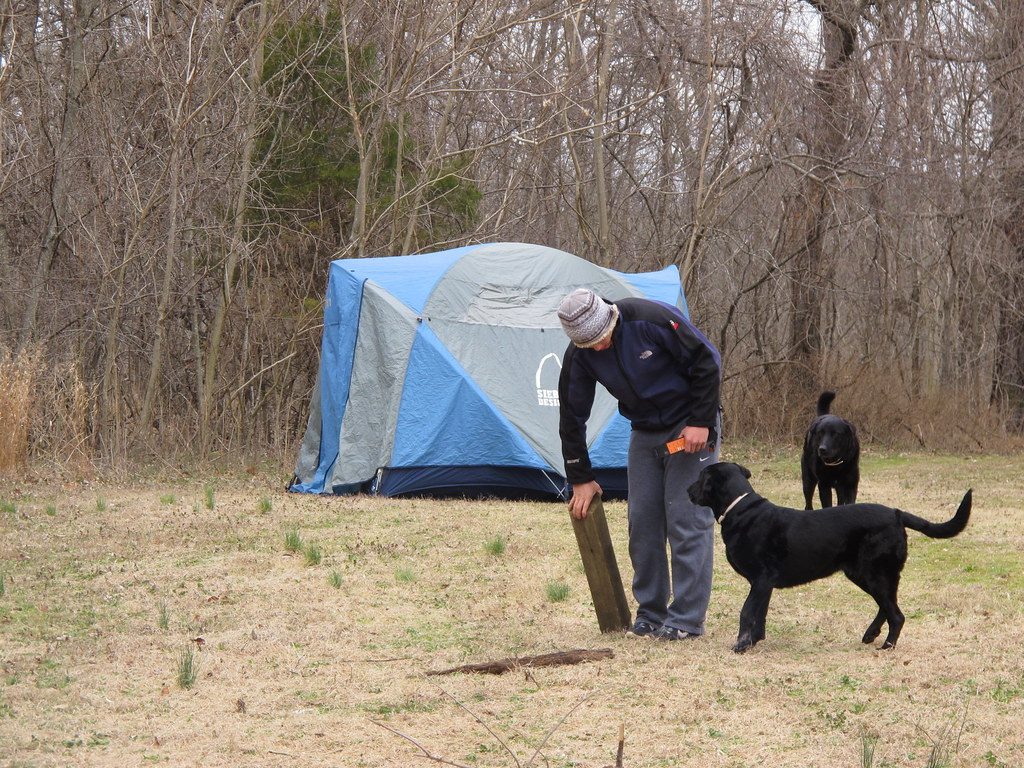
Visitors may not cut or collect firewood in many national parks. Removing wood disrupts ecosystems that rely on decaying logs for shelter and nutrients. Instead, parks often provide firewood for purchase at campgrounds.
Graffiti and Carving

Carving names into trees or painting rocks may seem like leaving a mark, but it is considered vandalism. Graffiti scars landscapes and diminishes the natural experience for others. Strict rules protect the parks’ unspoiled beauty.
Fishing Without a Permit
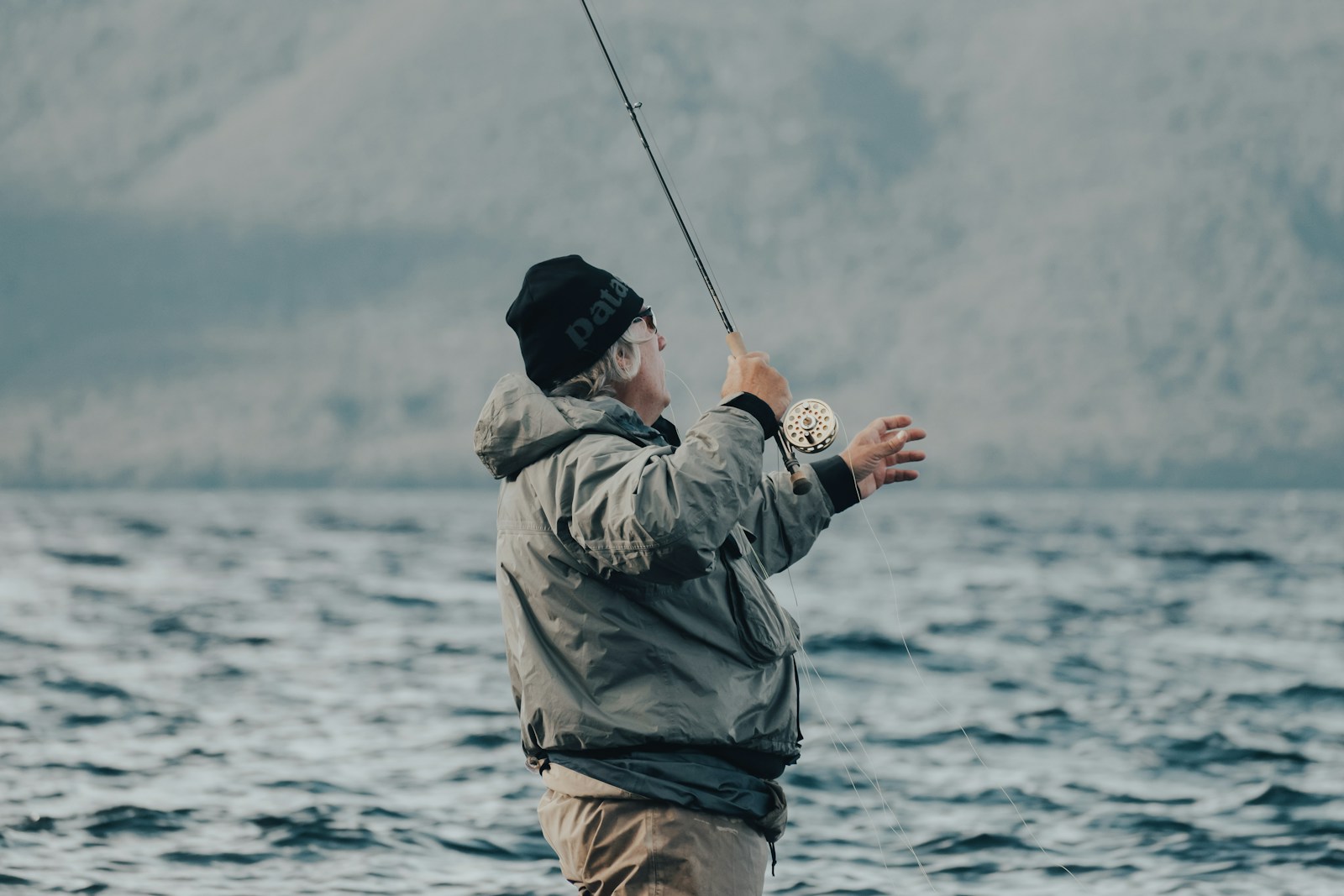
Fishing is allowed in some parks, but permits and regulations control it carefully. These rules maintain fish populations and protect aquatic ecosystems. Anglers must follow local guidelines to enjoy fishing responsibly.
Loud Music and Amplified Sound
National parks are meant to be places of quiet reflection. Playing loud music or using amplified sound disrupts both wildlife and the serenity of the environment. This ban preserves the natural soundscape that makes parks unique.