Most people buy firearms for practical reasons, whether for self-defence, hunting, sport shooting, or collecting, without giving much thought to what that gun might be worth five or ten years down the road. But the firearms market has a long and well-documented history of producing unexpected appreciation, and some of the most significant value increases have happened in guns that attracted little attention at the time of purchase. The collectable firearms market was estimated at over $3 billion annually in the United States as of 2023, and auction results from houses like Rock Island Auction Company consistently demonstrate that certain production models, discontinued variants, and historically significant platforms command prices far beyond their original retail point. This list covers fifteen guns that have quietly but meaningfully increased in value over time, with precise details on what drives that appreciation, what original and current prices look like, and what makes each one worth understanding, whether you already own one or are considering adding it to a collection.
1. Colt Python
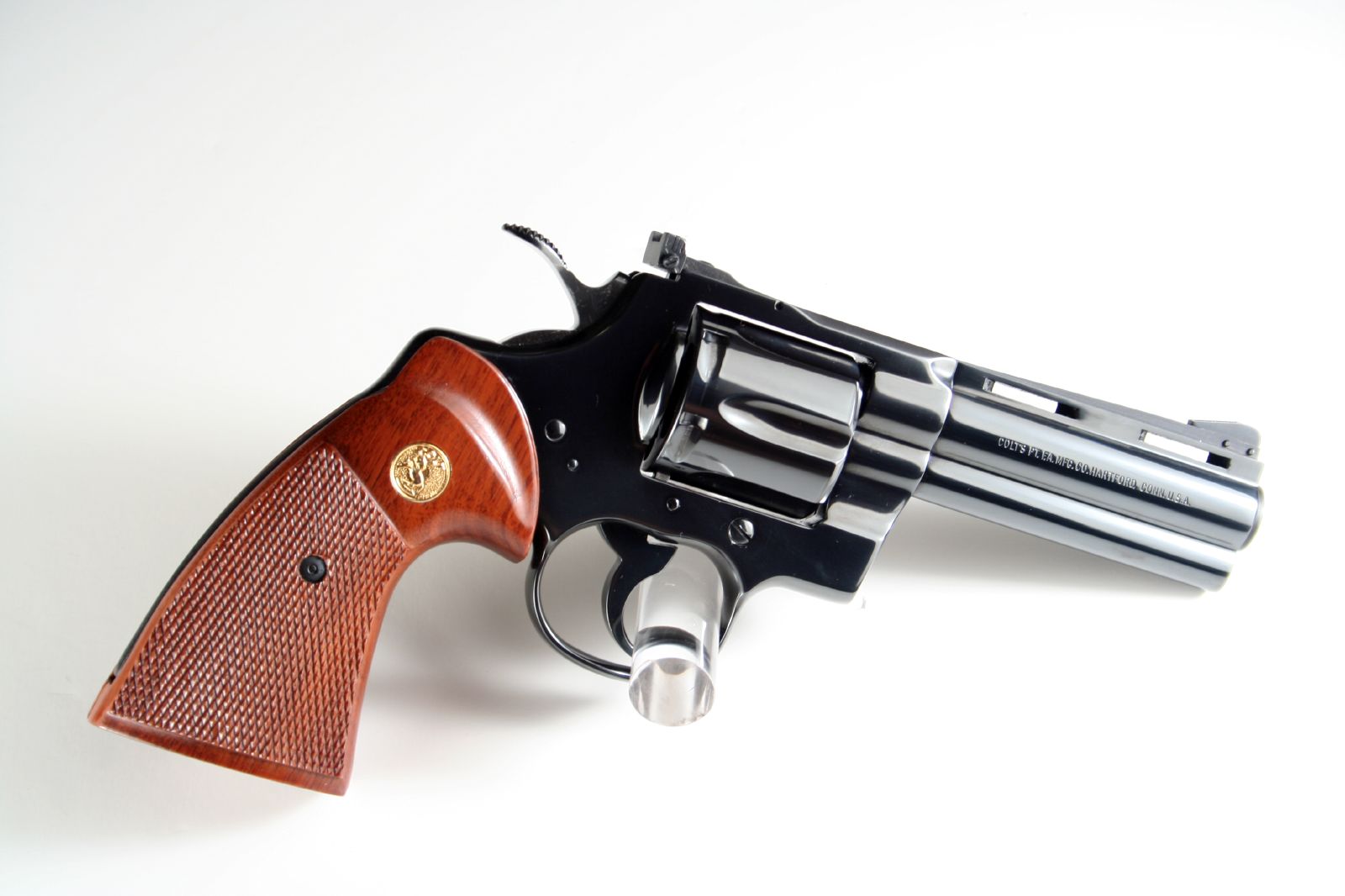
The Colt Python is perhaps the single most discussed revolver in the American collectable firearms market, and its value trajectory over the past three decades reflects a combination of discontinued production, mechanical reputation, and genuine collector demand that few handguns have replicated. Originally manufactured between 1955 and 2005 with a brief gap in production, the Python was chambered in .357 Magnum and retailed for approximately $300 to $500 during its original production run, depending on the era and configuration. Vintage examples in excellent condition now regularly sell at auction for $2,500 to $4,500, with rare nickel-plated and factory-engraved variants clearing $6,000 or more. The 2020 reintroduction of the Python by Colt actually increased interest in original production models rather than satisfying demand, as collectors drew clear distinctions between vintage and reissue examples. The original Python’s hand-fitted action, polished internals, and legendary single-action trigger pull averaging around 2.5 pounds represent a level of revolver craftsmanship that modern production economics cannot fully replicate, and the collector market prices that gap honestly and consistently upward with each passing year of scarcity.
2. Smith and Wesson Model 29
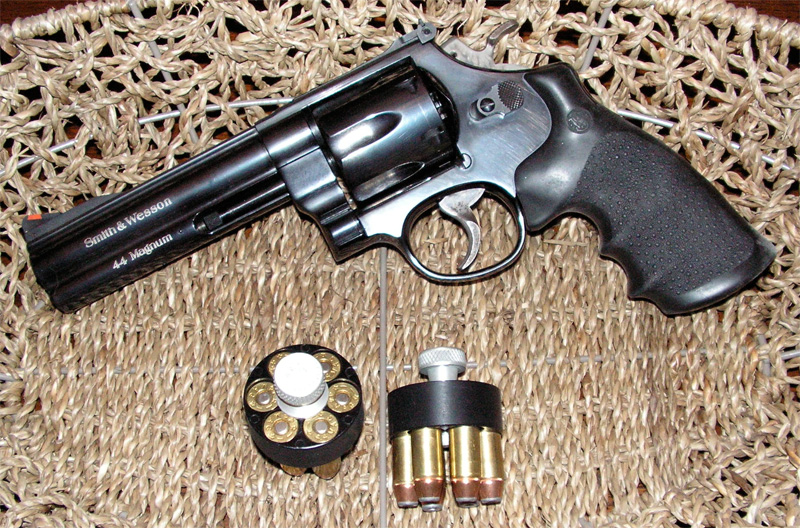
The Smith and Wesson Model 29 chambered in .44 Magnum existed as a moderately successful hunting and target revolver before 1971, when its appearance in Dirty Harry transformed it overnight into one of the most culturally recognisable firearms in American history. Pre-film production Model 29 revolvers with four-screw frames manufactured before 1961 now command auction prices between $1,800 and $3,500, depending on condition and box presence, compared to original retail prices around $185 in period dollars. Even post-film production examples in excellent condition with original cases sell for $800 to $1,400 regularly. The Model 29 chambered the most powerful commercially produced handgun cartridge of its era, with .44 Magnum generating approximately 1,000 foot-pounds of muzzle energy in factory loads, and that combination of historical significance and genuine ballistic capability has sustained collector interest across five decades without meaningful decline. Nickel-finished variants and those with 8.375-inch barrels carry premium pricing above standard blued 6.5-inch models. Smith and Wesson’s shift away from pinned barrels and recessed cylinders in later production created clear collectable tiers that experienced buyers navigate with considerable precision and financial investment.
3. Winchester Model 70 Pre-64
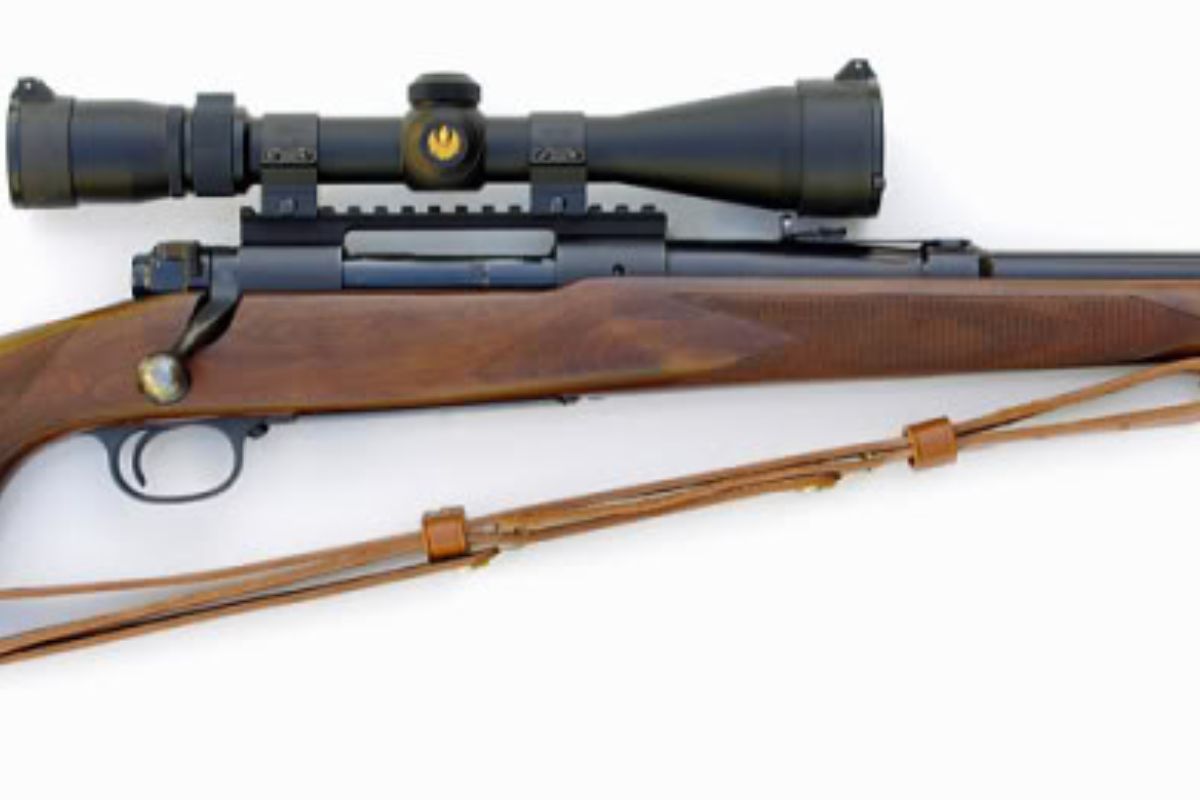
Winchester’s decision in 1964 to modernise the Model 70 production process by replacing hand fitting with machine-controlled manufacturing created an unintentional but permanent collector category that has only grown more valuable with passing decades. Pre-1964 Model 70 rifles featured hand-fitted actions, controlled round feeding with a Mauser-style extractor, and individually inspected components that produced mechanical smoothness and reliability that many hunters and collectors consider unmatched by subsequent production. Original retail prices for pre-64 Model 70 rifles ranged from approximately $100 to $150, depending on calibre and configuration. Today, pre-64 examples in excellent condition command between $1,200 and $3,500, with rare calibres including .220 Swift, .257 Roberts, and .300 H&H Magnum pushing values considerably higher among dedicated rifle collectors. Rifles retaining original stocks without refinishing carry significant premiums over refinished examples. The Featherweight variant chambered in .243 Winchester is among the most sought-after configurations. Winchester acknowledged the quality gap itself when they reintroduced controlled round feeding in the post-1992 Model 70, effectively validating the collector market’s longstanding position that the pre-64 action represented a manufacturing standard worth preserving at premium prices.
4. Colt Single Action Army
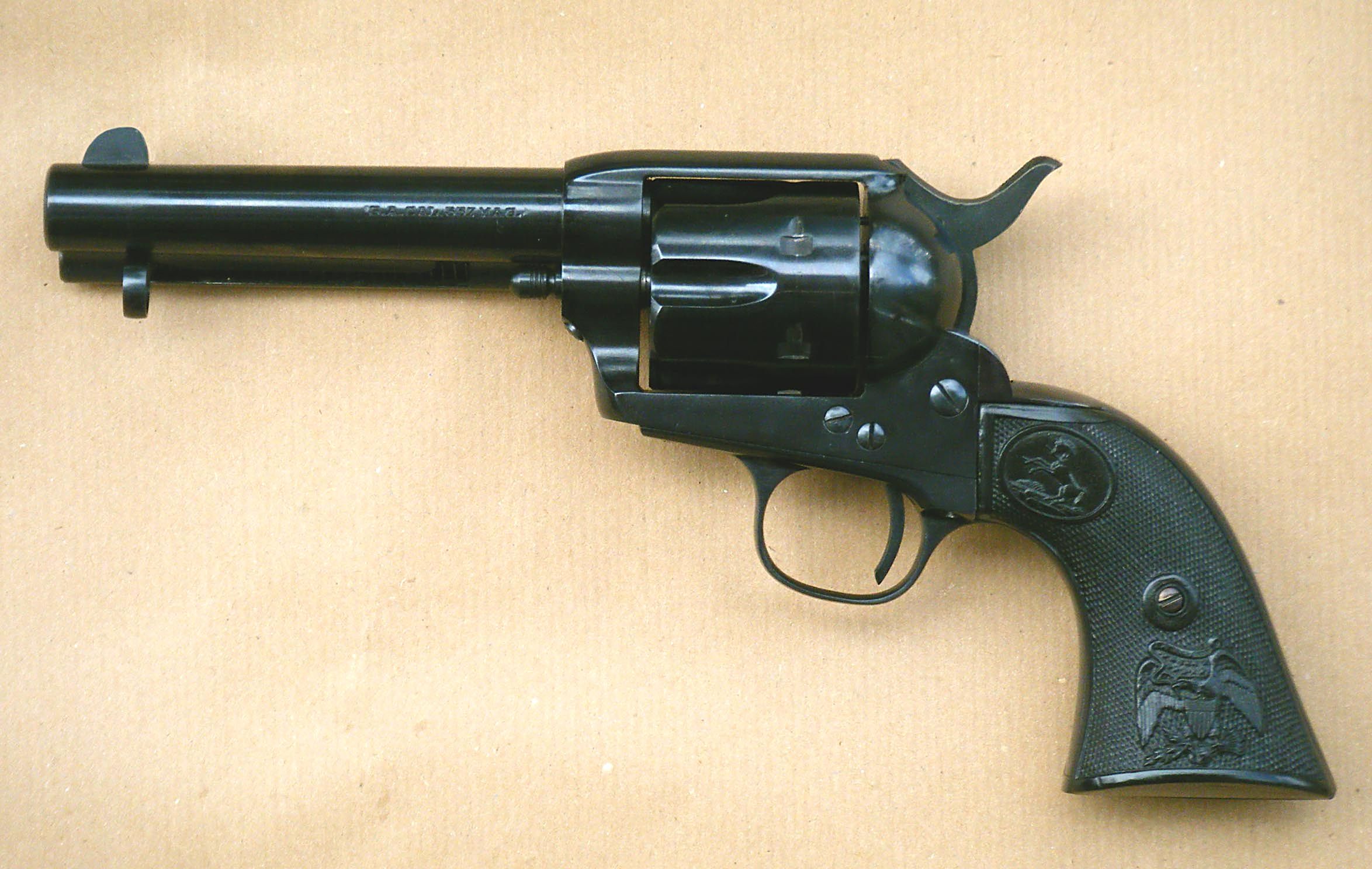
The Colt Single Action Army has been in continuous or near-continuous production since 1873, making it one of the longest-running firearm production histories in American manufacturing, yet certain production generations have appreciated dramatically beyond others in ways that reward informed collectors. First-generation SAA revolvers manufactured between 1873 and 1940 represent the most valuable production tier, with examples in very good condition regularly selling for $3,000 to $8,000 and documented historical provenance examples clearing $20,000 or more at major auction houses. Original retail prices during the early production period ranged from approximately $17 to $20 per revolver. Second-generation examples from 1956 to 1975 have also appreciated meaningfully, now selling for $1,200 to $2,500 in excellent condition compared to original retail of around $125. The SAA’s .45 Colt chambering, 7.5-inch cavalry barrel configuration, and case-hardened frame finish are the most collectable specifications across generations. Colt’s inconsistent production scheduling and periodic limited-run releases have created artificial scarcity in certain configurations that drives auction competition among serious collectors. Documentation, including original shipping records and period receipts, can increase individual revolver values by 20 to 40% beyond condition-based pricing alone, reflecting how thoroughly provenance drives premium pricing in this specific collecting category.
5. Luger P08
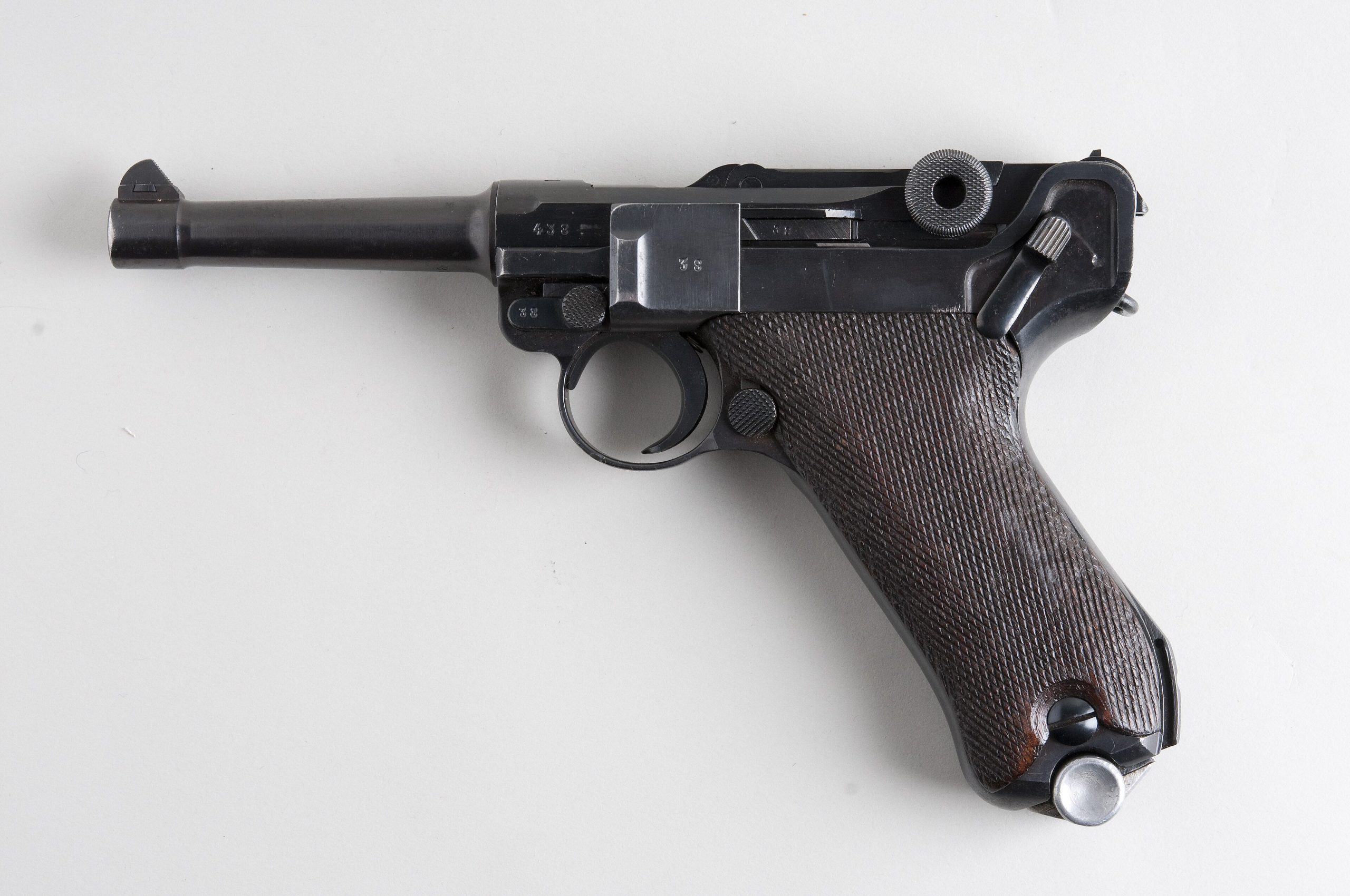
The Luger P08 is one of the most recognised military sidearms in firearms history, and its value has appreciated consistently across decades,s driven by a combination of mechanical uniqueness, World War-era historical significance, and the global collector appetite for German military arms that shows no signs of diminishing. Original commercial Lugers manufactured before 1942 in excellent matching condition now sell between $1,500 and $4,000 at auction, depending on proof marks, date of manufacture, and matching component numbers. Rare varian, including long-barreled Artillery Luger with its 7.87-inch barrel and the Naval model with grip safety modifications, command premiums reaching $6,000 to $12,000 in documented matching condition. The toggle-link delayed blowback operating system is mechanically distinctive from virtually every other pistol design ever produced commercially, and that mechanical uniqueness sustains collector fascination beyond pure historical interest. DWM-manufactured examples with matching numbers across frame, barrel, and toggle components carry the strongest premiums. American bring-back examples with documented military paperwork have become a specific collecting subcategory that routinely outperforms standard auction estimates. The 9mm Parabellum cartridge, which the Luger helped popularise, now dominates the global handgun market, and that historical irony adds another layer of significance that serious collectors acknowledge and price accordingly when acquiring exceptional examples.
6. Walther PPK Pre-War
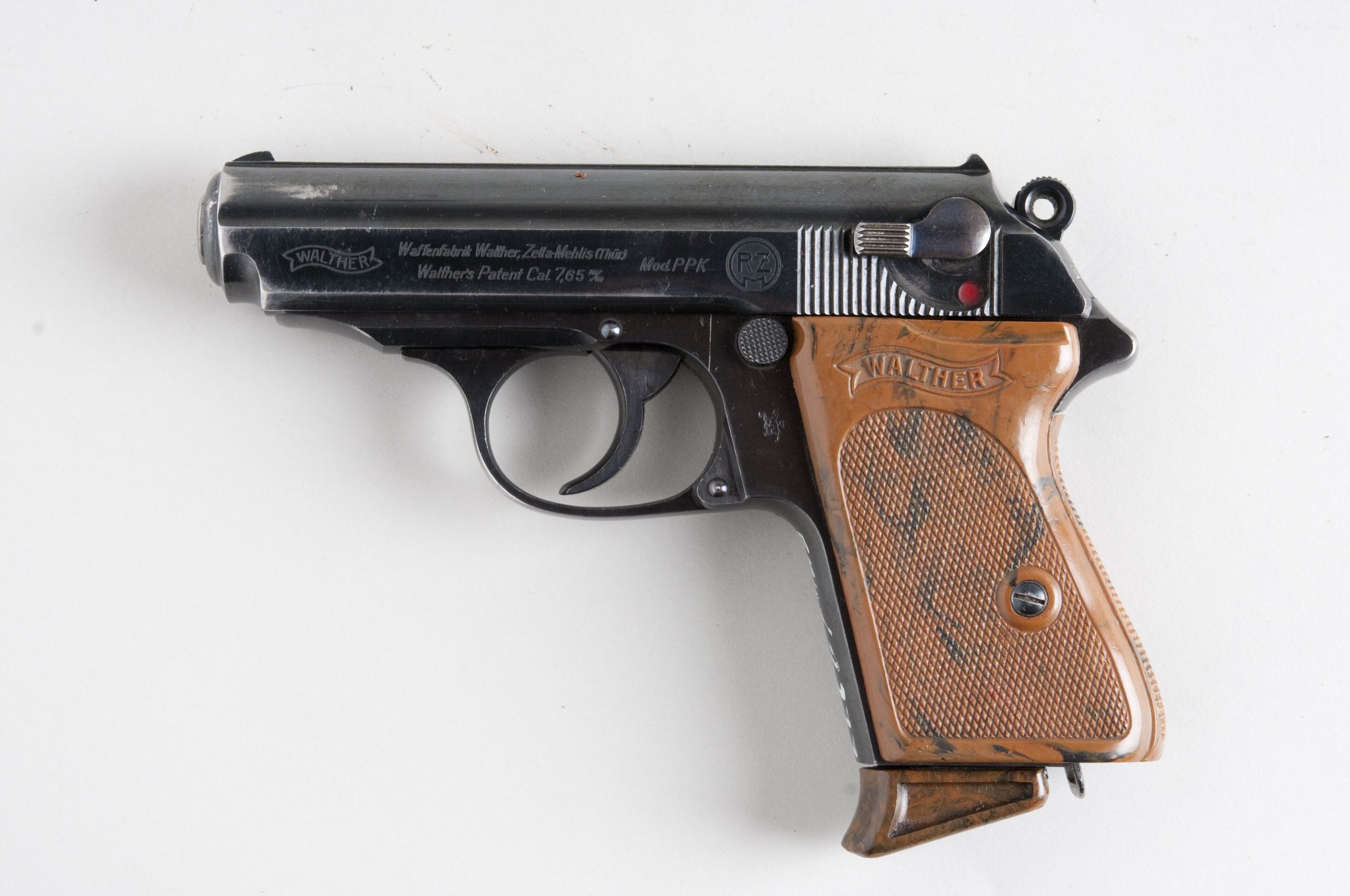
The Walther PPK entered production in 1931 as a compact police and plainclothes sidearm chambered in .32 ACP, and its subsequent association with World War II German police and military use combined with its James Bond cultural identity created a collector market that has sustained meaningful appreciation for over four decades. Pre-war German-manufactured PPK pistols with matching numbers, original finish above 85%, and period holsters now sell between $1,200 and $2,800 at specialised auctions. Wartime production examples with Nazi-era proof marks and documented police or military acceptance stamps carry premiums reaching $3,500 to $5,500, depending on unit markings and condition. Original retail pricing during pre-war German commercial production ran approximately 39 Reichsmarks, translating to roughly $15 to $16 in 1931 U.S. dollars. The PPK’s double-action trigger system, fixed barrel design providing inherent mechanical accuracy, and remarkably compact dimensions for its era represented genuine engineering advancement over contemporary designs. Post-war production examples manufactured in France by Manurhin between 1952 and 1986 have also appreciated among collectors who recognise their quality and scarcity, typically selling for $600 to $1,000 in excellent condition. Interarms-imported examples and genuine Walther-manufactured post-war pistols complete a collecting tier structure that rewards buyers who understand the production history well enough to identify examples accurately before purchasing.
7. Ruger Blackhawk Flat-Top
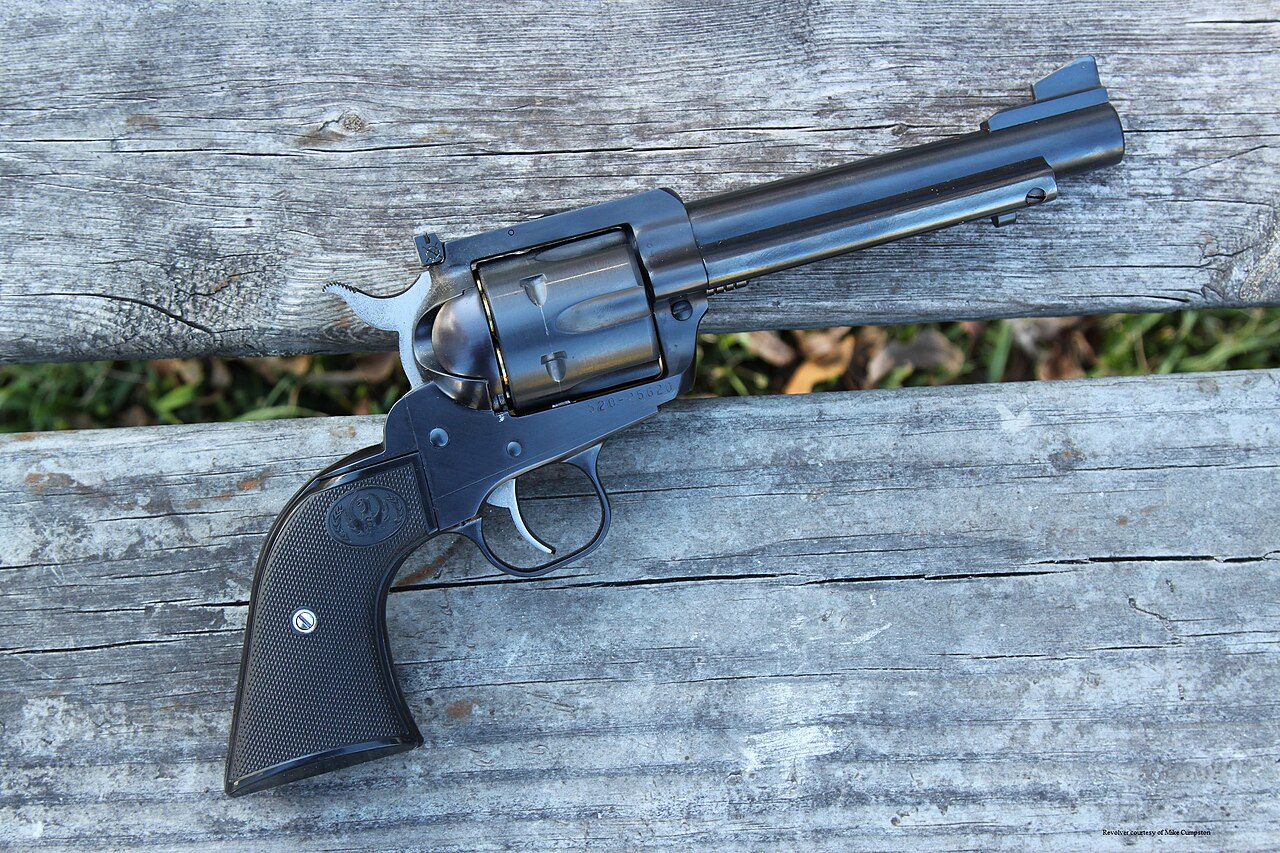
The Ruger Blackhawk Flat-Top represents one of the most compelling appreciation stories in American revolver collecting, built on a combination of short production duration, mechanical quality, and the growing recognition that Bill Ruger’s original single-action design represented something genuinely special before commercial pressures reshaped it. Flat-Top Blackhawks were manufactured between 1955 and 1962, featuring a flat-topped frame without the protective ears surrounding the rear sight that later production added, giving early examples a cleaner, more elegant profile that collectors immediately distinguish from subsequent variants. Original retail pricing during the Flat-Top production period ran approximately $63 to $87 depending on caliber and barrel length. Excellent condition .357 Magnum Flat-Top examples now sell between $1,800 and $3,200 at auction, while the rarer .44 Magnum configuration introduced in 1956 commands $2,500 to $4,500 depending on condition and matching components. The .30 Carbine chambering offered briefly during this period has become among the most sought-after configurations, clearing $3,000 to $5,500 in documented excellent condition due to its production scarcity. Three-screw frame construction before Ruger’s 1973 transfer bar safety conversion creates a secondary collecting tier within the broader Blackhawk family that experienced collectors navigate with considerable precision. Unmodified three-screw examples without the factory conversion carry stronger premiums than converted examples, rewarding owners who resisted the free factory update Ruger offered during the transition period.
8. Remington 870 Wingmaster First Generation
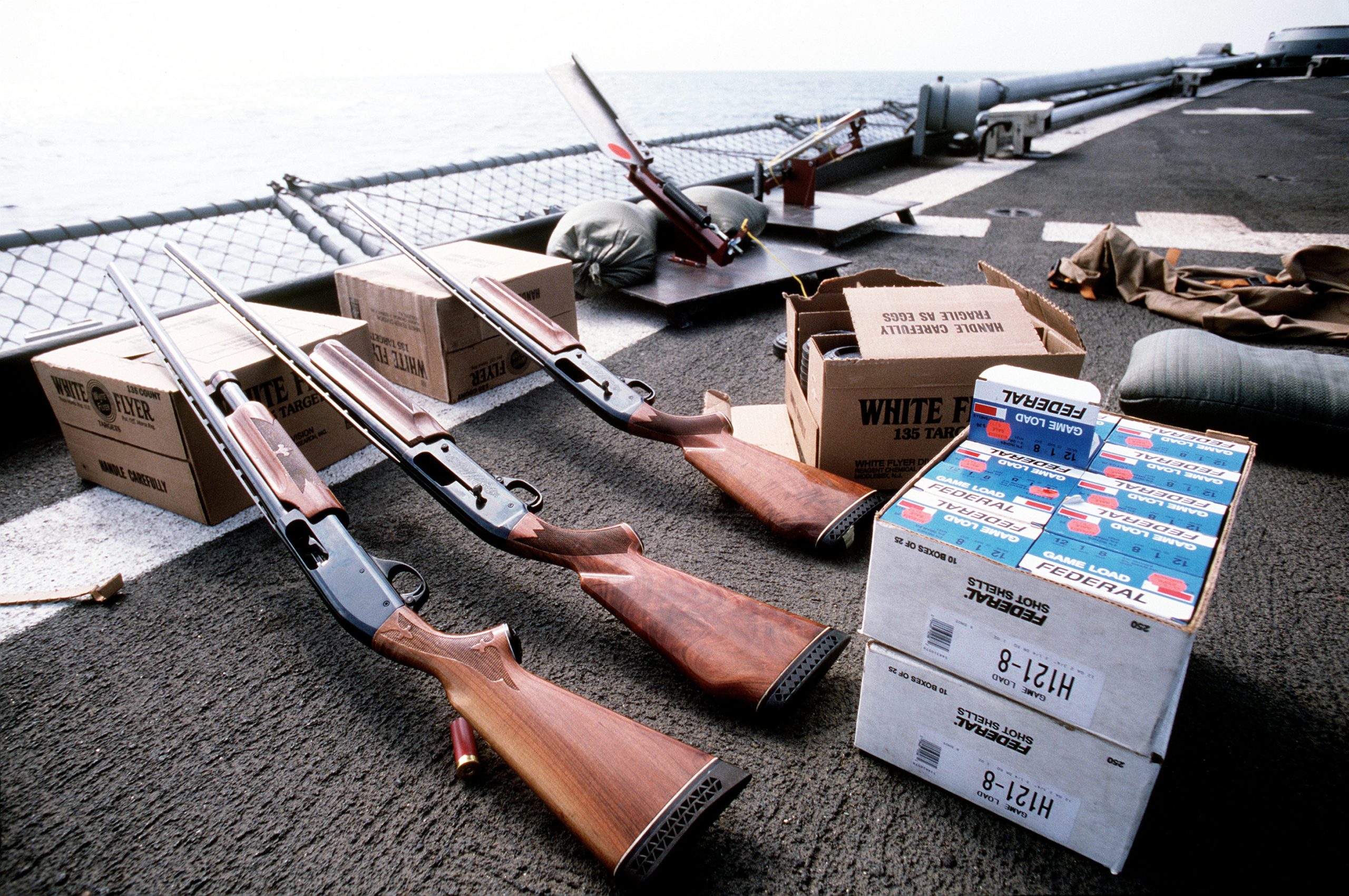
The Remington 870 is the best-selling pump-action shotgun in American firearms history, with over 11 million units produced since its 1950 introduction, yet the earliest Wingmaster production examples from the 1950s and early 1960s have developed a meaningful collector premium based on manufacturing quality differences that shooters noticed immediately and documented extensively. Early Wingmaster receivers featured hand-polished internal surfaces, deeply blued external finishes, and individually fitted components that later high-volume production replaced with machine-controlled processes prioritising output over refinement. First-generation 870 Wingmaster shotguns in excellent condition with original stocks and no import marks now sell for $600 to $1,200, depending on gauge and barrel configuration, compared to original retail pricing around $79 to $95 in period dollars. The 16-gauge configuration has appreciated most significantly as that bore size declined in commercial popularity while collector interest in period-correct upland hunting guns increased simultaneously. Skeet and trap variants with original factory ventilated rib barrels carry premiums above field configuration examples. Current standard 870 production retails around $450, making quality early examples a meaningful value proposition for collectors who understand what separates first-generation craftsmanship from modern production priorities and are willing to pay the documented premium that difference continues commanding at specialised auction consistently.
9. Browning Auto-5 Sweet Sixteen
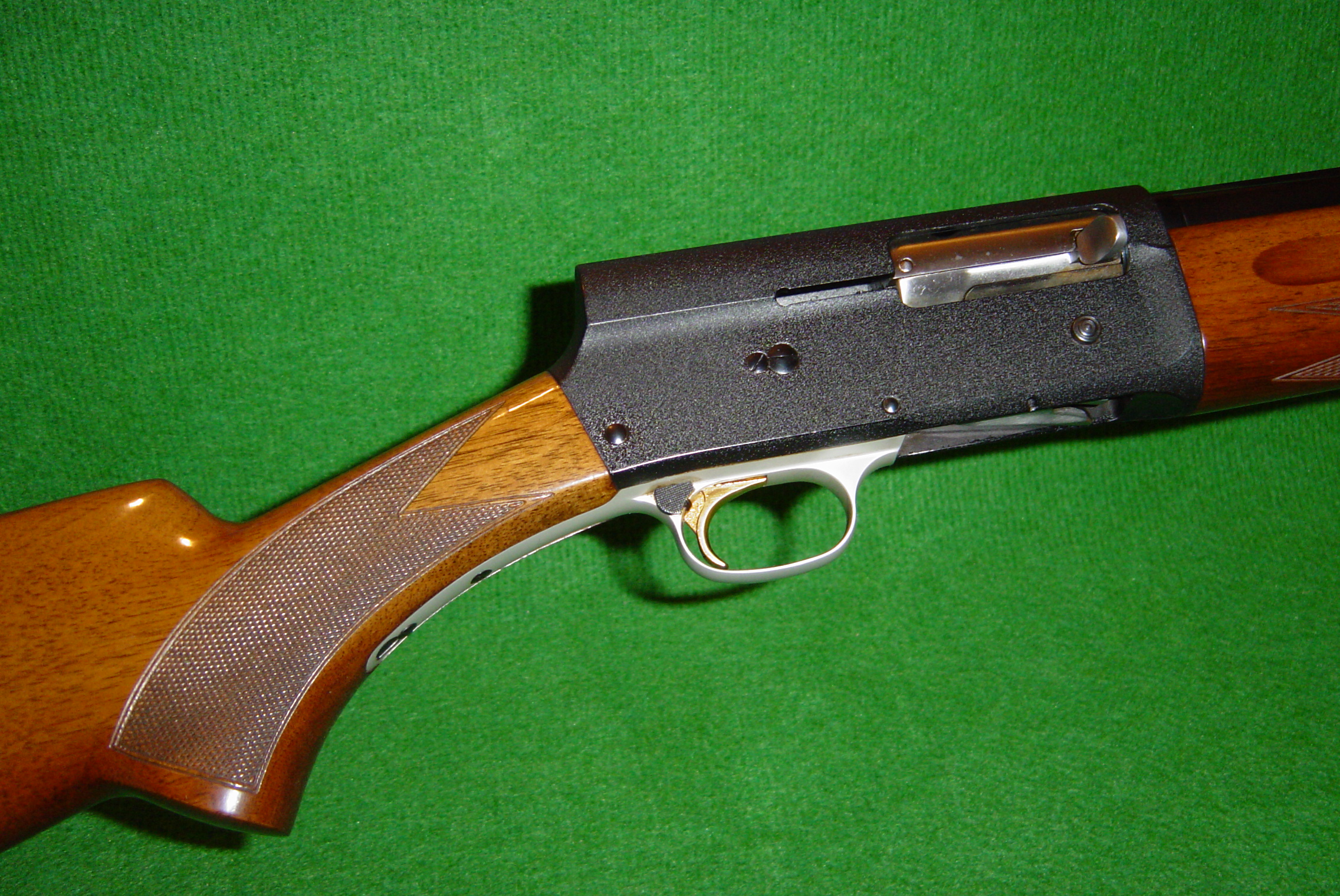
John Browning’s Auto-5 was the first successful semi-automatic shotgun ever produced commercially, entering production in 1902 and continuing through 1998 in various configurations, and the Sweet Sixteen variant chambered in 16-gauge has emerged as one of the most appreciated configurations among shotgun collectors over the past two decades. Belgian-manufactured Sweet Sixteen examples produced at the Fabrique Nationale plant before 1976 now sell for $900 to $2,200 in excellent condition with original stocks and matching components, compared to original retail pricing ranging from approximately $127 to $180 depending on the production decade. The recoil-operated long-recoil action Browning designed in 1898 remained mechanically unchanged through nearly a century of production, a testament to the engineering quality that collectors continue acknowledging with premium pricing. The 16-gauge chambering specifically appeals to upland bird hunters and collectors who recognise its ballistic efficiency relative to its reduced recoil and lighter weight compared to 12-gauge alternatives. Grade II and Grade III engraved examples with factory gold inlay have sold for $3,500 to $7,000 at specialised shotgun auctions depending on engraving coverage and condition. Japanese-manufactured Miroku production examples from the final production years carry lower collector premiums than Belgian FN examples but have also appreciated from original retail as overall Auto-5 interest has grown steadily among a dedicated collector community that prizes mechanical originality and production heritage above modern manufacturing convenience.
10. Winchester Model 12
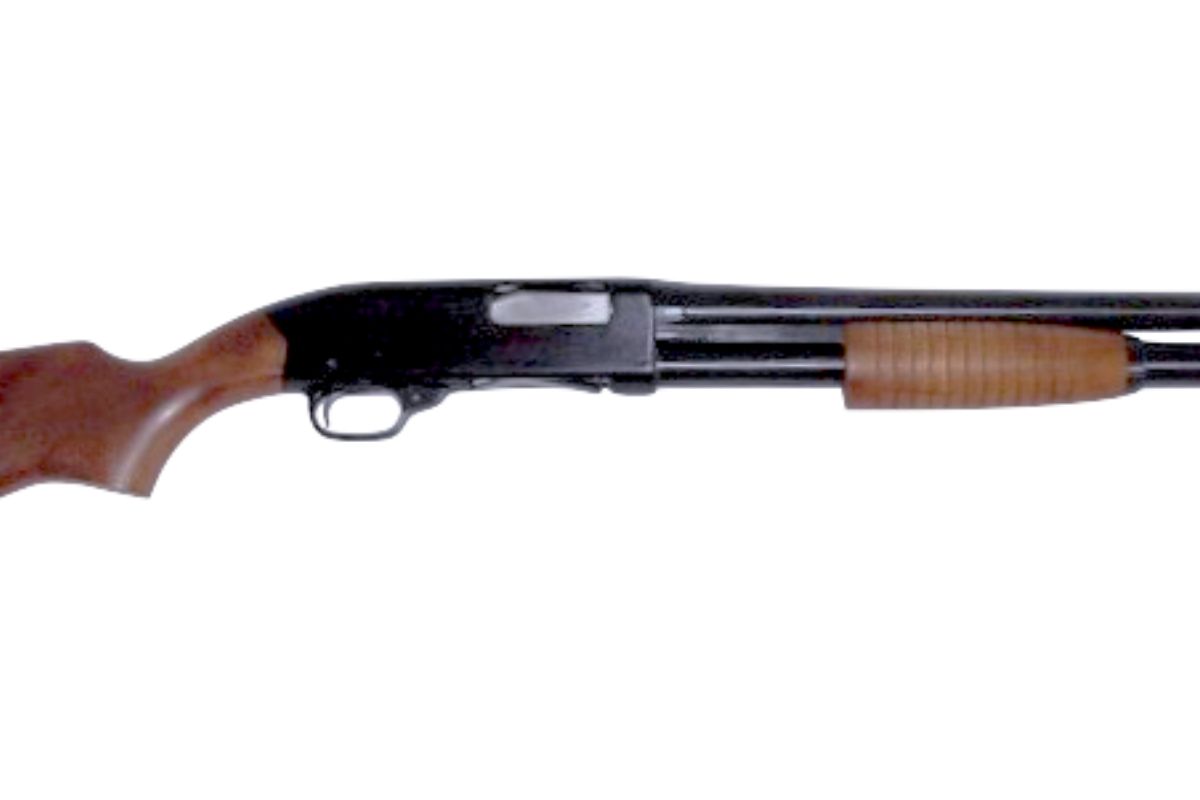
The Winchester Model 12 pump-action shotgun was manufactured continuously from 1912 to 1964 and sporadically thereafter, earning a reputation as the finest pump-action shotgun ever produced in America through a combination of machined steel components, hand-fitted actions, and manufacturing quality that modern production economics make essentially impossible to replicate at any price point. Early production Model 12 shotguns in 12-gauge with original finish above 80% now sell for $700 to $1,800 at auction, while Trap and Pigeon grade examples with factory engraving regularly clear $3,000 to $8,000 depending on grade and condition. Original retail pricing ranged from approximately $25 in 1912 to around $110 by the time production ended in 1964. The Model 12 features a machined steel receiver without a trigger guard separate from the receiver, an internal hammer design, and an action so smooth that experienced shotgunners consistently describe its cycling feel as qualitatively different from any pump-action produced since. The 16-gauge and 28-gauge configurations command meaningful premiums above 12-gauge examples due to production scarcity. Winchester’s decision to discontinue the Model 12 in favour of the less expensive Model 1200 disappointed the shooting public significantly at the time and created the collector market that has rewarded patient owners with consistent annual appreciation that shows no meaningful sign of reversing given the impossibility of replicating original production standards.
11. HK91 and HK93 Pre-Ban
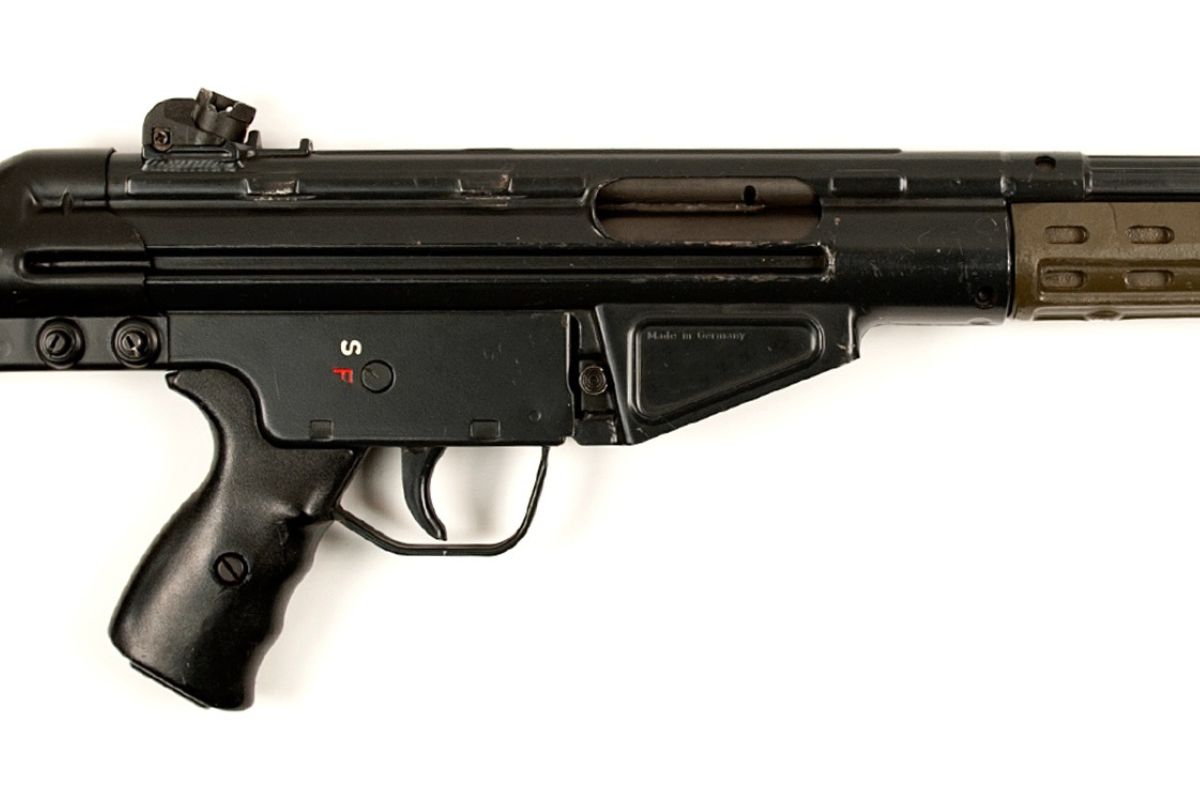
Heckler and Koch’s HK91 and HK93 semi-automatic rifles imported into the United States before the 1989 import ban represent one of the most dramatic firearms appreciation stories of the past three decades, transforming from moderately expensive sporting rifles into high-value collectibles that the import restriction effectively froze in finite supply. Pre-ban HK91 rifles in excellent condition with original furniture now sell between $3,500 and $6,500 depending on configuration and accessory completeness, compared to original retail pricing around $600 to $750 during the import period. HK93 examples in similar condition follow similar pricing trajectories. The roller-delayed blowback operating system HK derived from the World War II era Sturmgewehr 45 design produces exceptional mechanical reliability and accuracy from a cold hammer-forged barrel that competitors have struggled to match in civilian production. Original HK magazines, flash hiders, and factory accessories have themselves become collectible items that add $50 to $300 per piece to complete rifle valuations. The 1989 import ban under President George H.W. Bush created an immediate scarcity ceiling that the market priced within months and has continued pricing upward consistently since. American-manufactured clones including PTR Industries rifles retail around $1,100 to $1,400 and provide functional equivalents without approaching collectible status, reinforcing that provenance and import originality drive HK pre-ban valuations rather than mechanical specifications alone.
12. Sig Sauer P210
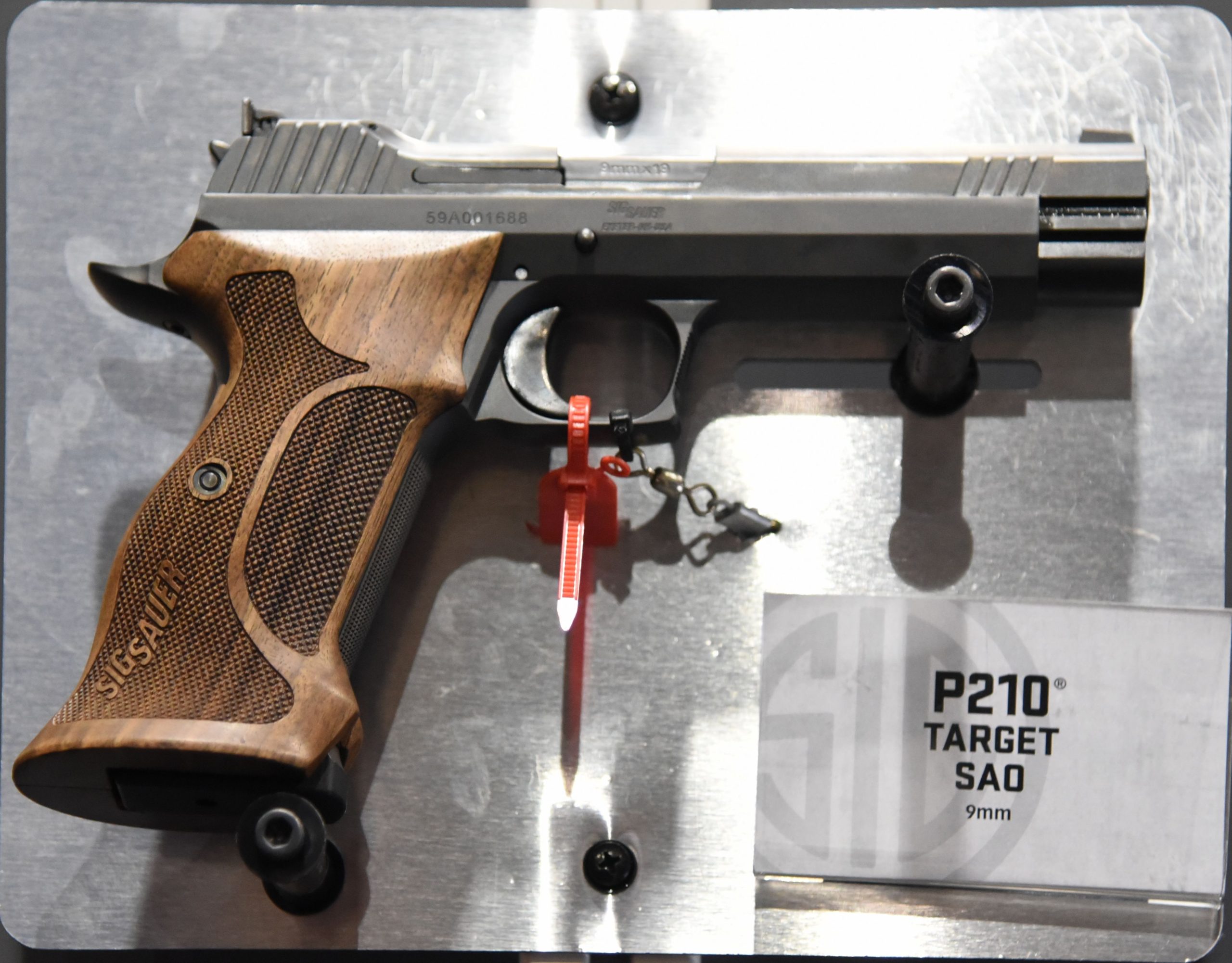
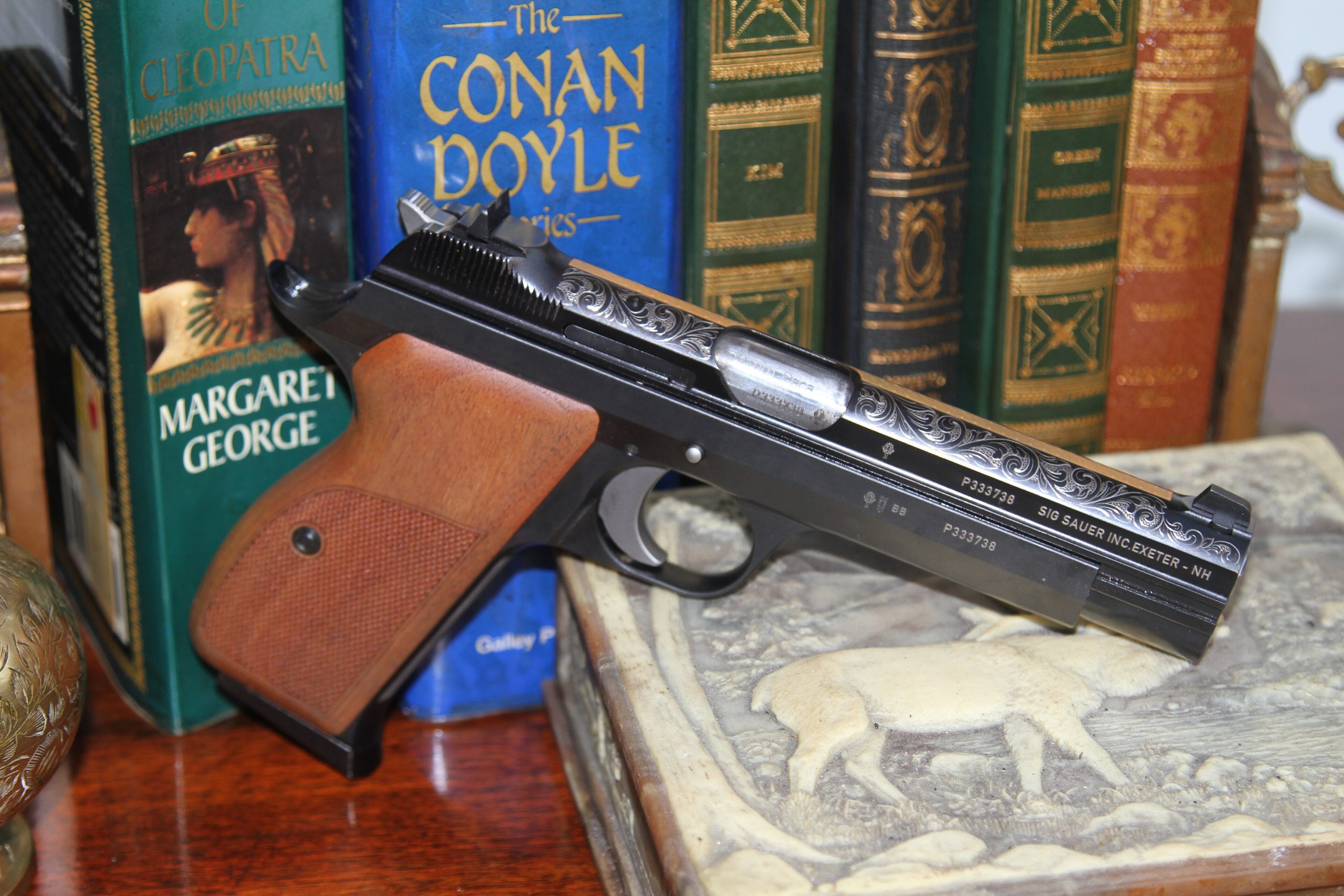
The Sig Sauer P210 was manufactured in Switzerland from 1949 onward as a military and police service pistol built to tolerances that the Swiss manufacturing tradition applied to precision instruments rather than mass-produced weapons, and its reputation for mechanical accuracy has sustained a collector market that consistently outperforms expectation for a service pistol design. Swiss military issue P210 examples in very good condition now sell between $2,000 and $3,500 at auction, while commercial production examples with factory target sights and documented accuracy guarantees from the factory reach $4,000 to $6,000. Original Swiss military issue pricing ran approximately 200 to 250 Swiss francs during primary service adoption. The P210 chambers 9mm Parabellum with a single-stack 8-round magazine and features a rail-guided slide that travels inside rather than outside the frame, a design reversal from conventional pistol construction that contributes measurably to the mechanical accuracy the platform consistently demonstrates. Factory target-tested P210 pistols shipped with documented groups fired at 50 metres, with acceptance standards requiring groups under 60mm, a specification few production pistols from any era meet reliably. Sig’s 2017 reintroduction of the P210 Legend at approximately $1,300 retail renewed global collector interest in original Swiss production examples and produced the characteristic effect of making originals more desirable rather than less by drawing comparison attention to manufacturing differences that experienced shooters recognise and value immediately.
13. Colt Woodsman
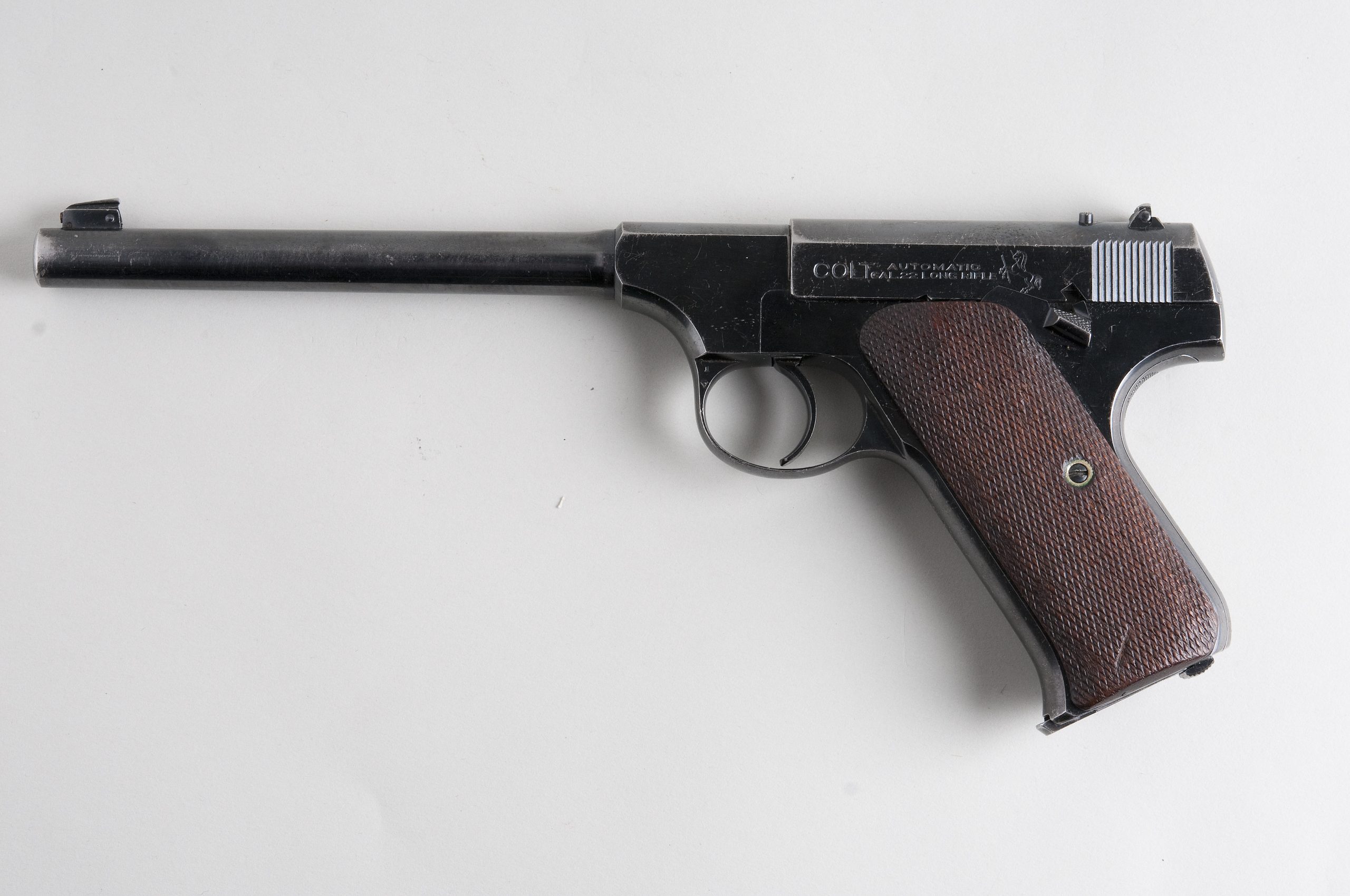
The Colt Woodsman .22 LR semi-automatic pistol was produced from 1915 to 1977 across three distinct series that collectors have catalogued exhaustively, and first-series examples manufactured before 1944 have appreciated into a price tier that surprises buyers unfamiliar with the platform’s collecting history. First-series Woodsman pistols in excellent original condition with matching numbers now sell between $700 and $1,600 at auction, with documented pre-war match-grade target pistols clearing $2,000 in exceptional condition. Original retail pricing during first-series production ranged from approximately $15 to $25 depending on model and configuration. The Woodsman was Colt’s primary target and small game pistol for over six decades, featuring an alloy steel frame, adjustable sights, and a trigger pull refined to a consistency that competitive .22 shooters of the era relied upon in formal target competition. Sport, Target, and Match Target model designations create a collecting tier structure within the Woodsman family that rewards buyers who understand barrel length, sight type, and grip configuration differences between variants. Second-series examples manufactured between 1947 and 1955 have also appreciated meaningfully, typically selling for $500 to $900 in excellent condition. The Woodsman’s combination of mechanical quality, historical production length, and the universal appeal of a well-made .22 pistol creates a collecting foundation that has proven remarkably durable across changing market conditions and shifting collector generational interests over time.
14. Winchester Model 94 Pre-64
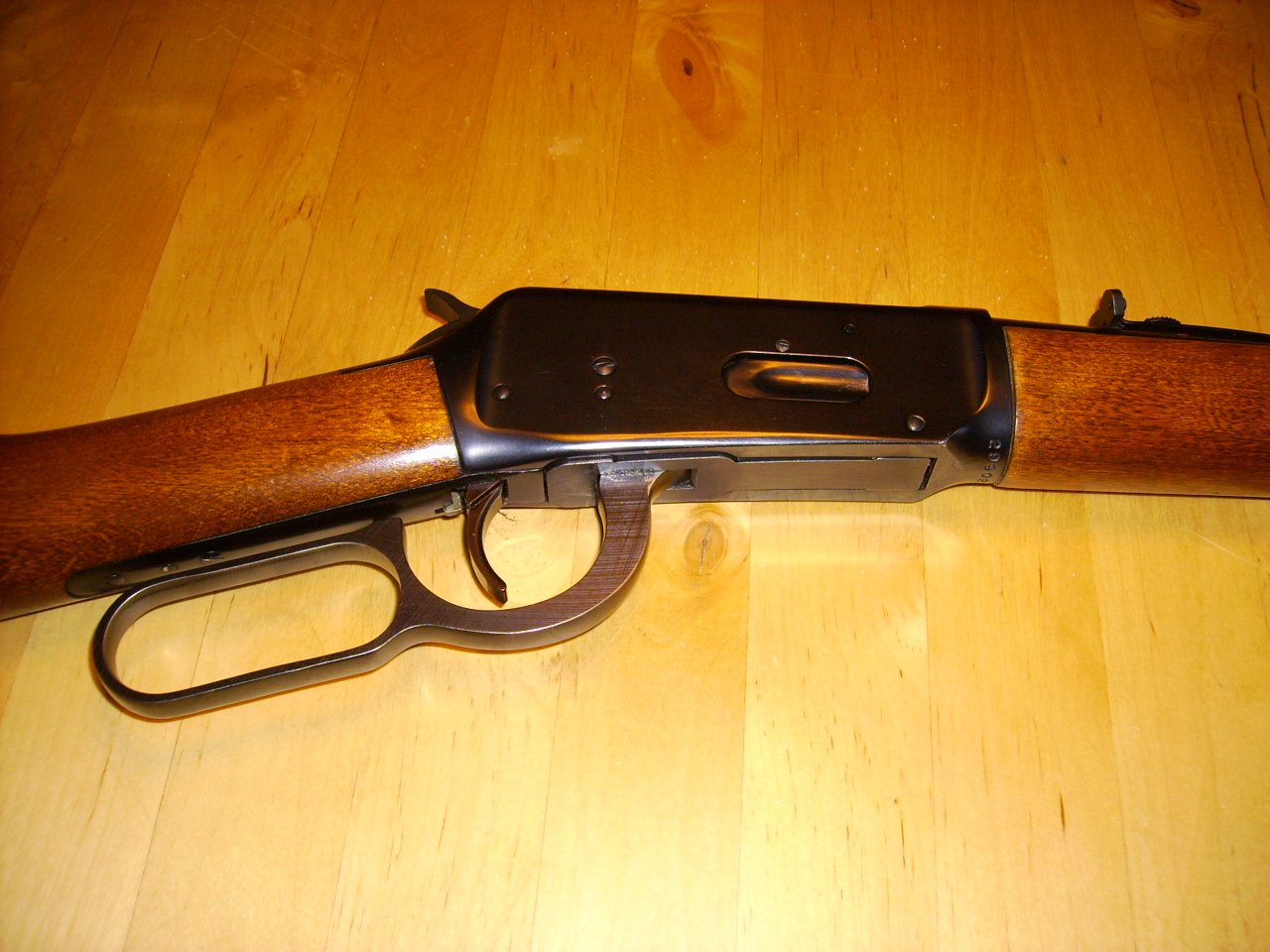
The Winchester Model 94 lever-action rifle has been in production since 1894, making it one of the longest continuously produced sporting rifles in American history, but pre-1964 examples manufactured before Winchester’s cost-reduction manufacturing changes have appreciated into a clear collector tier that separates them permanently from post-64 production in both value and perception. Pre-64 Model 94 rifles in .30-30 Winchester with excellent original finish and unaltered stocks now sell for $800 to $2,000 at auction, with rare caliber configurations including .32 Winchester Special and early .38-55 examples commanding $2,500 to $4,500 depending on condition and documentation. Original retail pricing during pre-war production ranged from approximately $20 to $35 depending on configuration and era. The pre-64 Model 94 features a one-piece firing pin, machined steel components throughout, and dimensional tolerances that produced action smoothness later high-volume manufacturing could not maintain economically. Antique examples manufactured before January 1, 1899, qualify as legal antiques under federal law requiring no transfer paperwork, adding a practical ownership advantage that increases their appeal to certain buyers significantly. Trapper variants with sub-16-inch barrels manufactured before the 1934 National Firearms Act require NFA registration and command substantial premiums for legally registered examples. The Model 94’s association with American frontier history, Theodore Roosevelt, and western cultural identity provides a collecting narrative that sustains demand among buyers whose motivation combines historical appreciation with genuine mechanical admiration for what pre-64 Winchester production represented.
15. Smith and Wesson Pre-Model Number Revolvers
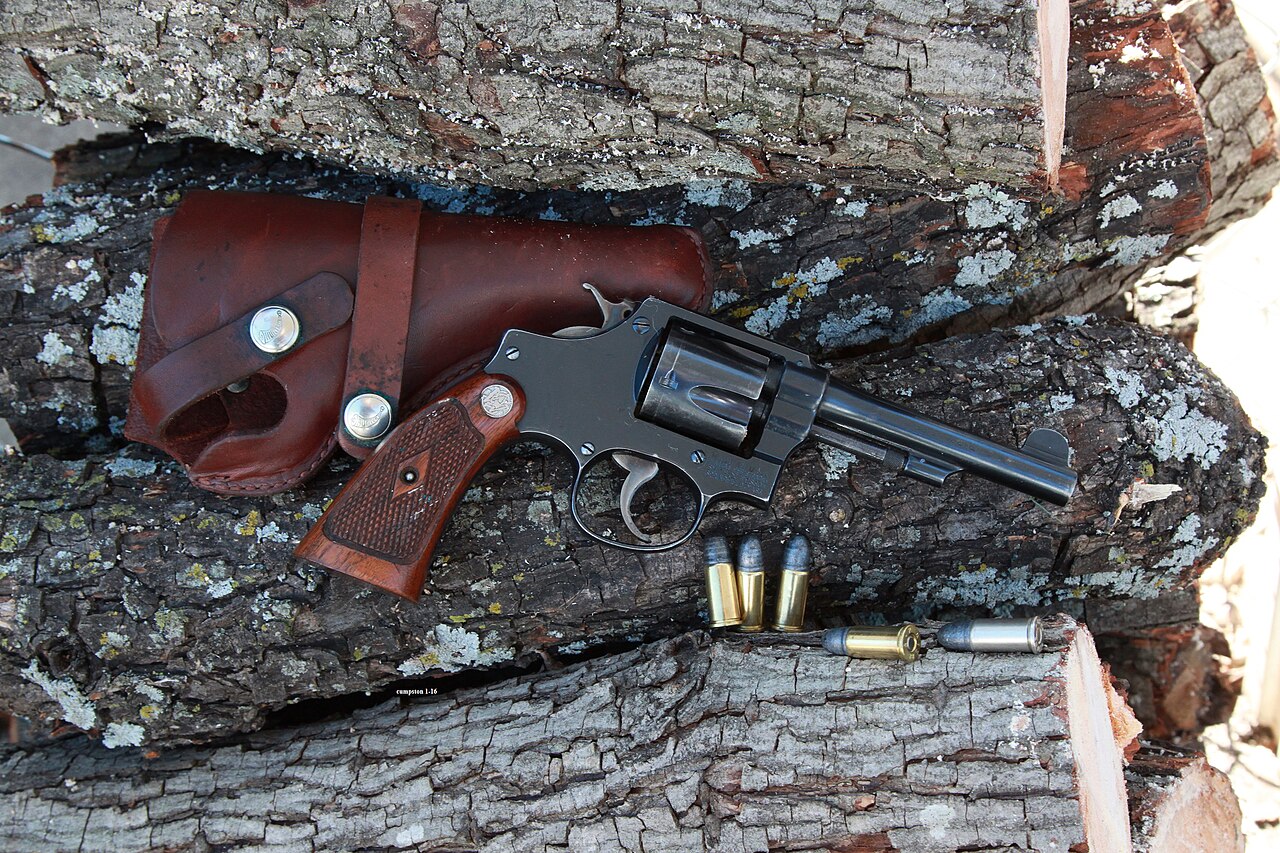
Before Smith and Wesson transitioned to numbered model designations in 1957, their revolvers were identified by names rather than numbers, and these pre-model-number examples have appreciated significantly as collectors recognise the manufacturing quality and historical significance embedded in that specific production era. Pre-war Hand Ejector revolvers and post-war examples manufactured between 1946 and 1957 with pinned barrels, recessed cylinder chambers, and hand-fitted actions now command meaningful premiums above post-1957 production across virtually every calibre and configuration. A pre-model .357 Magnum revolver in excellent condition sells for $1,200 to $2,500 compared to original retail around $60 to $75 during production. The pre-model .44 Special Hand Ejector in very good condition regularly achieves $1,800 to $3,500 at auction. Smith and Wesson’s decision to adopt numbered designations in 1957 coincided with production changes that experienced shooters noticed immediately, including the elimination of pinned barrels and recessed chambers that collectors consider quality markers rather than merely cosmetic distinctions. The transition created a permanent historical boundary that the collector market prices clearly and consistently. Boxed examples with original paperwork, cleaning tools, and period target documentation carry premiums of 25 to 45% above unboxed examples in equivalent condition, reflecting how thoroughly complete original presentation elevates individual revolver values within this already-premium pre-model collecting category.