New rounds grab headlines every season, but deer hunters keep returning to cartridges that have already proven themselves in the field. These classics balance manageable recoil, practical range, and dependable terminal performance in ways that never seem to go out of style. From woods favorites to wide-open country standbys, these are the old reliables many hunters still trust when the season opens.
.30-06 Springfield

If there is a do-everything deer cartridge that borders on legendary, it is the .30-06 Springfield. It has stayed relevant because it offers a rare mix of reach, authority, and flexibility without asking hunters to learn a fussy, specialized round.
One reason it has lasted so long is simple ammunition variety. Light deer loads, tougher controlled-expansion bullets, and options for nearly any game animal give it remarkable range at the sporting goods counter and in the field.
For deer hunters, that means confidence across a huge range of terrain. From hardwood ridges to cut cornfields, the .30-06 remains a practical answer for hunters who want one rifle and no excuses.
.270 Winchester
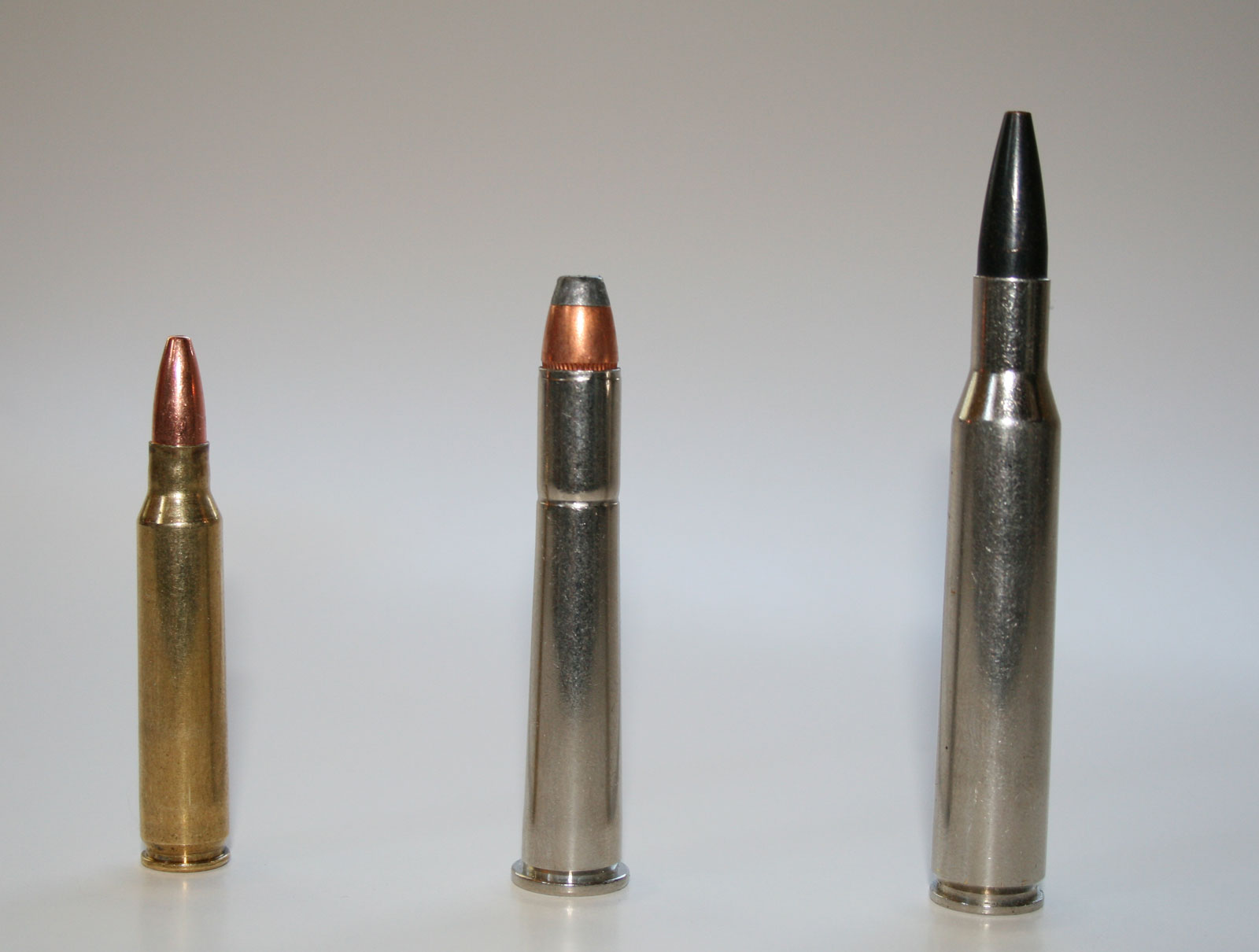
The .270 Winchester has long appealed to hunters who like flat trajectories and clean, decisive performance on deer. It built its following honestly, through decades of field use where open-country shots and careful marksmanship rewarded its strengths.
This is a cartridge with a smooth, confident personality. Recoil is manageable for many shooters, yet it still delivers the kind of speed and downrange energy that make longer shots feel less intimidating when conditions are right.
Its reputation has always been tied to practicality rather than trendiness. Hunters still choose the .270 because it shoots flat, carries easily, and keeps proving that a well-placed bullet beats marketing hype every season.
.243 Winchester

The .243 Winchester became a favorite by offering an inviting combination of light recoil and real deer capability. For younger hunters, recoil-sensitive shooters, and anyone who values comfort at the bench, it has often been the cartridge that made regular practice possible.
That ease of shooting matters more than many people admit. A cartridge that encourages better shot placement can outperform bigger options in real hunting situations, especially when the hunter stays within sensible distances and uses proper bullets.
The .243 remains popular because it bridges the gap between shootability and effectiveness. It is not the loudest voice in camp, but it continues to earn trust from hunters who value accuracy, confidence, and clean results.
.308 Winchester

The .308 Winchester has the kind of balanced resume hunters love. It is compact, efficient, and broadly available, with enough punch for deer in almost any normal hunting scenario. That combination has kept it in steady circulation for decades.
Part of its appeal comes from how easy it is to live with. Rifles can be relatively short and handy, recoil is very manageable for many shooters, and factory loads are everywhere from big stores to small-town gun counters.
On deer, the .308 has never needed much defending. It hits with authority, works in a wide range of rifle platforms, and offers the sort of no-drama dependability that keeps seasoned hunters coming back year after year.
7mm Remington Magnum
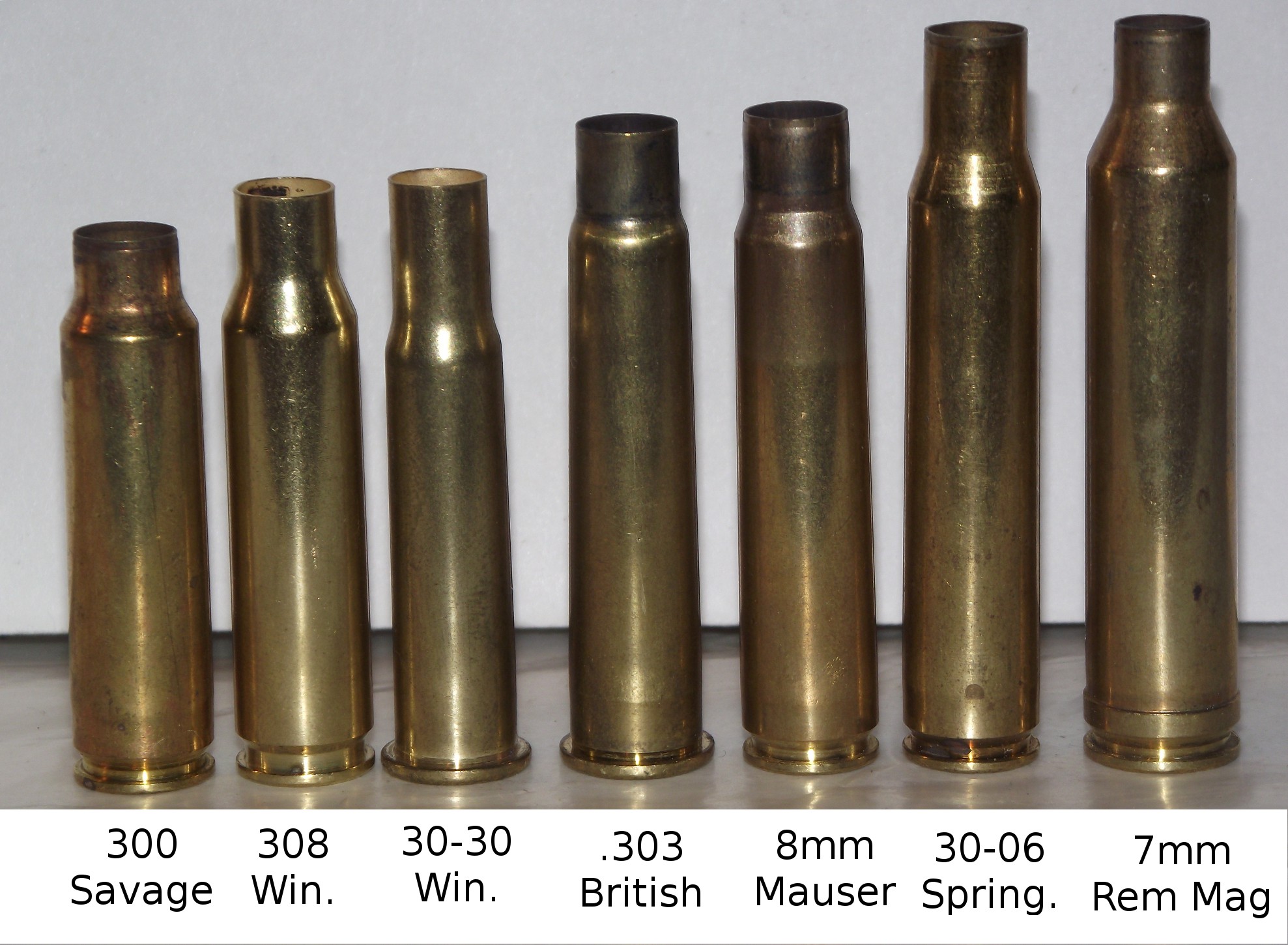
The 7mm Remington Magnum earned its place by giving hunters speed, reach, and a little extra margin in open country. When bean fields, ridgelines, or western spaces stretch the distance, this classic magnum still makes a strong argument for itself.
Its reputation rests on a flat trajectory and bullets with excellent sectional density. In plain language, it tends to hold velocity well and hit deer with the kind of authority hunters appreciate when ranges start growing beyond typical woods distances.
That said, it asks for a bit more from the shooter in recoil and muzzle blast. Hunters who are comfortable with it often stay loyal, because few classic cartridges blend reach and proven deer performance quite so neatly.
.257 Roberts
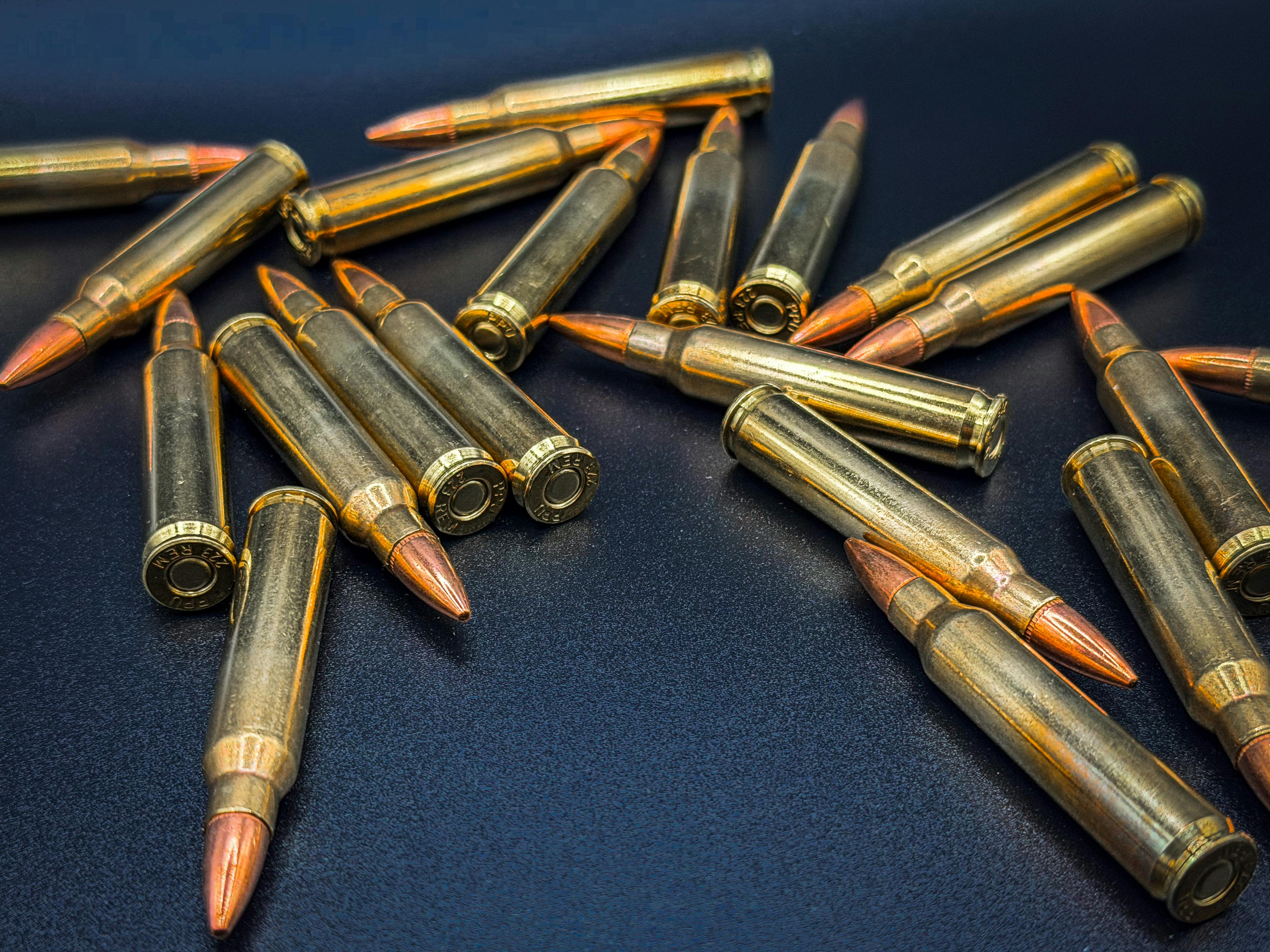
The .257 Roberts may not dominate modern shelf space, but among hunters who know it, affection runs deep. It has long been praised as a gentle-shooting, efficient deer cartridge that feels refined rather than overbuilt for the job.
Part of its charm is how pleasant it is to shoot. Recoil is light, handling is easy, and with the right load it delivers the kind of practical field performance that made many hunters wonder why they ever needed more.
Today, the .257 Roberts carries a certain connoisseur appeal. It is a cartridge for hunters who appreciate history, balance, and understated competence, and it still proves that classic design can remain effective long after trends have moved on.
.35 Remington

In thick woods where shots are quick and ranges stay modest, the .35 Remington has never stopped making sense. It developed a loyal following among hunters who wanted a little more bullet weight in a rifle that still handled beautifully in close cover.
Most often associated with lever guns, it carries an old-school authority that feels right at home in cedar swamps and oak ridges. It is not a cartridge built around velocity bragging rights, but around dependable work at sensible distances.
That practical focus is exactly why it still has admirers. For hunters who like stalking timber or sitting tight in brush country, the .35 Remington remains a comforting blend of handling, heritage, and proven deer-level power.
.250 Savage

The .250 Savage was ahead of its time, and part of its legend comes from how modern its idea still feels. It offered impressive speed in an era when that mattered enormously, yet it also built a reputation as a very usable, low-recoil deer round.
Hunters who favor it often talk about efficiency. It does not waste motion, powder, or punishment on the shooter. Instead, it delivers the kind of tidy field performance that rewards shot placement and calm confidence.
Though it is more of a classic enthusiast’s choice today, the .250 Savage still deserves respect. It remains a reminder that clever cartridge design can endure for generations when it is built around real hunting needs instead of fashion.
6.5×55 Swedish

The 6.5×55 Swedish has long been admired for its mild manners and impressive effectiveness. Hunters who use it often become devoted to it, because it combines easy shooting with the kind of deep, reliable performance that has kept 6.5 mm bullets respected for generations.
Its recoil is friendly, but its field results can feel bigger than the numbers suggest. Good bullet shape and sectional density help it penetrate well, which has made it a trusted option not only for deer, but for larger game in experienced hands.
For deer hunters, the appeal is straightforward. The 6.5×55 is accurate, pleasant, and quietly capable, the sort of cartridge that wins loyalty the old-fashioned way, by performing beautifully when the moment finally arrives.
.300 Savage

The .300 Savage once represented a remarkably smart package, delivering strong .30 caliber performance from shorter-action rifles. That efficiency gave it real appeal for deer hunters who wanted practical power without moving into larger, heavier setups.
It became especially associated with quick-handling rifles that felt lively in the woods. For many hunters, that translated into easier carry, faster mounting, and a cartridge that seemed built around the rhythm of real deer hunting rather than target-range theory.
Today, its profile is quieter than it once was, but the respect remains. The .300 Savage still stands as one of the classic examples of getting a lot done with a sensible amount of cartridge, recoil, and rifle.
.32 Winchester Special

The .32 Winchester Special lives somewhat in the shadow of the .30-30, but it has held onto a loyal base for very good reasons. Hunters who favor it often appreciate its slightly different character and the way it carries old lever-gun tradition into the deer woods.
In practice, it fills a very similar role to other classic woods cartridges. It shines in moderate-range hunting, where quick shots, compact rifles, and confidence in familiar terrain matter more than velocity charts and long-range ambitions.
Its continued following says plenty about how hunters actually think. The .32 Winchester Special is less about chasing the newest thing and more about sticking with a cartridge that feels proven, personal, and perfectly suited to the hunt at hand.
.280 Remington

The .280 Remington has spent much of its life being appreciated a little more quietly than it probably deserves. For deer hunters, it offers a very attractive middle ground, blending useful bullet weights, flat enough trajectories, and recoil that many shooters find entirely reasonable.
That balance is what keeps it interesting. It carries some of the graceful, versatile qualities hunters admire in the 7 mm family, but without always demanding the added blast and recoil that come with magnum territory.
Among experienced hunters, the .280 often inspires a knowing smile. It may not be the first cartridge mentioned at every campfire, but it remains an elegant, capable deer round that has aged extremely well.
.25-06 Remington

The .25-06 Remington has long appealed to hunters who like speed and a flat trajectory without stepping into punishing recoil. On deer-sized game, it has a reputation for crisp performance, especially in country where shots can stretch beyond typical eastern woods distances.
It feels fast because it is fast, but its usefulness is not just about numbers. The cartridge pairs that velocity with practical accuracy and enough bullet performance to make it a dependable deer choice when paired with sensible shot selection.
Hunters still gravitate toward the .25-06 for the same reason they always have. It is a sleek, confident round that makes open ground feel smaller and gives careful shooters a classic, highly effective option for deer season.
.44 Magnum

The .44 Magnum may be famous as a revolver cartridge, but in the deer woods it has also carved out a respected life in carbines and certain specialized hunting setups. At modest range, it offers a hard-hitting, straight-talking kind of effectiveness hunters continue to appreciate.
Its sweet spot is clear. This is not a long-range choice, but in thick cover, from blinds, or in states with straight-wall or handgun-focused traditions, the .44 Magnum can be a very practical deer tool.
What keeps it trusted is not mystery, but honesty. Used within its limits, it delivers reliable performance and manageable handling, proving that classic deer cartridges do not all have to come from the same rifle rack.
7×57 Mauser

The 7×57 Mauser remains one of the great classic hunting cartridges, admired for its poise as much as its performance. It has a long and distinguished field history, and deer hunters still value the way it blends moderate recoil with excellent real-world effectiveness.
There is a smoothness to the 7×57 that enthusiasts often mention. It is not harsh, not flashy, and not difficult to shoot well. That combination tends to create the sort of confidence that matters far more than chasing the newest ballistic headline.
Its staying power comes from elegance and utility working together. The 7×57 Mauser still feels relevant because deer hunting has not changed as much as marketing has, and good cartridges rarely stop being good cartridges.