Hunting gear has evolved steadily since the 1960s, reflecting advances in technology, materials, and outdoor culture. Earlier generations relied on heavier equipment built for durability rather than comfort. Modern hunters benefit from lighter designs, improved safety, and greater precision. Changes span clothing, firearms, optics, and accessories used in the field. These shifts did not happen suddenly but followed decades of refinement. Understanding how gear transformed helps explain current hunting practices. The following examples highlight key differences between past and present equipment. Each change illustrates how hunting adapted to new expectations, environmental awareness, and technological capability over time.
Clothing Materials

Hunting clothing in the 1960s relied heavily on wool and cotton fabrics. These materials offered warmth but absorbed moisture easily. Wet conditions often meant discomfort and heat loss. Modern hunting apparel uses synthetic blends and technical fabrics. These materials wick moisture, dry quickly, and regulate temperature. Lightweight insulation improves mobility during long hunts. Modern garments also resist wind and rain more effectively. Improved layering systems allow adaptation to changing conditions. Hunters today experience greater comfort across seasons. This evolution reflects advancements in textile engineering and outdoor performance design that prioritize endurance, safety, and efficiency during extended time spent afield.
Camouflage Patterns

Camouflage in the 1960s featured basic patterns with limited environmental specificity. Early designs focused on general concealment rather than terrain matching. Modern camouflage incorporates digital and photo realistic patterns. These designs adapt to forests, deserts, and wetlands specifically. Advanced research considers animal vision and movement detection. Patterns now disrupt outlines more effectively. Seasonal variations further improve concealment. Manufacturers test designs extensively in natural environments. Hunters benefit from improved stealth. The shift reflects better understanding of wildlife perception. Today’s camouflage emphasizes scientific design principles rather than simple color blending used during earlier hunting decades.
Firearm Materials

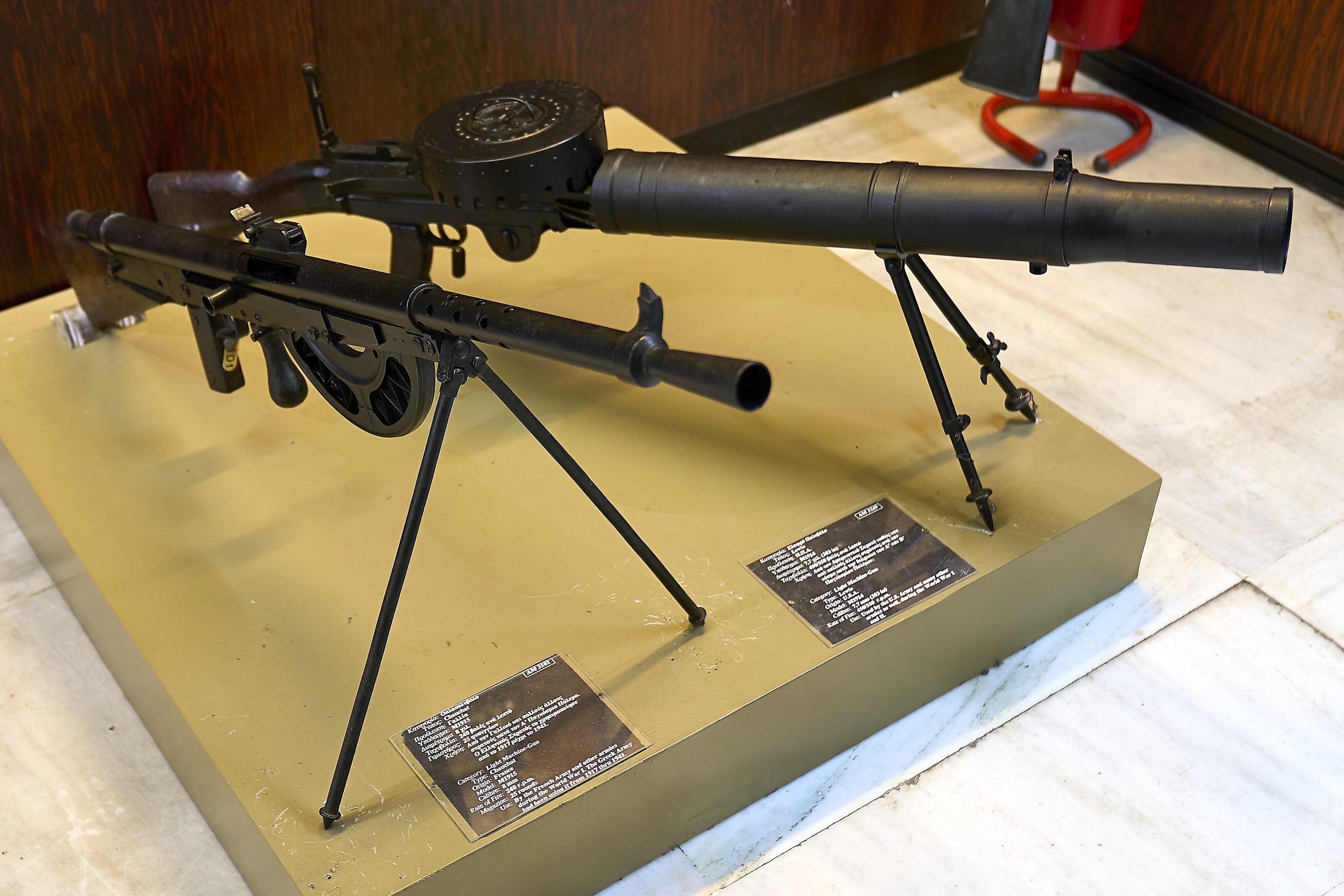
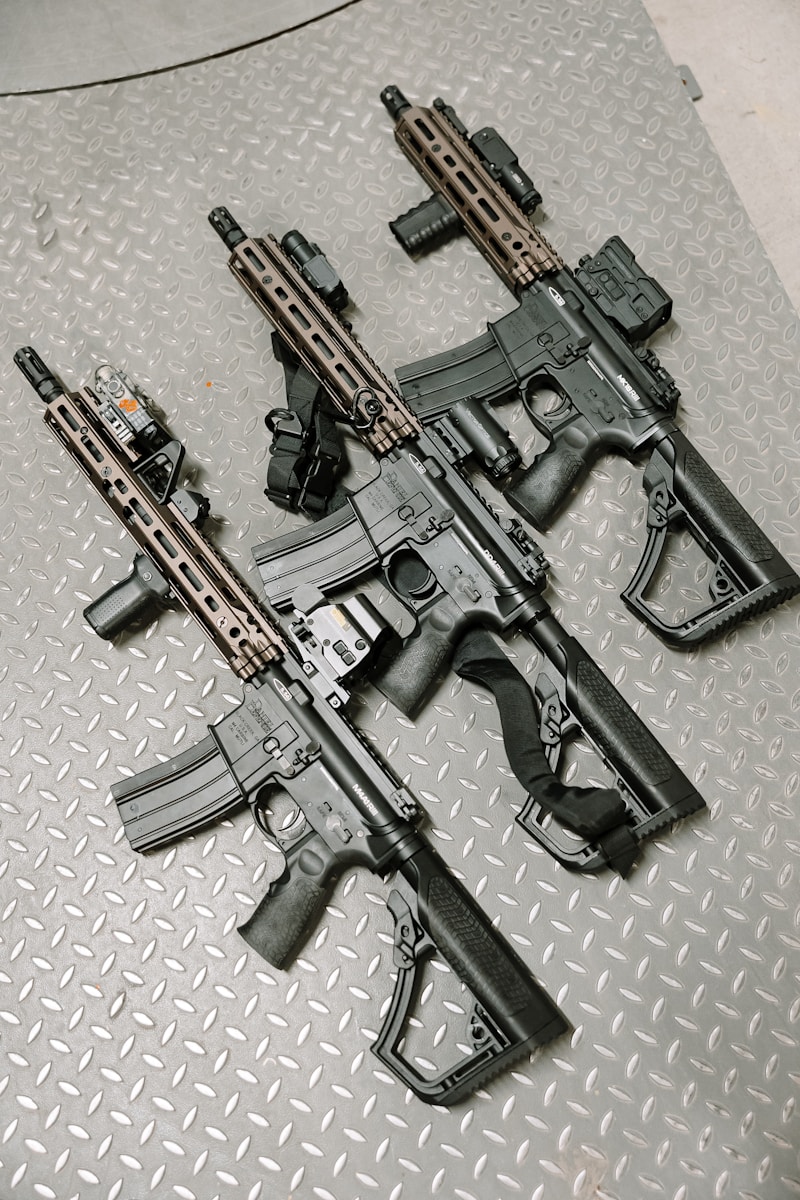
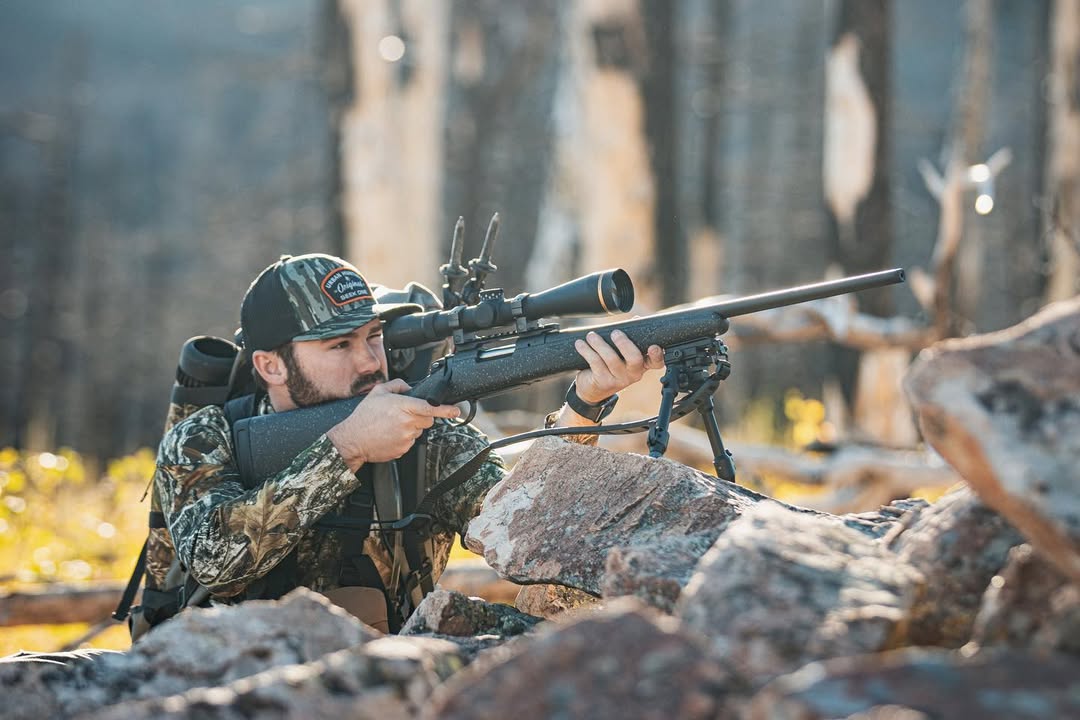
Firearms from the 1960s relied on steel and wood construction. These materials added weight and required regular maintenance. Modern firearms incorporate synthetic stocks and lightweight alloys. These materials resist weather damage and reduce overall weight. Improved manufacturing techniques enhance consistency and durability. Adjustable stocks allow better fit. Recoil management has improved through design refinements. Hunters experience greater reliability across conditions. Modern firearms also support accessories more easily. The transition reflects advances in materials science and machining. Today’s hunting rifles balance strength, weight, and adaptability more effectively than earlier traditional designs.
Optics Technology
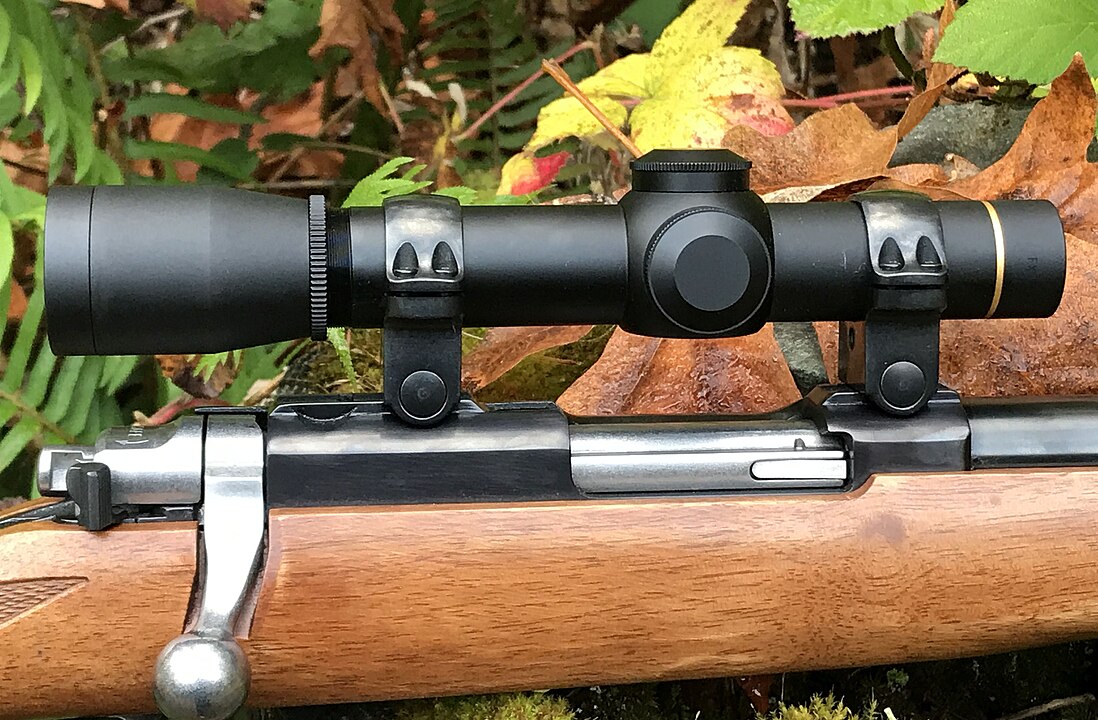
Optics in the 1960s were limited by glass quality and coatings. Scopes often lacked clarity in low light. Modern optics feature advanced lens coatings and precision engineering. These improvements enhance brightness and contrast significantly. Adjustable magnification became more reliable. Durability increased with sealed and shock resistant designs. Hunters now benefit from clearer sight pictures at dawn and dusk. Range estimation accuracy improved. The evolution of optics changed shot placement confidence. Today’s scopes reflect decades of optical research, transforming how hunters assess distance, terrain, and target identification in challenging light conditions.
Ammunition Design

Ammunition in the 1960s used simpler bullet designs. Expansion and consistency varied widely. Modern ammunition benefits from advanced ballistics research. Controlled expansion bullets improve ethical harvesting. Improved powders enhance velocity consistency. Modern cartridges reduce fouling and improve accuracy. Bullet construction adapts to specific game types. Hunters experience more predictable performance. Safety and effectiveness improved through testing. This shift reflects better understanding of terminal ballistics. Today’s ammunition emphasizes reliability, humane outcomes, and precision rather than the generalized designs common in earlier decades of hunting history.
Safety Equipment

Safety awareness in the 1960s focused primarily on firearm handling. Blaze orange use was not widespread initially. Modern hunting emphasizes visibility and accident prevention. High visibility clothing became standard in many regions. Tree stand safety harnesses emerged later. Improved education reduced accident rates. Equipment now includes hearing and eye protection. GPS emergency devices improve safety further. Hunters today benefit from layered safety practices. These changes reflect evolving regulations and cultural awareness. Modern hunting culture prioritizes responsibility and risk reduction far more than earlier periods when safety gear remained limited.
Backpack Design
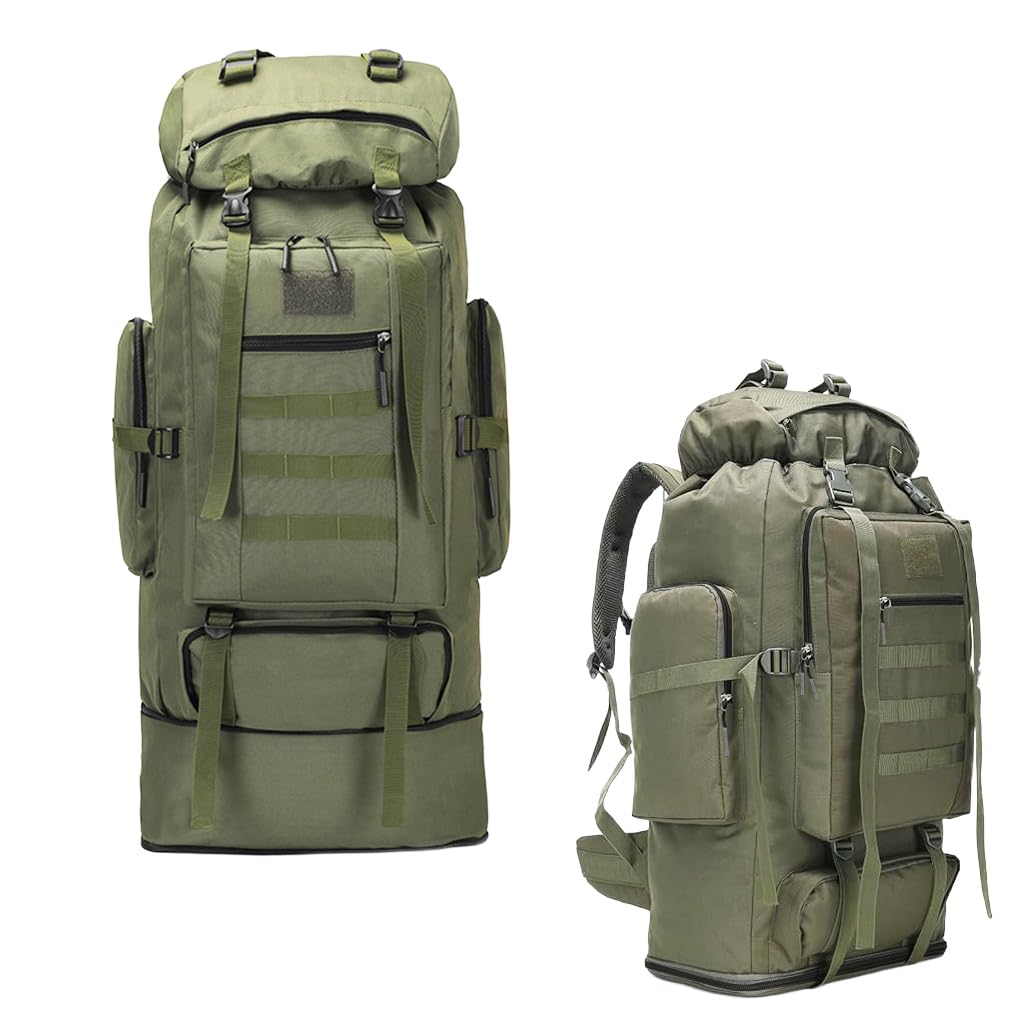
Backpacks in the 1960s featured simple frames and limited padding. Carrying heavy loads caused fatigue quickly. Modern packs use ergonomic designs and lightweight materials. Adjustable suspension systems distribute weight evenly. Breathable padding improves comfort. Modular compartments organize gear efficiently. Hydration compatibility supports endurance. Hunters now carry equipment longer with less strain. Improved pack design enhances mobility. This evolution reflects outdoor gear innovation. Modern backpacks prioritize efficiency and comfort, enabling hunters to travel farther and operate more effectively than with earlier, less refined load carrying systems.
Navigation Tools
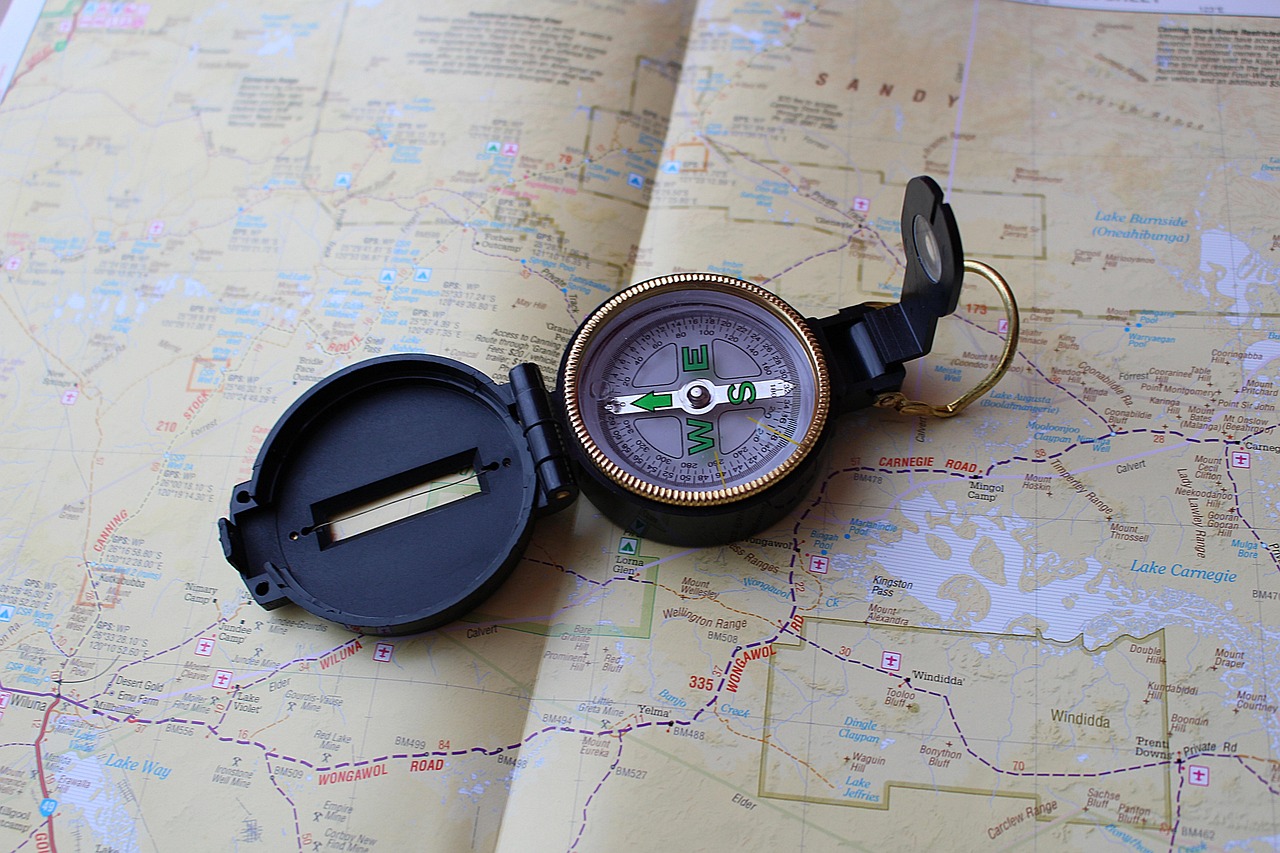
Hunters in the 1960s relied on paper maps and compasses. Navigation required strong land reading skills. Modern hunters use GPS devices and mapping applications. Satellite technology improves accuracy dramatically. Digital mapping shows terrain and property boundaries. Waypoints assist return navigation. Emergency communication devices add security. Traditional skills remain valuable but supplemented. Navigation errors decreased significantly. These tools transformed trip planning and safety. The change reflects technological integration into outdoor recreation. Modern navigation tools provide confidence and efficiency that earlier generations achieved only through extensive experience and careful preparation.
Footwear Technology
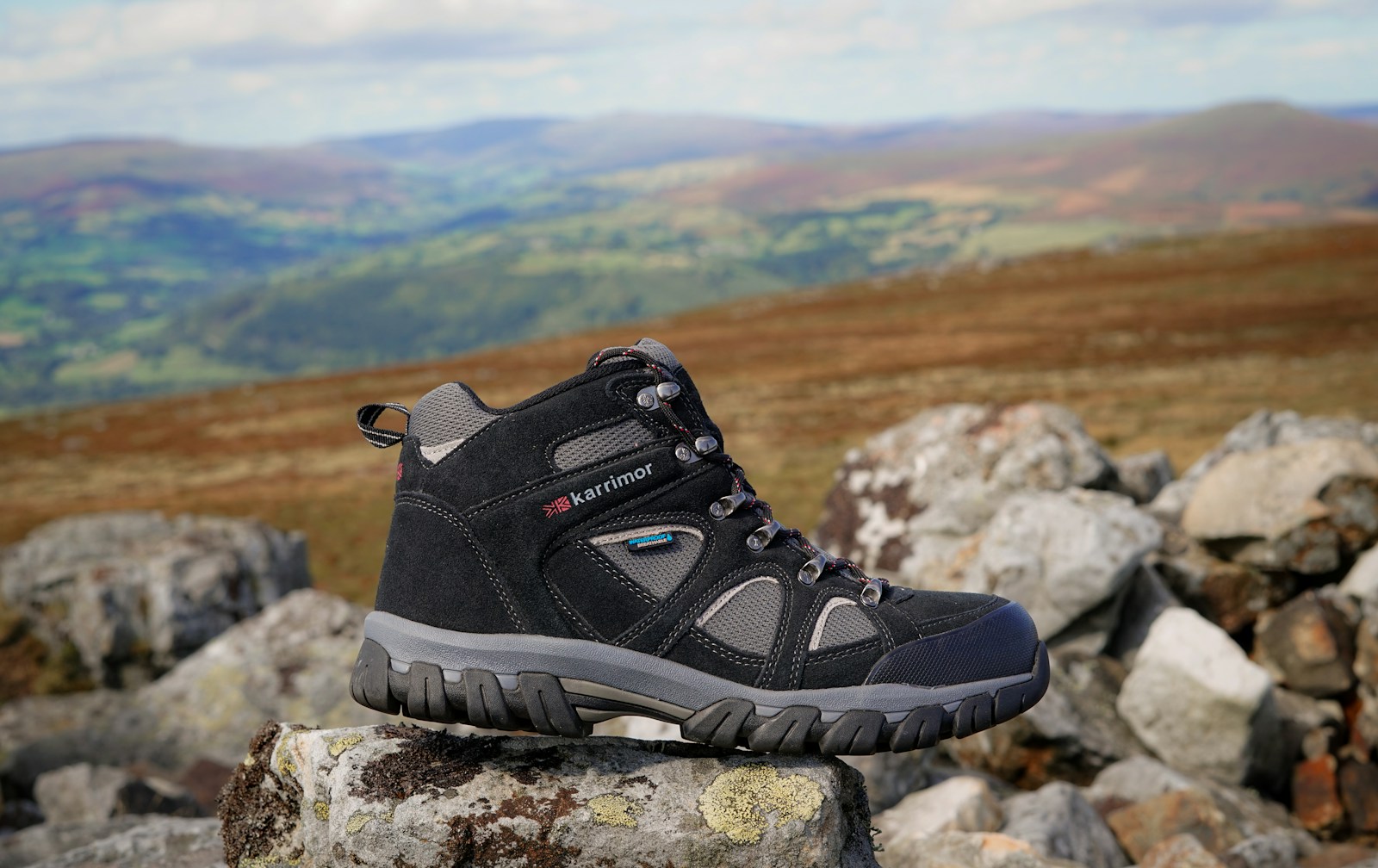
Boots from the 1960s emphasized durability over comfort. Leather construction required lengthy break in periods. Waterproofing remained limited. Modern hunting boots use advanced materials and insulation. Breathable membranes improve moisture control. Lightweight soles reduce fatigue. Improved traction enhances stability. Boots now match specific terrains and temperatures. Hunters experience better foot health. These advances reflect footwear engineering progress. Modern boots support longer hunts and harsher conditions, reducing injury risk compared to heavier, less specialized footwear commonly worn by hunters in earlier decades.
Tree Stand Equipment
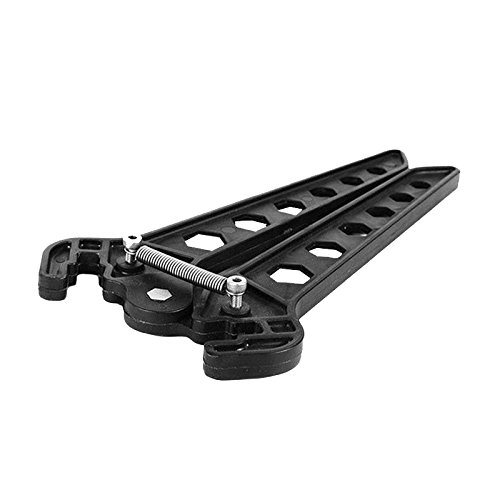
Tree stands in the 1960s were basic and less secure. Safety systems were minimal or nonexistent. Modern tree stands incorporate engineered platforms and harnesses. Materials reduce noise and increase stability. Lightweight designs improve portability. Safety standards guide manufacturing. Adjustable features improve comfort during long sits. Hunters experience reduced fall risk. These improvements reflect increased focus on safety. Today’s tree stand equipment allows elevated hunting with greater confidence and reduced hazard compared to early designs that offered limited protection. Improved designs also accommodate longer hunts by reducing fatigue and enhancing overall positioning control stability.
Scent Control Products

Scent control received little attention during the 1960s. Hunters relied on wind awareness primarily. Modern hunting emphasizes scent management products. Specialized detergents and sprays reduce human odor. Activated carbon clothing absorbs scent molecules. Field practices improved effectiveness. Wildlife behavior research influenced development. Hunters gain advantages in close range encounters. These products reflect deeper understanding of animal senses. Modern scent control integrates science and gear, expanding beyond traditional methods that relied solely on environmental conditions. Modern systems also influence clothing choices, laundry routines, and storage habits among dedicated hunters nationwide.
Firearm Accessories
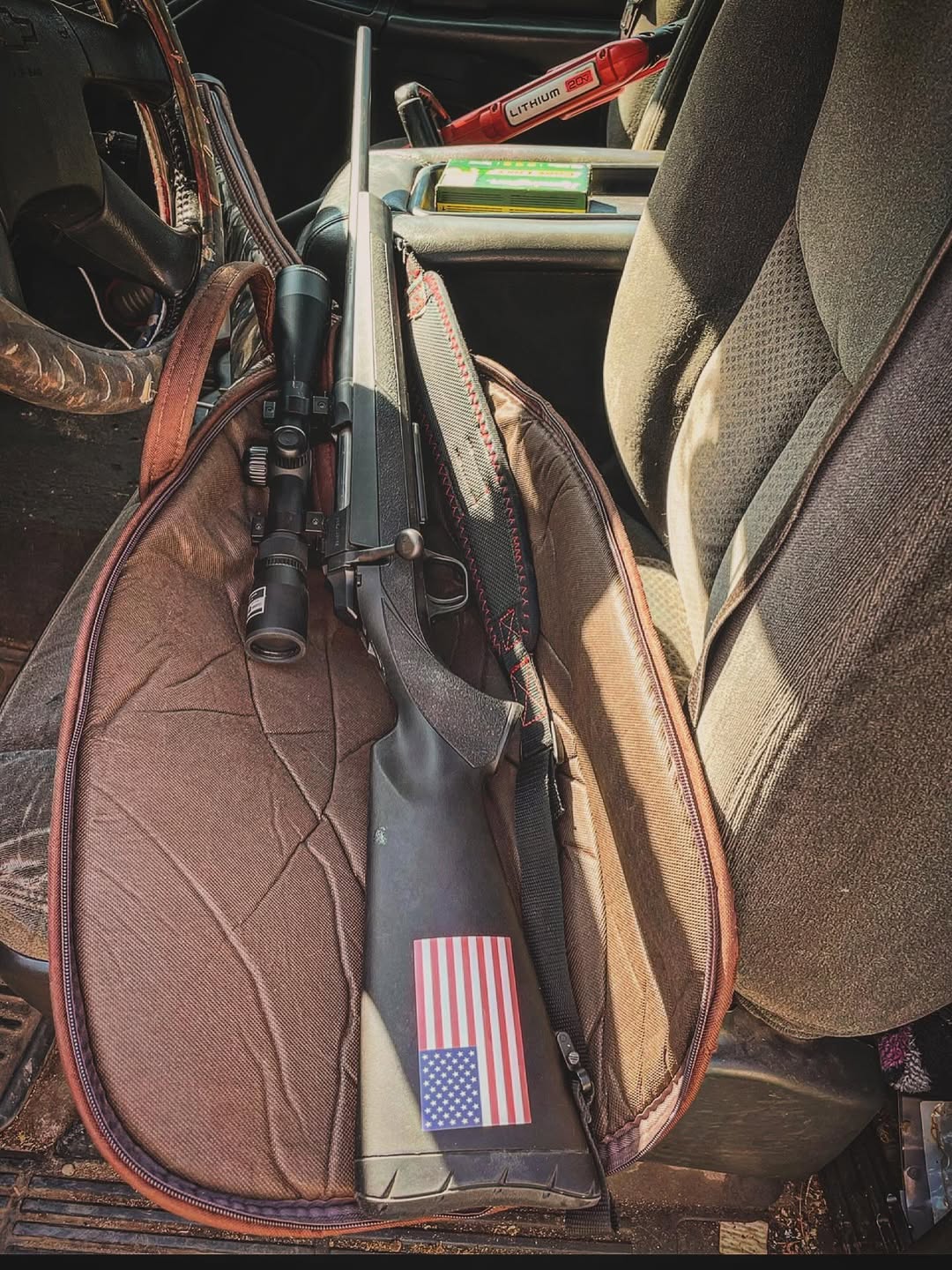
Accessories were limited during the 1960s. Slings and basic scopes were common additions. Modern firearms support numerous accessories. Bipods, suppressors, and adjustable stocks improve control. Mounting systems standardized compatibility. Accessories enhance accuracy and comfort. Hunters customize setups to specific needs. Technology integration improved versatility. These changes reflect modular design trends. Modern hunting firearms function as adaptable systems rather than fixed tools, offering flexibility unknown to earlier generations. Accessory evolution allows hunters to adapt firearms quickly for terrain, distance, and lighting conditions changes.
Communication Methods
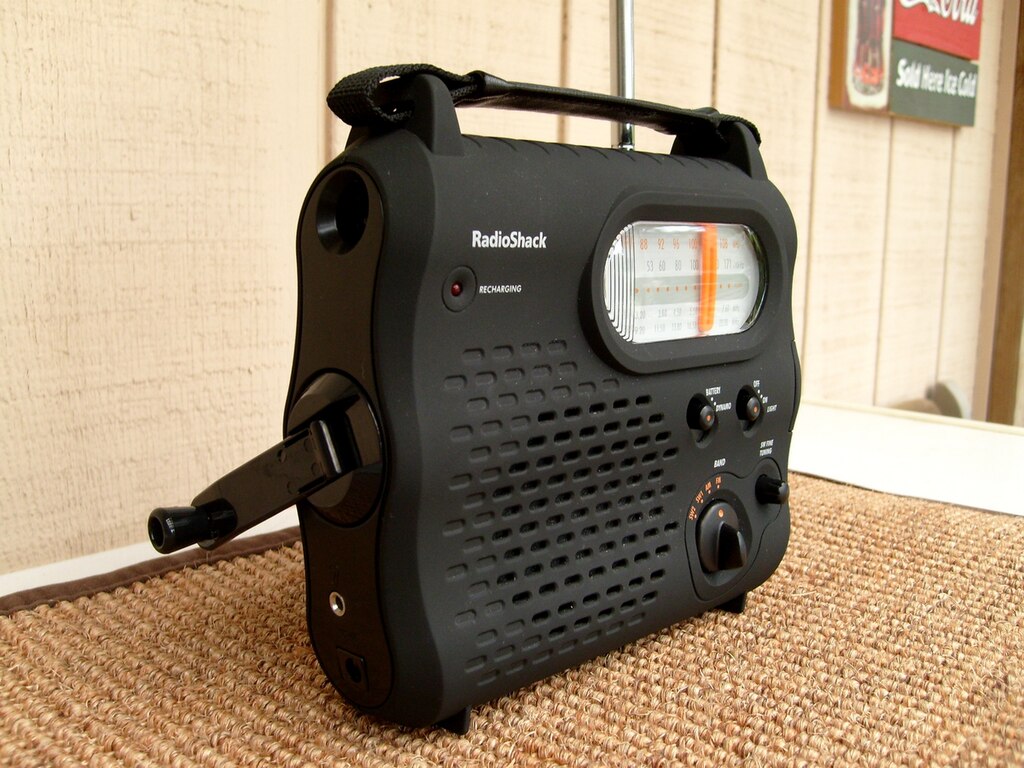
Hunters in the 1960s communicated through predetermined plans. Field communication was minimal once afield. Modern hunters use radios and satellite devices. Communication improves coordination and safety. Emergency contact becomes possible in remote areas. Group hunts benefit from real time updates. These tools reduce isolation risks. Communication advances reflect broader technology access. Modern hunters maintain connectivity without sacrificing independence, marking a significant shift from earlier eras when isolation was an accepted aspect of hunting trips. Reliable communication reshaped planning, emergency response, and group coordination during extended backcountry hunts nationwide today.
Environmental Awareness

Environmental awareness in the 1960s focused less on sustainability. Regulations evolved gradually. Modern hunting gear reflects conservation priorities. Lead free ammunition reduces environmental impact. Durable equipment reduces waste. Ethical harvesting practices influence design. Hunters engage more with conservation science. Gear supports responsible use. This change reflects cultural shifts toward stewardship. Modern hunting integrates respect for ecosystems, shaping equipment choices that balance tradition with long term environmental responsibility. These values increasingly guide manufacturers and hunters toward responsible innovation.