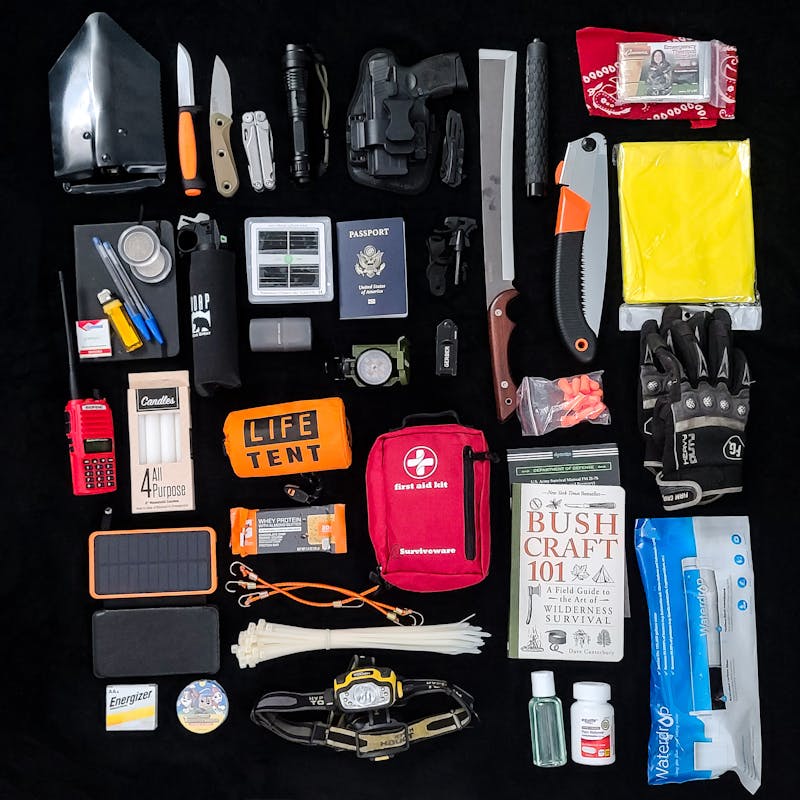
Backpack design plays an important role for hikers over 60 as balanced support, reduced pressure points, and dependable stability become essential for longer excursions. Modern engineering focuses on comfort features that limit joint fatigue and encourage smoother movement on uneven ground. These refinements include lighter materials, breathable padding, and weight-shifting structures that protect sensitive areas such as shoulders, hips, and the lower spine. As outdoor participation grows among older adults, specialized backpack designs continue evolving with better ergonomics and easier adjustability that promote safer and more enjoyable hiking experiences across different trail conditions.
Lightweight Internal Frame Packs
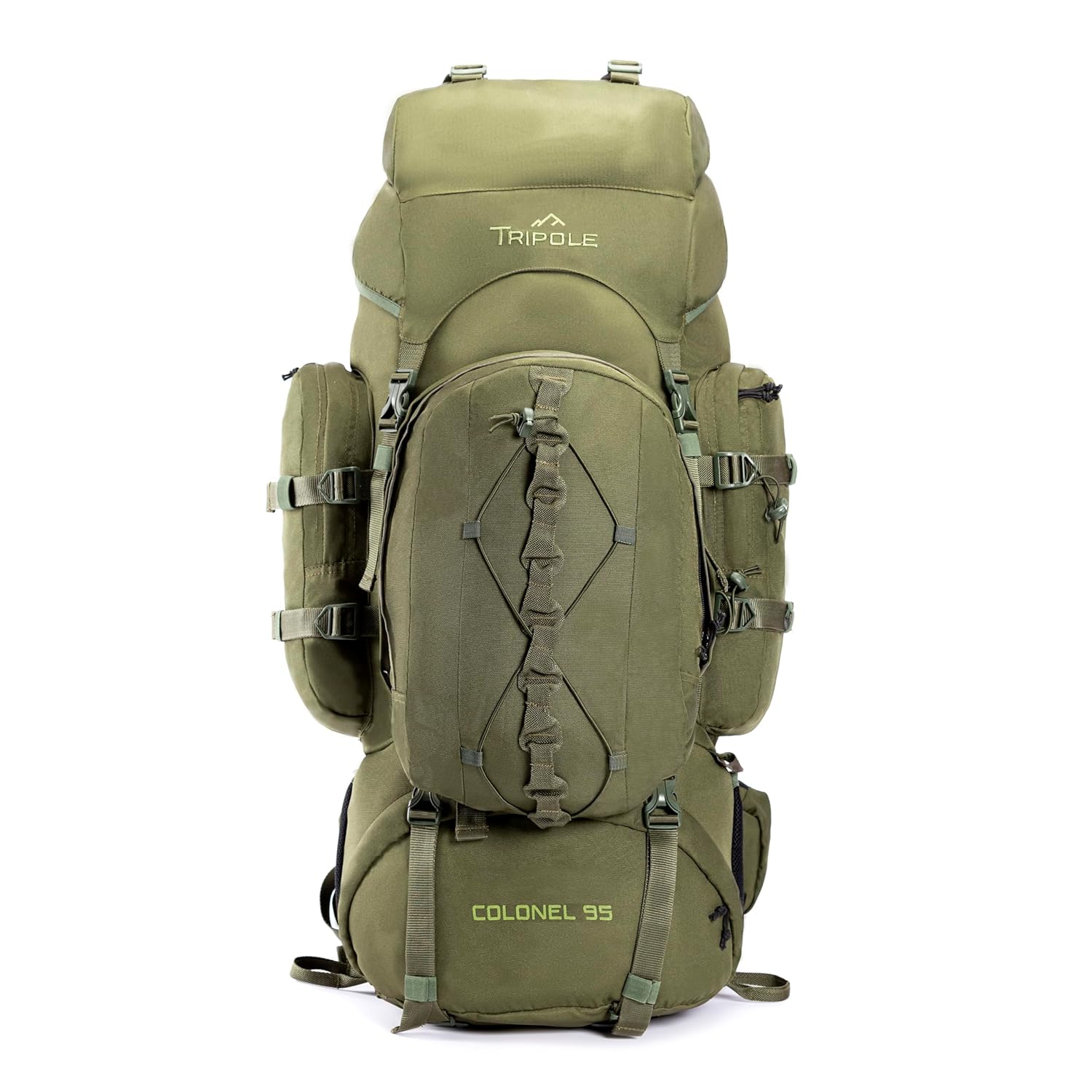
Lightweight internal frame packs deliver close-body stability without adding unnecessary strain to aging joints. Slim frames help control weight placement, allowing hips and shoulders to manage load efficiently during long climbs or descents. Breathable back panels reduce perspiration buildup while padded straps cushion repetitive pressure throughout the day. These packs limit side-to-side sway, improving balance on rocky or root-covered trails. Their streamlined construction also reduces fatigue, helping hikers maintain comfortable pacing across varied terrain without sacrificing essential gear capacity.
Ventilated Back Panel Packs
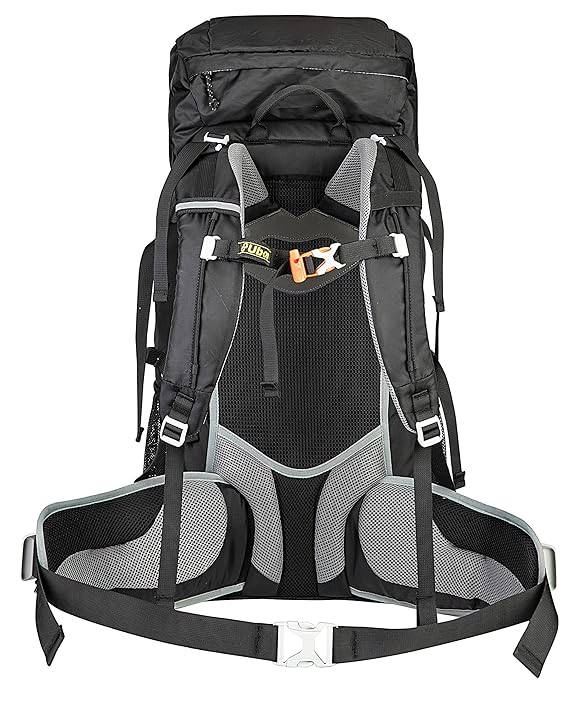
Ventilated back panel packs enhance airflow between the pack and the spine, preventing heat accumulation that often leads to discomfort during extended periods on the trail. Suspended mesh designs create a cooling barrier that limits moisture retention, especially during warm-weather hikes. Lightweight support frames distribute weight evenly, reducing stress on shoulders and upper-back joints. Adjustable harness systems accommodate posture changes common with age. This combination of airflow, structure, and balanced load placement results in a more comfortable and efficient hiking experience across diverse landscapes.
Ultra-Lightweight Daypacks
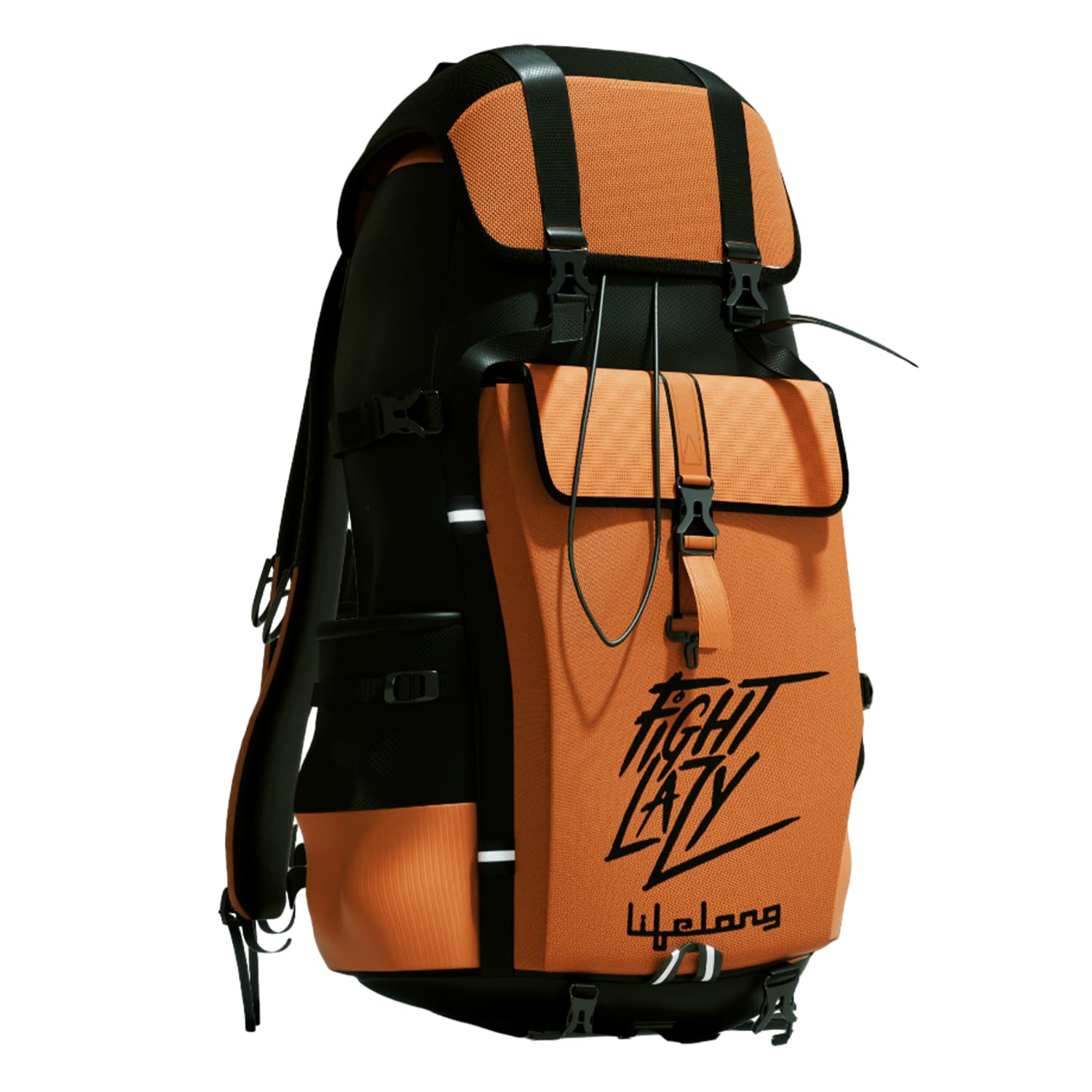
Ultra-lightweight daypacks reduce strain on knees, hips, and ankles by eliminating excess weight that contributes to joint fatigue during shorter or moderate outings. Modern fabrics provide durability at minimal mass, supporting essential items without burdening the frame. Padded straps and flexible backing improve comfort while preventing pressure spots. Compact designs simplify organization and help maintain a steady stride on uneven ground. These packs perform well on warm-season trails or quick excursions, offering an efficient and low-impact option for older hikers wanting supportive yet minimal gear.
Packs with Wide Hip Belts
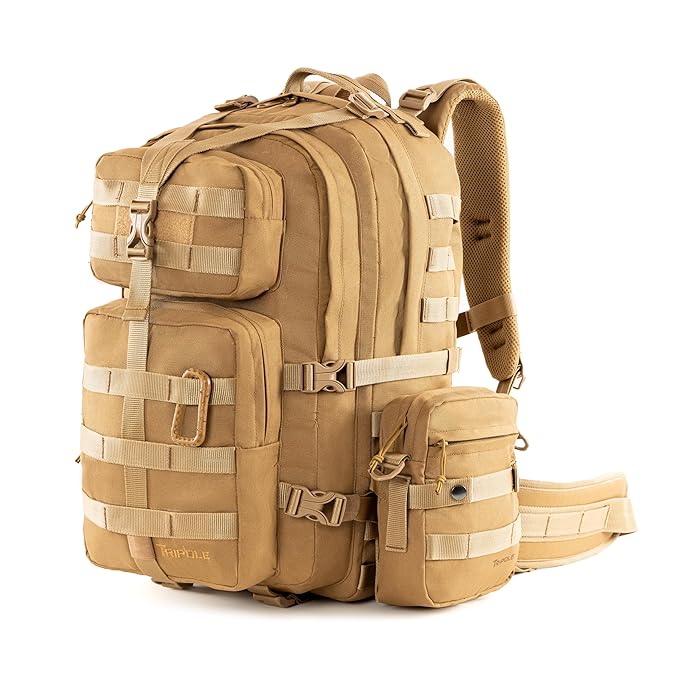
Backpacks featuring wide hip belts shift the majority of the load away from vulnerable shoulder joints and onto strong hip muscles, significantly improving comfort on lengthy routes. Generous padding reduces rubbing and stabilizes movement across steep inclines. Adjustable tension systems secure the belt even as clothing layers change throughout the day. Wider belts also support better posture by keeping weight centered during rocky descents. This style remains popular among older hikers seeking dependable load transfer that reduces fatigue and enhances overall trail control.
Adjustable Suspension Systems
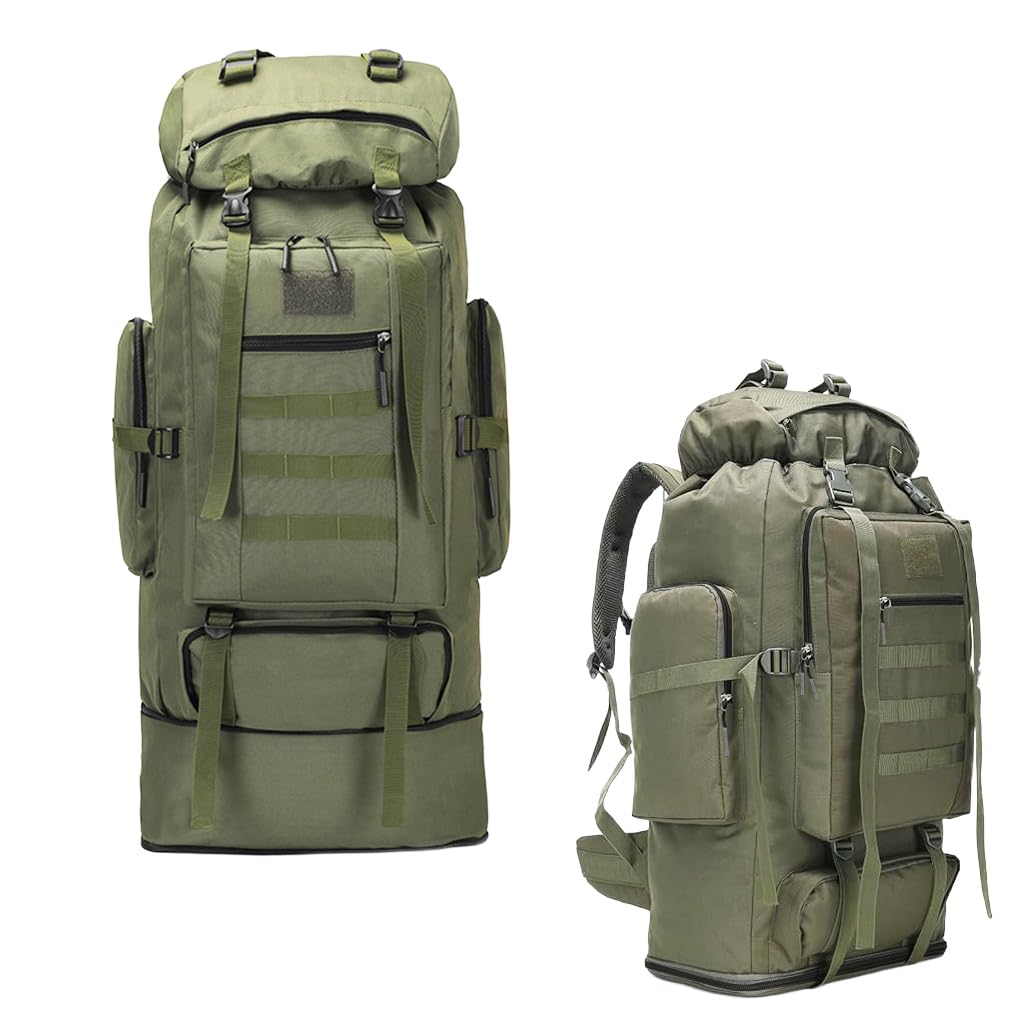
Adjustable suspension systems allow a fine-tuned fit that accommodates body changes frequently experienced with age, making weight distribution more predictable across shifting terrain. Multiple adjustment points support natural alignment and reduce strain on shoulders and hips during challenging sections. Suspension flexibility keeps packs stable across narrow switchbacks, preventing unwanted motion that increases fatigue. These systems adapt easily to different route demands, making them valuable for older hikers who prioritize comfort and balance. Enhanced stability encourages longer-distance travel while minimizing joint stress.
Front-Access Panel Packs
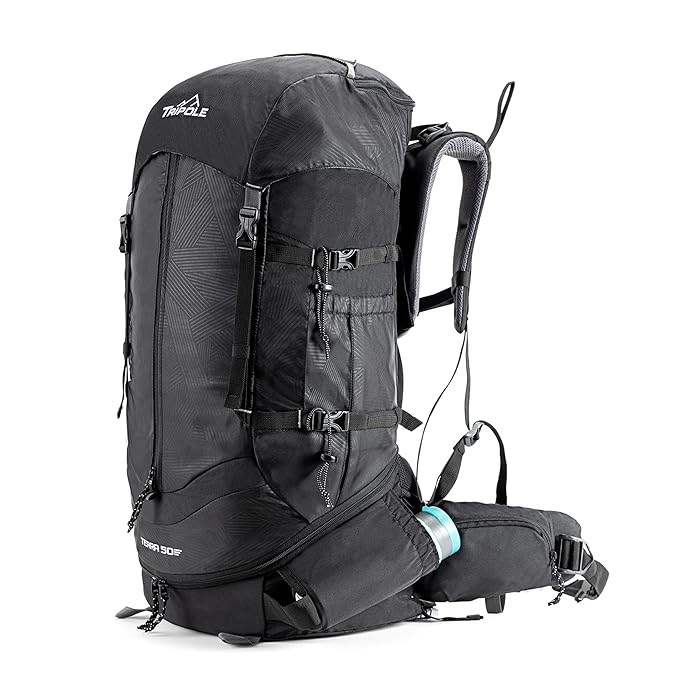
Front-access panel packs provide convenient entry to essential gear, decreasing repetitive bending that can stress knees, hips, and the lower back. Large front openings allow quick access to jackets, snacks, or first-aid supplies while maintaining pack organization. Reinforced panels preserve structure and help distribute weight evenly across the torso. Zippers and compartments remain accessible even on narrow trails or during brief rest stops. This design supports efficient on-trail management and helps older hikers maintain steady momentum without unnecessary strain during gear retrieval.
Hydration-Ready Backpacks
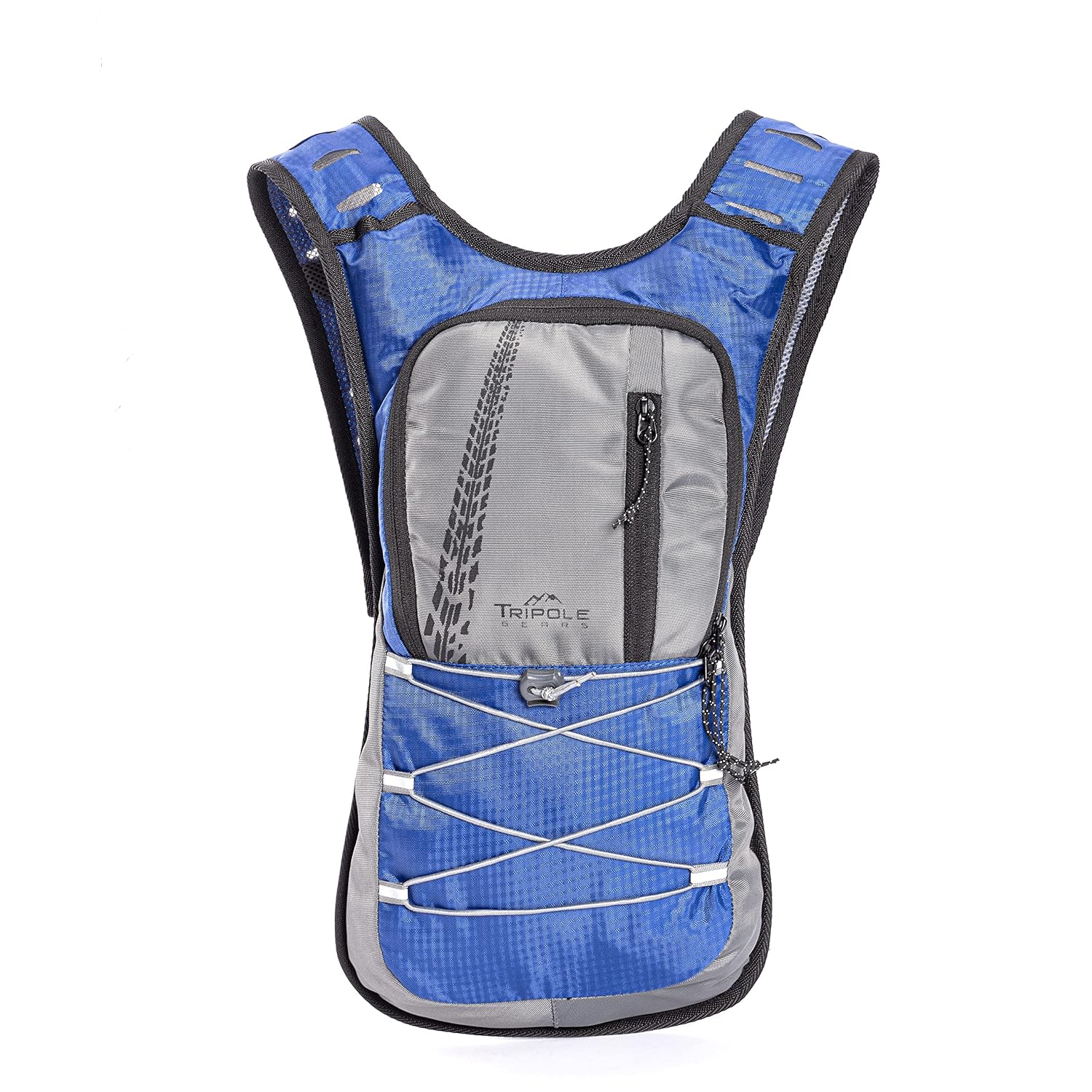
Hydration-ready backpacks streamline water access through integrated bladder sleeves positioned close to the spine for balanced weight distribution. Drinking tubes eliminate twisting motions that strain shoulders or elbows, supporting consistent hydration during steady movement. Bladder placement reduces sloshing and maintains stability while climbing or descending. Padded straps and ergonomic back panels complement the hydration system by reducing pressure points. These packs help prevent fatigue linked to irregular water intake, contributing to safer and more comfortable long-distance hiking experiences for older adults.
Minimalist Overnight Packs
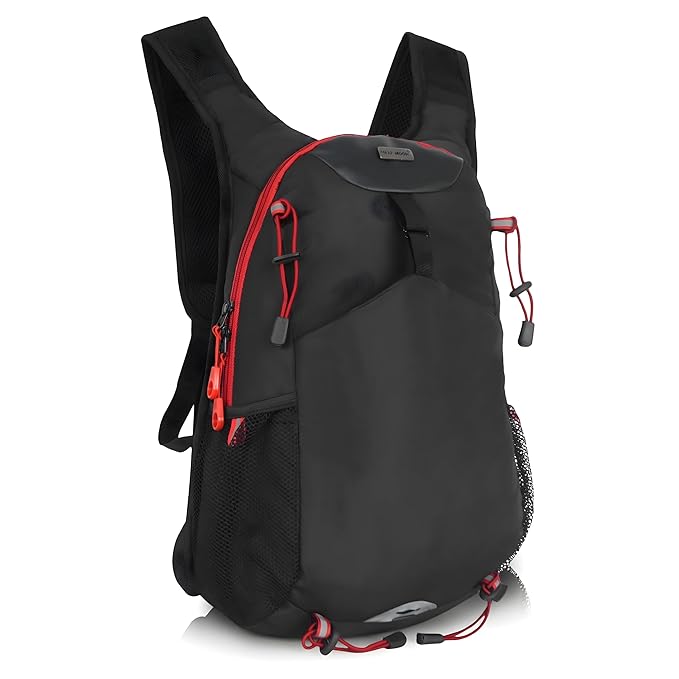
Minimalist overnight packs offer enough capacity for short backcountry stays while limiting bulk that increases joint stress on multi-hour hikes. Slim silhouettes encourage efficient packing and prevent overloading, supporting easier balance on steep terrain. Padded hip belts stabilize heavier items while lightweight materials reduce strain during long climbs. Simplified pocket layouts keep essentials organized without unnecessary weight. Older hikers often prefer these packs for overnight trips where comfort, control, and predictable movement matter more than carrying extensive equipment.
Packs with Load-Lifter Straps
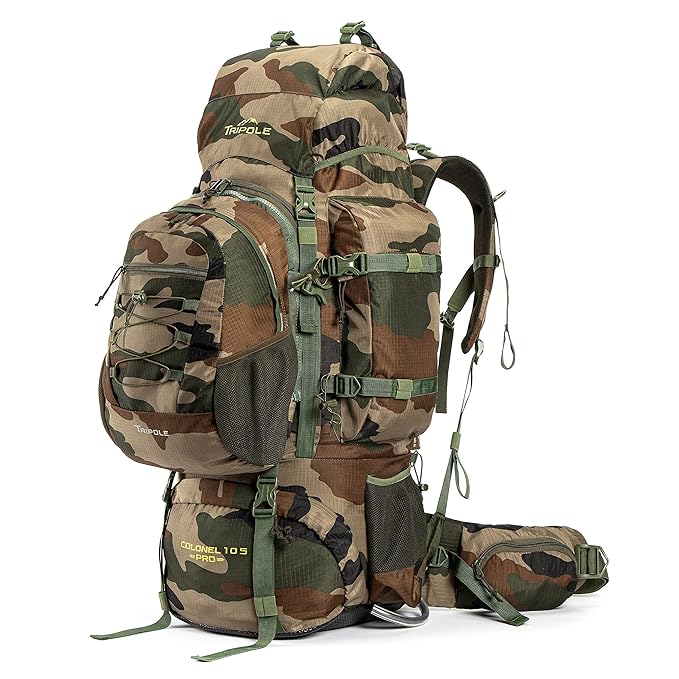
Load-lifter straps help angle backpack weight closer to the body’s center of gravity, reducing shoulder pull and enhancing upper-body stability. These straps keep packs upright during ascents and prevent backward lean that contributes to neck and spine discomfort. Adjustable buckles allow quick corrections throughout the hike as terrain shifts. When combined with supportive shoulder padding, load lifters minimize joint fatigue during long or technical routes. This feature remains important for older hikers seeking greater control over how their pack carries across uneven landscapes.
Roll-Top Closure Packs
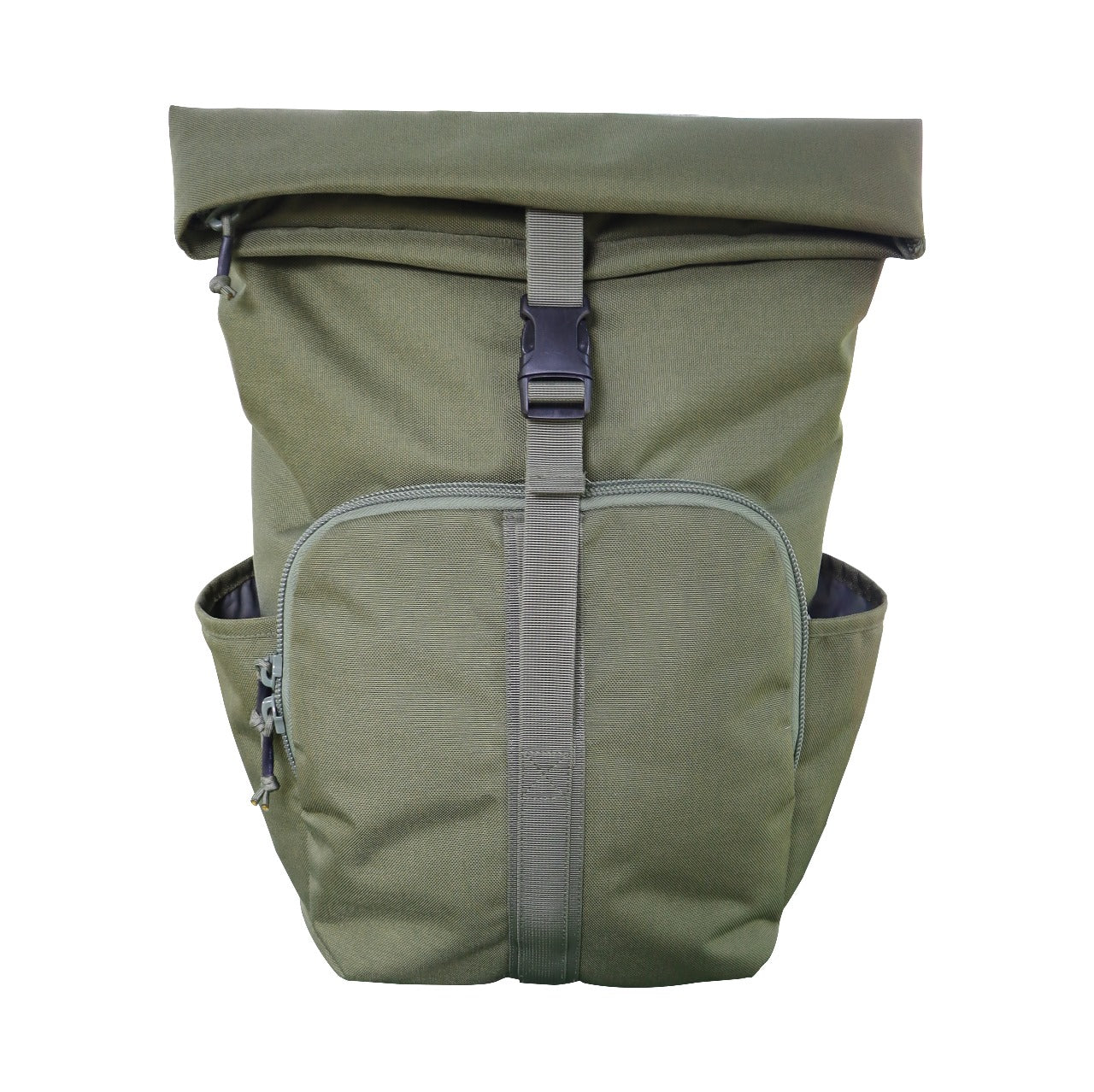
Roll-top closure packs offer adjustable capacity without adding extra structure that increases overall pack weight. Flexible openings compress tightly for stability, preventing shifting that strains back and hip joints during long treks. Waterproof materials protect gear in unpredictable weather while maintaining lightweight performance. Streamlined silhouettes reduce snagging on narrow forest trails. These packs adapt easily to changing gear needs, supporting older hikers who appreciate dependable load control paired with simple, weather-resistant access.
Curved Backpacks for Natural Alignment
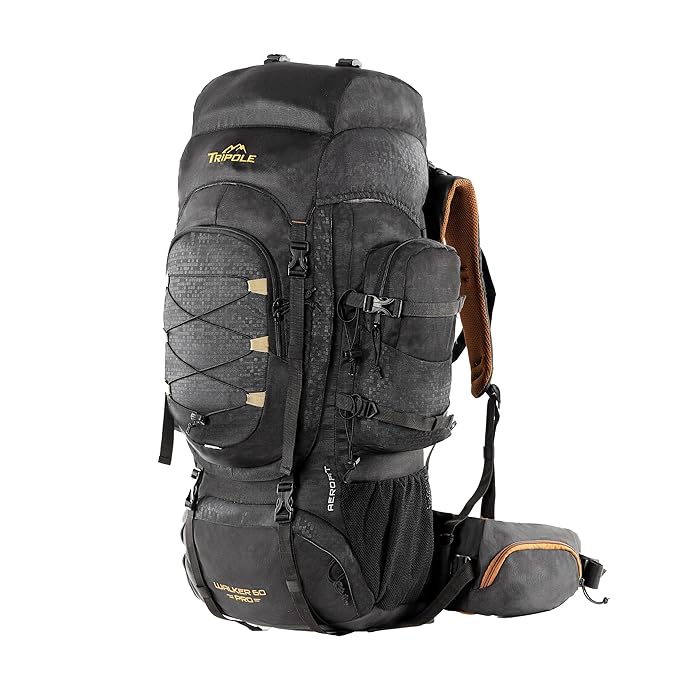
Curved backpacks follow the spine’s natural contour, improving comfort by reducing tension across shoulders and lower-back joints. This ergonomic frame style keeps weight aligned with the body’s movement, enhancing balance during rocky paths or steep transitions. Cushioned back panels prevent pressure points and promote airflow that minimizes heat buildup. Curved designs accommodate posture changes common with age, supporting smoother strides. These packs remain favored for their ability to maintain alignment and joint comfort during extended outings.
Modular Storage Packs
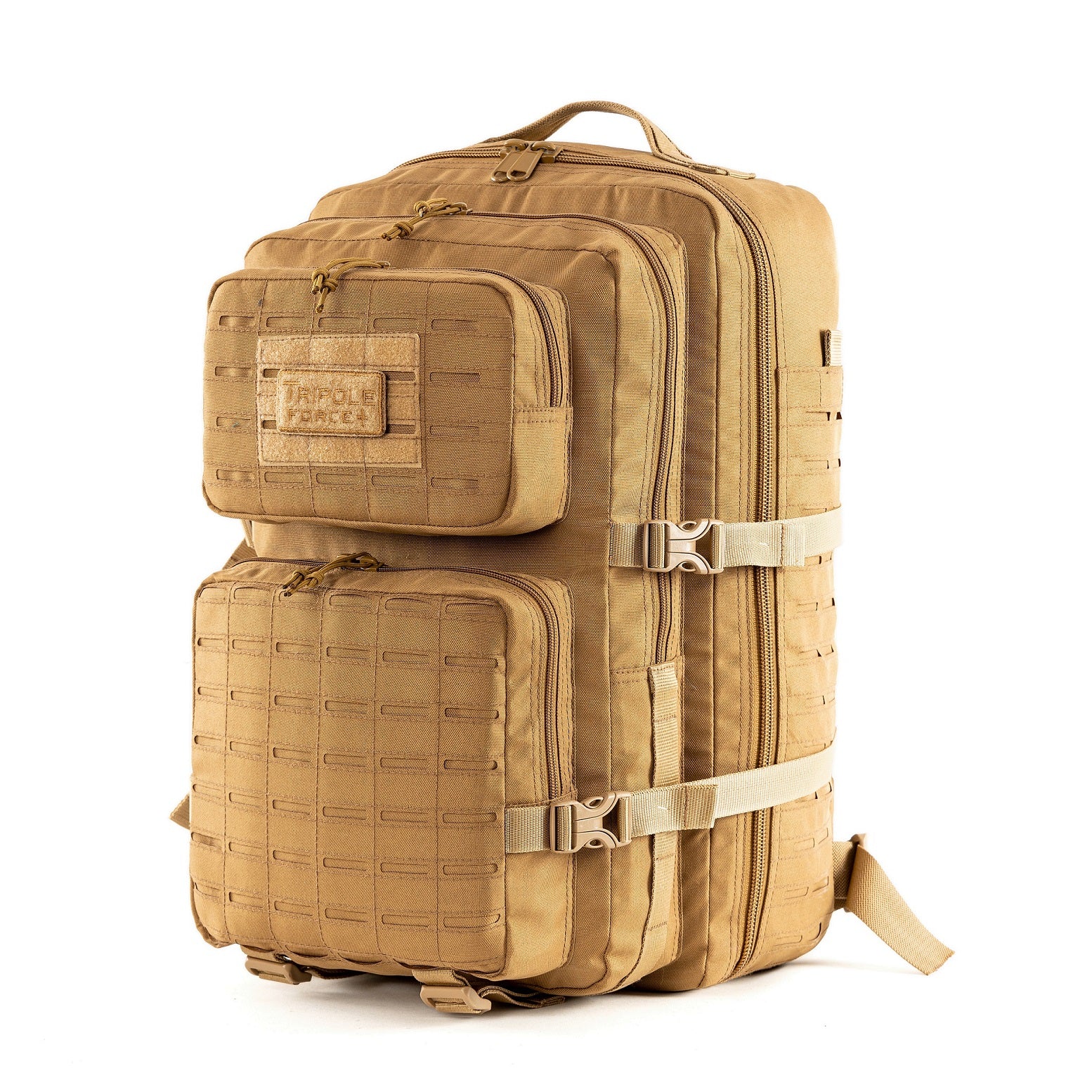
Modular storage packs allow customized organization through detachable compartments that adjust to trip length and terrain type. This flexibility prevents overloading and reduces strain on joints by limiting gear to necessary items. Reinforced attachment points maintain stability even on challenging ascents. Modular layouts allow quick access without digging through deep sections, decreasing repetitive bending. These packs support older hikers seeking efficient weight management and adaptable gear configurations that accommodate changing comfort requirements across varied hiking environments.
Shoulder-Friendly Strap Padding
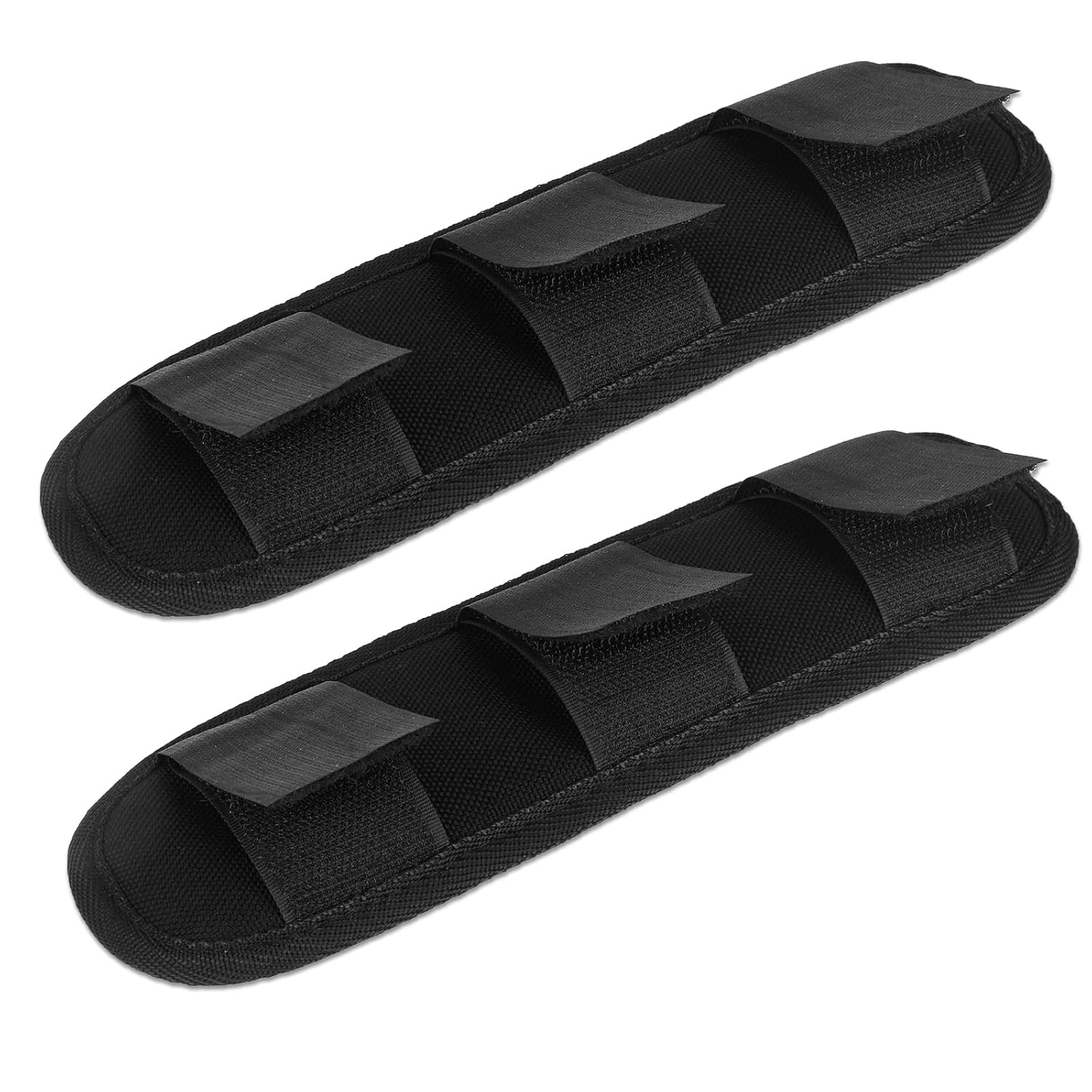
Shoulder-friendly strap padding reduces pressure on sensitive joints through contoured foam or gel inserts that distribute weight evenly across the upper body. Soft materials prevent irritation and soreness during prolonged travel, while adjustable straps help maintain comfortable alignment. Enhanced padding benefits hikers carrying heavier loads on multi-day routes. These straps help preserve endurance and ease discomfort on steep terrain where upper-body stability is crucial. This design remains a frequent upgrade for older hikers prioritizing joint protection.
Extra-Stable Frame Packs
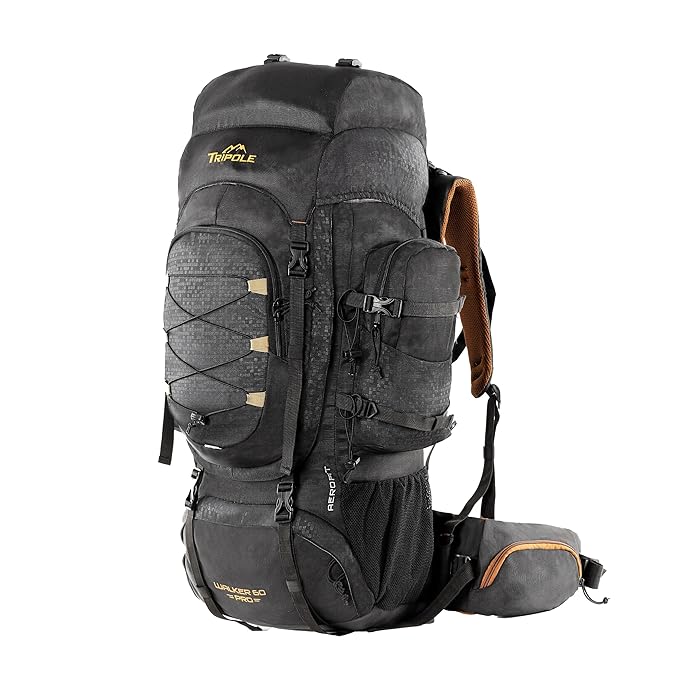
Extra-stable frame packs increase rigidity, preventing load sway that challenges aging knees and hips on uneven ground. Aluminum or composite frames provide durability while limiting weight. Supportive hip belts secure the pack during steep descents, reducing twisting forces that strain joints. Firm back panels maintain alignment on rugged surfaces, promoting efficient movement. These designs help older hikers manage heavy loads with predictable control, making them ideal for long-distance routes or high-elevation trails where stability matters most.