The United States is home to an impressive collection of wildlife found nowhere else on Earth, thanks to its wide range of climates, ecosystems, and protected natural areas. From dense forests and sun-bleached deserts to icy tundras and coastal wetlands, each region shelters species that evolved in distinct environments. Spotting these animals in their native habitats gives travelers a deeper sense of connection to the landscape. These thirteen uniquely American creatures highlight just how diverse and extraordinary the country’s wildlife truly is.
1. American Bison
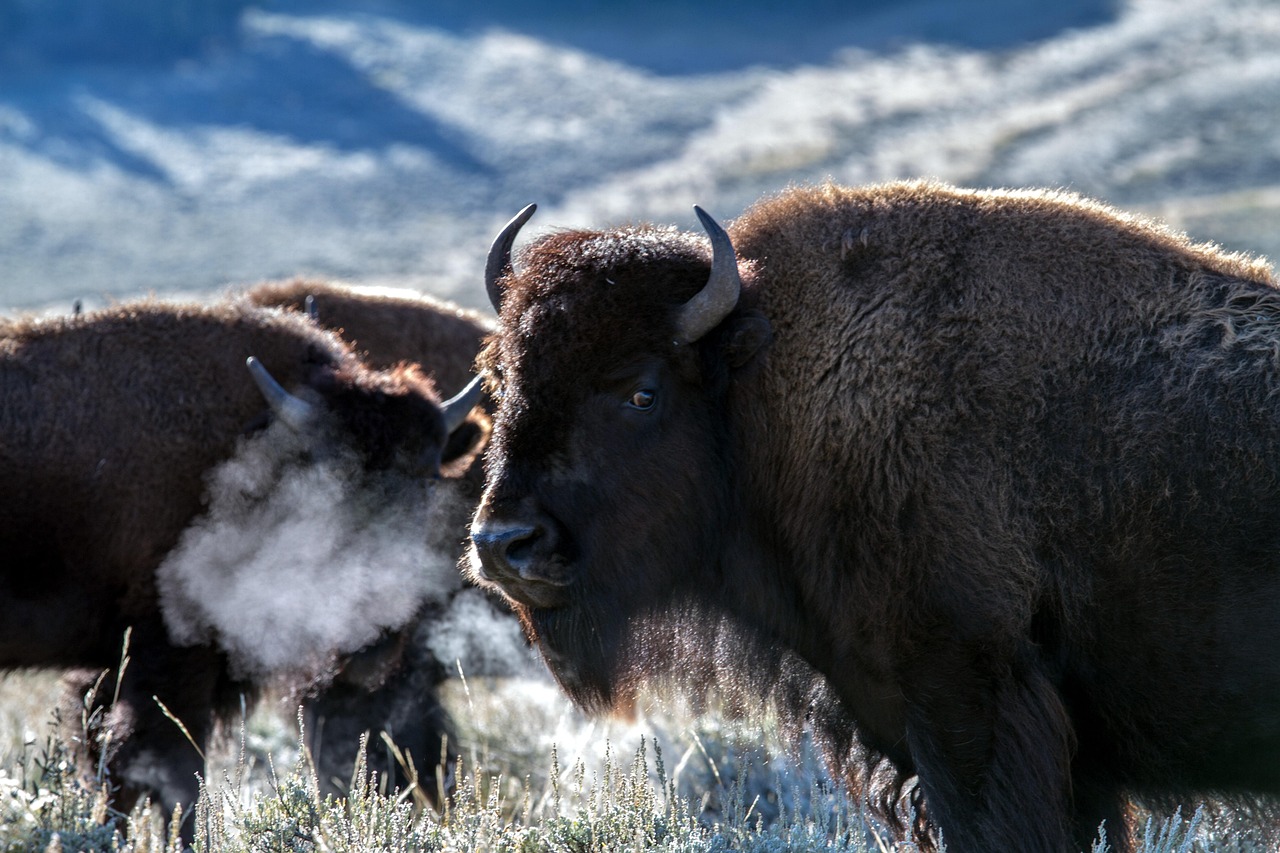
The American bison symbolizes the strength and endurance of the nation’s wild heritage. Yellowstone’s vast grasslands offer the best opportunity to observe large herds roaming freely, grazing in open meadows, and crossing shallow streams. Visitors often see them along scenic drives, though a safe distance is essential due to their unpredictable strength. Their thick coats, massive shoulders, and calm yet powerful presence create an unforgettable sight that helps illustrate the historic scale of America’s prairie ecosystems.
2. Florida Manatee
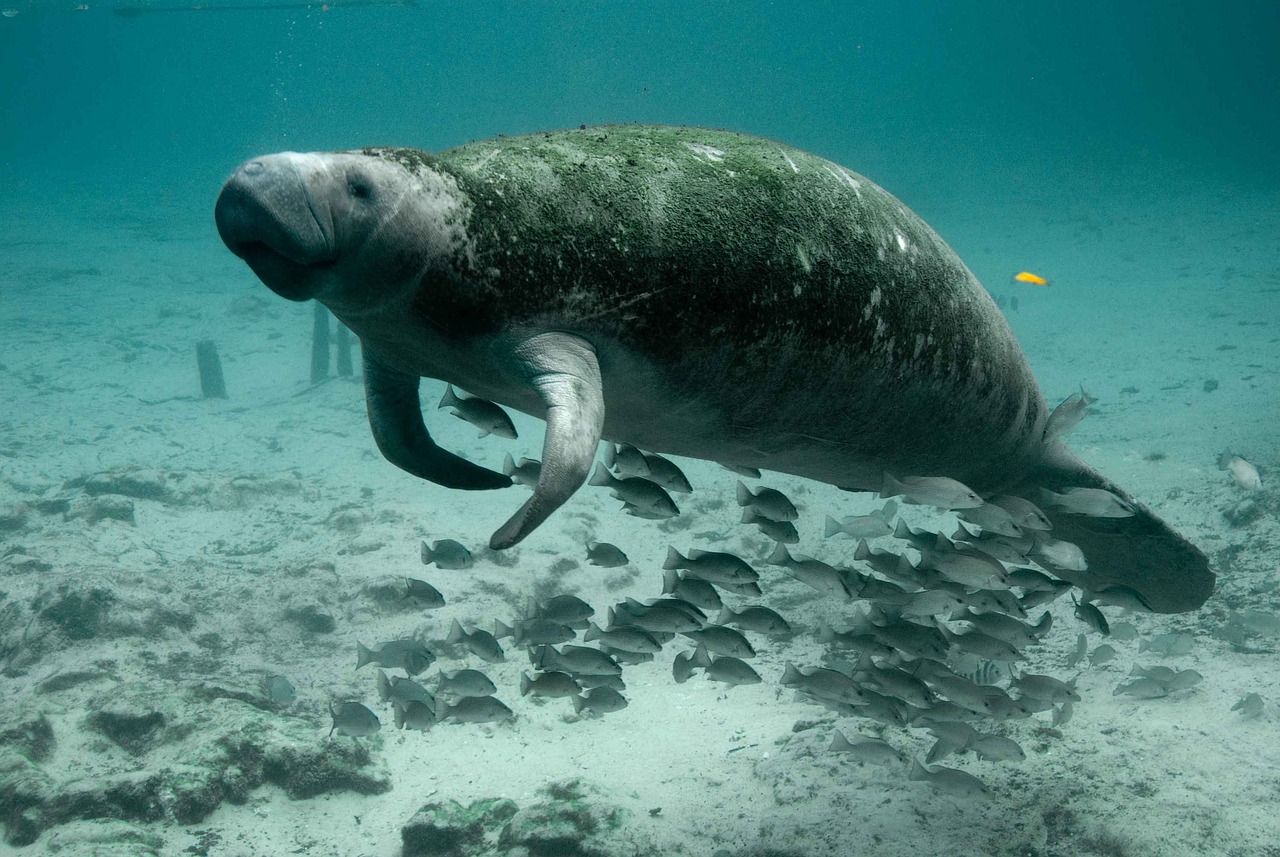
Florida manatees thrive in Crystal River’s warm, spring-fed waters, especially during cooler months when they migrate inland. These gentle giants glide slowly through clear shallows, occasionally surfacing for air with soft, whiskered noses. Guided tours allow visitors to observe them respectfully without disturbing their natural behavior. Their calm movements and curious expressions create a peaceful experience that reflects the fragile balance of Florida’s coastal habitats, reminding travelers how important conservation efforts remain for these beloved marine mammals.
3. Pronghorn
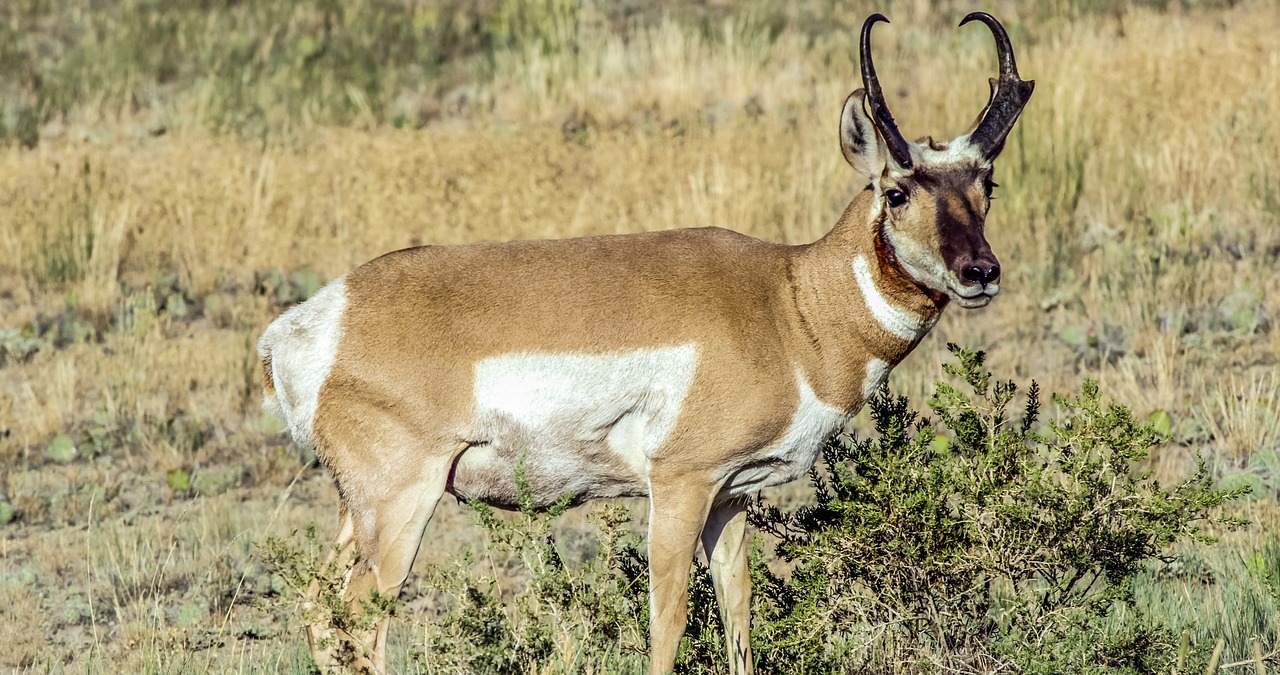
Pronghorn are among the fastest land animals in North America, sprinting across high plains with incredible speed and grace. Grand Teton’s broad valleys give visitors excellent vantage points to watch them move in small groups, grazing on shrubs and grasses. Their distinct white markings and sleek tan bodies make them easy to recognize from a distance. Their ability to outrun predators has shaped their behavior and survival for centuries, creating a fascinating glimpse into life on the open American range.
4. Bald Eagle
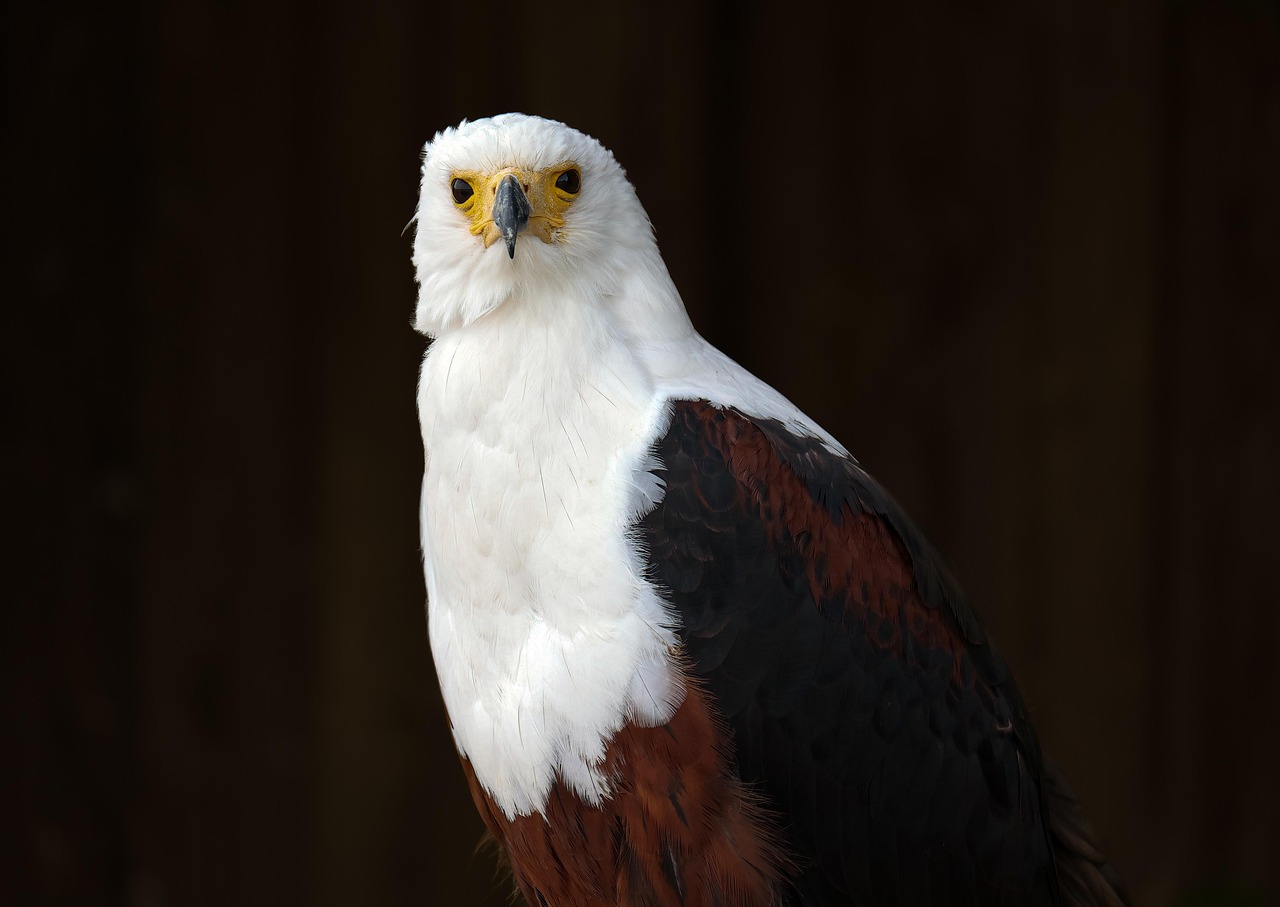
The bald eagle, America’s iconic national bird, fills the sky above Alaska’s Inside Passage with its impressive wingspan and sharp gaze. These powerful raptors often perch on tall spruce trees or glide above coastal waters in search of fish. Travelers aboard scenic cruises frequently spot them swooping gracefully over shorelines. Their white heads and dark bodies stand out clearly against rugged mountain backdrops, offering a dramatic reminder of the country’s natural beauty and the success of long-term wildlife protection efforts.
5. North American Beaver
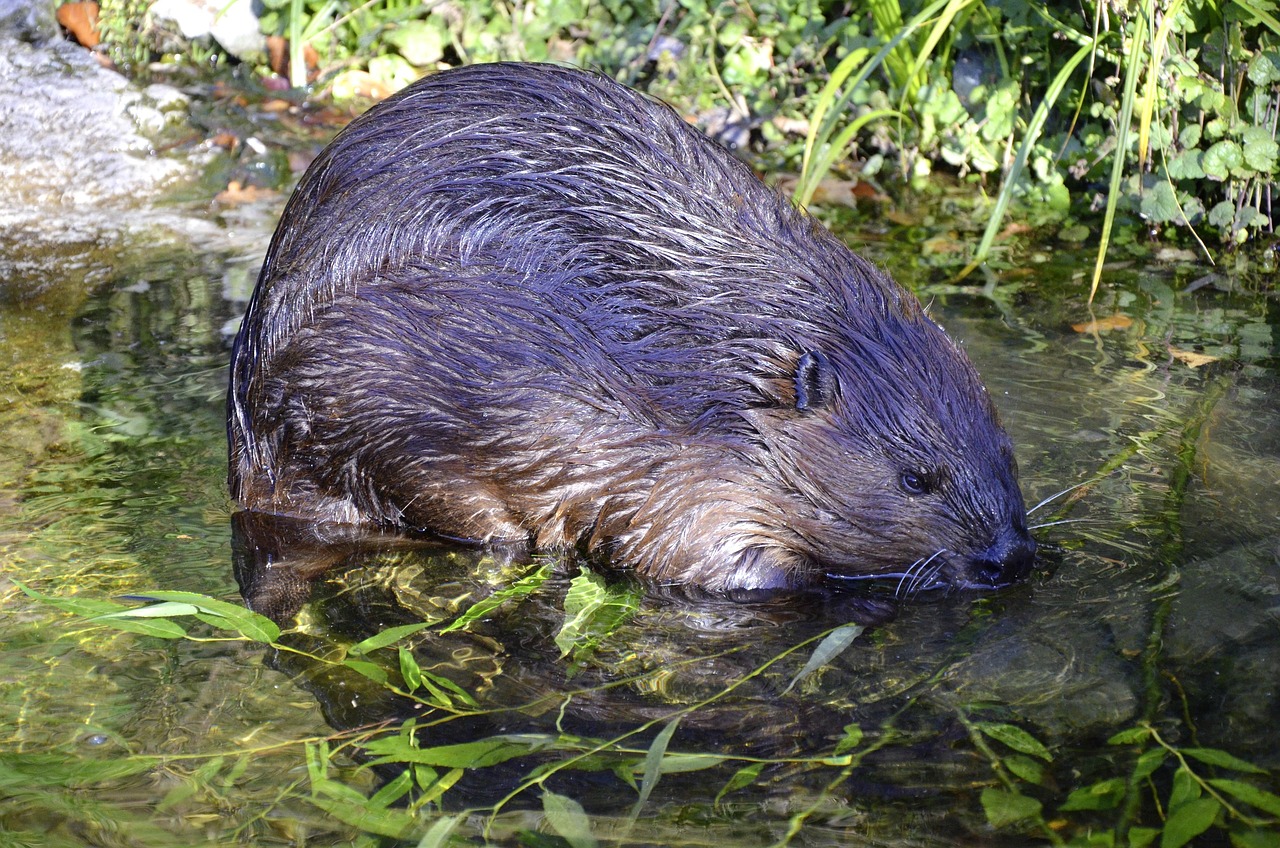
North American beavers are engineering experts, continuously shaping the wilderness with carefully constructed dams and lodges. The Boundary Waters region is one of the best places to witness their handiwork. Visitors paddling through calm lakes often see chewed tree stumps, mud-packed structures, and small ripples created by their flat tails. These industrious animals transform wetlands, creating habitats for countless other species. Spotting them at dusk, when they are most active, offers a fascinating window into their hardworking lifestyle.
6. California Condor
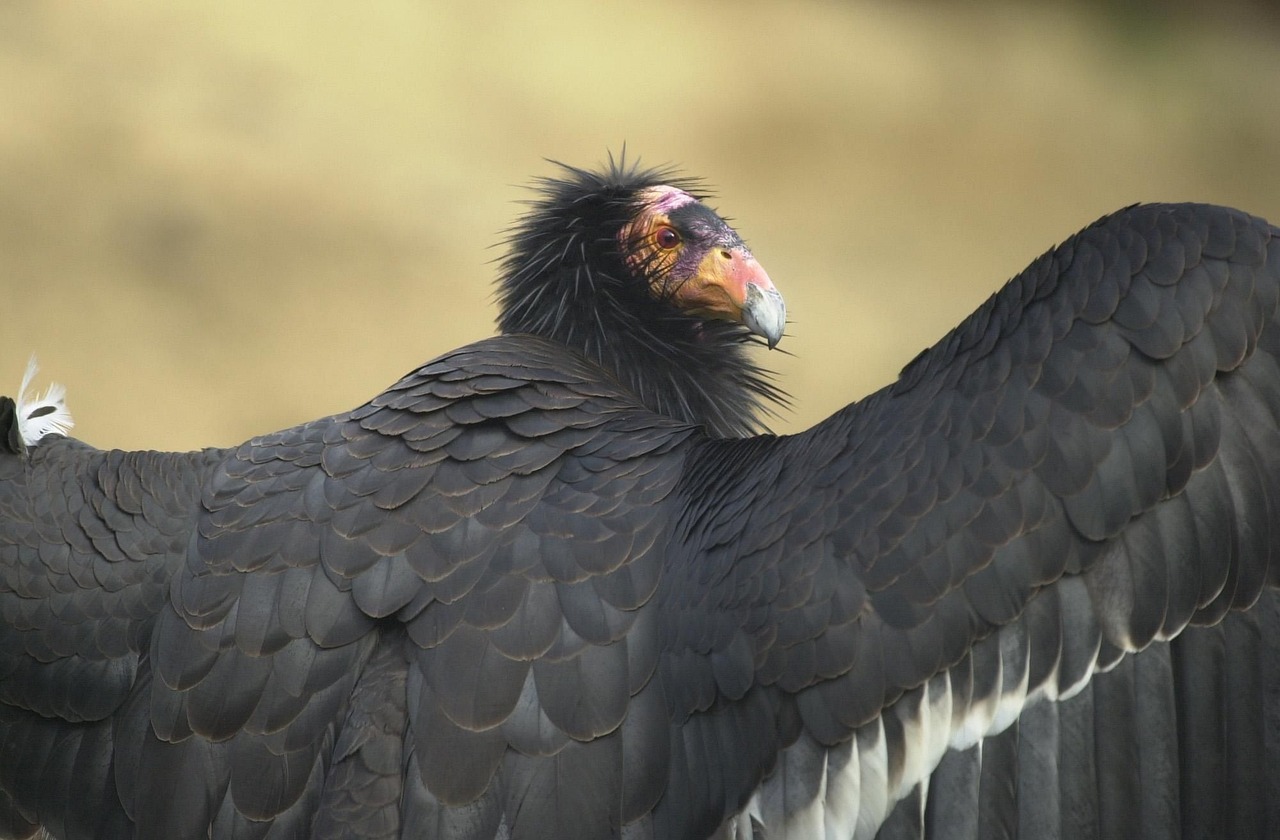
The California condor, once near extinction, now soars across the rocky cliffs of Pinnacles National Park with renewed strength. With wingspans stretching nearly ten feet, these birds command attention as they glide silently on rising air currents. Visitors may spot them roosting on rugged ledges or circling high above volcanic formations. Their recovery tells a powerful story of dedicated conservation, showing how human effort and protected spaces can revive a species once thought lost forever.
7. Key Deer
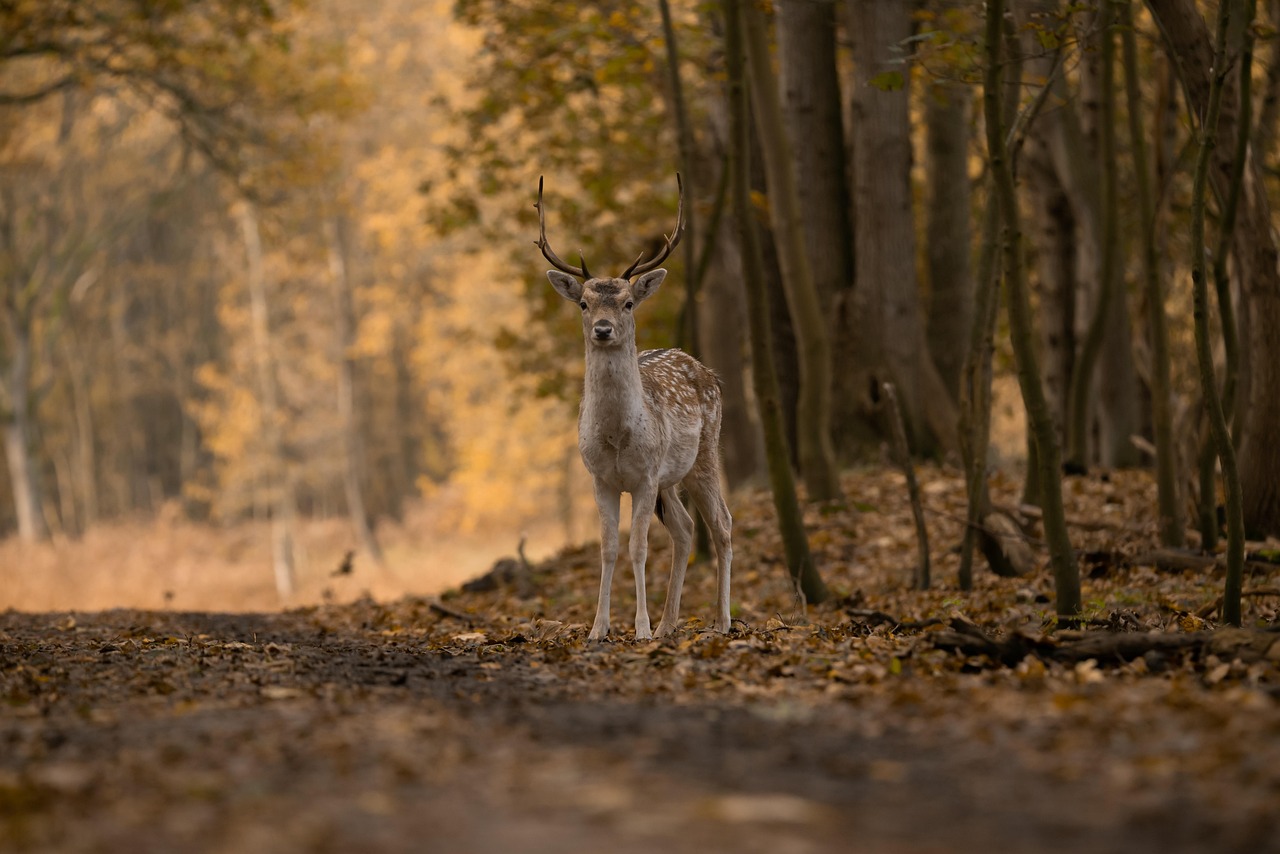
Key deer, the smallest subspecies of white-tailed deer, live only in the Florida Keys, where their compact size helps them navigate dense mangroves and coastal scrub. Visitors often encounter them near Big Pine Key, wandering calmly through quiet neighborhoods and nature trails. Their gentle eyes, short stature, and relaxed nature make them instantly charming. Despite their friendly appearance, they remain vulnerable, and travelers are encouraged to drive carefully and respect local wildlife guidelines to help protect this rare species.
8. Gila Monster
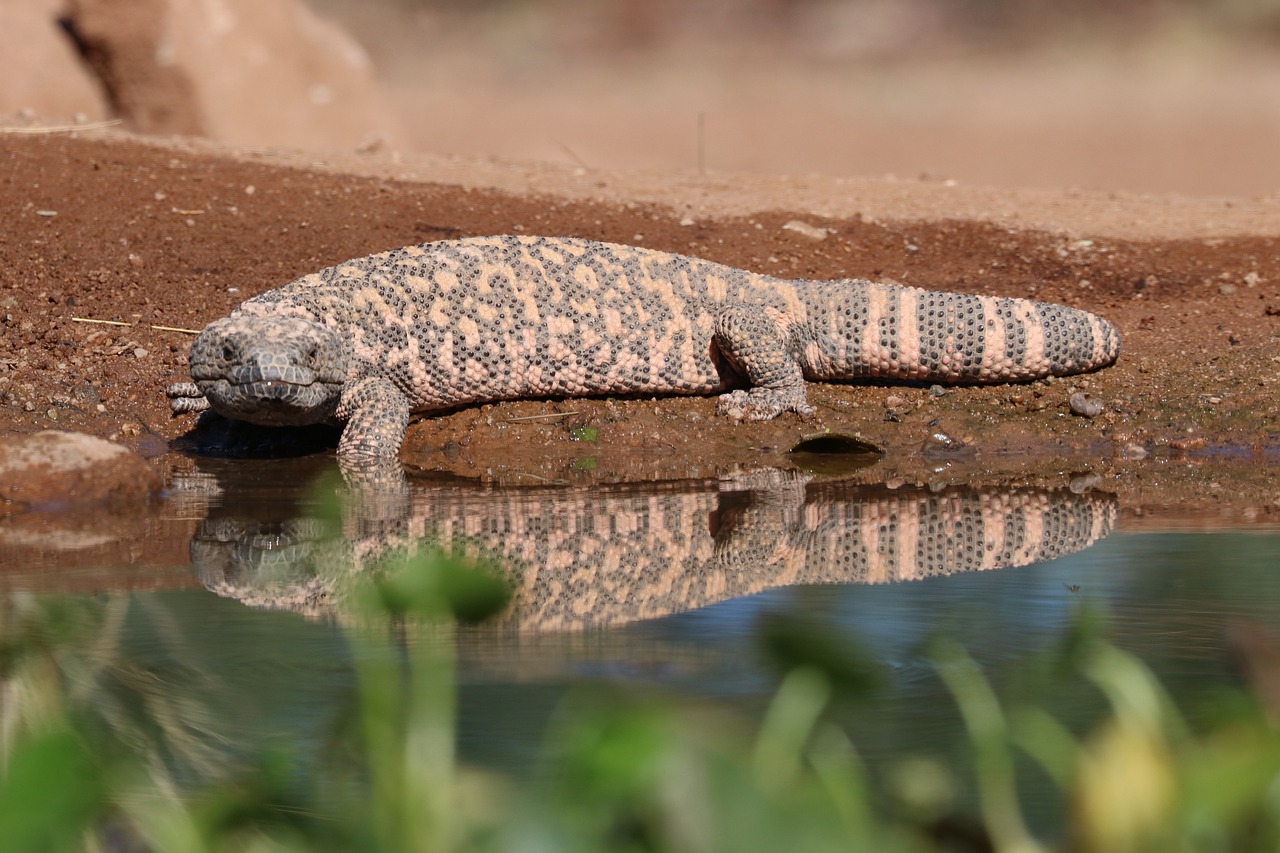
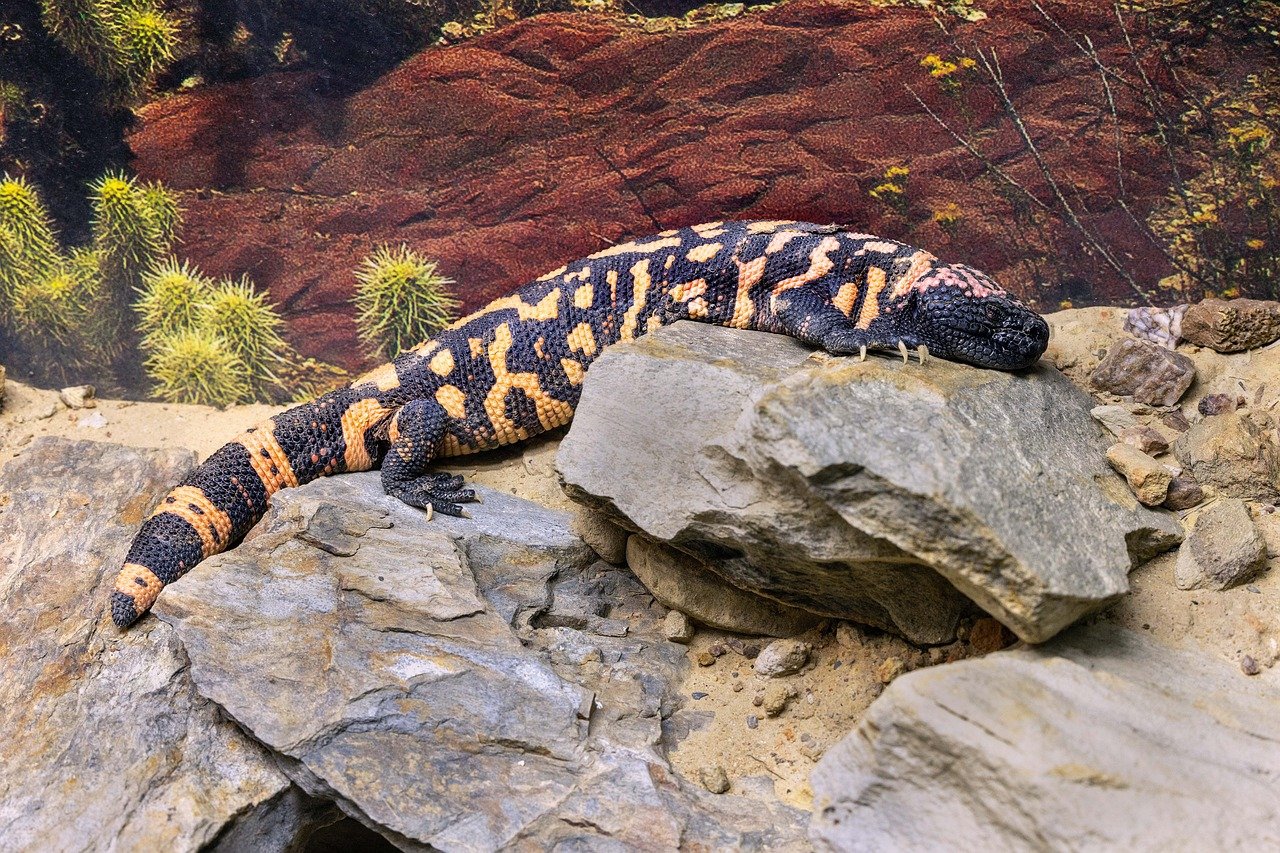
The Gila monster, one of the few venomous lizards in the world, thrives in the rugged terrain of Arizona’s Sonoran Desert. With its striking black and orange bead-like scales, it moves slowly through dry washes and rocky crevices. These elusive reptiles spend much of the year underground, making sightings rare but remarkable. Observing one from a safe distance reveals the delicate balance of desert ecosystems, where every creature has adapted precisely to extreme heat, limited water, and sparse vegetation.
9. Mountain Goat
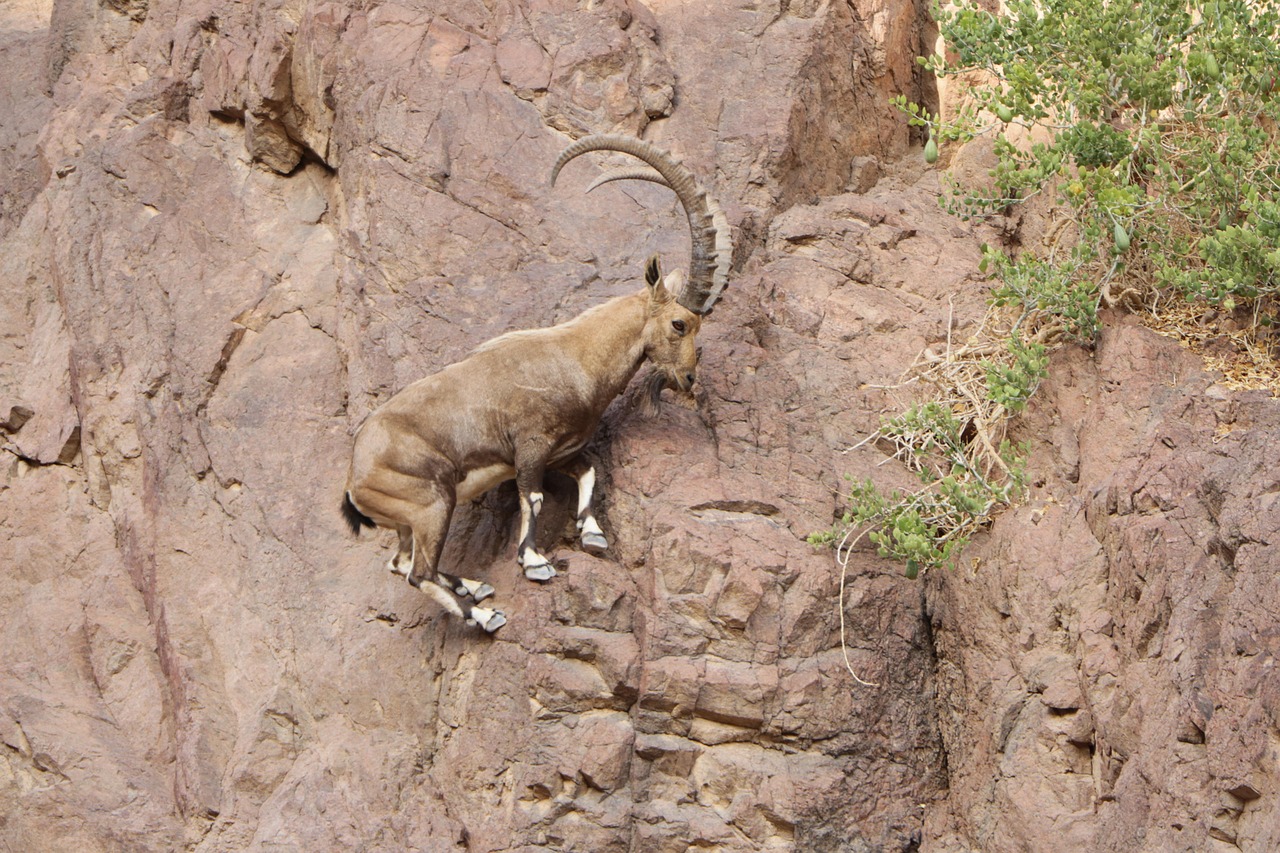
Mountain goats thrive along Glacier National Park’s steep cliffs and icy ridges, displaying impressive balance and strength. Their thick white coats and pointed horns help them withstand harsh alpine conditions. Visitors often spot them near Logan Pass, grazing on sparse vegetation or climbing effortlessly across rocky ledges. Watching these animals navigate treacherous terrain highlights their remarkable adaptation to high altitudes. Their quiet presence adds a unique sense of rugged wilderness to the park’s already dramatic scenery.
10. American Alligator
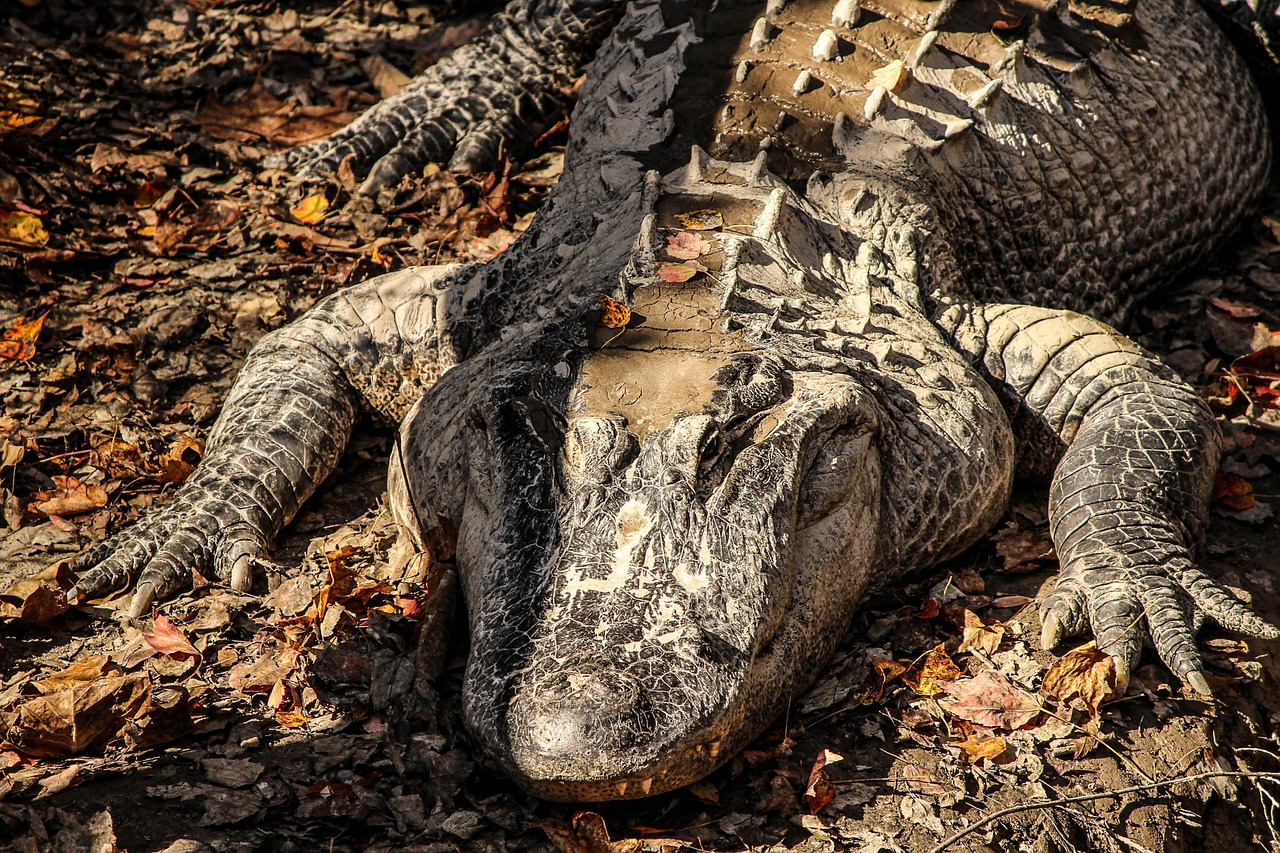
The American alligator is a true symbol of the southern wetlands, often found basking along the banks of the Everglades’ slow-moving waters. These ancient reptiles glide silently through marshes with just their eyes and snouts above the surface. Guided tours allow visitors to observe them safely, emphasizing respect for their strength and unpredictable nature. Their powerful jaws, heavy bodies, and prehistoric appearance showcase the wild character of Florida’s swamps, where wildlife thrives in delicate ecosystems.
11. Hawaiian Monk Seal
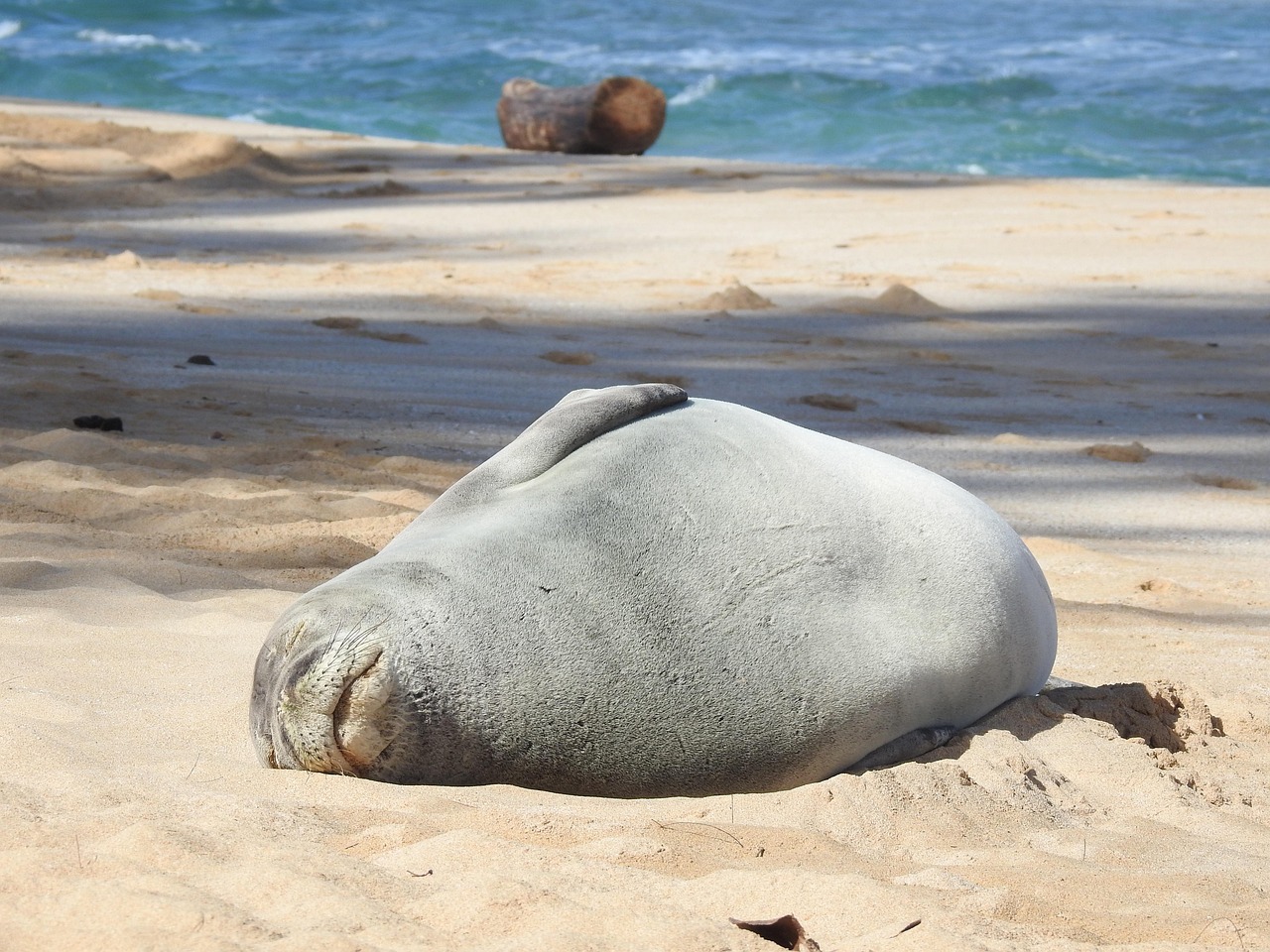
The Hawaiian monk seal is one of the rarest marine mammals in the world, found exclusively in the islands’ warm Pacific waters. Beaches on Kauai and the Northwestern islands provide critical resting spots where these seals bask quietly in the sun. Visitors may see them lounging on sand or slipping gracefully through shallow surf. Protected zones help ensure their safety, and their gentle, solitary behavior offers a calming glimpse into island wildlife, reminding travelers of the need for continued conservation.
12. Black-Footed Ferret
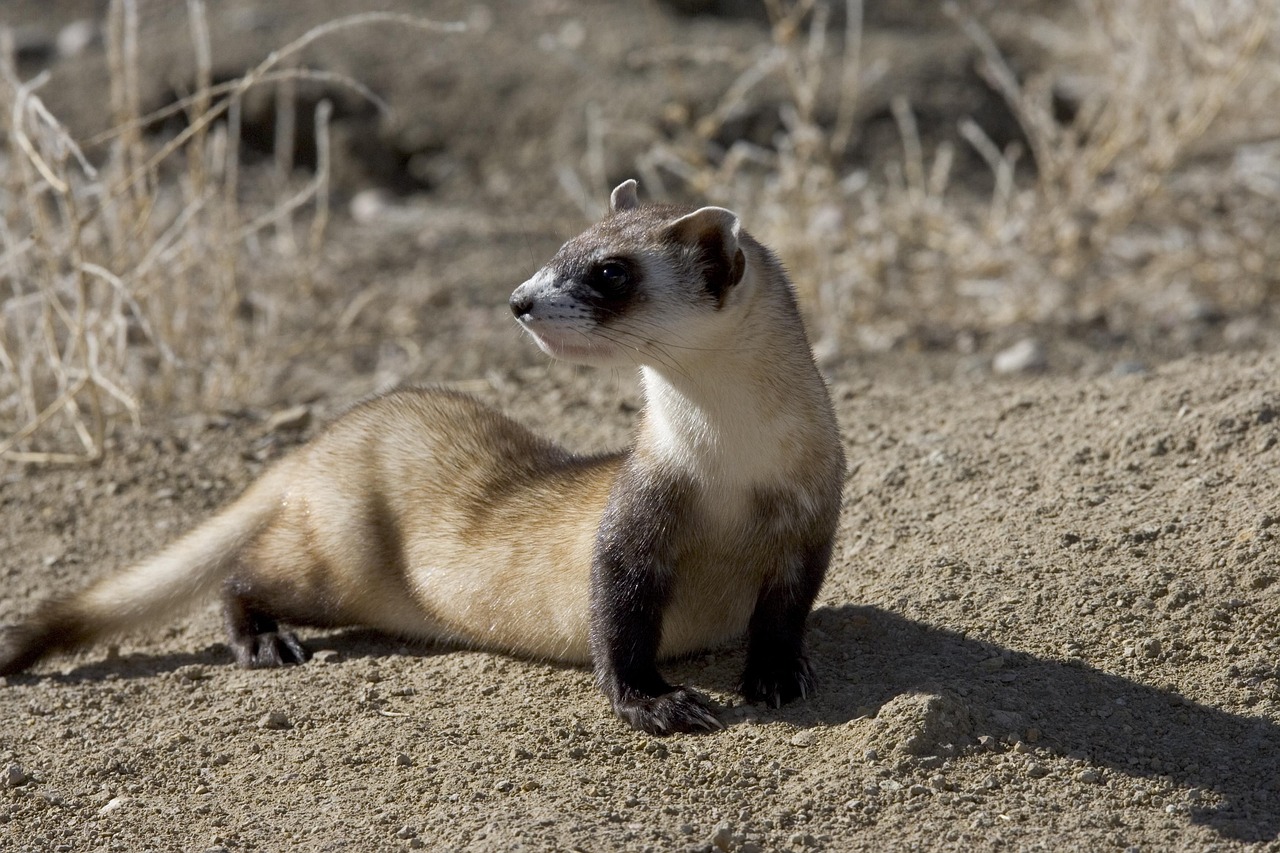
The black-footed ferret, once thought extinct, lives primarily on protected prairie reserves in South Dakota, where active conservation programs support their recovery. These slender, nocturnal predators rely heavily on prairie dog colonies for food and shelter. Observing them requires patience, as they emerge briefly at night or during early dawn hours. Their masked faces, quick movements, and reclusive nature highlight the fragile state of prairie ecosystems and the ongoing effort required to preserve endangered species across the region.
13. Kodiak Bear
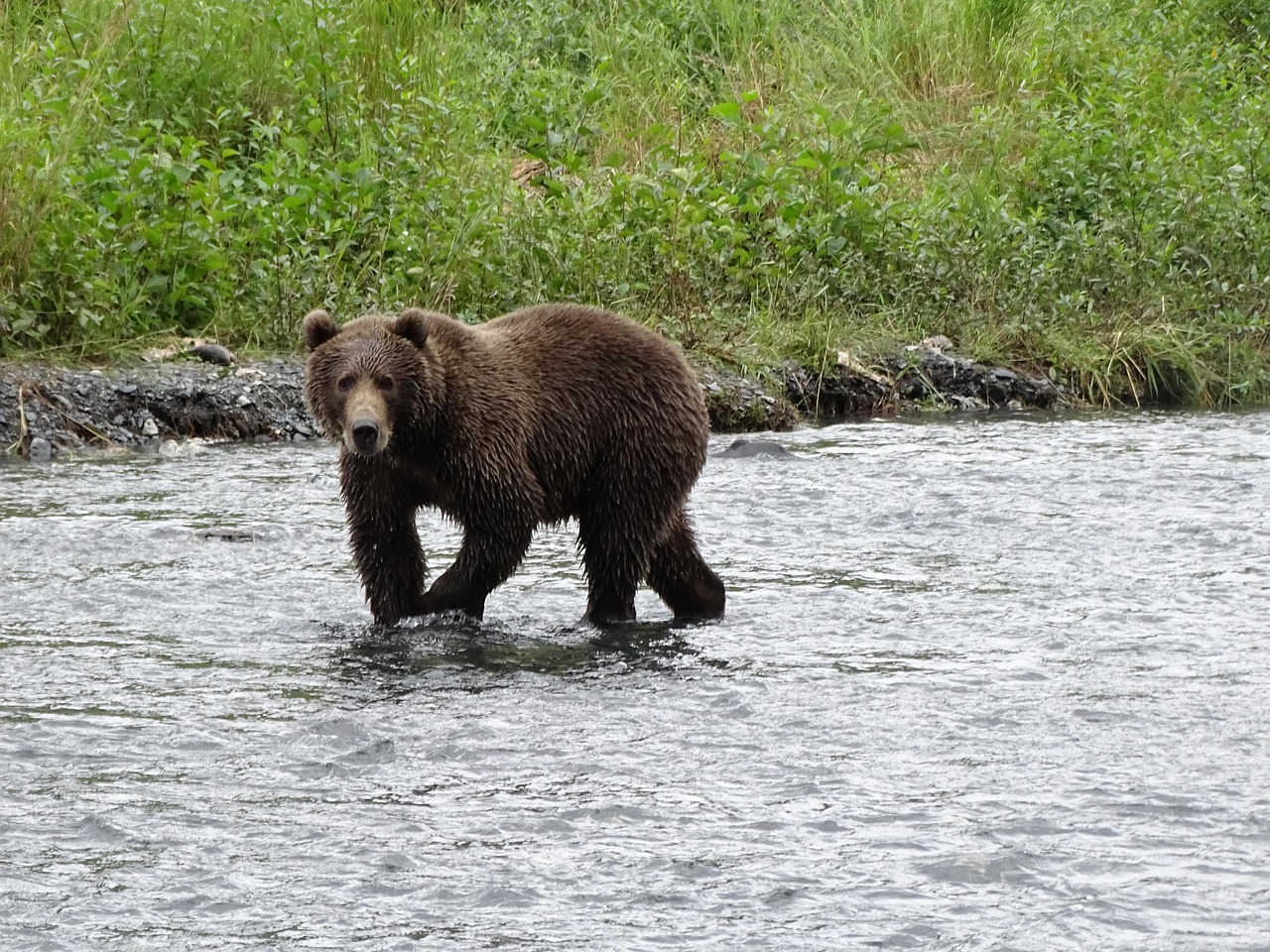
Kodiak bears, among the largest bears in the world, roam the forests and rivers of Alaska’s Kodiak Island. Visitors traveling during salmon runs may see these impressive animals fishing along stream banks with powerful swipes of their massive paws. Their enormous size demands respectful distance, yet their calm, methodical behavior can feel surprisingly peaceful to watch. Observing them in their natural environment provides a humbling reminder of nature’s scale and the careful balance that keeps wild spaces thriving.