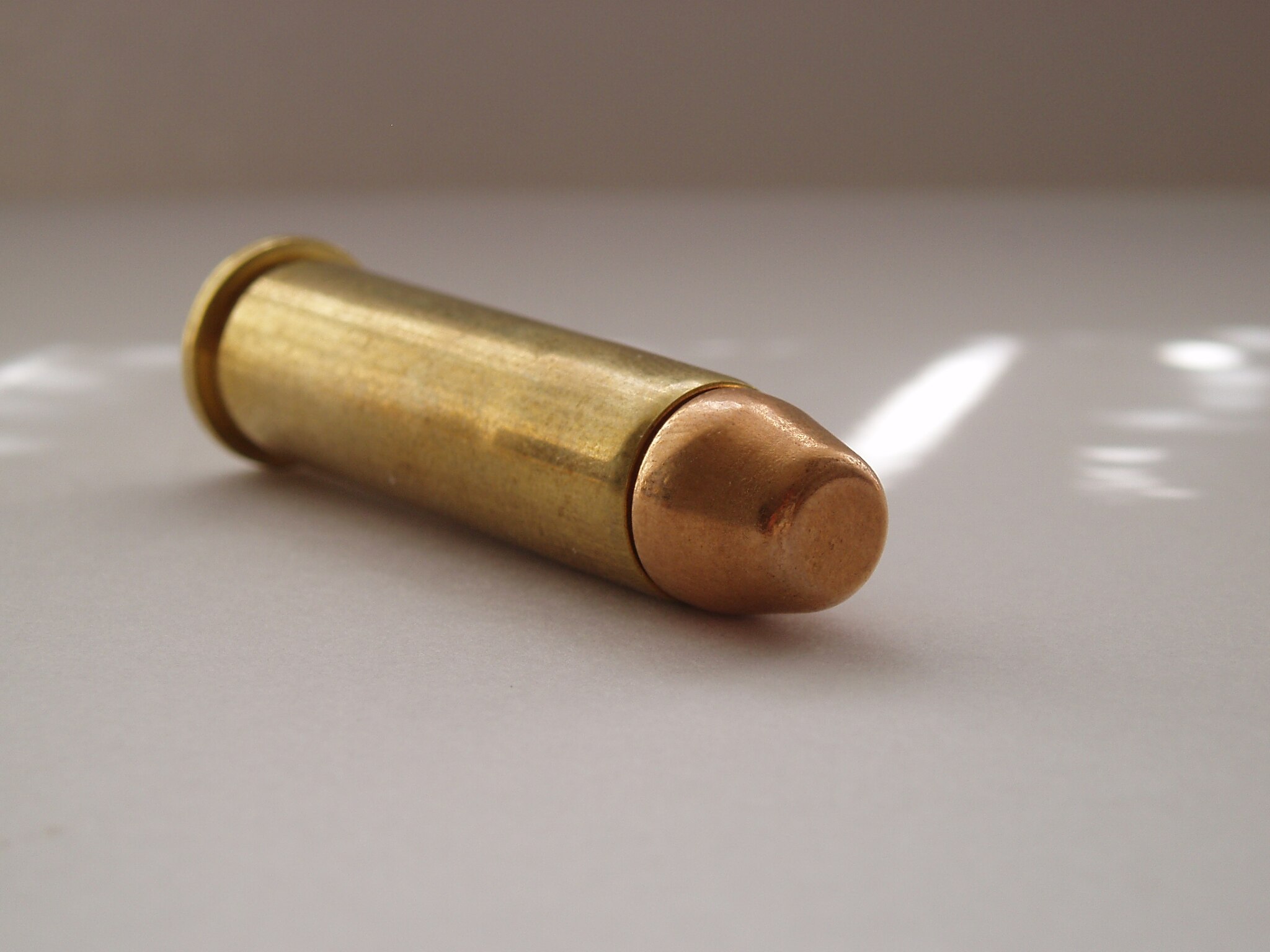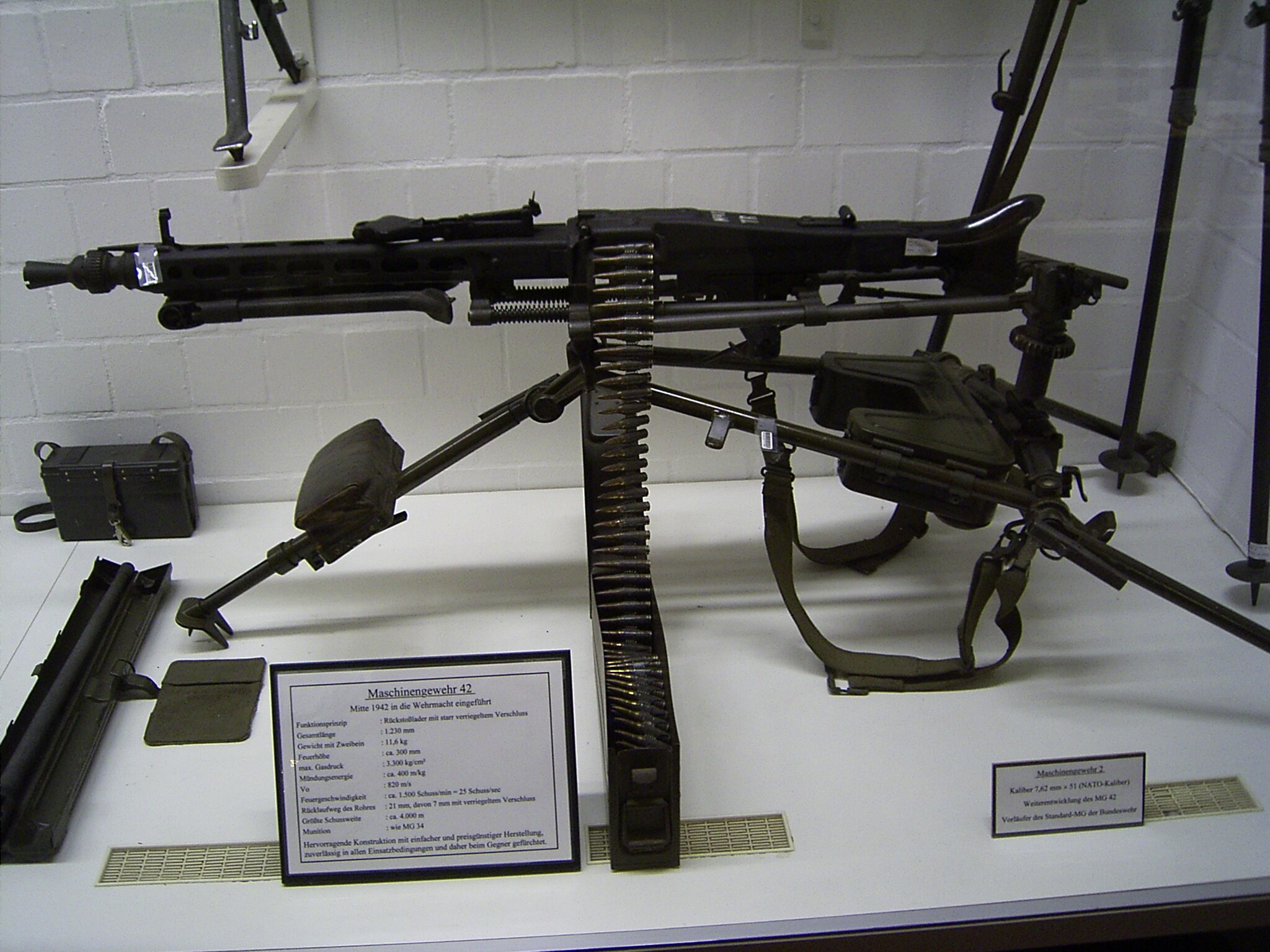
War-era firearms were not built for comfort or style. They were designed to survive mud, snow, sand, and constant abuse while still firing when a life depended on it. Engineers focused on strength, simplicity, and real-world reliability instead of accessories or modular parts. Many of these weapons proved themselves across continents and decades of combat. Even today, modern shooters admire them for their balance, mechanical honesty, and battle-tested performance. While newer guns offer lighter materials and advanced optics, these historic firearms earned their reputation under fire. Their continued respect comes from proven results, not marketing claims, which is why they still stand apart from many modern designs.
1. M1 Garand
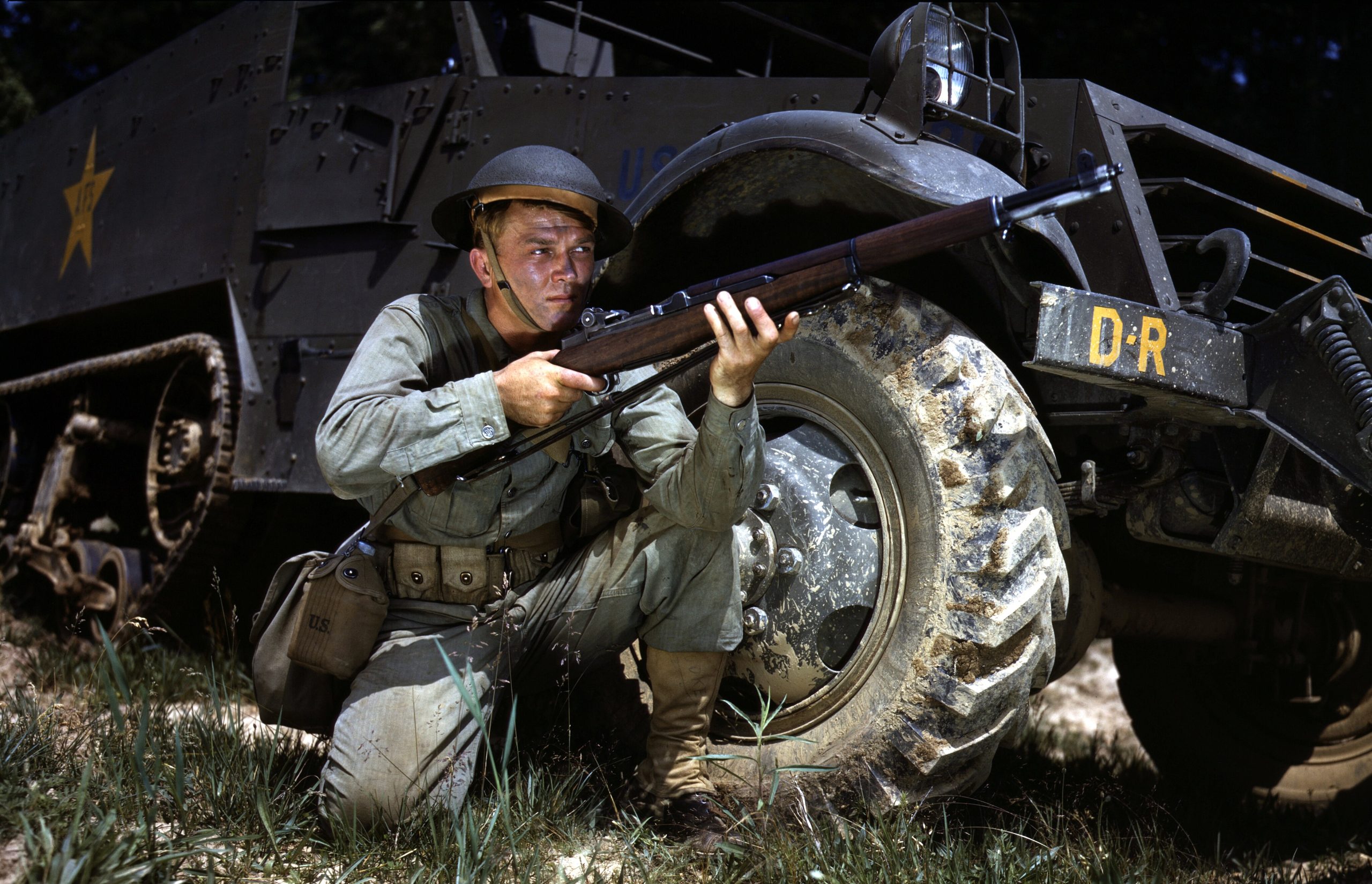
The M1 Garand changed infantry combat by giving soldiers reliable semi-automatic fire when bolt-action rifles were still common. Chambered in .30-06, it delivered powerful, accurate shots at extended ranges. Its eight-round en-bloc clip system was simple and rugged, allowing fast reloads even under stress. The rifle’s weight helped absorb recoil, improving control and follow-up shots. Soldiers trusted it in rain, mud, and freezing weather with minimal maintenance. Modern rifles may be lighter, but few match the Garand’s proven durability and battlefield confidence. Its long wooden stock and steel action remain instantly recognizable in wartime photographs.
2. Lee-Enfield No.4
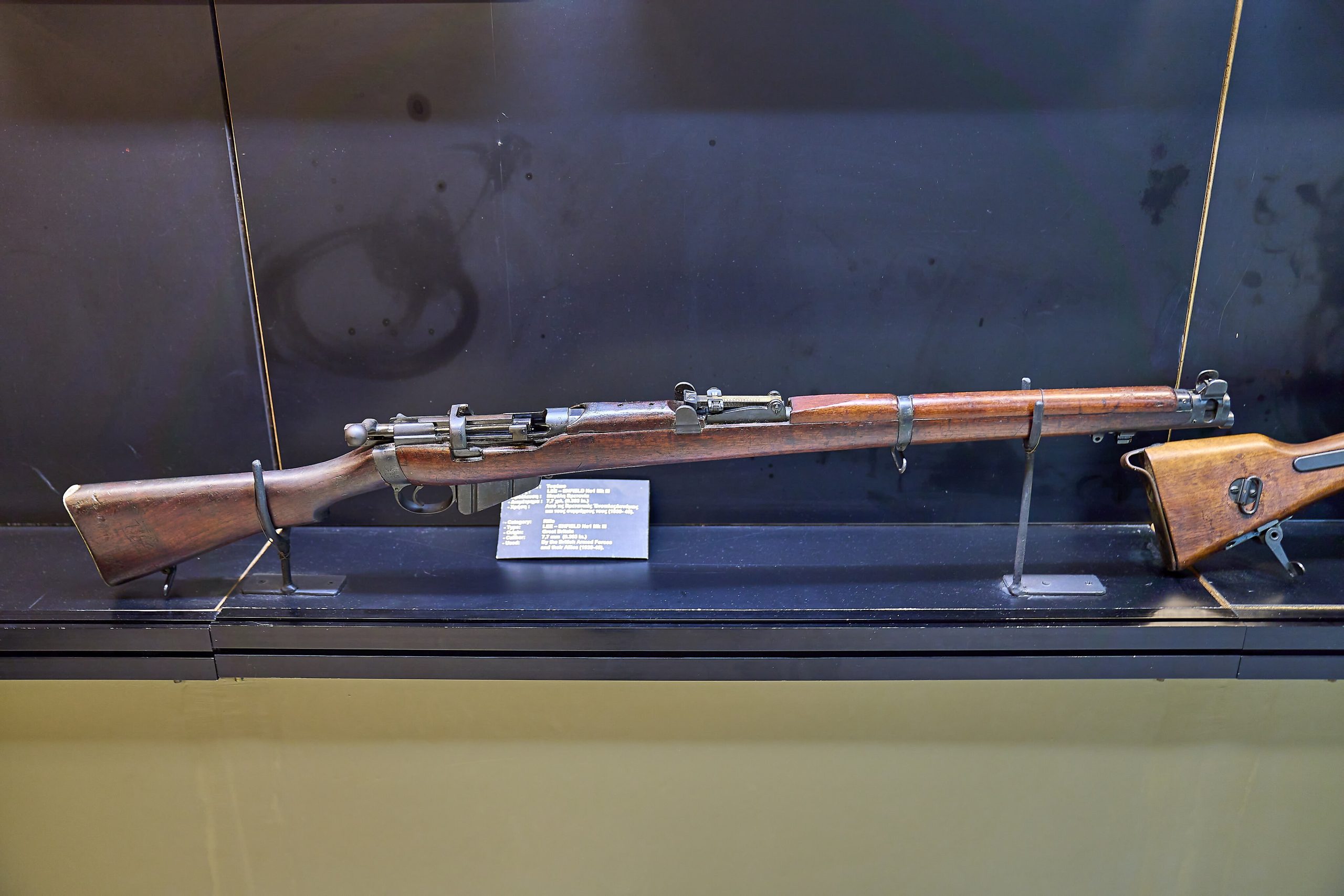
The Lee-Enfield No.4 earned a reputation for speed and dependability during two world wars. Its smooth bolt action allowed trained soldiers to fire rapidly without losing accuracy. Chambered in .303 British, it delivered consistent stopping power across long distances. The ten-round magazine provided an advantage over many competing rifles of its era. Built for global deployment, it performed well in deserts, jungles, and cold climates. Modern bolt-action rifles may offer tighter tolerances, but few equal the Lee-Enfield’s combat-tested reliability. Its long barrel, iron sights, and wooden furniture make it a standout in historical battlefield imagery.
3. Mosin-Nagant 91/30
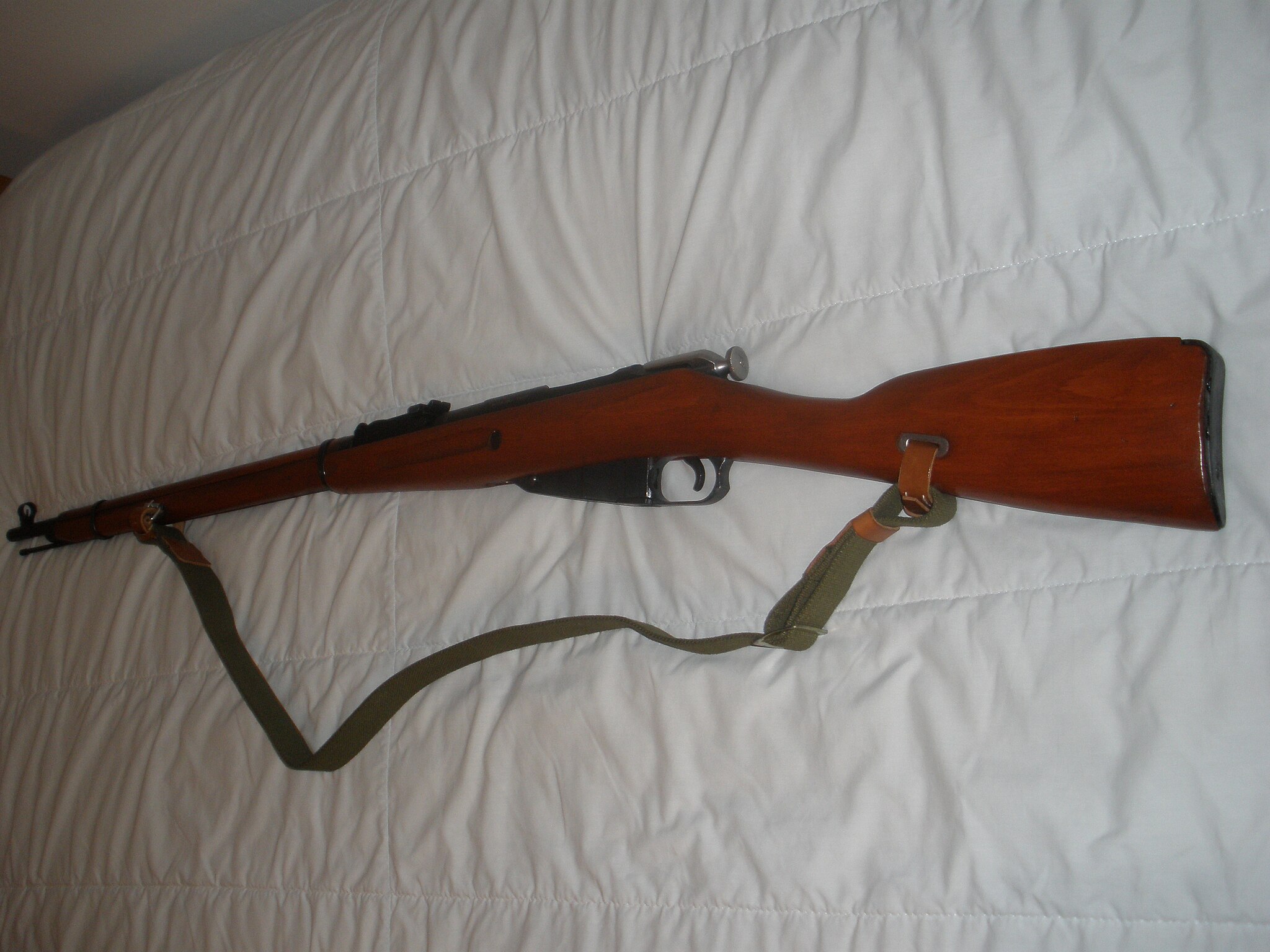
The Mosin-Nagant became legendary for its ability to function in brutal conditions. Chambered in 7.62x54R, it delivered powerful long-range performance with simple mechanics. Its loose tolerances allowed it to keep firing despite dirt, ice, or neglect. Soldiers relied on it during harsh winters where more refined weapons failed. While the bolt action felt heavy, it was strong and dependable. Modern precision rifles may offer better ergonomics, but few can survive the abuse this rifle endured. Its long barrel, straight bolt handle, and steel construction create a rugged silhouette often seen in wartime photographs.
4. MP40
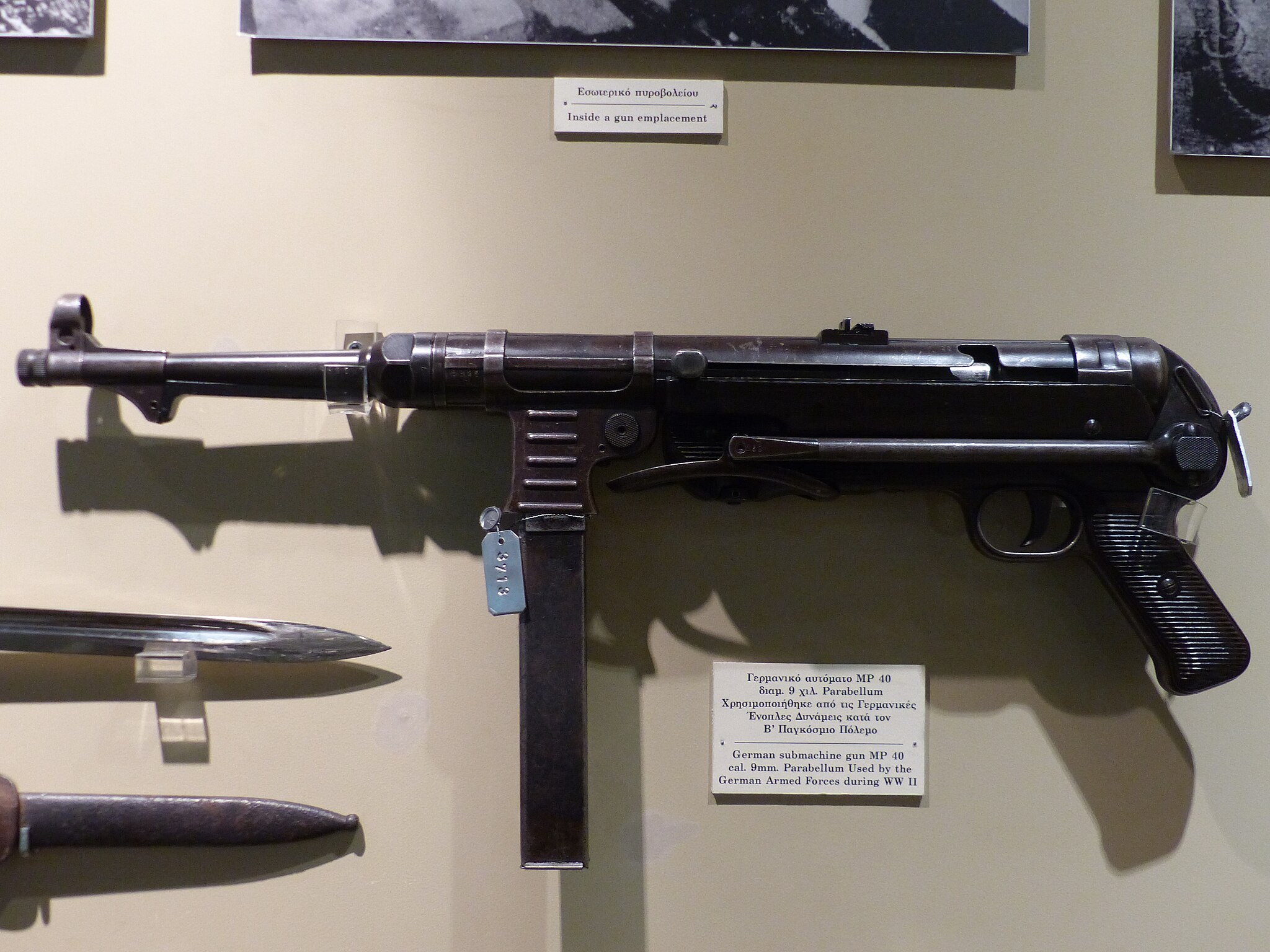
The MP40 represented a shift toward compact, controllable automatic weapons. Chambered in 9mm, it excelled in close-quarters fighting and urban combat. Its folding metal stock made it easy to carry in vehicles or tight spaces. The simple blowback system required little maintenance and functioned reliably in combat conditions. Unlike many modern submachine guns, the MP40 avoided unnecessary complexity. Soldiers valued its balance and manageable recoil. Its smooth lines and compact shape made it ideal for fast movement. Today, its clean metal design remains one of the most recognizable firearms in historical combat imagery.
5. Thompson Submachine Gun
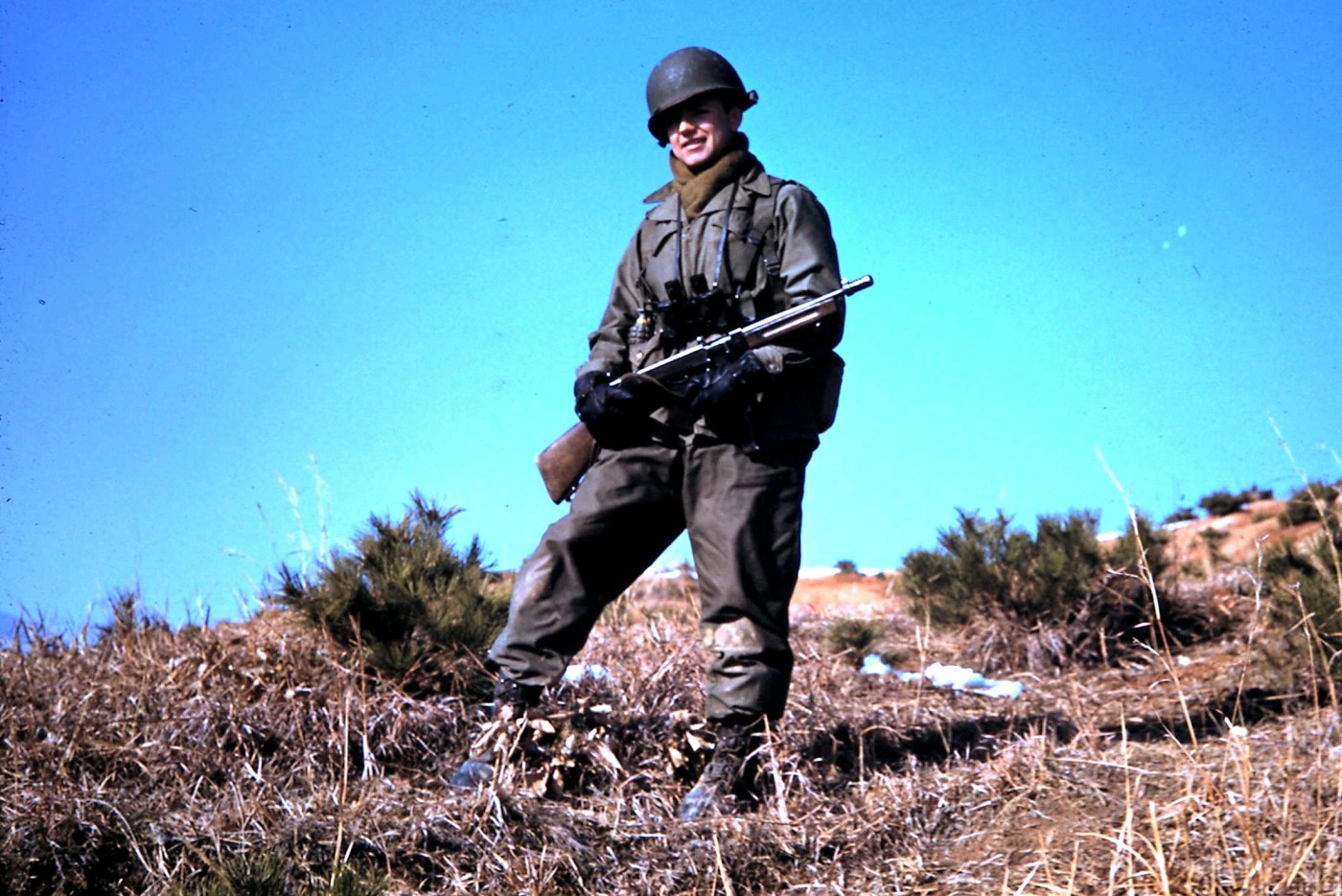
The Thompson was known for its heavy construction and impressive fire control. Chambered in .45 ACP, it delivered strong stopping power at close range. Its weight helped reduce muzzle rise, allowing accurate automatic fire. Soldiers trusted it during jungle fighting and amphibious assaults where reliability mattered most. Though expensive and bulky, it rarely failed in combat. Many modern lightweight submachine guns sacrifice durability for convenience, something the Thompson never did. Its wooden furniture, steel receiver, and distinctive magazines make it visually iconic. The Thompson continues to symbolize rugged firepower in wartime photography.
6. PPSh-41
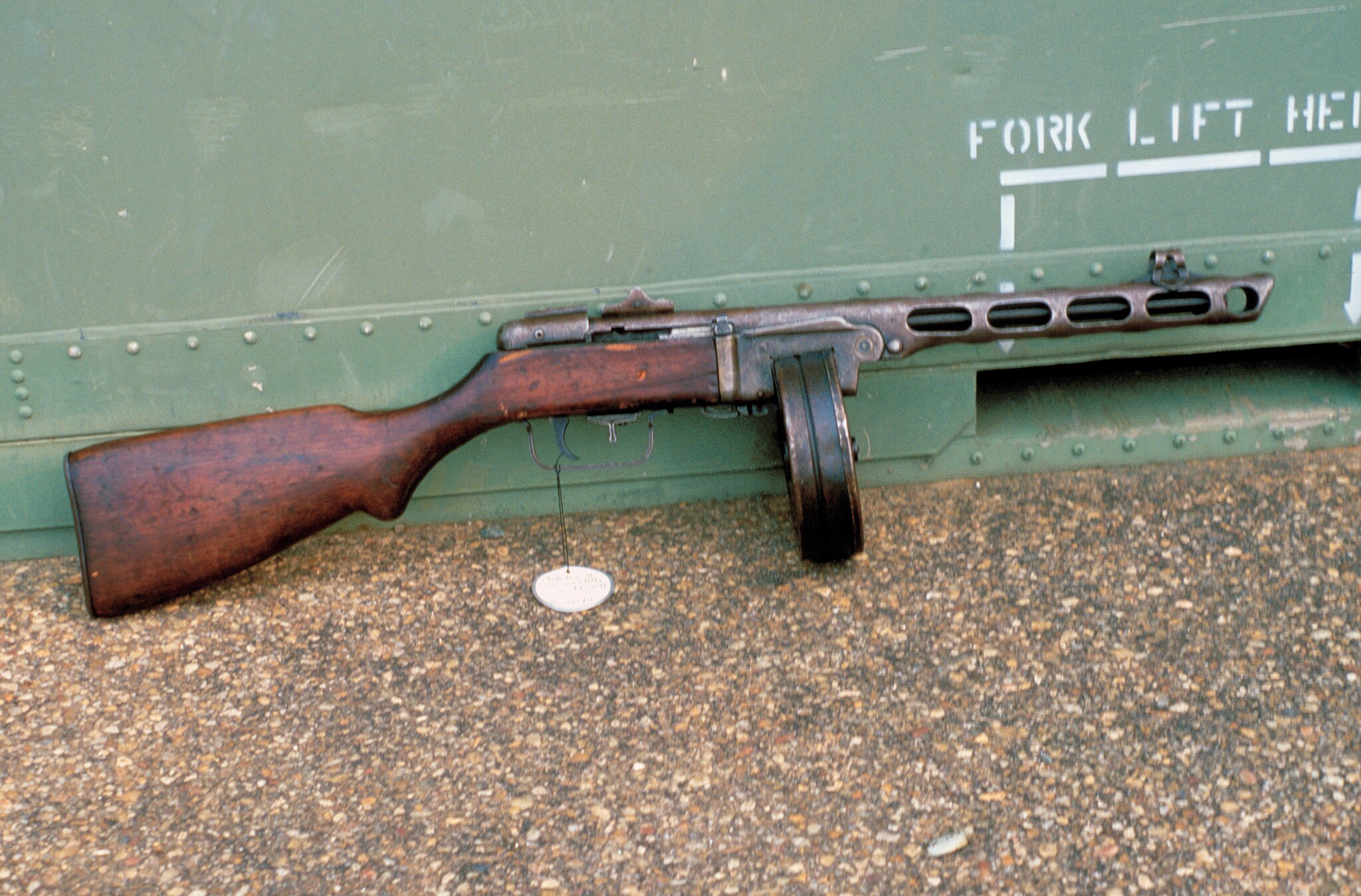
The PPSh-41 was designed for rapid production and relentless performance. Chambered in 7.62x25mm Tokarev, it offered high velocity and strong penetration. Its drum magazine allowed sustained fire during intense close-range battles. Stamped steel construction made it easy to manufacture and repair in large numbers. Soldiers valued its reliability in snow, mud, and debris-filled environments. While modern firearms may be more refined, few can match the PPSh-41’s raw battlefield presence. Its compact barrel, wooden stock, and large drum magazine create a striking and aggressive appearance in combat imagery.
7. MG42
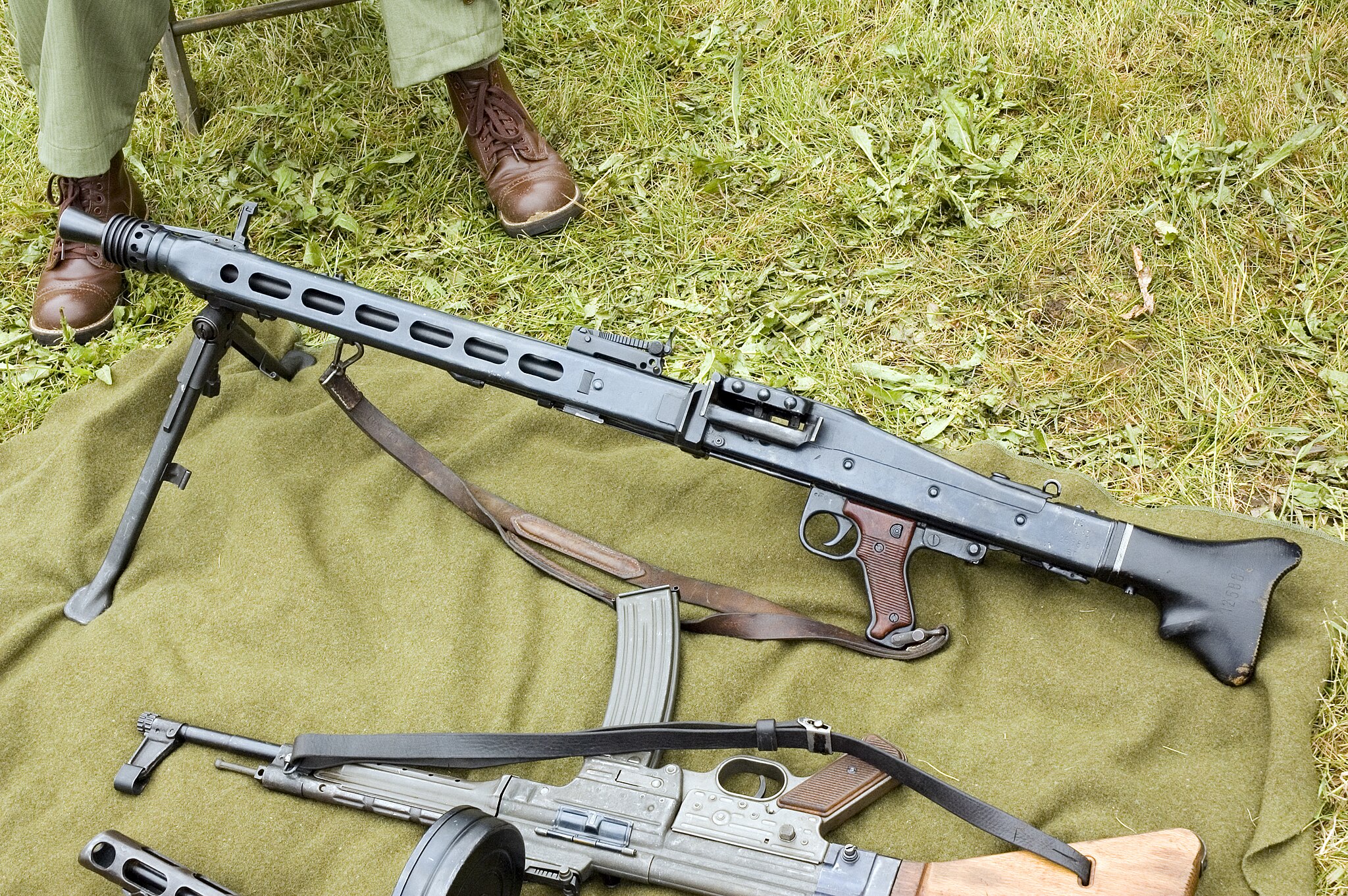
The MG42 dominated battlefields with its extreme rate of fire. Chambered in 7.92mm Mauser, it delivered overwhelming suppressive power. Its quick-change barrel system allowed sustained firing without overheating. Built with stamped components, it balanced strength with efficient production. Soldiers relied on it to control entire sections of terrain. Many modern machine guns still follow their design principles. While newer models add accessories, the MG42 focused purely on performance. Its long barrel, bipod, and belt-fed ammunition create an unmistakable visual presence in historical photographs of infantry positions.
8. M1911 Pistol
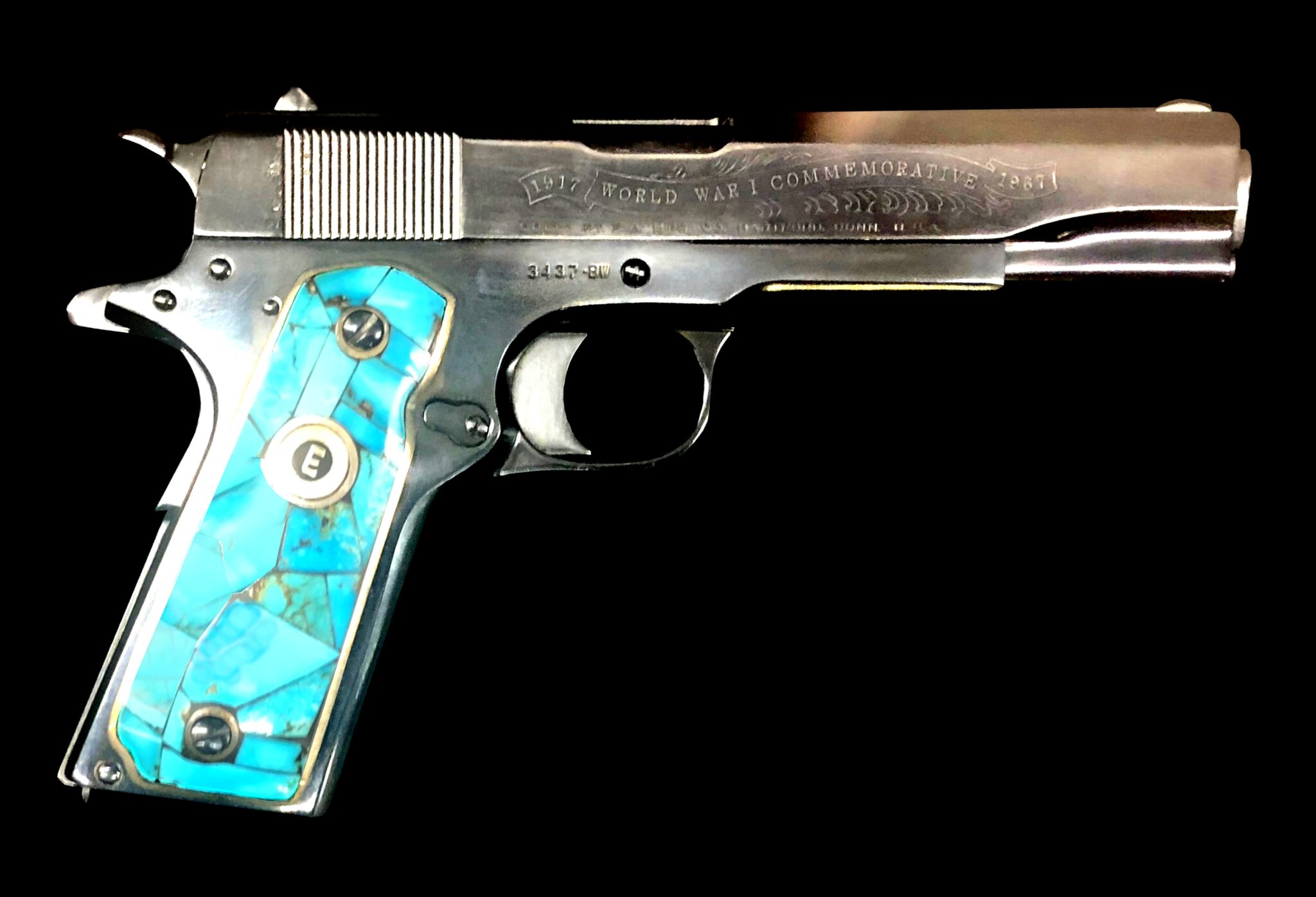
The M1911 earned its reputation through reliability and stopping power. Chambered in .45 ACP, it delivered effective performance at close range. Its single-action trigger allowed precise shot placement under pressure. Soldiers trusted it in harsh environments with minimal maintenance. The steel frame absorbed recoil and provided durability unmatched by many modern pistols. While newer handguns offer higher capacity, few match the M1911’s proven combat record. Its straight grip angle and exposed hammer give it a classic appearance. The M1911 remains one of the most recognizable sidearms in military history.
9. StG 44
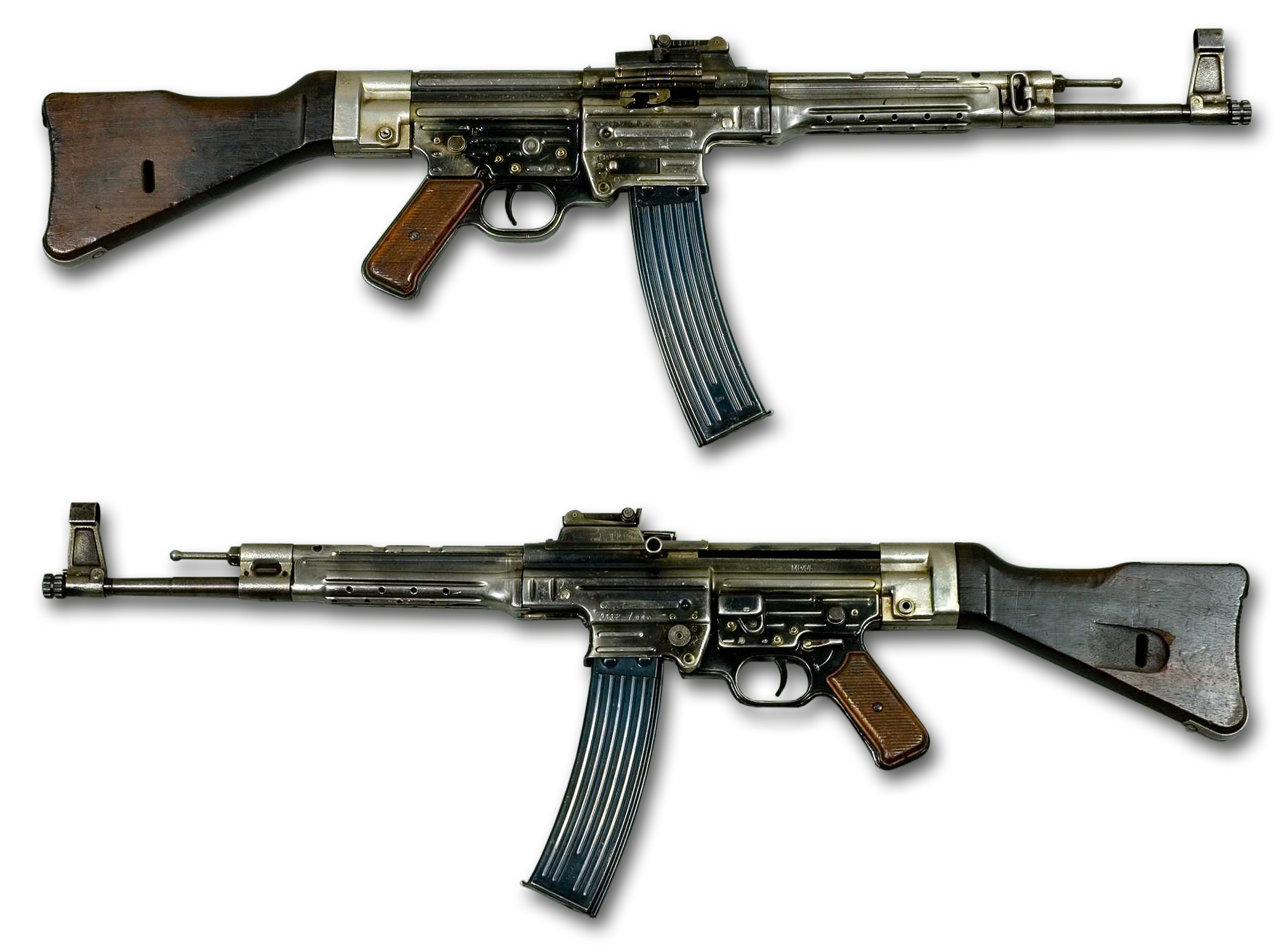
The StG 44 introduced the concept of the modern assault rifle. Chambered in an intermediate cartridge, it balanced range, recoil, and controllability. Soldiers could fire accurately in both semi-automatic and automatic modes. Its design influenced countless future firearms. Despite being ahead of its time, it performed reliably in combat conditions. Modern rifles owe much to their layout and philosophy. The StG 44’s curved magazine, wooden stock, and stamped receiver make it visually distinctive. Its influence can still be seen in contemporary rifle designs around the world.
10. BAR M1918
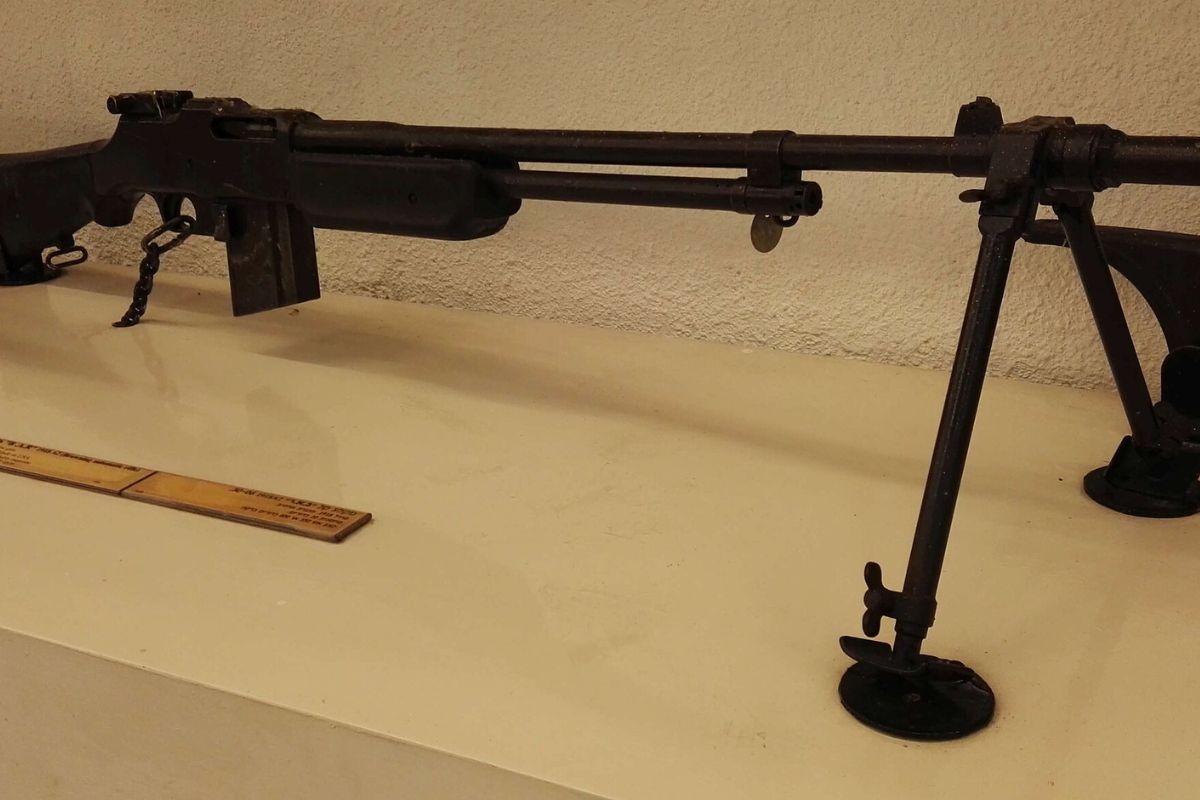
The Browning Automatic Rifle served as a bridge between rifles and machine guns. Chambered in .30-06, it delivered powerful automatic fire while remaining portable. Soldiers used it to advance under fire and hold defensive positions. Its solid construction handled sustained use without failure. Though heavy, it offered reliability that few modern light machine guns can match. The BAR’s long barrel, bipod, and wooden stock give it a commanding appearance. It remains a symbol of dependable firepower carried directly into battle by infantry troops.
11. Kar98k
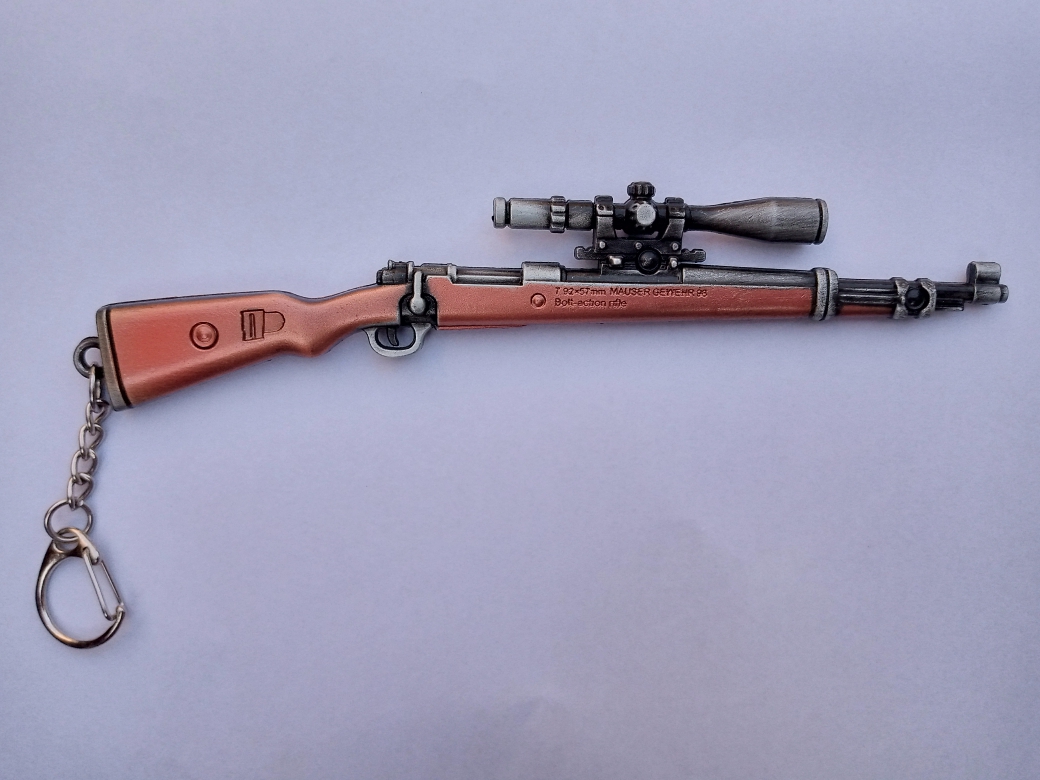
The Kar98k combined precision, strength, and reliability in a compact bolt-action design. Chambered in 7.92mm Mauser, it delivered excellent accuracy at long distances. Its controlled-feed action ensured reliable chambering under stress. Soldiers valued its balance and strong construction. While slower than semi-automatic rifles, it excelled in disciplined marksmanship roles. Modern bolt-action rifles may be more refined, but few share their battlefield legacy. Its turned bolt handle, iron sights, and wooden stock create a timeless and recognizable profile.
12. Tokarev TT-33
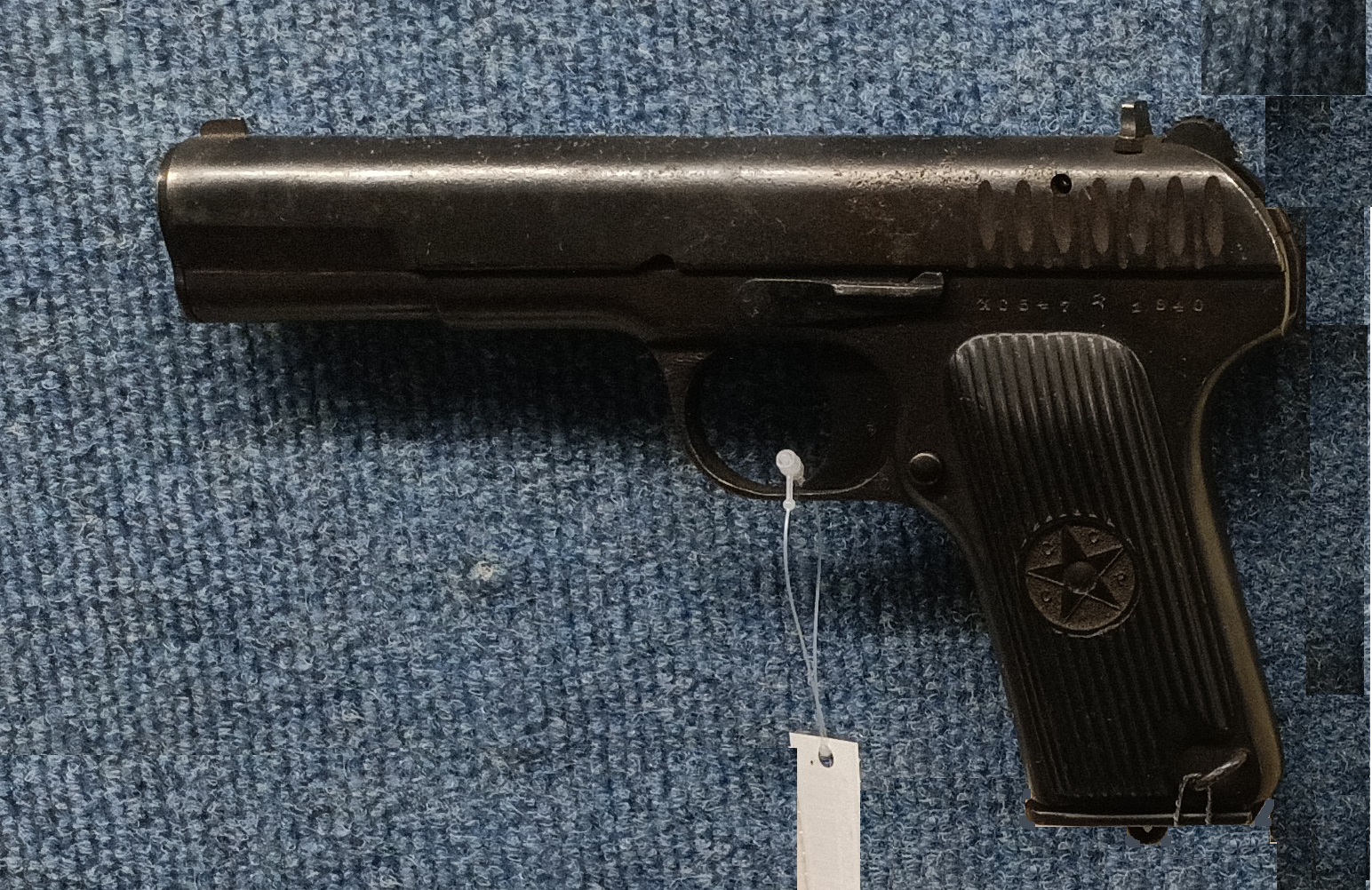
The Tokarev TT-33 was valued for simplicity and penetration. Chambered in 7.62x25mm, it offered high velocity and flat trajectory. Its design used few parts, making it easy to maintain. Soldiers trusted it in rough conditions where complex pistols failed. The slim profile allowed easy carry and quick handling. While modern pistols emphasize comfort, the TT-33 focused on function. Its straight lines and minimalist design make it visually distinctive. The Tokarev remains a reminder that effective firearms do not require complexity.