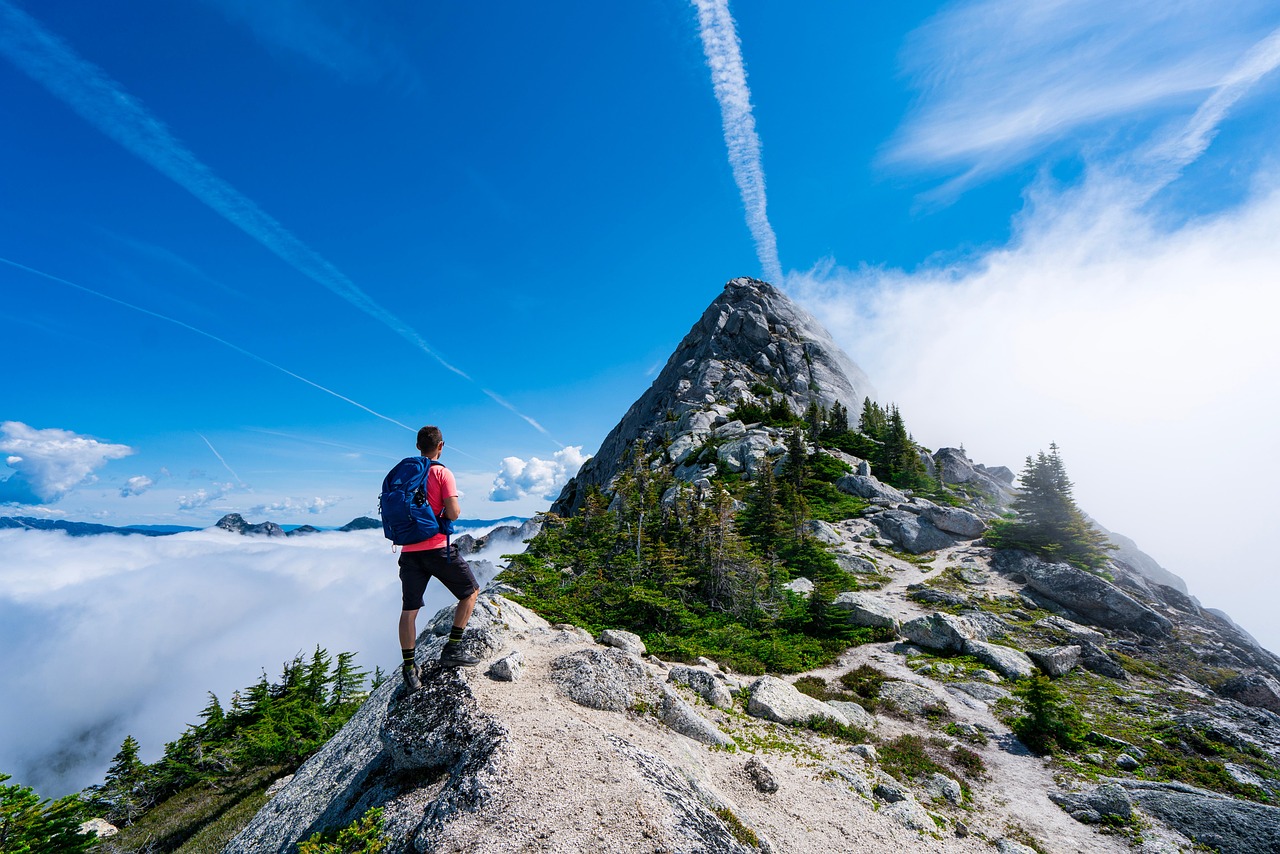
Hiking alone can be an incredible way to reconnect with nature, clear your thoughts, and find peace away from busy life. Yet, solo adventures require careful planning to avoid unnecessary risks. The outdoors can be unpredictable, so awareness and preparation are key. With the right mindset and essential safety steps, you can enjoy the freedom of hiking solo while staying safe every step of the way. Here are twelve detailed tips every solo hiker should follow.
1. Research Your Trail Thoroughly
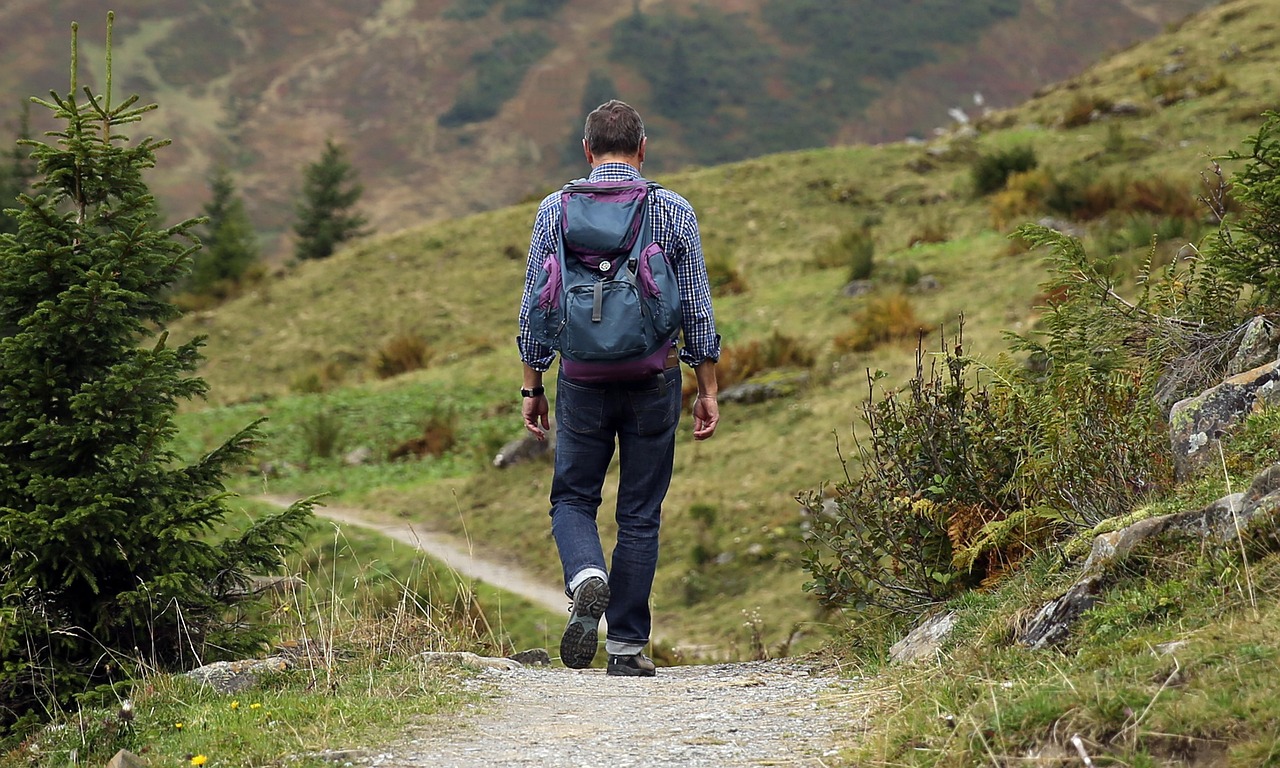
Before heading out, spend time researching your chosen trail. Learn about its distance, difficulty level, elevation changes, and the type of terrain you’ll encounter. Check recent trail reports online to stay updated about closures, wildlife sightings, or hazards. Knowing what to expect helps prevent surprises and gives you the confidence to manage challenges. The better prepared you are, the safer and more enjoyable your hike will be from start to finish.
2. Share Your Hiking Plan
One of the most important rules of solo hiking is letting someone know your plan. Share your exact trail, estimated start and return times, and any backup routes you may consider. Choose a reliable person who can raise an alarm if you fail to check in. This simple step creates a safety net in case something goes wrong. Even if you’re experienced, never underestimate the importance of keeping someone informed.
3. Begin with Familiar Trails
If you’re new to hiking alone, avoid jumping straight into remote or difficult routes. Instead, choose familiar trails that are well-marked and often visited by others. Familiarity builds confidence, while steady practice teaches you how to handle unexpected moments. By starting small and gradually advancing to tougher trails, you reduce risk while building skill. Solo hiking becomes much safer when you know exactly what lies ahead on your path.
4. Pack Only the Essentials
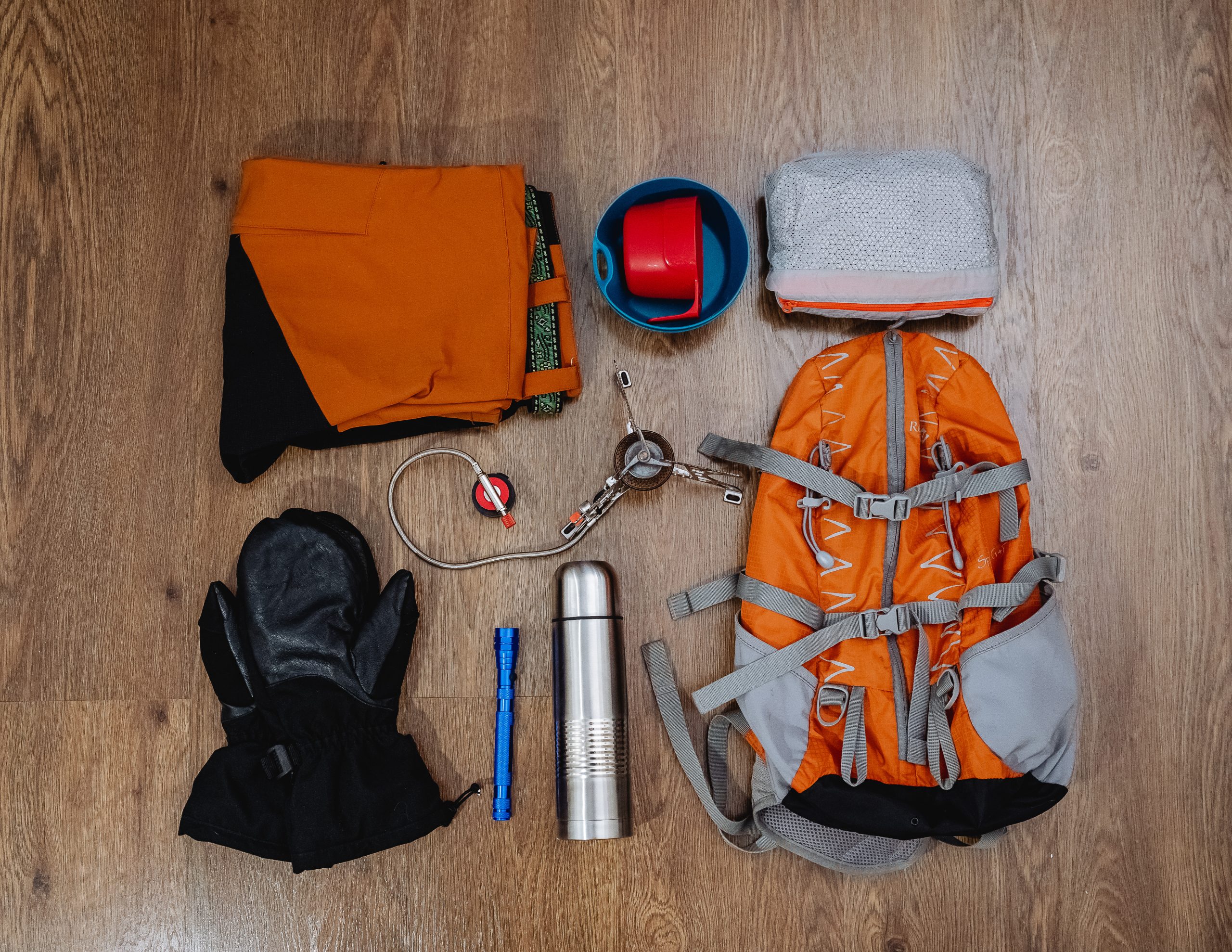
When hiking alone, your gear is your lifeline, so pack thoughtfully. Essentials include water, snacks, a map, a compass, a first-aid kit, a flashlight, a whistle, and a lightweight multitool. Carrying too much can slow you down, while missing basics could leave you vulnerable. Organize items so they’re easy to reach when needed. Remember, being prepared doesn’t mean carrying everything; it means carrying the right things to keep you safe and comfortable.
5. Always Check the Weather

Weather conditions can make or break your hiking experience. Look at reliable forecasts before leaving, and if conditions appear risky, postpone the trip. Sudden storms, heavy rain, or extreme heat can turn a safe hike dangerous. Pack an extra layer for unexpected cold, and always bring a rain jacket even if the day looks clear. Respecting the weather is one of the smartest ways to avoid accidents while outdoors.
6. Dress Smartly for the Trail
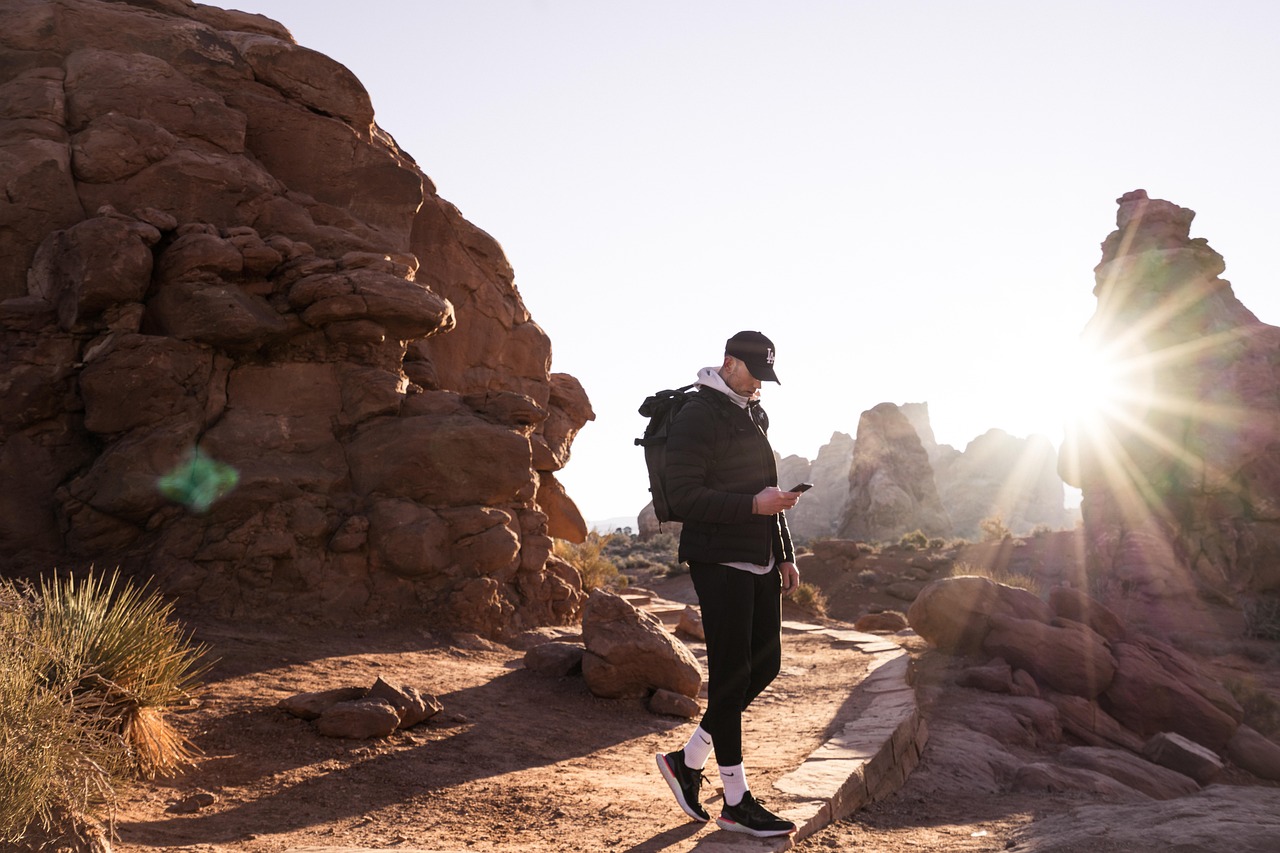
Wearing the right clothes matters as much as carrying the right gear. Choose moisture-wicking fabrics instead of cotton, which holds sweat and causes discomfort. Layering helps you adapt to changing temperatures, while sturdy boots protect your feet on rough terrain. A wide-brimmed hat shields against sun exposure, and a light jacket prepares you for sudden chill. The right outfit not only ensures comfort but also keeps you safe in shifting conditions.
7. Stick to Marked Paths

It may be tempting to explore beyond the main trail, but venturing off-path increases the risk of getting lost or injured. Marked trails exist for a reason; they’re safer, mapped out, and regularly used by other hikers. Straying from them can damage fragile ecosystems and leave you disoriented. By staying on designated paths, you protect both yourself and the environment. Adventure doesn’t require wandering off; it’s about enjoying the journey safely.
8. Stay Alert and Aware

Awareness is your strongest defense when hiking solo. Avoid distractions like loud music or constant phone use that can dull your senses. Stay alert to changes in the environment, such as unusual sounds, shifting weather, or signs of wildlife. Keeping your focus sharp helps you spot potential hazards early. Solo hikers must rely on their instincts and quick thinking, and staying fully aware ensures they won’t miss important warning signs.
9. Bring Reliable Navigation Tools

Even on trails you think you know, always carry a map and compass as backups. GPS devices and hiking apps are useful but rely on batteries and signals that may fail in remote areas. Learning basic map-reading and compass skills can save you from disorientation. Losing your way alone can escalate quickly, but with the right tools, you can regain control. Navigation isn’t optional; it’s a vital safety measure for every solo hiker.
10. Respect Wildlife from Afar
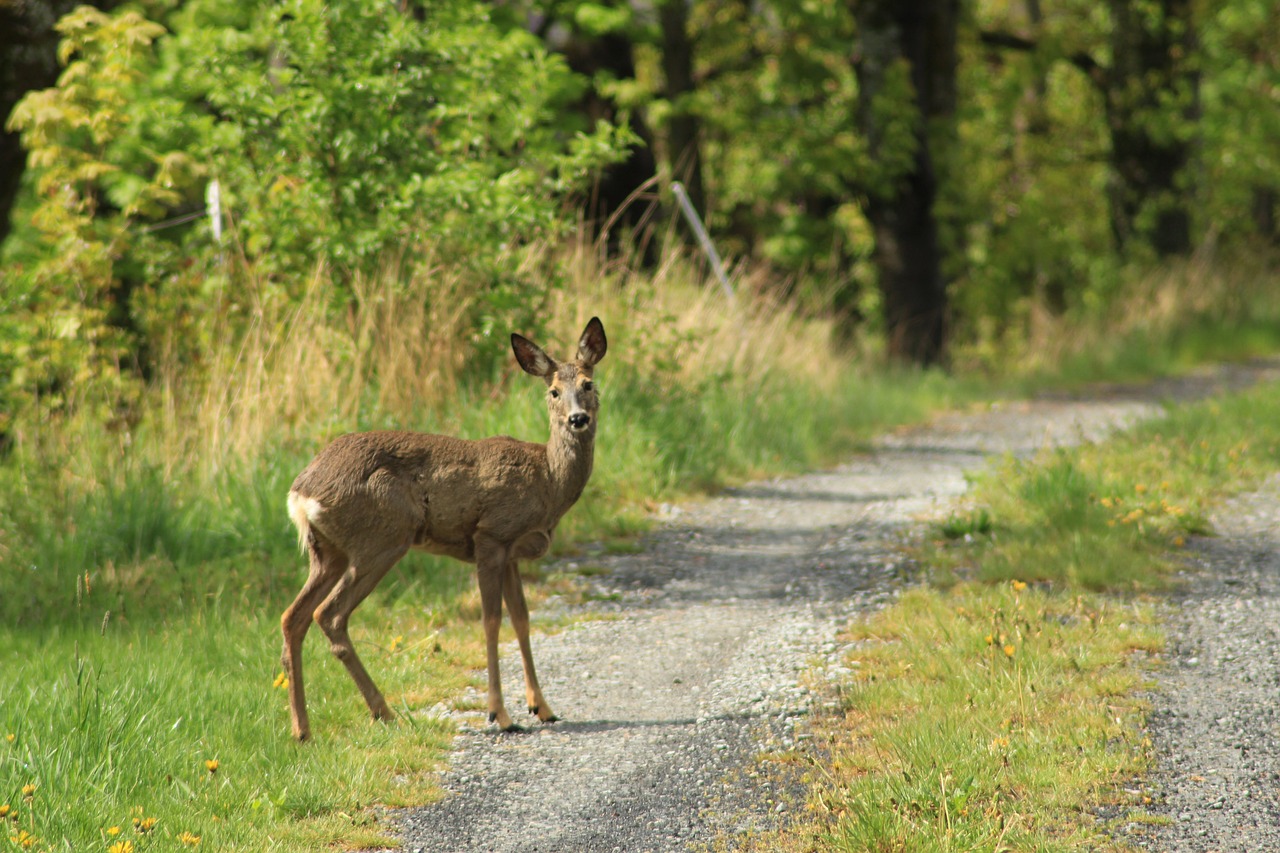
Encounters with wildlife are memorable, but they must always be handled wisely. Never approach or feed animals, no matter how harmless they seem. Keep food sealed and stored securely to avoid attracting attention. Learn what species live in the area and how to react calmly if you cross paths. Most animals avoid humans, but maintaining distance keeps both you and them safe. Respecting wildlife ensures peaceful coexistence along the trail.
11. Trust and Listen to Your Instincts
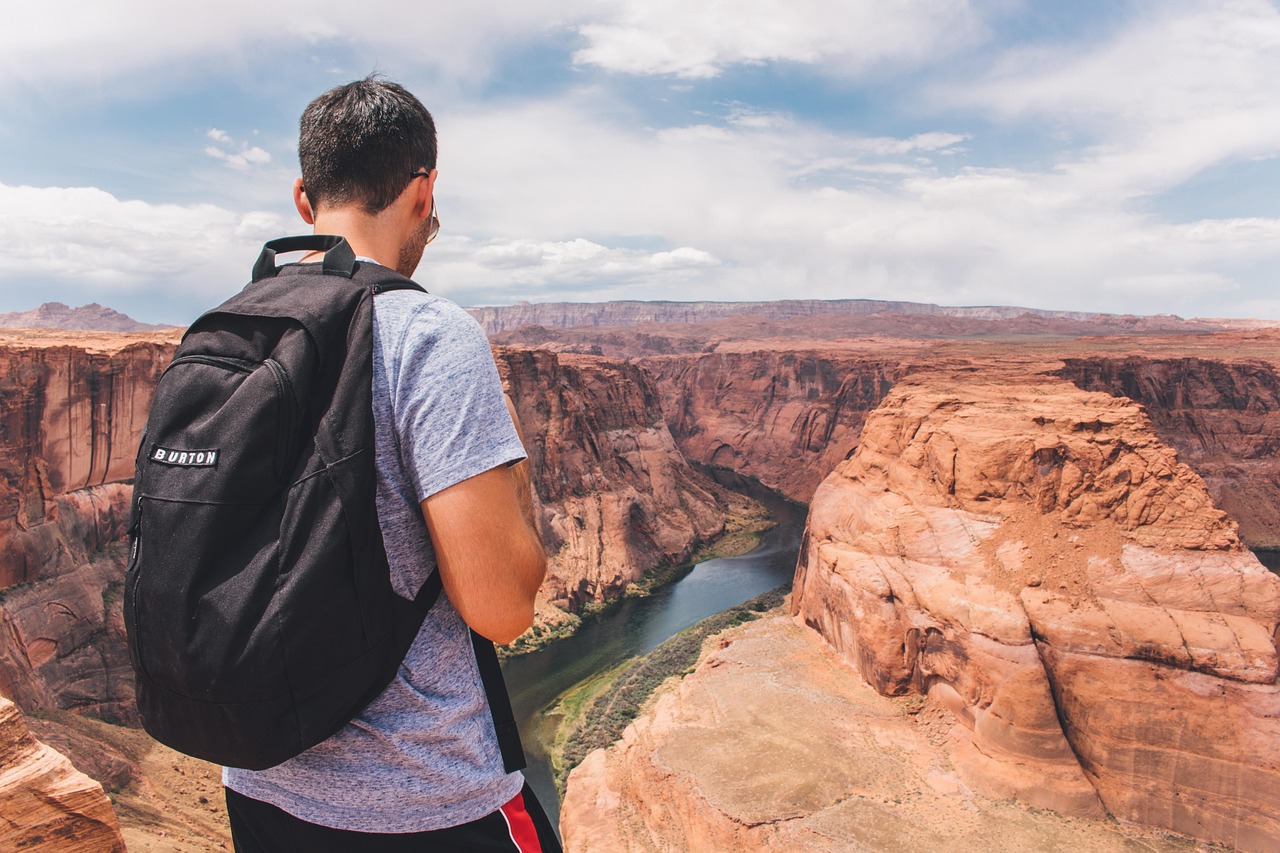
When you hike alone, your instincts become your guide. If something feels unsafe,whether it’s an unstable path, worsening weather, or simply a gut feeling, turn back without hesitation. Ignoring those signals often leads to trouble. Safety should always come before pride or completing a planned route. Your inner sense of caution is there to protect you, and respecting it is one of the wisest choices a solo hiker can make.
12. Build Confidence Gradually

Solo hiking is a journey that takes time and patience to master. Begin with short, simple hikes and reflect on each experience to improve your skills. Over time, increase the difficulty and length of your routes as your confidence and knowledge grow. Every successful hike teaches something valuable. By building experience step by step, you’ll become a safer, stronger hiker ready to take on bigger adventures alone.