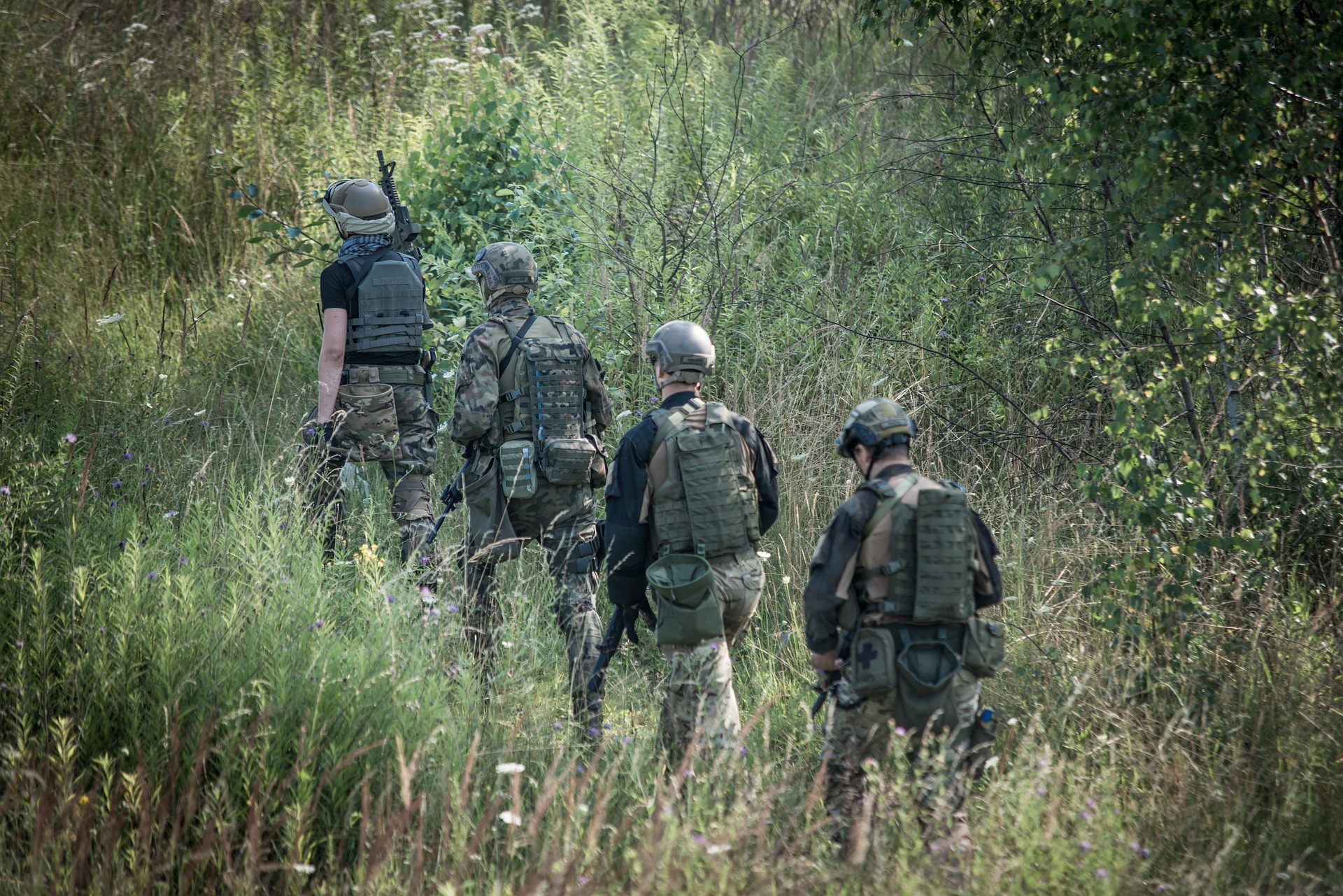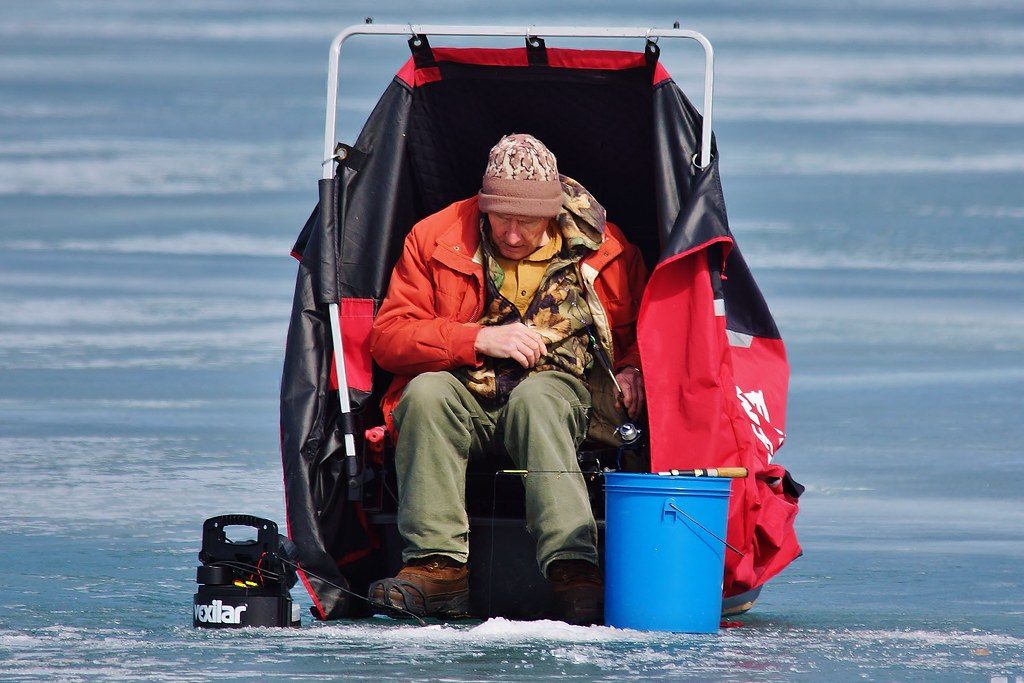
Ice fishing in Minnesota offers peaceful scenery, crisp winter air, and long stretches of quiet time on frozen lakes. Cold temperatures settle quickly across the ice, making warmth an essential part of the experience. Preparing with smart clothing choices, steady movement, and simple comfort strategies keeps the body relaxed and ready for hours outdoors. With thoughtful planning built into the routine, each outing becomes more enjoyable and much easier to manage during the deep northern cold.
Dress in Strategic Layers

Strategic layering remains one of the most effective ways to maintain warmth during long hours on the ice. A moisture-wicking base layer helps prevent sweat from cooling the body, while insulating layers trap heat and offer steady comfort. An exterior shell made from wind-resistant and waterproof material protects against blowing snow and icy gusts. This balanced combination creates a stable barrier that adapts naturally to shifting temperatures throughout the day.
Protect Hands With Insulated Gloves
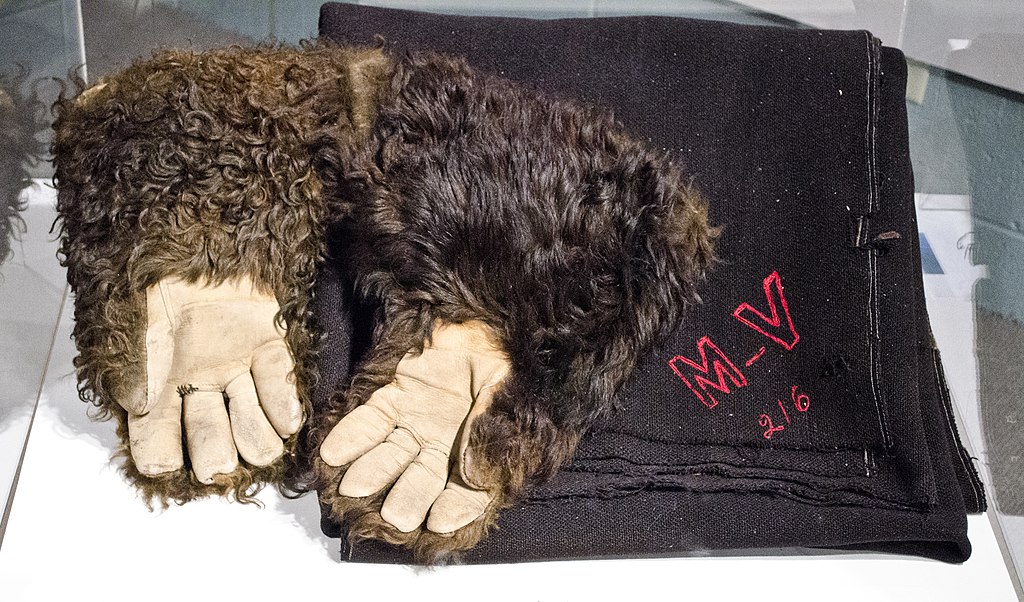
Insulated gloves provide essential protection against frostbite and discomfort as cold air settles around the lake. Thick inner liners paired with durable outer shells help preserve dexterity while still offering warmth. Switching to mittens or glove warmers during breaks further extends heat retention. Consistent hand protection ensures smoother movements during tasks such as adjusting gear, preparing bait, or handling lines in chilly weather.
Keep Feet Warm and Dry
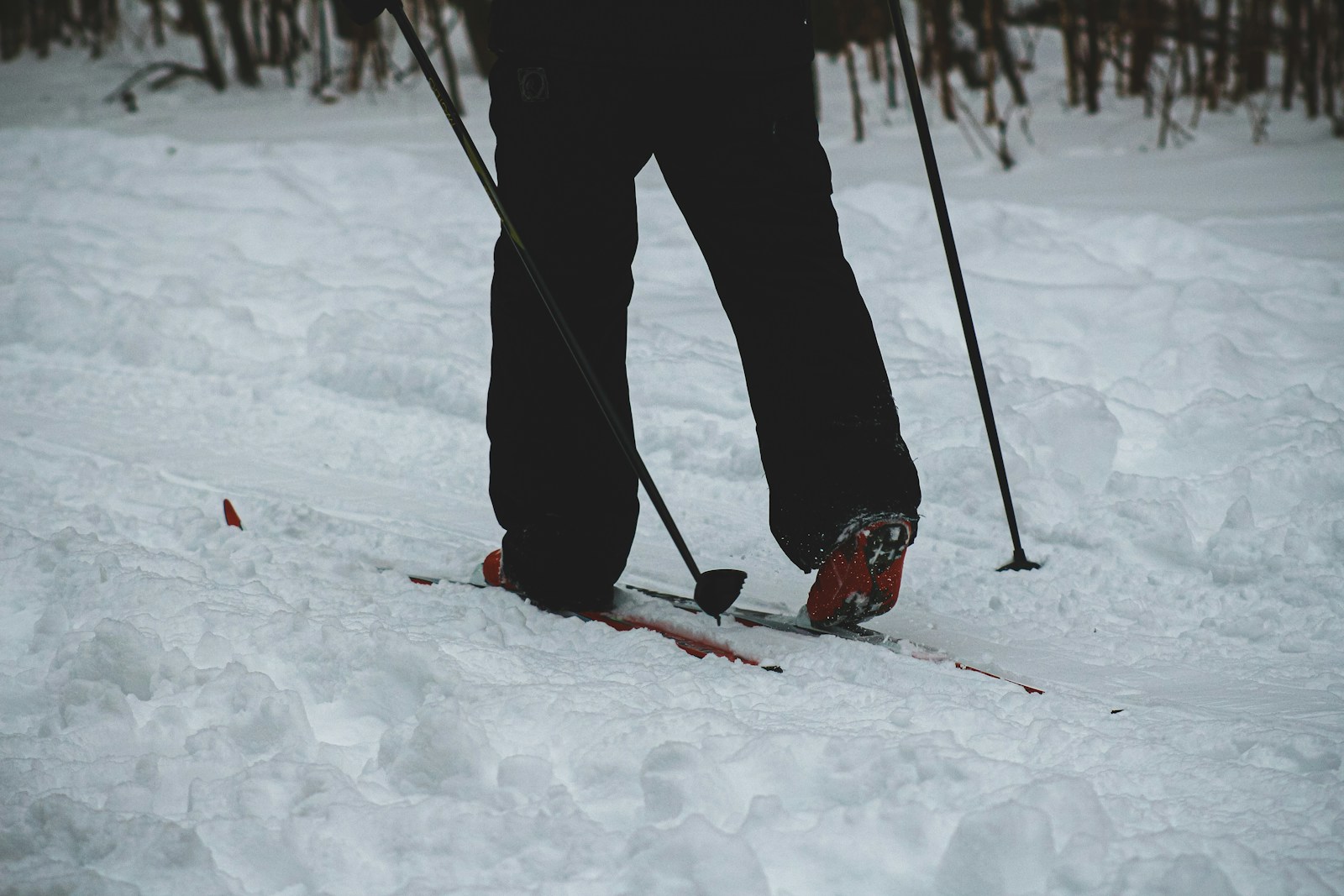
Feet require special attention when standing for extended periods on ice that pulls heat from the body. Insulated boots with waterproof construction help prevent moisture from creeping in and reduce cold transfer through the sole. Thick wool socks offer cushioning and steady warmth without trapping excess sweat. With feet properly supported and insulated, the body maintains a stronger sense of comfort even during long sessions outdoors.
Wear a High-Quality Ice Suit
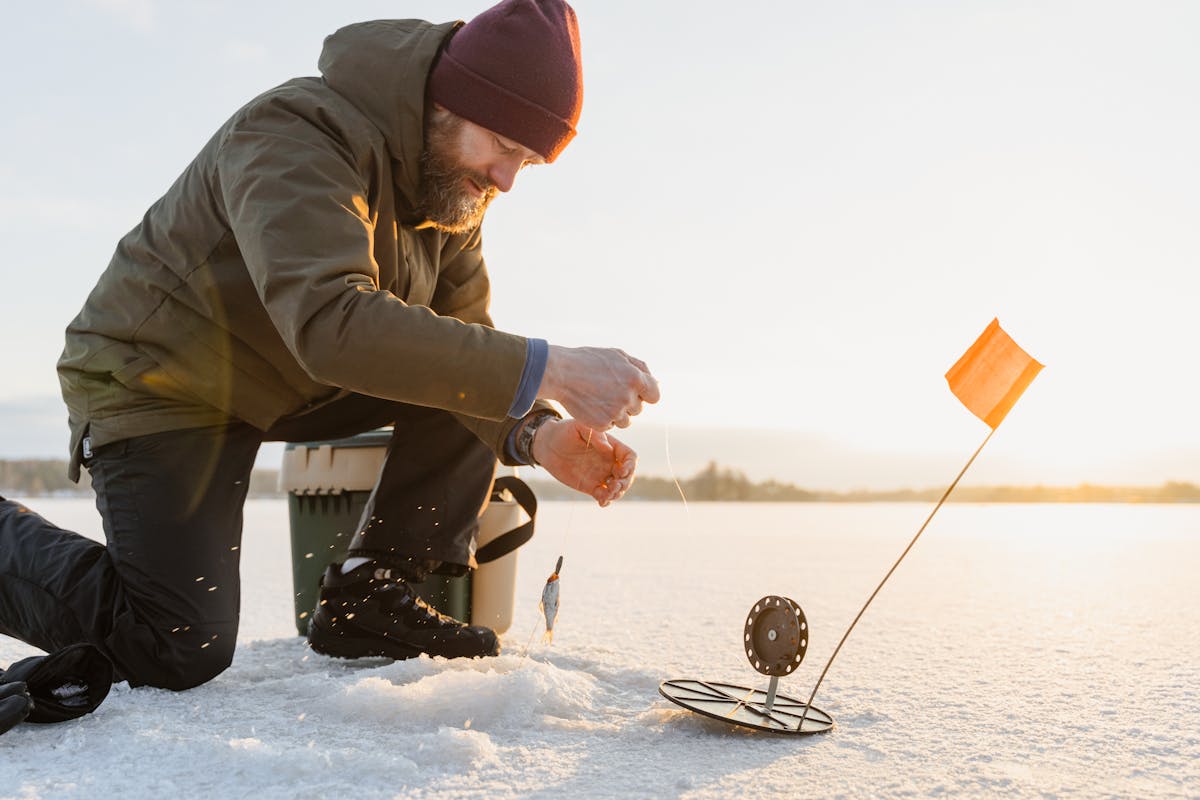
A high-quality ice suit provides full-body insulation designed specifically for freezing conditions common across Minnesota’s lakes. These suits protect against wind, moisture, and sudden temperature drops while still allowing comfortable movement. Many models include built-in flotation features that add an extra measure of safety on unpredictable ice. Wearing a suit built for winter fishing supports overall warmth and helps maintain confidence throughout the trip.
Bring a Portable Heater
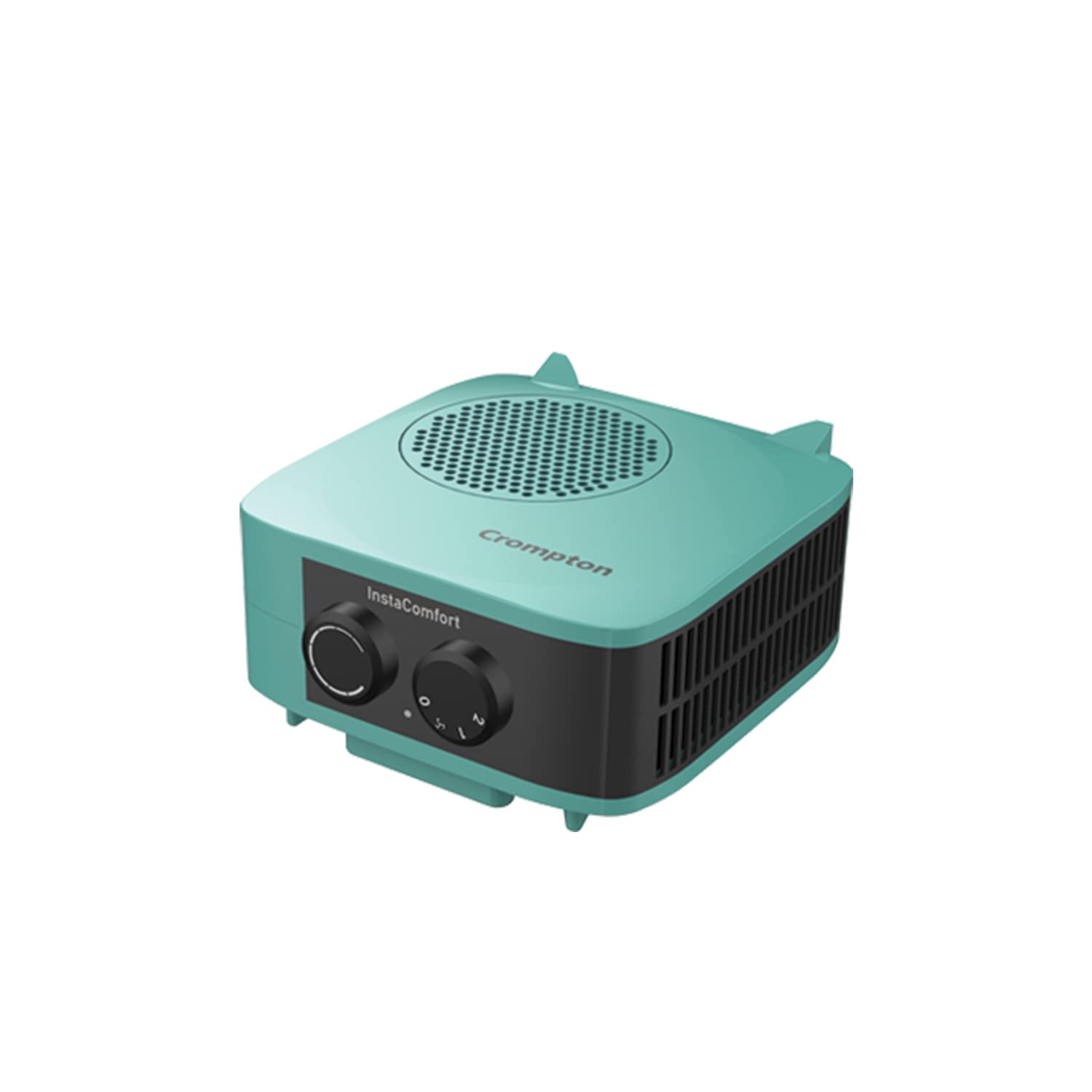
A portable heater adds consistent warmth inside shelters and helps reduce stiffness during long waits between bites. Compact units designed for ice fishing heat small spaces efficiently while maintaining safe operation. Using the heater periodically prevents deep cold from settling into muscles and joints. This additional heat source transforms the shelter into a more welcoming space during extended outings.
Eat Warm Energizing Food
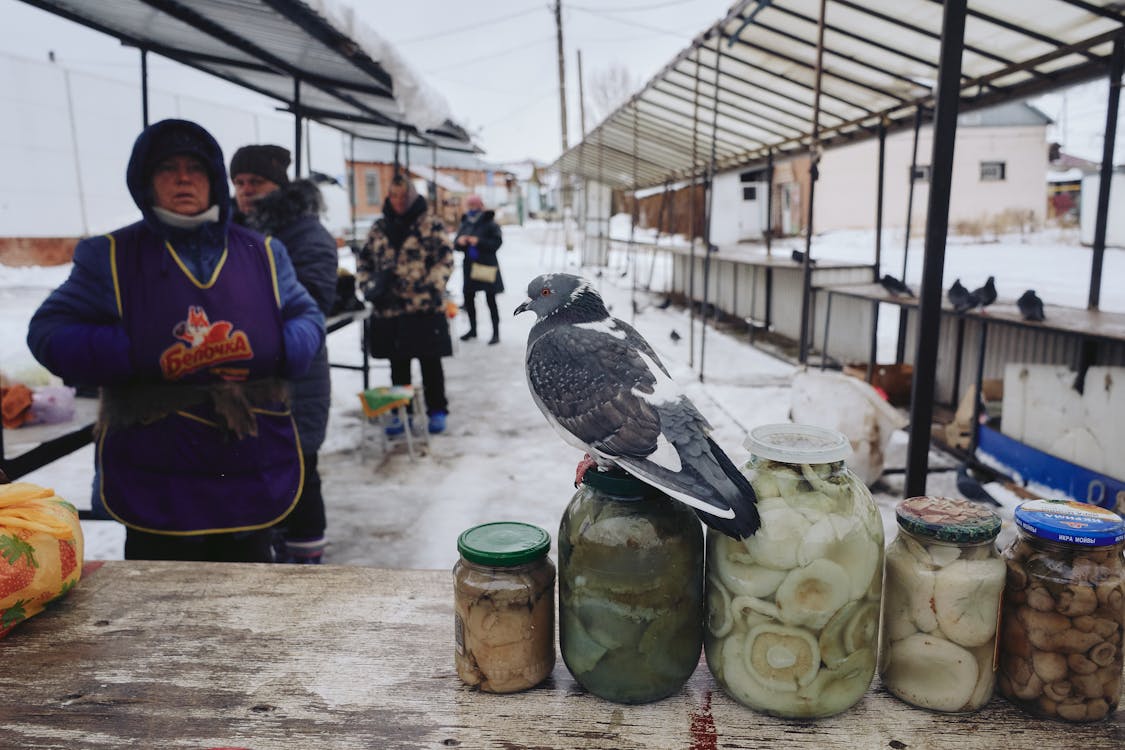
Warm meals and high-energy snacks help replenish calories lost to cold temperatures and support the body’s natural heat production. Hearty soups, stews, and hot drinks provide comfort while boosting energy levels. Eating small portions throughout the day helps maintain a steady metabolism and keeps fatigue from setting in. Nutritious, warm food becomes a valuable tool in staying alert and comfortable on the ice.
Move Frequently to Maintain Circulation
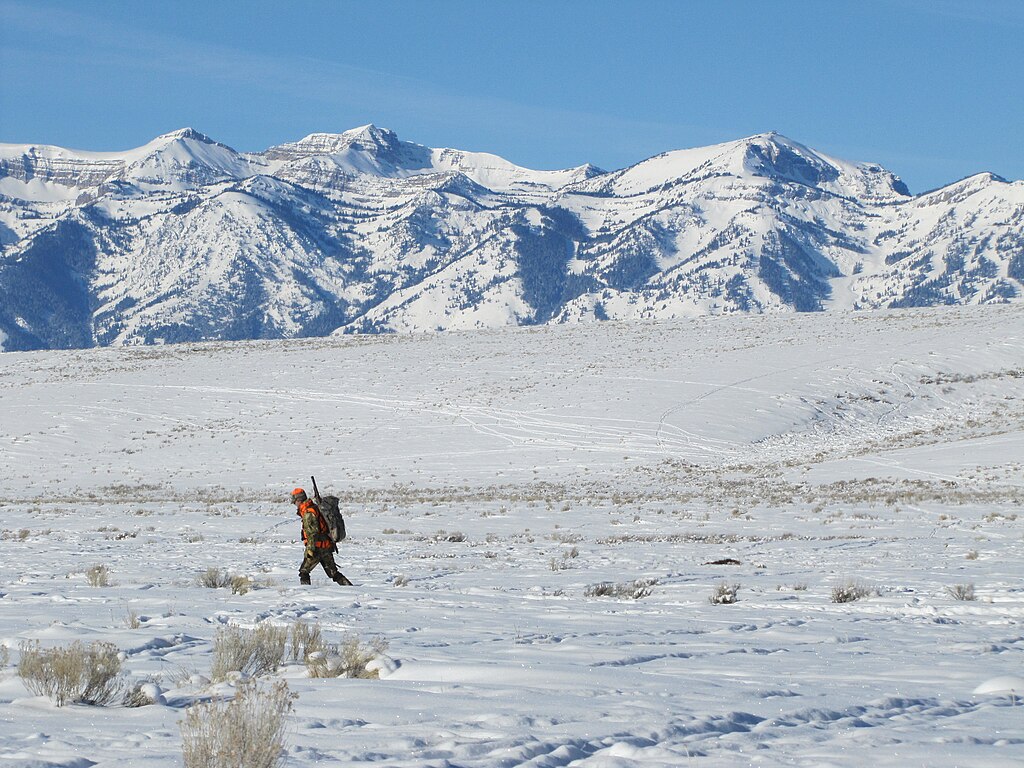
Frequent movement encourages circulation and prevents numbness from developing in fingers, toes, and joints. Simple actions such as stretching, pacing briefly around the shelter, or bending knees keep blood flowing smoothly. These short bursts of activity counteract the stiffness that often appears during extended stillness. Maintaining a gentle rhythm of movement supports overall comfort without disrupting the quiet nature of ice fishing.
Use Proper Insulation Underfoot
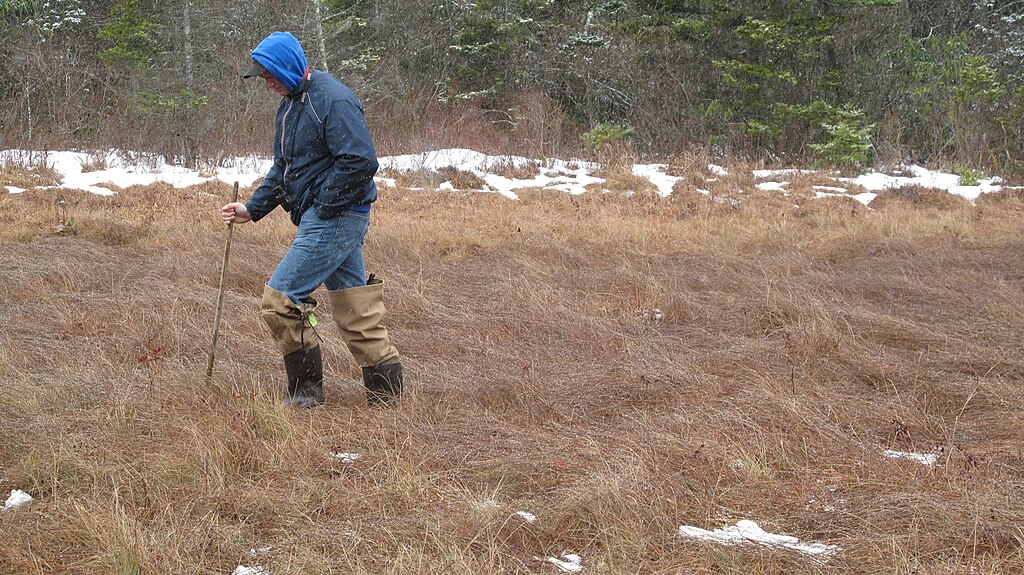
Insulation beneath boots or seats prevents cold from rising directly from the ice into the body. Foam pads, thick mats, or insulated floor panels create a thermal barrier that reduces heat loss significantly. This added layer enhances comfort when sitting or standing for long periods. Proper underfoot insulation plays a major role in maintaining warmth throughout the entire fishing session.
Shield Against Wind Exposure
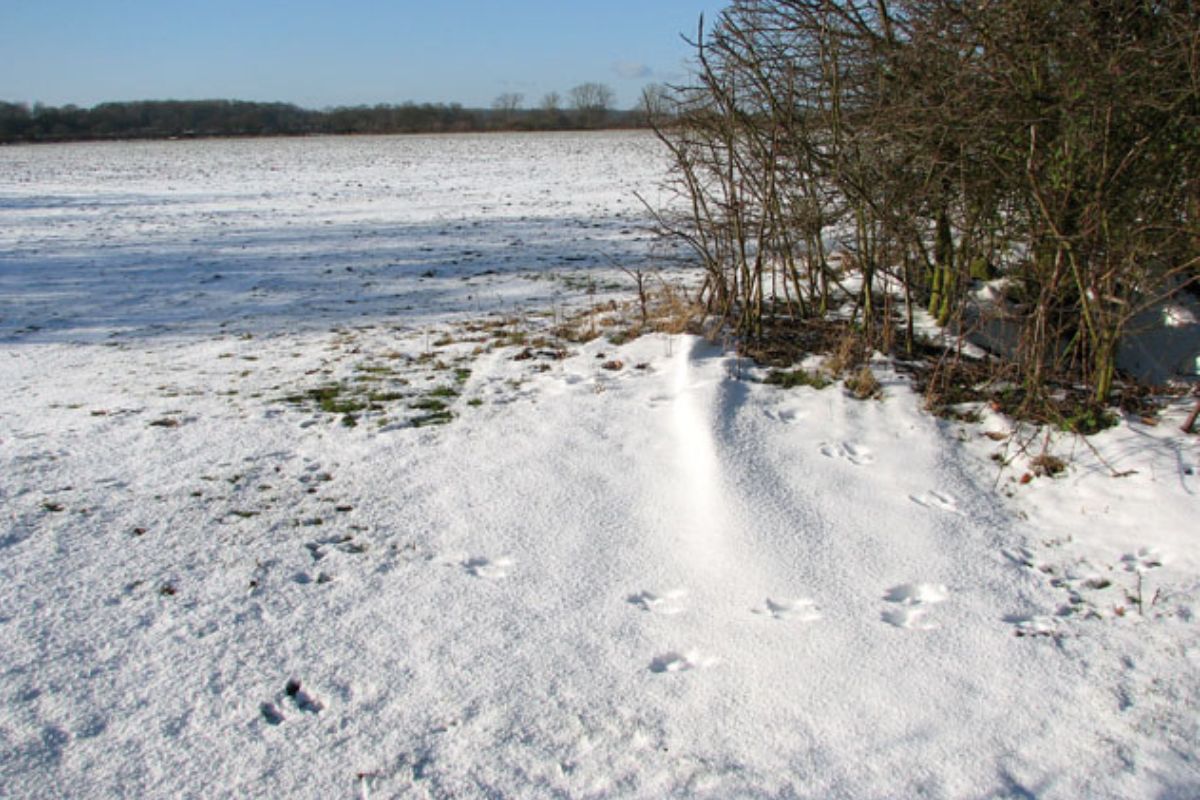
Wind intensifies cold and can lower body temperature quickly, even inside a shelter. Positioning windbreaks or adjusting shelter placement helps block harsh gusts across the ice. Clothing with wind-resistant materials further reinforces this protection for exposed areas. Reducing wind exposure creates a stable, warmer environment and helps preserve energy during long hours outdoors.
Keep Gear Dry and Organized
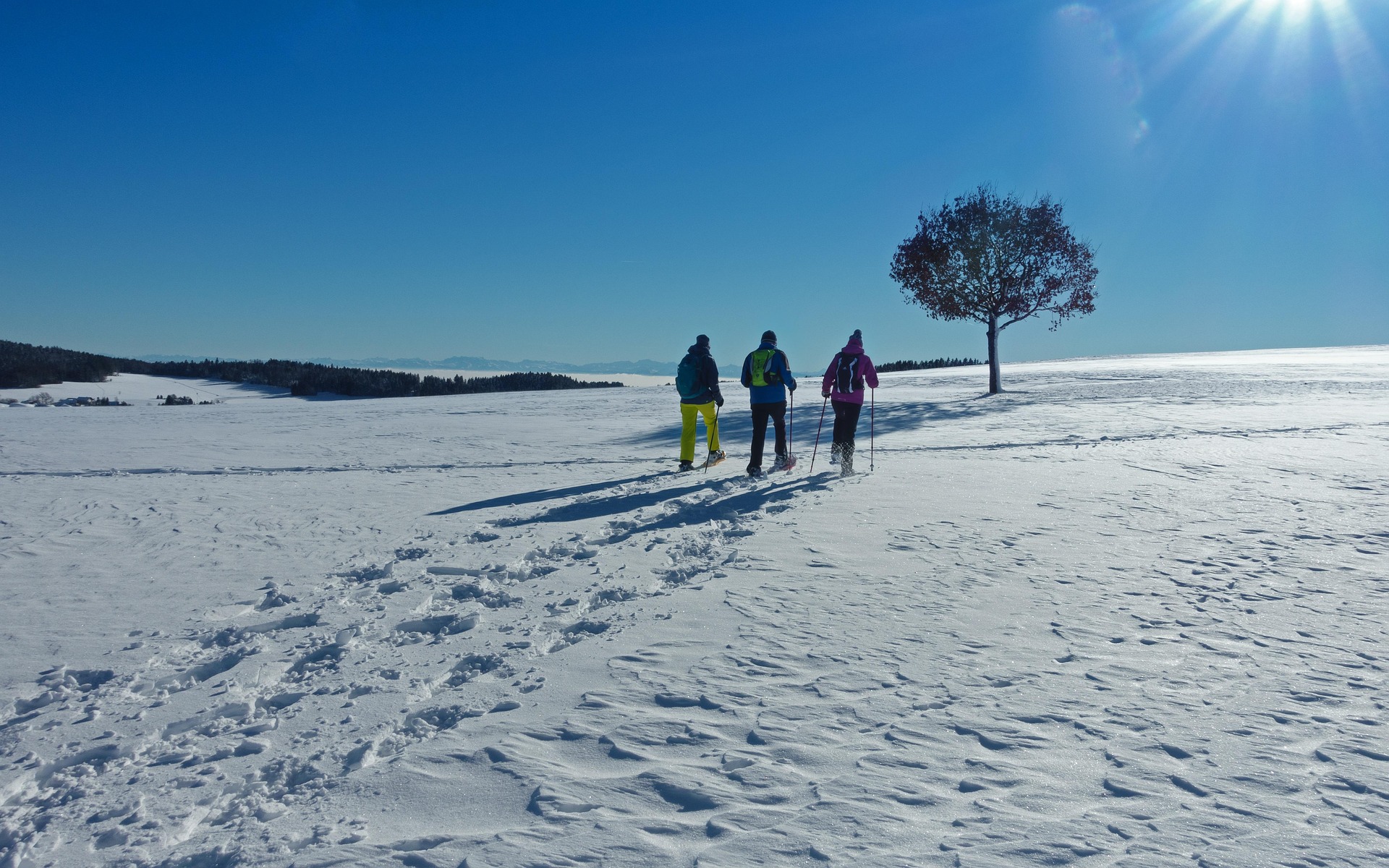
Dry gear performs better and retains warmth more effectively in icy conditions. Organizing equipment in waterproof bags or compartments helps protect gloves, socks, and spare layers from snow and moisture. Keeping items dry ensures they remain usable as temperatures drop. A tidy, protected setup also saves time and effort during gear changes or adjustments.
Warm Up Using Heated Packs
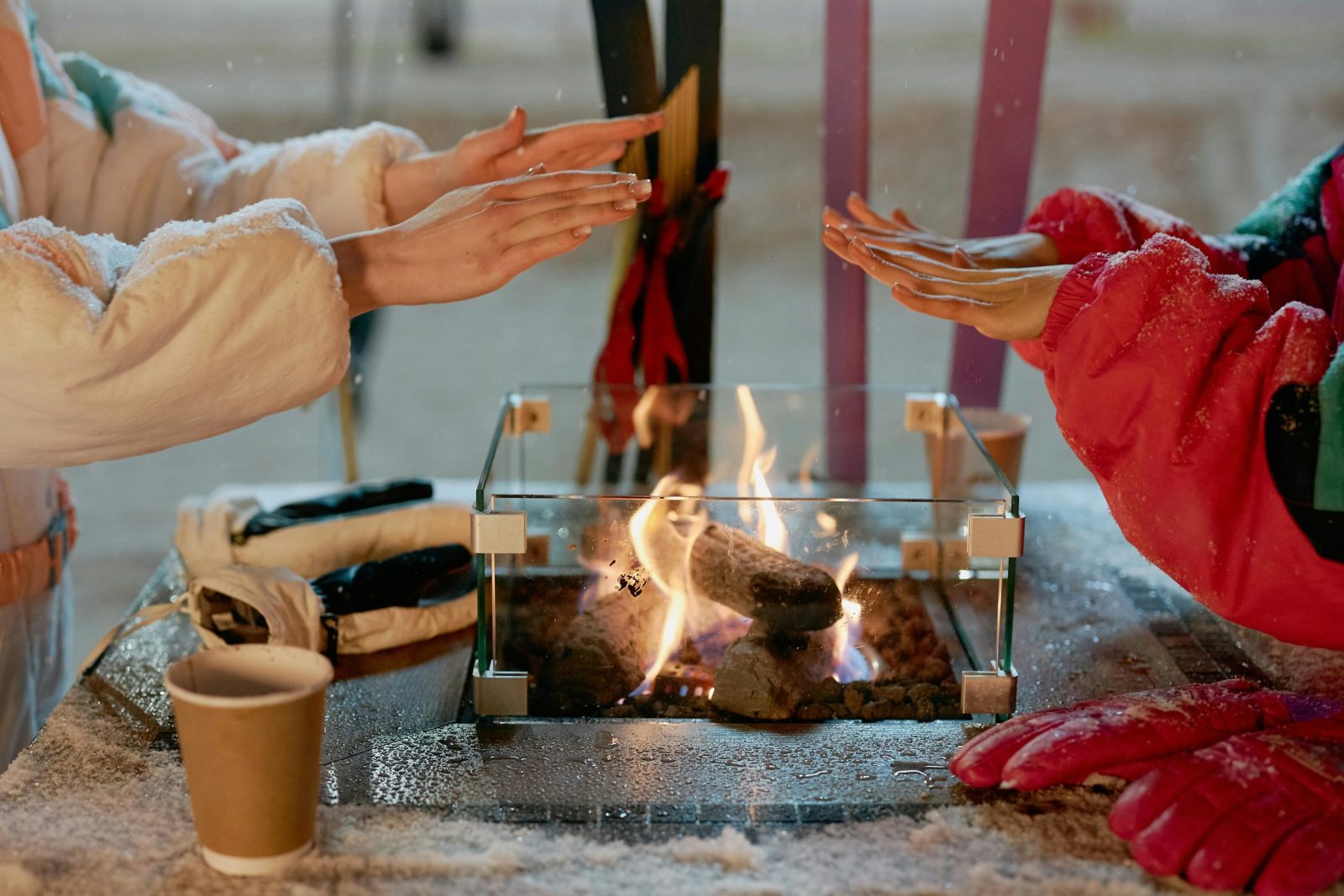
Heated packs provide focused warmth for hands, feet, or pockets when temperatures fall sharply. These compact items deliver steady heat that supports circulation and reduces discomfort. Placing them inside gloves or boots helps extend warmth during long pauses in activity. Heated packs offer quick relief and become a valuable addition to any winter fishing routine.
Bring a Thick Blanket for Extra Warmth
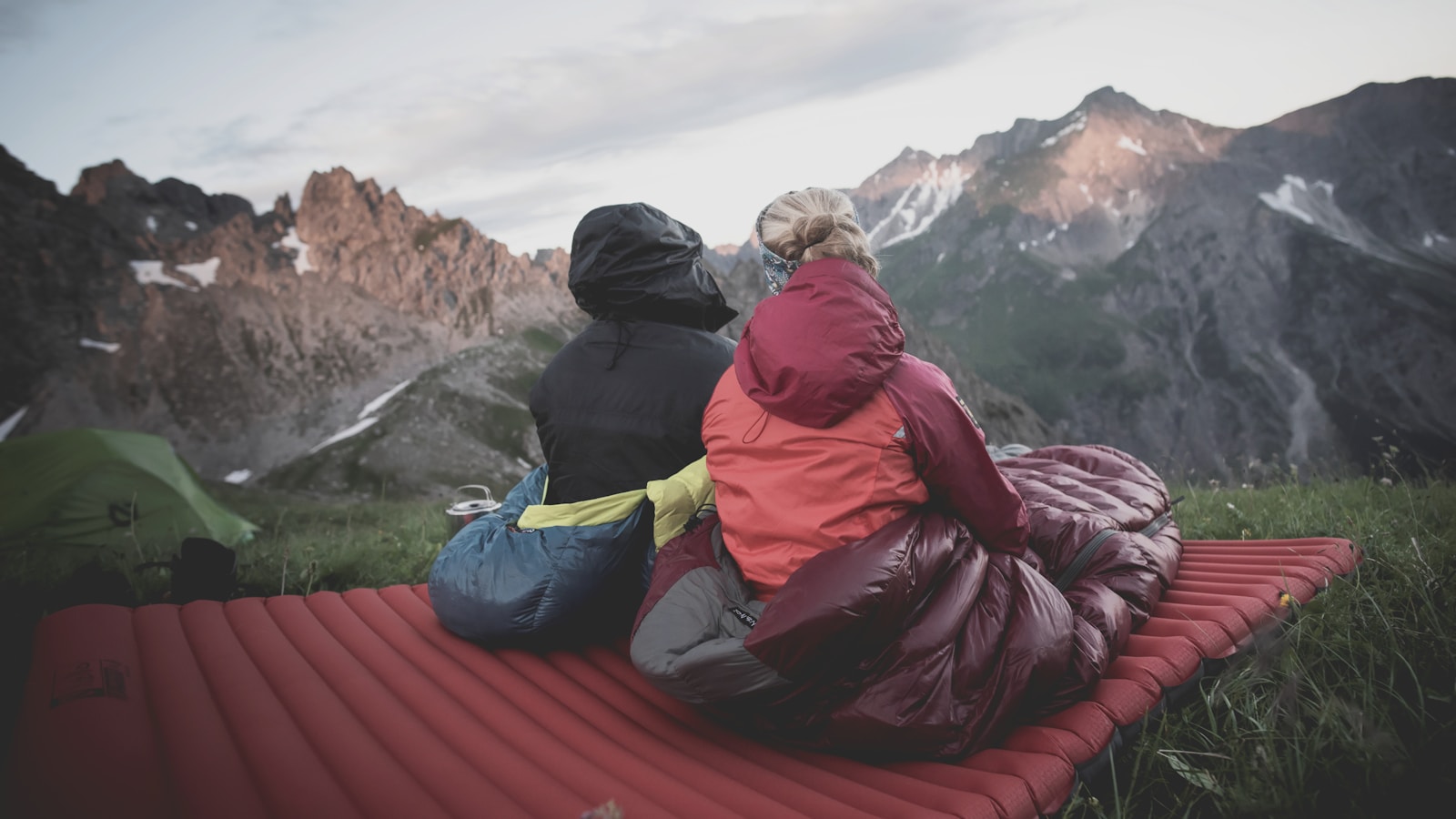
A thick blanket supplies extra insulation during slow moments or rest breaks inside the shelter. Draping it across legs or wrapping it around the torso helps hold in body heat without restricting movement. The blanket also doubles as additional padding on cold seating surfaces. This simple item adds a cozy element to the experience and enhances warmth during colder stretches.