Traveling through winter landscapes often looks simple from a distance, yet snow hides layers, textures, and weaknesses that most people never notice until they step straight into them. Even a familiar trail can behave differently from one hour to the next as sunlight, wind, and temperature shifts change how the snowpack responds underfoot. Understanding how each type of snow forms and what hazards it can create helps hikers, backcountry skiers, and hunters choose safer routes and move with better confidence. These twelve conditions are the most common ones that turn routine winter travel into something unexpectedly risky.
1. Wind Slab Snow
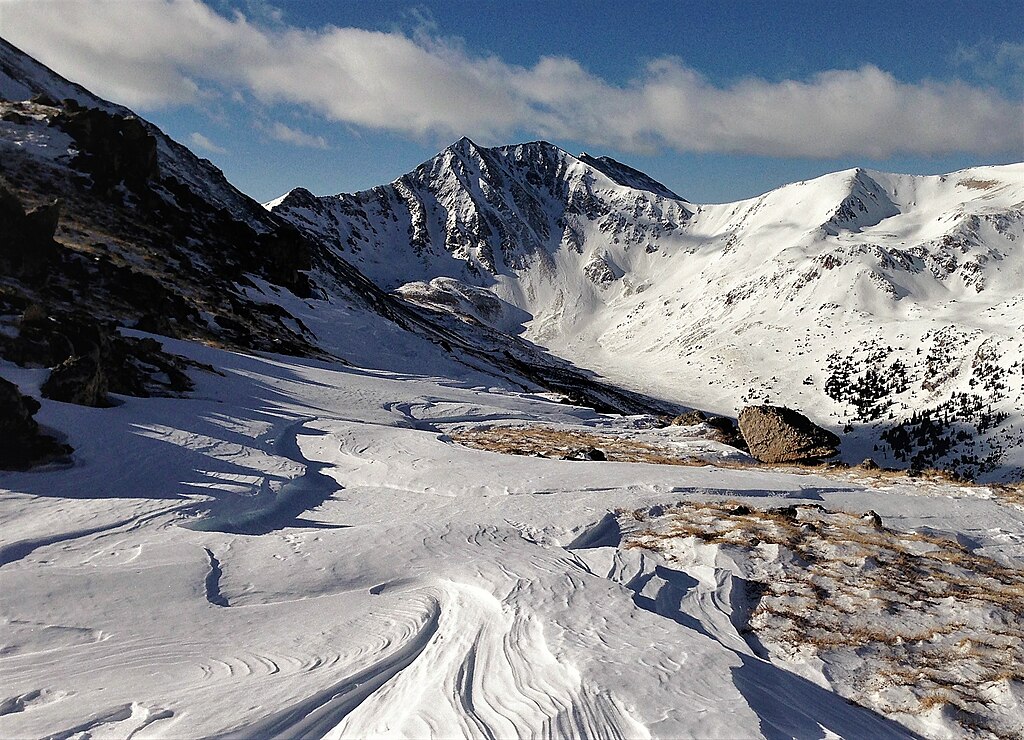
Wind slab forms when strong winds lift loose crystals from exposed ridges and forcefully pack them onto leeward slopes, creating a stiff surface that often looks smooth and inviting. Travelers may feel solid footing for a moment, then hear cracks shoot across the surface as the top layer begins to separate from weaker snow hidden below. These slabs can break under a single step and may slide downslope as one piece. In steep terrain, this creates a serious hazard, since a slab can carry a person with it and trigger a larger release.
2. Fresh Powder Over Weak Base
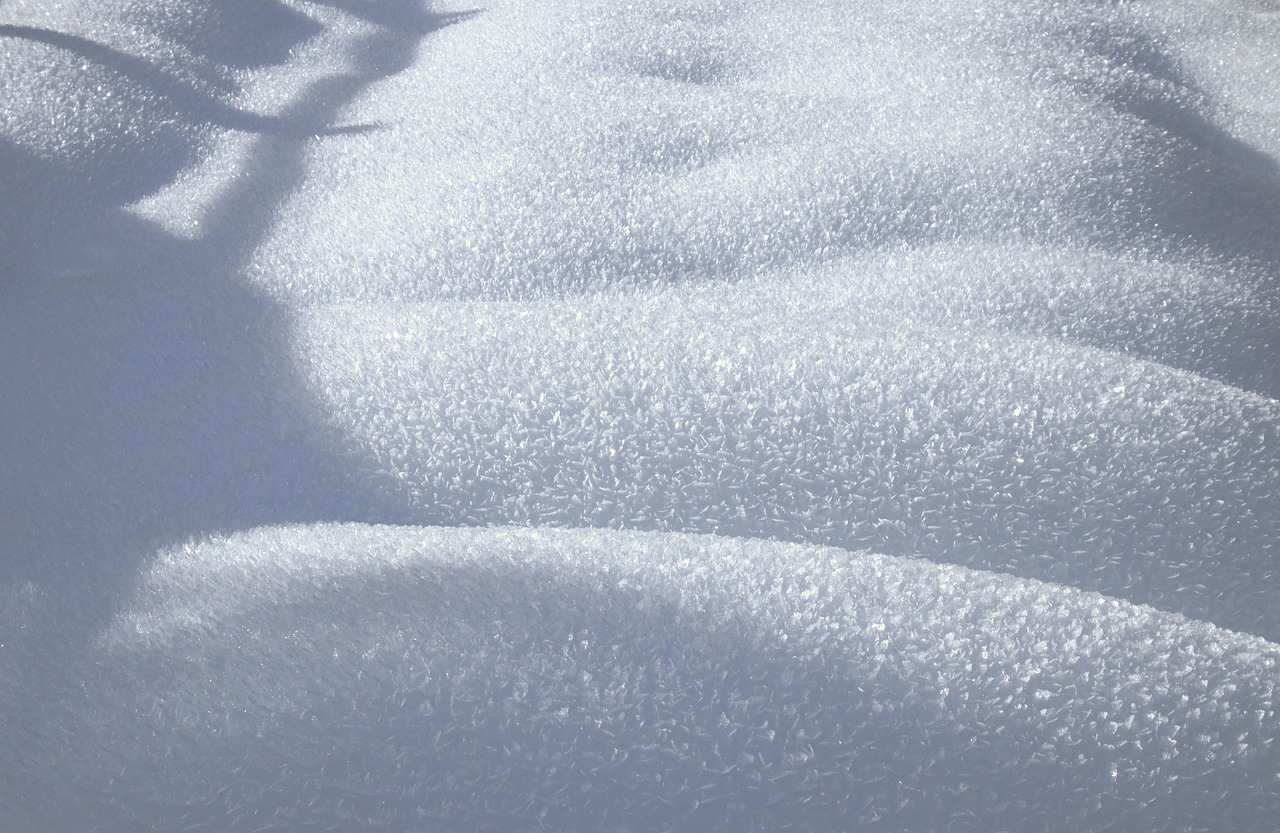
Light, fluffy powder makes winter travel feel magical, yet its softness can hide a poorly bonded base layer that collapses without warning. When deep powder sits on top of faceted or sugary snow, the lower layer fails to support added weight. This can cause dramatic sinking, sudden knee-deep drops, or loud settling noises known as whumpfs. These signals indicate widespread instability and should prompt travelers to avoid steep slopes. Powder may seem harmless, but its beauty can disguise dangerous conditions underneath.
3. Melt Freeze Crust
When daytime warmth softens the upper layers, and nighttime temperatures refreeze them, a hard crust forms that behaves unpredictably underfoot. It may hold a traveler for several steps, then suddenly break and drop them into softer snow below, throwing off balance or twisting ankles. On steeper slopes, this crust becomes extremely slick, allowing small slips to accelerate quickly. Even trekking poles struggle to bite into its shiny surface. The hidden contrast between hard crust and soft underlayers makes travel awkward and tiring.
4. Wet Heavy Snow
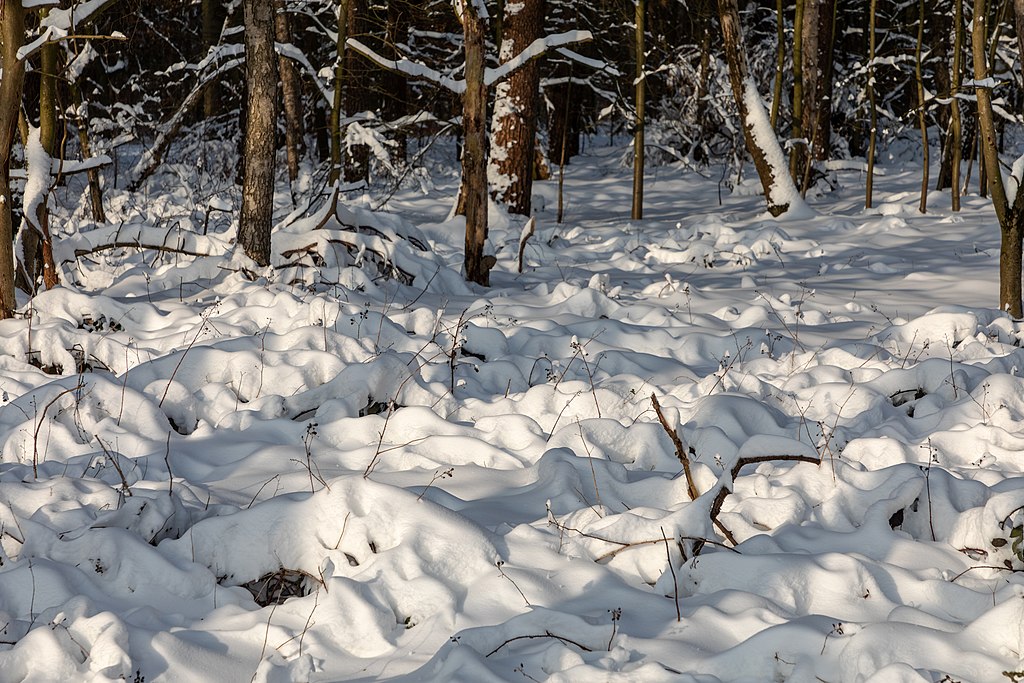
As temperatures hover around freezing, snow absorbs water and turns into a dense, sticky mass that clings to boots, snowshoes, and clothing. This type of snow slows travel dramatically and causes intense fatigue because each step requires lifting heavy clumps that build up underfoot. On slopes, saturated snow often releases in slow but powerful slides that can knock someone off balance. Meltwater within the snow also creates pockets of instability that collapse unexpectedly. Navigating this type of snow demands patience and steady pacing.
5. Deep Snow Drifts
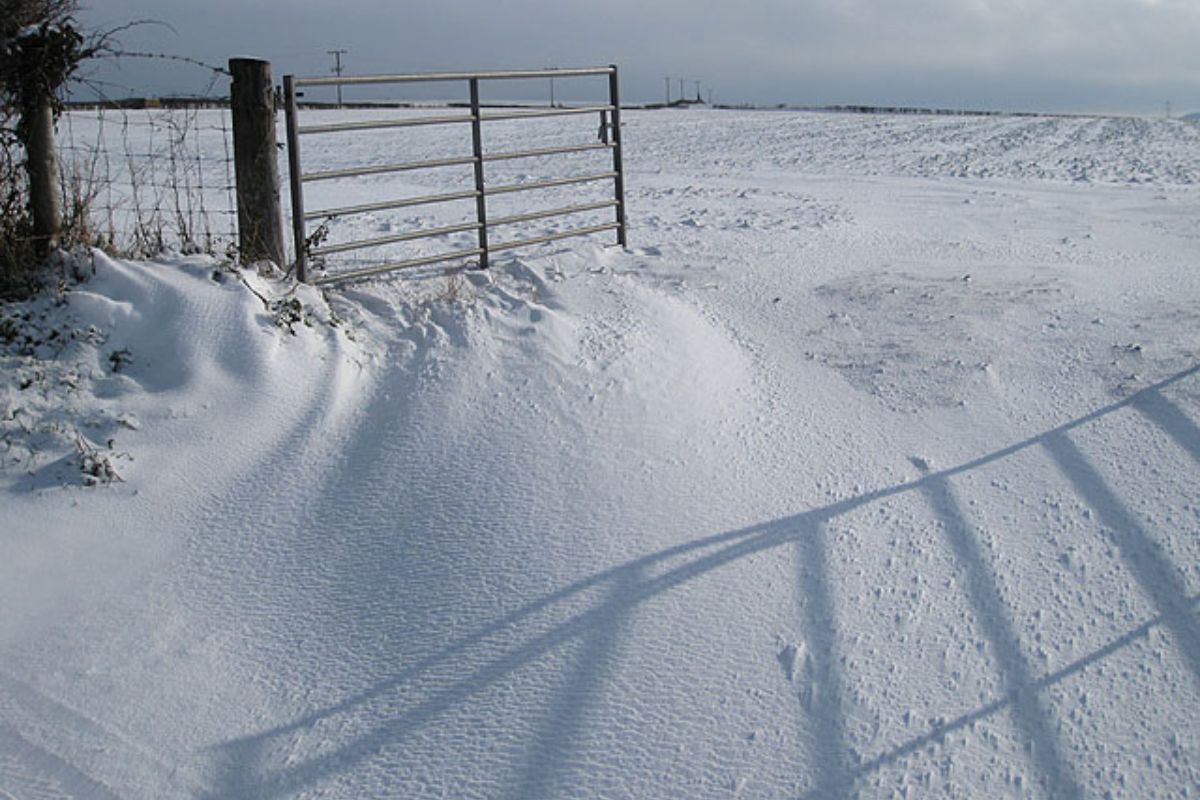
Wind pushes loose snow into uneven piles that can reach waist height or more, forming drifts that look harmless until someone steps into one and instantly sinks. Drifts hide fallen branches, rocks, and even pockets of thin ice, creating unexpected traps that twist ankles or cause sudden falls. The uneven height forces travelers to expend significant energy while breaking a path, and shifting winds can reshape drifts overnight, making trails disappear. Moving through them safely requires slow steps and awareness of what may lie underneath.
6. Sun Crusted South Slopes
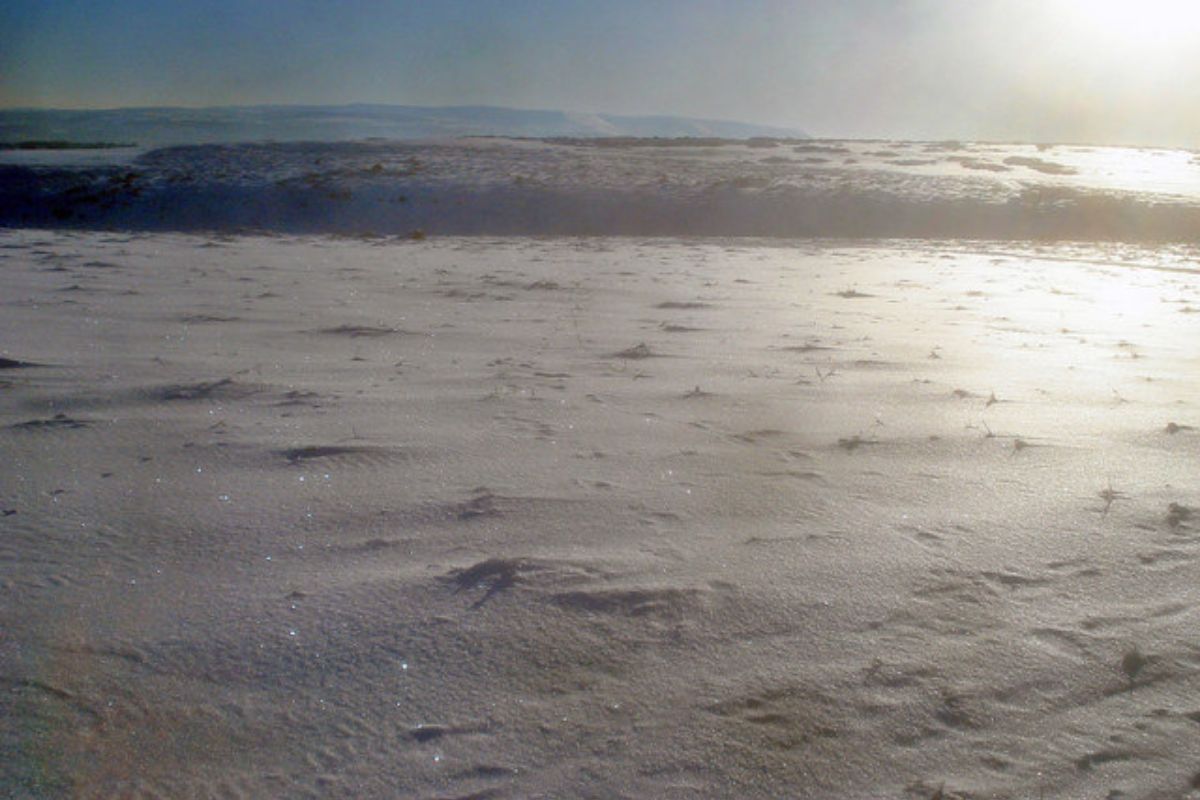
Slopes that receive long hours of sunshine undergo repeated daily melting and refreezing cycles, creating a brittle crust on top of softer layers. This crust breaks easily during warmer parts of the day, then hardens into a slick surface once temperatures drop. Travelers may step onto ground that feels solid before it suddenly shatters, sending them off balance. These slopes also conceal soft pockets created by solar heating, which can collapse under pressure. Conditions shift hourly, making timing essential.
7. Faceted Sugar Snow
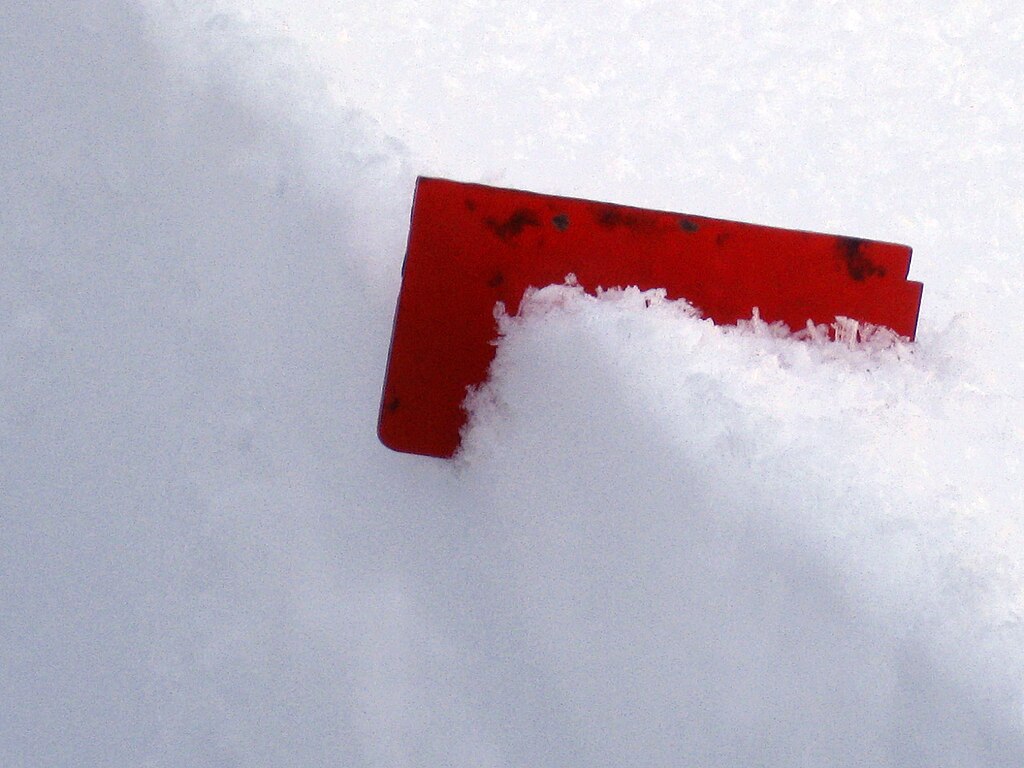
Faceted snow develops during long, cold nights when strong temperature gradients inside the snowpack transform bonded crystals into sharp, loose grains that resemble coarse sugar. This type of snow cannot hold weight and often collapses beneath a traveler’s feet, causing sudden drops that make movement tiring and unpredictable. The lack of cohesion also contributes to deep slab instability on slopes. Even flat ground can turn difficult as each step sinks unevenly into the sugary layer.
8. Ice Lenses Beneath Loose Snow
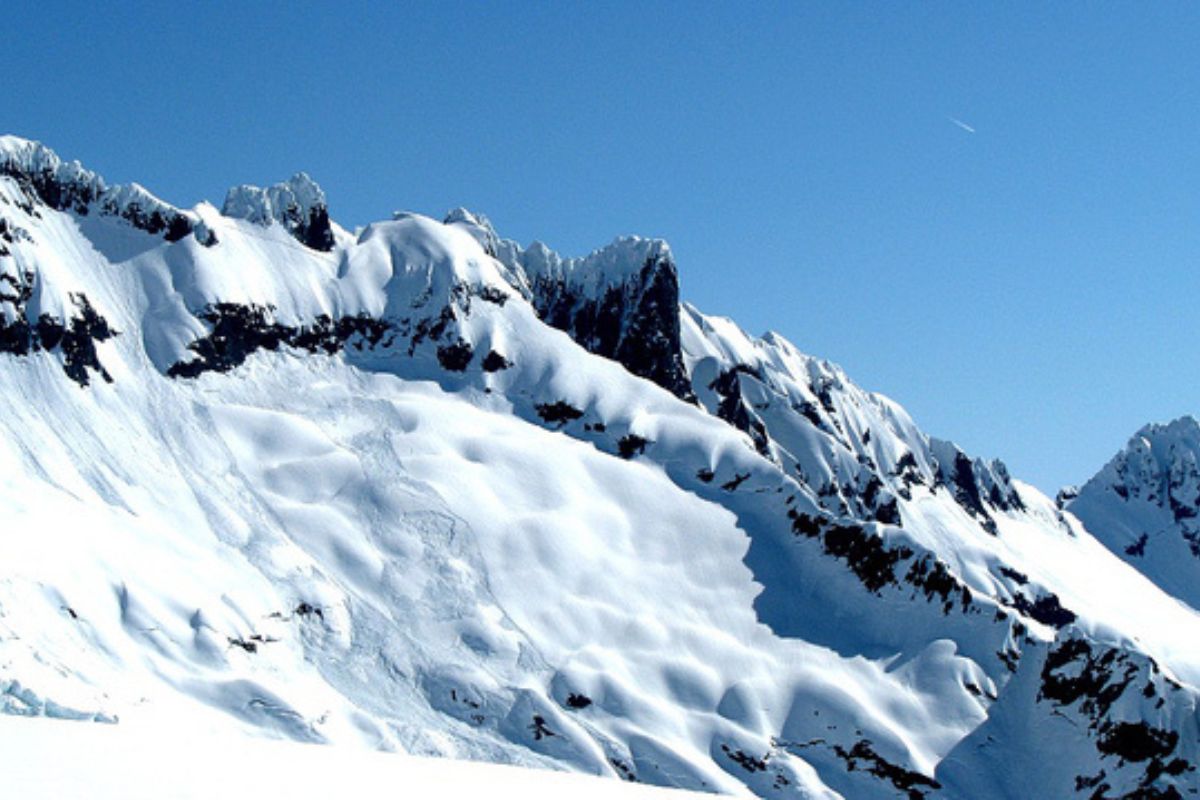
When a thin sheet of ice forms inside the snowpack, it creates a slippery plane that remains hidden until someone steps on it and feels the upper layer suddenly slide. These ice lenses often appear after light rain or warm snow that freezes into a smooth layer overnight. Footing becomes extremely unreliable, especially on inclines where the top snow shifts downslope without warning. Even careful steps can produce sideways slides or abrupt slips. Travelers must test surfaces frequently.
9. Cornices Along Ridges
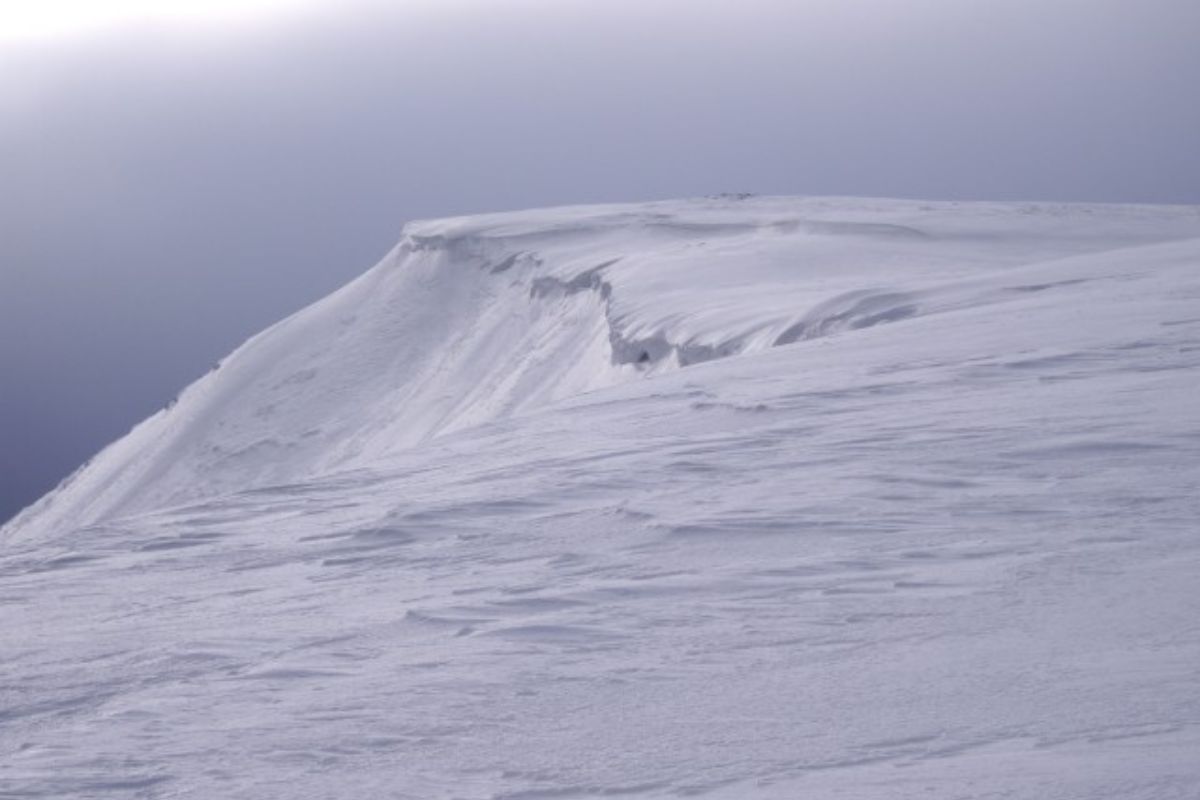
Cornices develop when strong winds carry snow over ridge edges, creating large overhanging shelves that look solid but extend beyond the true ground beneath. These features can fail instantly under a hiker’s weight, breaking away in massive chunks that tumble down steep terrain. A person standing on a cornice may not realize the void below them until it collapses. Even small collapses can drag someone downhill. Cornices must always be approached from a safe distance.
10. Snow Bridges Over Streams
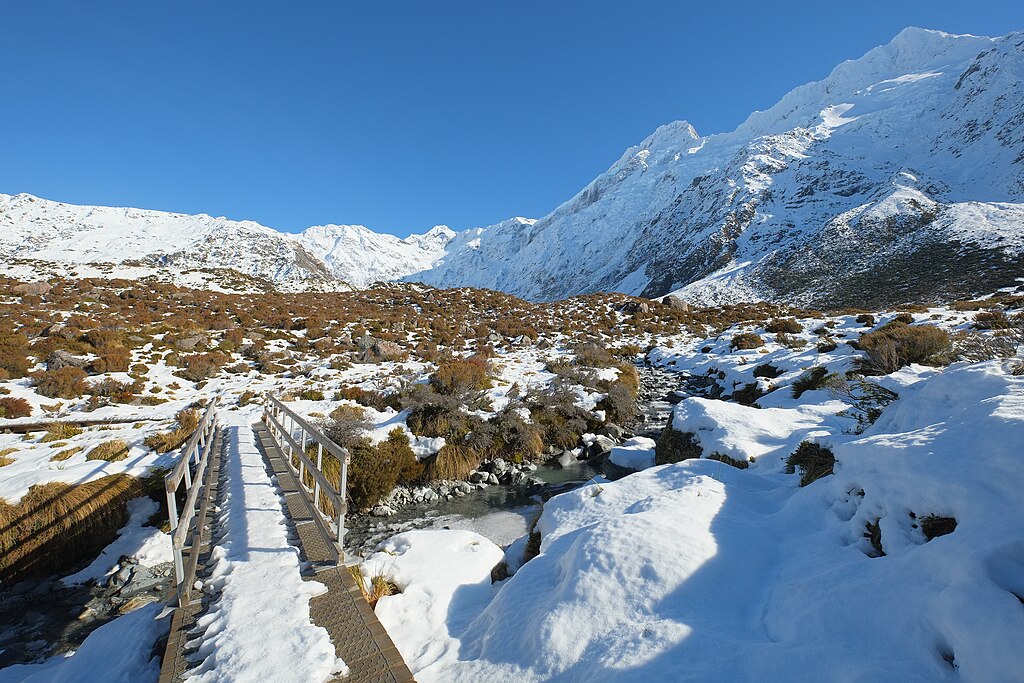
Snow bridges form when snowfall covers small streams, deep drainages, or gaps created by running water. They often look like firm, level ground, yet the snow beneath may be thin, hollow, and slowly melting from the warmth of flowing water. A single step can break through and send the traveler into icy water or onto rocks below. These collapses pose risks of hypothermia, bruising, and twisted limbs. Identifying subtle sagging or changes in surface color becomes essential.
11. Hardpack With Hidden Ice
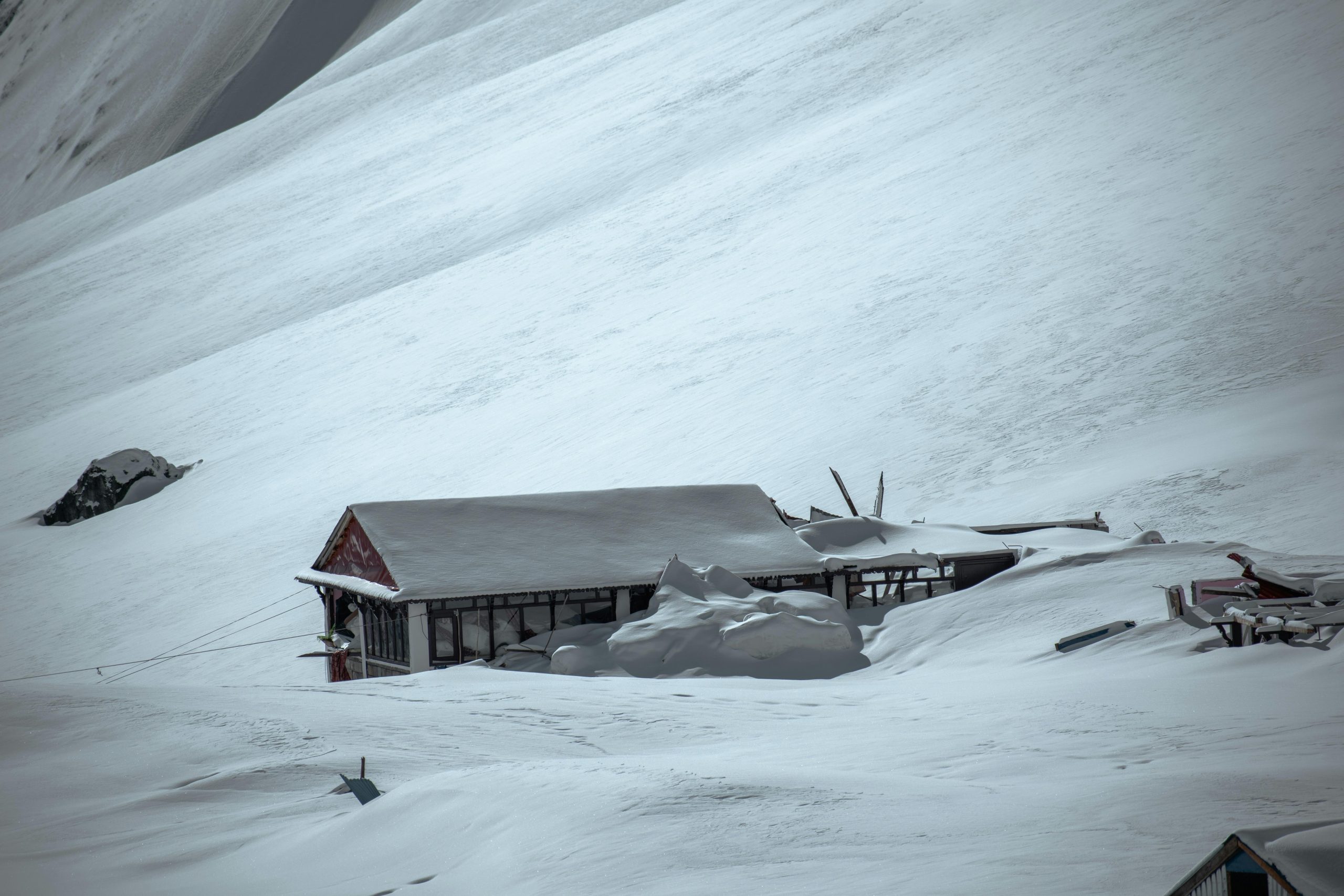
Hardpack snow forms when repeated compression from travelers, equipment, or refreezing cycles creates a firm surface that seems reliable, yet may hide thin layers of ice underneath. When boots or skis break through the hardpack unexpectedly, they can skid sideways on the slick layer below, creating sudden slips that are hard to recover from. This condition is common on busy trails and gently sloped roads used by snowmobiles. Stabilizing poles may help, but you still struggle for grip.
12. Afternoon Slush in Warm Weather
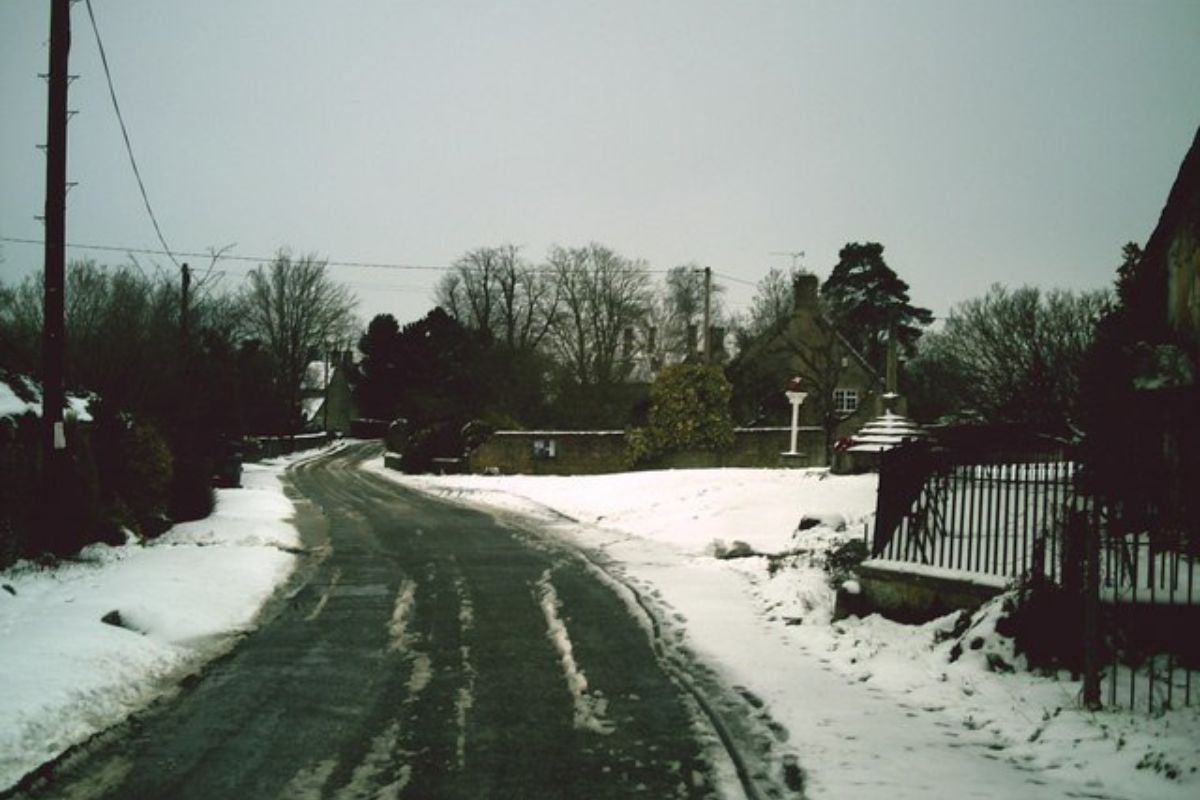
During warm afternoons, the top layer of snow softens into slush that swallows boots, snowshoes, and skis, draining energy with every step. Travelers may sink unpredictably, often up to their knees, which increases the risk of falls and joint strain. This waterlogged snow also soaks footwear quickly, and combined with wind, can lead to chilling. On slopes, slush becomes unstable and may slide in small wet releases that push travelers downhill. Early travel often avoids these problems.