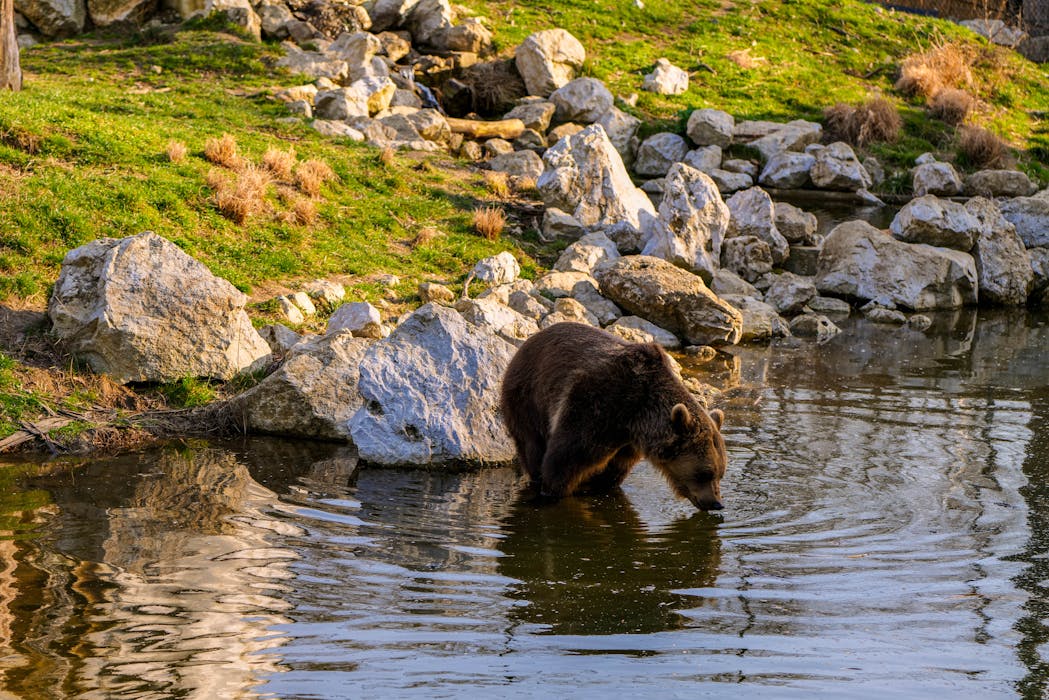
Montana’s vast landscapes support one of the largest grizzly bear populations in the lower forty eight states. While sightings remain relatively rare, certain regions offer higher chances due to habitat, food sources, and protected land. Grizzlies prefer remote areas but increasingly travel across valleys, forests, and mountain corridors. Understanding where encounters are most likely helps explain ongoing conservation efforts and coexistence challenges. These regions reflect ecological recovery, careful management, and the enduring wild character defining much of Montana today. Awareness encourages respect, preparedness, and appreciation for this powerful native species across the Rocky Mountain landscape.
Glacier National Park
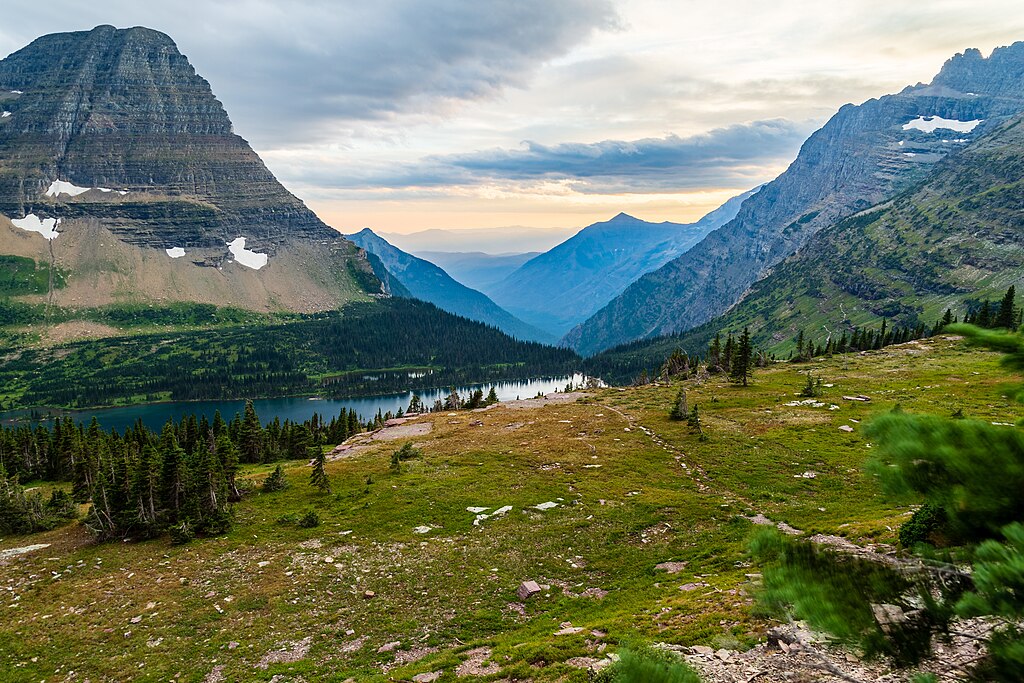
Glacier National Park remains Montana’s most well known stronghold for grizzly bears. Extensive alpine meadows, dense forests, and abundant food sources support a stable population. Bears frequently travel near hiking corridors, especially during berry and moth feeding seasons. Park officials document regular sightings, particularly in the Many Glacier and Logan Pass areas. Strict food storage rules help reduce conflicts. Visitors encounter grizzlies most often in spring and late summer. This park represents successful conservation alongside high human visitation, making awareness essential for safety and wildlife protection efforts throughout Montana’s busiest mountain destination each year consistently.
Greater Yellowstone Ecosystem
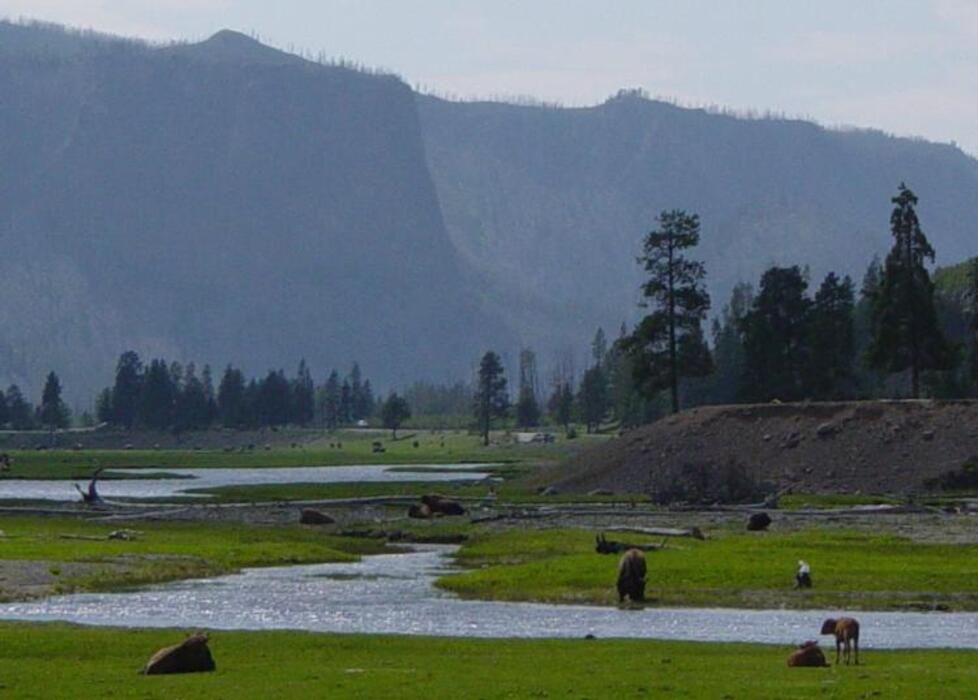
The Greater Yellowstone Ecosystem extends into southern Montana and supports a thriving grizzly population. This vast region includes forests, grasslands, and river valleys ideal for seasonal foraging. Bears roam widely beyond park boundaries, especially during spring emergence and fall feeding periods. Sightings occur near Yellowstone’s northern entrance and surrounding public lands. Wildlife agencies closely monitor movements using tracking data. Human development continues expanding, increasing overlap. This ecosystem demonstrates how large connected landscapes sustain apex predators. Grizzly presence here reflects decades of recovery work and ongoing cooperation between states, land managers, and conservation programs protecting habitat integrity.
Northern Continental Divide Ecosystem
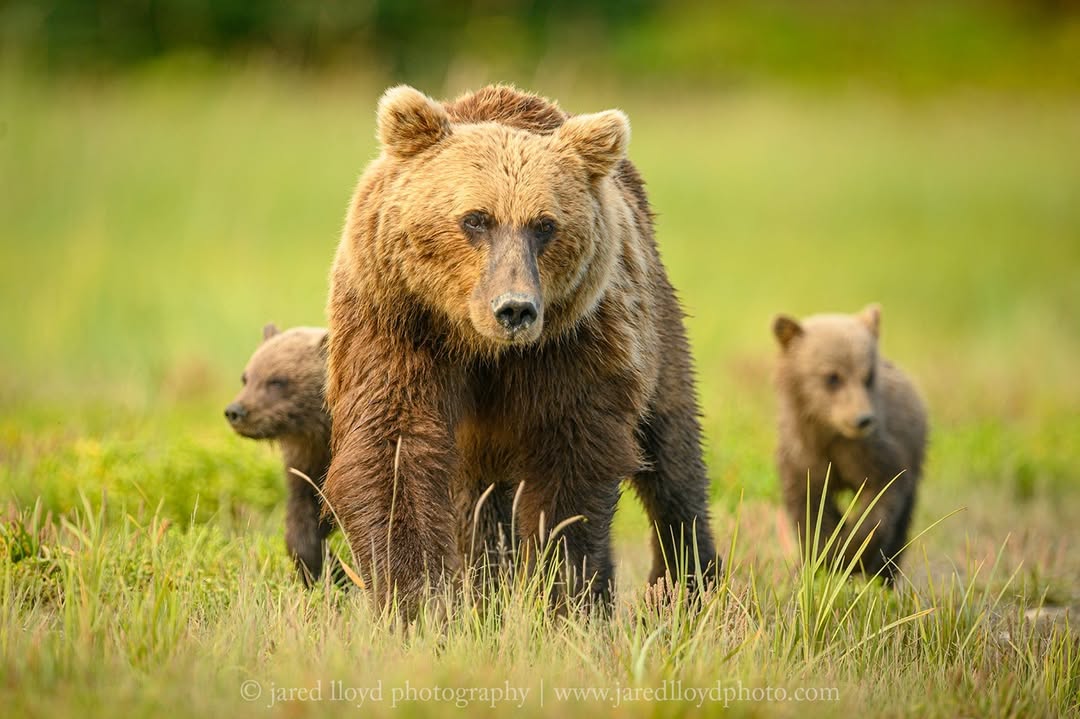
The Northern Continental Divide Ecosystem spans northwestern Montana and holds one of the largest grizzly populations. This region includes protected wilderness, national forests, and private land corridors. Bears move between feeding areas using river valleys and forested slopes. Sightings occur near communities like Choteau and Seeley Lake. Wildlife managers emphasize coexistence strategies due to increasing bear numbers. The ecosystem’s connectivity supports genetic diversity and long term survival. Grizzlies here rely on diverse food sources including roots, insects, and carrion. This region highlights successful recovery alongside growing human presence across rural Montana landscapes.
Bob Marshall Wilderness Complex
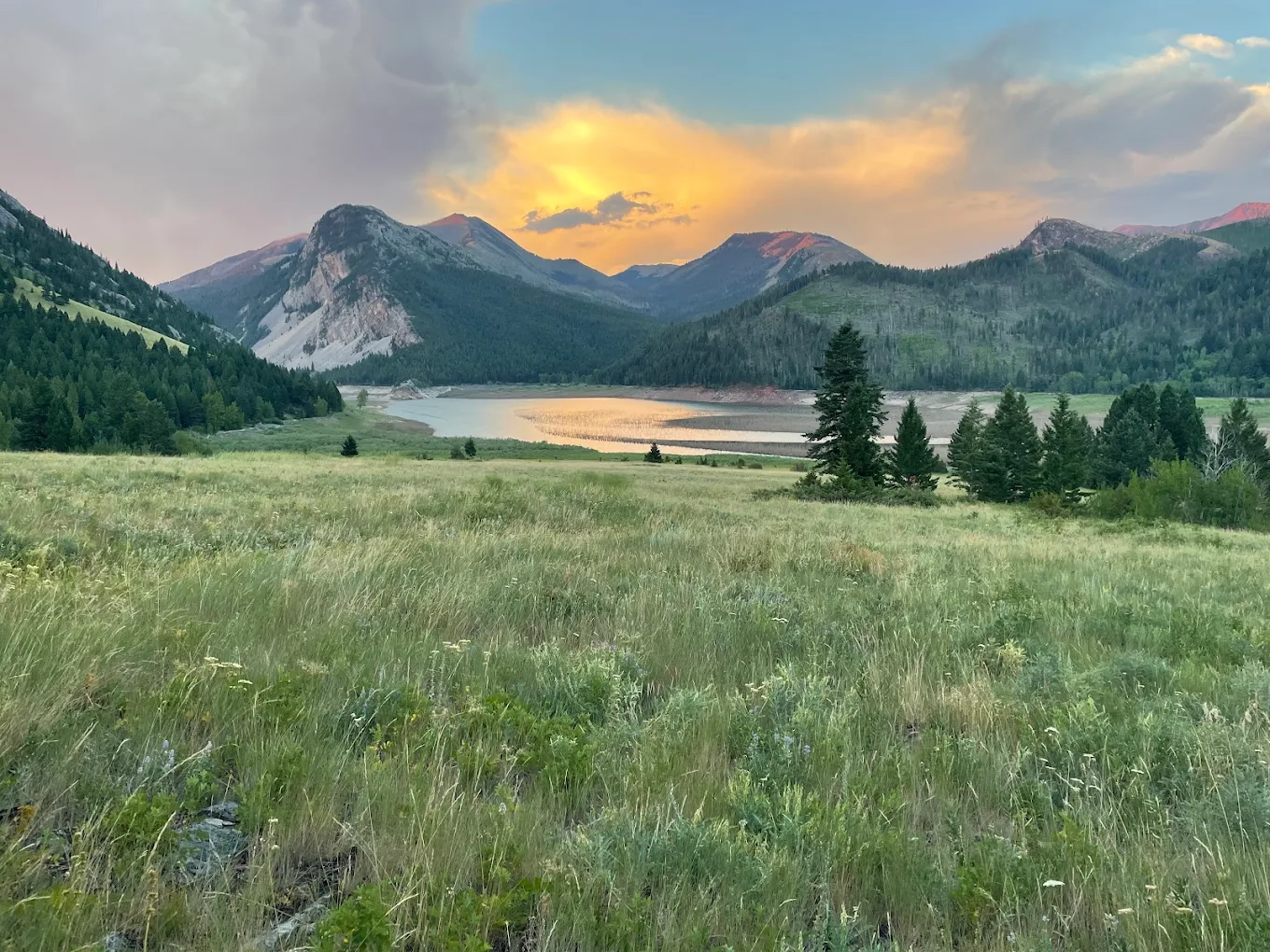
The Bob Marshall Wilderness Complex offers prime grizzly habitat within central Montana. Vast roadless terrain provides isolation, dense cover, and minimal human disturbance. Bears thrive here due to abundant natural food and limited development. Sightings primarily involve backcountry travelers, hunters, and researchers. The wilderness connects critical ecosystems, allowing seasonal movement. Grizzlies use river bottoms and mountain slopes extensively. This area remains one of the most reliable regions for observing natural bear behavior. The Bob Marshall exemplifies intact wilderness supporting apex predators while remaining largely untouched by modern infrastructure or heavy recreational pressure today.
Flathead National Forest
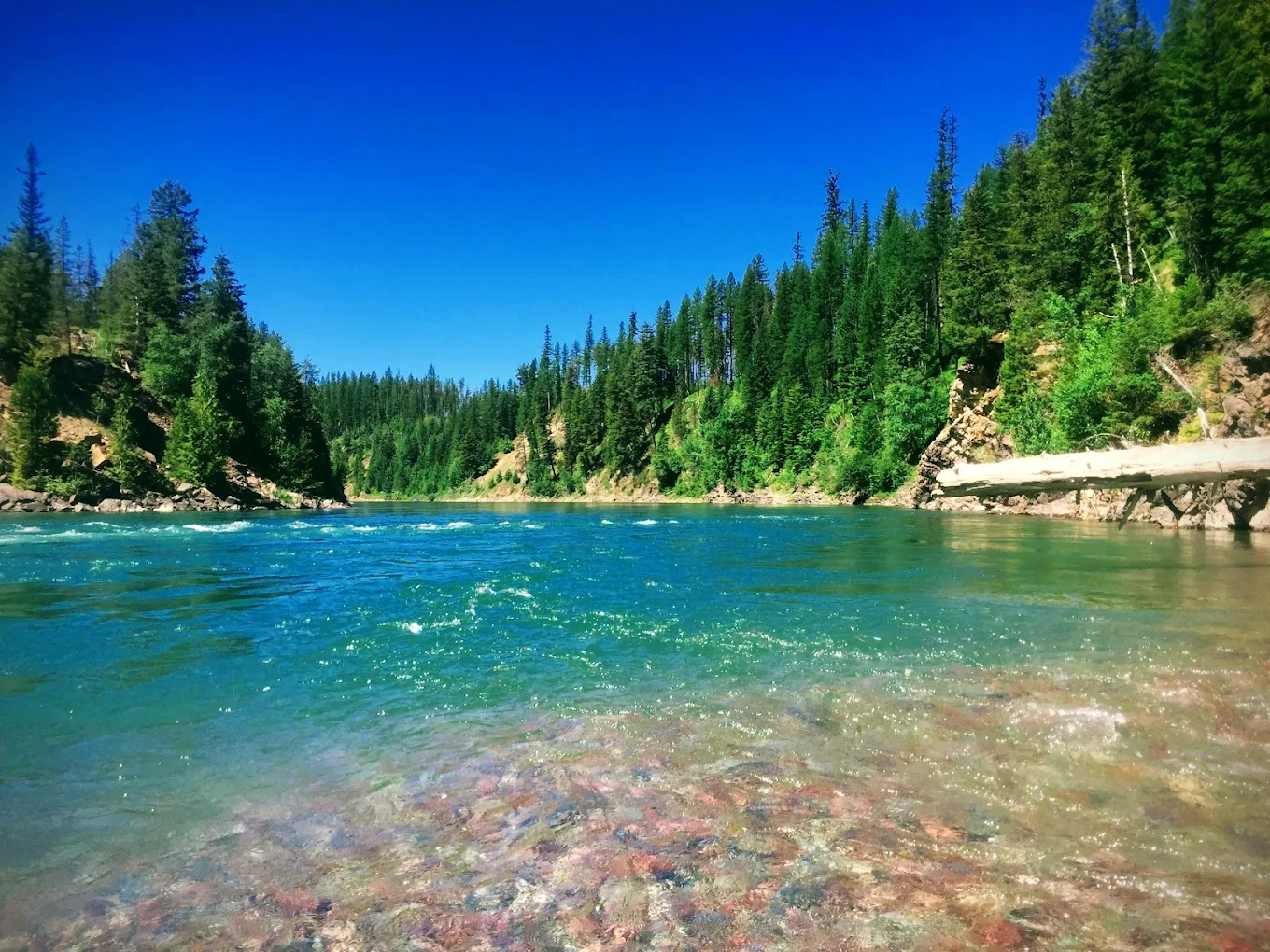
Flathead National Forest surrounds Glacier National Park and supports frequent grizzly activity. Bears move freely between protected park lands and surrounding forested areas. This region offers mixed terrain including valleys, lakes, and dense timber. Sightings increase during late summer when bears forage widely. Human activity such as camping and logging increases interaction potential. Wildlife agencies stress proper food storage and awareness. The forest plays a vital role as a buffer and travel corridor. Grizzlies here demonstrate adaptability while relying on large landscapes that balance resource use, conservation priorities, and recreational access responsibly across northwestern Montana.
Cabinet-Yaak Ecosystem
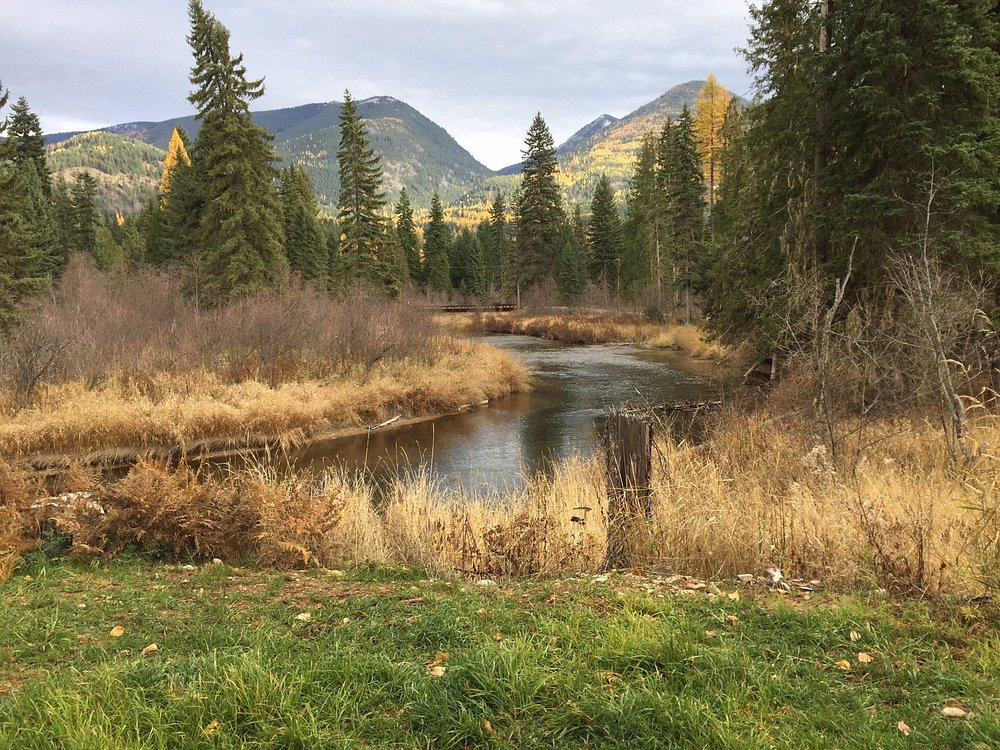
The Cabinet-Yaak Ecosystem in northwestern Montana supports a smaller but significant grizzly population. Steep mountains, dense forests, and limited access characterize the region. Bears here face challenges from isolation and development pressures. Conservation efforts focus on habitat connectivity and reducing human conflicts. Sightings occur primarily in remote backcountry areas. This ecosystem remains critical for genetic diversity. Grizzlies rely on berries, ungulates, and seasonal foods. The Cabinet-Yaak highlights the complexity of recovery in fragmented landscapes. Continued monitoring and cooperation remain essential to maintaining this fragile yet important grizzly stronghold.
Absaroka-Beartooth Wilderness
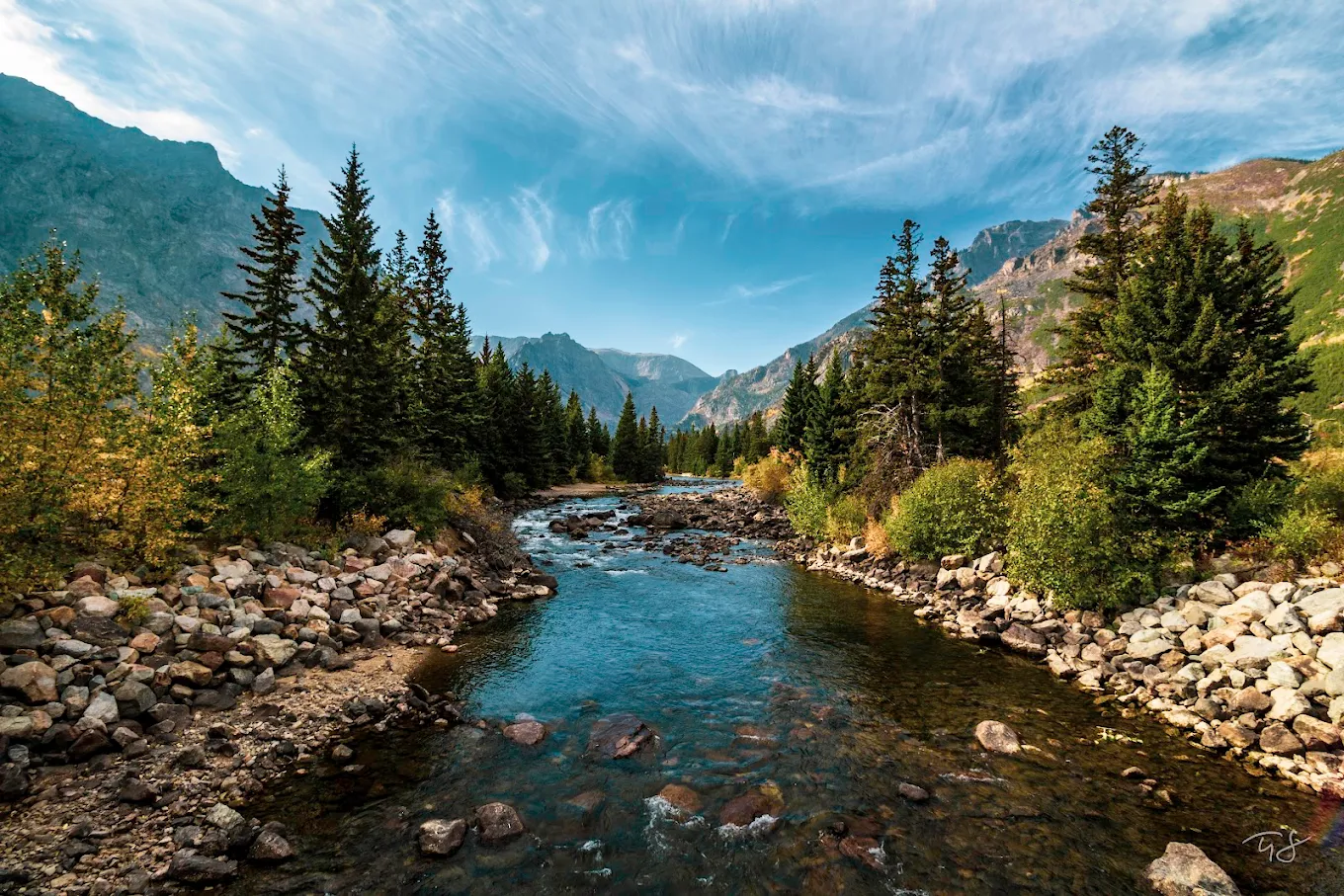
The Absaroka-Beartooth Wilderness stretches across southern Montana with rugged terrain and high elevations. Grizzlies inhabit remote valleys and alpine areas within this expansive region. Harsh weather and limited access reduce human encounters. Bears forage on roots, insects, and carcasses during short growing seasons. Sightings typically involve experienced backcountry travelers. The wilderness connects with Yellowstone ecosystems, supporting seasonal movement. This region underscores the importance of high elevation habitats for grizzly survival. Its scale and remoteness provide critical refuge, allowing bears to maintain natural behaviors largely undisturbed by frequent human activity or infrastructure development.
Gallatin Range
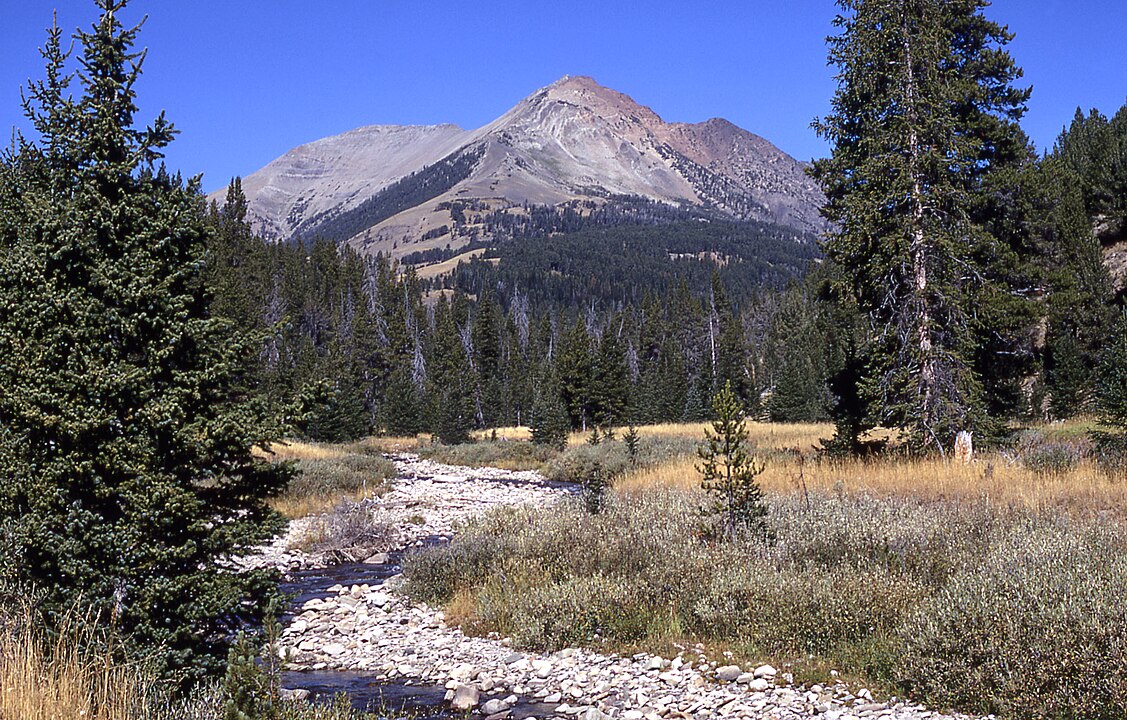
The Gallatin Range lies north of Yellowstone National Park and supports increasing grizzly presence. Forested slopes and river corridors offer seasonal food and travel routes. Bears often move through this area during spring and fall. Proximity to growing communities raises awareness concerns. Wildlife managers emphasize education and conflict prevention. Sightings occur near trail systems and backcountry zones. The Gallatin Range reflects expanding bear territory beyond traditional cores. Its location highlights challenges of coexistence as recreation and residential development intersect with recovering grizzly populations in southwestern Montana landscapes experiencing continued growth and outdoor use pressure.
Rocky Mountain Front
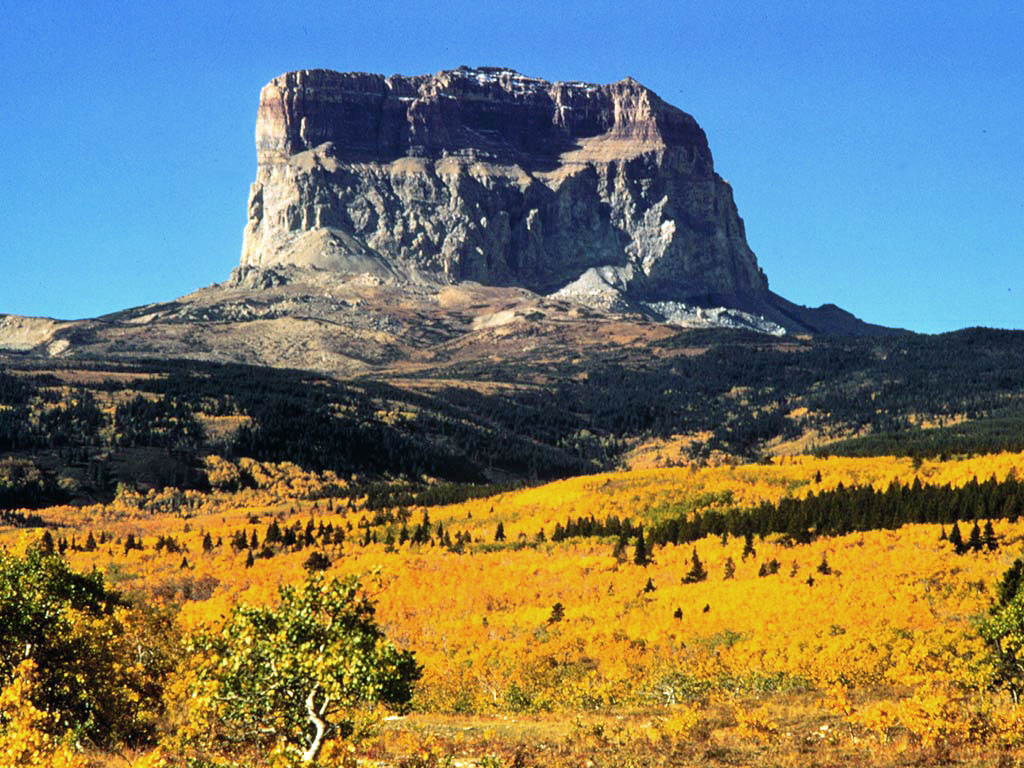
The Rocky Mountain Front forms a dramatic transition between plains and mountains in north central Montana. This region provides critical habitat with diverse food sources. Grizzlies frequently travel along the Front following seasonal availability. Sightings occur near public lands and ranching areas. Conservation partnerships focus on coexistence strategies with local communities. The Front supports movement between major ecosystems. Grizzly presence here demonstrates adaptability across varied landscapes. This area plays a key role in maintaining population connectivity while illustrating ongoing challenges of balancing wildlife conservation with agriculture, energy development, and rural livelihoods along Montana’s eastern mountain edge.
Swan Valley
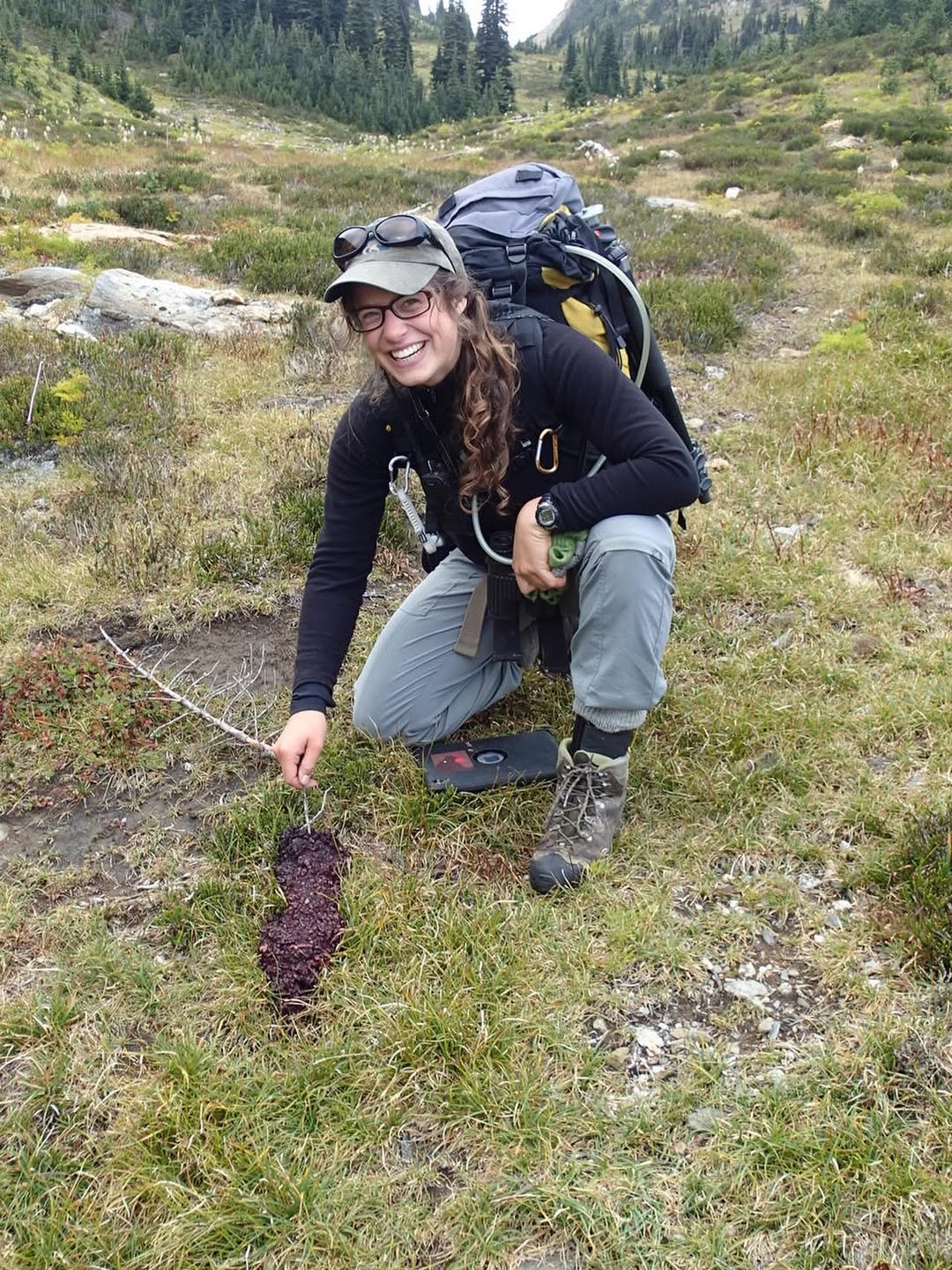
Swan Valley lies between the Mission and Swan ranges and supports regular grizzly activity. Forests, wetlands, and rivers provide excellent foraging opportunities. Bears move through the valley seasonally, especially during late summer. Human settlement increases encounter potential. Wildlife agencies promote attractant management and public education. The valley serves as an important corridor connecting larger ecosystems. Grizzly use here reflects expanding distribution. Swan Valley highlights how bears navigate mixed landscapes combining private land and public forest. Continued cooperation remains vital to maintaining safety while allowing grizzlies to access essential habitat in western Montana.
Mission Mountains Wilderness
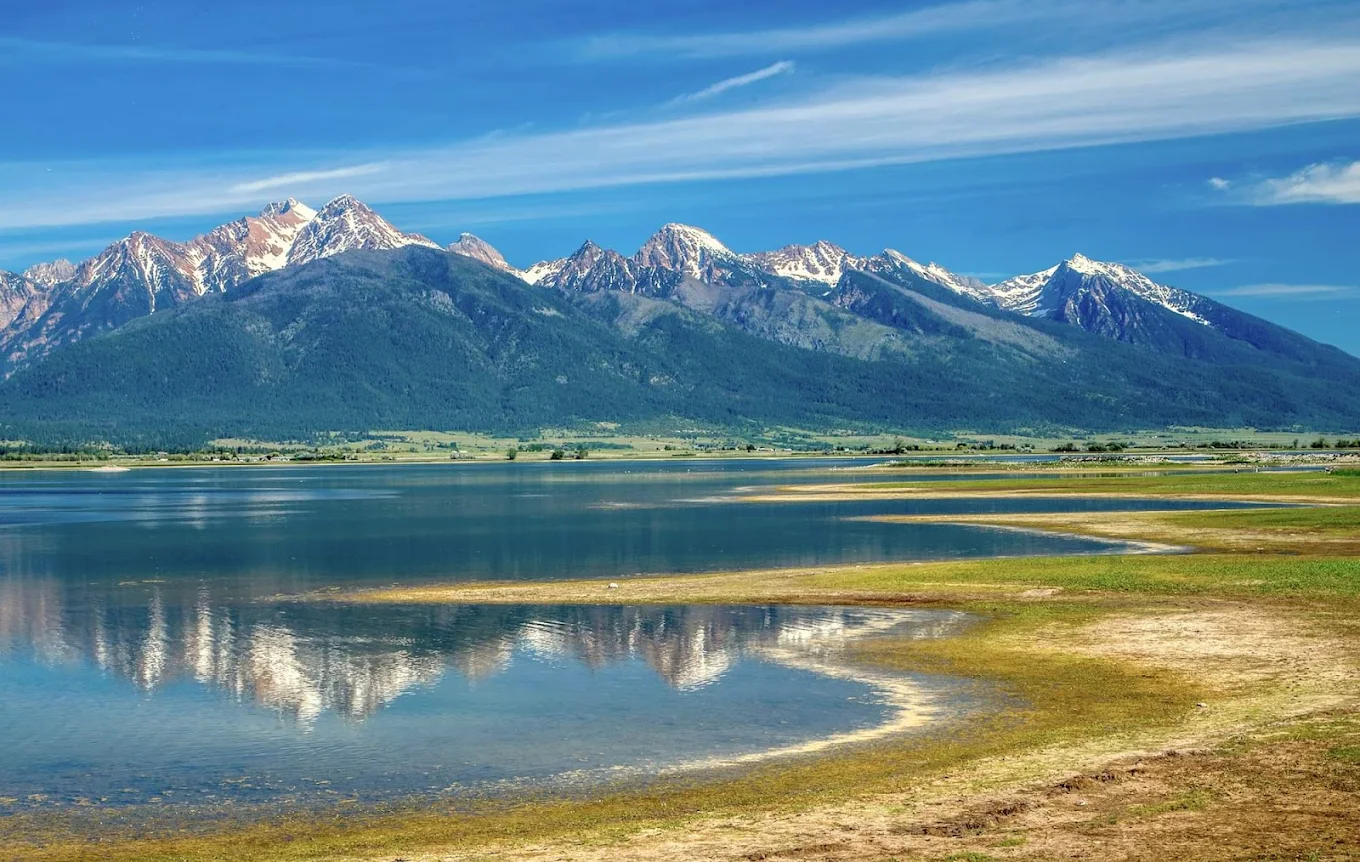
The Mission Mountains Wilderness offers steep terrain and dense forests favorable for grizzlies. Bears inhabit remote drainages and high elevation basins. Limited access reduces encounters, though sightings occur along wilderness boundaries. This area connects to surrounding forest lands, supporting movement. Grizzlies forage on berries, insects, and carrion. Tribal lands nearby play an important conservation role. The wilderness provides secure habitat away from development. Its protection helps sustain regional bear populations. The Mission Mountains demonstrate the importance of preserved landscapes in supporting wide ranging species requiring large territories and minimal disturbance for long term survival.
Blackfeet Reservation
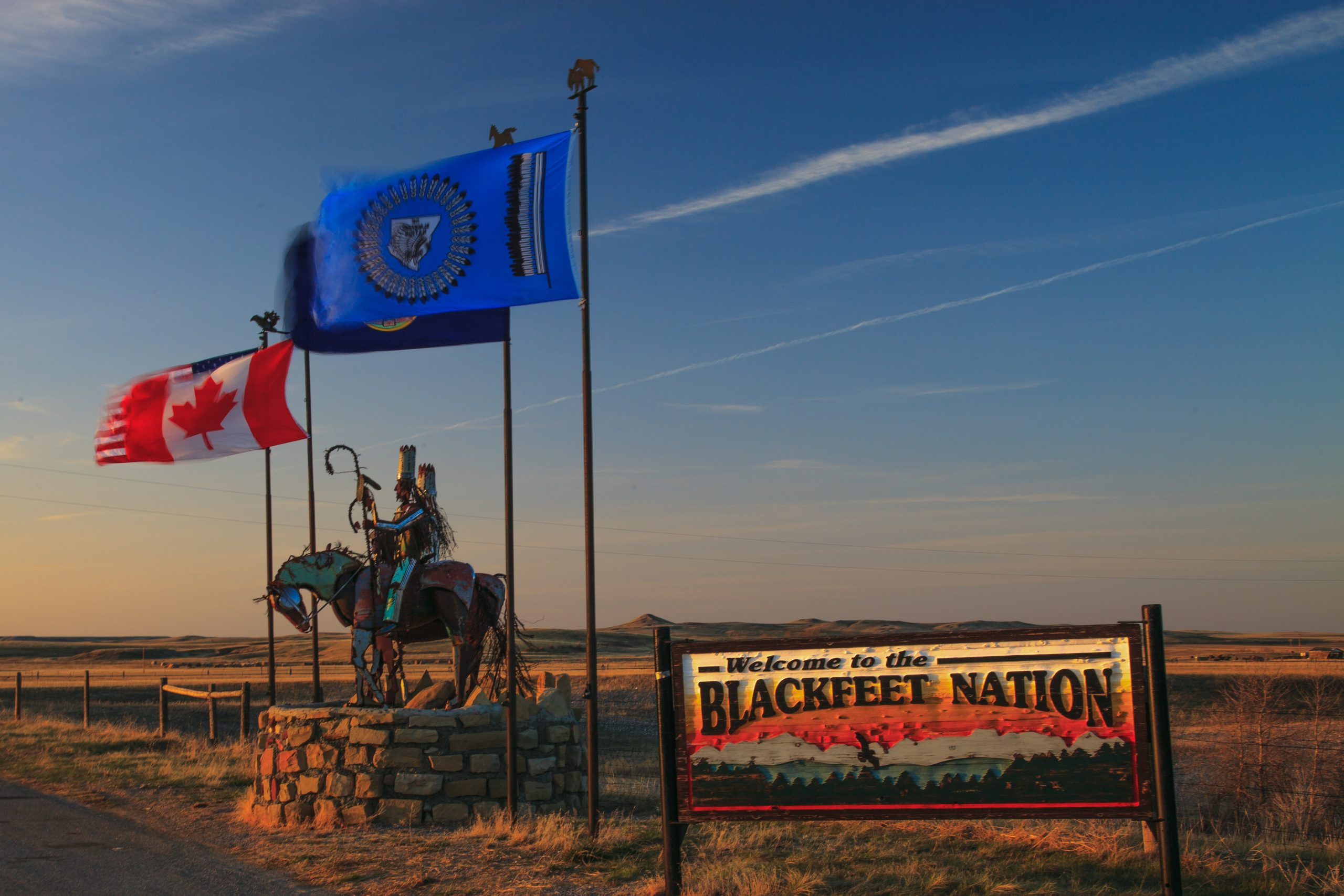
The Blackfeet Reservation borders Glacier National Park and supports active grizzly movement. Bears travel across reservation lands following food sources and seasonal patterns. Tribal wildlife management emphasizes coexistence and cultural respect. Sightings occur near rivers, foothills, and forest edges. The reservation provides important connectivity between ecosystems. Community education and monitoring programs help reduce conflict. Grizzly presence here reflects successful collaboration between tribal authorities and conservation agencies. This region highlights Indigenous stewardship’s role in wildlife conservation. The Blackfeet Reservation remains a significant landscape where cultural heritage and grizzly recovery intersect across northern Montana.