outpaces institutions’ ability toMilitary history is filled with weapons that failed not because they were ineffective, but because they arrived before doctrine, logistics, or mindset could support them. These designs often introduced revolutionary ideas that challenged how soldiers fought, how armies supplied equipment, or how commanders understood combat. In their own era, such weapons were dismissed as impractical, overly complex, or unnecessary. Yet many of their core concepts quietly resurfaced decades later once technology and battlefield needs caught up. Studying these forgotten weapons reveals an uncomfortable truth: innovation often moves faster than institutions can adapt. What seems excessive or risky in one generation can become standard practice in the next, proving that timing matters as much as ingenuity.
1. The Pedersen Device
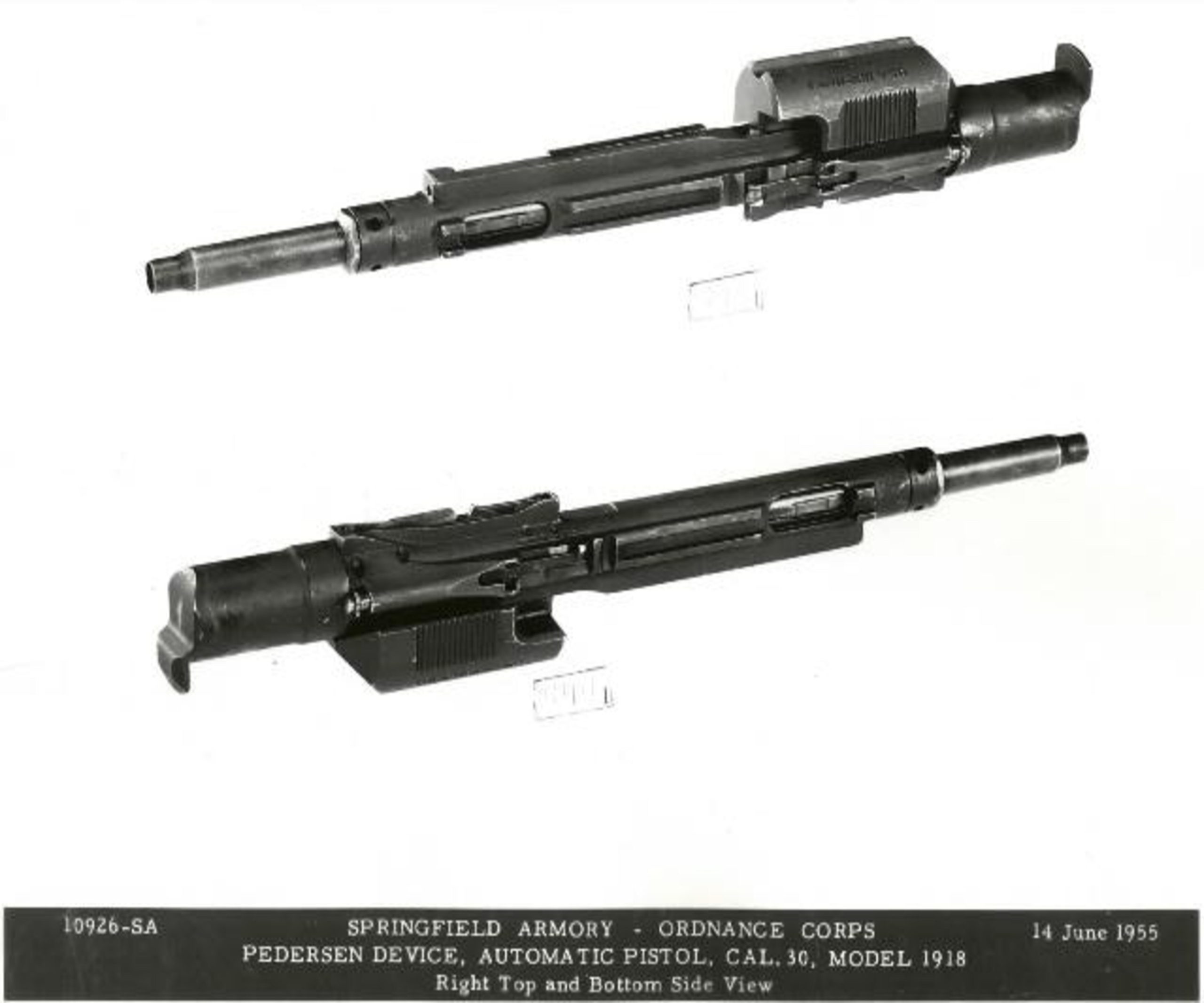
Developed during World War I, the Pedersen Device was designed to transform a standard infantry rifle into a semi-automatic weapon capable of rapid fire. It replaced the rifle’s bolt with a specialized mechanism that fired a smaller cartridge from a detachable magazine. This allowed soldiers to dramatically increase firepower during trench assaults without changing weapons. Extensive testing showed it worked reliably, and hundreds of thousands were produced in secret. However, the war ended before deployment. Concerns over ammunition logistics and battlefield confusion led to the devices being destroyed. Despite its short life, the concept of modular weapon conversion would later become a defining feature of modern firearm design.
2. The Fedorov Avtomat
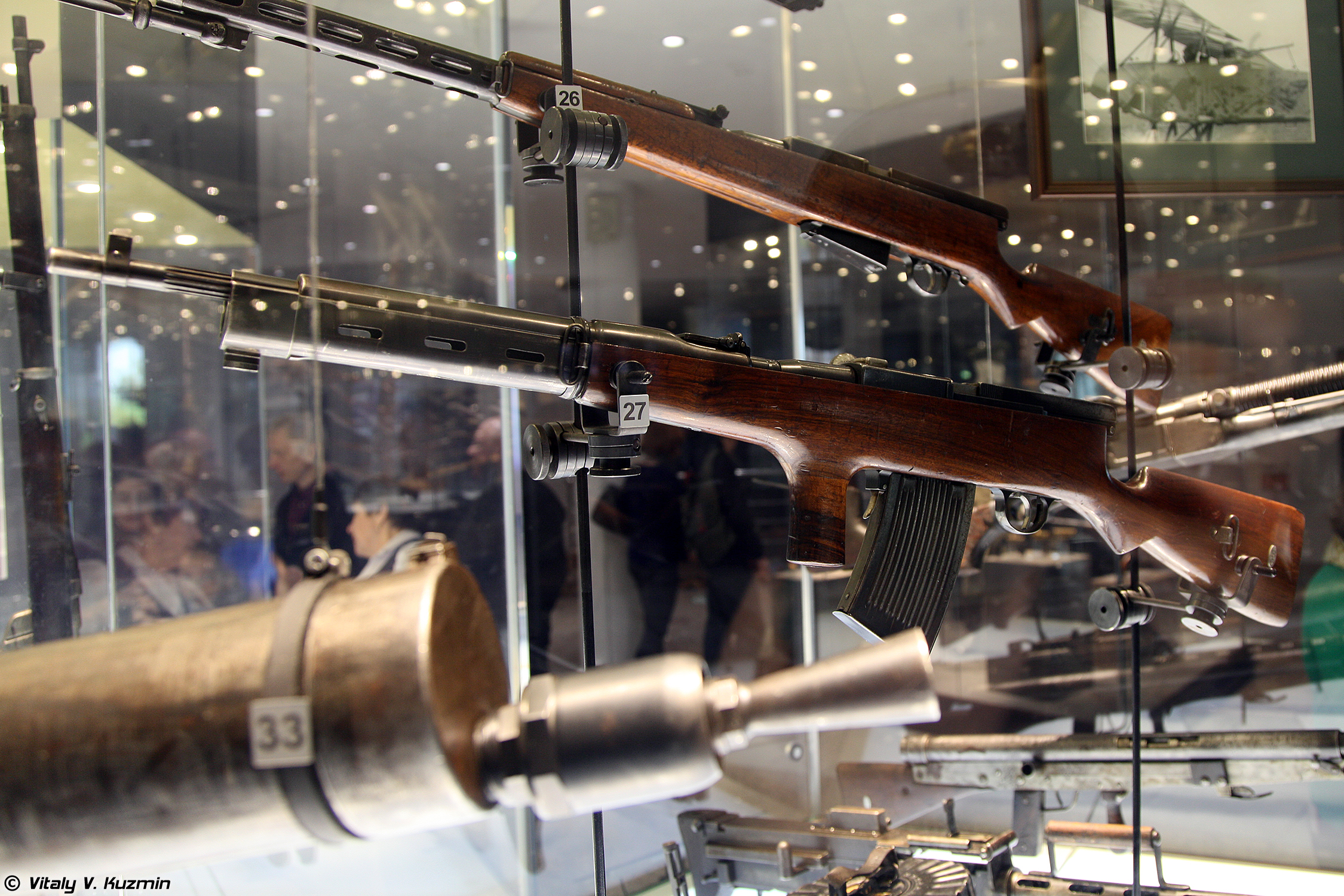
The Fedorov Avtomat appeared decades before the world understood what an assault rifle should be. It fired an intermediate cartridge and offered controllable automatic fire, bridging the gap between rifles and machine guns. Deployed in limited numbers by Russian forces, it demonstrated remarkable practicality. Unfortunately, supply issues and conservative military thinking limited its acceptance. At a time when bolt-action rifles were considered sufficient, the weapon seemed unnecessary. Only much later would militaries recognize the value of combining moderate recoil, select-fire capability, and compact handling, exactly what the Fedorov had already achieved.
3. The Huot Automatic Rifle
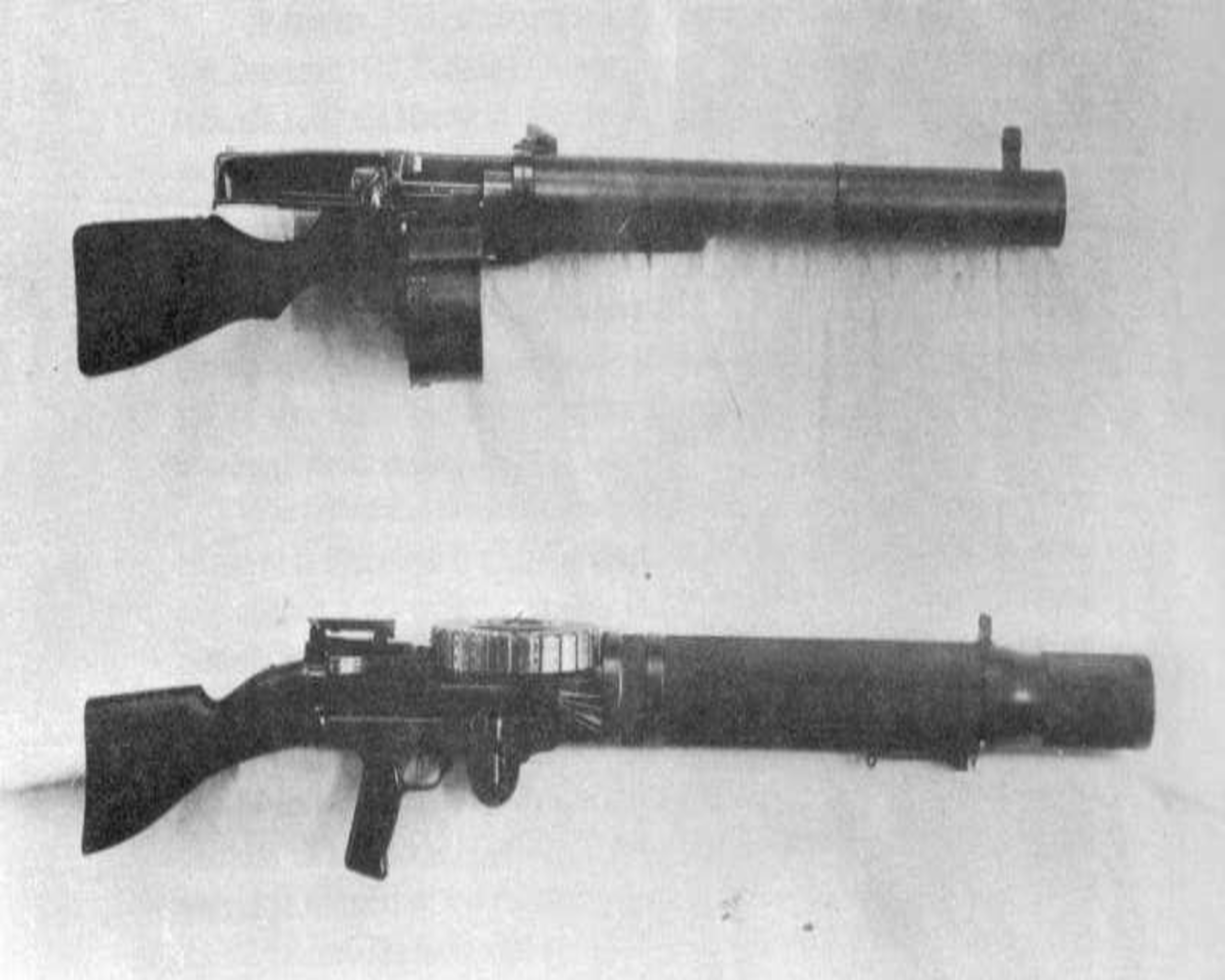
The Huot Automatic Rifle was a Canadian innovation designed to convert existing bolt-action rifles into light automatic weapons. It offered sustained fire using a drum magazine while retaining familiar handling characteristics. This approach promised lower costs and faster production compared to purpose-built machine guns. Trials showed strong performance and reliability, but the end of World War I eliminated urgency. Military planners reverted to traditional designs rather than embracing conversion concepts. The Huot demonstrated how adaptable infantry weapons could enhance firepower efficiently, an idea that would later reappear in modern squad-level automatic firearms.
4. The Dardick Tround System
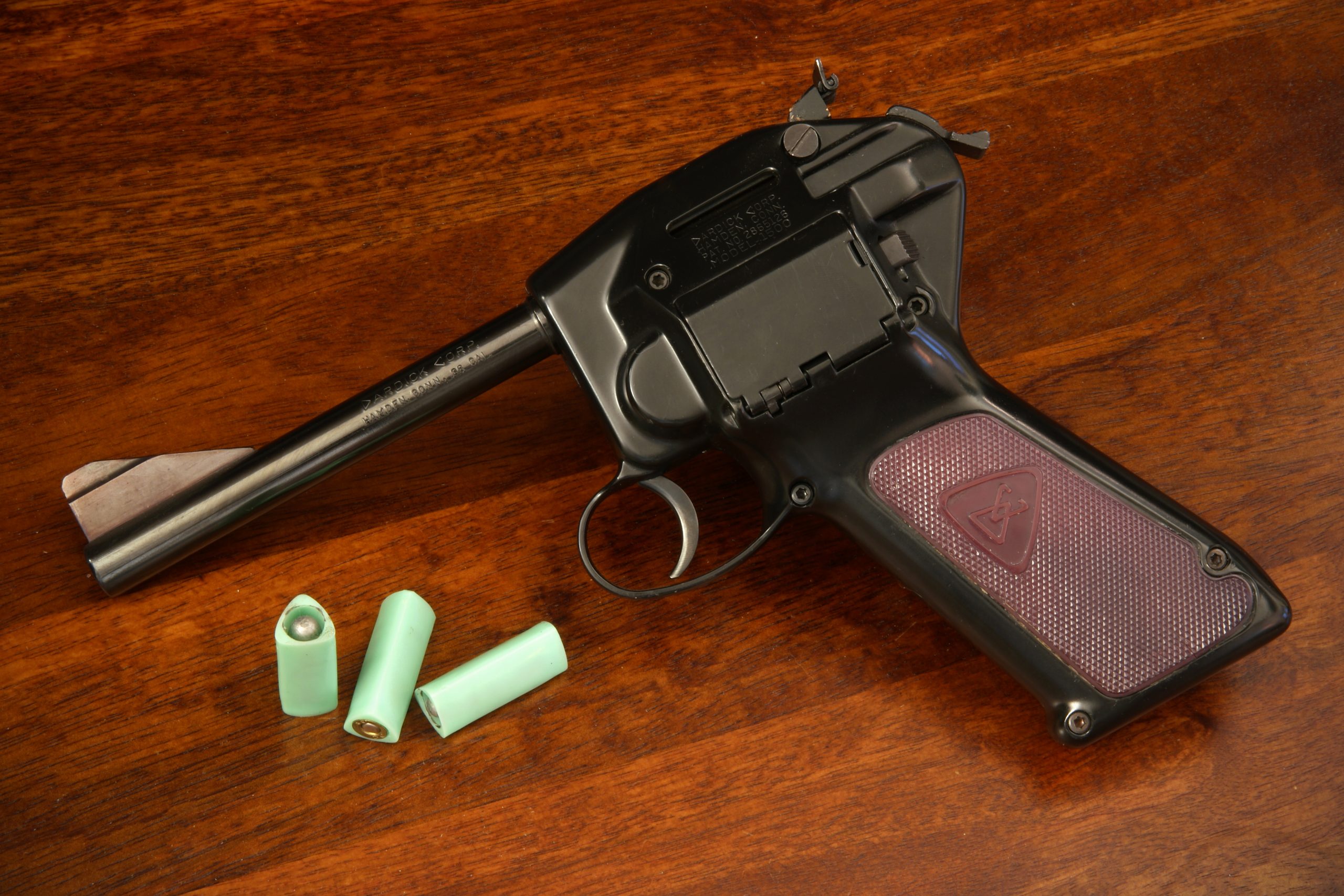
The Dardick weapon system introduced a triangular cartridge known as the “tround,” allowing for open-chamber firing and simplified feeding. This unconventional design enabled high rates of fire and mechanical simplicity. While technically impressive, it required an entirely new ammunition ecosystem. Military forces rejected it due to logistical complexity rather than performance concerns. At the time, standardized brass cartridges dominated thinking. Today, renewed interest in caseless and polymer ammunition mirrors many of the same goals the Dardick system pursued, proving the idea itself was simply decades too early.
5. The Gyrojet Pistol
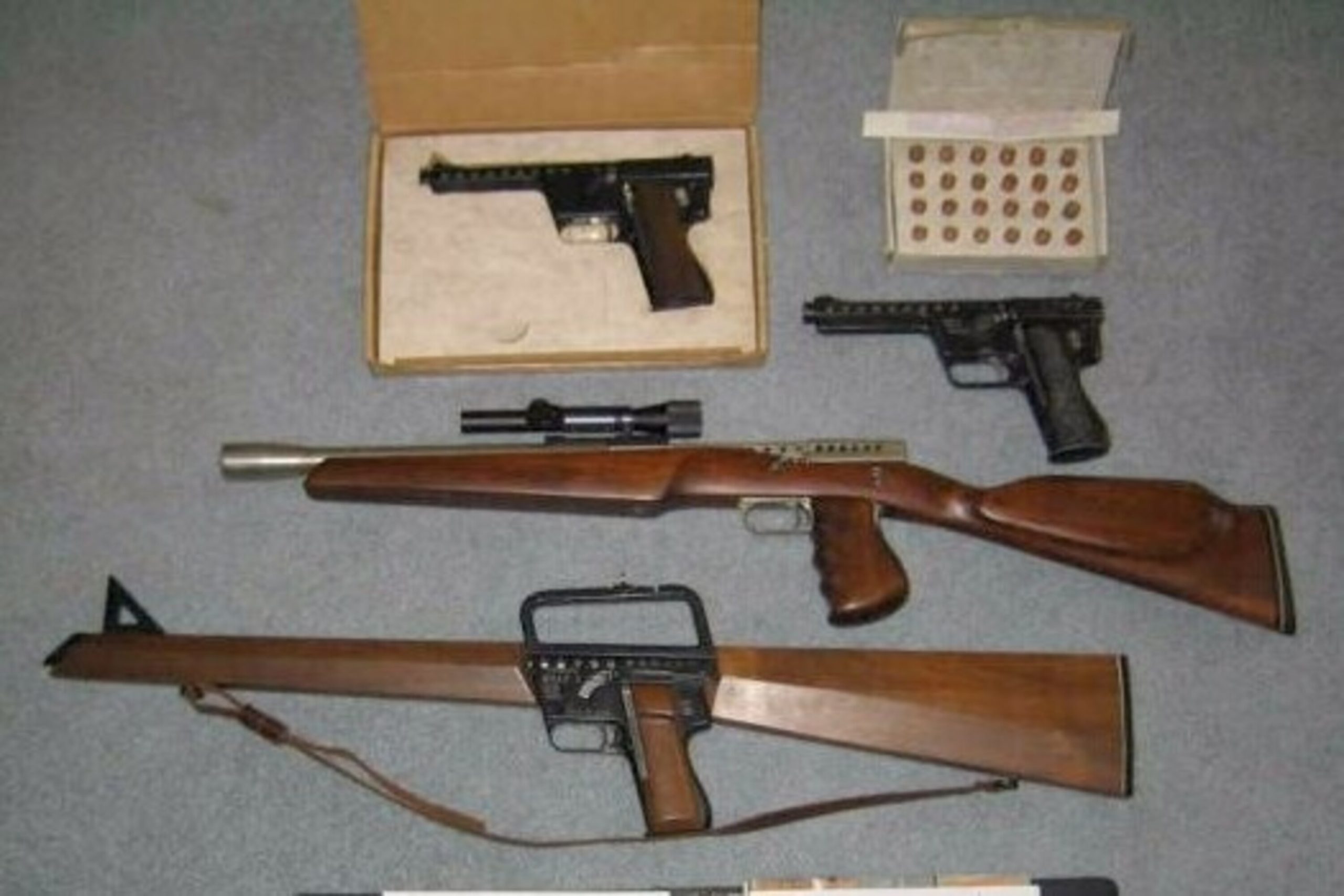
The Gyrojet pistol used rocket-propelled ammunition that accelerated after leaving the barrel, drastically reducing recoil and noise. At longer distances, the rounds could achieve impressive penetration. However, early accuracy and manufacturing inconsistencies limited its effectiveness at close range. Costs were high, and the technology demanded precision production methods not yet refined. While it failed commercially, the concept of self-propelled projectiles influenced later developments in guided munitions and experimental infantry weapons. The Gyrojet’s failure was more about industrial readiness than flawed engineering.
6. The Villar Perosa
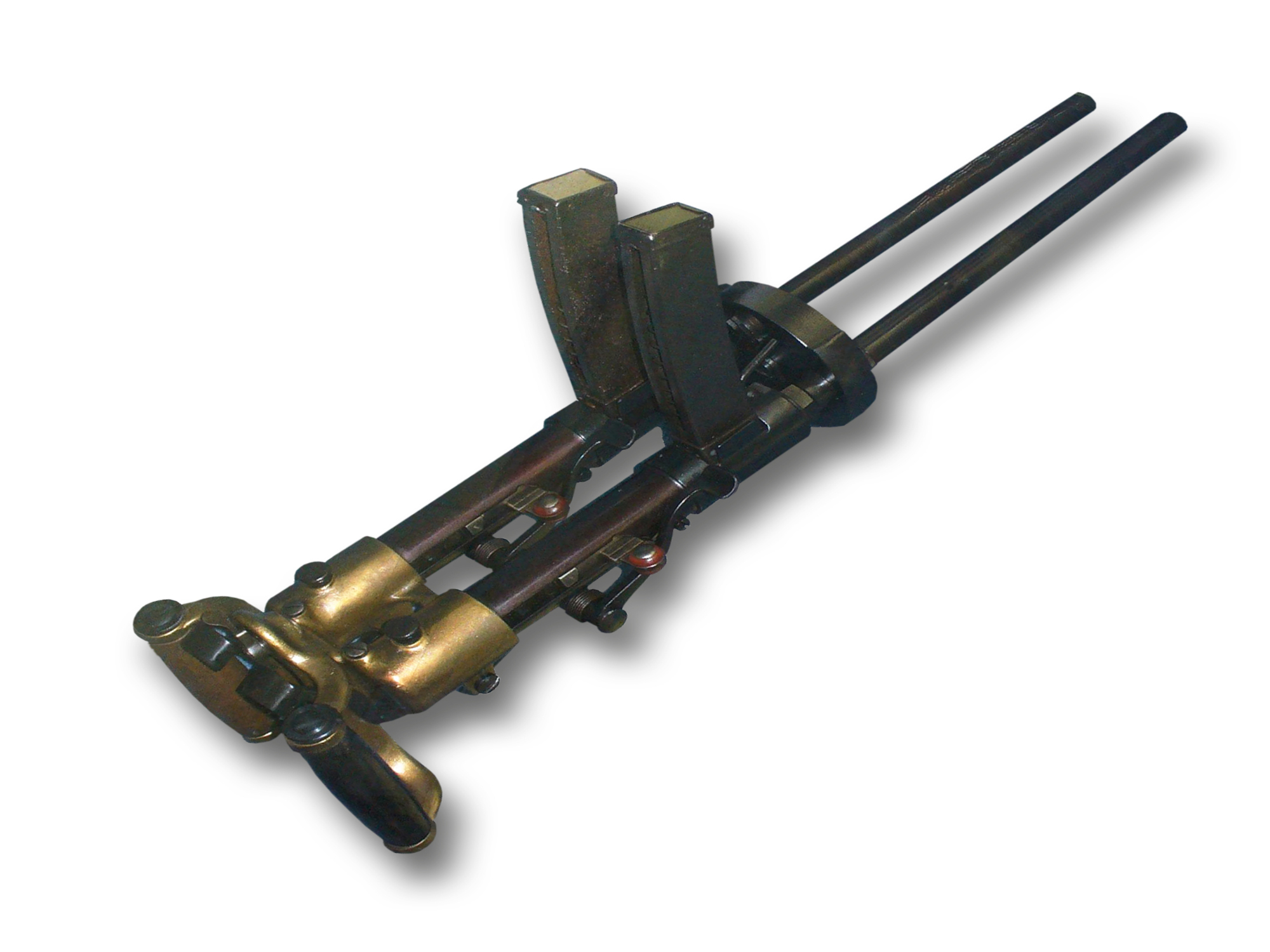
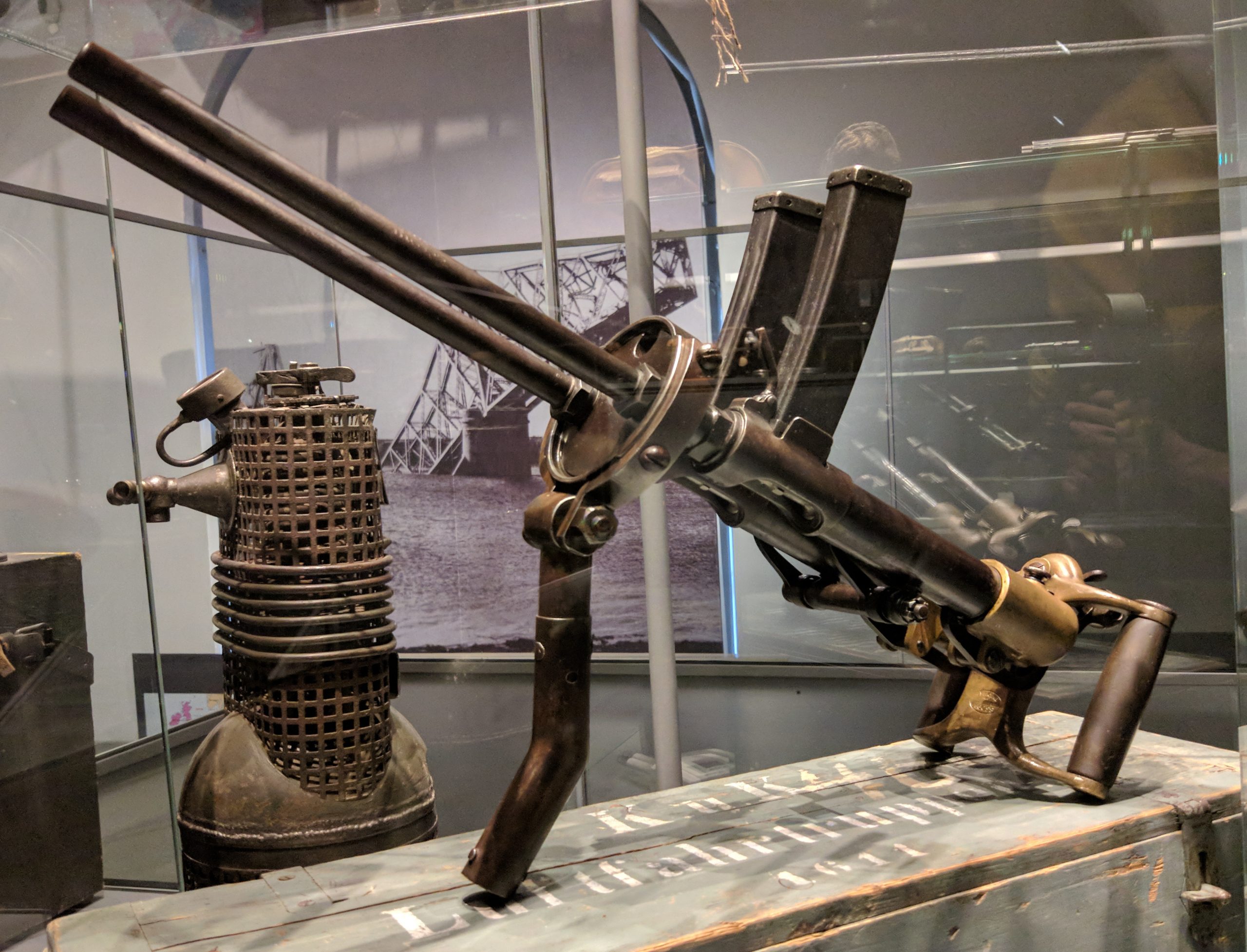
Originally designed as an aircraft defense weapon, the Villar Perosa featured twin barrels and an exceptionally high rate of fire. Its compact form later made it adaptable for ground combat, effectively predicting the submachine gun concept. However, its awkward layout and unusual controls confused military planners. Once refined into single-barrel configurations, its influence became clearer. The Villar Perosa demonstrated how portable automatic fire could reshape infantry tactics, even if its original form was too unconventional for immediate acceptance.
7. The Stoner 63
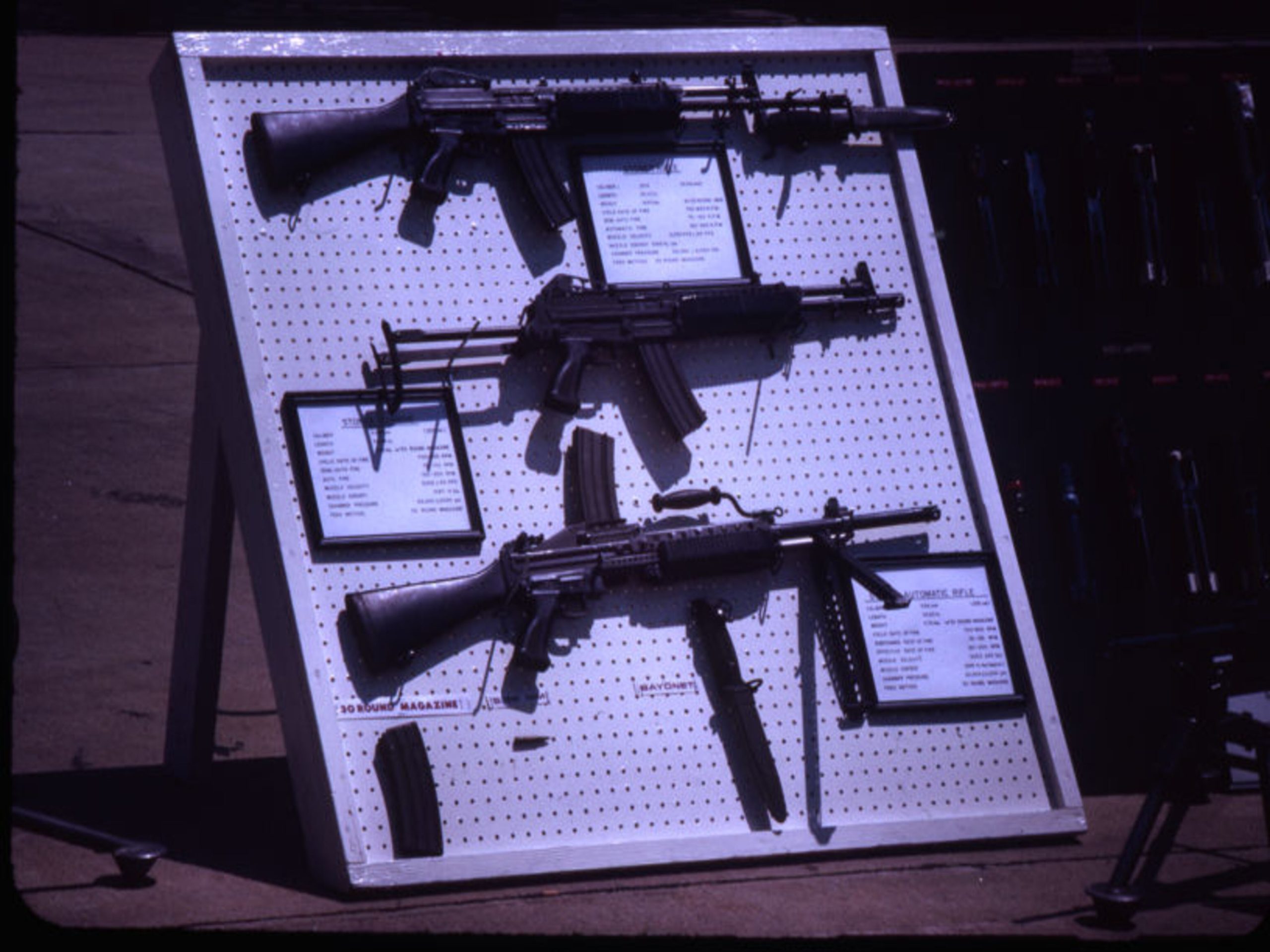
The Stoner 63 was a modular weapon system capable of being configured as a rifle, carbine, or machine gun. This adaptability offered unprecedented logistical efficiency and tactical flexibility. Despite its advantages, the system demanded extensive training and maintenance discipline. Military leaders favored simpler, role-specific weapons instead. Decades later, modular platforms became standard, validating the Stoner 63’s original philosophy. Its design showed how a single adaptable system could replace multiple specialized weapons long before armies were ready to commit.
8. The Volkspistole
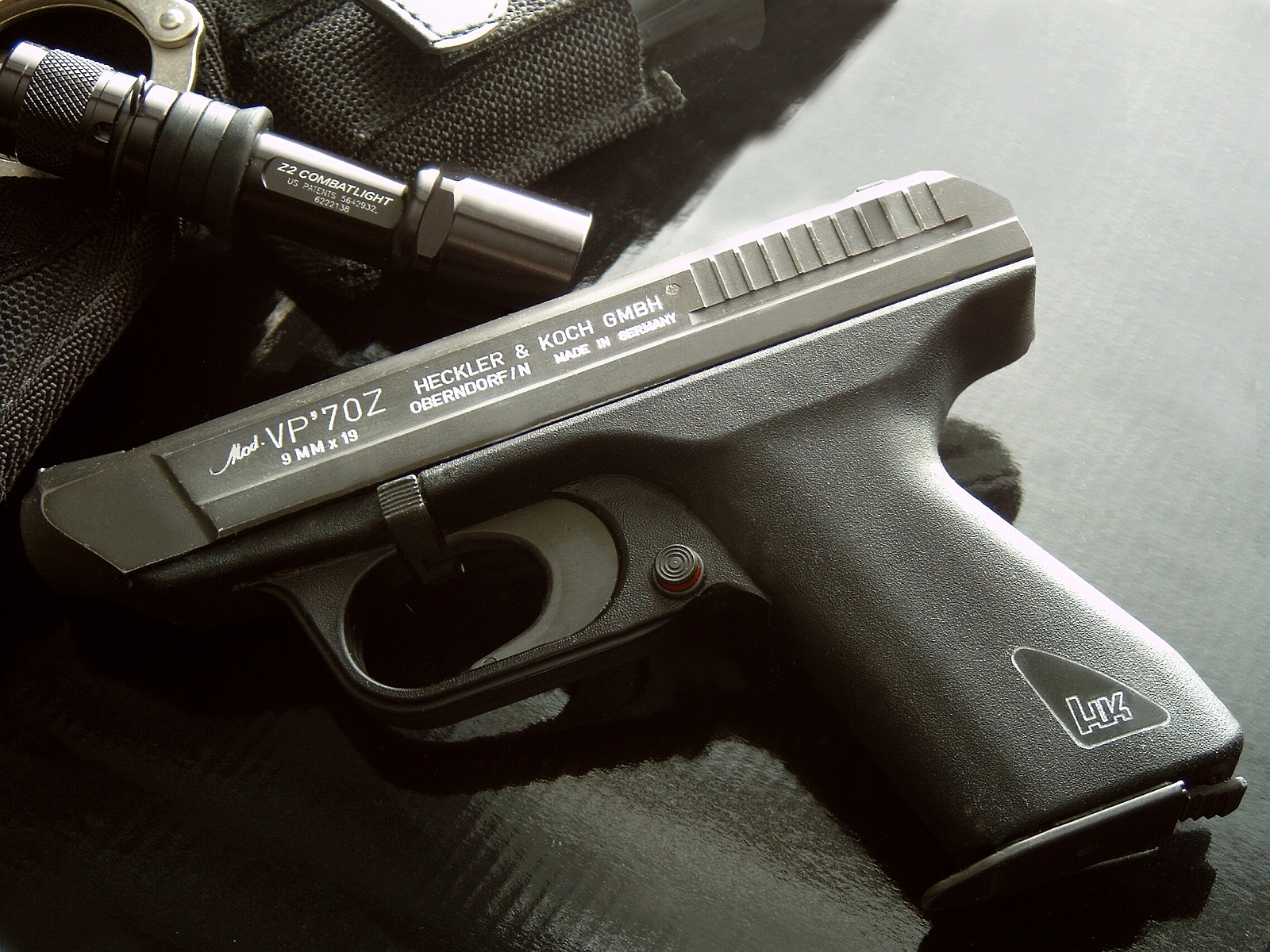
The Volkspistole was a late World War II German attempt to create an extremely simplified handgun that could be produced quickly with minimal materials. Designed during a period of severe industrial strain, it stripped away traditional machining in favor of stamped parts and crude construction methods. While often dismissed as a desperation weapon, the Volkspistole introduced ideas that would later become common in modern firearm manufacturing. Its emphasis on cost reduction, rapid assembly, and material efficiency anticipated postwar trends in stamped and polymer-based firearms
9. The TKB-022

Another factor working against the TKB-022 was perception. Its futuristic appearance alone caused skepticism among decision-makers accustomed to traditional wood-and-steel rifles. Plastic components were viewed as fragile rather than innovative, despite testing that showed acceptable durability. Training doctrines also lagged behind their ergonomic advantages. Today, compact layouts and synthetic materials are standard, underscoring how visual unfamiliarity and cultural resistance delayed acceptance of otherwise practical solutions.
10. The G11
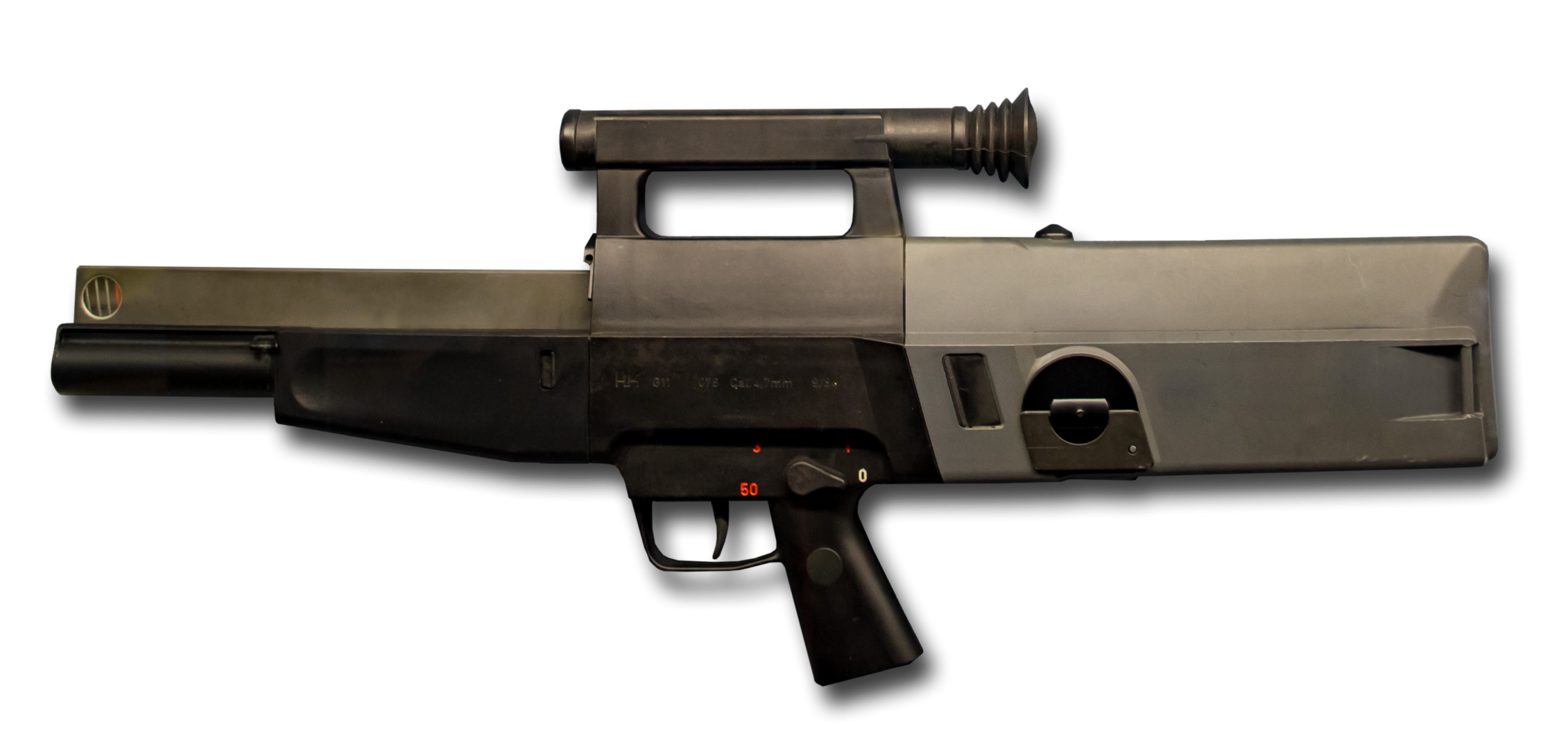
The G11 also faced challenges unrelated to performance. Its complexity demanded specialized maintenance and training pipelines, increasing costs during a politically uncertain period. As global tensions shifted, funding priorities changed rapidly. While the rifle solved multiple logistical problems on paper, decision-makers hesitated to commit to an unproven ammunition ecosystem. Even so, its influence persists in modern research programs focused on weight reduction and future infantry load optimization.
11. SALVO Project Weapons
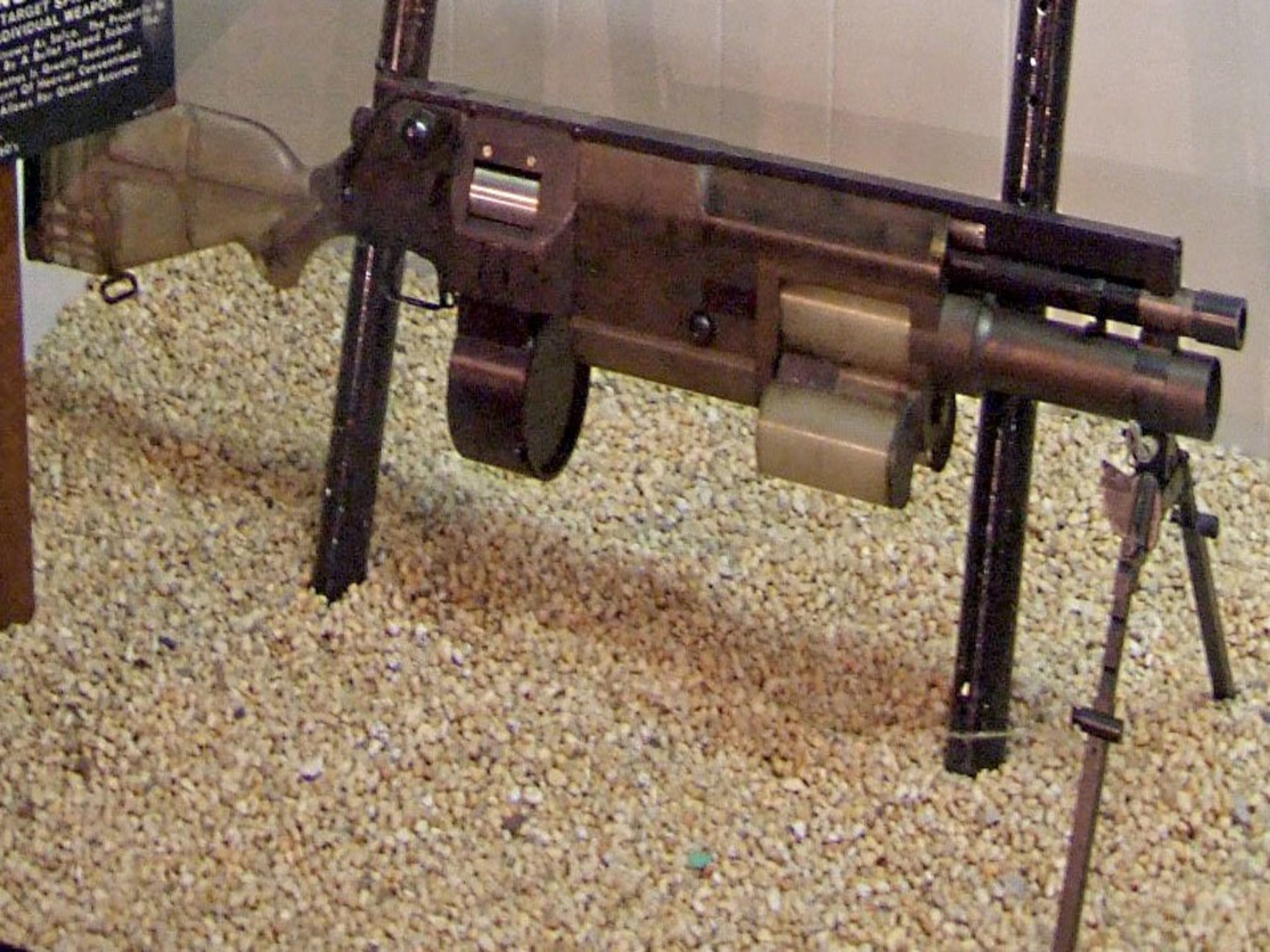
At the time, SALVO concepts clashed with traditional marksmanship philosophy, which emphasized precision over probability. Military leadership struggled to reconcile statistical effectiveness with established training models. Data collection methods were also limited, making it difficult to prove long-term benefits conclusively. Modern combat analysis, aided by sensors and digital tracking, supports many of SALVO’s original assumptions, revealing how the project anticipated a data-driven approach to warfare decades early.
12. The Johnson Light Machine Gun
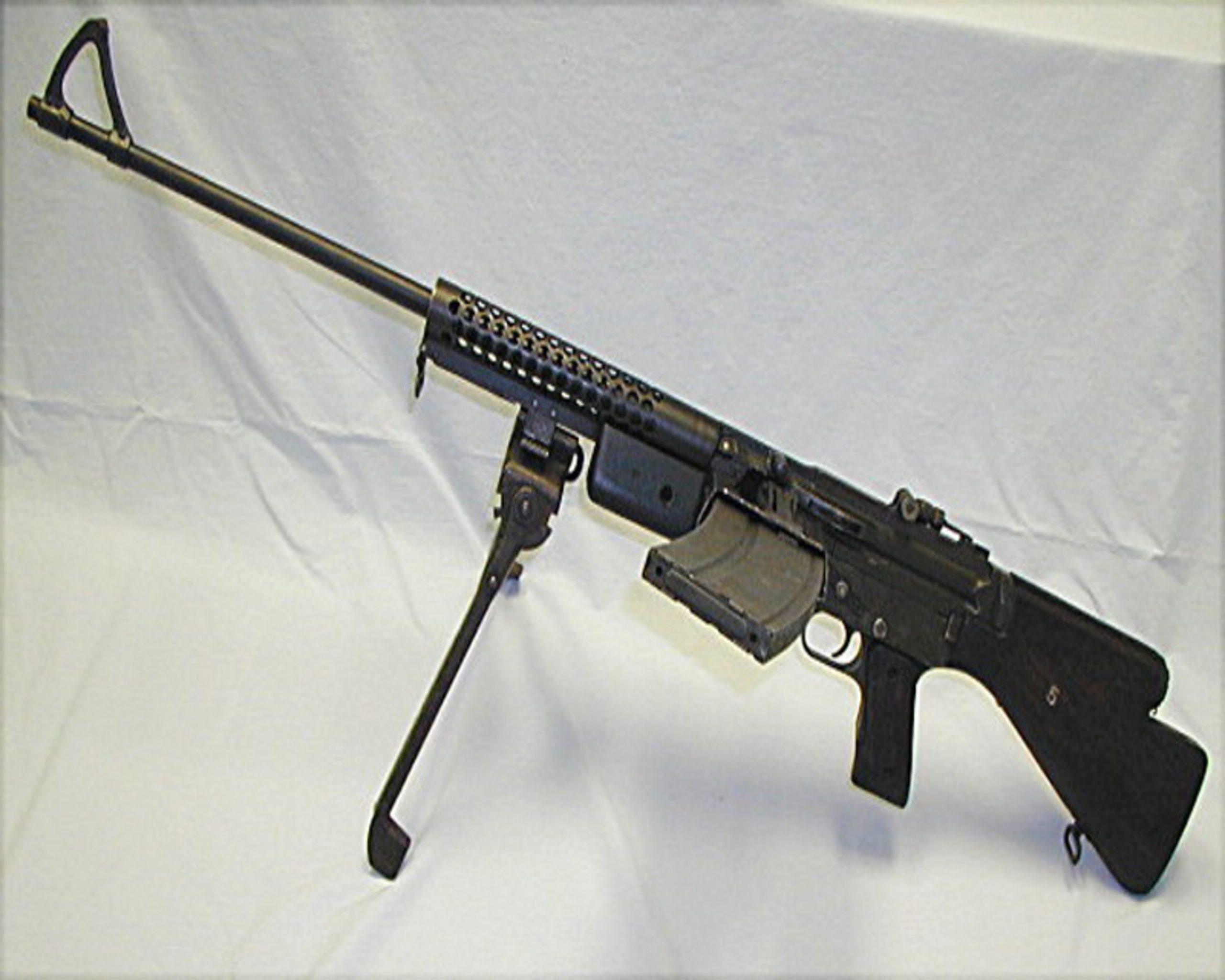
The Johnson LMG’s unconventional layout also complicated standardization. Its side-mounted magazine and rotating barrel differed from existing doctrine, requiring adjustments in training and supply. While adaptable in combat, it conflicted with rigid procurement systems that favored uniformity. Later support weapons quietly adopted similar ideas once institutional flexibility improved. The Johnsons’ fate highlights how bureaucracy, not battlefield performance, often determines which weapons survive.