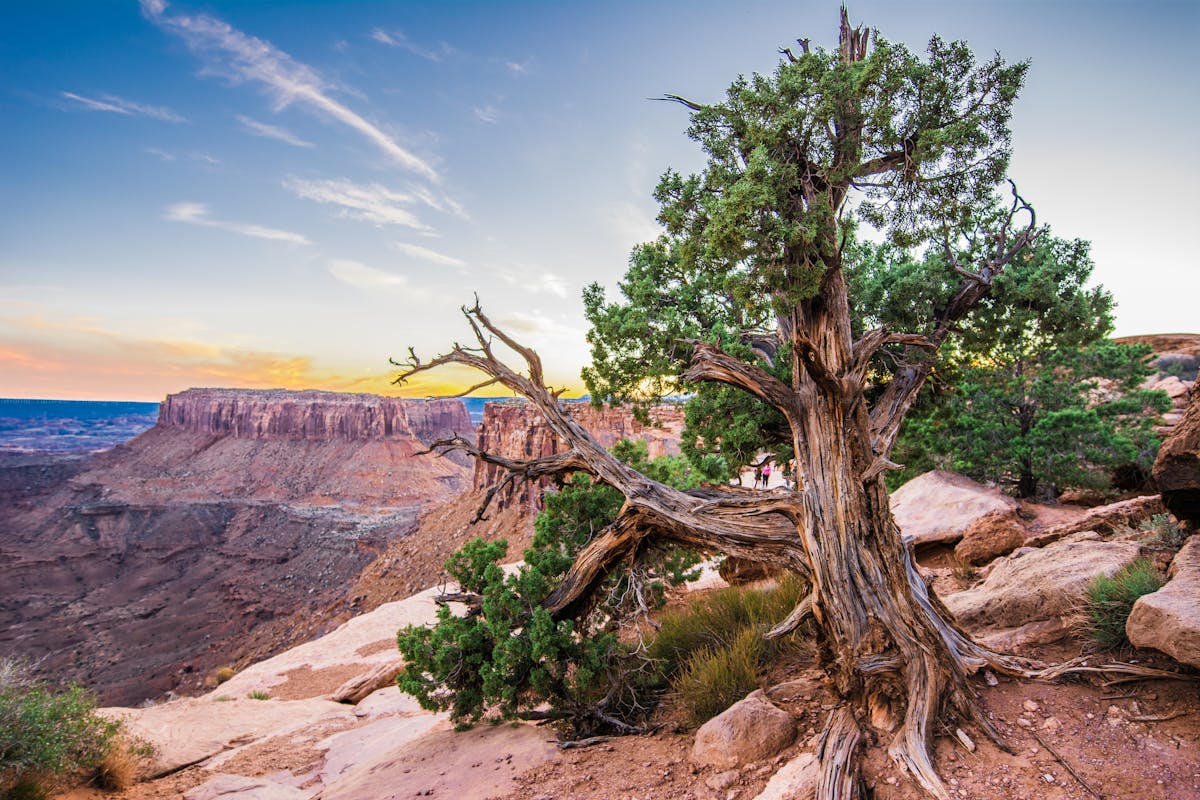
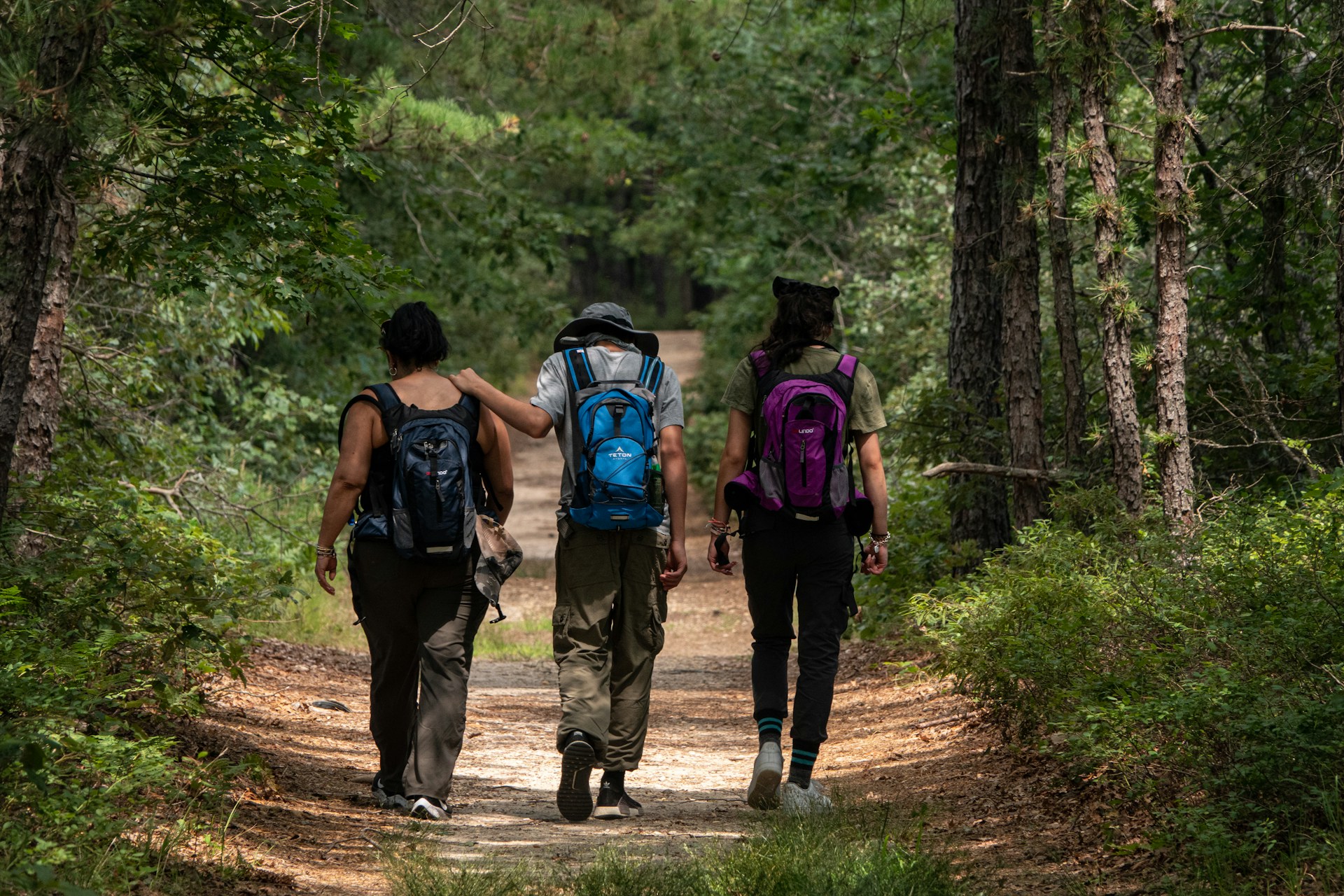
Hiking participation in the U.S. has grown steadily, with the Outdoor Foundation reporting that 49.6 million Americans hiked in 2024, up 6% from 2019. Understanding trail terminology is essential for safety, navigation, and trip planning, especially for beginners tackling unfamiliar terrain. Hikers who know these terms are better equipped to interpret maps, assess trail difficulty, and minimize risks in both backcountry and frontcountry environments.
Access Roads: Your Trailhead Gateway

Access roads are the entry points to hiking areas, often gravel or dirt paths leading to trailheads. According to the USDA Forest Service, proper knowledge of access roads is critical, as over 30% of rescues occur within two miles of trailheads, often due to hikers missing official starting points or misjudging distances. Identifying the correct access road can save time, prevent illegal parking, and ensure you start on a maintained trail rather than risking private or unsafe terrain.
Backcountry vs. Frontcountry: Understanding Your Environment

Backcountry refers to remote, undeveloped areas, while frontcountry includes well-maintained parks and trails. The National Park Service estimates that 60% of outdoor injuries happen in backcountry areas, highlighting the importance of recognizing the difference. Backcountry hikes require navigation skills, survival knowledge, and extra preparation, whereas frontcountry hikes often provide amenities and clearer signage. Understanding these distinctions helps hikers plan supplies, emergency strategies, and estimated travel times accurately.
False Summit: When the Peak Tricks You

A false summit is a point on a trail that appears to be the highest point but is not the actual peak. Studies in mountain terrain navigation show that hikers encountering false summits can overestimate progress by 15–25%, leading to fatigue and poor pacing. Being aware of this term helps hikers manage energy, avoid frustration, and plan realistic water and food breaks. Trail maps and elevation profiles often indicate false summits, allowing hikers to anticipate them.
Ridgeline: The Backbone of Your Hike
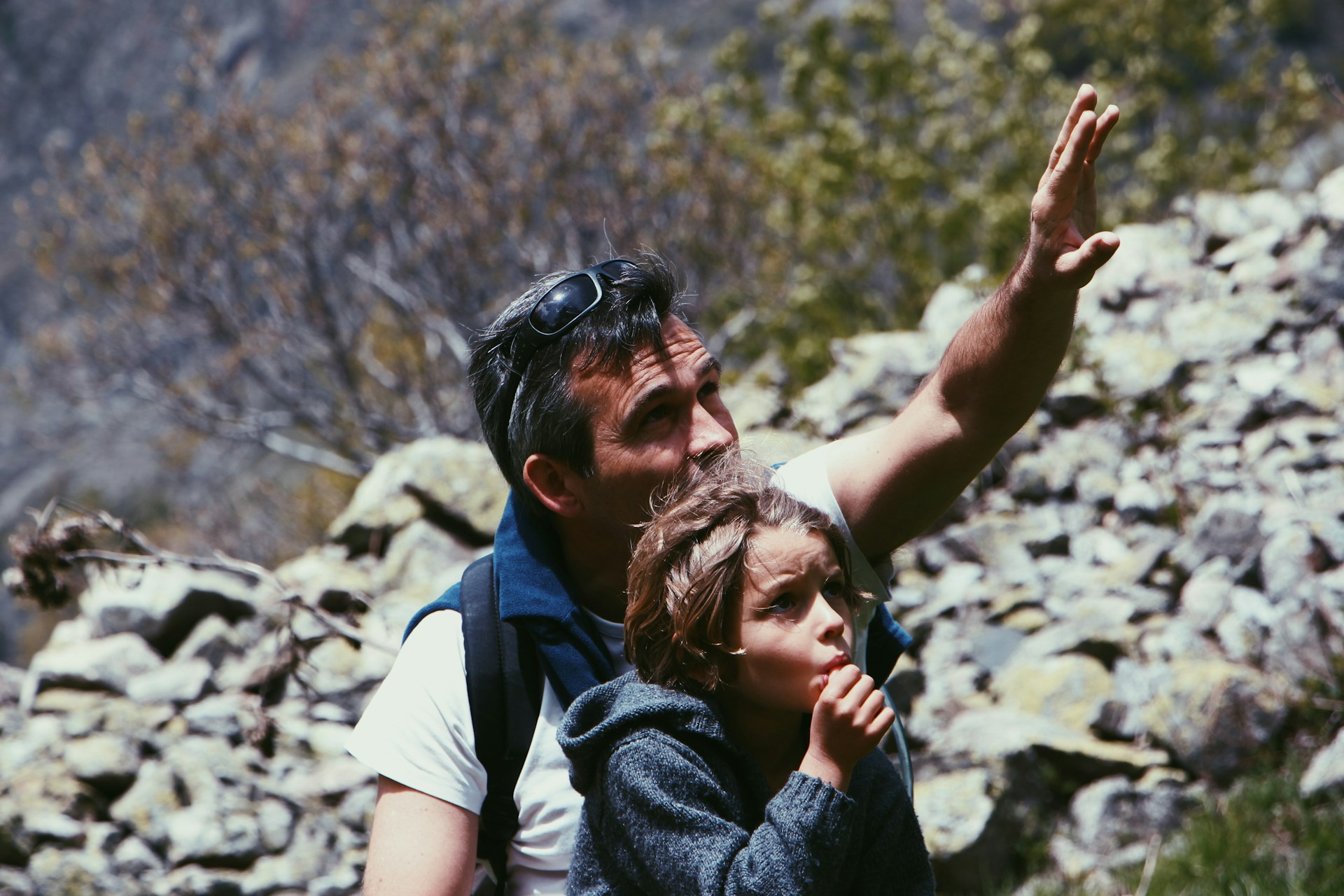
A ridgeline is the line along the top of a ridge connecting peaks or high points. Navigation research indicates that ridgelines are natural guideways that simplify route finding in complex terrain. However, exposure to wind and weather can be higher along ridges, so understanding this term helps hikers prepare with proper clothing and safety gear. Recognizing ridgelines on topographic maps allows for accurate orientation and route planning.
Scree and Talus: Navigating Loose Rock
Scree and talus refer to accumulations of loose rocks on slopes, with scree typically smaller fragments and talus larger boulders. According to a 2022 study in the Journal of Outdoor Recreation and Tourism, slips and falls on scree slopes account for nearly 20% of mountain hiking injuries. Knowing these terms allows hikers to adjust footing, use trekking poles, and plan safer routes across unstable terrain, reducing the likelihood of accidents.
Switchback: Zigzagging Your Way Up

Switchbacks are trail segments that zigzag up steep slopes to reduce grade and erosion. Research in trail design shows that switchbacks decrease trail erosion by up to 50% compared with straight ascents while making climbs more manageable. Hikers familiar with this term can anticipate turns, pace themselves, and understand that progress may feel slower than elevation gained, improving stamina management and navigation.
Treeline: Knowing Where Trees End

Treeline is the elevation above which trees no longer grow due to climate and soil conditions. Environmental studies show that the treeline varies globally, from 2,400 meters in the Alps to 3,500 meters in the Rockies. Recognizing the treeline helps hikers anticipate exposure, weather changes, and potential wind hazards, as vegetation decreases, and planning equipment accordingly becomes crucial for safety.
Bivouac: A Minimalist Overnight Shelter

A bivouac, or bivy, is a temporary, minimal shelter used in emergencies or overnight trips without a formal campsite. Studies by mountaineering organizations report that proper bivouac techniques reduce hypothermia risk by 30% in unexpected overnight conditions. Understanding this term equips hikers to carry lightweight shelters or emergency gear, ensuring survival and comfort in remote terrain when traditional camping is not possible.
Cairn: Trail Markers That Guide You

Cairns are piles of stones used to mark trails, especially in areas where signage is absent. Research by the Appalachian Trail Conservancy shows that improper or missing cairns contribute to 40% of lost hiker incidents in open terrain. Recognizing cairns helps hikers follow intended paths, avoid environmentally sensitive areas, and maintain situational awareness in fog, snow, or rocky landscapes.
Cache: Storing Supplies for Strategic Access

A cache is a hidden storage of food or gear along a trail, often used during multi-day hikes. Studies of long-distance hiking note that strategically placed caches can reduce pack weight by up to 25%, improving endurance. Knowledge of this term helps hikers plan logistics, coordinate supplies for extended trips, and understand the ethics of leaving caches in public or protected lands.
Leave No Trace (LNT): Minimizing Environmental Impact
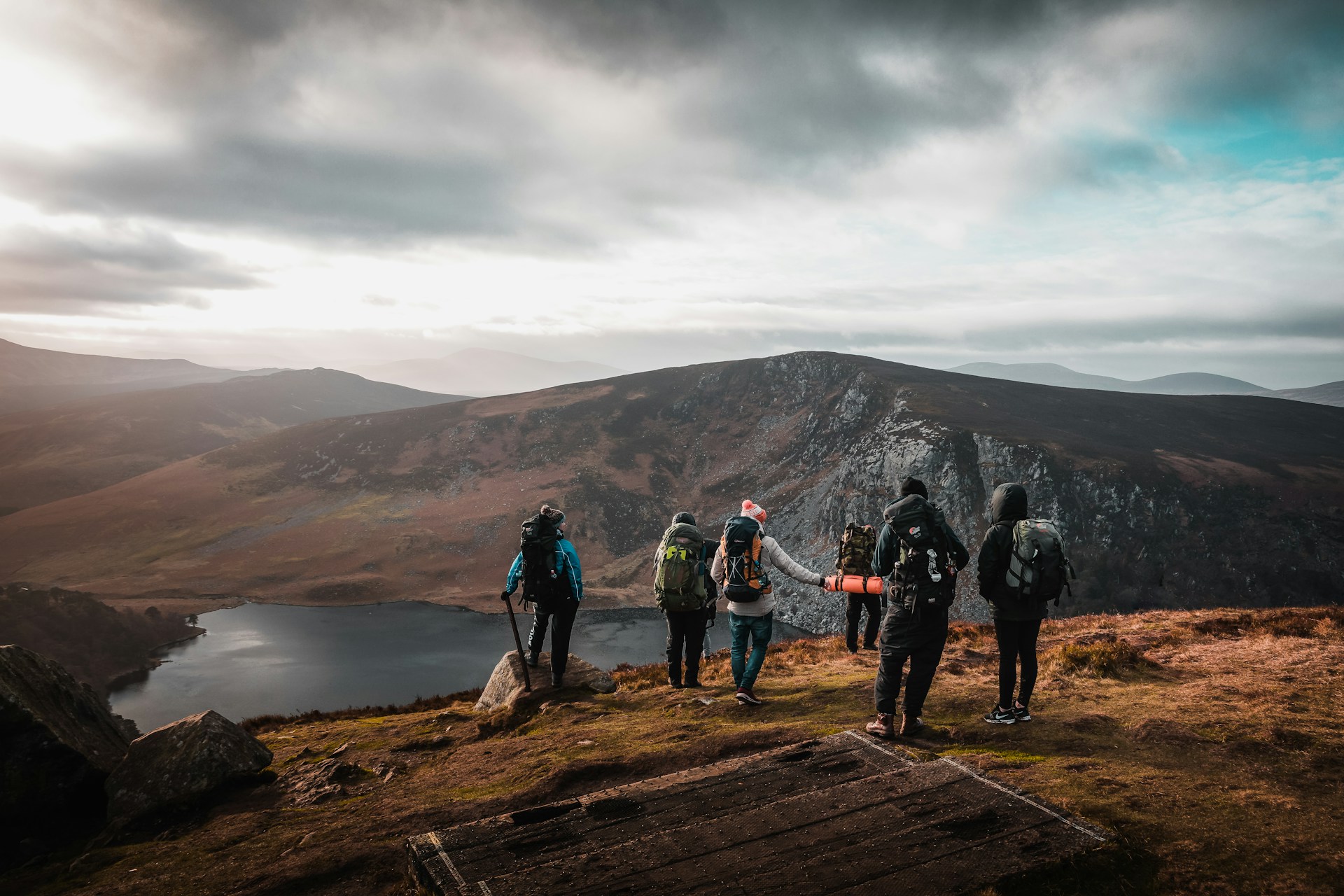
Leave No Trace (LNT) principles guide hikers to reduce their environmental footprint. According to the Leave No Trace Center for Outdoor Ethics, adherence to LNT principles reduces campsite degradation by 60–80%. Knowing this term ensures proper waste disposal, trail respect, and ecosystem preservation, helping hikers protect flora and fauna while fostering sustainable recreation practices.
Thru-Hike: Completing Trails End-to-End
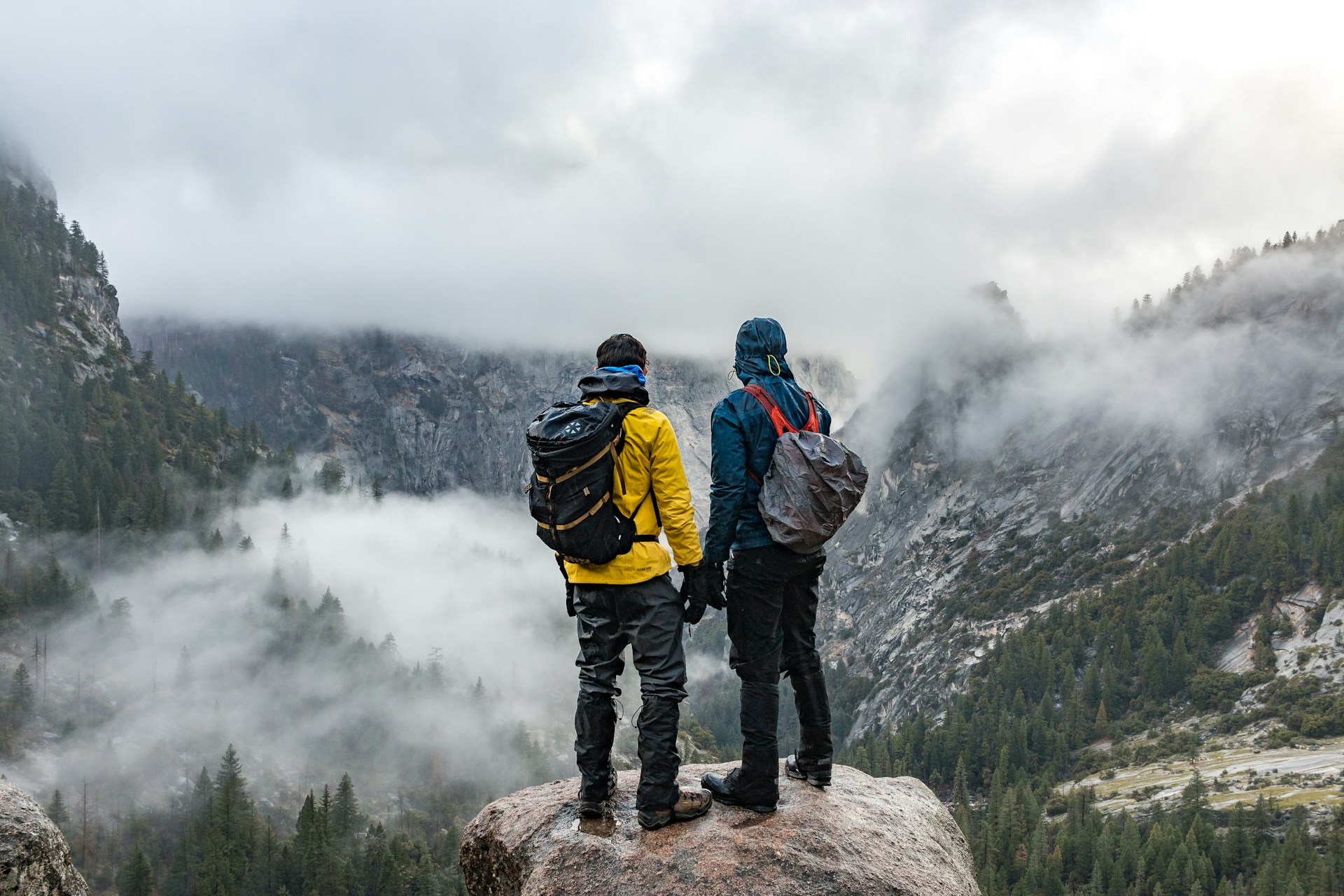
A thru-hike involves completing a long trail, such as the Appalachian Trail, from start to finish in one season. Data from the Appalachian Trail Conservancy shows that only approximately 25% of hikers attempting a thru-hike succeed, due to physical, logistical, and weather challenges. Understanding this term informs preparation, pacing, and gear selection for extended backpacking trips and distinguishes casual hikers from long-distance adventurers.