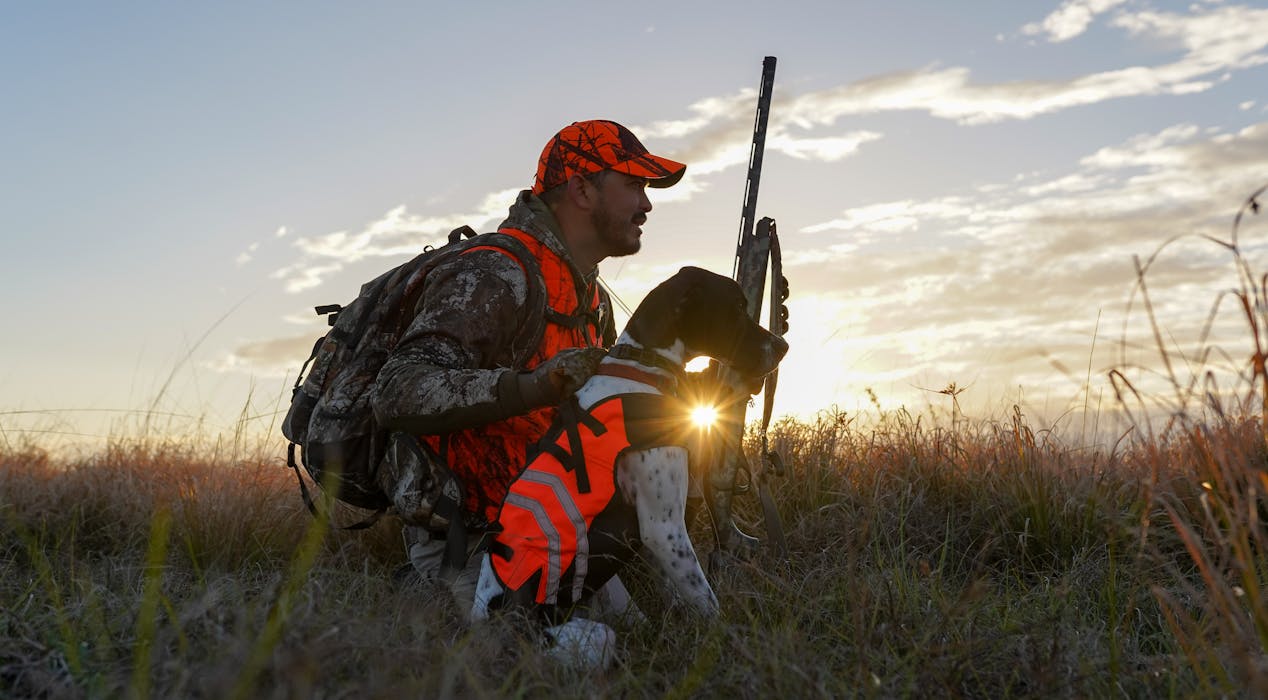
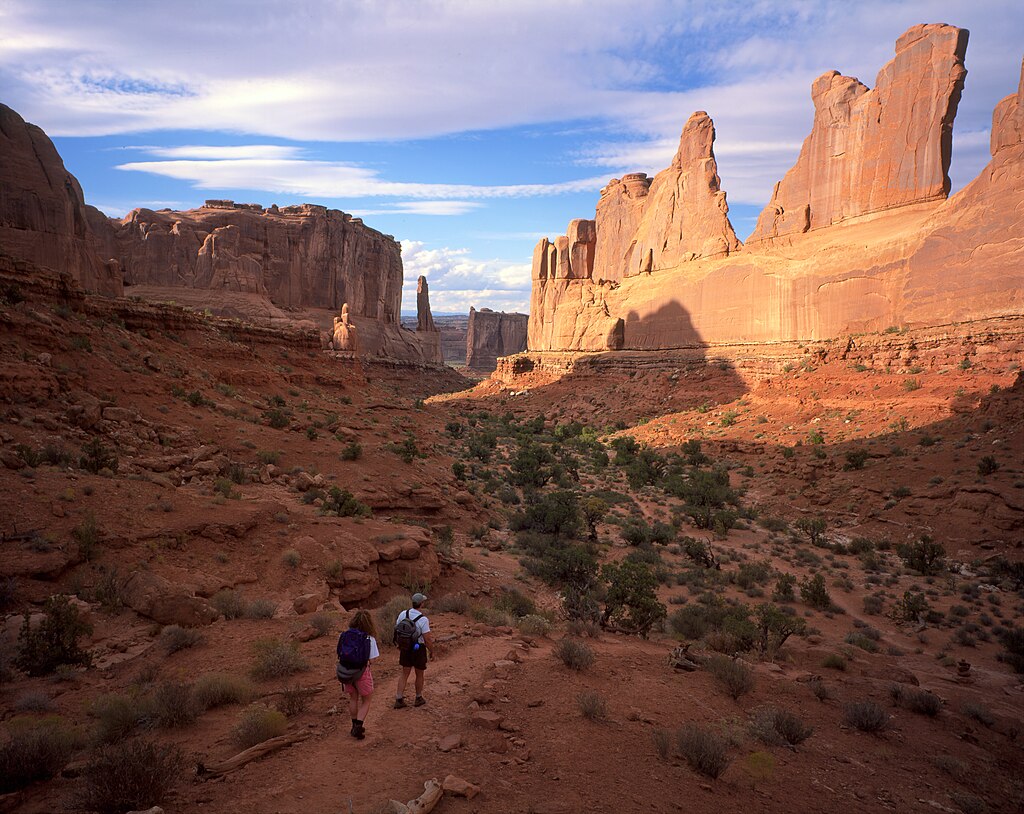
Wild camping offers freedom, solitude, and a deeper connection to nature, but it also comes with responsibility. Following proper etiquette keeps the outdoors pristine for everyone. Whether setting up camp on a remote ridge or near a quiet stream, good manners matter. Respecting nature, wildlife, and fellow adventurers ensures the experience stays safe and sustainable. These simple yet important rules help you camp thoughtfully while leaving nothing behind but footprints.
Choose Legal and Low-Impact Spots
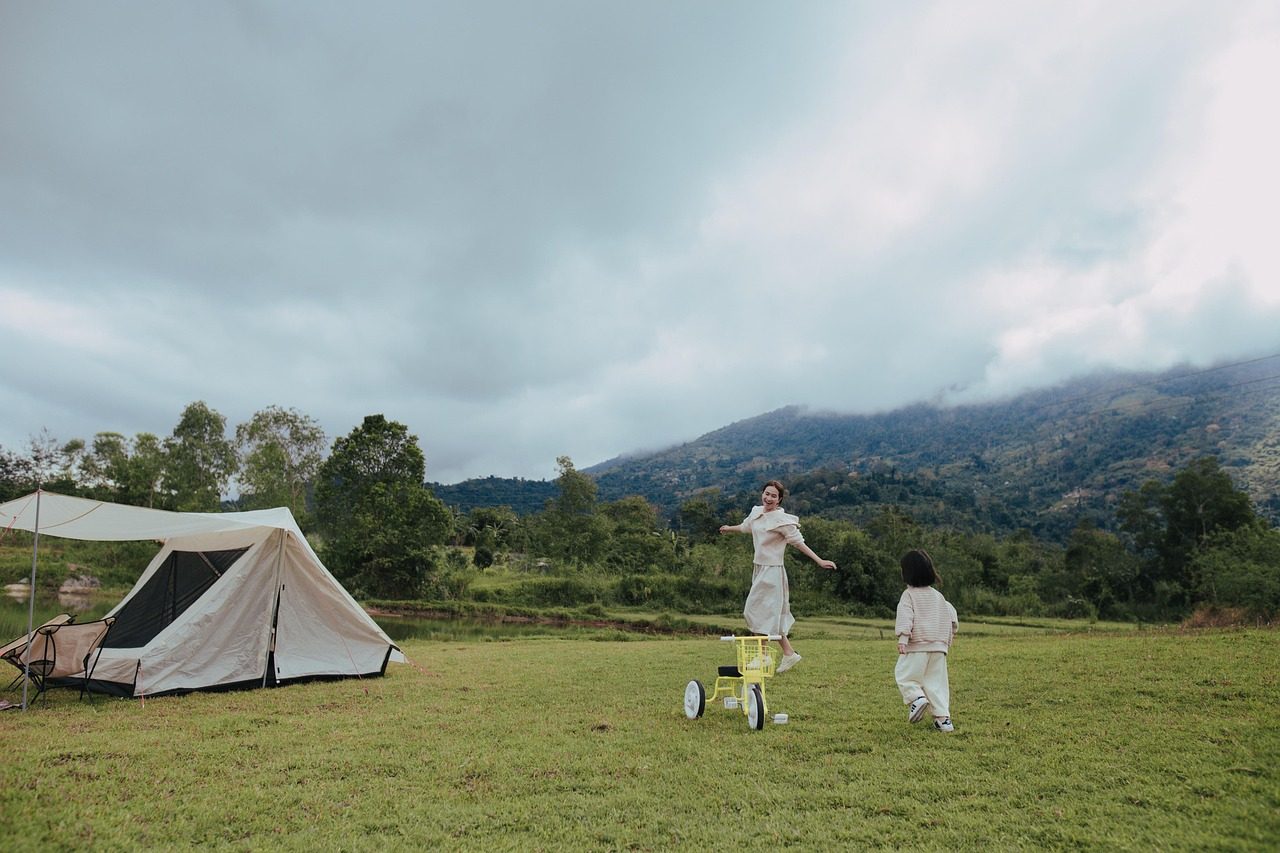
Always check local regulations before pitching a tent. Wild camping isn’t allowed everywhere, especially on private or protected lands. When you find a legal area, pick a durable surface like gravel, dry grass, or rock to prevent soil erosion. Avoid setting up too close to water sources. Choosing a discreet, low-impact site helps protect fragile environments and reduces visibility to maintain the wilderness feel.
Arrive Late and Leave Early
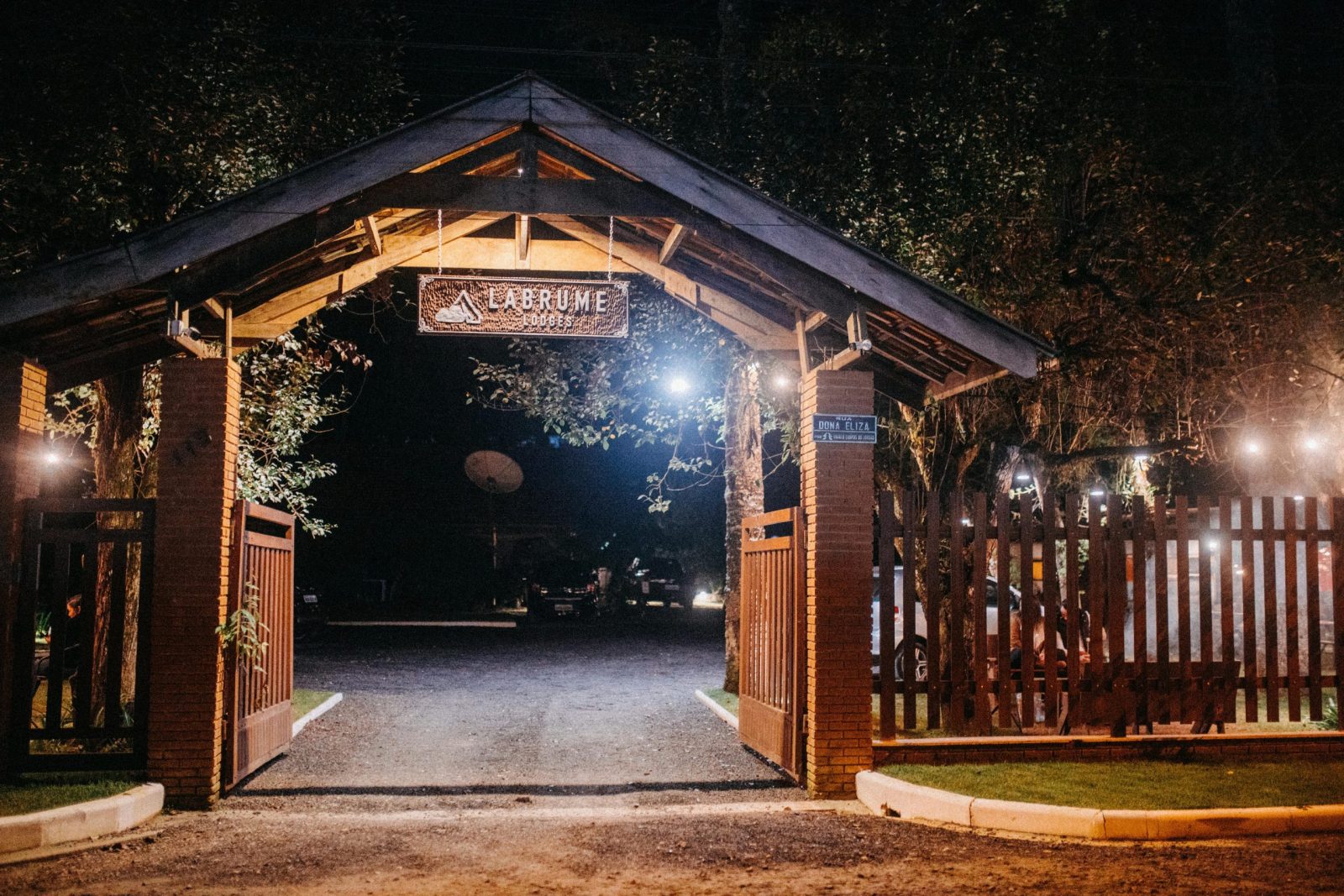
When wild camping, timing helps preserve solitude and respect for others. Arrive close to sunset to avoid drawing attention or disturbing wildlife, and leave early in the morning before crowds arrive. This habit not only reduces your footprint but also keeps your presence unobtrusive. Practicing this rhythm allows you to enjoy nature quietly while ensuring minimal disruption to the landscape.
Keep Noise Levels Low
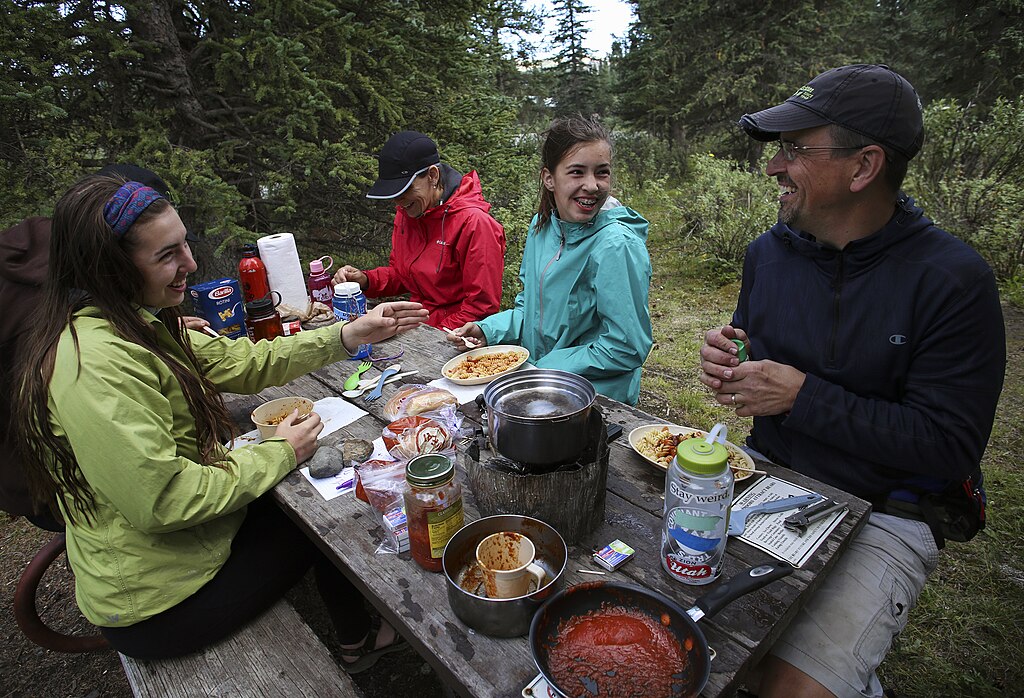
Nature’s silence is part of what makes wild camping special, so keeping noise to a minimum is crucial. Avoid loud conversations, music, or unnecessary sounds that could disturb wildlife or nearby campers. Embrace the quiet instead and let natural sounds guide your experience. Being mindful of noise helps maintain the peaceful atmosphere that draws people to wild spaces in the first place.
Pack Out All Trash
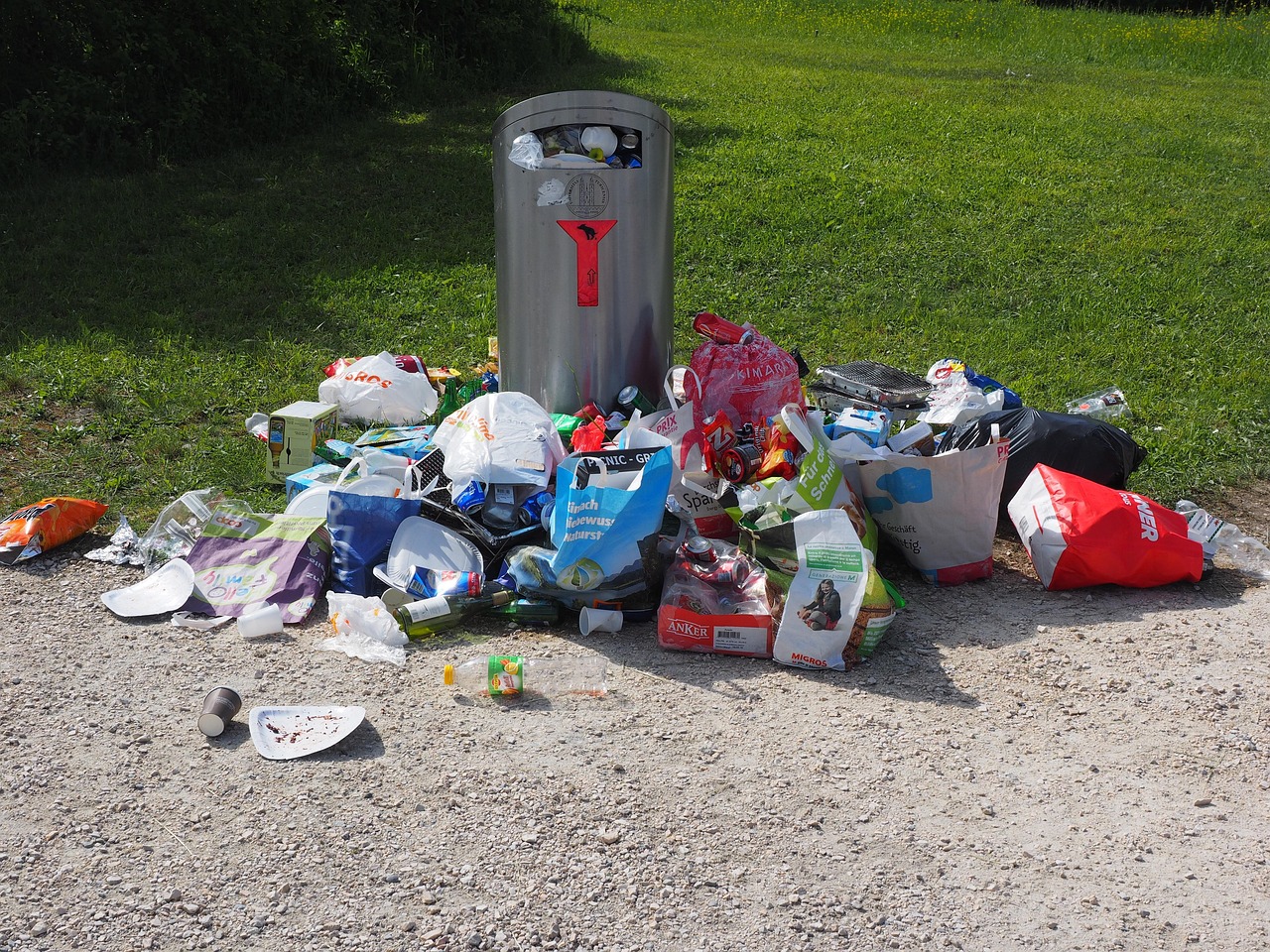
Every item you bring into the wild should leave with you. Pack reusable containers and carry waste bags for all trash, including food scraps and tissues. Even biodegradable waste takes time to break down and can attract animals. Following the “leave no trace” principle keeps the environment healthy and enjoyable for future campers who share your love for untamed spaces.
Respect Wildlife Boundaries
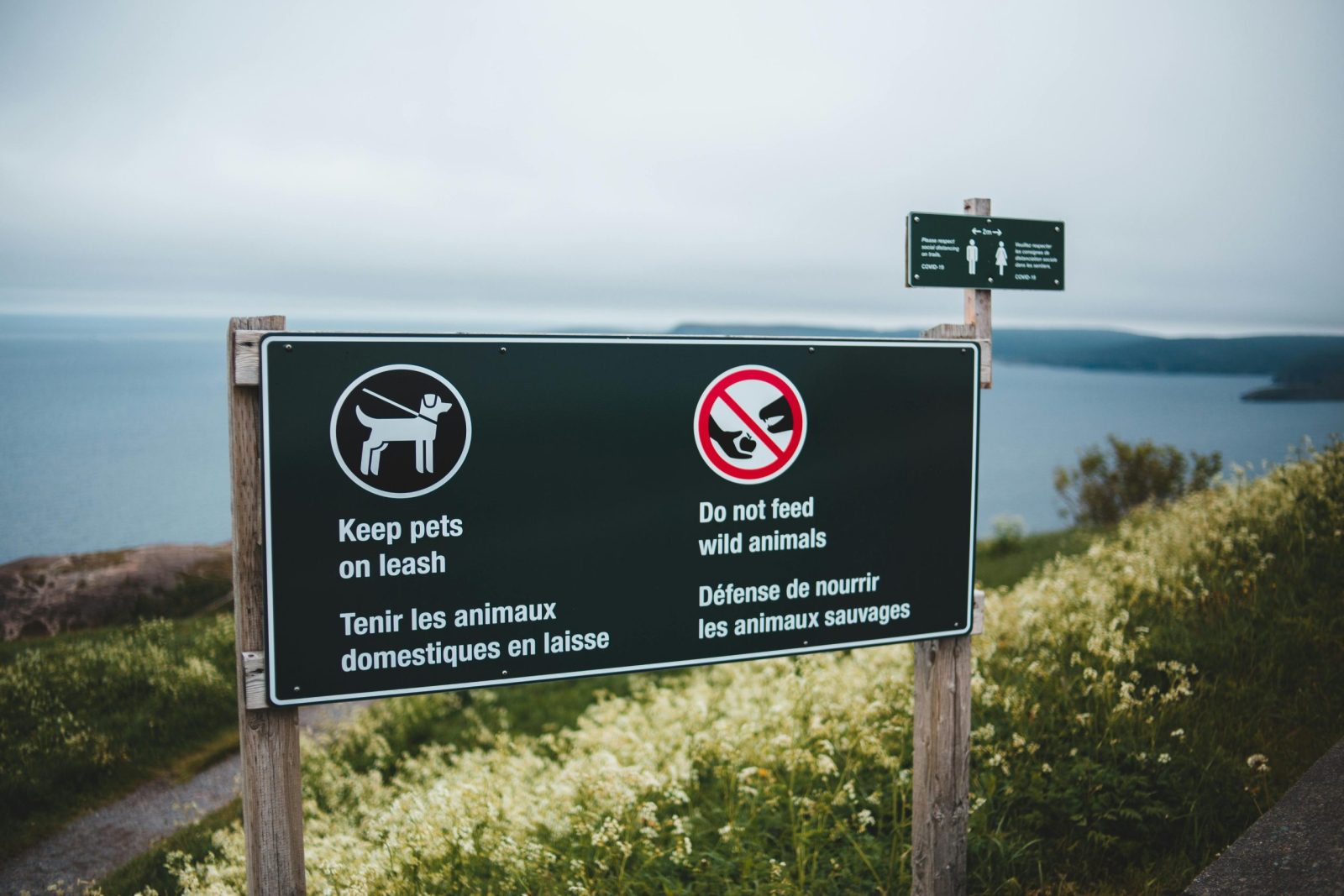
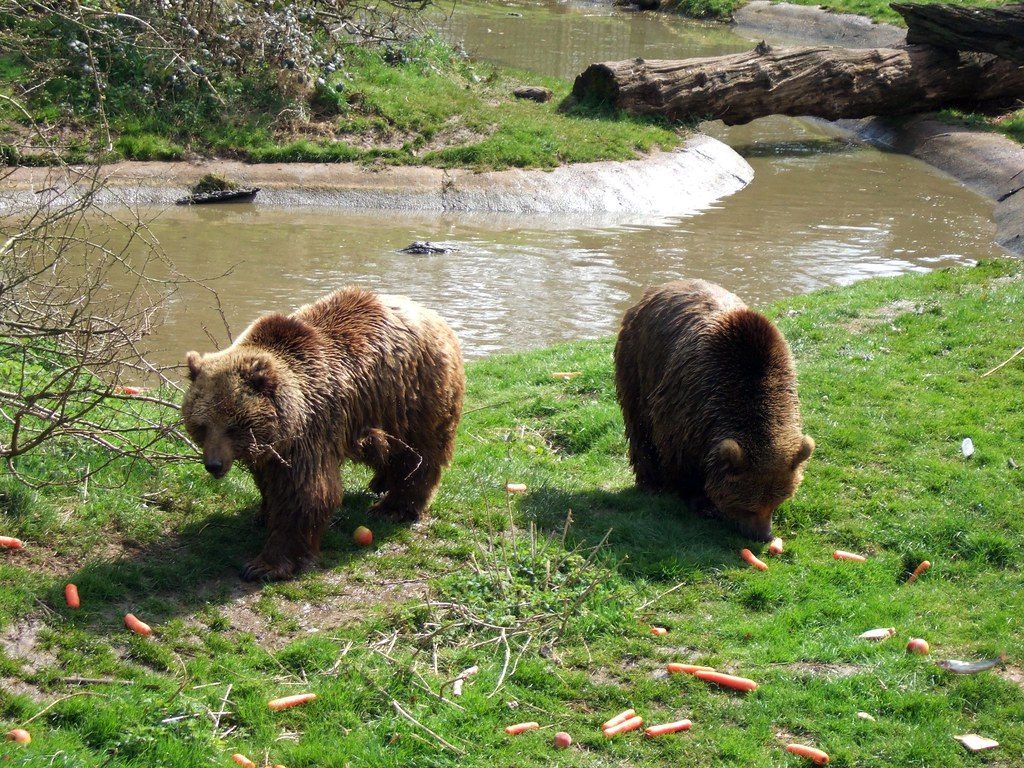
Wild camping often means sharing the land with animals. Maintain a safe distance from all wildlife, avoid feeding them, and store food securely to prevent attraction. Disturbing animals can alter their natural behavior and put both you and them at risk. Observing from afar helps preserve the balance of nature while ensuring a safer and more authentic outdoor experience.
Minimize Campfire Impact
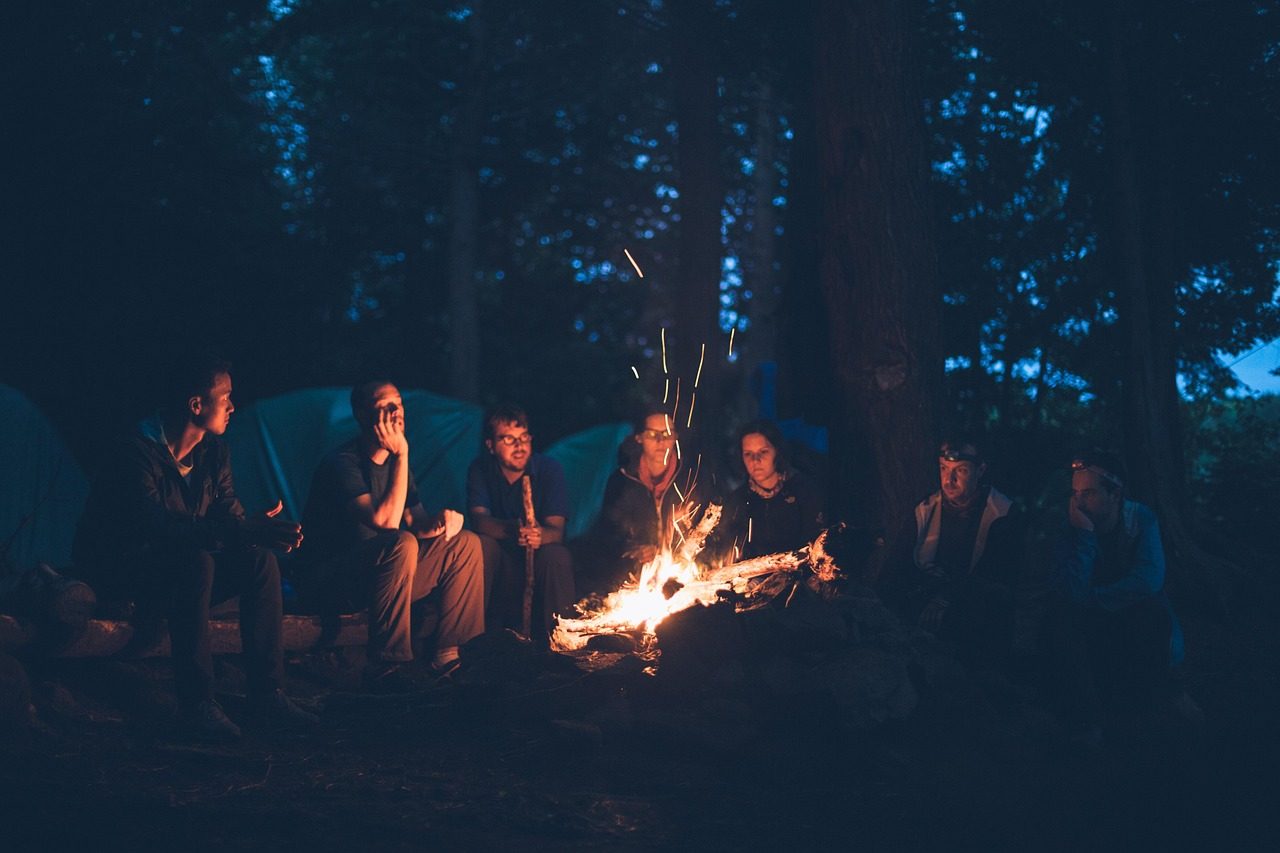
Campfires create warmth and ambiance, but they also pose risks. Check for fire restrictions, use existing fire rings if available, and keep flames small. Always extinguish fires completely before leaving. If possible, rely on portable stoves instead. Reducing fire impact helps prevent forest fires, protects vegetation, and maintains the landscape’s natural look for everyone to enjoy.
Stay Invisible to Others
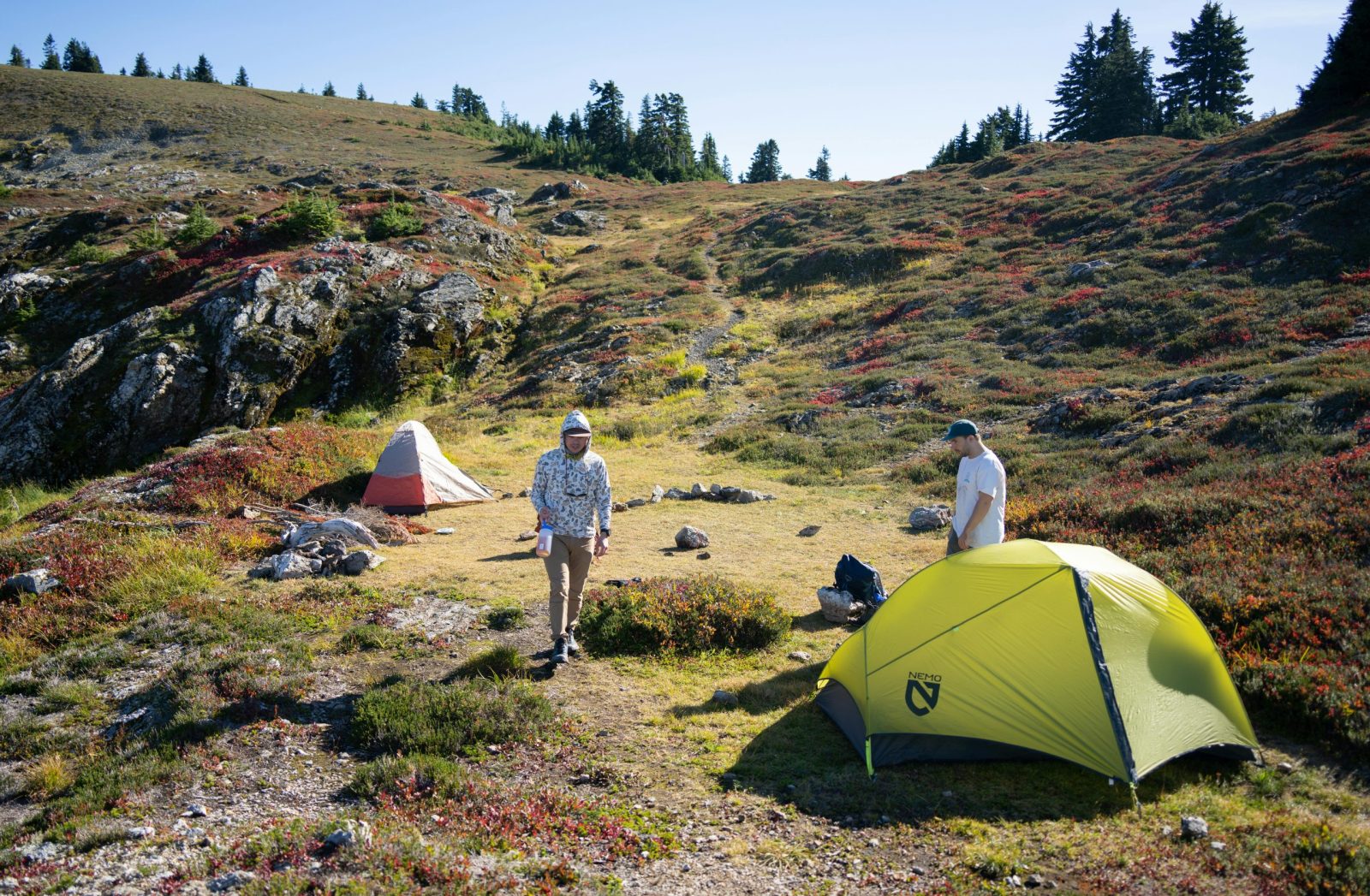
Part of wild camping’s charm is solitude. To preserve that, choose secluded spots away from trails and avoid leaving visible signs of your camp. Keep tents neutral in color and stay out of sight of main pathways. This approach respects others’ sense of discovery and maintains the wilderness experience for those exploring after you. Discretion is key to true backcountry etiquette.
Bury Waste Properly
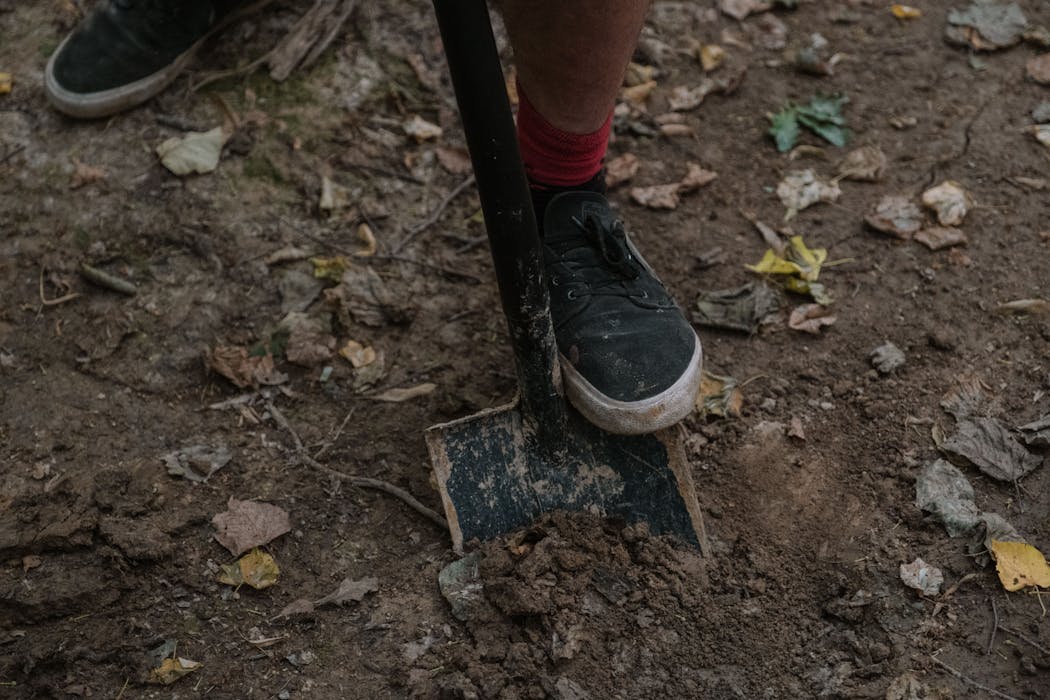
Human waste can quickly damage natural areas if not handled responsibly. When facilities aren’t available, dig a small hole at least 6 inches deep and 200 feet from water sources or trails. Cover it well after use and pack out any toilet paper. Proper waste disposal prevents pollution, controls odors, and ensures that natural beauty remains unspoiled for everyone.
Leave What You Find
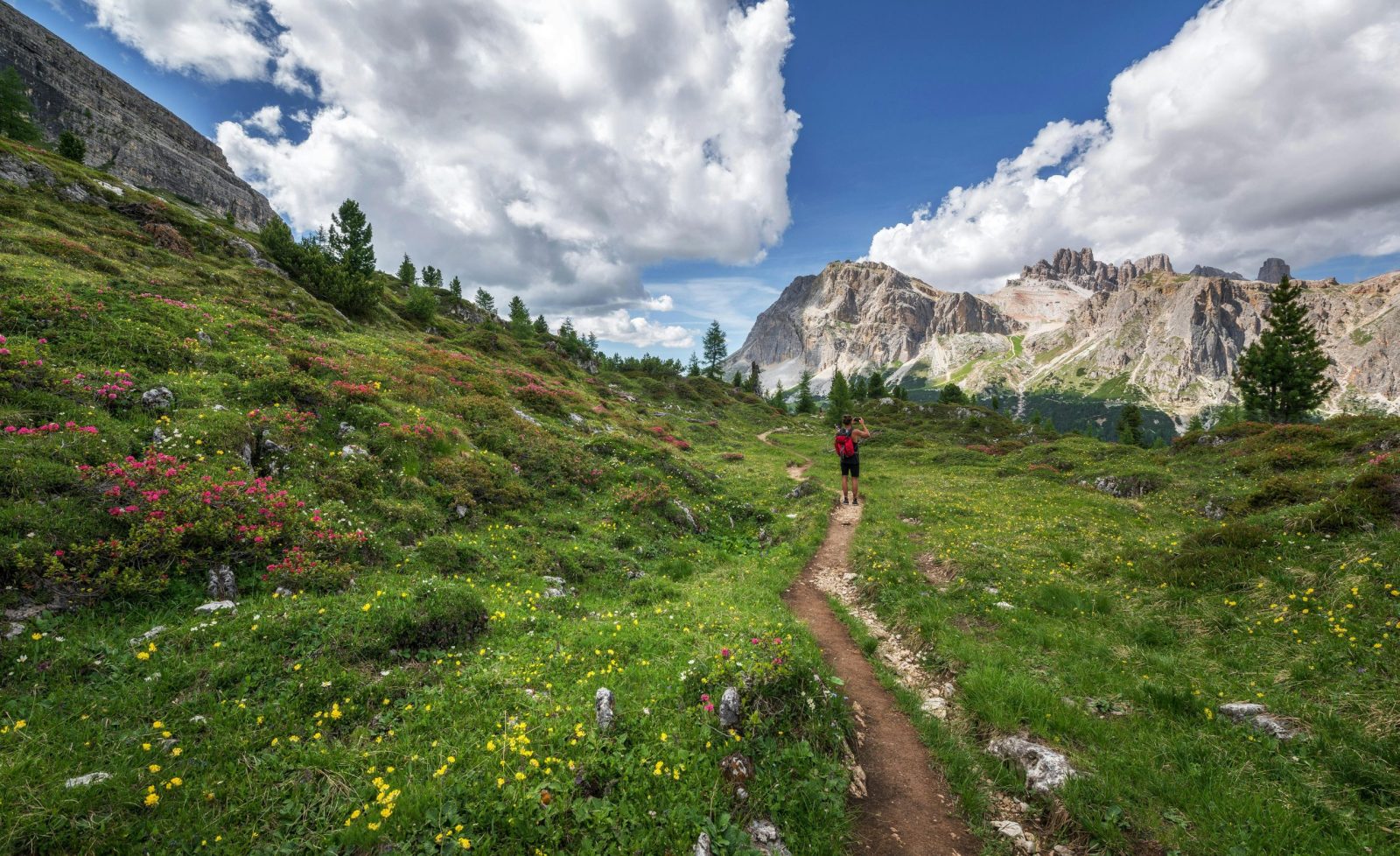
Resist the temptation to take souvenirs from nature. Rocks, flowers, and artifacts belong where they are. Collecting them disrupts ecosystems and diminishes the experience for others. Take photos instead and enjoy the satisfaction of knowing you left the area exactly as you found it. Respecting the land’s natural state keeps wilderness areas vibrant and balanced.
Be Considerate of Other Campers
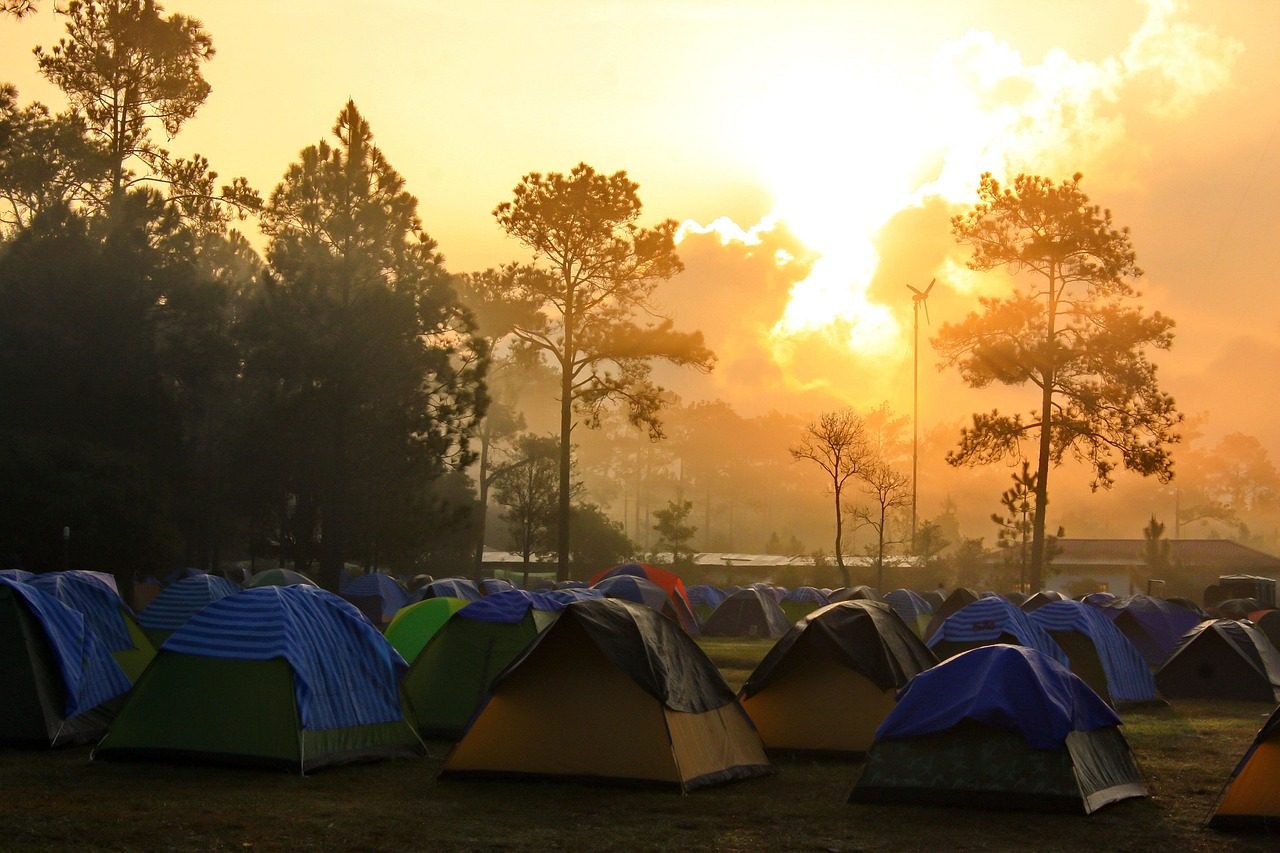
Even in remote areas, you may encounter fellow travelers. Give others plenty of space and avoid setting up camp too close. Respecting their privacy and peace helps maintain a positive outdoor community. Friendly nods or brief greetings are enough before letting everyone enjoy their solitude. Mutual respect turns wild camping into a shared yet personal adventure.
Follow Local Customs and Regulations
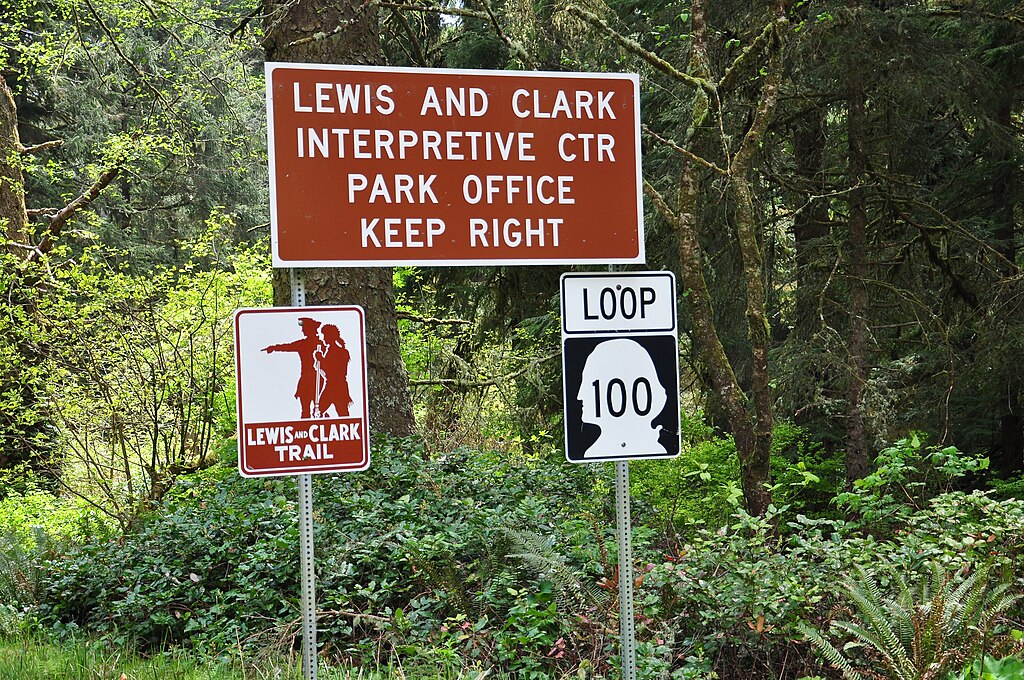
Each region has unique camping rules designed to protect its environment and culture. Research restrictions, permits, and fire bans before your trip. Respecting these guidelines shows appreciation for the land and the communities that maintain it. Adhering to local expectations helps ensure wild camping remains welcome and accessible for generations of outdoor enthusiasts to come.