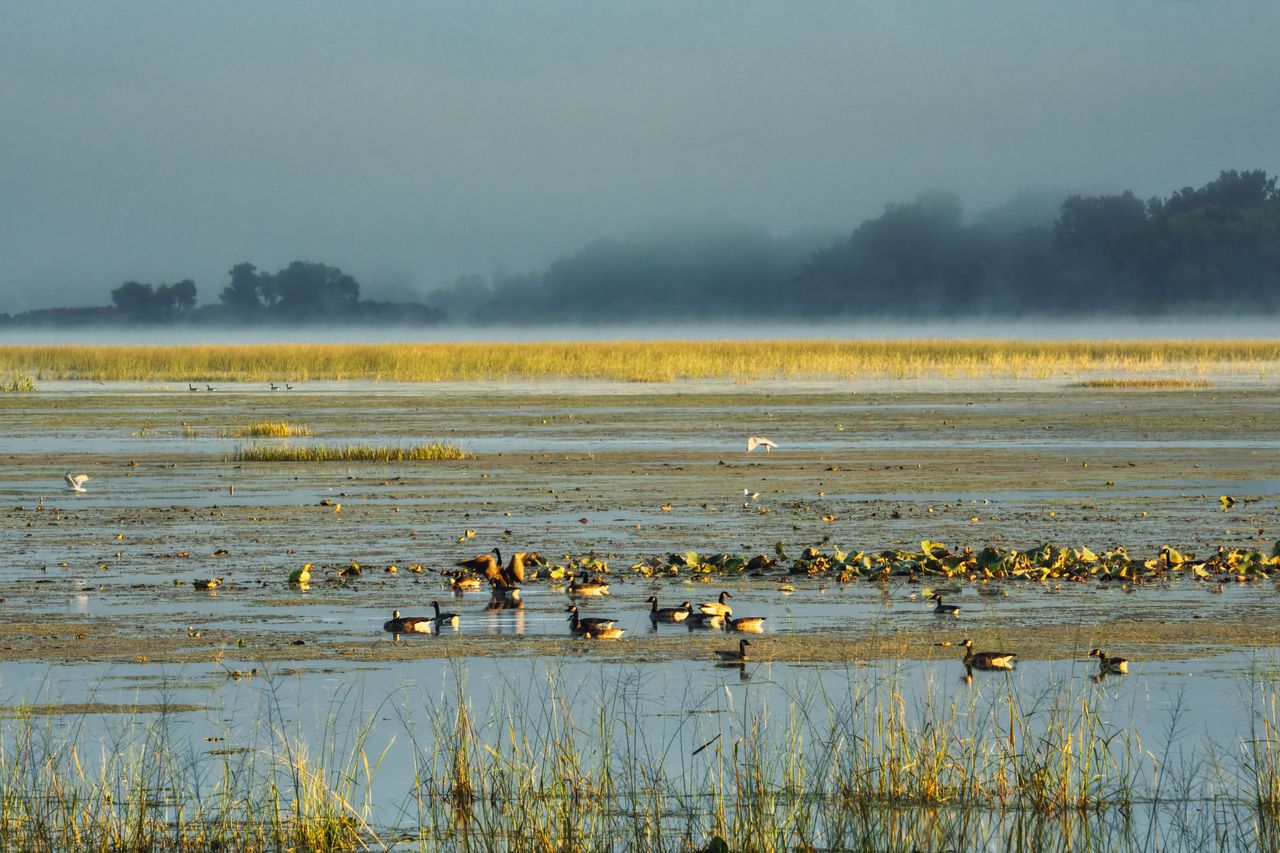
From Minnesota marshes to Arkansas timber and Louisiana rice country, the Mississippi Flyway asks duck hunters to adapt fast. Water levels shift, pressure builds, and birds change their habits with every front. These 11 decoy spreads have earned loyal followings because they stay effective season after season, giving hunters dependable starting points when conditions get tricky.
The Classic J Hook

If there is one spread that shows up almost everywhere in the Mississippi Flyway, it is the J hook. Hunters love it because it creates a clear landing pocket while still looking relaxed and natural from above. It works especially well on open water edges, backwaters, and wider marsh openings where birds need a visible path in.
Most hunters place the long tail of decoys with the wind and curve the end into a bulb of birds, leaving the pocket on the downwind side. Mallards, gadwalls, and mixed puddle ducks seem to read it quickly. On pressured public ground, a smaller version often looks better than an oversized rig.
The U Shaped Pocket
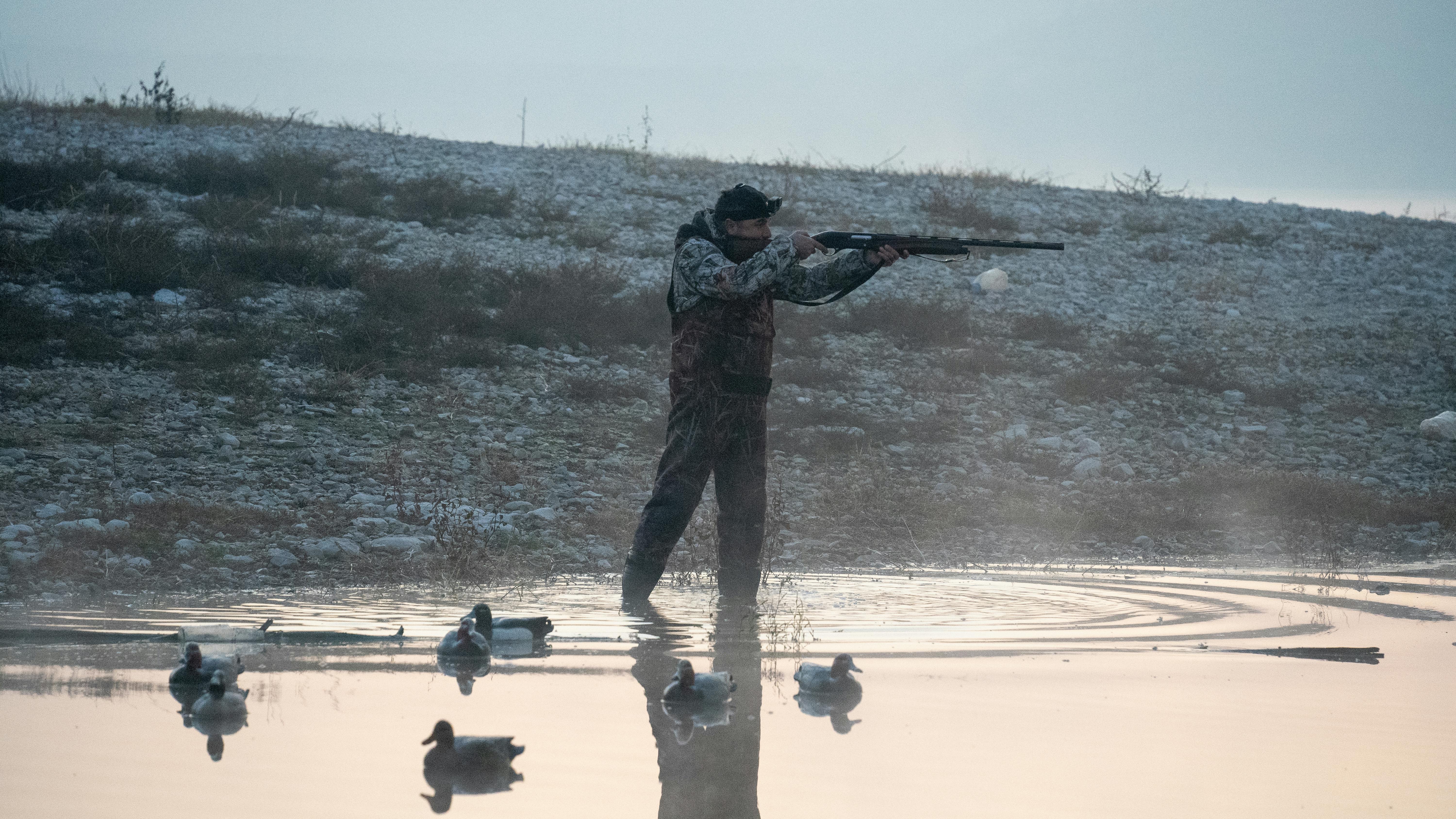
The U shaped spread is a favorite for hunters who want to guide birds straight into the middle of the rig. It is easy to understand, easy to set in low light, and flexible enough for everything from shallow marshes to sheet water in crop fields. The open center gives incoming ducks a place that feels inviting rather than crowded.
Many hunters build the arms of the U slightly uneven so the spread avoids looking too perfect. A few feeder decoys near the edges help add realism, especially on calm days. When the wind is steady, this setup can make finishing birds look almost choreographed.
The Small Timber Hole Spread

In flooded timber, less is usually more, and experienced Mississippi Flyway hunters know it. A compact spread of a dozen or so decoys can be plenty when birds are already dropping through the trees looking for a hole. Big numbers tend to clutter the landing area and can make close quarters feel unnatural.
Most hunters keep decoys loose, with pairs and singles tucked beside trunks and in little openings where real ducks would loaf. Motion matters here, whether it comes from a jerk string or the ripple of current. The goal is not to impress birds from far away. It is to make the hole look safe in the final seconds.
The Spinning Wing Teal Setup
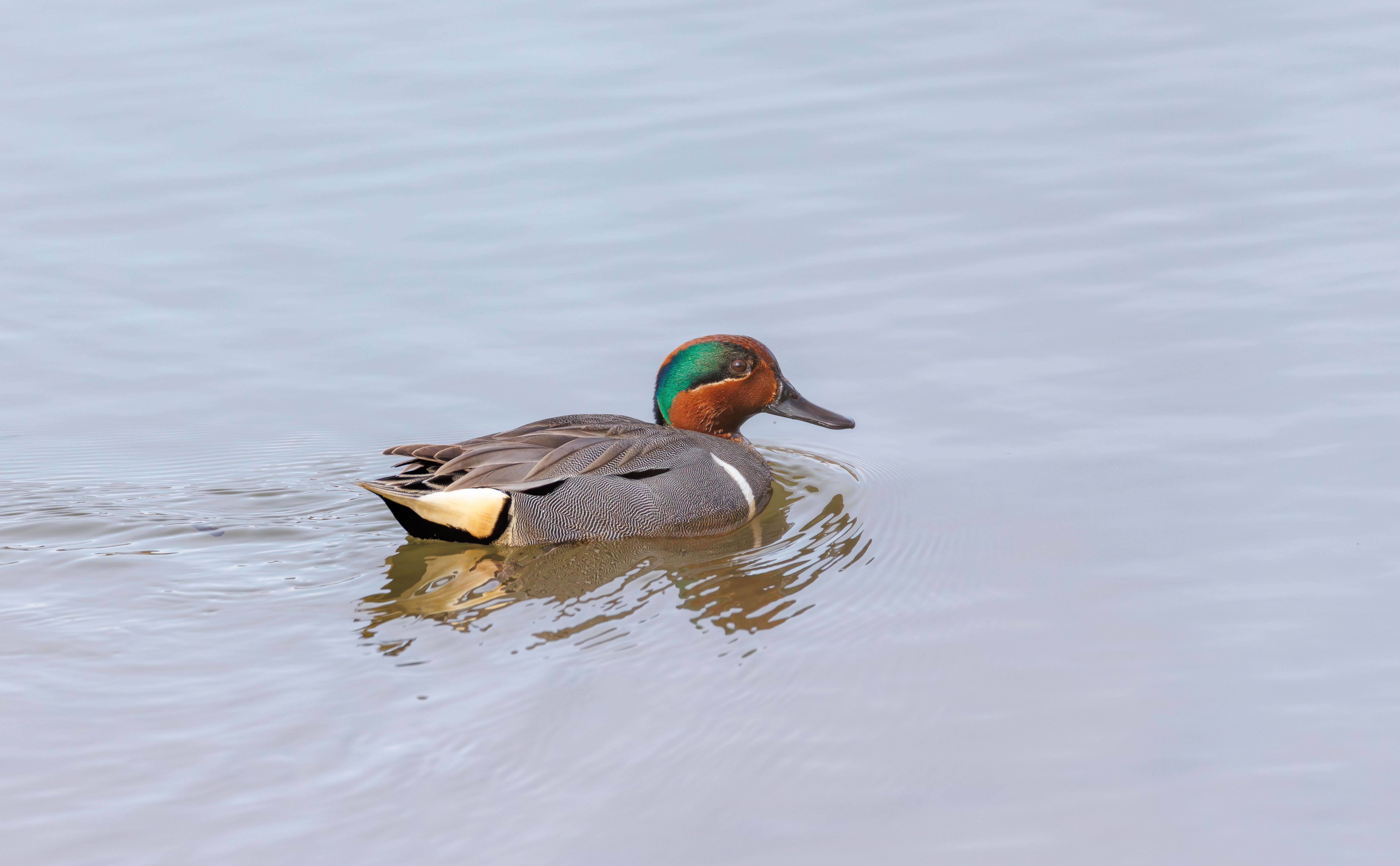
Early season teal can make hunters believers in small, active spreads. A handful of teal decoys paired with one or two spinning wing decoys often creates the flash and movement needed to pull birds off distant lines. In September heat and bright light, that extra visibility can matter more than sheer numbers.
Hunters usually keep this spread tight and slightly upwind, with the motion decoy near the landing pocket rather than buried in the middle. Teal move fast, and they decide even faster, so the setup has to read clearly in a split second. When birds get educated, many hunters simply turn the spinner off and let the minimalist spread keep working.
The X Pattern on Big Water

On open reservoirs, large oxbows, and windswept river flats, the X pattern gives hunters a spread that can be seen from multiple angles. It is built to catch attention, especially when birds are trading high or sliding across the wind. The crossing lines create shape and scale without making the whole rig look like one dense clump.
Hunters often anchor the center with a visible species mix, then run four arms outward to suggest movement and room to land. This is a spread that benefits from contrast, with darker decoys helping define the pattern on gray water. It takes more effort to set, but on big water days it can look like the only game in town.
The Rice Field Family Group
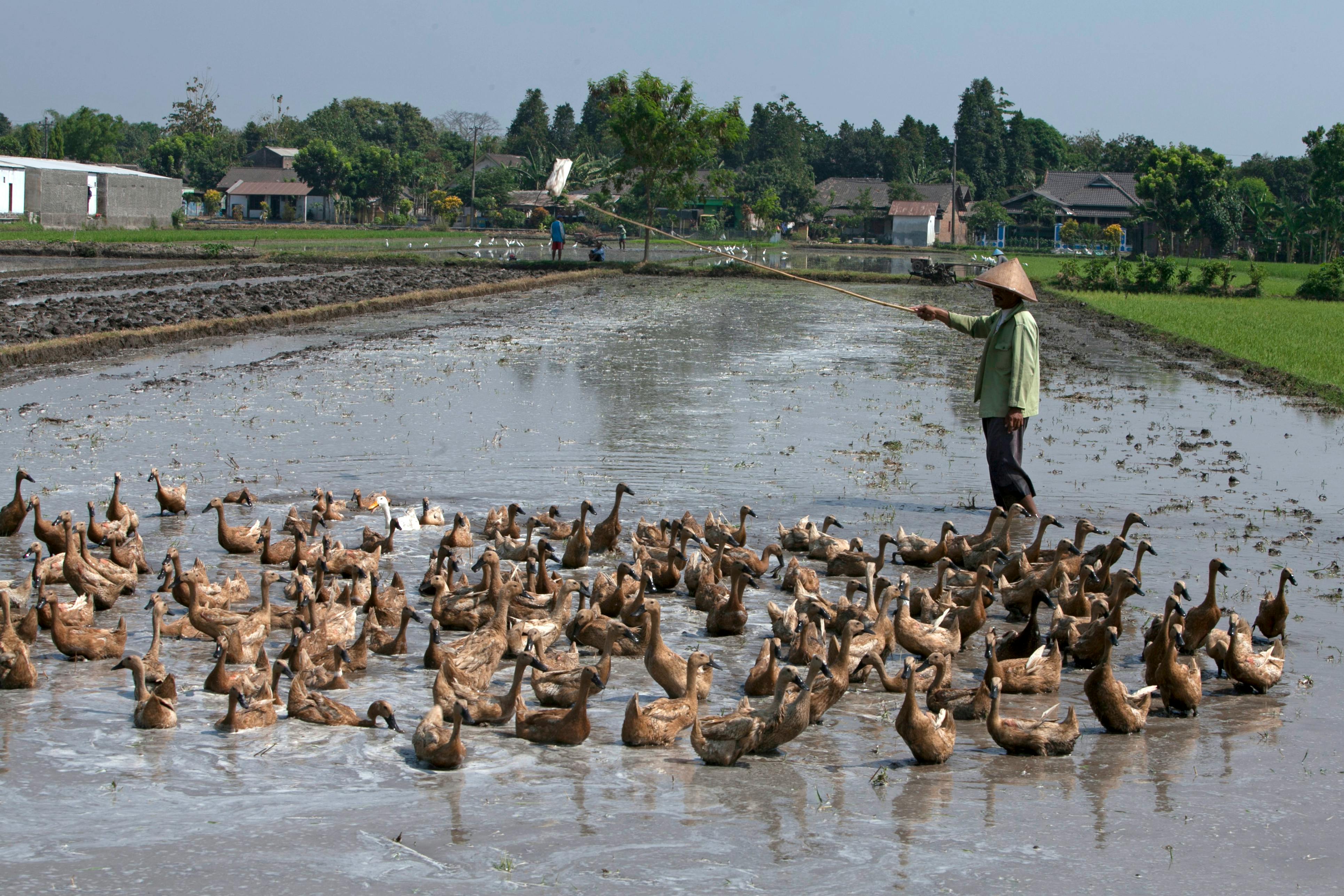
In the lower Mississippi Flyway, rice fields are classic duck country, and many hunters swear by family group spreads there. Instead of one giant blob of decoys, they create several small clusters with open water and muddy gaps between them. That spacing mirrors how relaxed ducks often feed and loaf in shallow agricultural water.
The beauty of this setup is how natural it feels, especially to mallards and pintails. Hunters can leave a broad landing lane near the blind while keeping the nearest groups off to the sides. On bluebird days when birds have seen every trick in the book, this quiet realism can outproduce louder, flashier spreads.
The Long Line Diver Rig
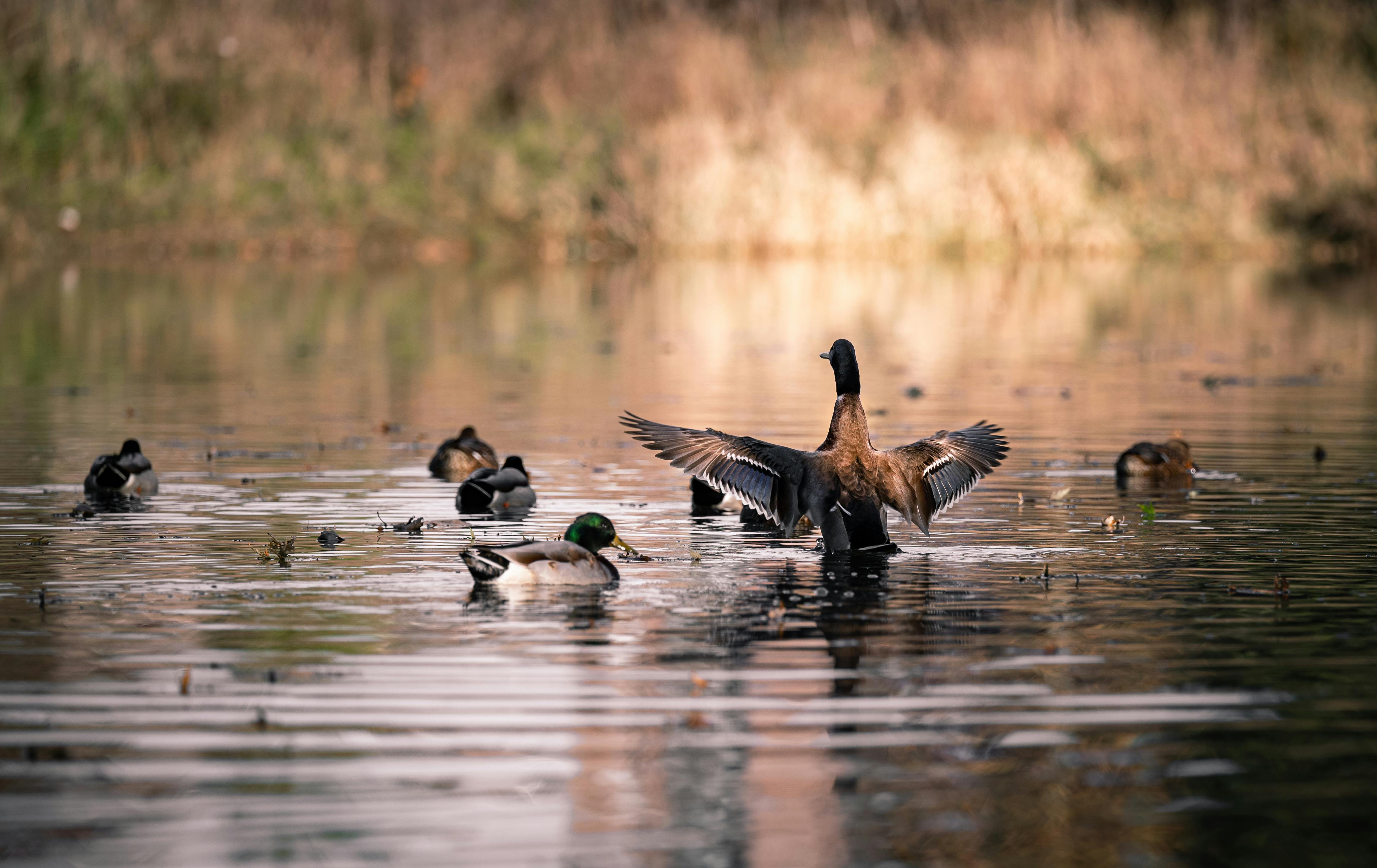
When late season weather pushes diving ducks onto deeper water, long lines become hard to beat. Hunters targeting scaup, redheads, and ringnecks often run strings of decoys that show up clearly in rough water and can be deployed fast. The spread reads like a raft of birds feeding and shifting with the chop.
Most long line rigs include a denser upwind cluster with trailing lines that taper away, giving ducks a path to finish. Visibility is everything here, so many hunters mix bright drakes into the front of the spread. It is a more specialized setup, but in the right conditions it turns a difficult hunt into a very realistic opportunity.
The Mississippi River Sandbar Spread
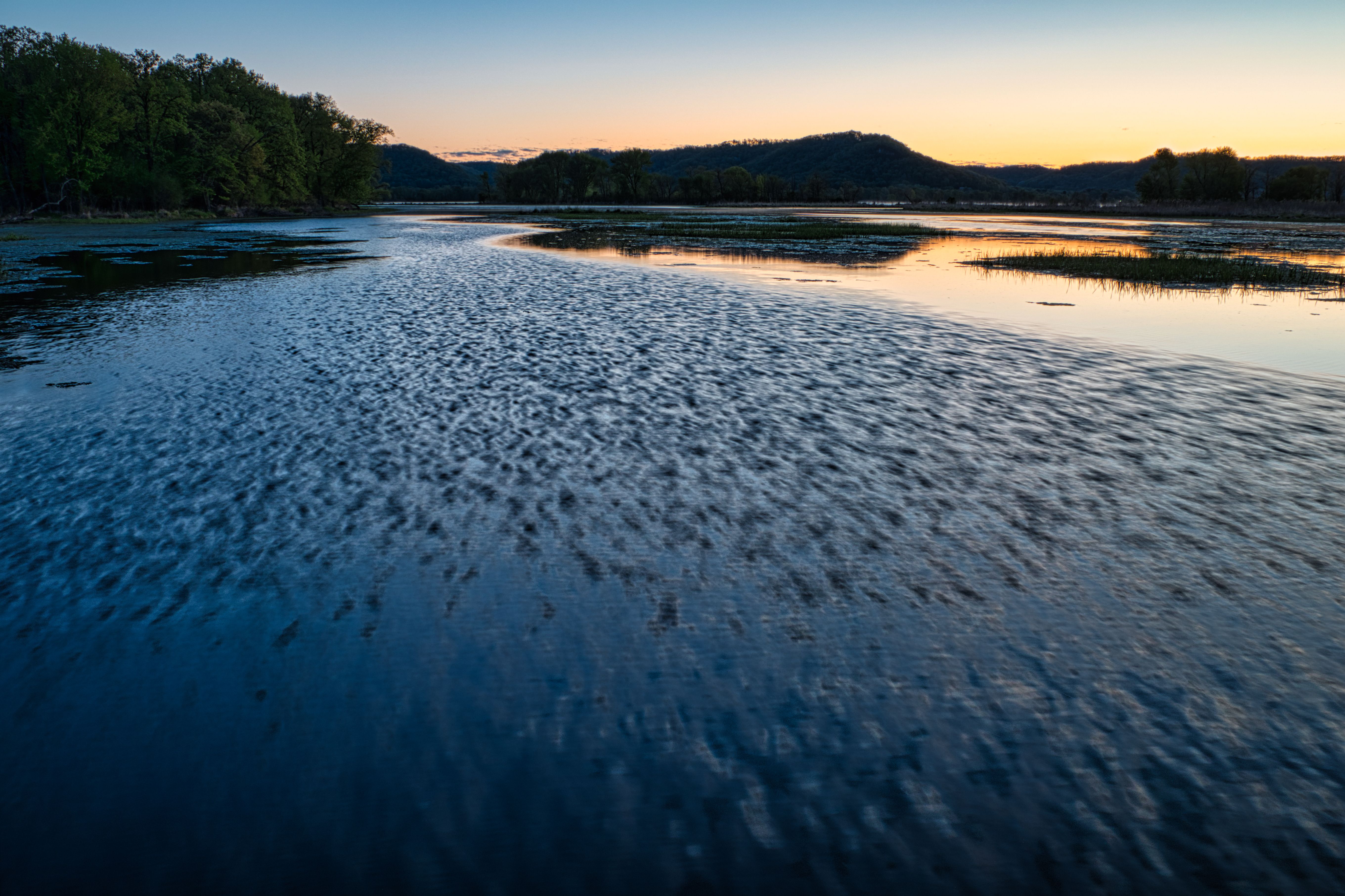
River hunters deal with current, changing channels, and birds that use every seam and slack pocket they can find. On sandbars and island edges, a mixed spread set along current breaks often looks far more believable than a perfect geometric pattern. The best setups use the river itself to create motion and life.
Hunters usually put decoys where loafing ducks would naturally tuck in, with a few sentries out front and small groups trailing into calmer water. The landing zone sits just off the edge where birds can swing in and settle. It is part decoy spread and part reading the river, which is why seasoned Mississippi Flyway hunters trust it so much.
The Windy Day Crosswind Spread

Strong wind changes everything, and savvy hunters often rotate their spread to work with a crosswind rather than fight it. This setup places the main body of decoys off to one side, leaving a broad pocket where ducks can slide across the wind and finish with control. It tends to produce cleaner shots and fewer last second flares.
The trick is resisting the urge to overfill the hole. On gusty days, movement already makes the spread lively, so open space is your friend. Hunters who pay attention to how birds are drifting on approach can fine tune this spread quickly, often with just a few anchor moves and a little more separation.
The Late Season Minimalist Spread
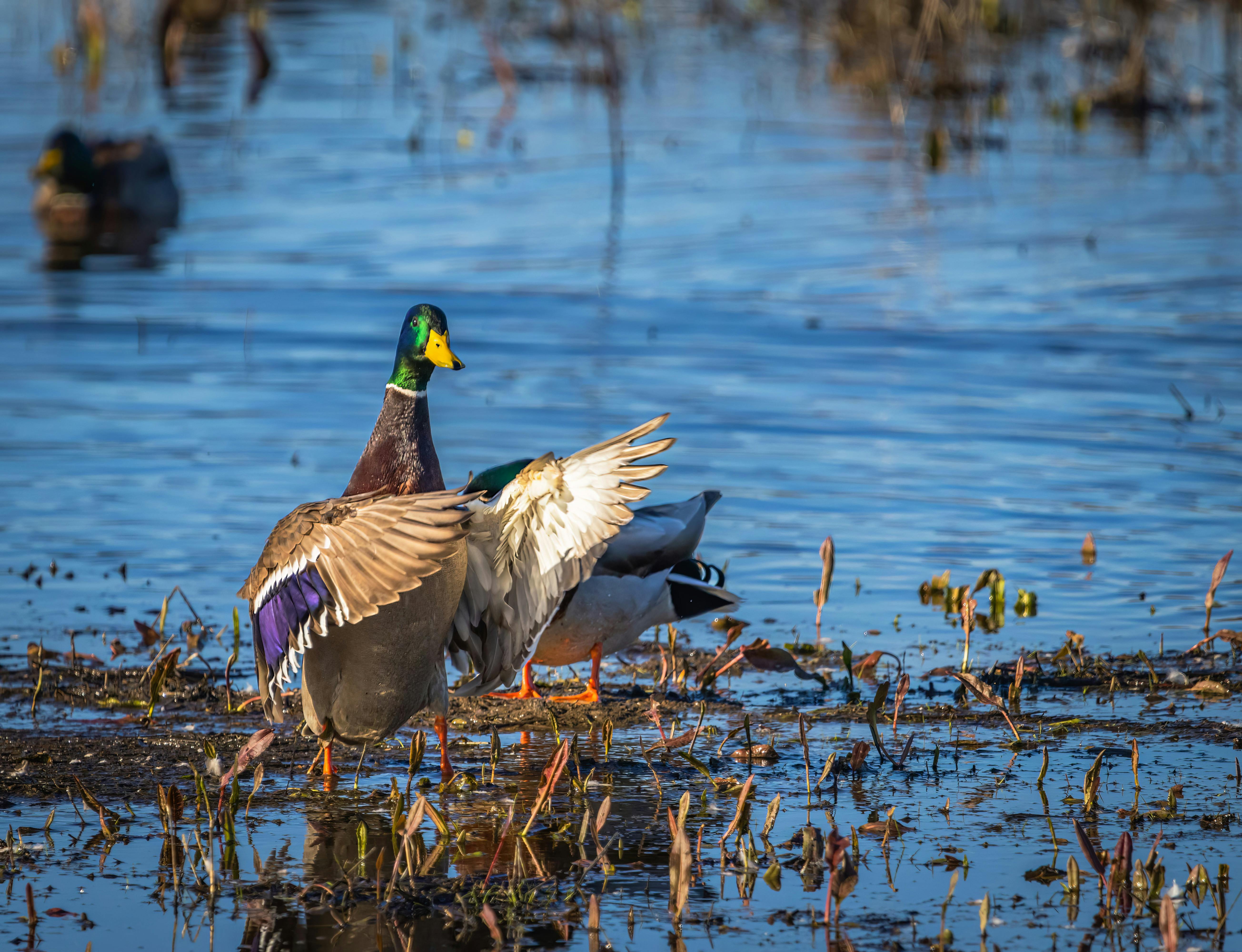
By the time ducks have been hunted hard for weeks, many Mississippi Flyway regulars downsize dramatically. A small spread of confident looking decoys can feel safer than a huge crowd, especially on public spots where birds have seen oversized rigs again and again. Fewer decoys also let hunters adapt faster when ducks show a preference for a different corner or shoreline.
Most minimalist spreads rely on perfect placement more than numbers. A little motion, generous spacing, and a clean landing pocket do the heavy lifting. It is a setup built on restraint, and that is exactly why experienced hunters keep returning to it in the toughest part of the season.
The Mixed Species Confidence Spread

When hunters are not sure what will show up, a mixed species spread gives them options. Mallards, pintails, teal, wigeon, and gadwall decoys can create the kind of visual diversity ducks often see on productive water. It also helps the spread stand out in places where birds are moving through rather than locked onto one exact food source.
The key is keeping the mix believable instead of random. Hunters usually bunch similar species loosely together while still leaving enough blending to make the whole rig feel alive. On migration days, this broad appeal can be a real advantage, especially when different flocks are trading through the same marsh or field.
The Motion Heavy Marsh Spread
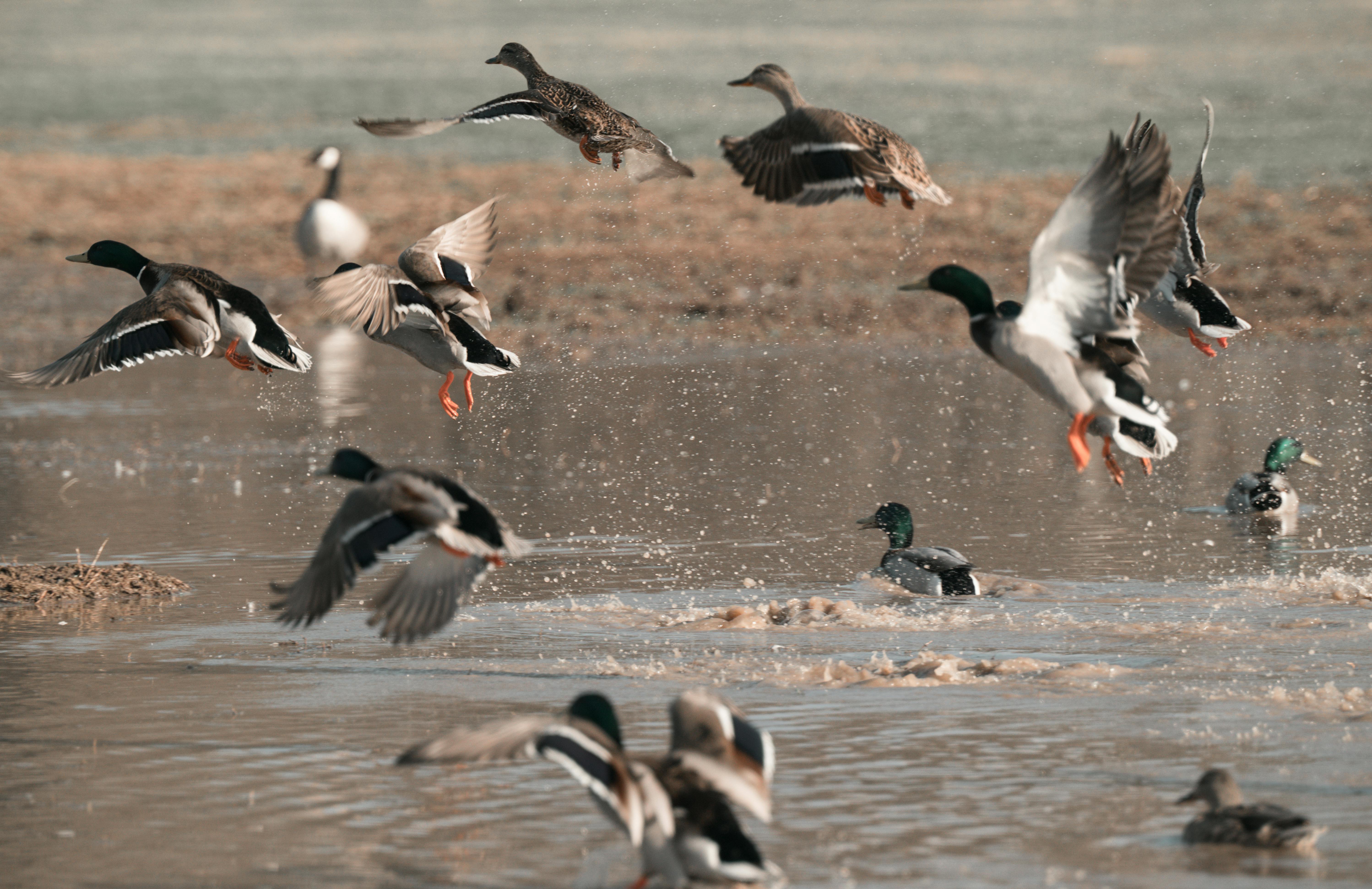
Some mornings demand extra life, and that is where a motion heavy marsh spread earns its fans. Hunters combine jerk rigs, swimmer decoys, and carefully placed feeders to create ripples that make the whole setup feel active. In still water conditions, that subtle disturbance can be the detail that sells the scene.
This spread works best when motion stays realistic and not overwhelming. A little surface shimmer around the landing zone can suggest feeding birds without turning the setup into a carnival. Mississippi Flyway hunters often lean on this approach during calm, high pressure weather when ducks circle repeatedly and seem to inspect every inch before committing.