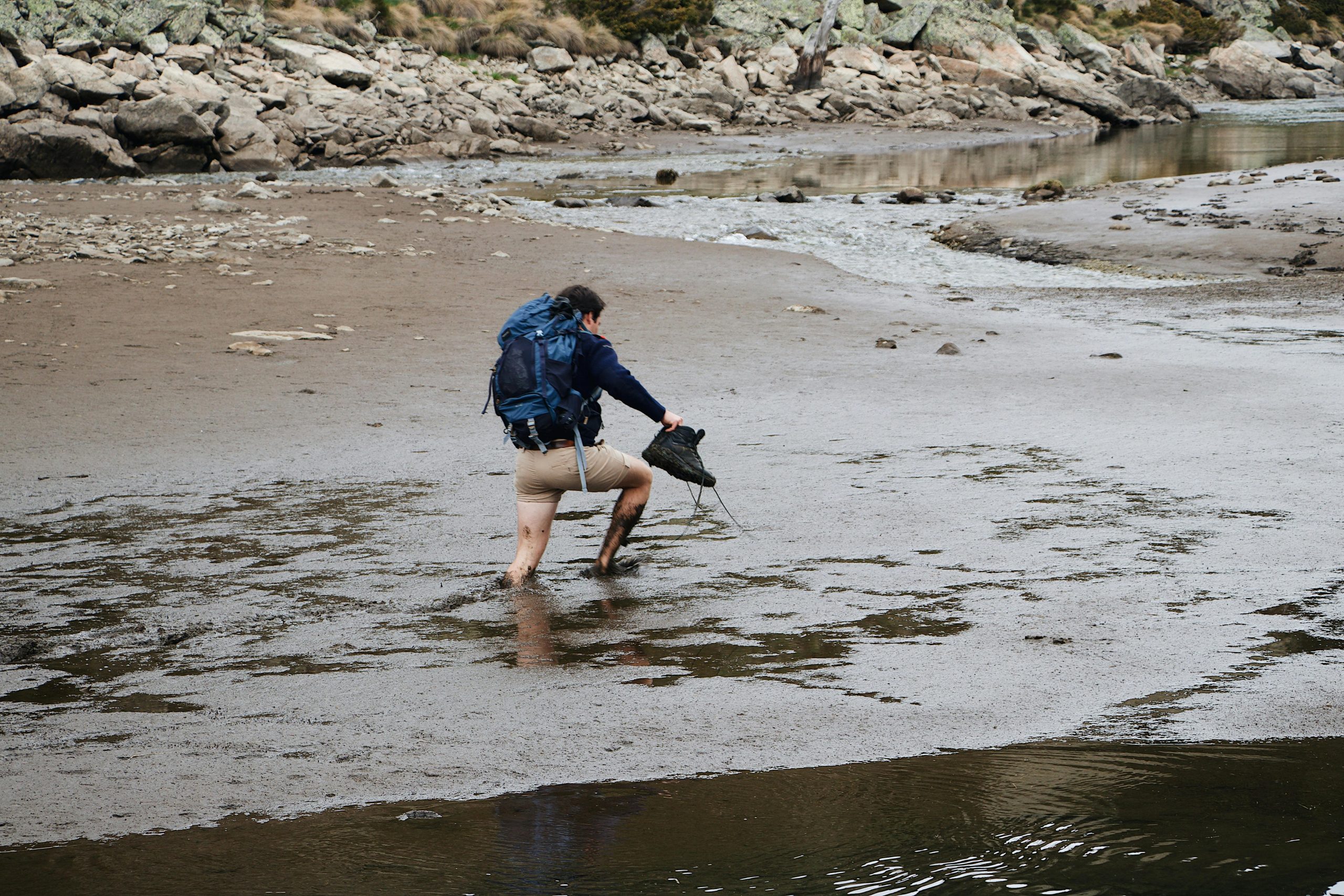
Survival planning is commonly built during calm moments, when threats feel distant and conditions seem controllable. Routes are mapped, equipment is organized, and confidence quietly fills the spaces between preparation and reality. What is commonly overlooked is how quickly circumstances unravel once plans shift unexpectedly. Weather turns hostile, injuries appear without warning, and timelines compress until choices must be made under pressure. Assumptions that felt logical during preparation often fail first, creating hesitation and costly mistakes. Survival rarely rewards rigid thinking. It favors adaptability, awareness, and the ability to abandon expectations without hesitation. Understanding which assumptions collapse when plans change allows faster recalibration, clearer thinking, and safer decisions. The following assumptions are commonly held, widely trusted, and repeatedly proven unreliable when real-world survival refuses to follow a script.
1. There Will Be Enough Time to Think Clearly.
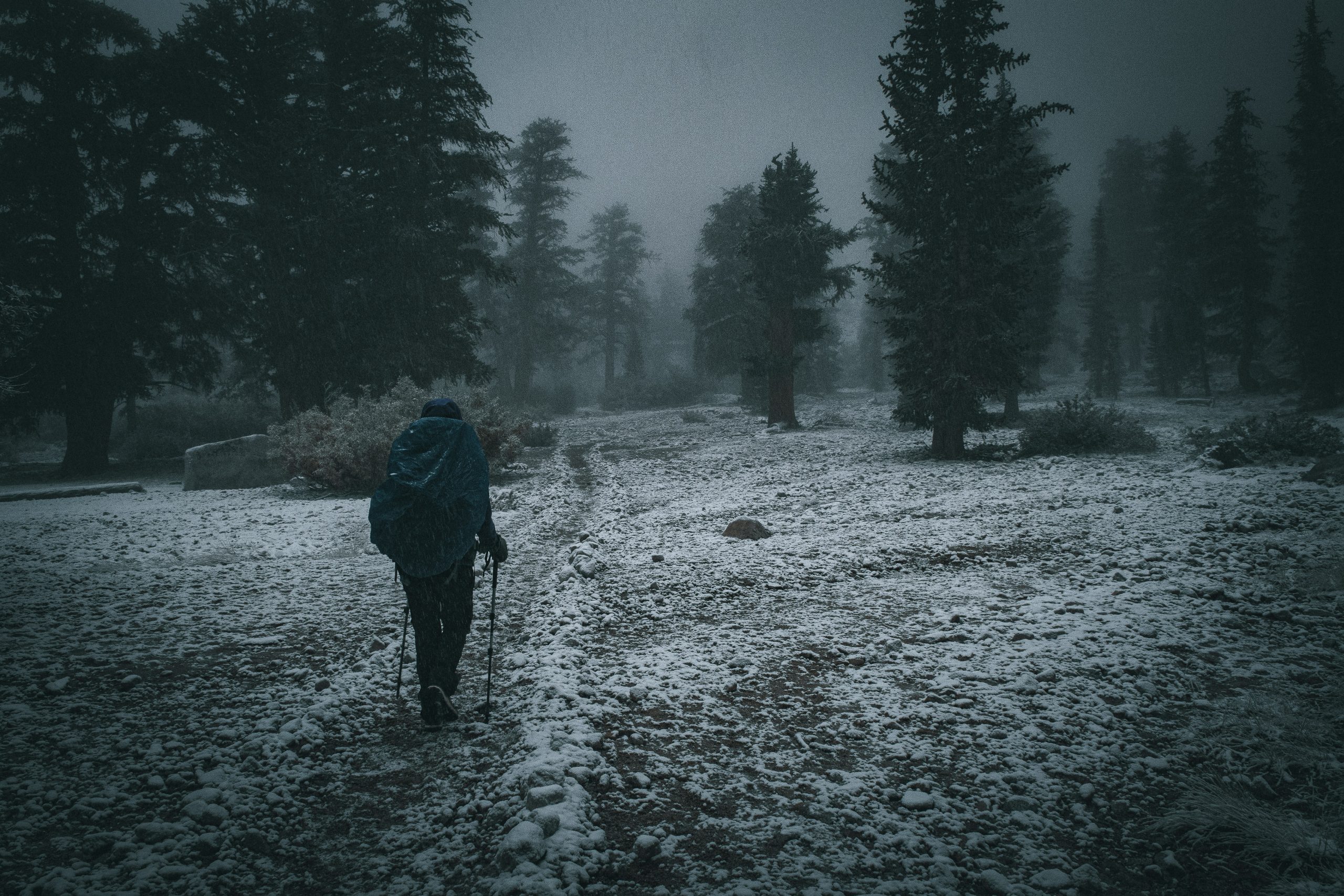
It is commonly assumed that survival situations allow time for careful thought, but sudden changes erase that margin almost immediately. Emergencies compress decision-making windows, forcing action before complete information is available. Weather shifts rapidly, daylight disappears, or minor problems escalate into immediate threats. Stress alters perception, narrowing focus and reducing cognitive flexibility. Logical sequencing becomes difficult when adrenaline takes over. Delaying action in search of perfect clarity often worsens outcomes. Survival favors simple priorities executed quickly rather than ideal solutions reached too late. Accepting that decisions will be imperfect but necessary prevents paralysis. When plans collapse, momentum and decisive movement often matter more than prolonged analysis.
2. Equipment Will Solve Most Problems.
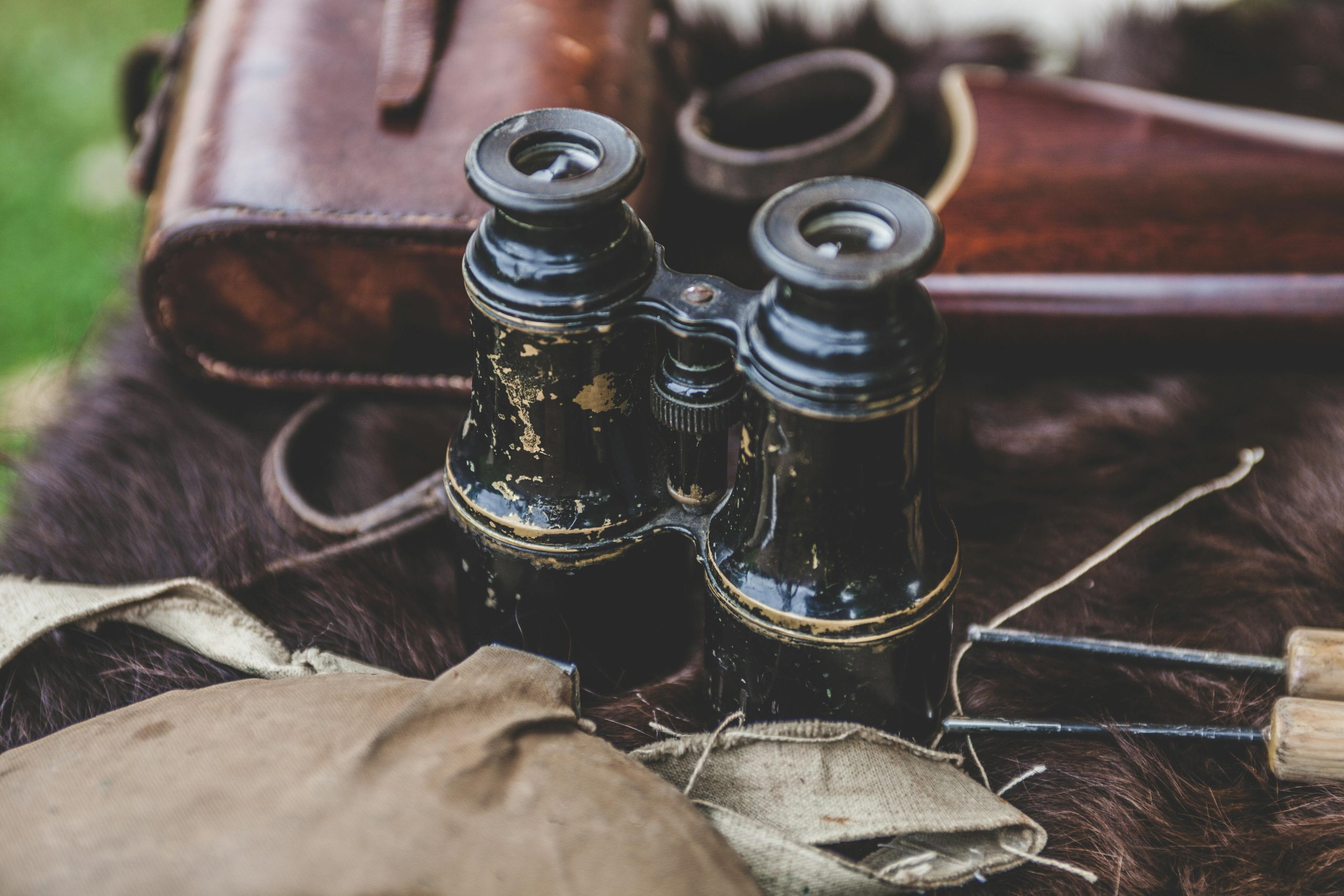
It is commonly believed that proper gear compensates for uncertainty, yet equipment frequently fails when conditions change. Batteries drain faster than expected, electronics malfunction in moisture or cold, and critical tools break or disappear. Overreliance on equipment creates dependency, delaying adaptation when tools no longer function. Survival environments punish single points of failure. When plans change, skill and improvisation become more valuable than ownership. Shelter building, exposure management, and navigation fundamentals remain essential even with modern gear. Equipment should extend capability, not replace competence. Assuming tools will always work leads to hesitation at the exact moment flexibility is required.
3. The Environment Will Stay Familiar.

It is commonly assumed that terrain and conditions will remain recognizable, but environments change abruptly. Clear paths vanish under snow, dry ground floods overnight, and familiar landmarks disappear in fog or darkness. Small environmental shifts multiply risk by affecting movement, visibility, hydration, and morale simultaneously. Relying on yesterday’s conditions encourages complacency. Survival demands constant reassessment rather than trust in stability. Expecting volatility promotes cautious movement, conservative decisions, and early shelter choices. When plans change, treating the environment as unpredictable rather than dependable reduces exposure to compounding hazards.
4. Physical Limits Are Well Understood.

Physical capability is commonly overestimated during planning. Stress, dehydration, hunger, and cold reduce endurance faster than expected. Fatigue compounds, injuries worsen, and recovery opportunities shrink once plans change. Pushing too hard early often leads to breakdown later, when strength is most needed. Survival requires conservative pacing and energy preservation, not heroic effort. Recognizing that physical limits fluctuate daily prevents exhaustion-driven mistakes. When conditions shift, treating the body as a limited resource protects mobility and decision-making over time.
5. Navigation Will Be Manageable.
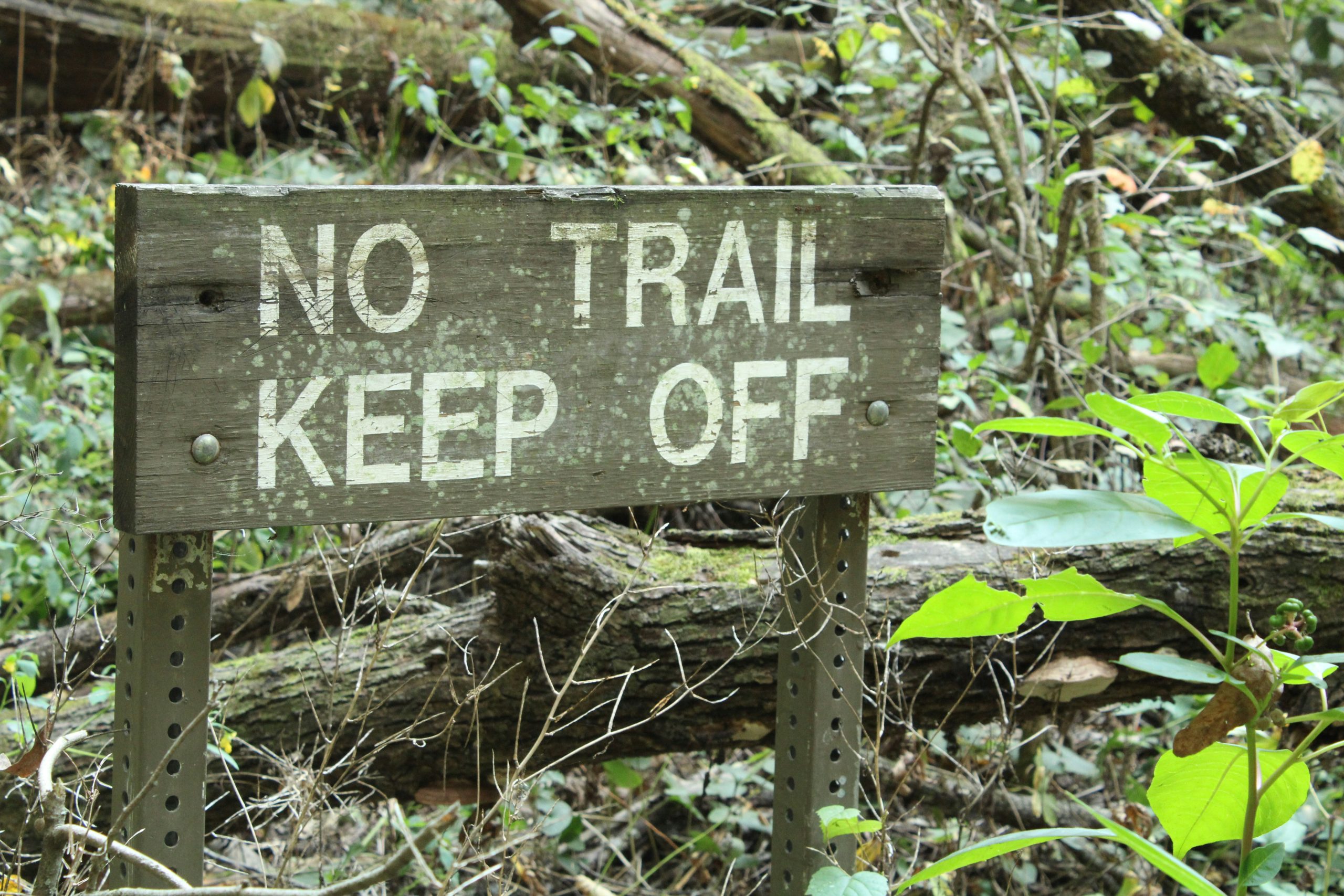
Navigation is commonly assumed to remain straightforward, especially with maps or digital tools. When plans collapse, orientation deteriorates quickly. Trails disappear, landmarks look unfamiliar from different angles, and electronic aids fail without warning. Stress distorts spatial awareness, increasing the likelihood of small errors that compound over distance. Survival navigation prioritizes confirmation over speed. Slowing down, stopping early, and reassessing direction prevents becoming irreversibly lost. Assuming navigation will sort itself out encourages risky progress when caution is needed most.
6. Outside Help Will Eventually Arrive.
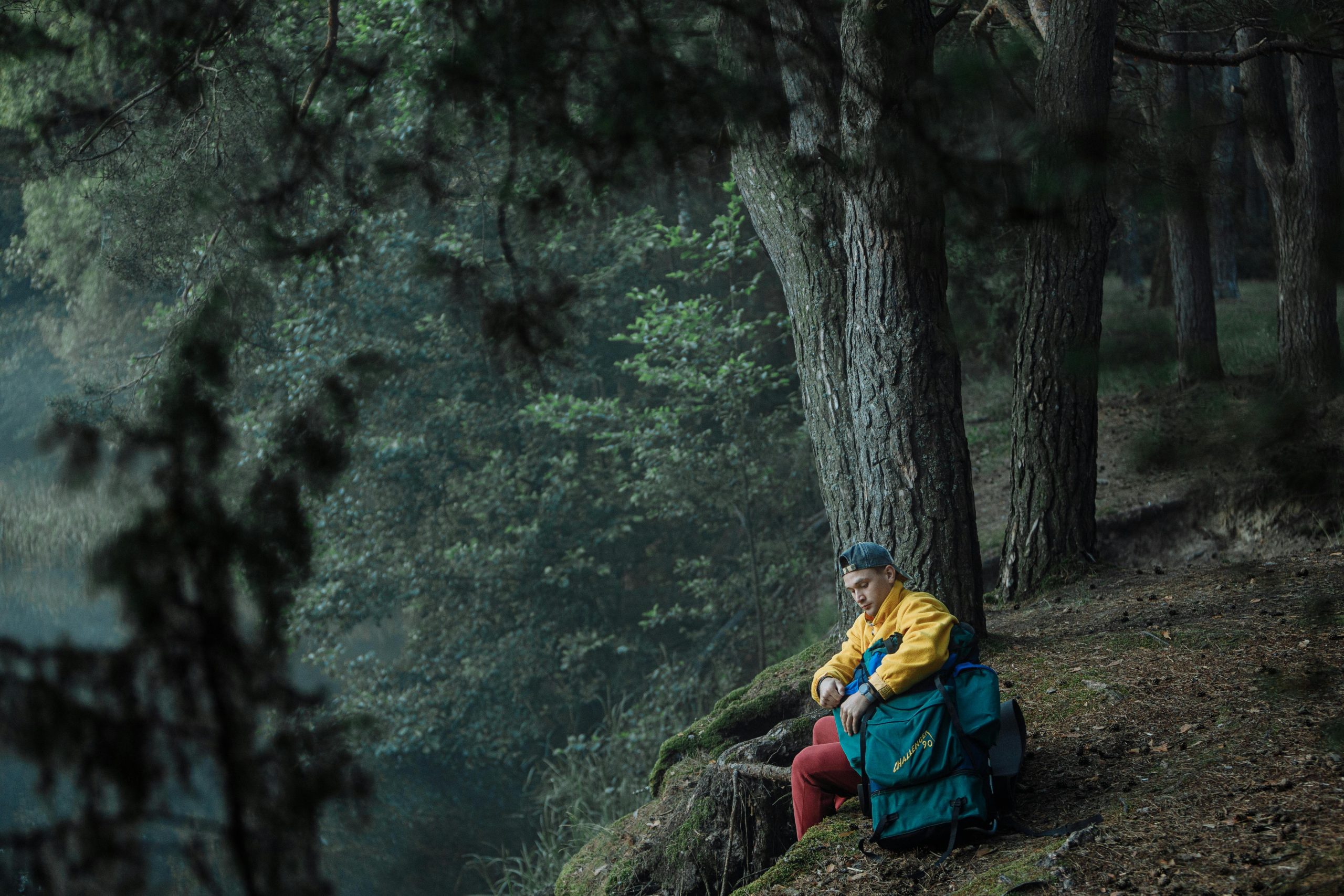
It is commonly believed that assistance is delayed rather than unavailable. When plans change, communication gaps expand rapidly. Signals weaken, batteries fail, and distance grows faster than anticipated. Expecting rescue encourages risk-taking and reduces self-sufficiency. Survival thinking requires acting as though help may never come. Preparing to stabilize, shelter, and sustain independently changes behavior in critical ways. Those who assume outside support too early often make decisions that worsen isolation and exposure.
7. Mental Strength Will Appear Automatically.

Psychological resilience is commonly mistaken for confidence. When plans collapse, fear, frustration, and uncertainty intensify rapidly. Mental fatigue erodes judgment faster than physical strain. Emotional regulation does not emerge spontaneously under stress. Survival mindset requires deliberate control, slowing breathing, breaking tasks into steps, and maintaining routine. Without preparation, panic dominates thinking. Managing morale becomes as important as managing resources. Underestimating psychological strain leads to rushed decisions and cascading errors.
8. Food and Water Can Wait.
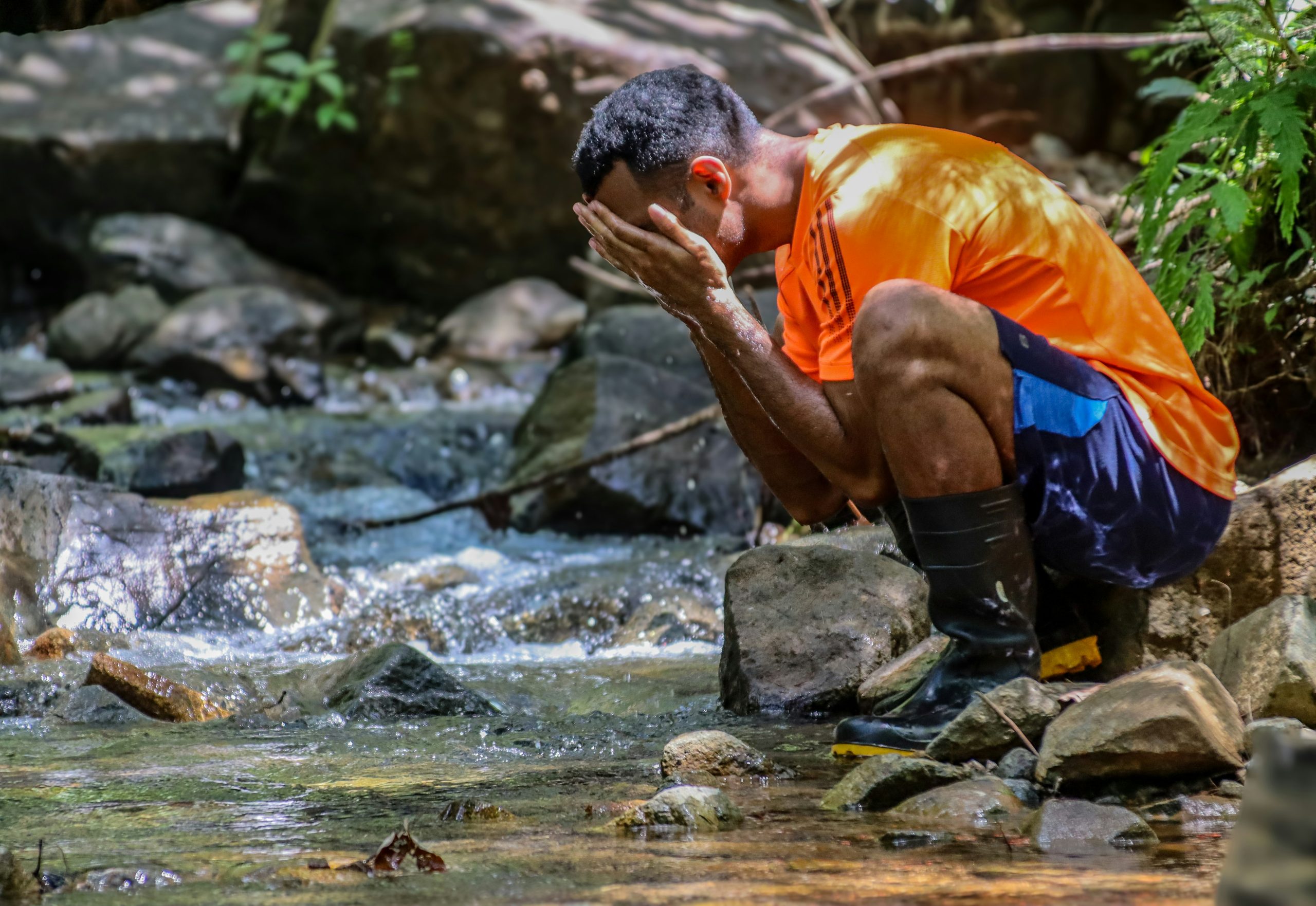
Sustenance planning is commonly delayed during emergencies. Dehydration impairs cognition within hours, while hunger reduces strength and morale sooner than expected. When plans change, access to sources disappears, or purification methods fail. Waiting to address hydration increases desperation-driven mistakes. Survival prioritizes water management early, even before movement or navigation. Treating sustenance as a secondary concern undermines every other survival task by degrading judgment and physical capability simultaneously.
9. Discomfort Is Temporary.

Discomfort is commonly minimized during planning. Wet clothing, constant cold, or relentless heat steadily degrade focus and morale. When plans change, discomfort becomes continuous rather than short-lived. Small irritations accumulate into exhaustion and poor decisions. Survival favors comfort management because mental clarity depends on physical stability. Dryness, insulation, shade, and rest preserve problem-solving ability. Ignoring discomfort early magnifies suffering later.
10. Groups Will Act Rationally.
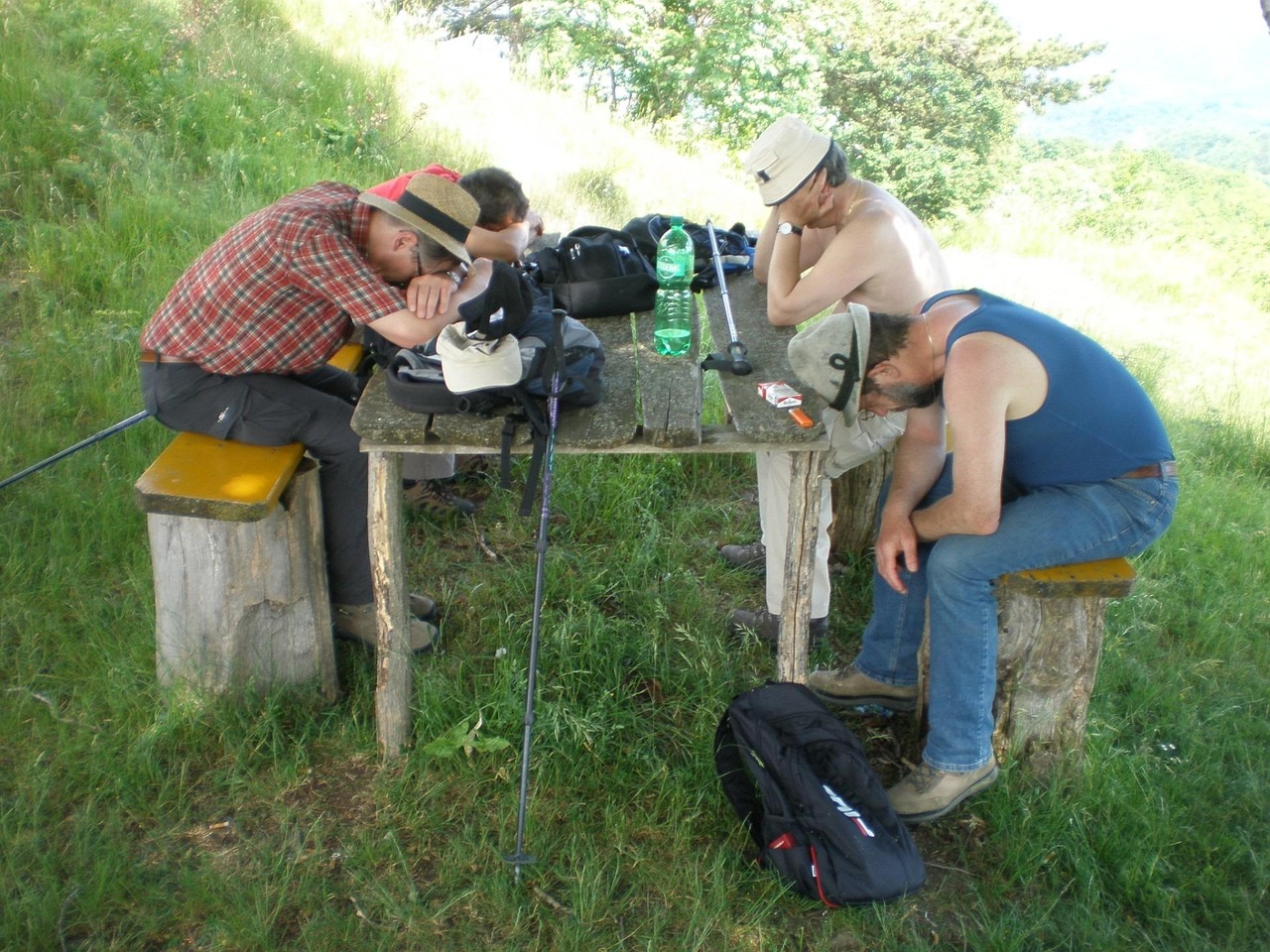
Group behavior is commonly assumed to remain logical under pressure. Stress alters priorities, causing panic, denial, or reckless confidence. Disagreements escalate quickly when plans collapse. Leadership gaps emerge, and communication breaks down. Survival in groups requires anticipating emotional responses and maintaining a clear structure. Simple roles and calm direction reduce chaos. Assuming rational behavior leads to frustration and delay at critical moments.
11. The Original Objective Still Applies.

Clinging to the original goal is commonly one of the most dangerous assumptions. When plans change, continuing toward a destination despite rising risk worsens outcomes. Survival requires redefining success as safety rather than completion. Abandoning sunk costs preserves energy, resources, and life. Flexibility saves lives. Letting go of the plan often becomes the most important survival decision.