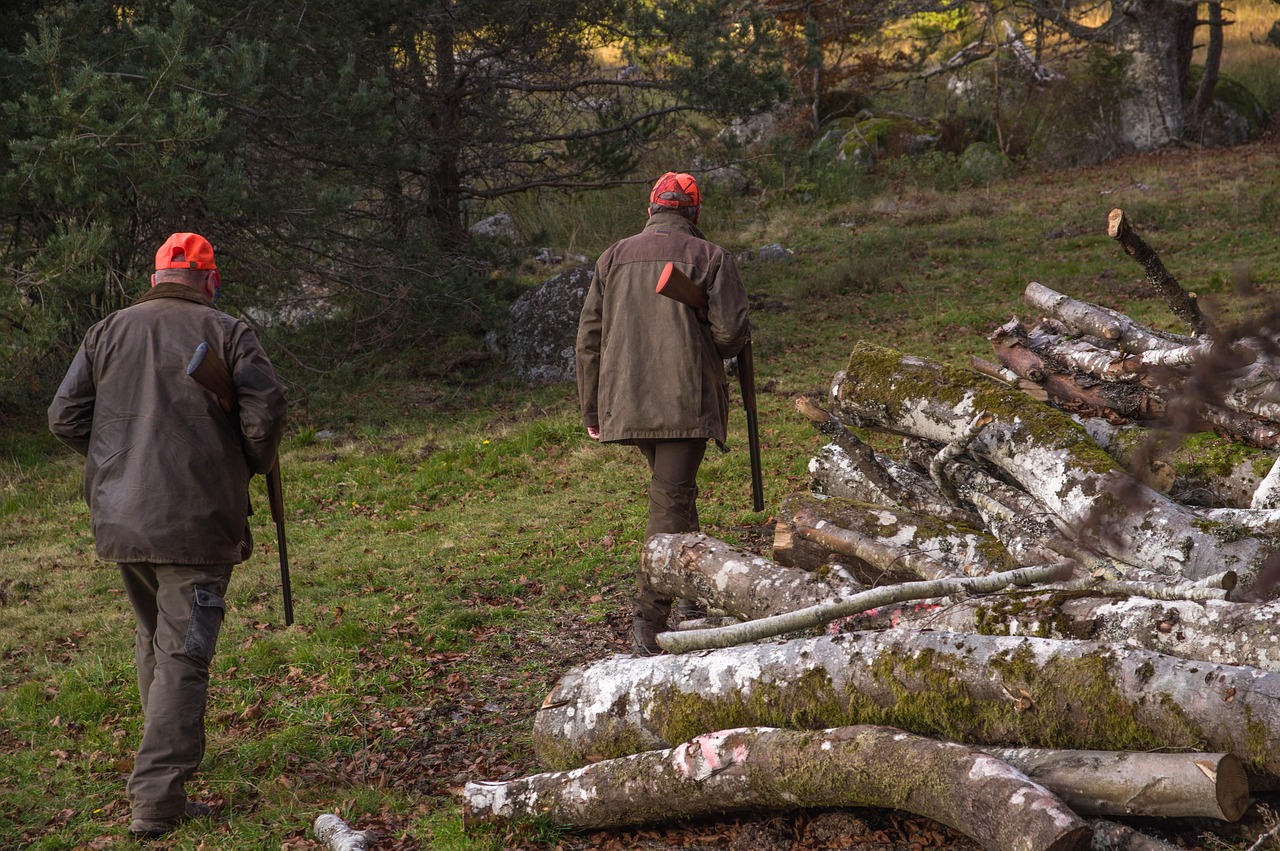
New hunters often focus on weapons and calls, but forget that poor clothing choices can ruin a hunt faster than bad aim. Animals respond instantly to unusual shapes, colors, scents, and sounds. The wrong outfit can make you obvious, loud, smelly, or uncomfortable, each leading to a blown opportunity. These 11 proven gear mistakes explain what goes wrong and how to fix it with practical, tactical upgrades that help beginners make smart clothing choices from day one.
1. Bright or Distracting Colors
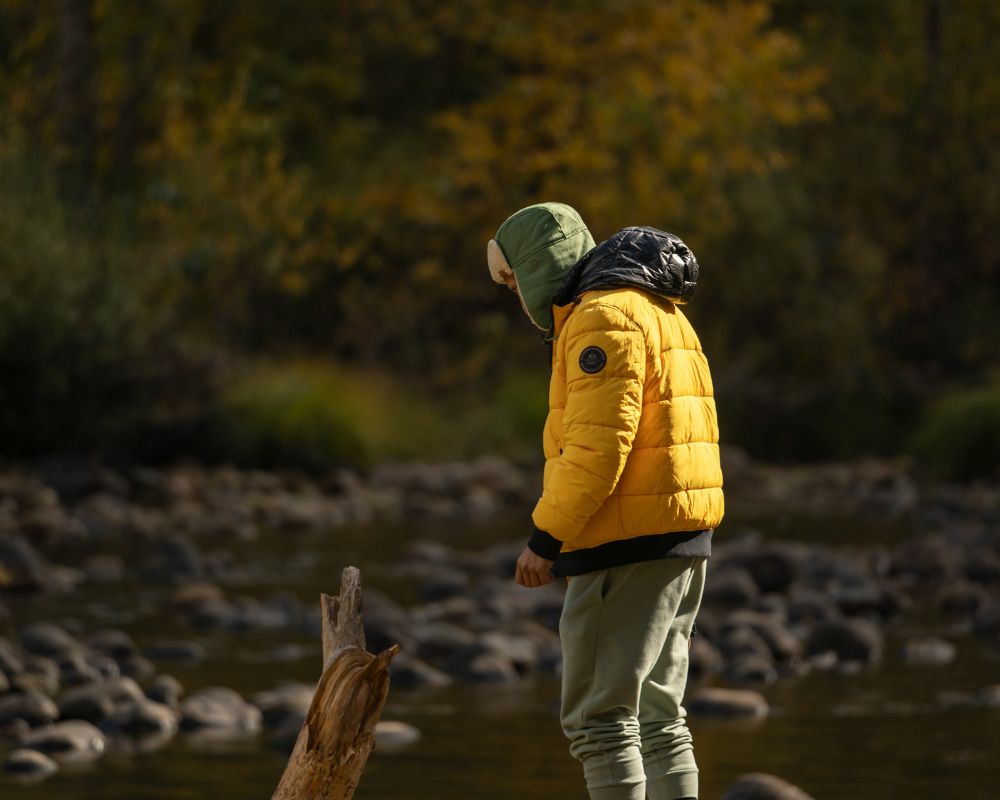
Standing out is great in fashion, terrible in a deer stand. Bright hats, shiny logos, or non-camo backpacks reflect sunlight and alert animals long before you get a shot. Many species notice blues and whites especially well. Fix this by choosing muted earth tones or well-patterned camo that matches your terrain’s season. Remove or tape reflective patches and keep gear matte. New hunters should check how clothing appears at sunrise and sunset, the most active animal hours when light can betray even “dull” fabrics.
2. Wrong Camo Pattern for the Terrain
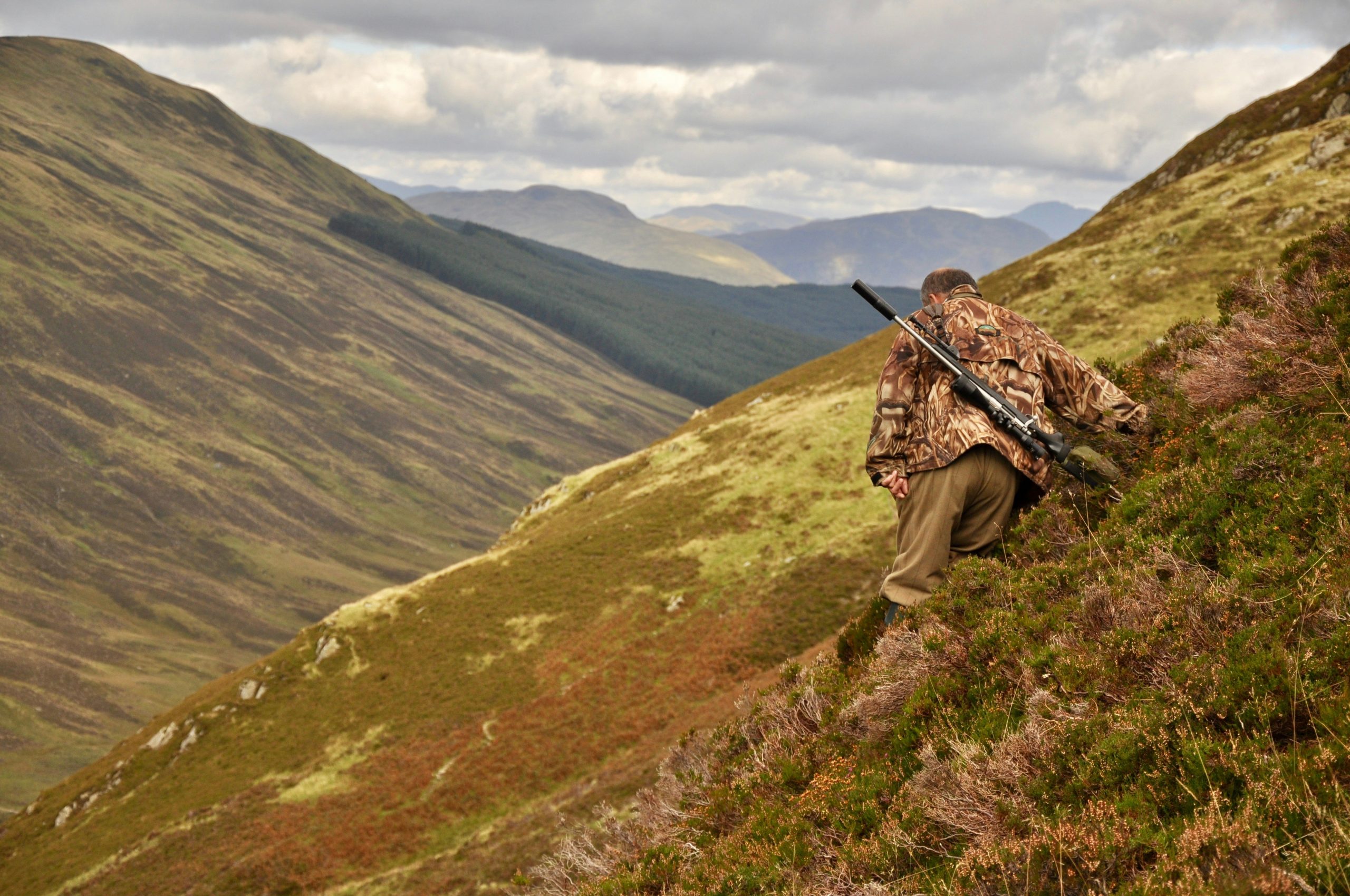
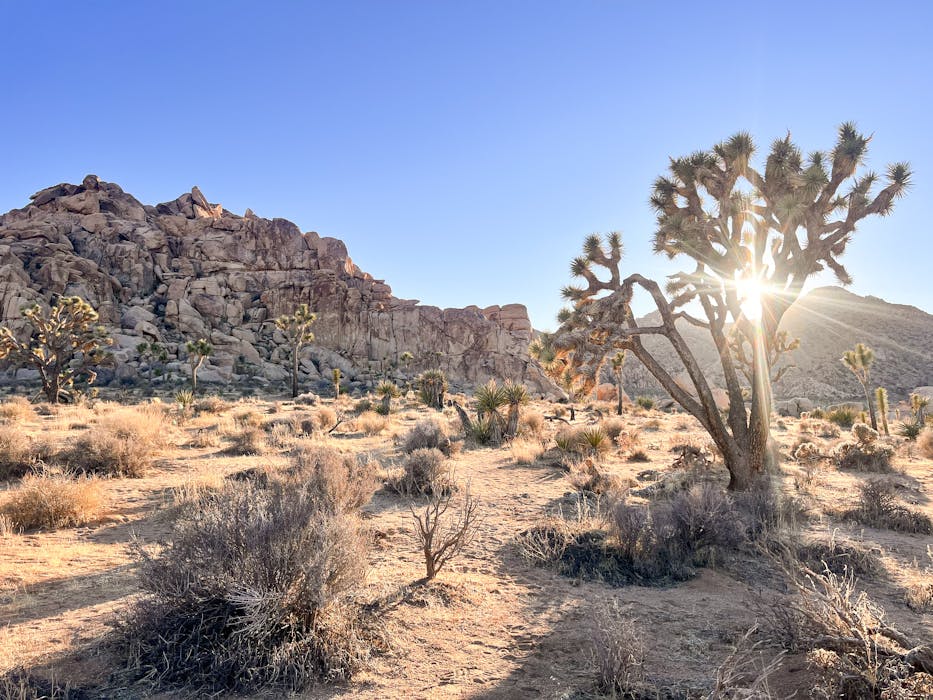
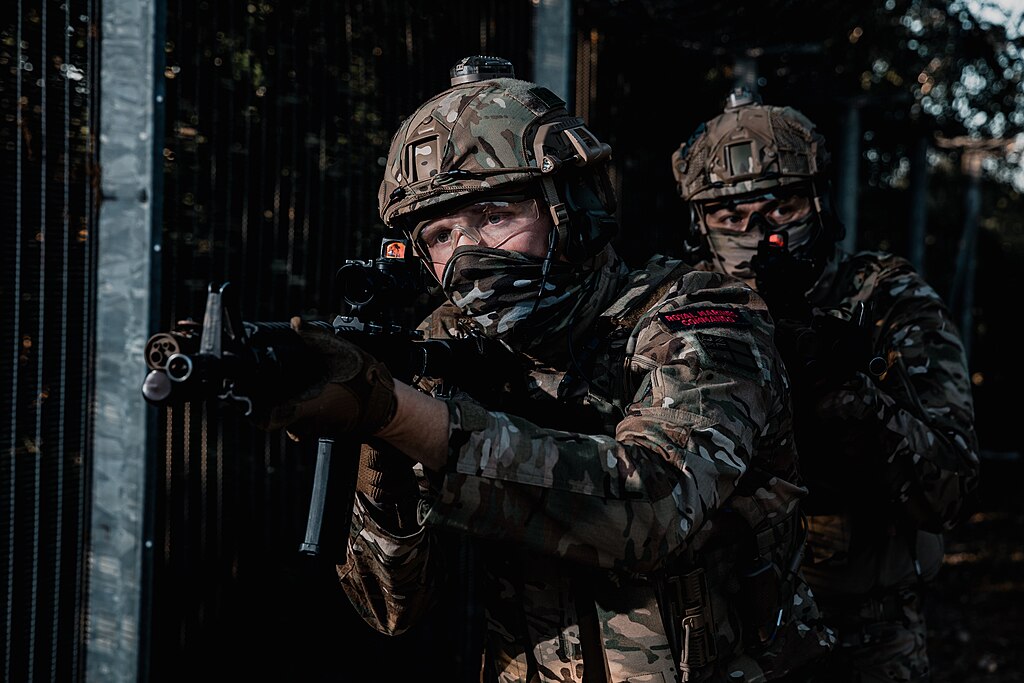
Camo isn’t just decoration; it’s a mimic of habitat. Woodland patterns fail in open grass, and digital desert prints look absurd in dark forests. Animals detect outline breaks, not brand names. Choose patterns that match local light, vegetation, and background at the average viewing distance. Prioritize macro patterns for long-range concealment and micro patterns up close. Beginners often copy what others wear. Do your own environment check each outing to avoid a silhouette that pops.
3. No Scent Control Clothing

Human scent travels farther than sound. Wearing regular laundry detergents or synthetic fabrics saturated with daily odors will warn deer hundreds of yards away. Use scent-reducing base layers, wash gear in fragrance-free soap, and store clothing in sealed containers with natural cover scents like leaves or soil. Apply wind and thermal knowledge to avoid projecting odor toward trails. Clothing alone can’t fix bad wind decisions, but the right fabric reduces risk dramatically.
4. Loud Fabrics and Noisy Accessories
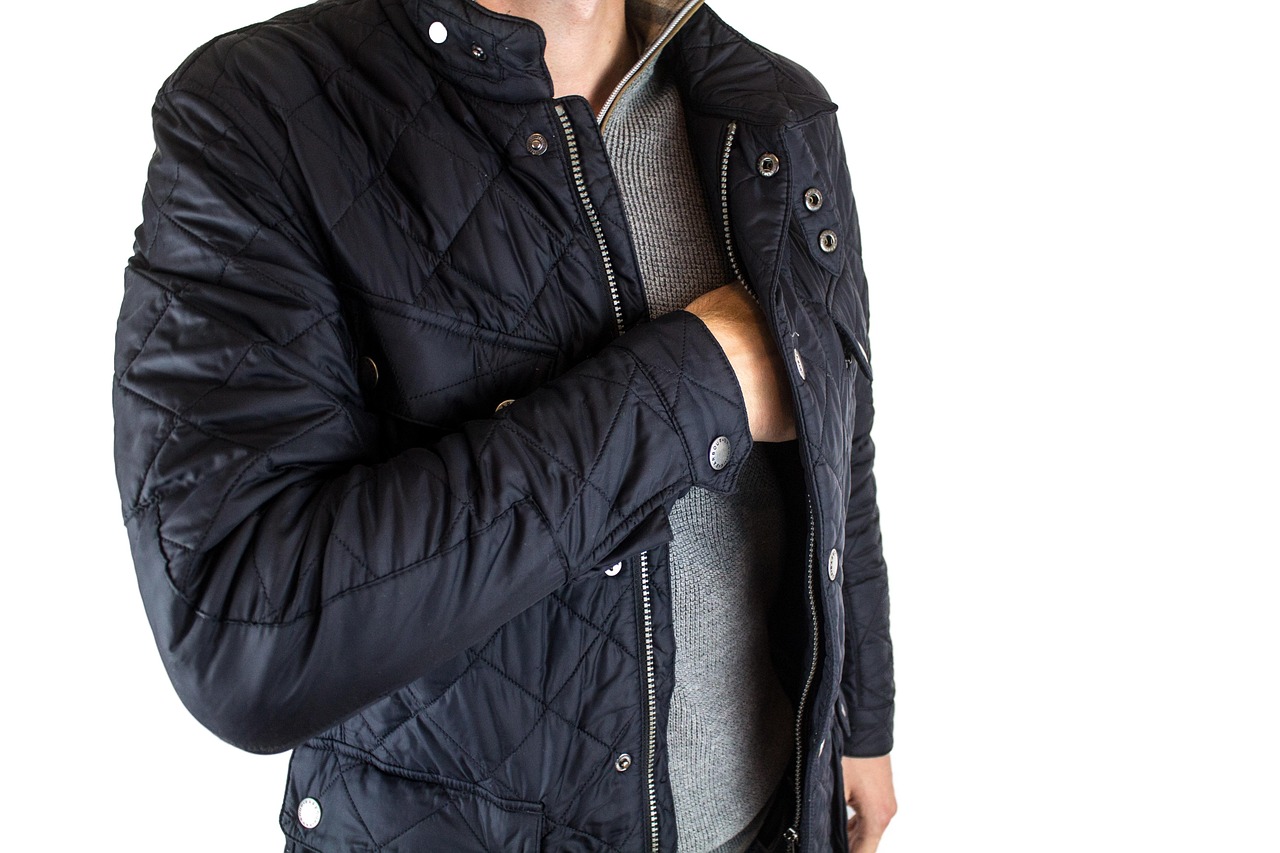
Nylon jackets, Velcro pockets, and loose metal zippers create tiny noises that become warning signals in quiet woods. Animals are tuned to detect unnatural rustles and clinks. Select brushed fleece or wool outer layers that silence movement. Tape buckles, secure straps, and test your outfit indoors by slowly drawing your bow or raising your rifle. Silence isn’t a luxury; it’s survival. New hunters underestimate how loud “quiet” clothing becomes in cold, still air.
5. Overdressing and Sweating on the Way In
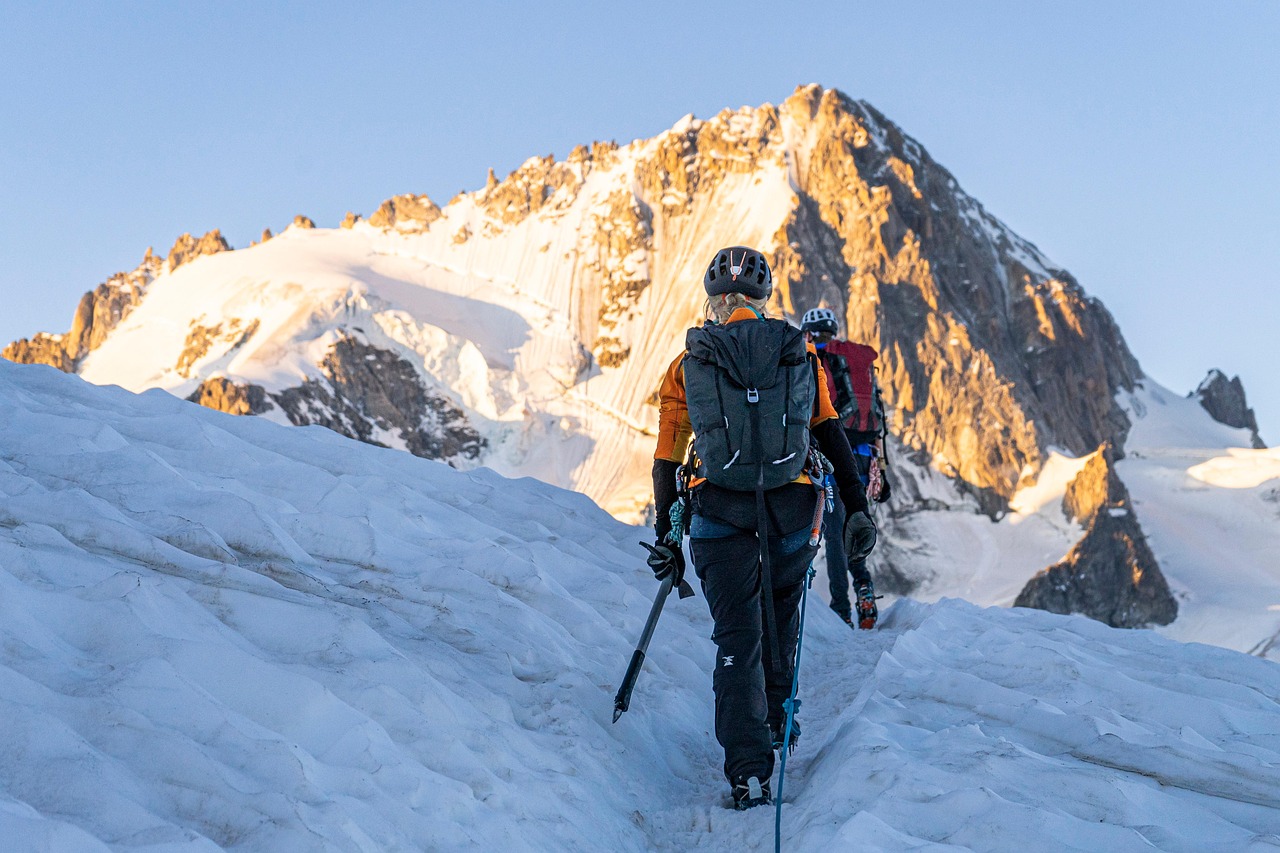
Wearing full winter gear during the hike to your stand guarantees sweat. Damp layers create scent, chill your body, and reduce patience, leading to early movement and spooking game. Dress in breathable layers and carry insulation to add once settled. Manage heat by slowing pace, venting zippers, and avoiding heavy packs. Comfort equals stillness, and stillness equals success. Smart thermoregulation is a beginner’s most underrated skill.
6. Bulky Jackets That Disrupt Shooting Form
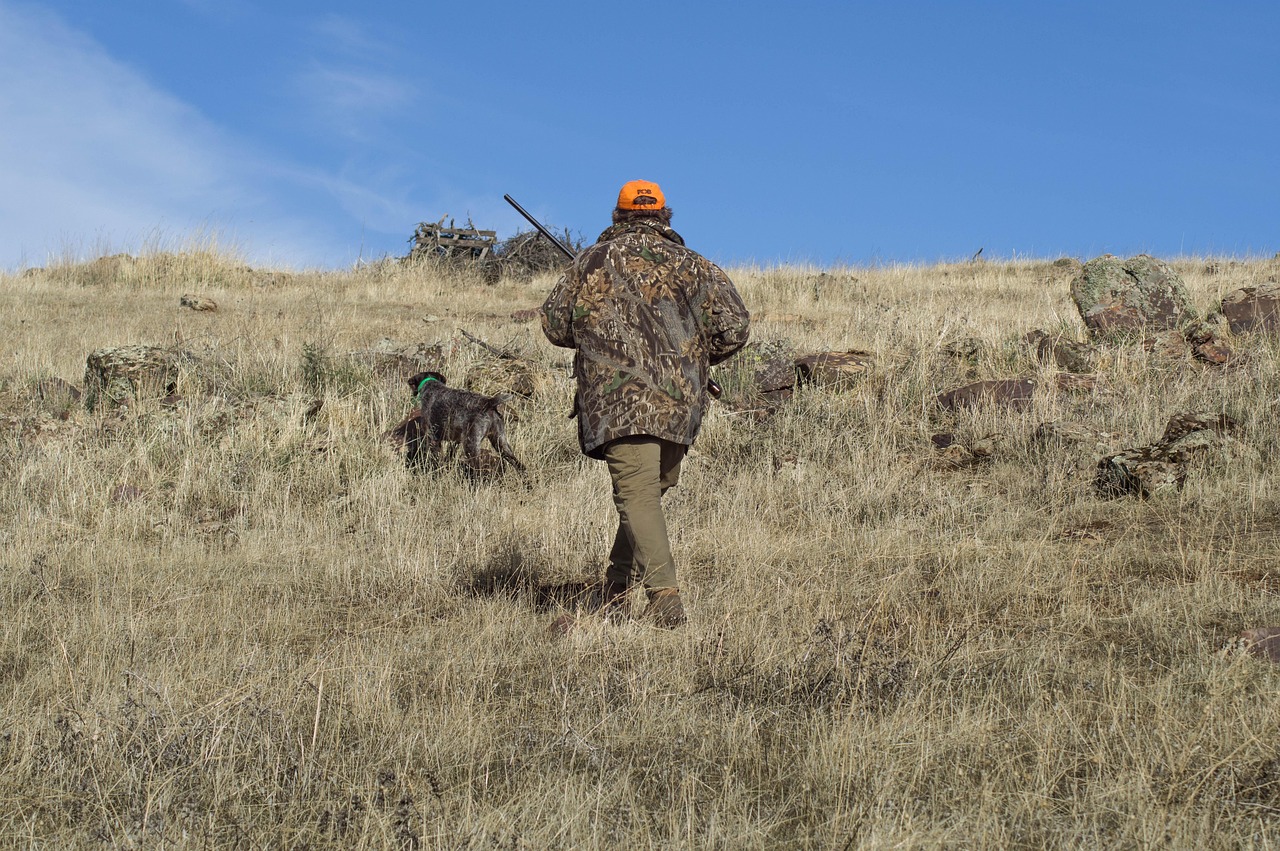
Huge puffy jackets feel warm but interfere with firearm mounts and bow string clearance. Any snag ruins accuracy at the moment that counts. Choose athletic cut jackets or compressible insulation with smooth arms. Test full draw while wearing every layer you expect outdoors. Keep elbows and chest free of excessive padding. Good fit supports confident, repeatable movement without fighting fabric.
7. Poor Footwear Choice for Terrain
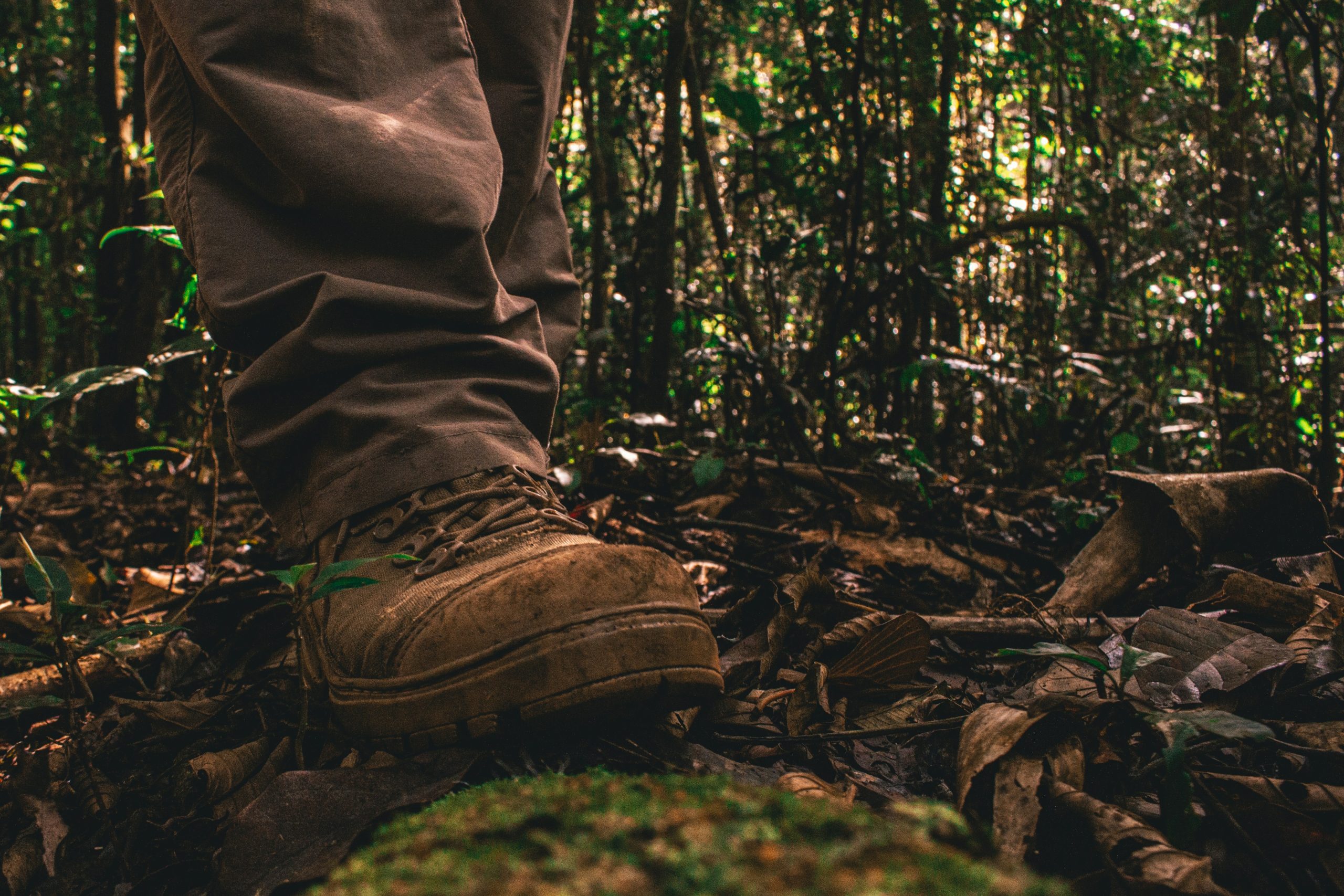
City boots in swamp mud or stiff mountaineering boots on soft leaves create noise and instability. Wrong soles produce unnatural crunches or constant slipping, and wet feet ruin focus. Match footwear to habitat: soft, flexible soles for quiet forest stalking; waterproof insulation for marsh or snow. Break boots in long before opening day. Secure laces to prevent flapping and tripping when stalking.
8. Ignoring UV Brighteners in Clothing
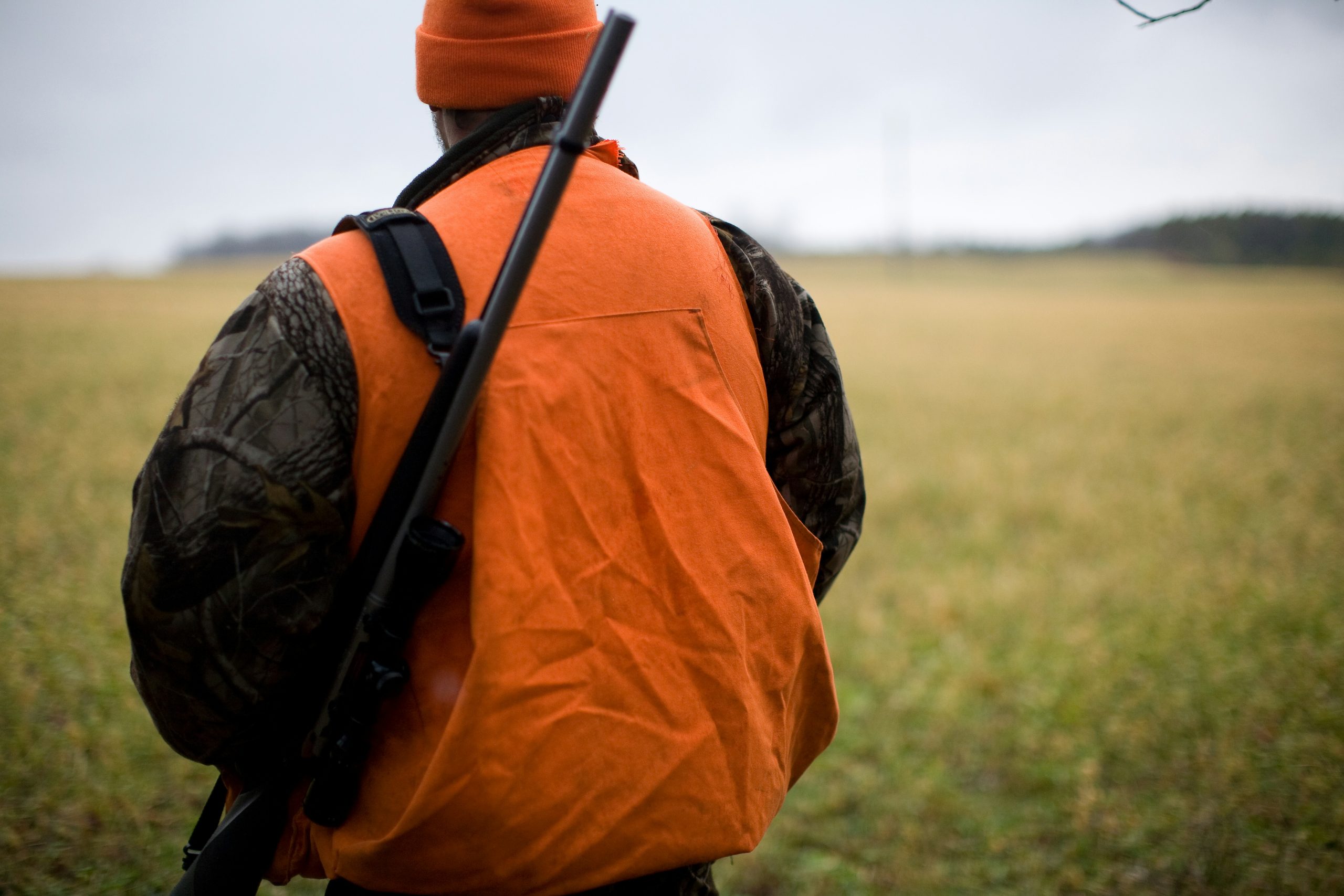
Laundry detergents often contain UV brighteners that make fabric glow under animal vision, especially ungulates that detect UV better than humans. Even camo with brighteners becomes a neon outline. Use UV-neutralizing sprays and detergents designed for hunting fabrics. Check the gear under a UV flashlight to verify it remains dull. Reducing optical alarms gives new hunters a forgiveness margin when movement is unavoidable.
9. Noisy Waterproof Jackets
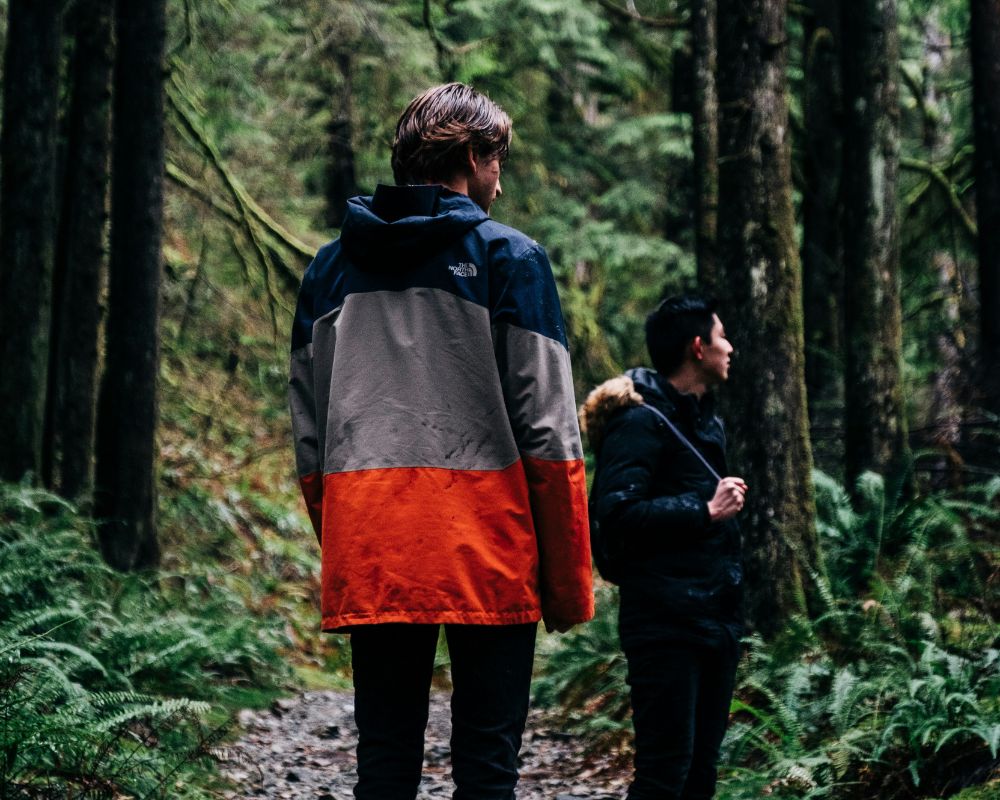
Staying dry is crucial, but some waterproof materials sound like you’re crumpling a bag of chips every time you move. Whitetails have sharp hearing, and that noise can send them sprinting before you even spot them. Look for soft shell fabrics or brushed waterproof coatings that remain quiet when you draw or crouch. Silence is often more valuable than weather resistance when closing in on a wary game.
10. Skipping Weather Adaptive Layers
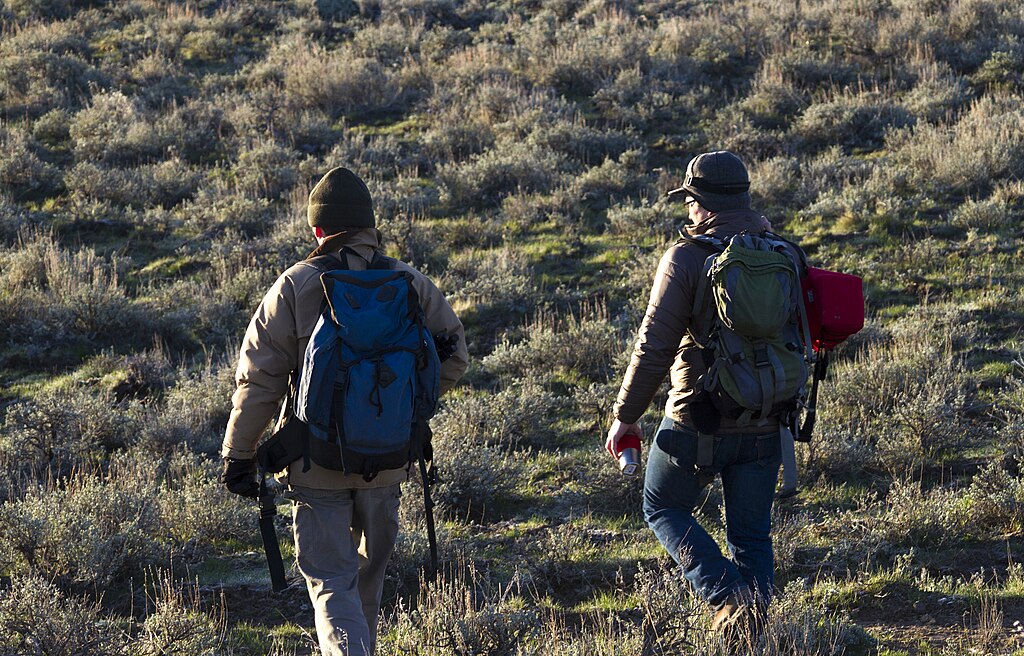
A single outfit seldom fits all conditions. Cold fronts, rain, and heat waves constantly change how animals feed and how your body performs. Without proper layers of moisture-wicking base, insulating mid, and weatherproof outer, you risk shivering or fidgeting during peak action times. Always pack backup gloves, headwear, and dry socks. Adapt clothing with real-time weather tools so you stay still and ready.
11. Wrong Headgear or No Face Concealment
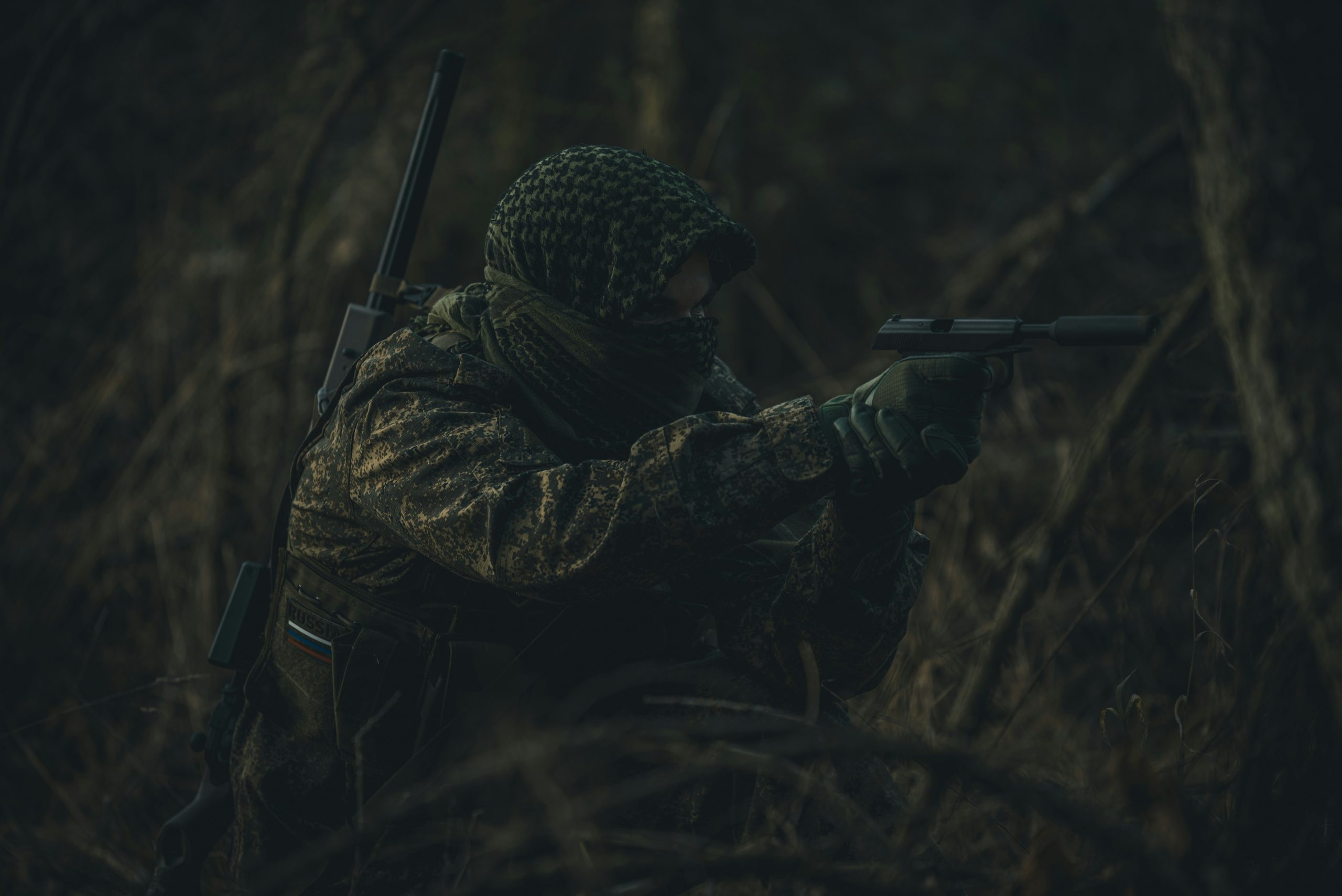
Your face and head are the most visible human features. Pale skin flashes like a warning flag. Hats with shiny bills or uncovered cheeks ruin concealment. Use smooth fabric caps or hoods and match face paint or mesh to background tones. Reduce glare with matte treatments. Protecting your most expressive, high-contrast body parts prevents animals from locking onto your gaze.