Most first-time trout anglers think success starts with the perfect fly, but the bigger problem usually begins before the first cast. Reading water is a skill, and beginners often make avoidable mistakes in approach, observation, and presentation that push fish out of range. This gallery breaks down the most common missteps and shows how small adjustments can turn confusion into confidence on the river.
Walking Straight to the Best-Looking Spot
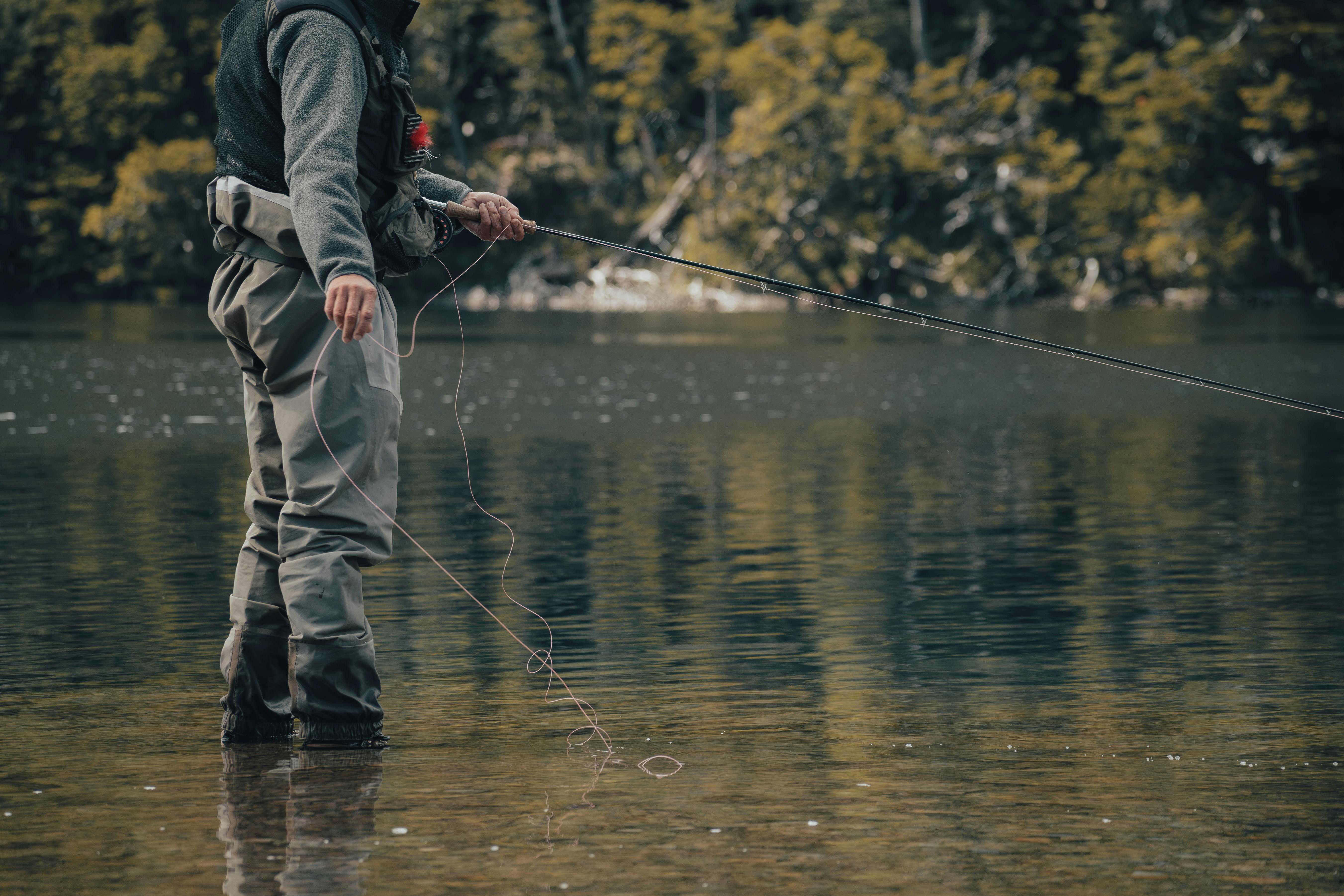
New anglers often spot a pretty run or a glassy pool and march right into it, assuming the fish will still be there when they start casting. In reality, trout feel vibration, notice movement, and react fast to boots pushing through shallow water.
A smarter approach starts from downstream or from the bank, with a few quiet minutes spent watching before stepping in. The best water is not always the obvious postcard section, and rushing toward it can ruin the very lie you hoped to fish.
Before reading the current, beginners need to understand that their entrance changes everything. Good water only stays good if the fish remain relaxed.
Ignoring the Water Before Making the First Cast
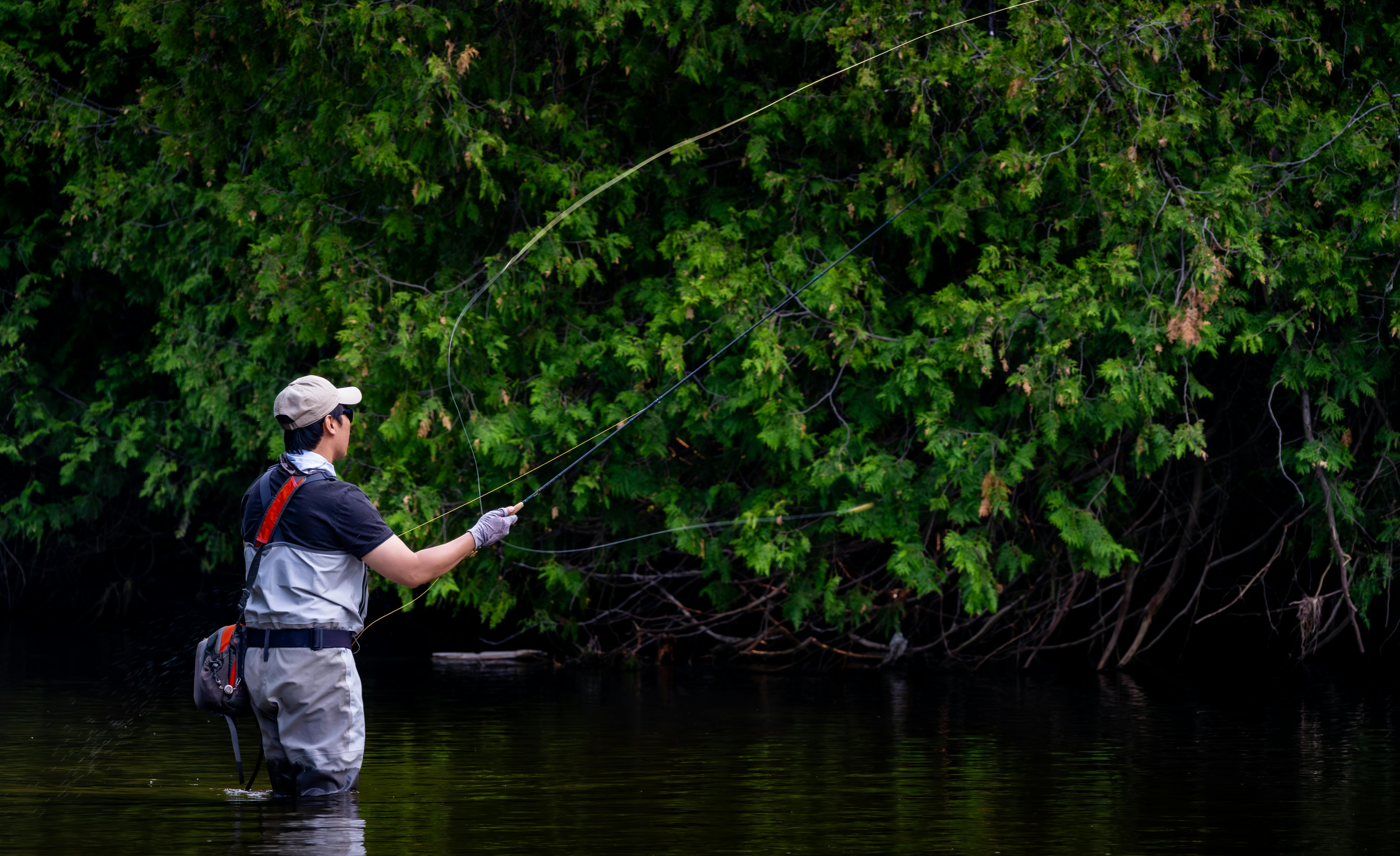
One of the most common beginner habits is stripping line off the reel and firing away without ever pausing to observe. That missed minute matters, because trout streams reveal a lot when you simply stand still and watch the current, insects, and surface activity.
Rises, drifting foam, subtle seams, and flashes beneath the water all tell a story about where fish are holding. Without that information, a cast is mostly a guess, and guesses add up to frustration fast.
Experienced anglers know the river often gives away the answer first. Observation is not wasted time. It is the start of reading water correctly.
Casting to the Middle Instead of the Edges
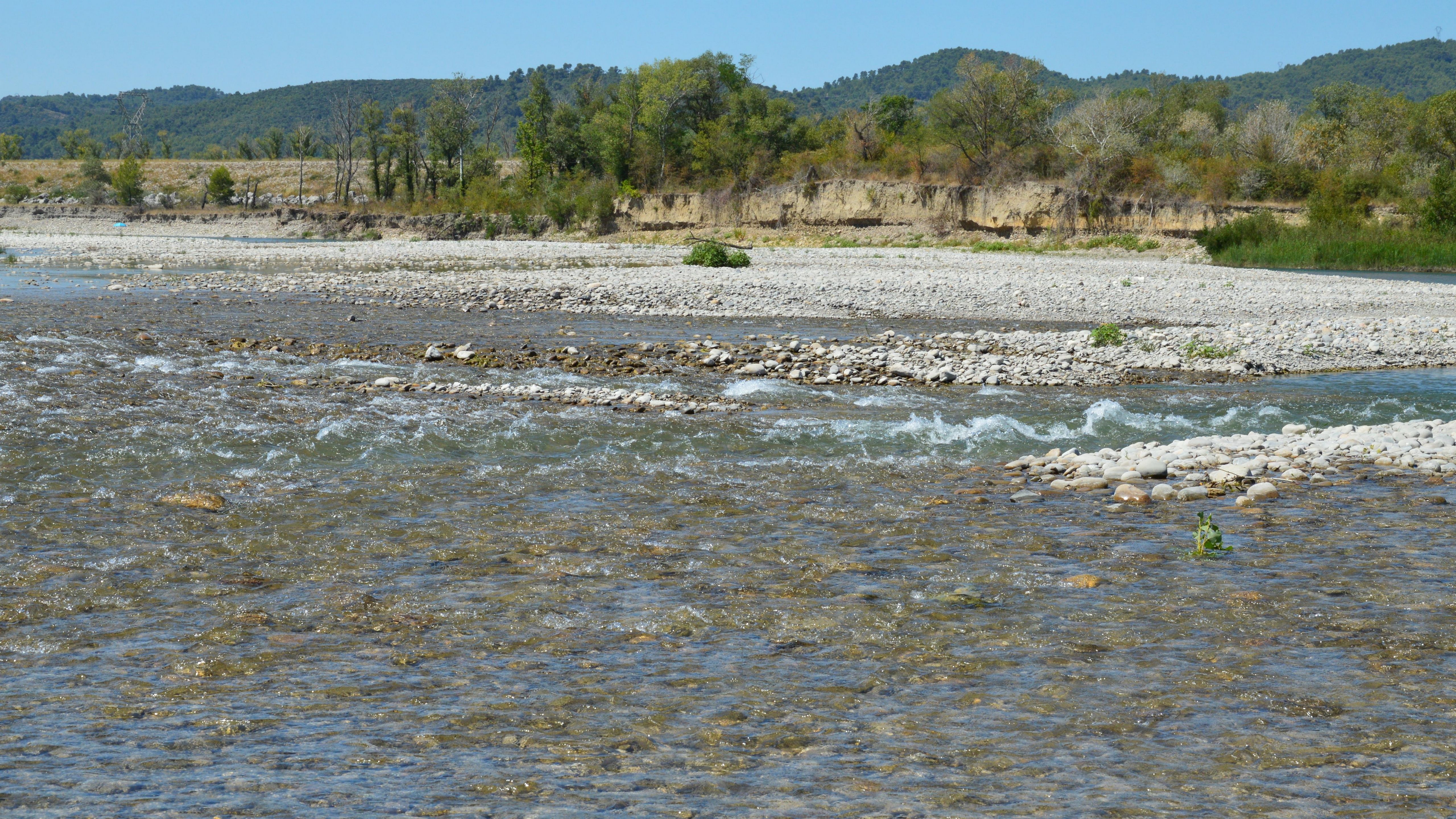
Beginners are naturally drawn to the deepest, widest part of a run, so they send cast after cast into the center. But trout frequently hold along softer edges where fast and slow currents meet, because those lanes deliver food without forcing the fish to burn energy.
Banks, seams, undercut edges, and current cushions beside rocks can be much more productive than the middle of the river. These spots look less dramatic, which is exactly why first-timers often overlook them.
Reading water means noticing where a trout can feed efficiently. Very often, the best lie is not out in the middle at all. It is closer than you think.
Confusing Fast Water With Productive Water
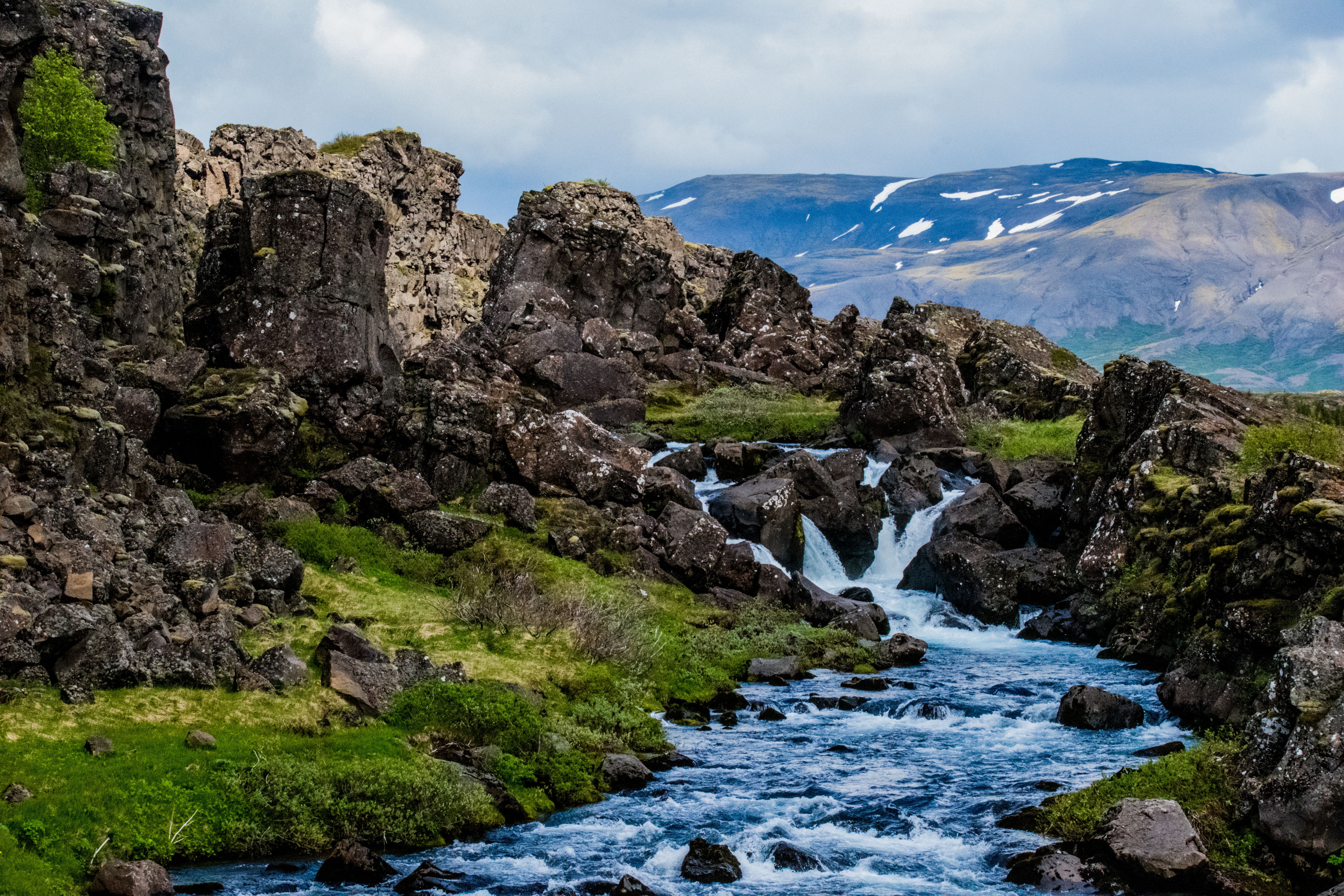
Fast water looks exciting, and beginners often assume more current means more fish. Sometimes that is true, especially when oxygen and food are concentrated, but not every fast chute is worth fishing. Trout still need places to rest, recover, and feed without fighting hard current every second.
That is why pocket water, soft slots behind boulders, and slower cushions beside heavy flow matter so much. The current may deliver food, but the fish usually sit just out of the strongest push.
When anglers only target the speediest water, they miss the subtle holding lies built into it. Productive water is usually a mix, not a blur of whitewater.
Overlooking Shallow Water
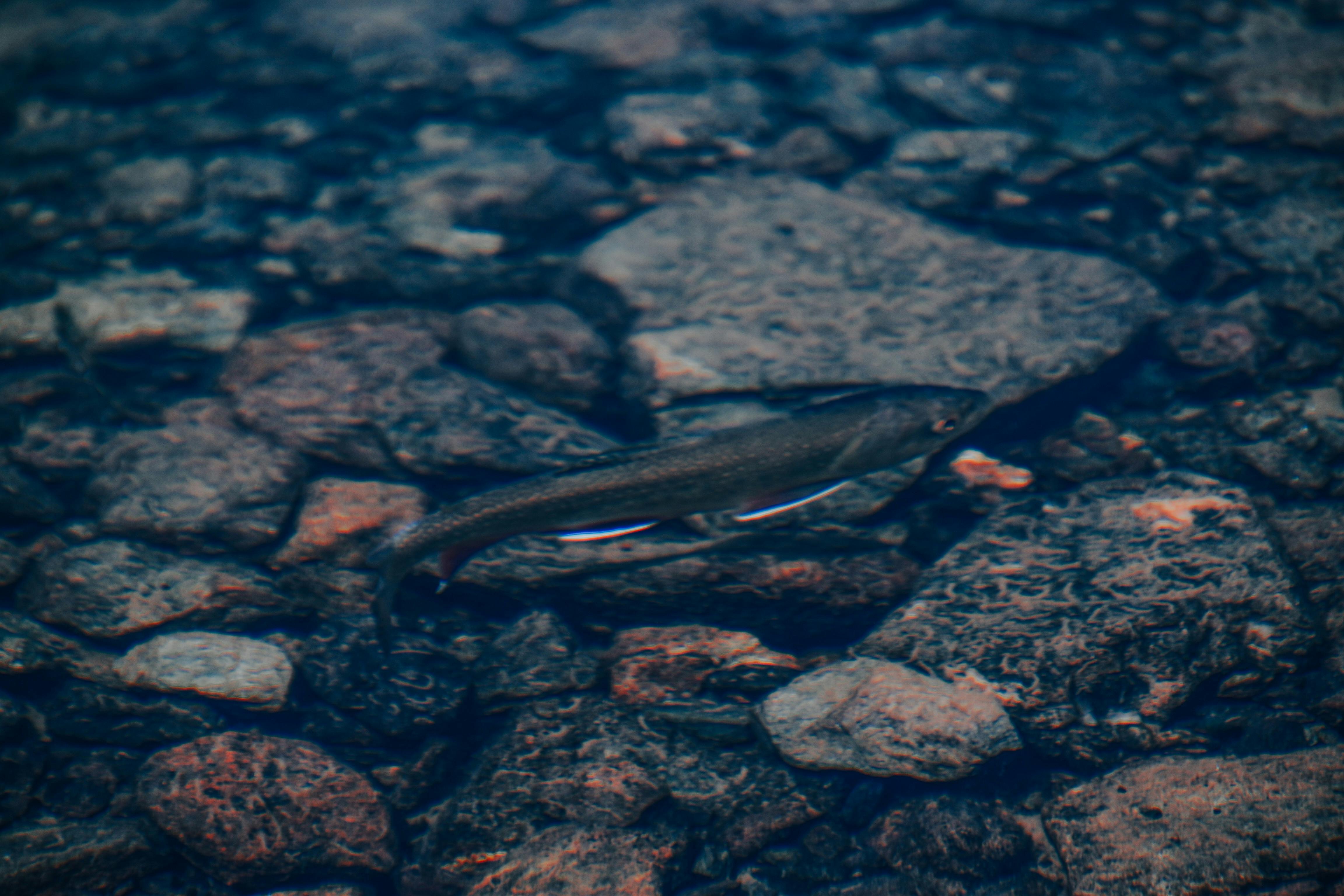
Many first-time trout anglers assume shallow water is empty water, so they step through it without a second thought. That mistake can cost fish immediately, because trout often slide into surprisingly skinny water to feed, especially in low light, cool conditions, or when insect activity is strong.
Shallow riffles can provide oxygen, cover from surface glare, and a steady conveyor belt of food. If the bottom offers texture and the current is right, even water that looks too thin can hold trout.
Learning to read water includes respecting every section before you dismiss it. Some of the easiest fish to spook are the ones beginners never realized were there.
Standing Where the Fish Should Be
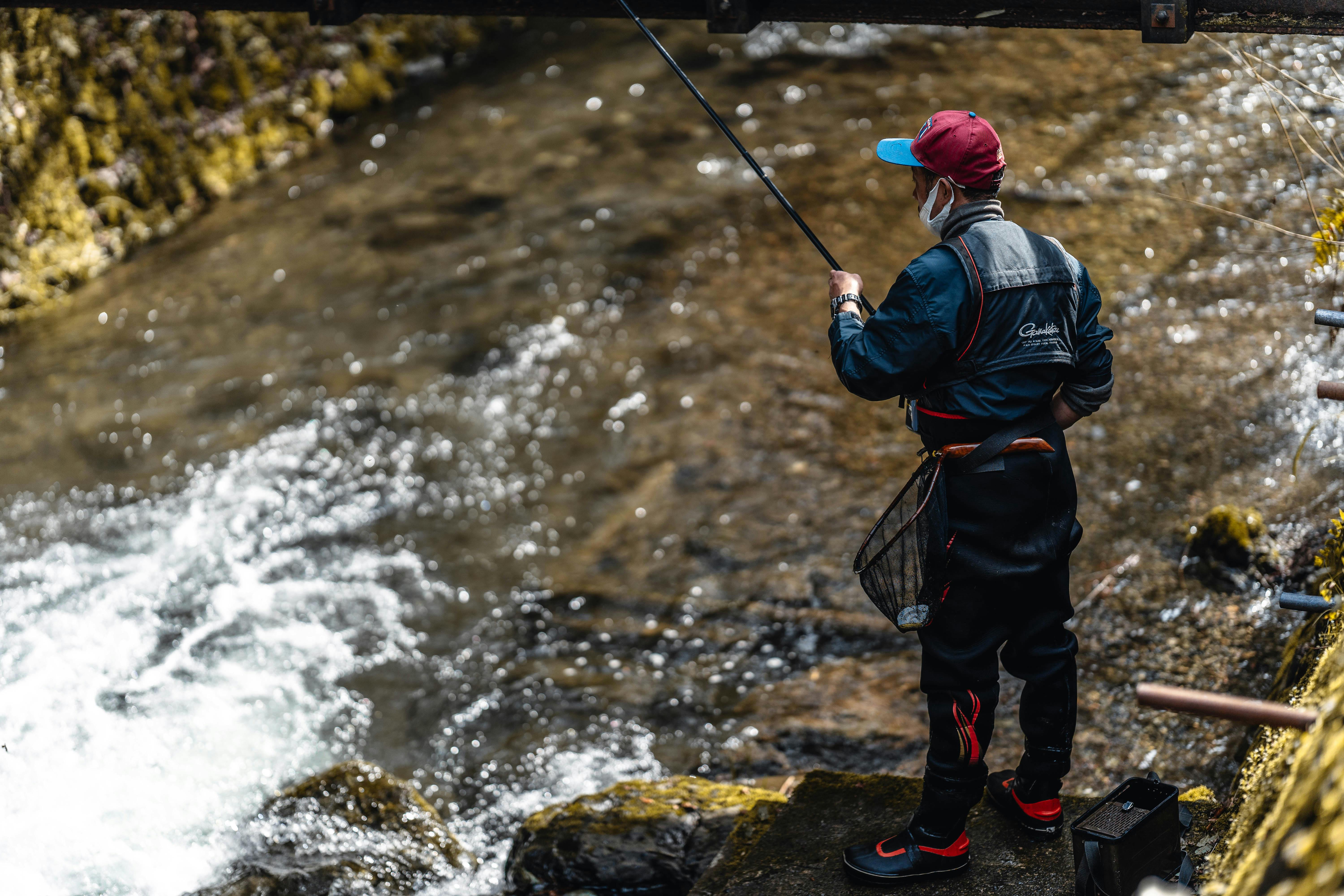
A classic rookie error is taking up a comfortable wading position right in the soft water where trout are most likely holding. It feels natural to stand in calm, stable current, but that same comfortable spot is often attractive to fish for exactly the same reason.
Trout look for places that conserve energy while keeping food nearby. Anglers who wade into those lanes before covering them are essentially stepping onto the target and then casting beyond it.
A better habit is to fish the water nearest you first, then gradually move in as needed. Reading water is not only about where fish are. It is also about where you should not stand.
Missing the Importance of Current Seams
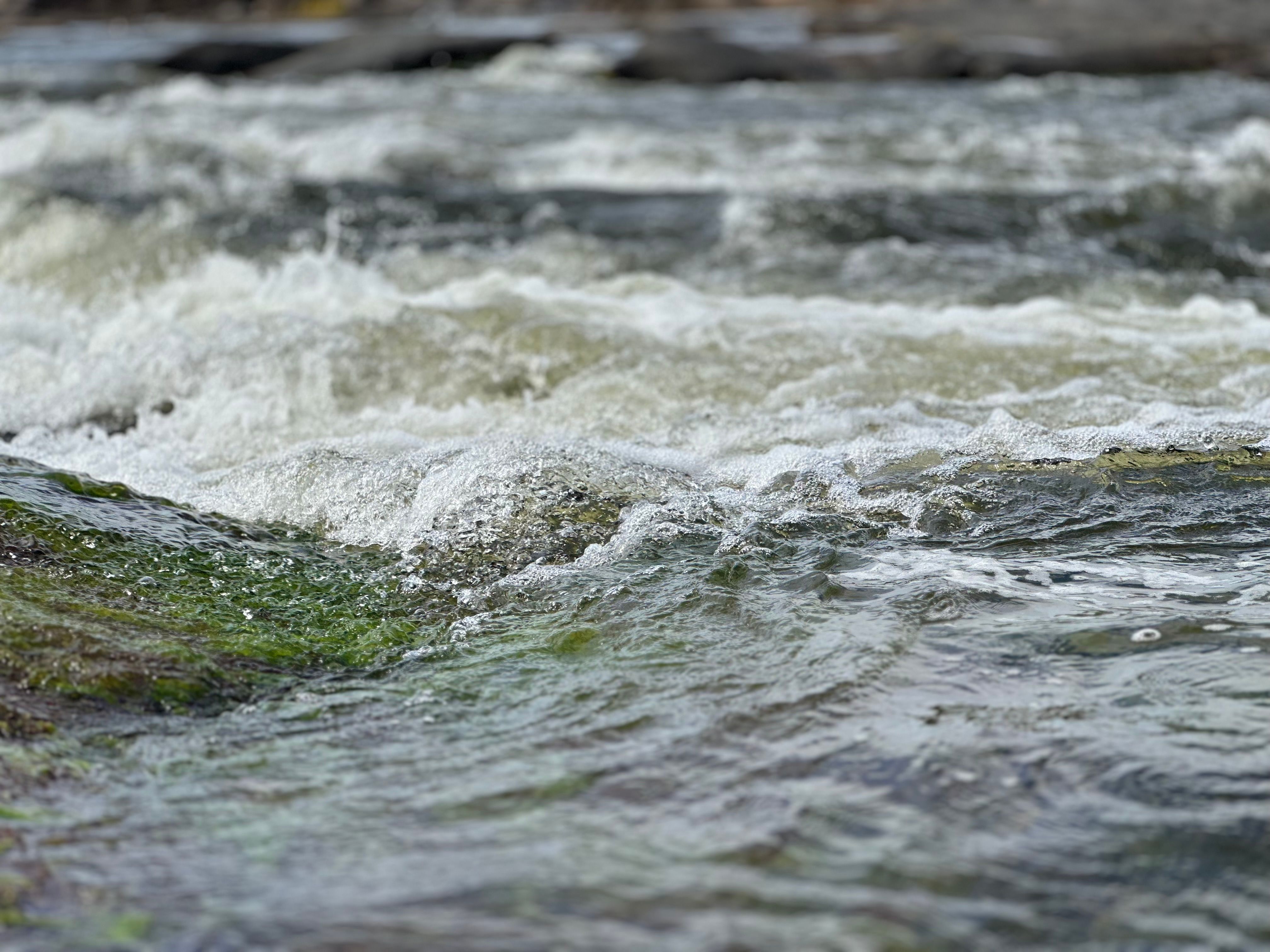
To a beginner, a river can look like one moving sheet of water. To a trout, it is a map of feeding lanes, shelters, and energy-saving opportunities. Current seams, where different speeds of water meet, are among the most important features on that map.
These seams collect drifting insects and often give trout access to food from one side and softer water from the other. They may appear as faint texture lines, foam trails, or subtle shifts in surface speed.
When first-timers cast randomly instead of targeting those transitions, they miss some of the river’s highest percentage water. Learning to spot seams is often the moment reading water starts to click.
Focusing Only on Surface Clues

Surface rises are exciting, so beginners tend to give all their attention to what is happening on top. But many trout feed subsurface, and some of the best holding water reveals itself through depth, structure, and current behavior rather than obvious splashy rises.
A dark slot, a submerged boulder, a gravel drop-off, or a change in flow near the bottom can all point to fish, even when the surface looks quiet. Rivers often hide more than they show.
Reading water well means looking through the surface, not just at it. If you wait for trout to advertise their location, you will ignore a lot of fishable water that is quietly productive.
Casting Too Far Too Soon
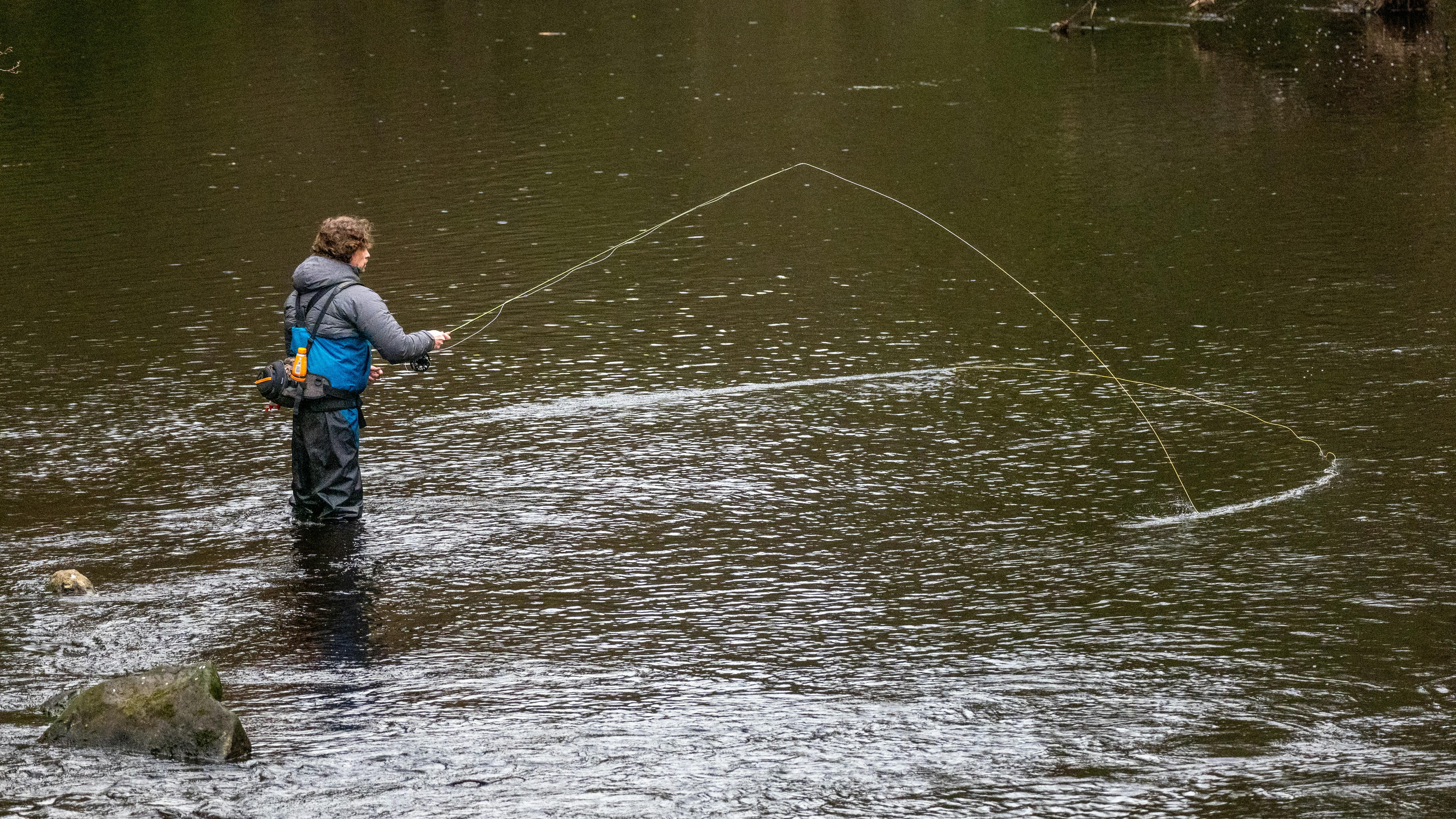
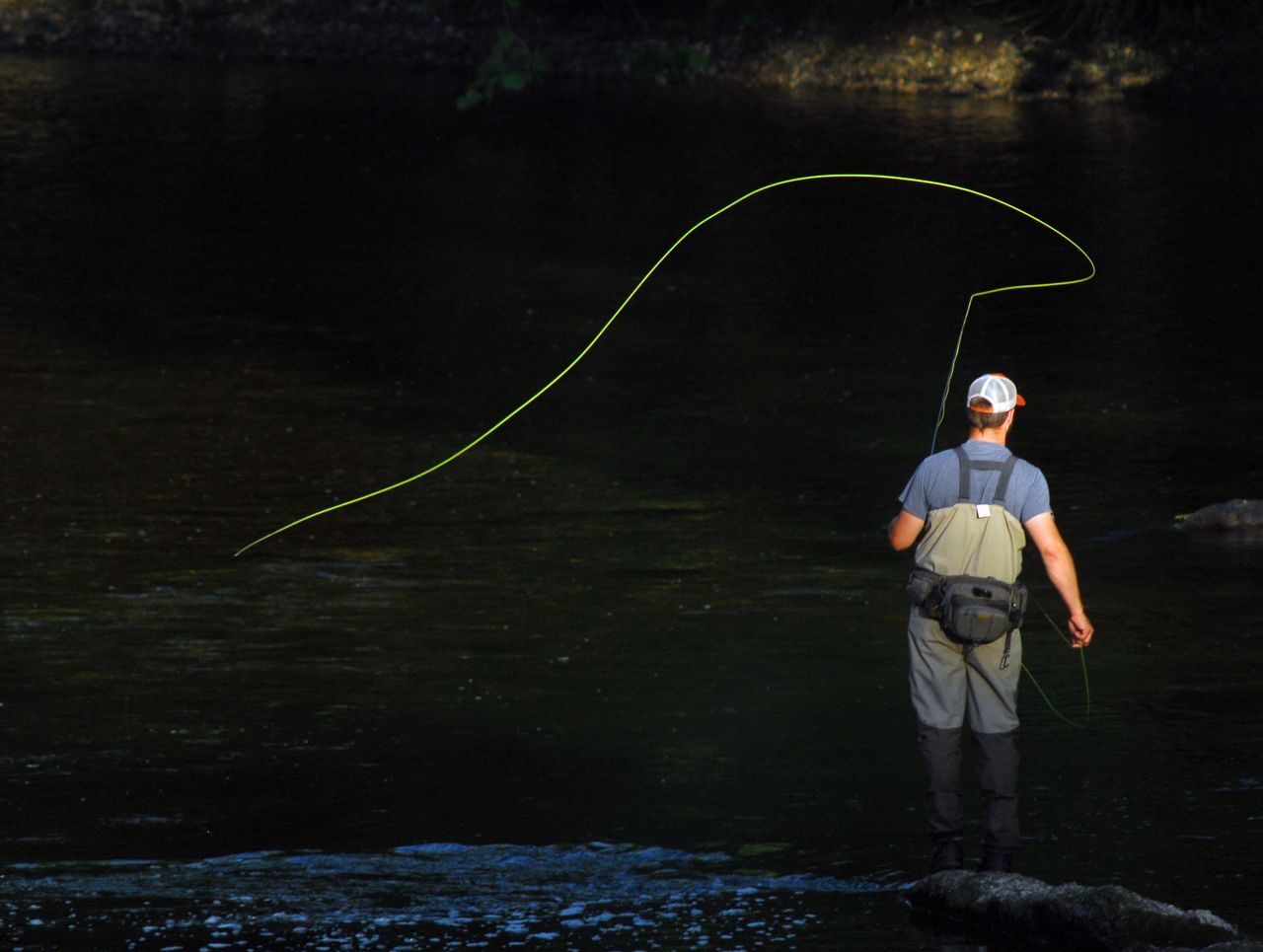
Distance feels impressive, and many new fly anglers try to bomb long casts before they can control a short one. The problem is that far casts often create drag, poor line control, and sloppy drifts, especially in mixed currents where trout are already selective.
Most productive trout fishing happens at manageable range, where you can mend cleanly, keep a better angle, and land the fly with less disturbance. Shorter casts also help you cover water methodically instead of gambling on hero shots.
Before reading the river better, beginners usually need to simplify their casting choices. A controlled 25-foot drift often beats a messy 50-foot cast every time.
Using the Same Presentation Everywhere
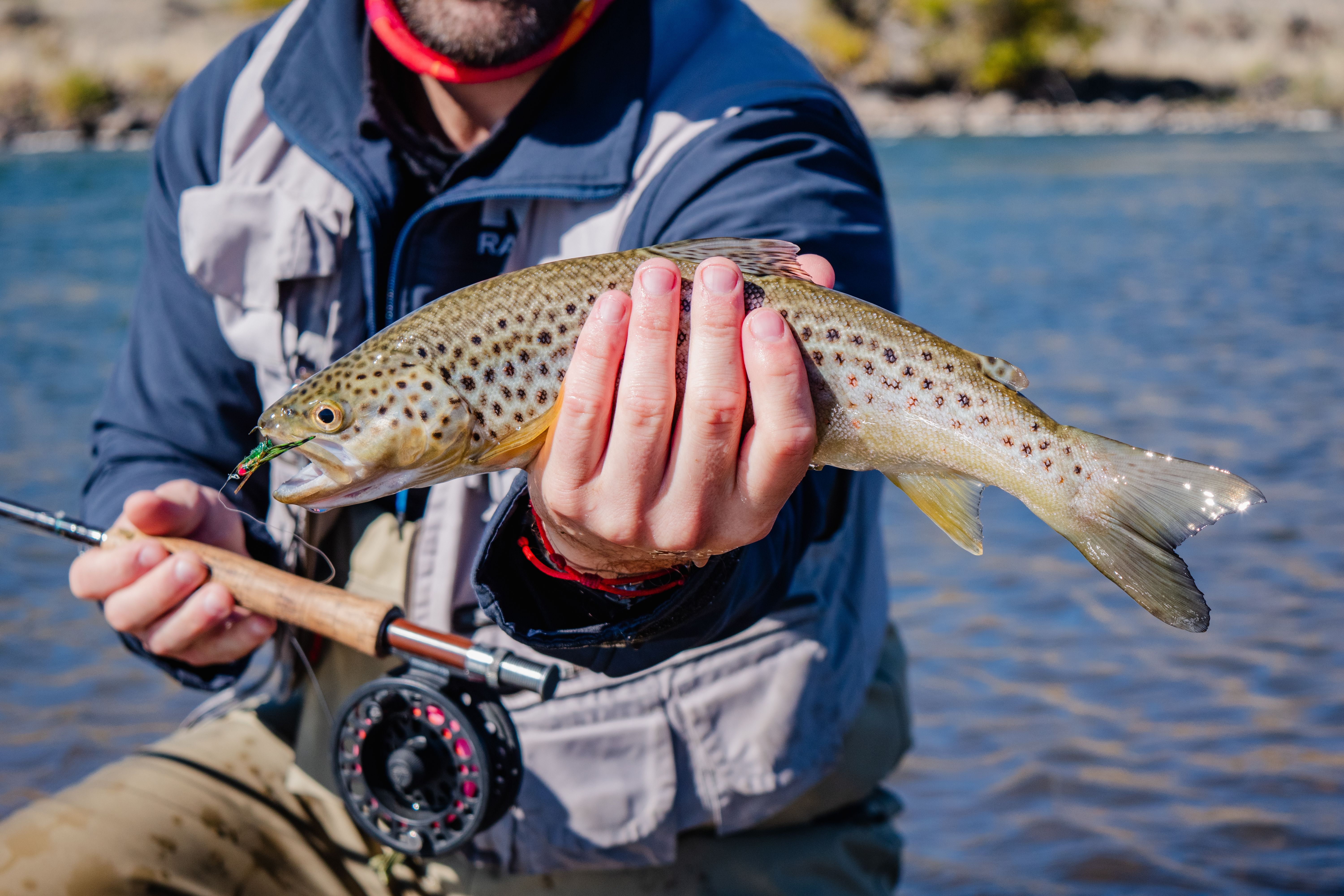
Another early mistake is assuming one drift, one cast angle, or one retrieve works across the entire river. But riffles, pools, pocket water, and slow glides all ask for different presentations, because current speed and fish position change from one lane to the next.
A dead drift might be perfect in one seam, while another spot calls for a reach cast, a tuck cast, or a careful mend to prevent drag. Even a small adjustment in angle can transform a useless drift into a convincing one.
Reading water is really about matching presentation to conditions. If every cast looks the same, the river is telling you more than you are listening.
Changing Flies Before Changing Position
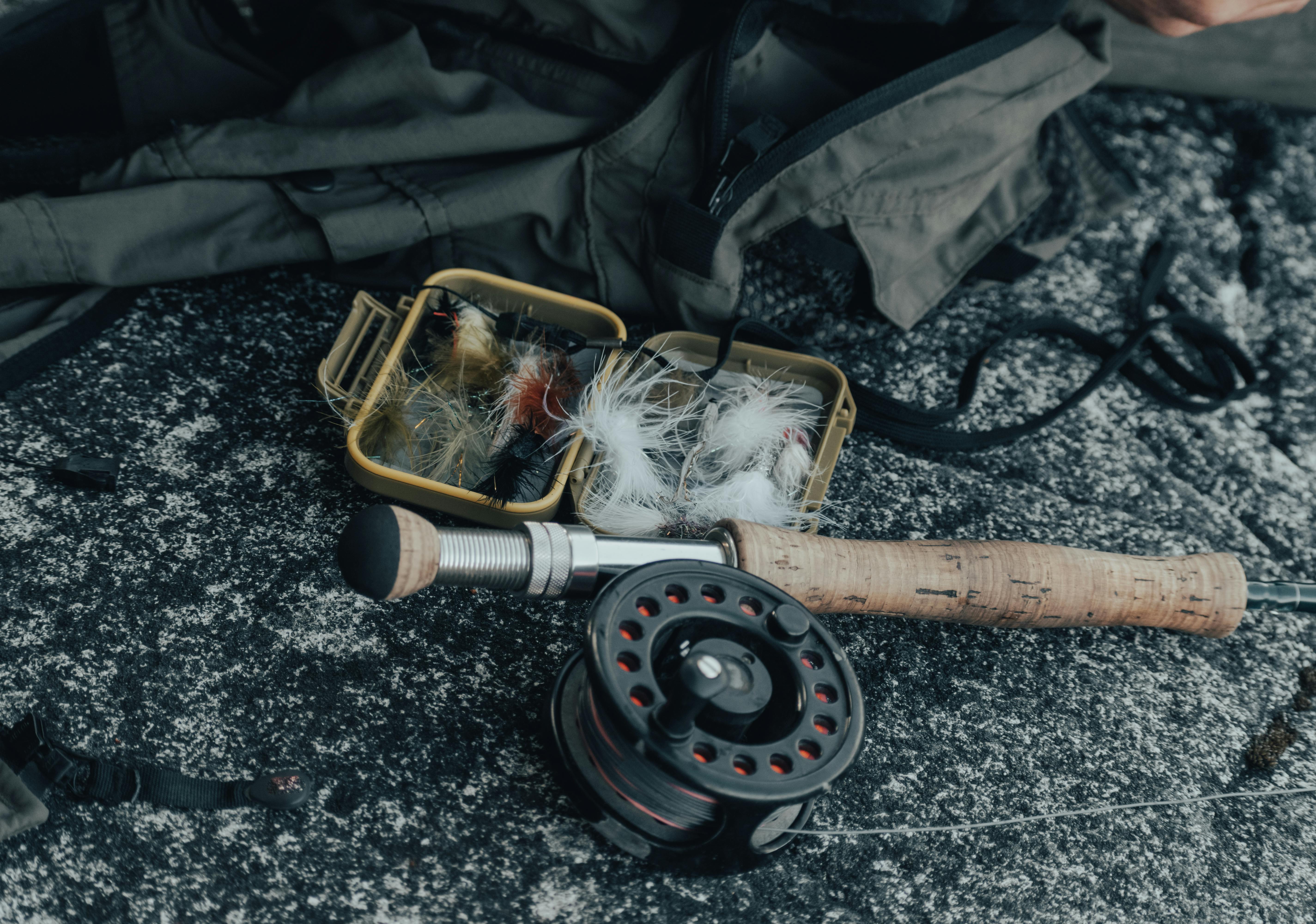
When nothing happens, beginners often open the fly box first. Fly choice matters, of course, but many slow starts are really problems of angle, depth, drift, or location rather than pattern. The trout cannot eat a perfect fly that never reaches the right lane naturally.
Sometimes moving two steps, casting from lower downstream, or targeting a softer seam changes everything. Position affects drag, visibility, and how the fly enters the feeding zone, all of which matter before color or size becomes the issue.
A lot of new anglers troubleshoot backward. Before swapping patterns again, it pays to ask whether you are actually fishing the water well.