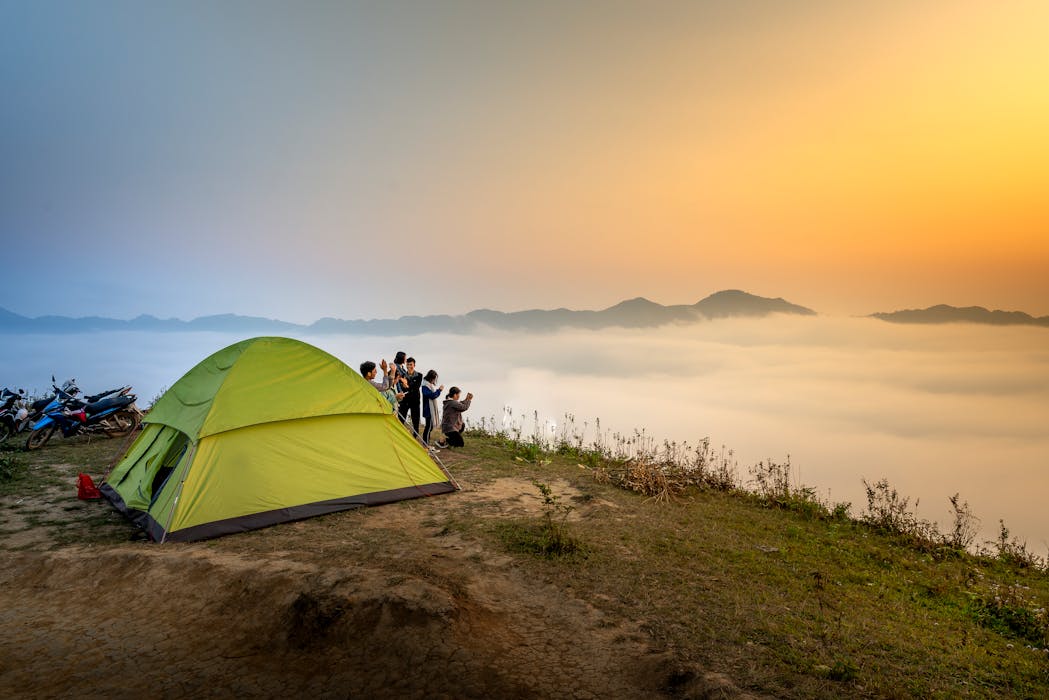
Camping later in life often brings deeper appreciation for nature, but it also demands greater awareness of changing risks. Bodies recover more slowly, environments grow busier, and outdoor conditions shift faster than they once did. Habits that felt harmless decades ago can now carry higher consequences, especially after fifty. These changes do not signal limitation, but they do require adjustment. Understanding which camping habits have become riskier helps support safer planning and better experiences. The following examples highlight how age, modern outdoor pressures, and evolving environments combine to reshape what responsible camping looks like today.
Ignoring Slower Recovery Time
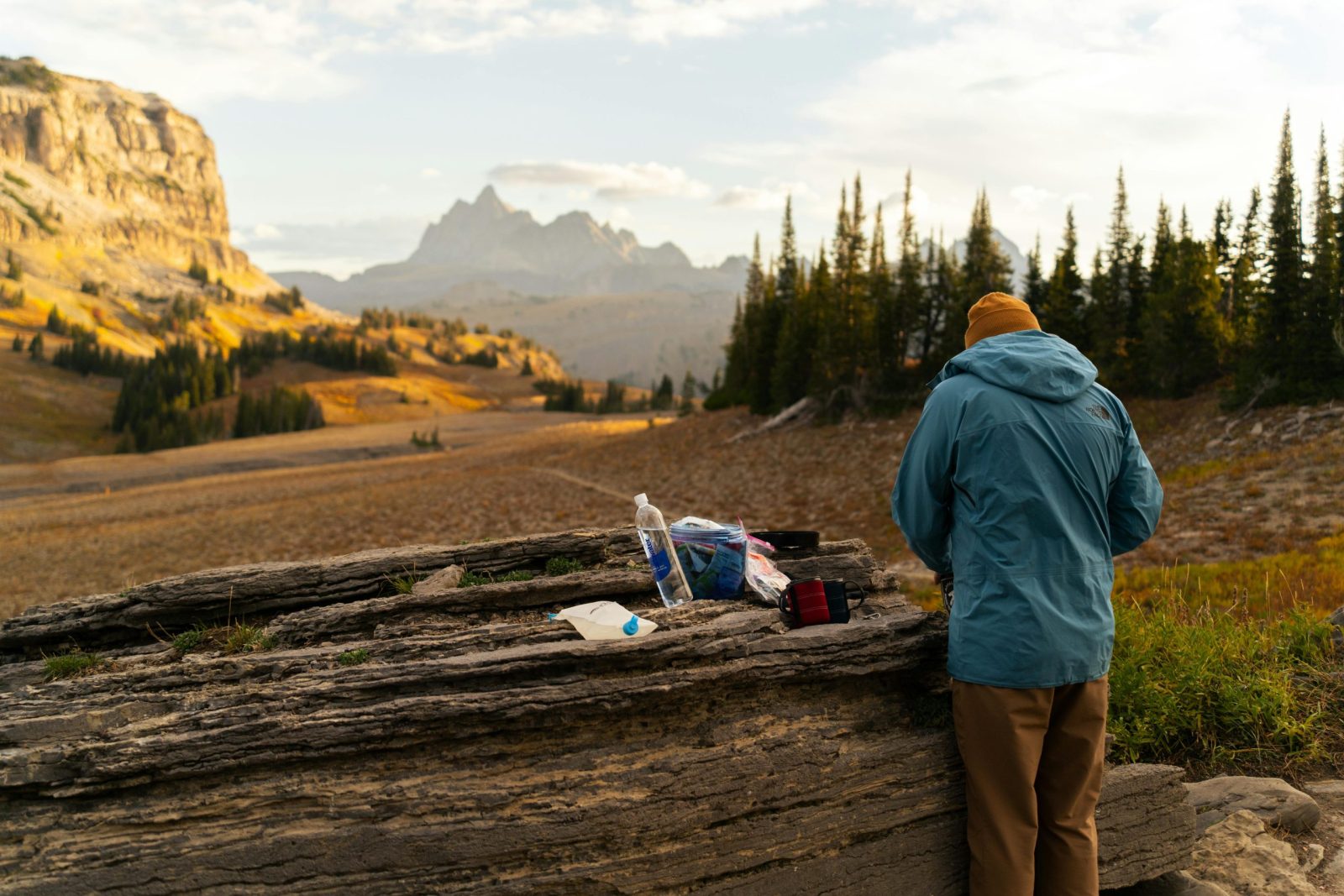
Ignoring slower recovery time becomes riskier after fifty. Muscles, joints, and connective tissue heal more gradually than before. Pushing through soreness can escalate into lasting injury. Camps that involve repeated lifting, hiking, or bending strain the body more than expected. Recovery days matter more now. This habit once felt manageable, but today it backfires by compounding fatigue. Allowing extra rest preserves mobility and enjoyment. Recognizing recovery as part of planning supports safer outings. Adjusting pace and duration helps maintain independence outdoors while reducing the likelihood of injuries that linger longer and interfere with daily life.
Carrying Heavy Packs
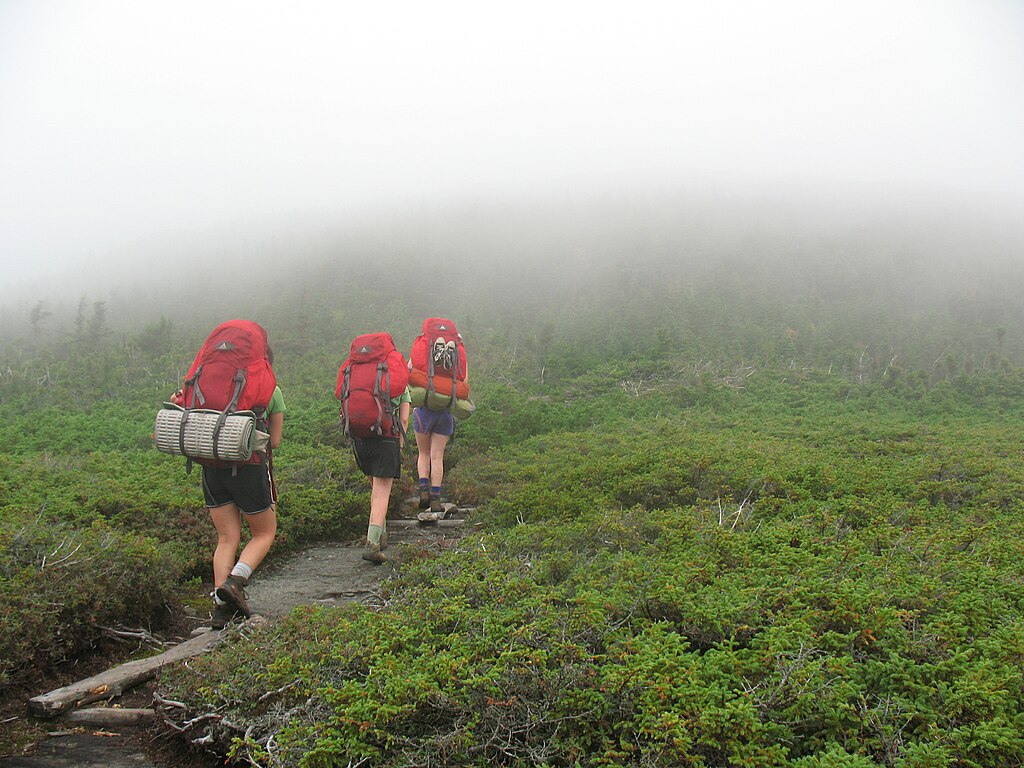
Carrying heavy packs grows riskier after fifty as strength and balance shift. Extra weight stresses knees, hips, and the lower back. Fatigue develops faster, increasing fall risk. What once felt manageable now accelerates strain. Modern gear allows lighter packing, making excess weight unnecessary. This habit backfires by reducing endurance and awareness. Lighter loads support stability and quicker reactions. Thoughtful packing improves safety and comfort. Reducing pack weight helps preserve joints and energy, allowing continued participation in camping without injuries that require extended recovery or limit future outdoor activity.
Camping Far From Medical Help
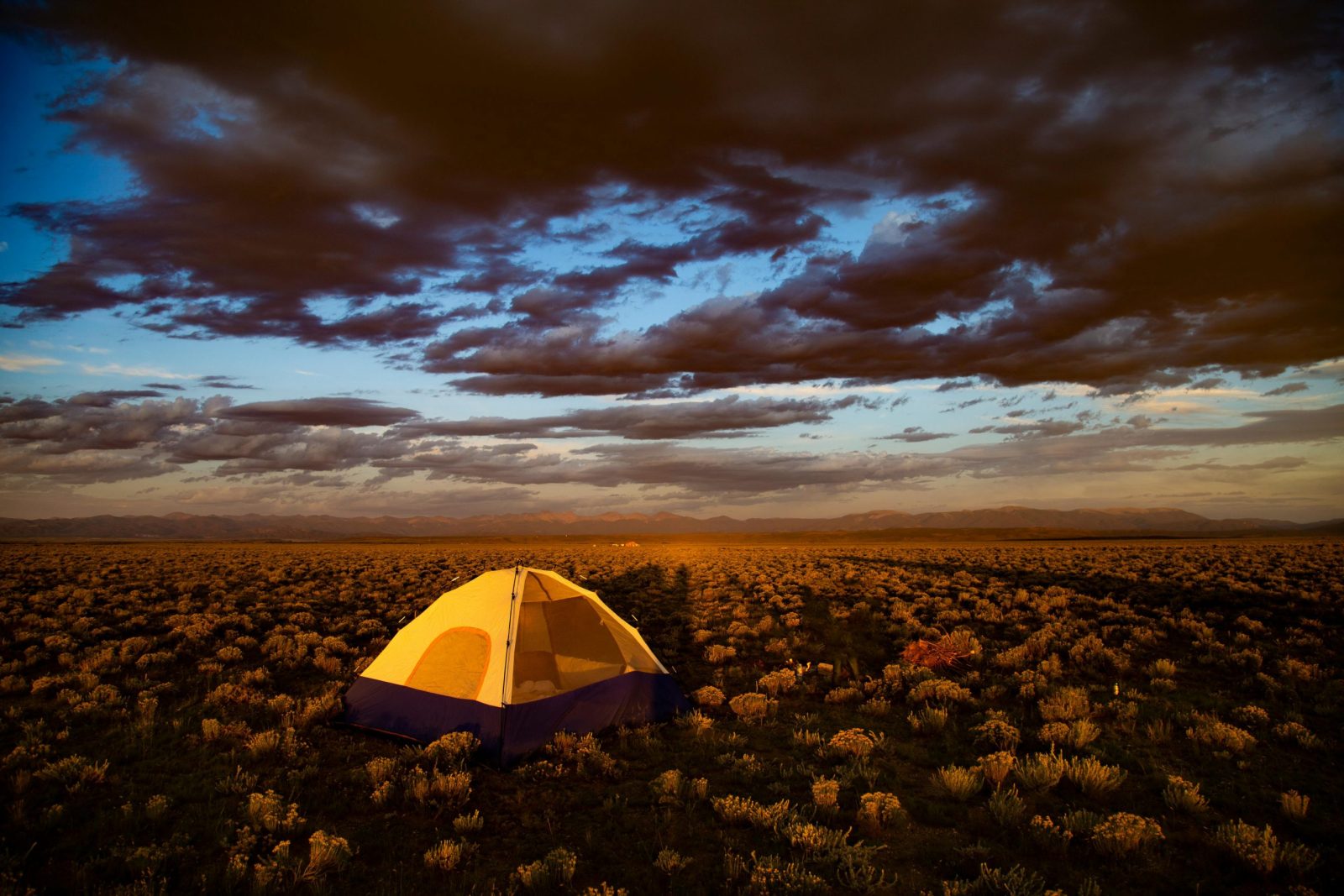
Camping far from medical help becomes riskier after fifty due to slower healing and increased health variability. Minor injuries can escalate without timely care. Preexisting conditions may complicate recovery. Distance delays assistance during emergencies. This habit once symbolized independence, but today it backfires by increasing consequences. Modern planning favors accessibility. Choosing locations within reasonable reach of services supports safety. Remote camping still appeals, but added caution matters. Balancing solitude with proximity to help allows continued exploration while reducing the risk of emergencies that overwhelm recovery capacity later in life.
Skipping Stretching Routines
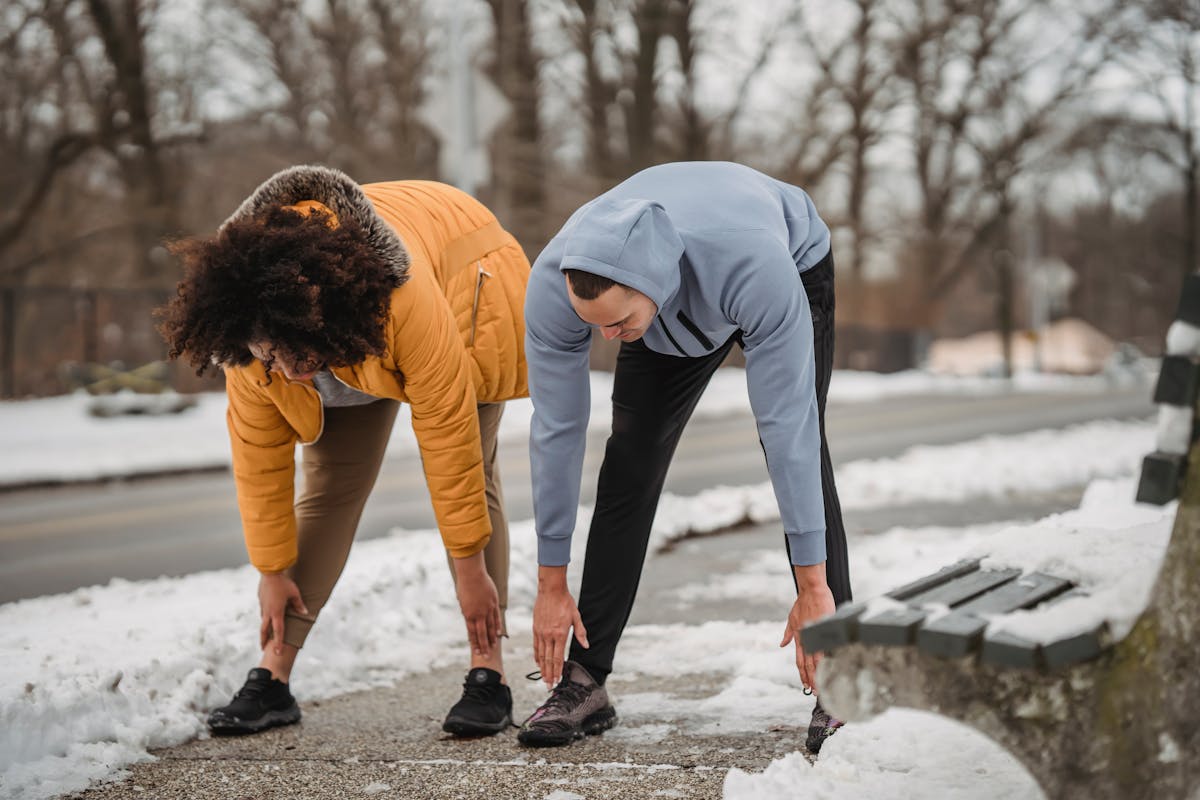
Skipping stretching routines becomes more dangerous after fifty. Muscles stiffen faster, and joints lose flexibility. Cold starts increase injury risk. Stretching improves circulation, balance, and coordination. Without it, routine movements strain tissues. This habit once felt optional but now backfires by increasing soreness and falls. Incorporating stretching into camp routines supports mobility. Gentle preparation preserves comfort and safety. Stretching reduces pain during hikes, chores, and sleep. Making it habitual helps maintain outdoor enjoyment while preventing injuries that interrupt trips or require prolonged recovery afterward. Age aware preparation helps sustain safer camping experiences over time.
Ignoring Balance Decline
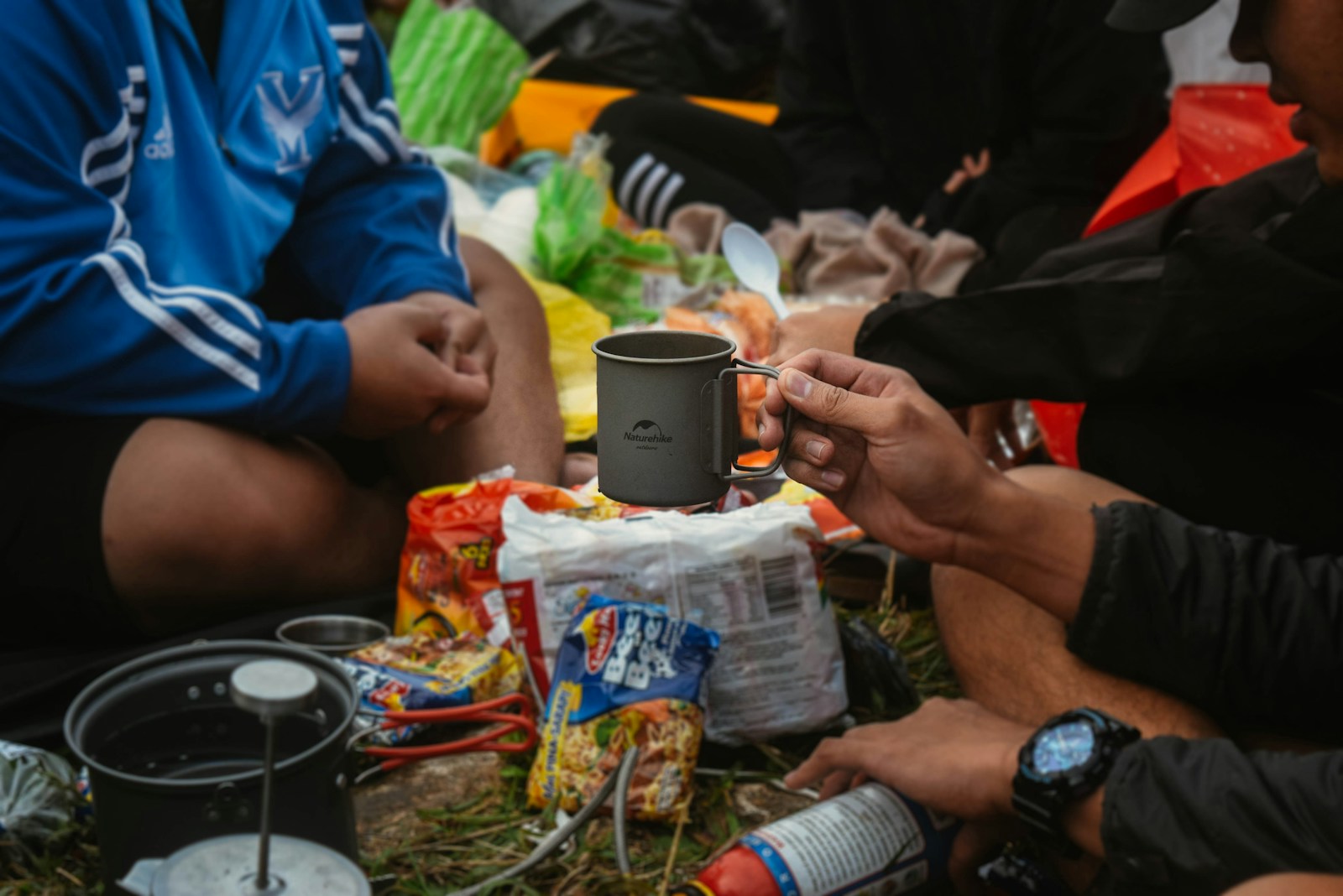
Ignoring balance decline becomes riskier after fifty. Subtle changes increase fall potential, especially on uneven ground. Campsites involve roots, rocks, and low light. A fall can cause fractures or head injuries. This habit backfires by underestimating vulnerability. Balance training and support tools reduce risk. Trekking poles and careful movement matter more now. Acknowledging balance changes improves decision making. Adjusting habits preserves confidence and independence outdoors while reducing accidents that significantly disrupt mobility and recovery in later years. Age aware preparation helps sustain safer camping experiences over time.
Poor Hydration Awareness
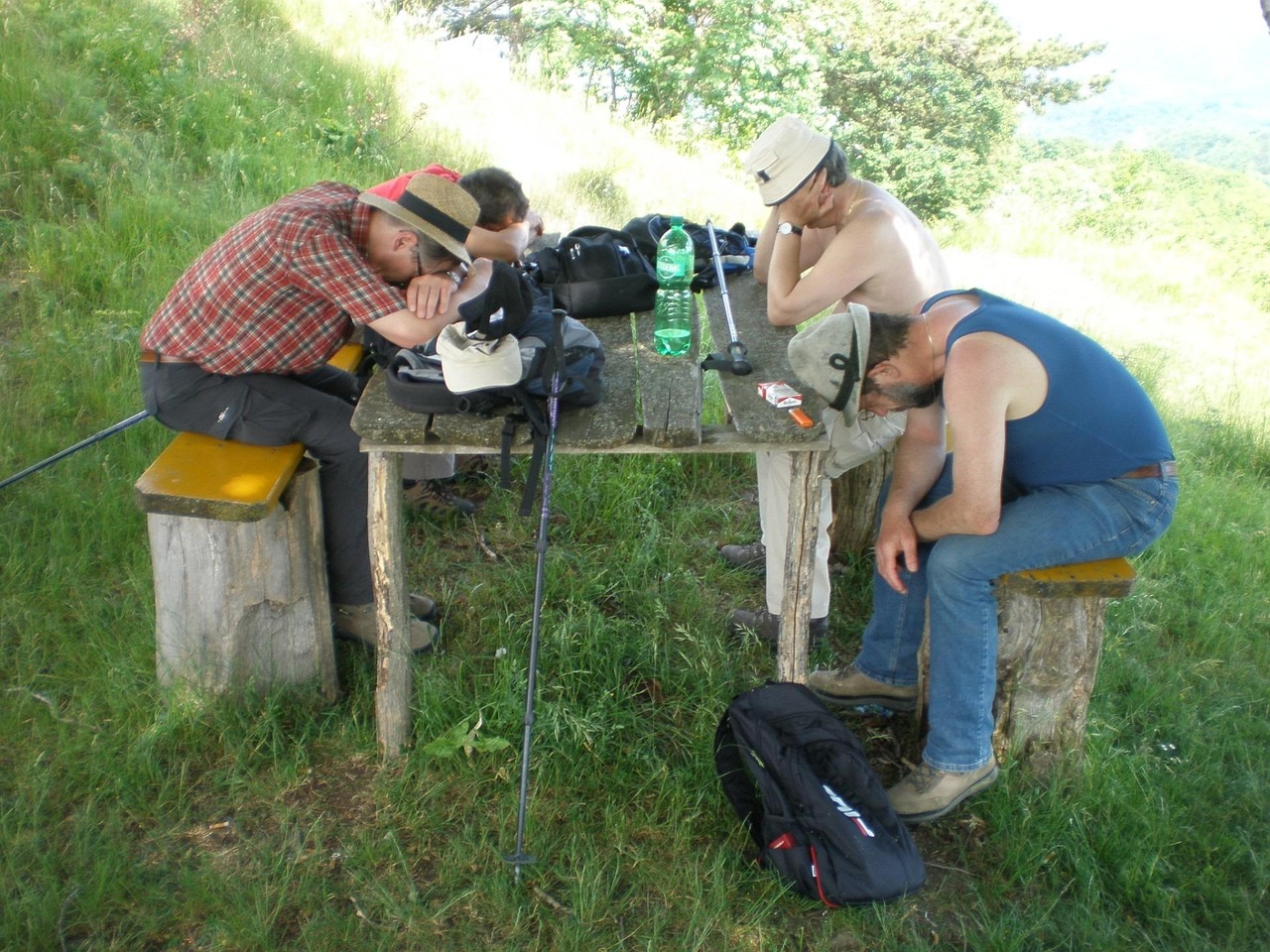
Poor hydration awareness becomes riskier after fifty as thirst signals weaken. Dehydration affects balance, cognition, and circulation. Outdoor exertion accelerates fluid loss. Recovery from dehydration takes longer now. This habit once passed unnoticed but backfires by increasing dizziness and fatigue. Regular hydration supports endurance and clarity. Monitoring intake matters more than relying on thirst. Proper hydration reduces fall risk and heat related illness. Adjusting habits preserves safety during camping trips when environmental stress and slower recovery magnify the effects of fluid imbalance. Age aware preparation helps sustain safer camping experiences over time.
Delaying Medical Attention
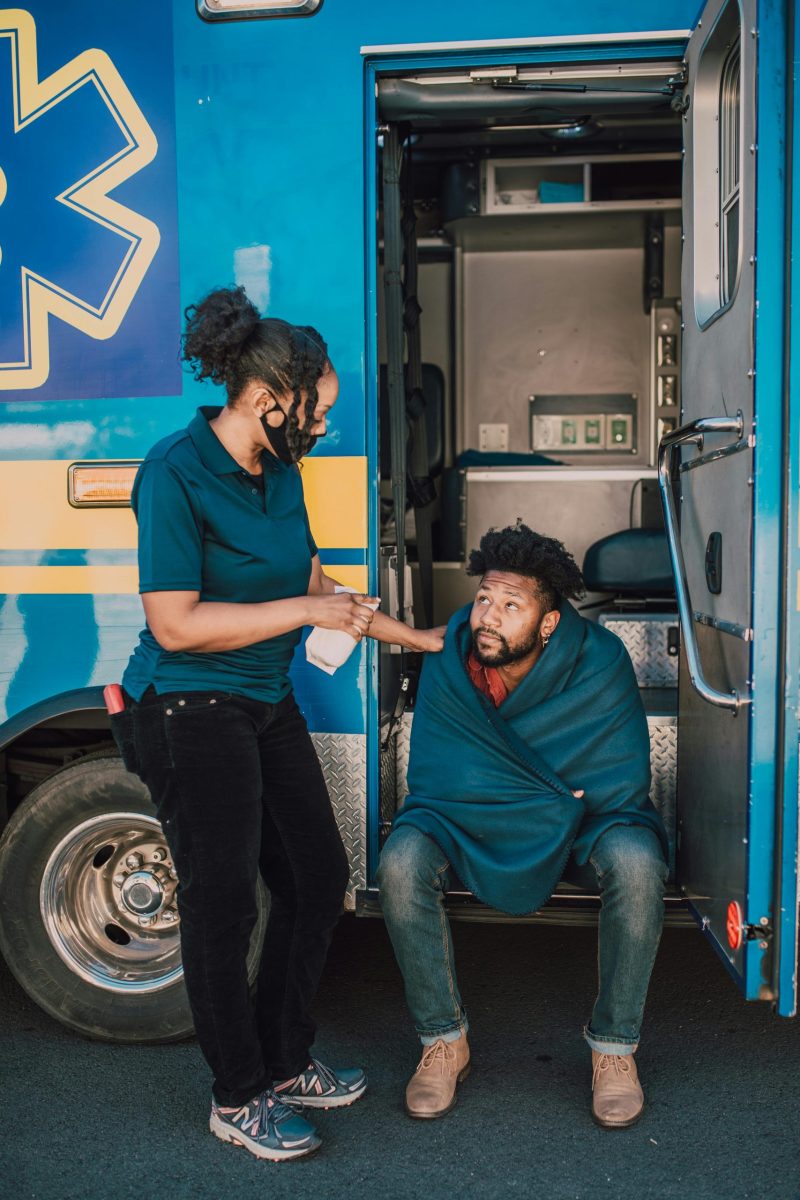
Delaying medical attention grows riskier after fifty. Small injuries or infections worsen faster due to slower healing. Pride or inconvenience often causes delay. Early treatment improves outcomes significantly. This habit backfires by allowing manageable issues to escalate. Prompt care protects long term mobility and health. Recognizing when to seek help supports continued outdoor activity. Addressing problems early prevents prolonged recovery and complications that interfere with independence and enjoyment of future camping experiences. Age aware preparation helps sustain safer camping experiences over time.
Wearing Worn Footwear
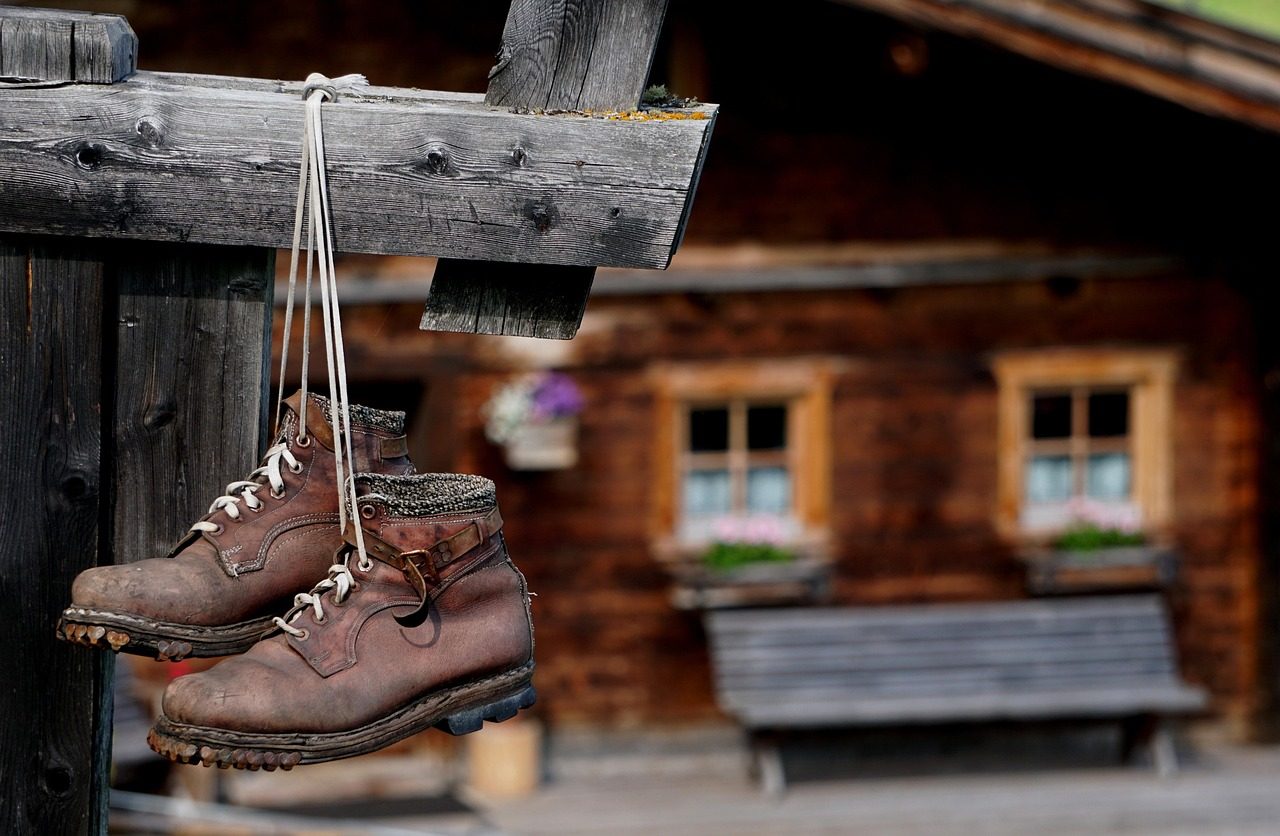
Wearing worn footwear becomes more dangerous after fifty. Reduced cushioning and traction increase fall risk. Foot injuries heal slowly and affect balance. Familiar shoes may feel comfortable but lack support. This habit backfires by compromising stability. Proper footwear improves safety and confidence. Choosing shoes with support and grip protects joints. Updating footwear supports continued mobility and reduces injuries that limit outdoor participation. Small changes in gear make significant differences in safety as physical resilience shifts. Age aware preparation helps sustain safer camping experiences over time. Thoughtful gear choices remain essential for long term outdoor independence.
Overestimating Strength
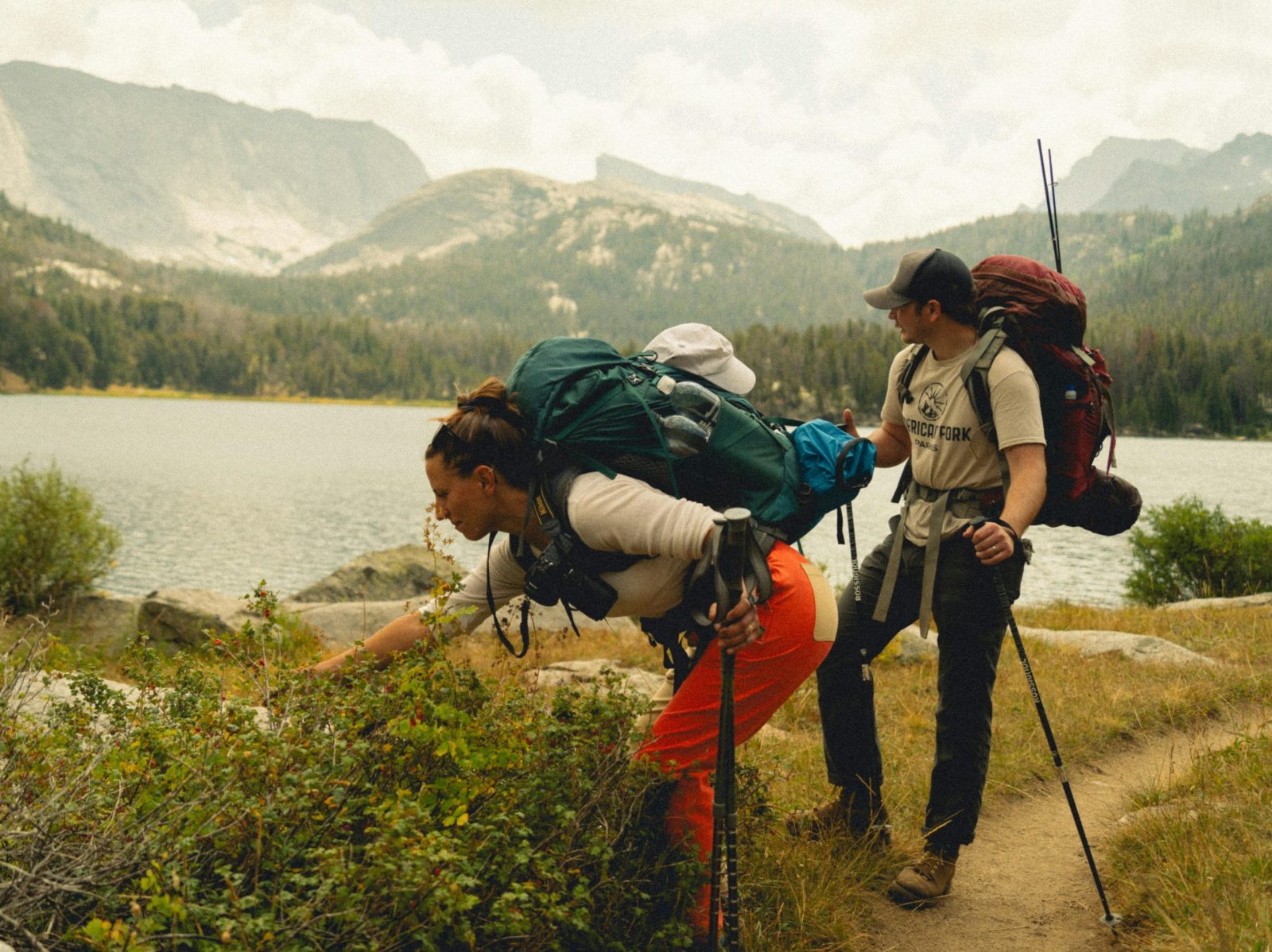
Overestimating strength becomes riskier after fifty. Muscle mass and power decline naturally. Lifting, climbing, or sudden movements strain tissues. This habit backfires by causing injuries that heal slowly. Adjusting expectations preserves safety. Using assistance and pacing effort reduces strain. Recognizing current capabilities supports continued activity without setbacks. Respecting strength changes helps maintain independence outdoors and prevents injuries that disrupt routines and require long recovery periods. Age aware preparation helps sustain safer camping experiences over time. Thoughtful gear choices remain essential for long term outdoor independence.
Camping Solo Without Backup Plans
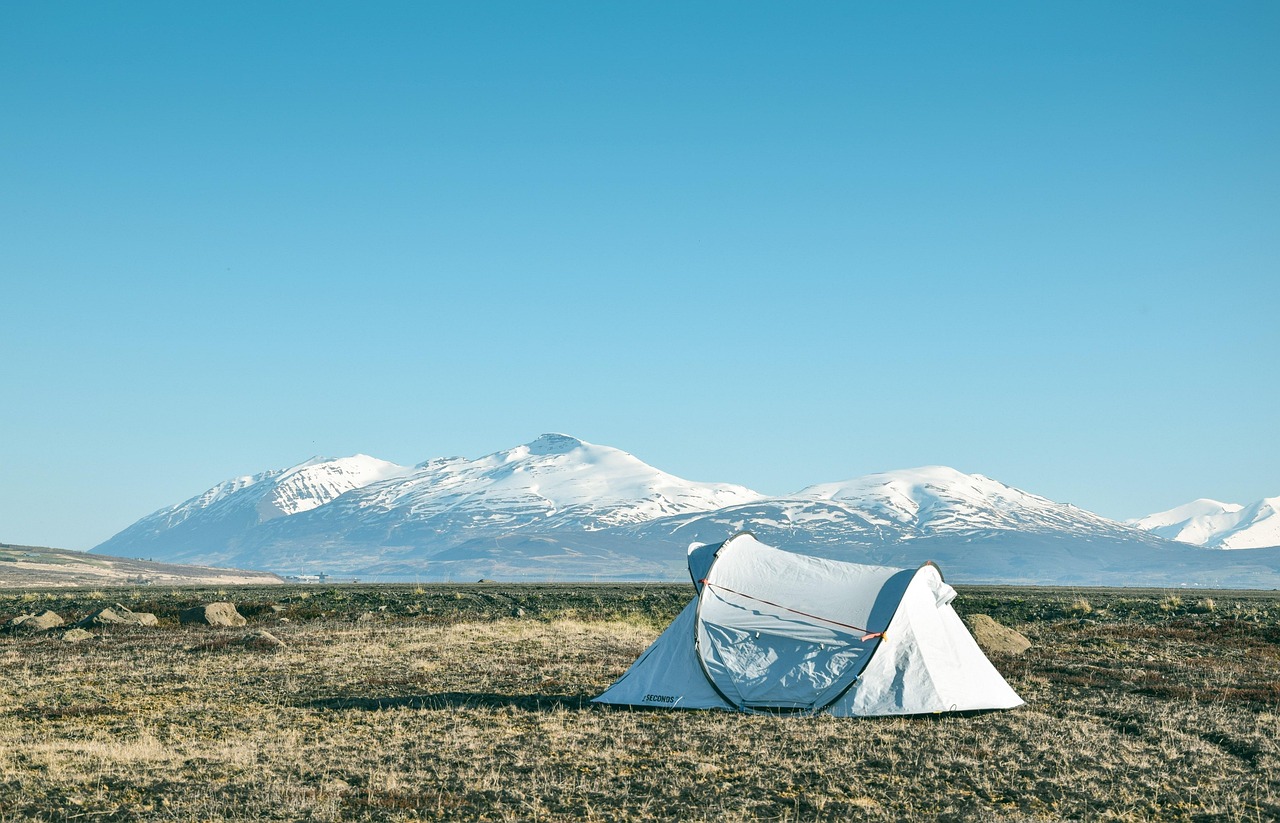
Camping solo without backup plans becomes riskier after fifty. Injuries or illness leave no immediate assistance. Self rescue grows harder. Communication delays increase danger. This habit once felt freeing but backfires by increasing isolation. Backup plans improve safety. Informing others and carrying emergency devices matters more now. Balancing solitude with preparation allows continued independence while reducing risk. Planning for help ensures emergencies do not escalate beyond manageable levels. Age aware preparation helps sustain safer camping experiences over time. Thoughtful gear choices remain essential for long term outdoor independence.
Ignoring Weather Sensitivity
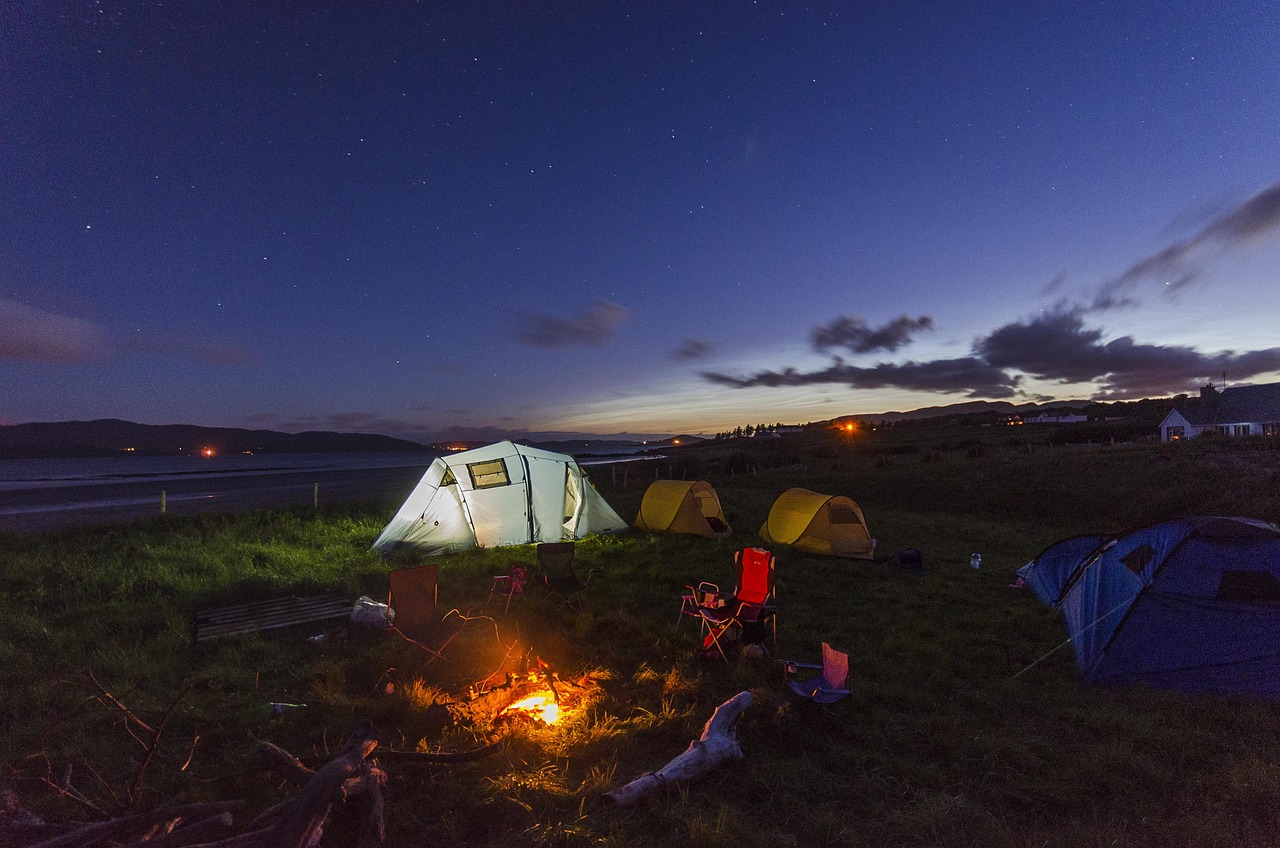
Ignoring weather sensitivity becomes more dangerous after fifty. Heat and cold affect older bodies more severely. Exposure increases injury and illness risk. Recovery slows significantly. This habit backfires by underestimating environmental stress. Monitoring forecasts and adjusting plans protects health. Appropriate clothing and timing matter. Respecting weather changes supports safer camping while preserving energy and resilience needed for recovery later in life. Age aware preparation helps sustain safer camping experiences over time. Thoughtful gear choices remain essential for long term outdoor independence.