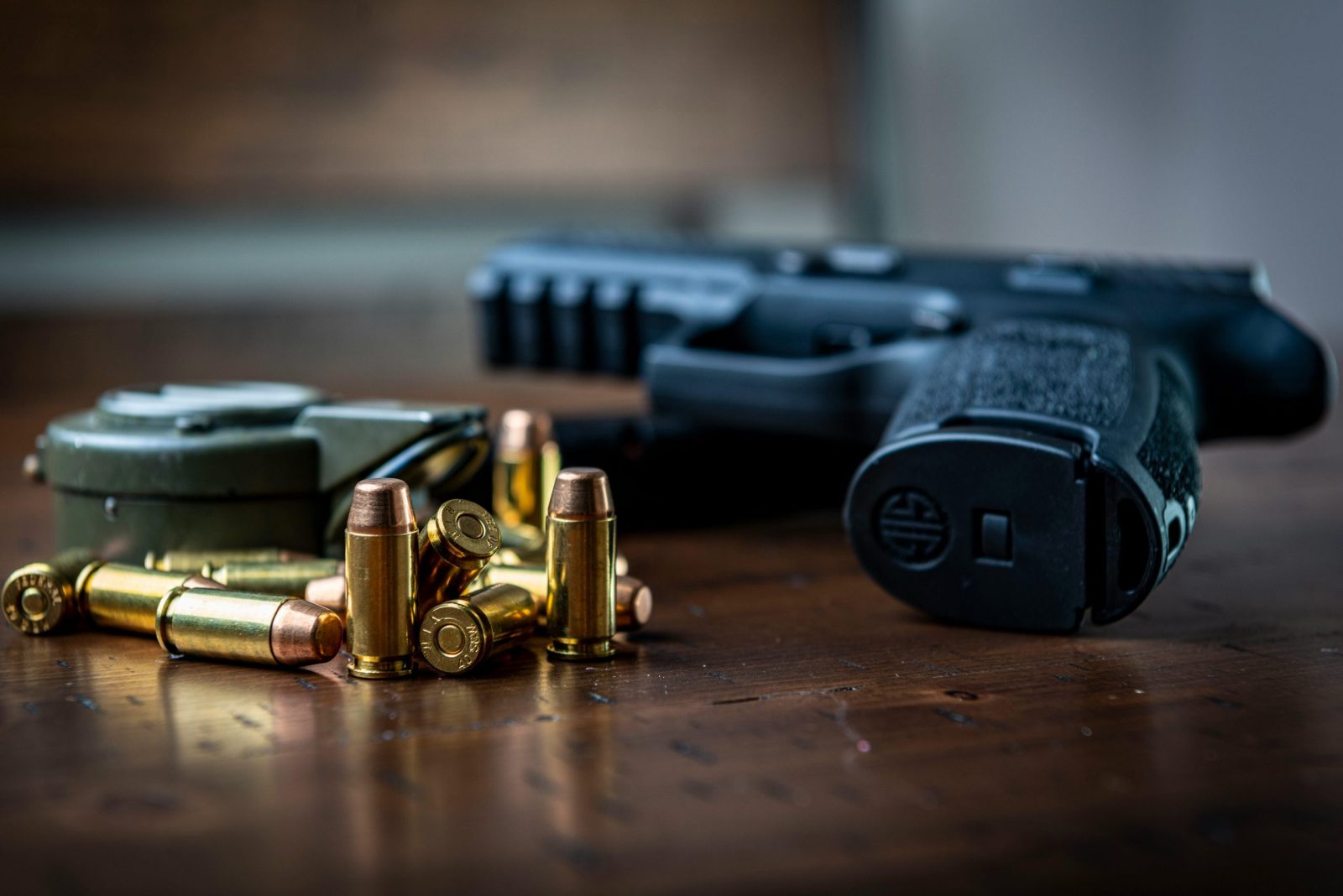
These caliber myths that still get passed around the range reveal how outdated information persists despite significant advancements in modern ballistics and projectile technology. Many enthusiasts rely on anecdotal evidence or historical stories that no longer reflect the reality of current ammunition performance during a defensive situation. Understanding the science behind terminal ballistics allows for a more informed choice when selecting a firearm for personal protection or recreational use. This guide explores the most frequent misconceptions that continue to circulate among hobbyists and professionals alike. Correcting these errors helps every shooter improve their overall knowledge and safety.
The Stopping Power Of The Forty Five
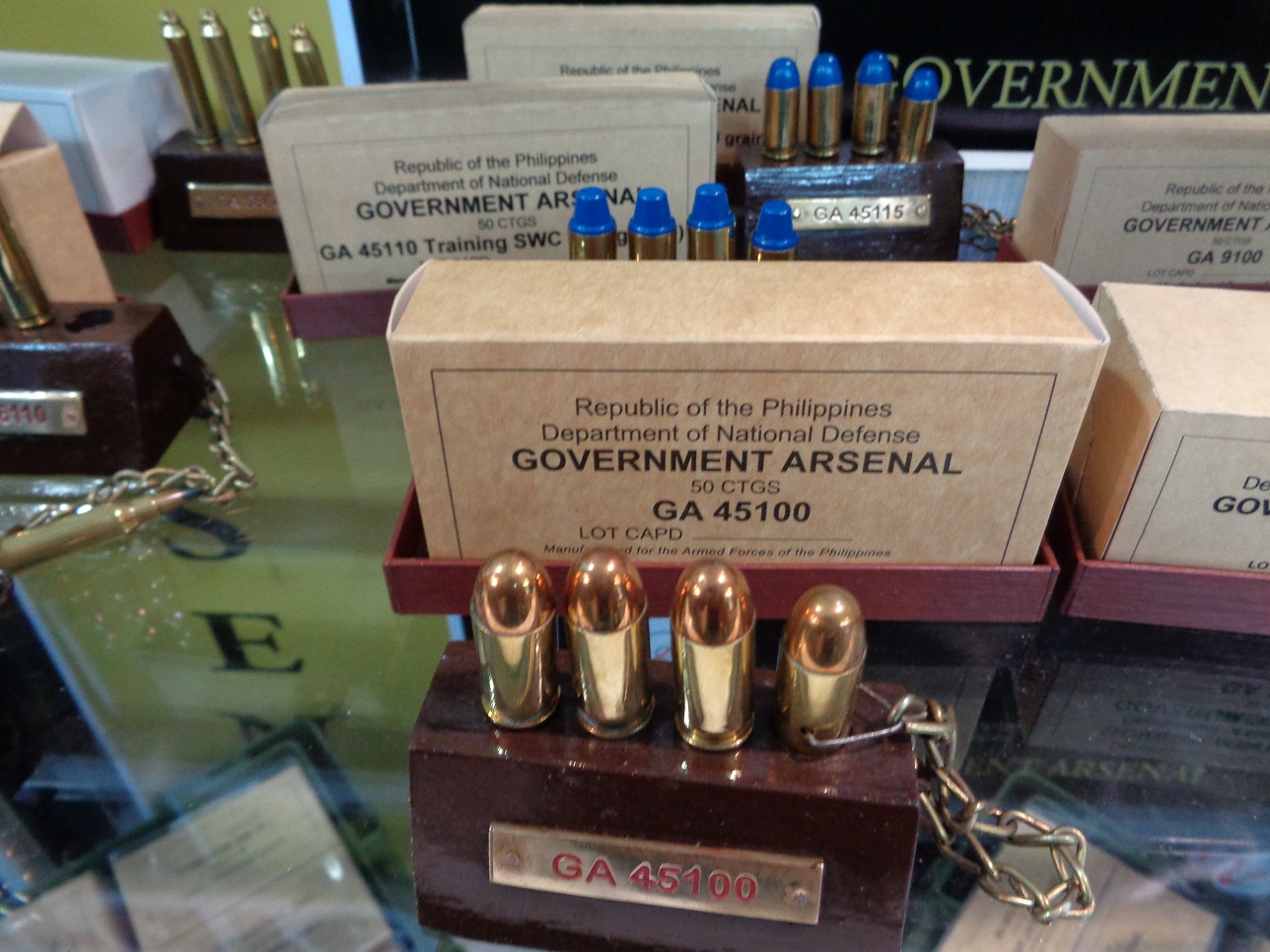
The forty five ACP enjoys a legendary reputation for its significant and large diameter during any defensive encounter. Many people believe that a single round from this heavy caliber will instantly stop a threat regardless of where the projectile actually strikes the target. Modern ballistics research shows that shot placement and penetration are much more critical factors than the simple width of a bullet. High-quality expansion in smaller calibers often matches the effectiveness of larger rounds while offering the benefit of significantly higher magazine capacity. Reliance on pure diameter is a classic error that overlooks the complexity of physics.
The Ineffectiveness Of The Nine Millimeter
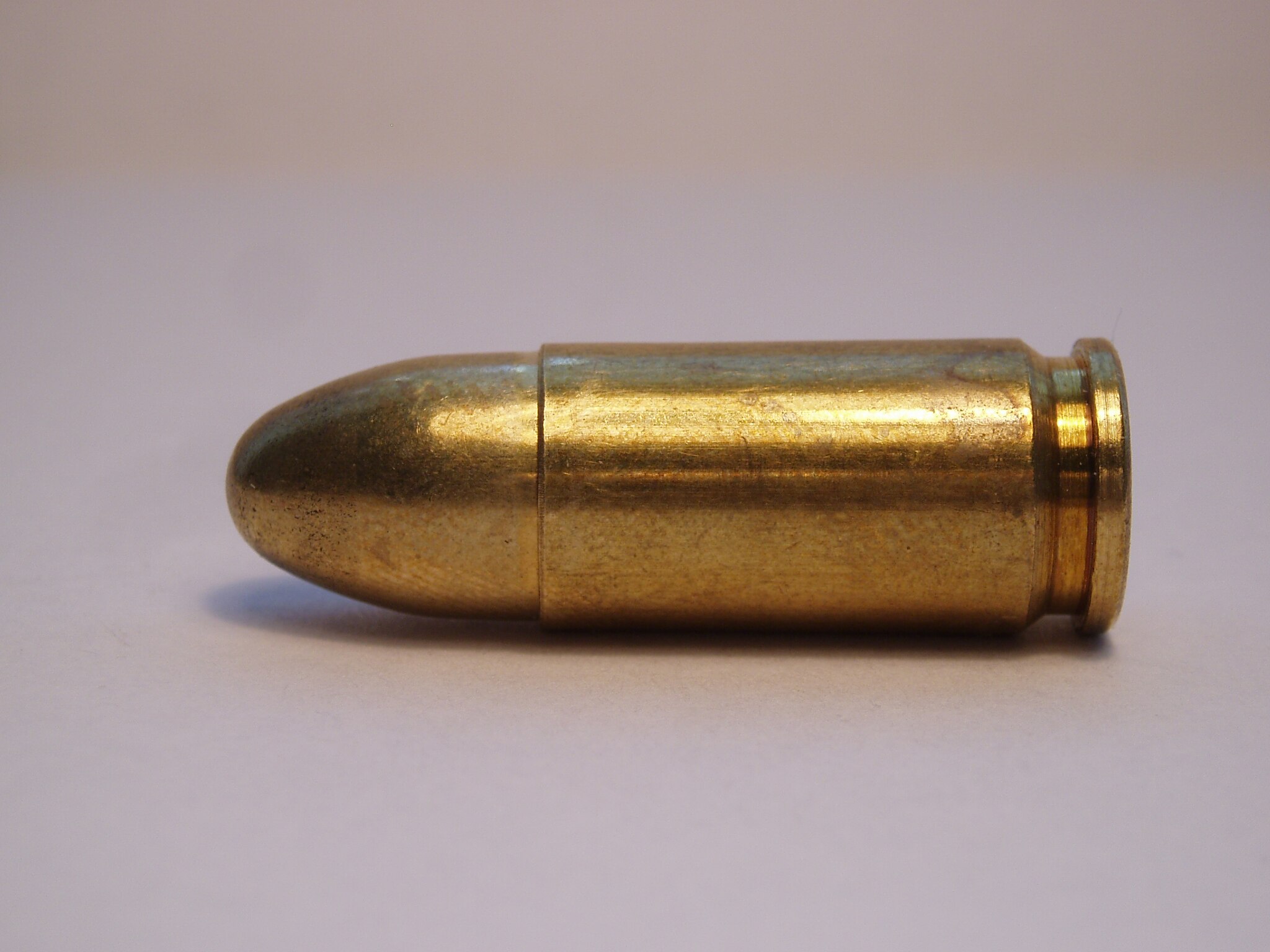
Many critics argue that the nine millimeter caliber lacks the necessary power to be an effective tool for serious self-defense. This myth originated from decades of poor performance by early full metal jacket bullets that failed to expand properly upon impact. Modern bonded hollow point designs have closed the performance gap between various handgun calibers to a point where the difference is nearly negligible. Most law enforcement agencies have returned to this round because it offers manageable recoil and excellent penetration across a wide range of barrier types. Efficiency and technology have made this caliber a premier and reliable choice.
The Twenty Two Is Not Lethal
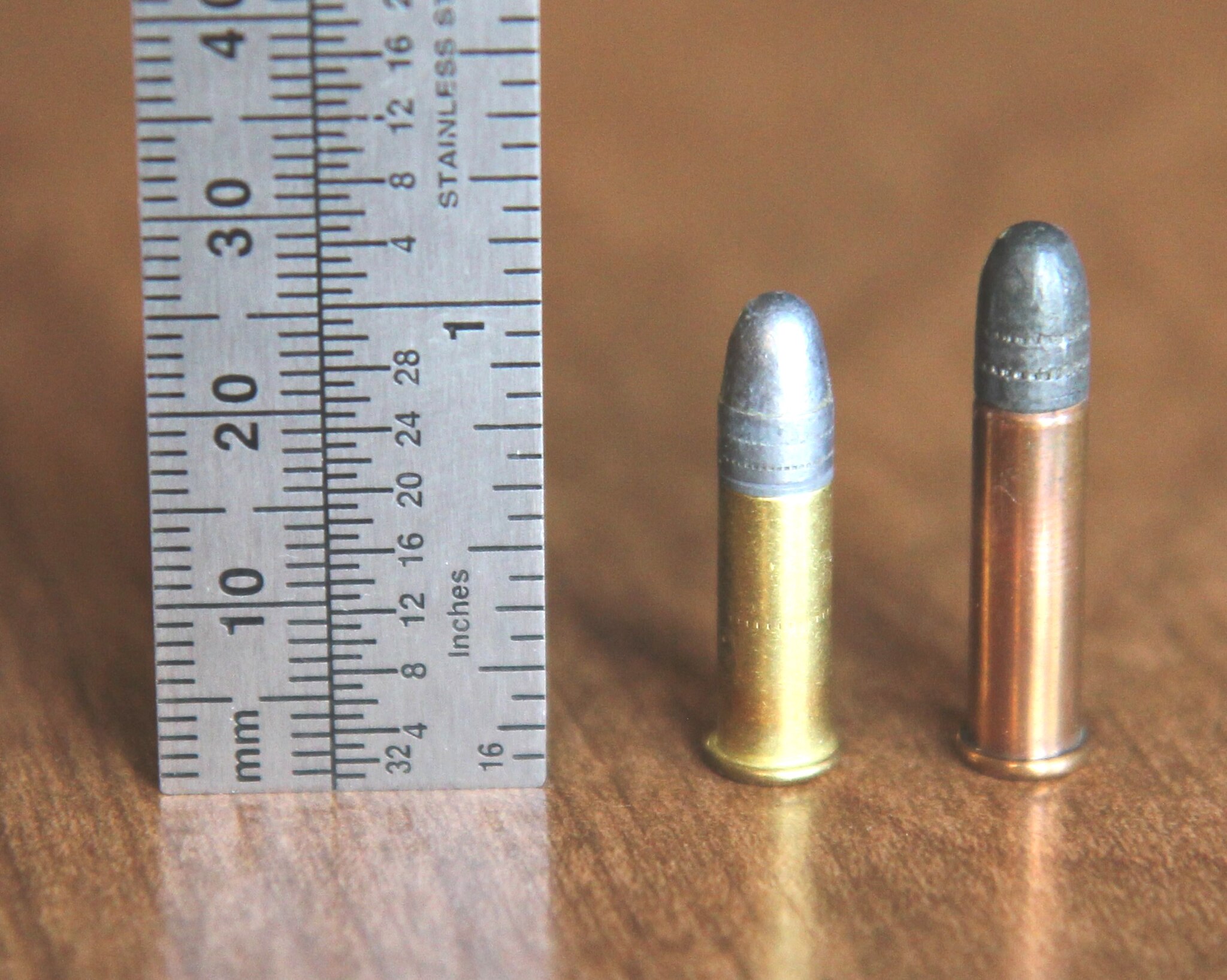
The twenty-two long rifle is often dismissed as a mere toy that lacks any real lethal potential for protection. While it certainly lacks the energy of centerfire rounds, it remains a dangerous projectile that can cause severe injury or death during an accident. Professional instructors emphasize that every firearm demands the same level of respect regardless of its size or power during a practice session. Relying on the small size of the bullet to excuse poor safety habits is a mistake that leads to tragic outcomes. Every caliber possesses enough force to be treated with absolute and constant care.
Knockback Force Statistics
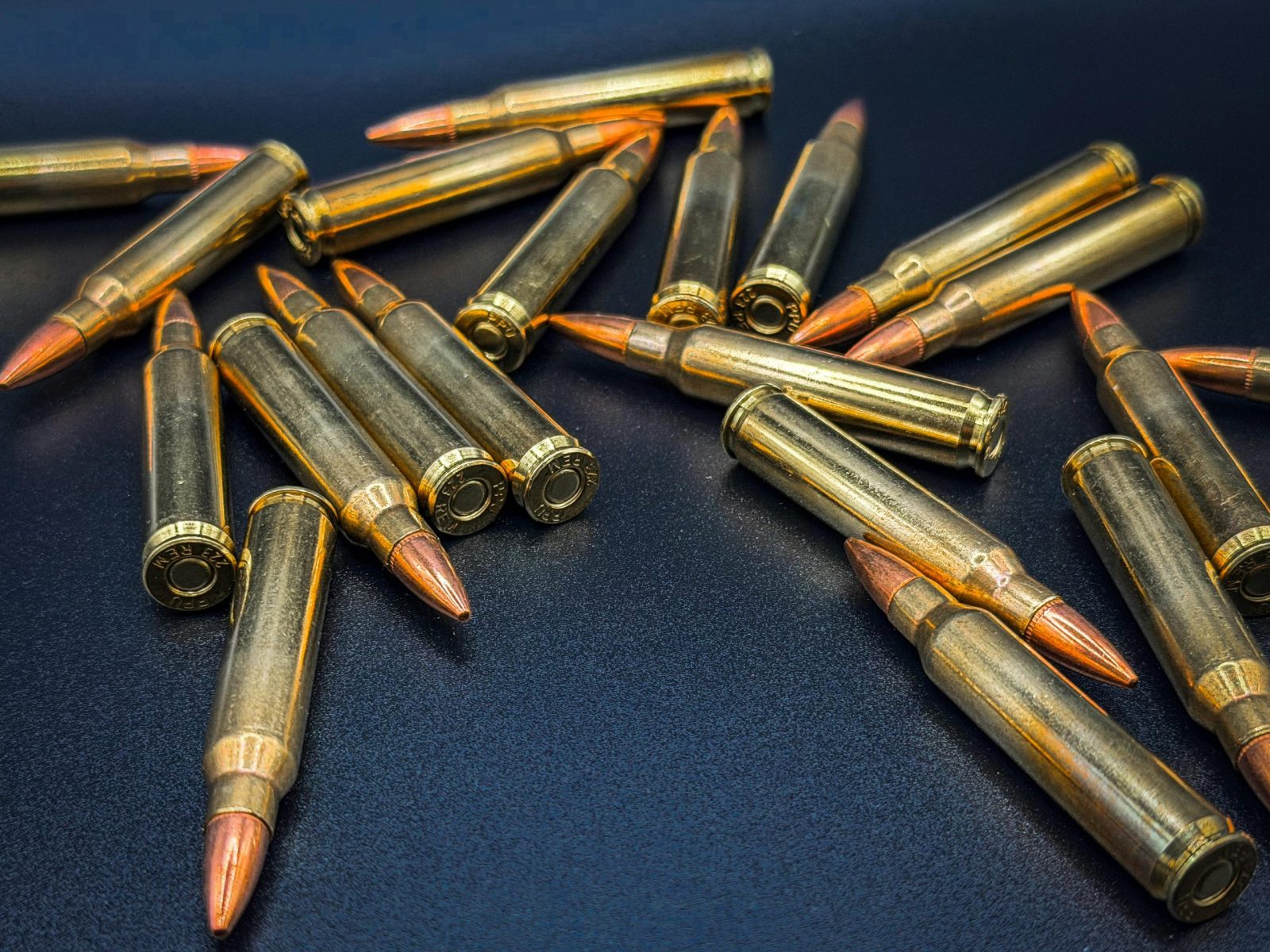
One persistent myth suggests that a powerful enough caliber can physically knock a human backward through the air upon impact. Physics dictates that the recoil felt by the shooter must be equal to or greater than the force delivered to the target. If a bullet could throw a person backward, the shooter would also be launched in the opposite direction simultaneously with every single pull. Terminal effects are the result of biological failure and physiological shock rather than raw kinetic energy pushing a mass. Movies often exaggerate these physical reactions and create a false understanding of how ballistics truly work.
Over Penetration In Home Defense
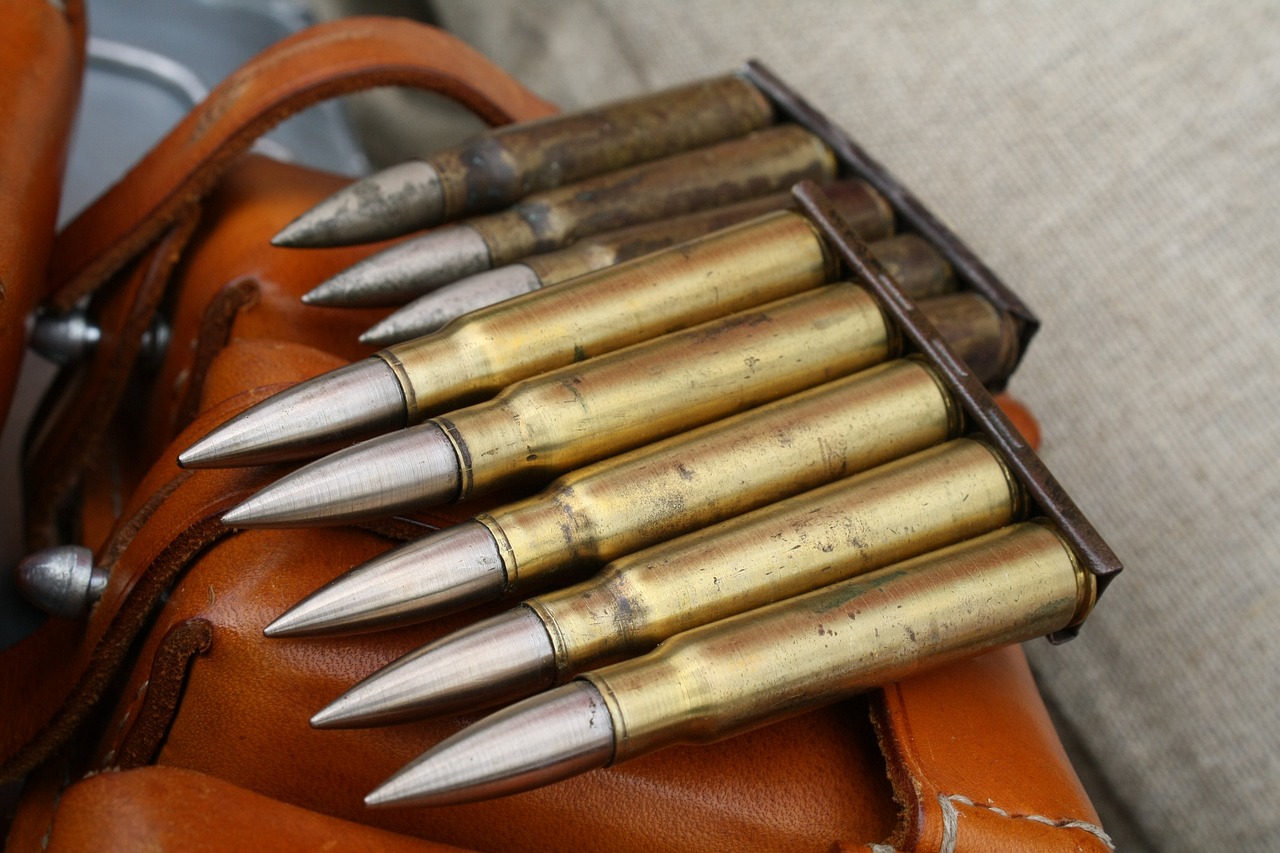
Many people worry that a high-velocity rifle round will overpenetrate through multiple walls and endanger neighbors during a crisis. Interestingly, some heavy and slow handgun bullets are more likely to maintain their structural integrity and travel through building materials with ease. Modern light and fast projectiles often fragment or tumble quickly upon hitting a hard surface, which limits their dangerous travel distance. Selecting the right bullet construction is much more important than the caliber itself when considering the safety of those in nearby rooms. Testing confirms that light rounds can be safer indoors.
The Ten Millimeter Is Too Powerful
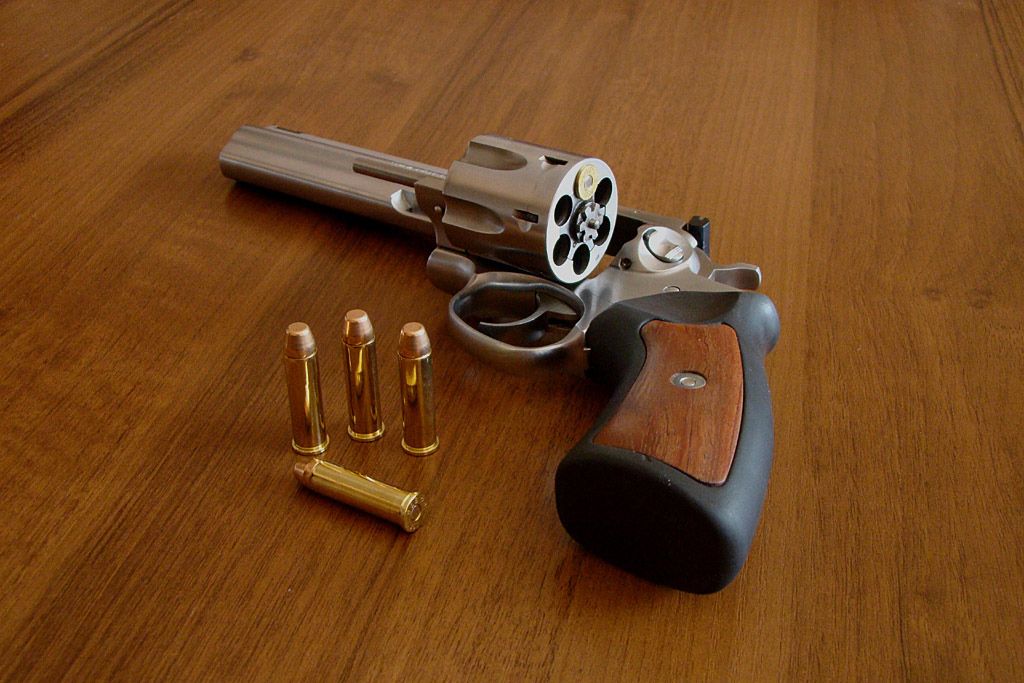
The ten millimeter caliber frequently receives criticism for having a recoil that is far too punishing for the average shooter to handle. While early full power loads were indeed very stout many modern factory options are loaded to much more manageable levels for the public. A properly weighted handgun with a good grip can tame the snap of this versatile round and allow for very accurate shots. This caliber offers a fantastic balance for those who need a tool for both personal defense and protection against large animals in the woods. Mastery comes through regular training and proper technique.
Small Calibers For Small People
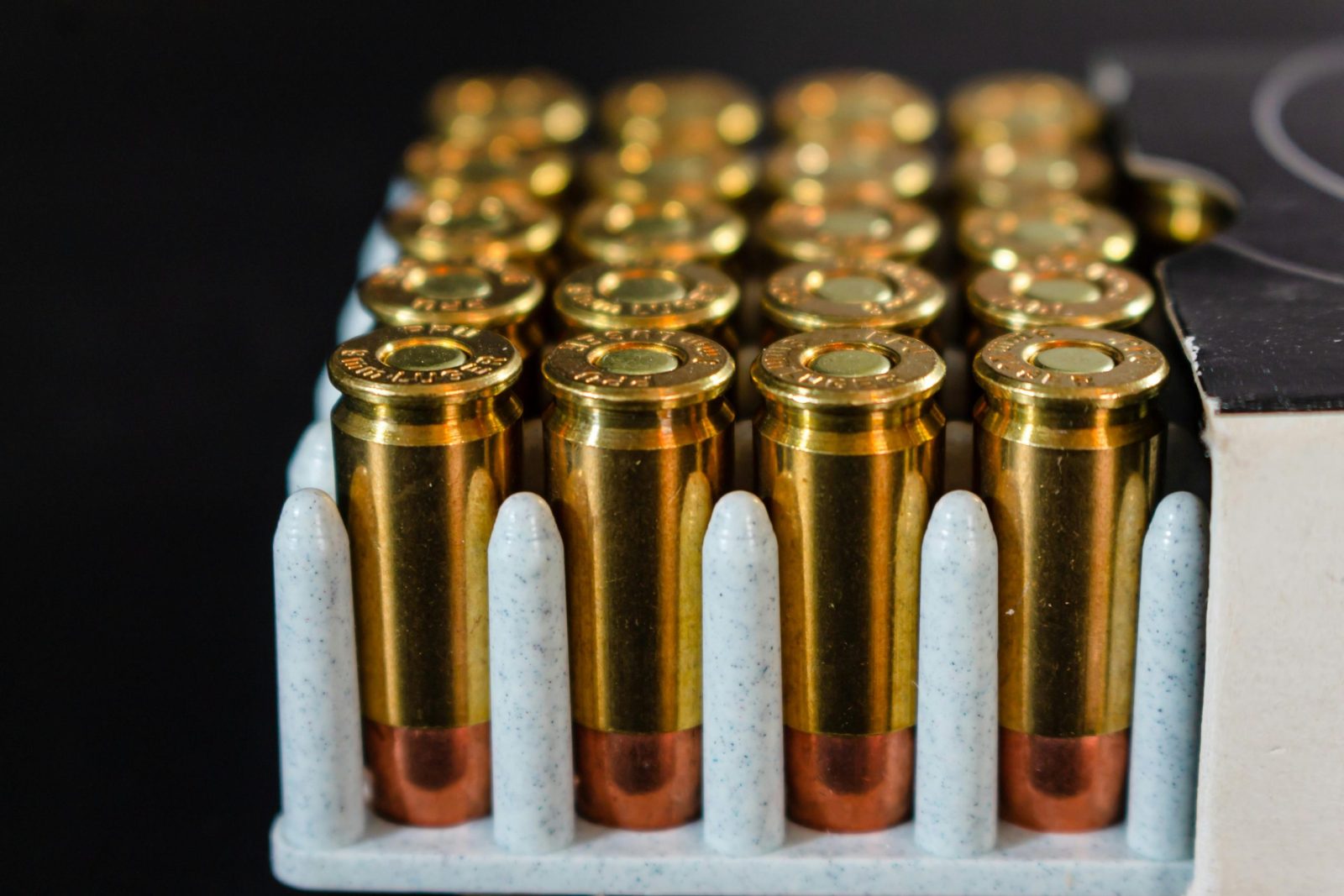
A common range myth suggests that smaller individuals or those with limited hand strength should always stick to the smallest possible calibers. However, many micro compact pistols in small calibers produce a very sharp and snappy recoil that is difficult to manage during a sequence. A slightly larger handgun in a standard caliber often provides better ergonomics and a much more comfortable shooting experience for everyone. Focus should remain on the individual’s ability to manipulate the specific controls and the slide of the weapon safely. Finding the right physical fit is more important than choosing a tiny round.
Hollow Points Always Expand
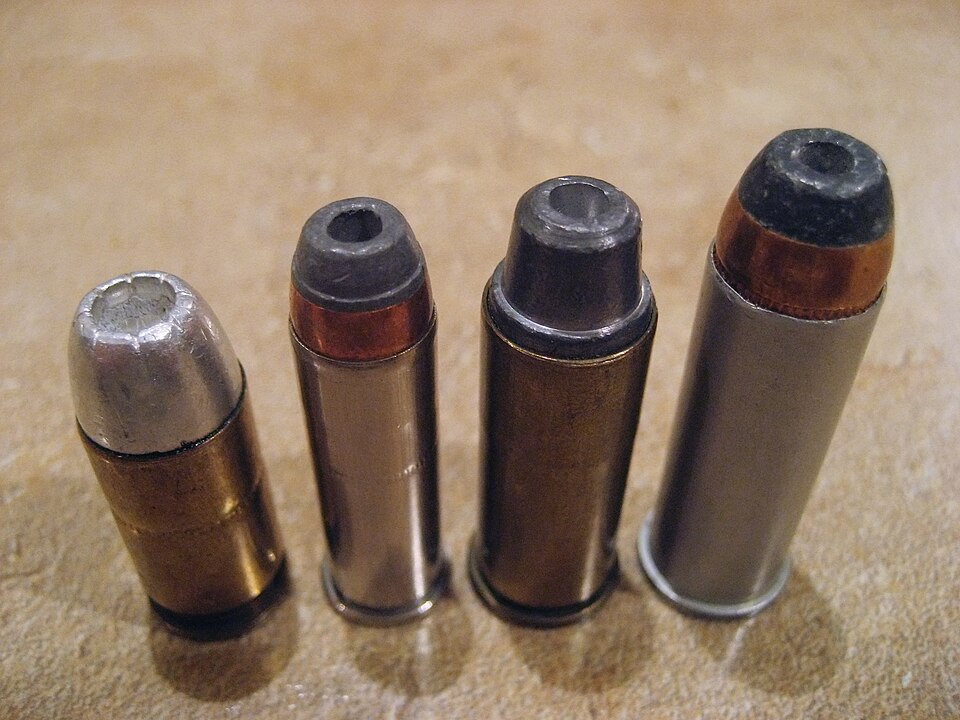
Many shooters assume that a hollow point bullet will always expand into a perfect mushroom shape regardless of the situation. In reality, variables such as velocity and barrel length or even the presence of heavy clothing can prevent expansion from occurring properly. If the hollow cavity becomes clogged with fabric, the bullet may act like a simple full metal jacket and overpenetrate the target. Testing ammunition in various conditions is the only way to ensure that a specific load will perform as intended during a crisis. Technology has improved reliability, but it is never a guarantee of performance.
The Forty S&W Is Obsolete
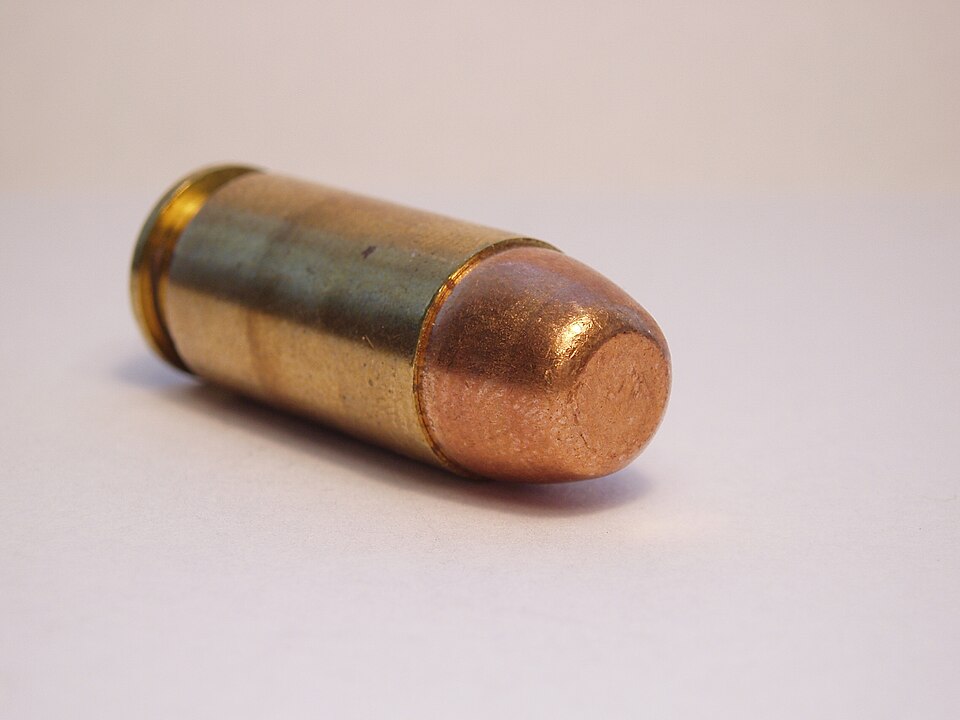
The forty Smith and Wesson caliber originally emerged to bridge the gap between high-capacity nines and heavy tens. Some enthusiasts now claim the round is obsolete because many police departments have transitioned back to the 9 mm for their duty. While it has lost some popularity, it remains a very effective and widely available round that offers excellent terminal performance today. Many people still prefer the extra weight and diameter of the projectile for their own personal protection or competitive shooting needs. A caliber does not become useless just because a different trend becomes popular among the government.
Magnum Rounds Are Always Better
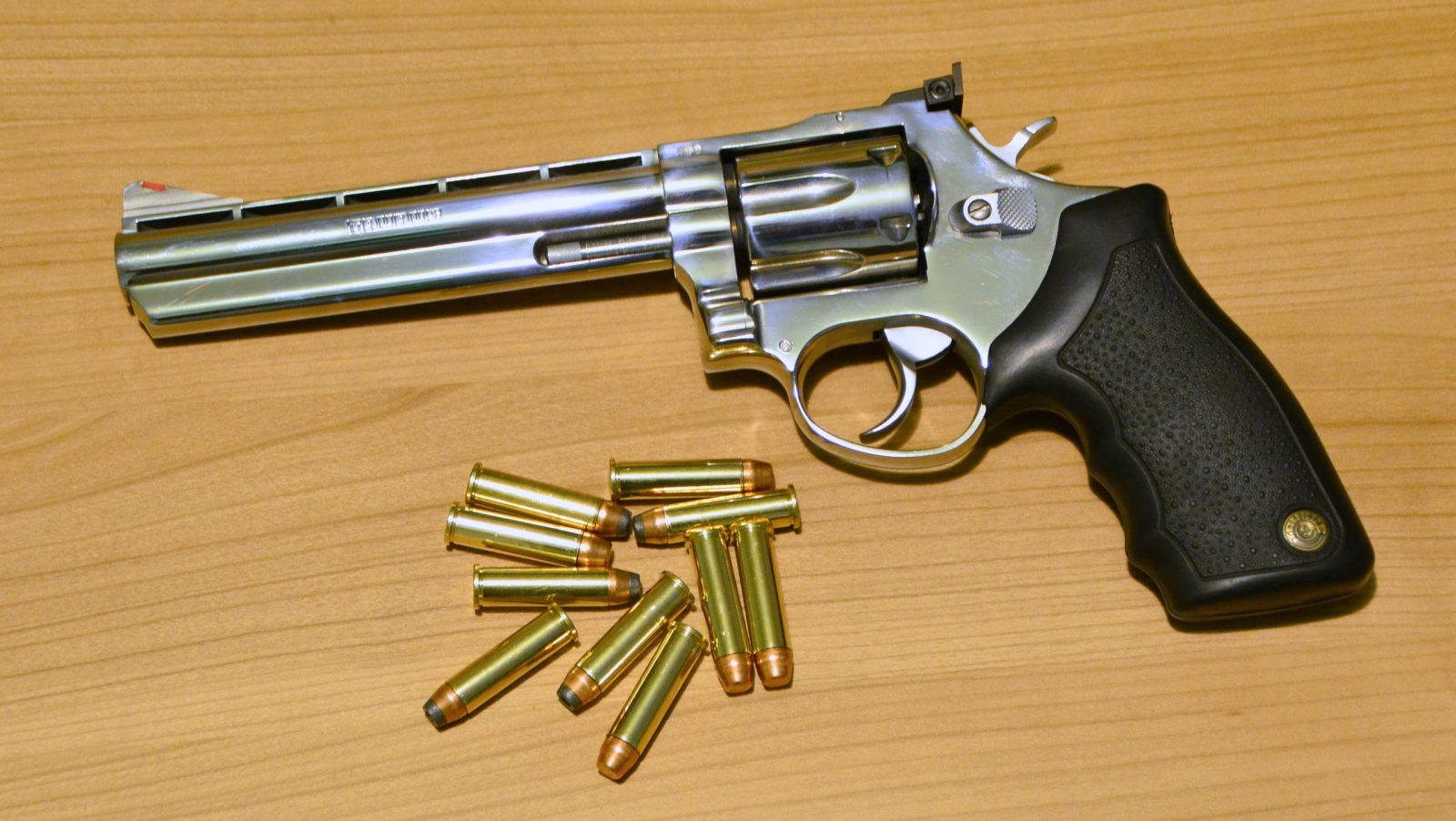
There is a prevailing belief that carrying a magnum revolver is always a superior choice because it offers the most raw power. While magnums provide incredible energy, they also come with massive muzzle blast and heavy recoil that can hinder follow-up shots. Most defensive encounters are resolved with multiple quick and accurate hits rather than a single massive and explosive blast. Controlling a magnum under extreme stress is a significant challenge that requires a very high level of skill and constant practice. A standard caliber that a person can shoot well is always a much better.
The 5.56 Is Only For Varmints
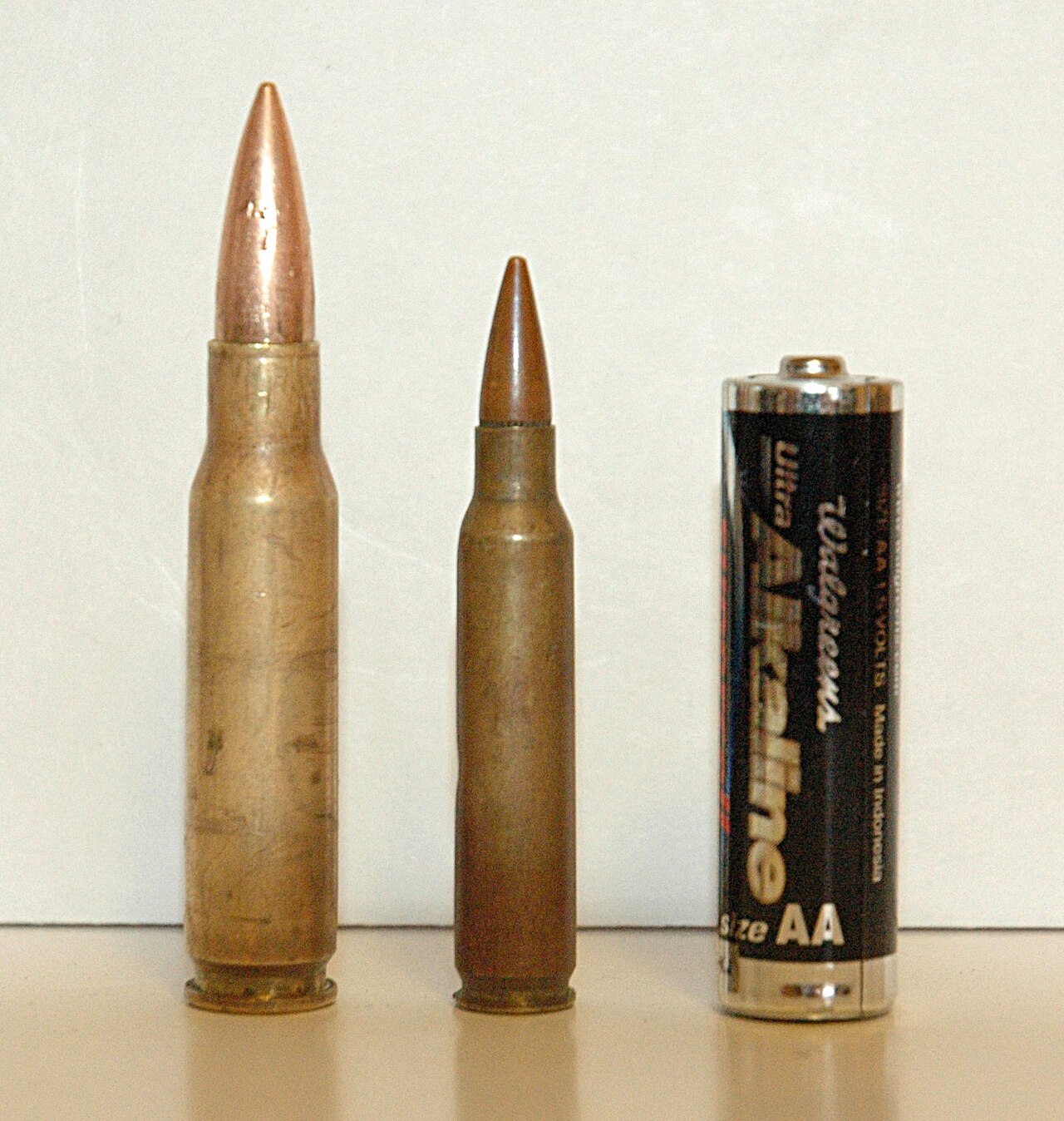
The five fifty-six NATO round creates a massive temporary cavity due to its high velocity during flight. Some range veterans claim it is only suitable for small game but military and police use proves its absolute effectiveness. The projectile relies on fragmentation and tumbling to cause significant damage to a target upon impact at close ranges. When paired with modern bullet designs it serves as a highly reliable and accurate tool for home defense and professional applications. Understanding the role of velocity in terminal ballistics is the key to appreciating what this small and fast round can do.