Choosing the right ammunition is critical for safety, but some 10 useless calibers only fools would suggest remain in circulation. These ineffective rounds often trap novice buyers into expensive ecosystems with scarce supplies and underwhelming ballistic performance. History is littered with cartridges that failed to meet the needs of law enforcement or hunters, yet some people still champion them blindly. Relying on obsolete or redundant technology creates dangerous gaps in capability when reliable protection is absolutely required. This guide explores the specific ammunition types that experts universally advise avoiding for any serious defensive or sporting application.
.25 ACP
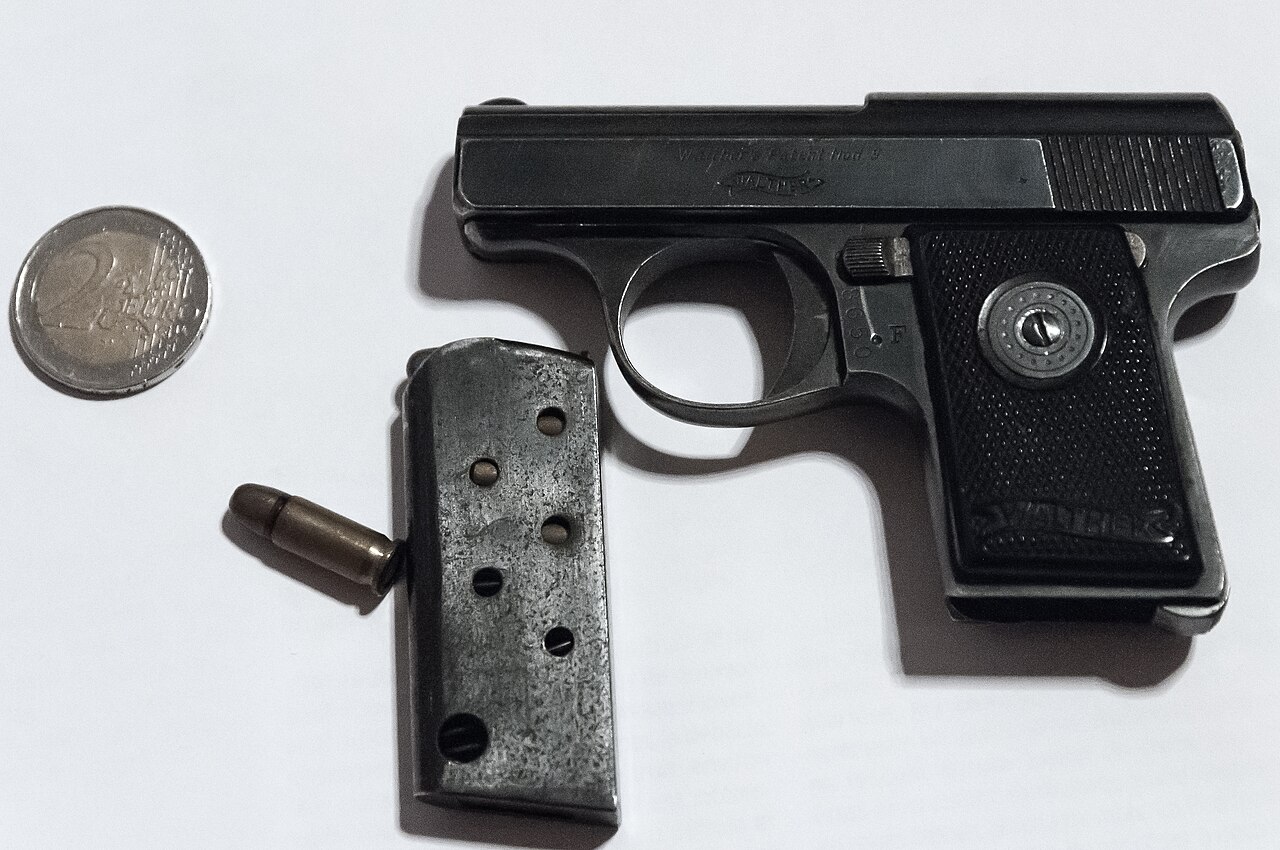
The .25 ACP remains a tiny centerfire cartridge that offers less stopping power than the common rimfire .22 Long Rifle. John Browning designed this round when reliable rimfire primers were rare, but modern technology has rendered it completely obsolete. Ammunition costs are significantly higher than rimfire alternatives, while the ballistic performance is laughable for personal defense. A thick winter jacket can potentially stop this projectile from reaching vital organs during a confrontation. Suggesting this caliber today ignores a century of advancement in ballistics and creates a dangerous false sense of security for new gun owners.
2.7mm Kolibri
The 2.7mm Kolibri holds the title for the smallest centerfire cartridge ever mass-produced and serves absolutely no practical purpose. Fired from a novelty pistol, this microscopic round generates less energy than a modern paintball gun. The bullet often bounces off thick clothing or heavy wood, which makes it entirely useless for protection or hunting. Collectors value these rounds for their rarity, but anyone suggesting them for actual use acts foolishly. It stands as a historical curiosity that demonstrates just how small engineering can go, rather than a functional tool for any serious shooter or collector.
.45 GAP
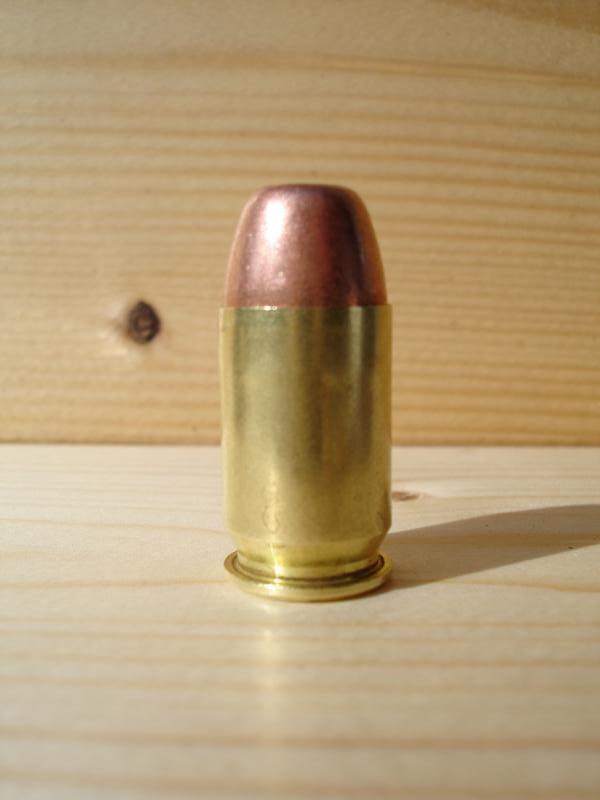
Glock introduced the .45 GAP to fit a large caliber bullet into a smaller frame but solved a problem nobody actually had. This shortened cartridge creates similar ballistics to the legendary .45 ACP but costs significantly more and is harder to find. Police departments that adopted it quickly switched back to standard calibers due to logistical headaches and budget constraints. Shooters gain nothing in performance while losing the ability to find ammo at local hardware stores. Recommending this fading round traps a gun owner in an expensive ecosystem that is slowly disappearing from shelves.
.32 S&W
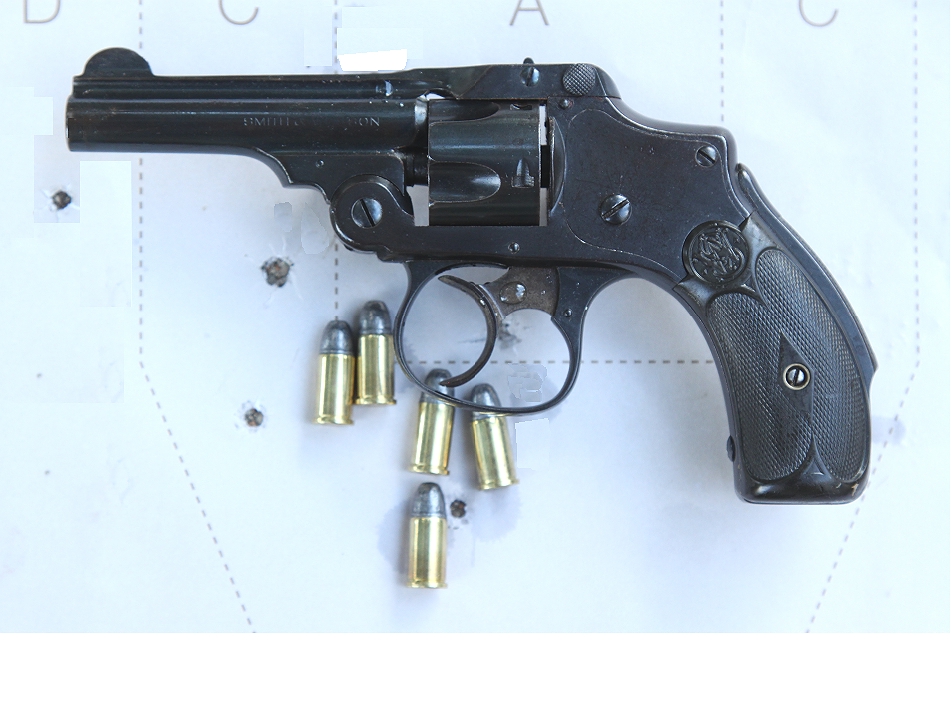
The ancient .32 S&W is a low-pressure cartridge that barely generates enough velocity to leave the barrel of a revolver. It was popular in the late nineteenth century for pocket guns but is woefully inadequate for modern defensive standards. The lead round-nose bullets often fail to penetrate deep enough to incapacitate an attacker effectively. Ammunition is scarce and usually produced only in limited seasonal runs by major manufacturers. Relying on this anemic relic for personal safety is a dangerous gamble that ignores the superior options available in similar frame sizes today.
.41 Action Express
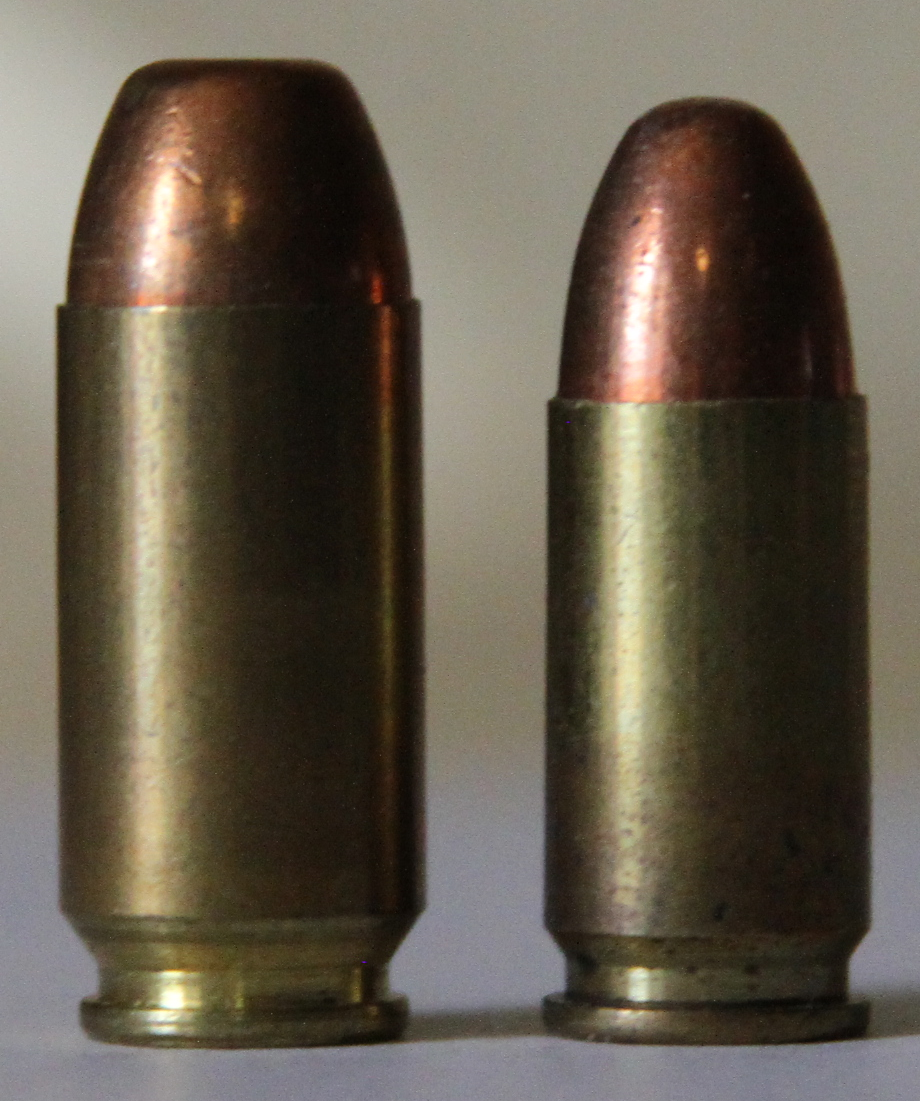
The .41 Action Express was an innovative idea that died immediately upon the release of the .40 S&W cartridge. It used a rebated rim to fit into 9mm frames, but never gained the law enforcement support needed to survive. Finding brass or factory ammunition for this orphan caliber is a frustrating and expensive treasure hunt. Ballistically, it offers no significant advantage over the calibers that replaced it in the market decades ago. Suggesting this round to a new shooter sets them up for a lifetime of reloading headaches and sourcing difficulties at the range.
.22 Short
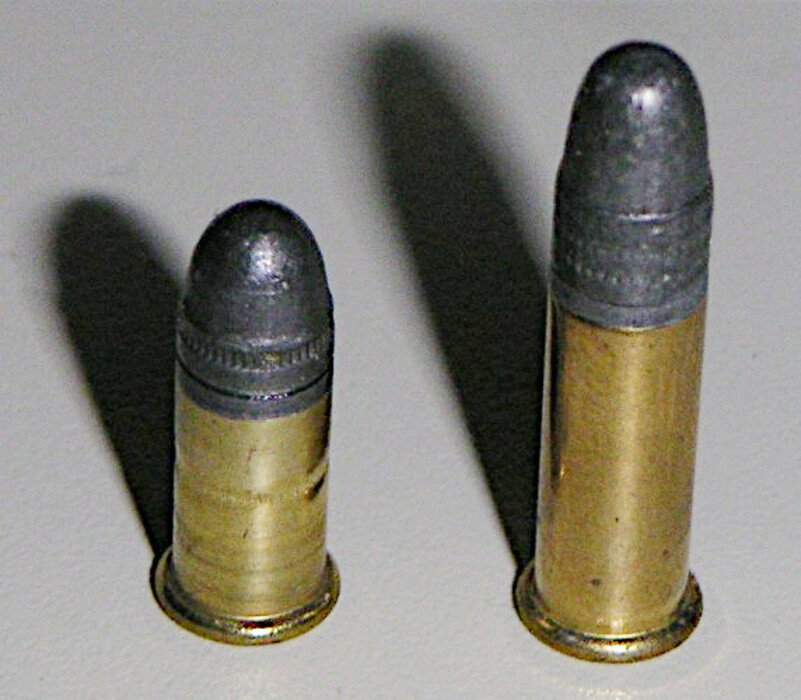
The .22 Short dates back to the American Civil War and served as the first metallic cartridge for many early firearms. While it works for carnival shooting galleries, it lacks the power for ethical hunting or reliable self-defense. The widespread availability of the far superior .22 Long Rifle makes the Short completely redundant for general use. Modern semi-automatic rifles will not cycle this tiny round, which limits their utility to bolt actions or revolvers. Using this underpowered cartridge for anything other than quiet backyard plinking is a decision rooted in total ignorance and confusion.
.50 Action Express
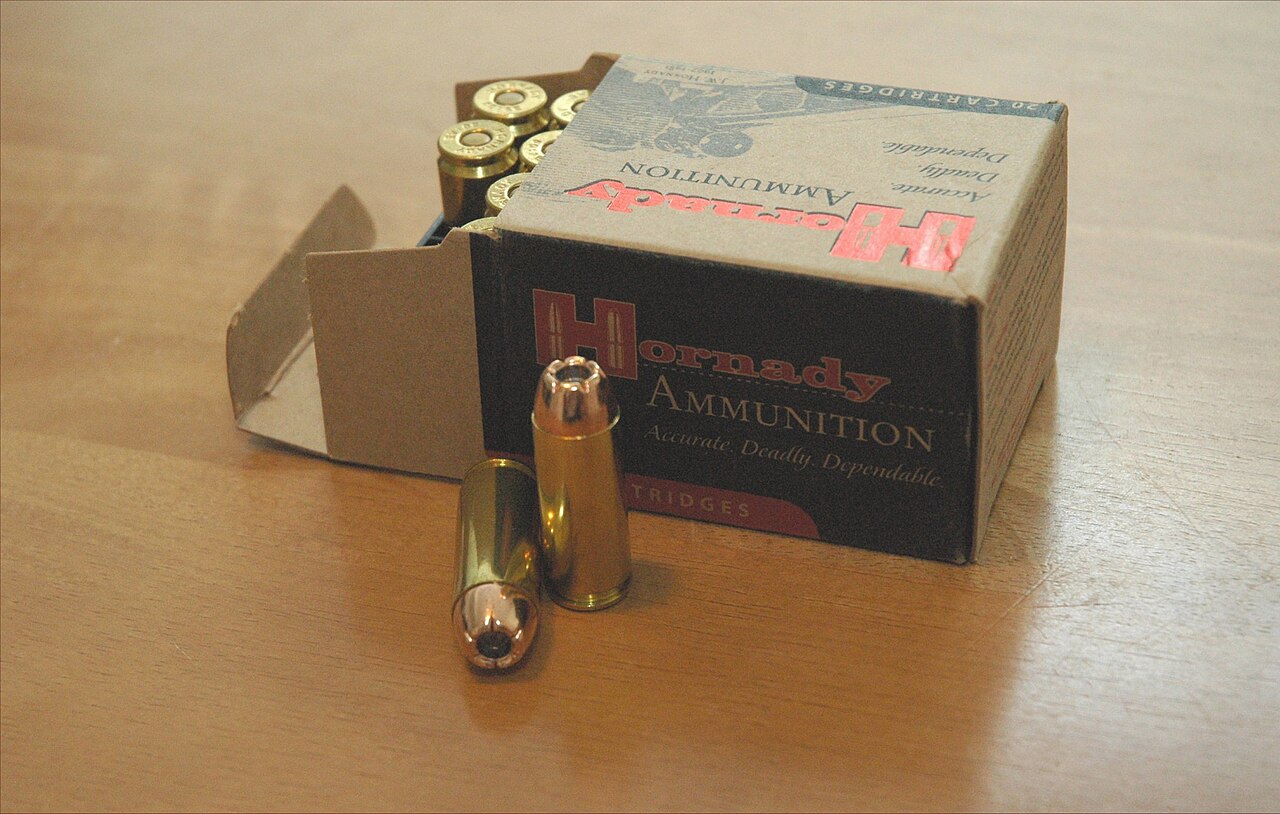
The .50 Action Express is a massive magnum cartridge designed solely for generating recoil and turning heads at the range. While it possesses immense power, the sheer size of the grip required makes it impractical for almost everyone. The ammunition costs are exorbitant, which prevents most owners from ever practicing enough to become proficient with the weapon. Recoil is painful, and muzzle flash is blinding, which renders it useless for follow-up shots in a defensive scenario. It is a novelty round for showing off rather than a practical tool for serious application or defense.
9mm Federal
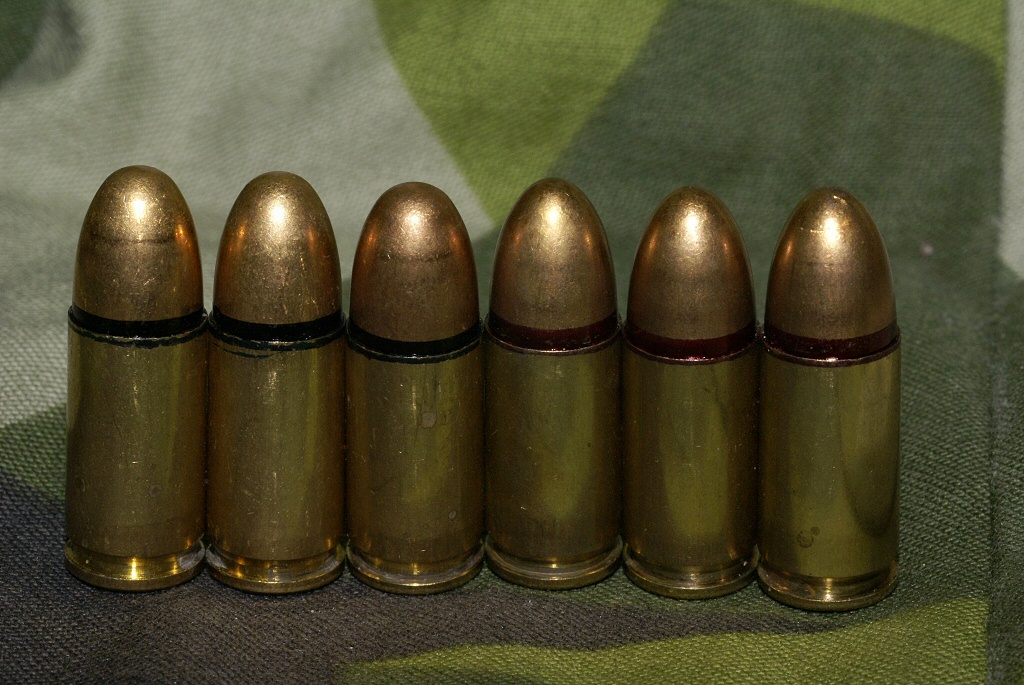
The 9mm Federal was a dangerous rimmed version of the standard 9mm Luger designed for revolvers in the eighties. Engineers quickly realized that this high pressure round could fit into older .38 S&W revolvers that could not handle the stress. This potential for catastrophic firearm failure led to its rapid discontinuation and almost total disappearance from the commercial market. Owning a gun in this caliber means you possess a paperweight unless you are an advanced handloader. Suggesting this dangerous and dead cartridge shows a profound lack of understanding regarding safety and logistics.
.38 Long Colt
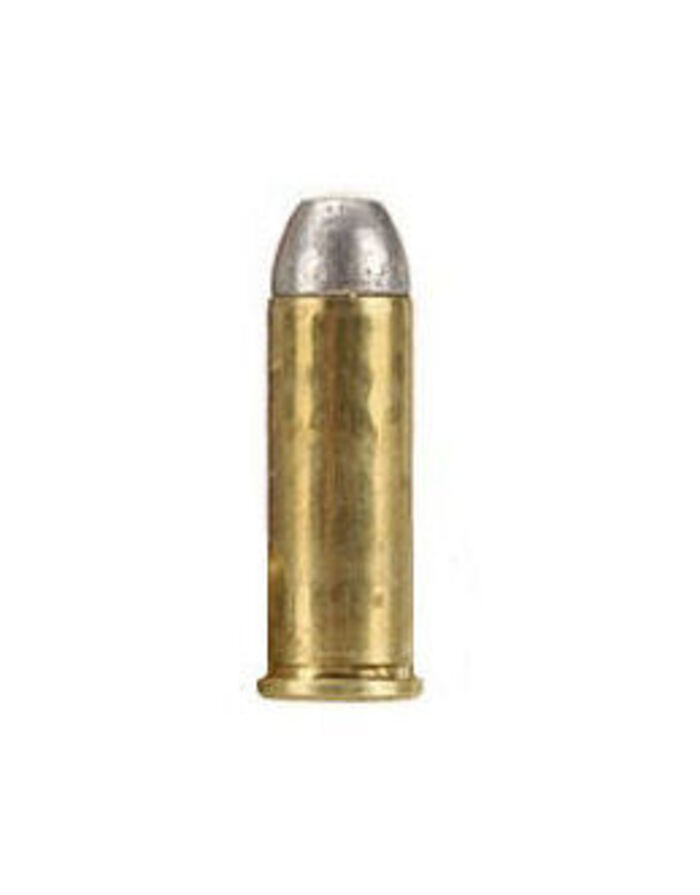
The .38 Long Colt is famous for failing so miserably in combat that the US Army rushed to replace it. During the Philippine-American War, soldiers reported that the rounds failed to stop charging warriors even after multiple solid hits. It lacks the expansion and penetration required to be an effective man stopper in any century. The .38 Special replaced it completely and offers vastly superior performance in every single measurable metric. Carrying this historically weak cartridge for defense today foolishly ignores the hard lessons learned by military forces over one hundred years ago.
.30 Super Carry
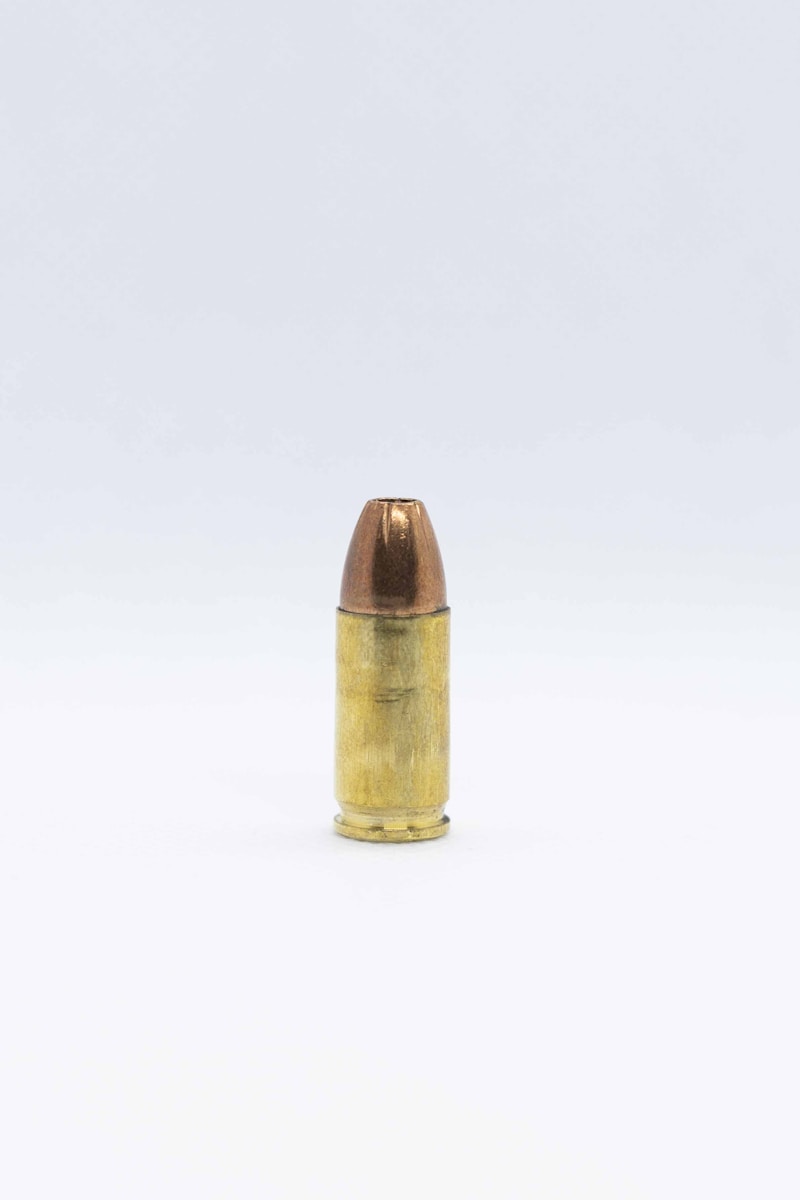
The .30 Super Carry attempts to bridge the gap between .380 and 9mm, but offers a solution to a nonexistent problem. The extremely high chamber pressure accelerates wear on compact pistols while offering only a marginal capacity increase. Ammunition is significantly more expensive than 9mm and is rarely stocked at typical sporting goods stores. Ballistic tests show it performs similarly to existing options without providing enough benefit to justify the logistical switch. Early adopters face the significant risk of owning a beta test caliber that may not survive the coming decade.