The American firearms industry usually produces legendary reliability, but occasionally manufactures widely recognized failures that experts universally condemn. 10 useless American pistols only a fool would suggest typically suffer from cheap materials or dangerous engineering flaws that make them a liability in any defensive scenario. Many of these notorious models feature zinc alloy frames that crack under stress or bizarre ergonomic decisions that risk injury to the shooter. Enthusiasts view these weapons as cautionary tales rather than functional tools for protection. This list highlights the specific domestic handguns that earned their terrible reputations through consistent mechanical incompetence.
USFA Zip .22
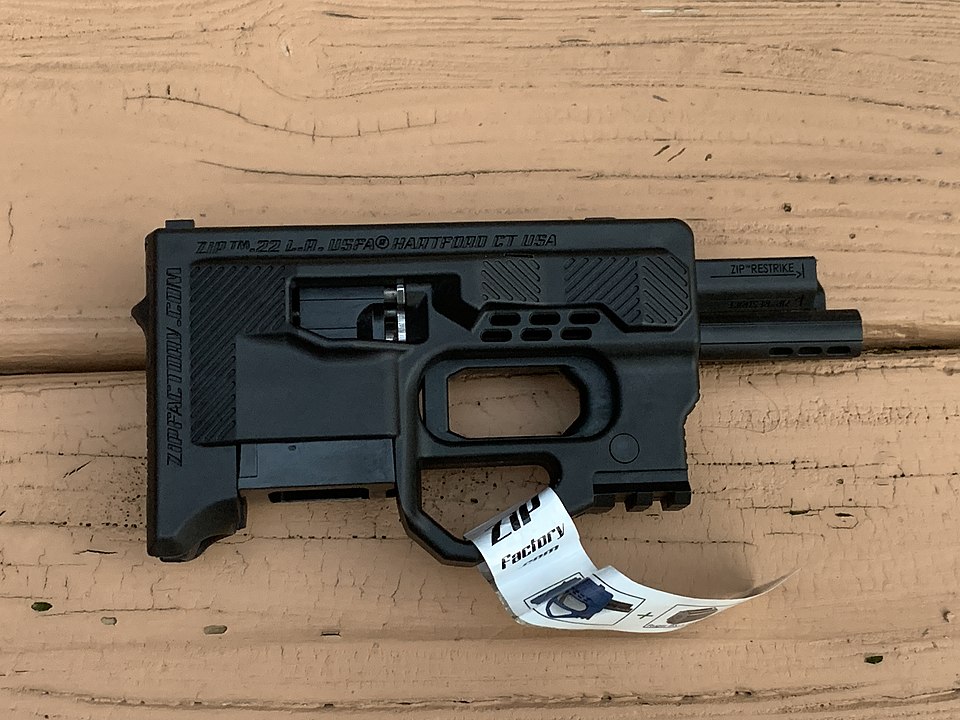
The USFA Zip .22 stands as one of the most baffling design failures in modern American history. Engineers attempted to create a futuristic modular pistol, but instead produced a dangerous plastic box that jammed constantly. The charging handles were inexplicably located right next to the muzzle, which forced the user to place their fingers near the firing line to clear malfunctions. This severe safety oversight, combined with a nearly unusable trigger mechanism, would doom the firearm immediately upon release. It destroyed the reputation of a company that was previously known for making high-quality historical revolvers.
Raven Arms MP-25
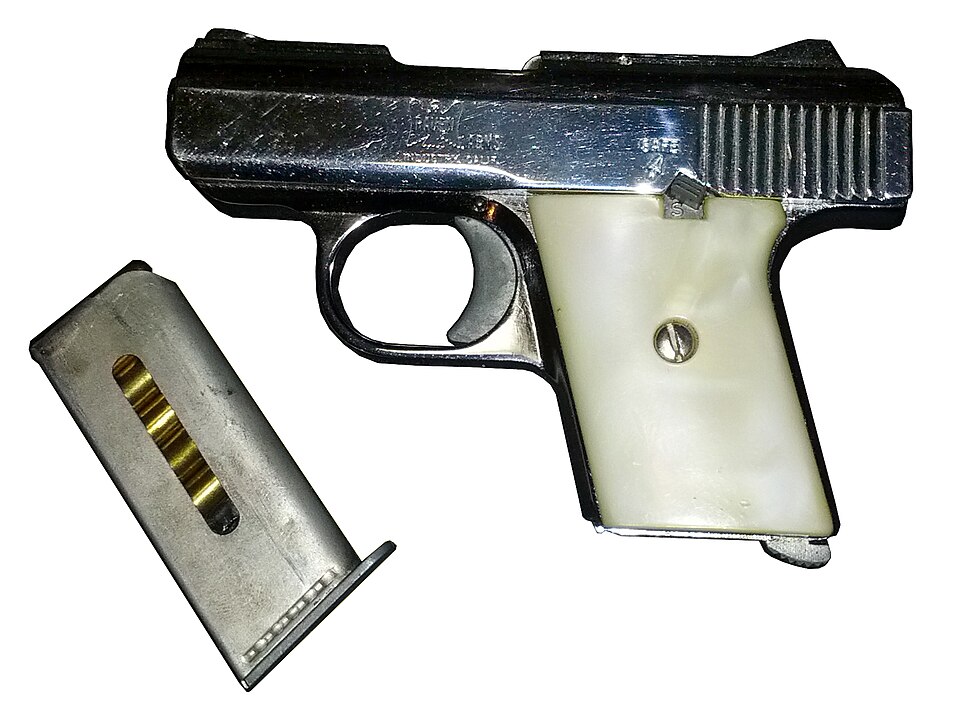
Raven Arms established the template for the cheap, disposable pocket pistol with the infamous MP-25 model. Constructed almost entirely from soft zinc alloy, these tiny handguns were prone to rapid wear that rendered them unsafe after moderate use. The striker mechanism was known to slip past the sear if the weapon was dropped, which caused accidental discharges that injured numerous owners. Critics noted that the safety lever was difficult to engage and often failed due to the poor tolerances of the metal. It remains a prime example of quantity over quality in manufacturing.
Remington R51
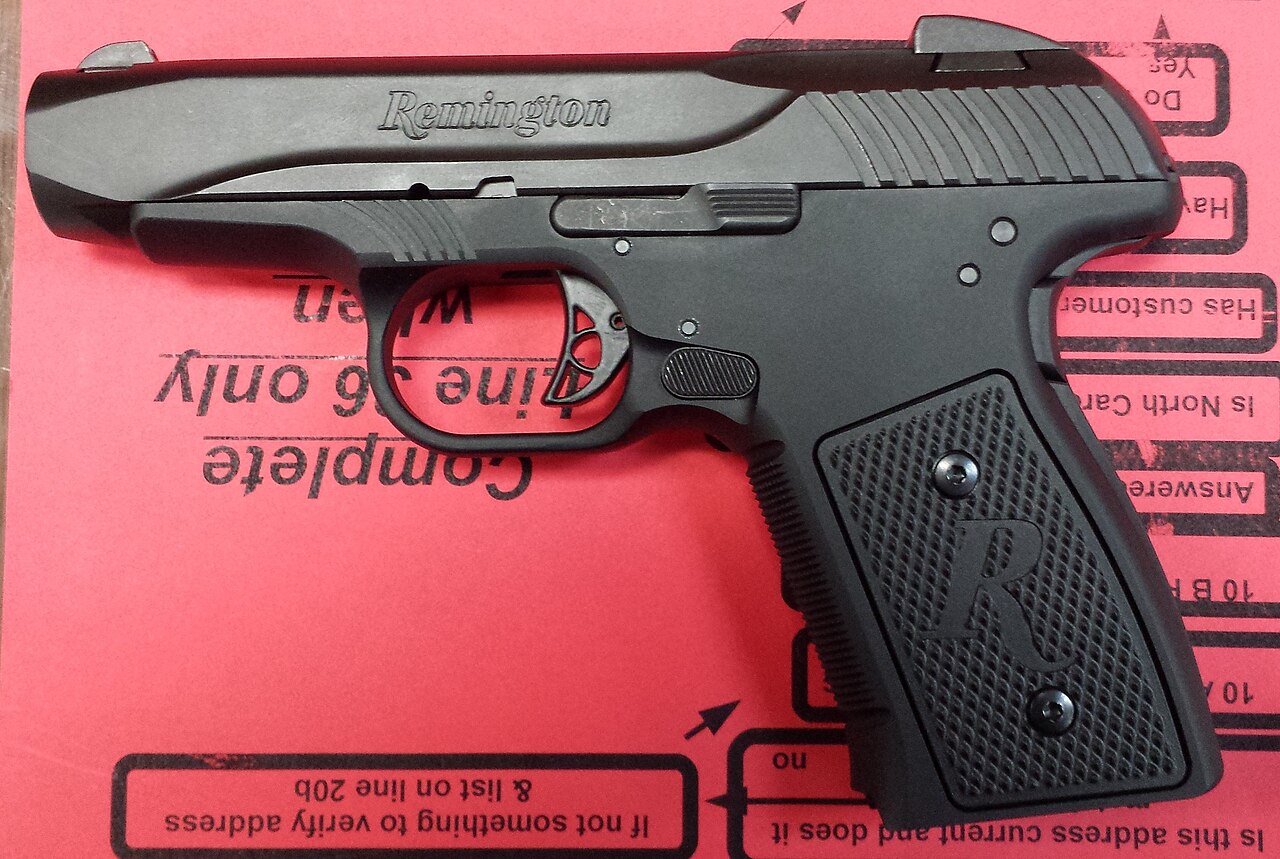
The 2014 relaunch of the Remington R51 was intended to modernize a classic design but resulted in a total public relations disaster. Early reviewers discovered that the pistols had been shipped with rough internal finishes that caused frequent failures to feed and extract. The action was incredibly difficult to disassemble for cleaning and often required three hands to put back together correctly. The manufacturer was eventually forced to issue a massive recall to address the widespread reliability issues that plagued the launch. It serves as a painful reminder that even legendary brands can release unfinished products.
Jennings J-22
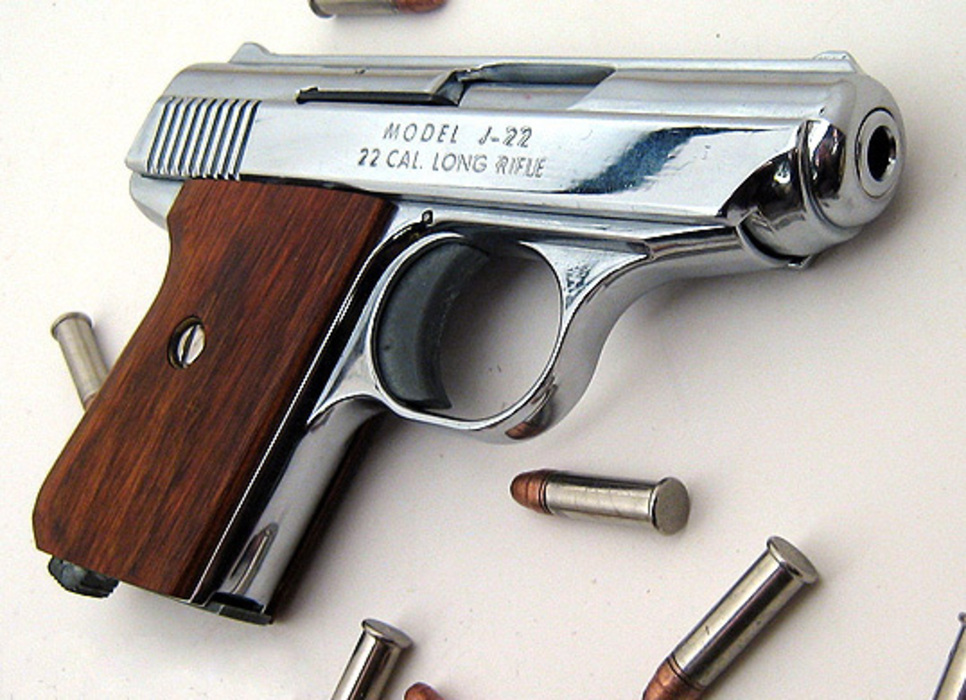
Jennings Firearms gained notoriety for producing the J-22, which was a small-caliber pistol plagued by constant jamming issues. The extractor was often made of such poor-quality metal that it would snap off after extracting only a few dozen casings. Owners frequently reported that the slide would bite the web of their hand due to the nonexistent beaver tail on the grip frame. Gunsmiths generally refused to repair these weapons because the cost of labor exceeded the actual value of the gun. It was a disposable item that offered zero peace of mind.
Lorcin L380
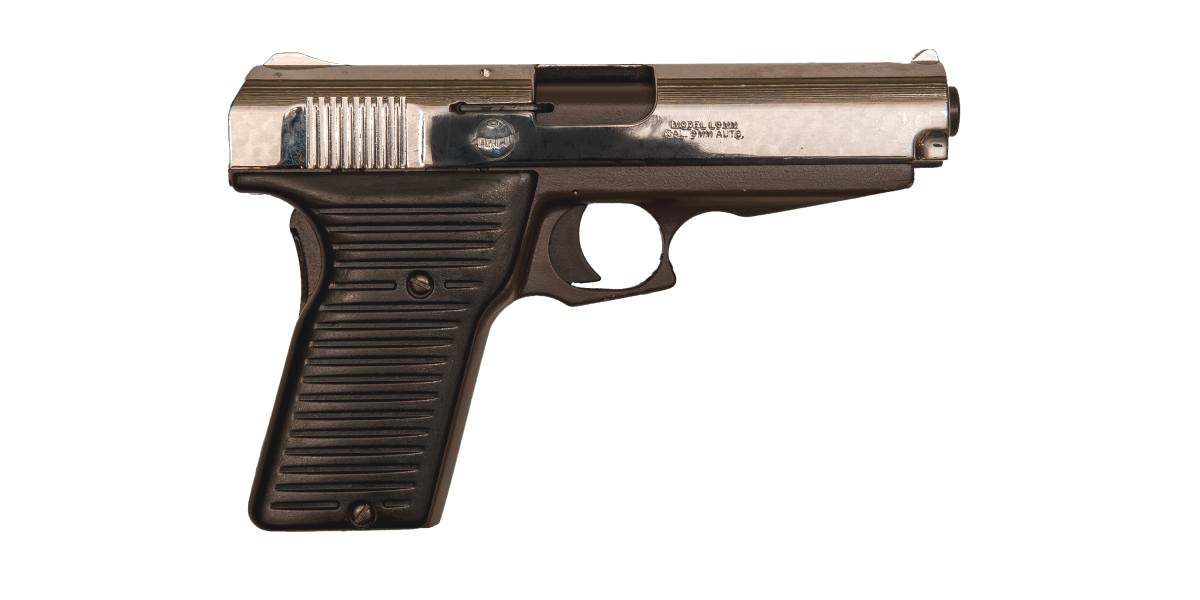
Lorcin Engineering flooded the streets with the L380, which became famous for being both heavy and dangerously fragile. The zinc frame was known to crack near the barrel lug if the owner used ammunition that was slightly too powerful. Its safety mechanism was notoriously unreliable and could easily be bumped into the fire position while being carried in a pocket or holster. Police departments often found these weapons at crime scenes where they had jammed after the first shot was fired. It defined the era of the Saturday Night Special with its poor construction.
DoubleTap Defense .45
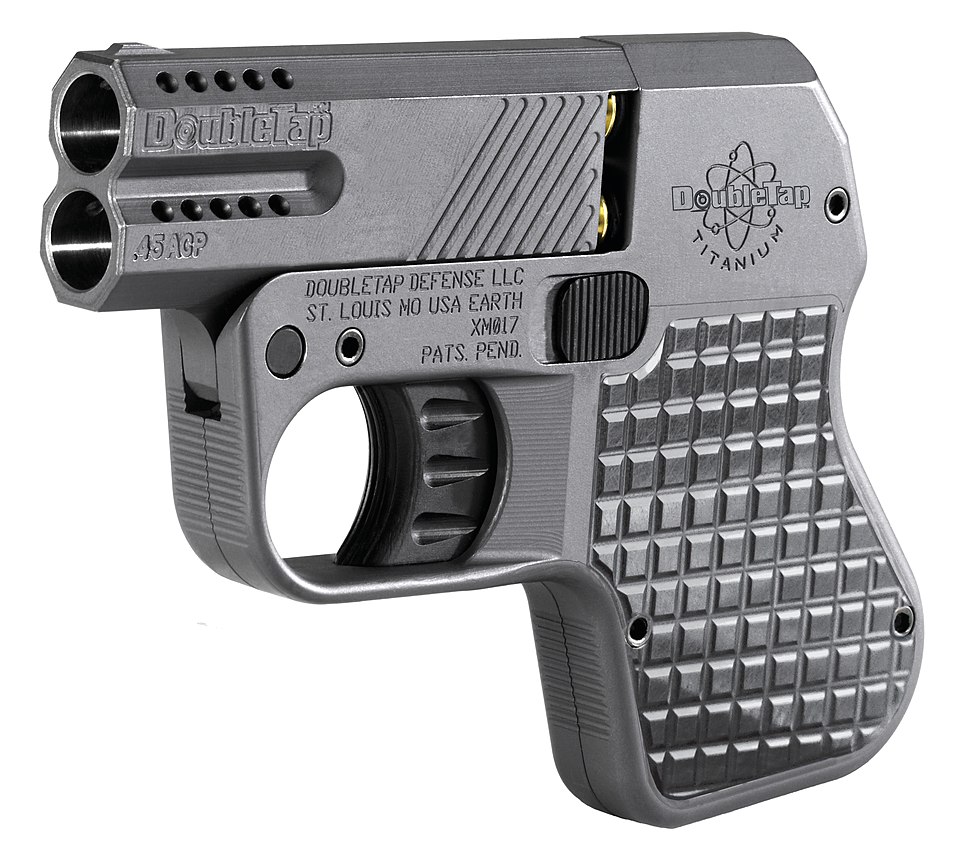
The DoubleTap Defense pistol promised the power of a forty-five in a package the size of a smartphone, but failed to deliver practicality. This two-shot derringer subjected the shooter to excruciating recoil that made follow-up shots nearly impossible to execute accurately. The reloading process was slow and cumbersome, which left the user vulnerable after firing only two rounds. Its thin profile made it painful to hold, and the trigger pull was excessively heavy for such a small weapon. It was a novelty concept that lacked any real-world defensive utility.
Davis Industries P-32
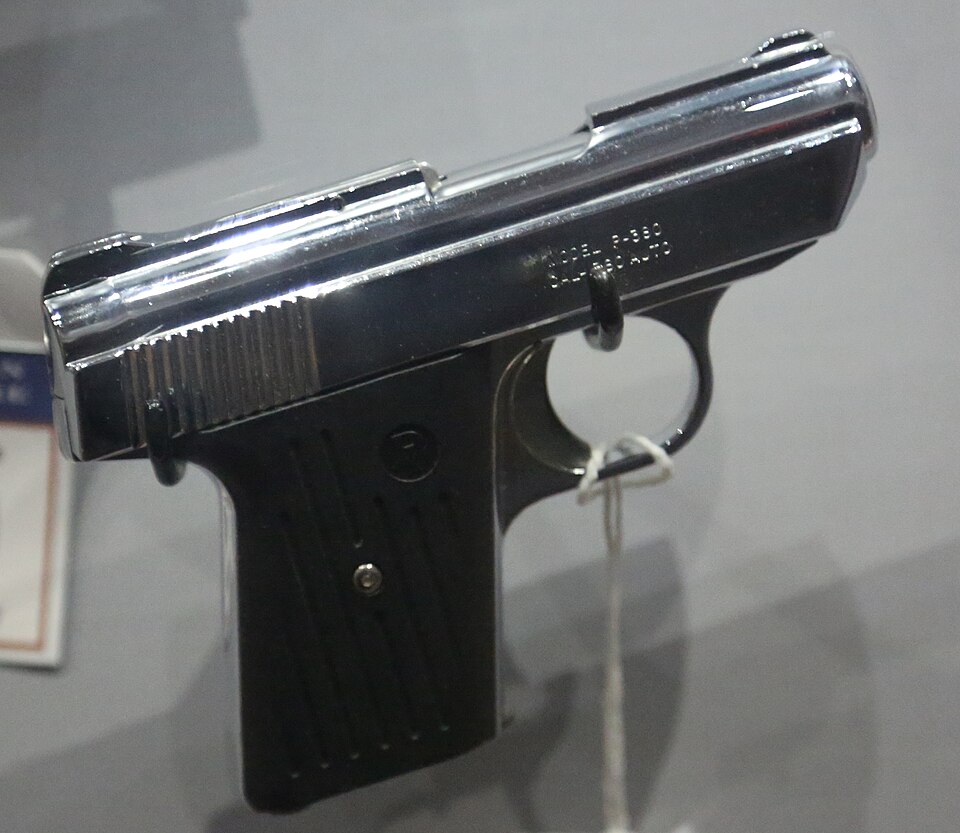
Davis Industries utilized injection-molded metal to create the P-32, which was a pistol that felt like a toy in the hand. The slide was held onto the frame by a simple pin that was known to shear off during firing, which sent the slide flying backward. The magazines were made of thin sheet metal that deformed easily and caused constant failure-to-feed malfunctions. Safety experts warned that the firing pin could protrude when the slide was closed, creating a slam fire risk. It was a cheap firearm that compromised safety for price.
Heizer Defense Pocket AR
Heizer Defense attempted to shrink a rifle caliber into a single-shot pistol with the Pocket AR but created a useless flamethrower. Firing a .223 cartridge from such a short barrel resulted in a massive fireball and deafening concussion that blinded the shooter. The velocity loss was so significant that the bullet offered little advantage over standard handgun calibers. There were no sights to speak of, which made aiming at anything beyond point-blank range a guessing game. It was a loud and expensive range toy that served no practical purpose whatsoever.
Kimber Solo
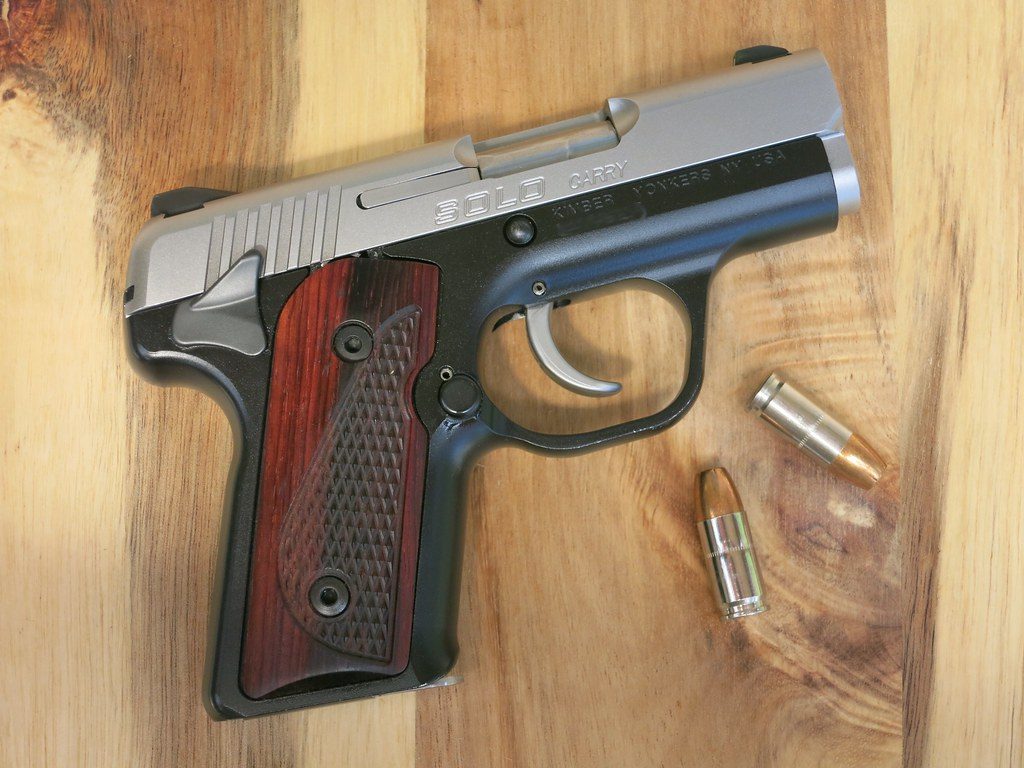
The Kimber Solo was marketed as a premium micro compact pistol, but it quickly developed a reputation for being incredibly finicky with ammunition. The manufacturer insisted that owners only use specific high-pressure loads to ensure the gun would cycle reliably. Even with the recommended ammo, many users experienced frequent malfunctions and failures to return to battery. The intricate disassembly process required tools and patience that most concealed carriers did not want to deal with. It was a beautiful-looking firearm that simply could not be trusted to work when it mattered most.
Bryco Model 38
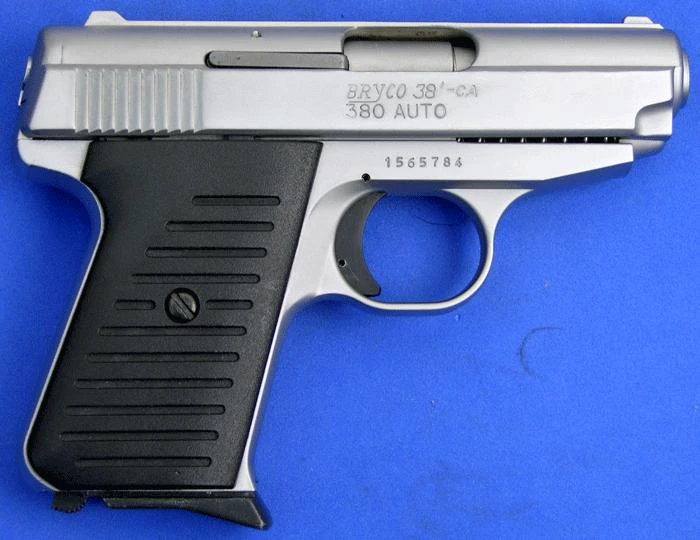
Bryco Arms produced the Model 38 to appeal to budget-conscious buyers who wanted a medium-caliber handgun. The result was a bulky and heavy weapon that utilized the same inferior zinc materials as its smaller cousins. The feed ramp was often painted over, which caused hollow-point defensive ammunition to hang up and jam the action tight. Its striker spring was prone to weakening over time, which led to light primer strikes and failures to fire. It was a poorly executed design that offered the illusion of protection without the mechanical reliability to back it up.