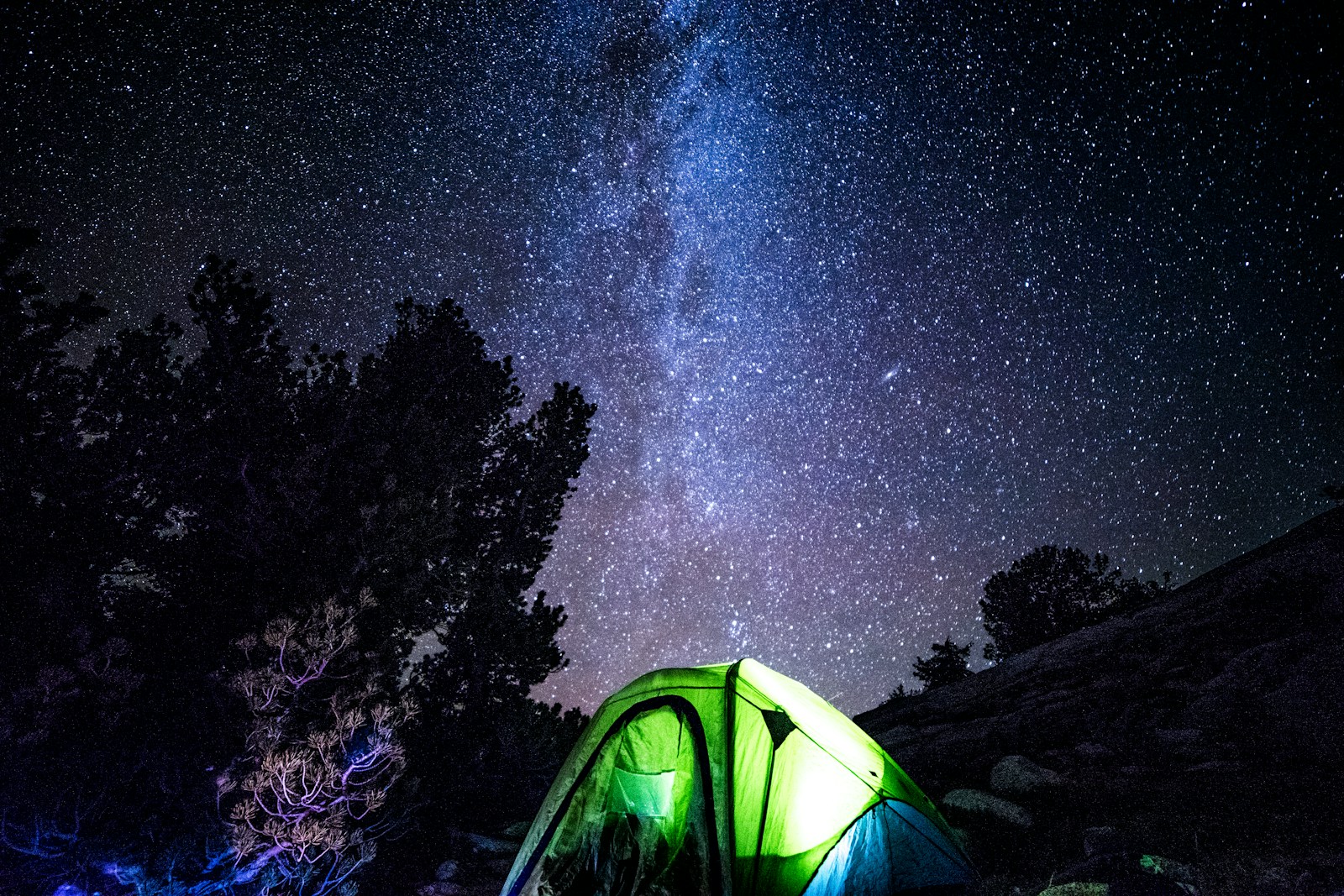
Camping alone offers solitude and independence, but it also removes layers of support often taken for granted. Without companions, small issues can escalate quickly into serious problems. Many solo campers prepare for obvious risks like weather or wildlife, yet overlook subtle challenges that only emerge in isolation. Search and rescue data shows that incidents frequently stem from unexpected complications rather than dramatic emergencies. Equipment failures, mental strain, and environmental factors all play a role. Understanding these lesser known risks helps explain why solo camping demands heightened awareness, conservative decision making, and respect for how quickly conditions can change in remote outdoor settings.
Minor Injuries Becoming Major Problems
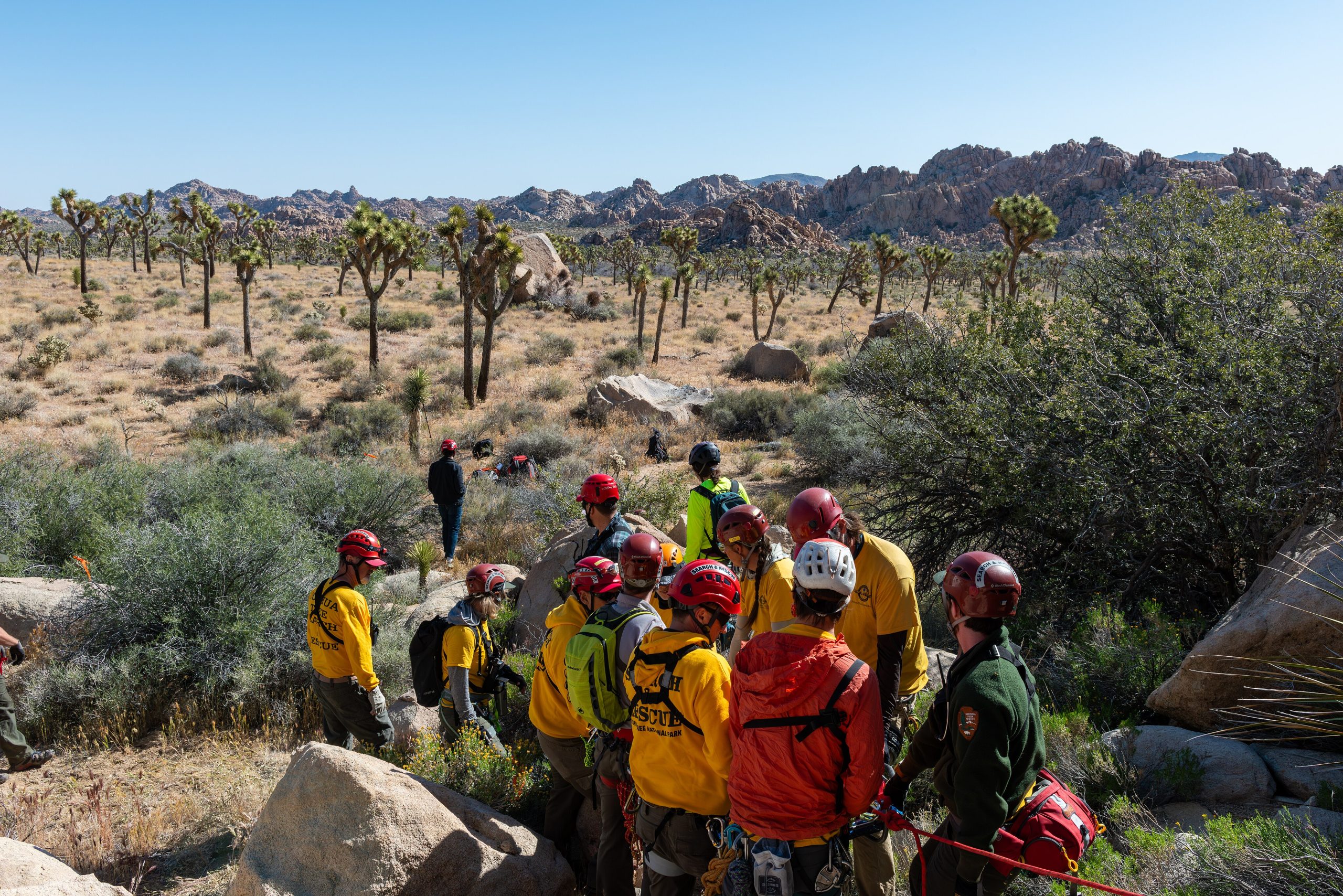
Small injuries pose a greater threat when camping alone. A minor cut, twisted ankle, or strained muscle may seem manageable, yet without assistance, these issues can worsen rapidly. Limited mobility affects shelter setup, water collection, and navigation. Even basic first aid tasks become harder when pain or fatigue sets in. Infection risk also increases when wounds cannot be cleaned properly. Rescue reports often note that solo campers delay addressing injuries, hoping discomfort will pass. This delay can reduce strength and judgment. Alone, the margin for error narrows, turning manageable injuries into situations that compromise safety and self rescue ability.
Sudden Weather Changes Without Backup
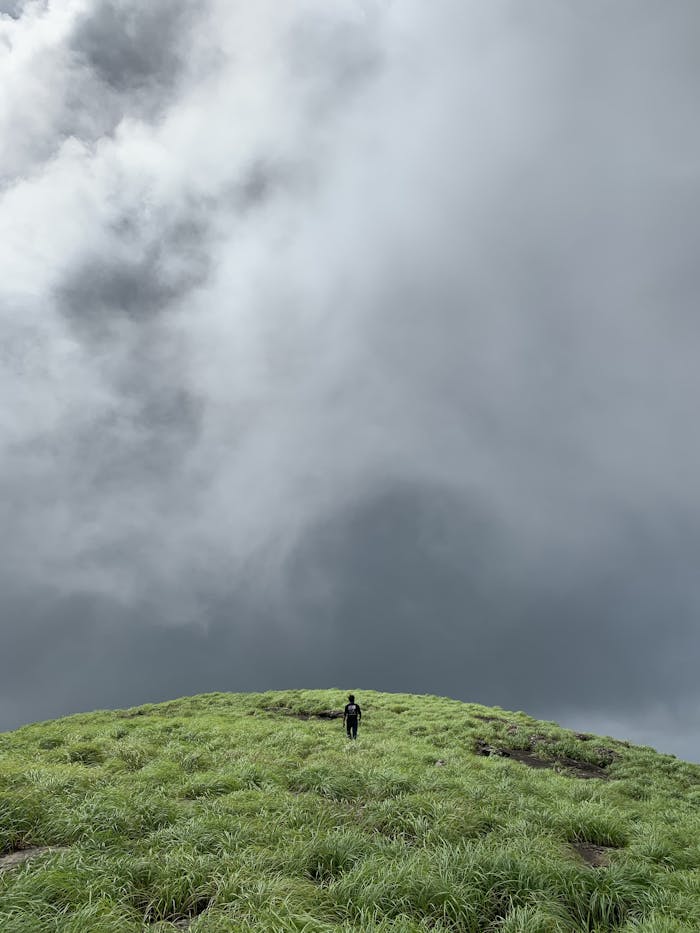
Weather can shift rapidly in wilderness areas, especially in mountains or coastal regions. When camping alone, there is no shared labor to secure shelter or gather supplies quickly. Strong winds, sudden storms, or temperature drops demand fast response. Wet clothing, damaged tents, or lost heat can escalate into hypothermia. Forecasts may not reflect local conditions accurately. Without another person to monitor surroundings, critical warning signs can be missed. Solo campers must manage every task simultaneously. Unexpected weather becomes more dangerous when preparation, response, and recovery rely entirely on one person’s energy and awareness in changing environmental conditions.
Equipment Failure With No Redundancy
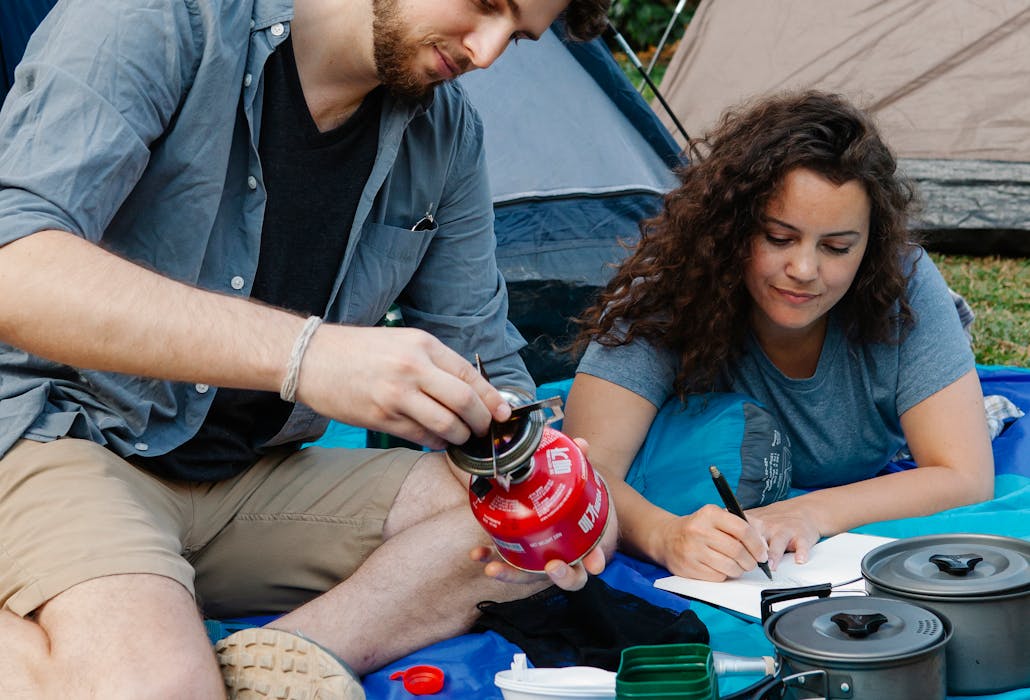
Camping gear often fails at inconvenient times. Stoves clog, headlamps stop working, and tent poles snap. When alone, there is no shared equipment to compensate for failure. Losing a single critical item can disrupt cooking, warmth, or navigation plans. Repairs may require fine motor skills that fatigue makes difficult. Many solo camping incidents begin with simple equipment issues that cascade into larger problems. Redundancy is limited by pack weight. This reality increases reliance on improvisation under stress. Alone, the consequences of gear malfunction grow more severe because there is no backup person or shared solution available.
Navigation Errors Escalating Quickly
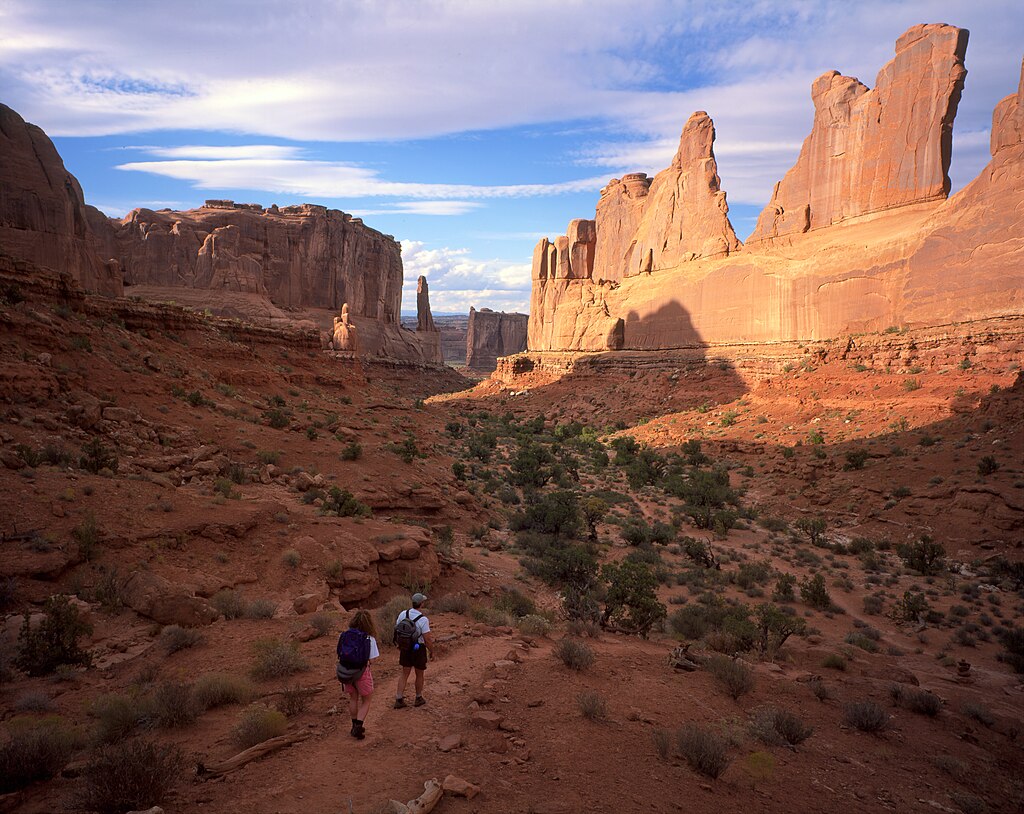
Navigation mistakes become more serious without a second perspective. Misreading a map, missing a junction, or misjudging distance can lead deeper into unfamiliar terrain. Alone, decision making may be influenced by fatigue or optimism bias. Backtracking consumes energy and daylight. Without someone to question assumptions, errors persist longer. Search teams frequently report that solo campers travel farther after becoming lost, increasing rescue complexity. Dense vegetation, snow, or low visibility worsen the problem. Navigation challenges compound rapidly when no companion is present to confirm bearings, manage pace, or suggest stopping to reassess direction and location safely.
Psychological Stress and Isolation Effects
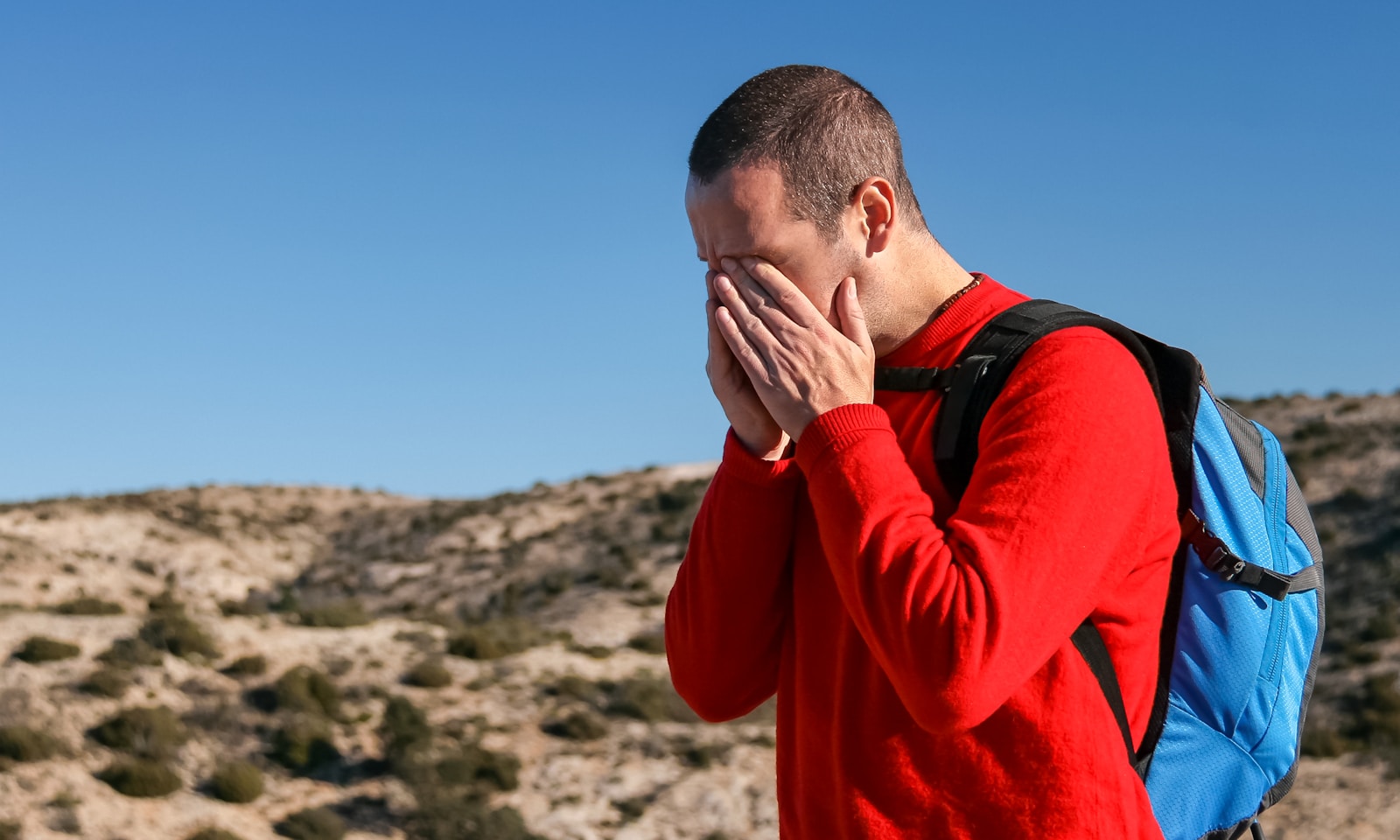
Mental strain affects solo campers more than expected. Isolation amplifies fear, uncertainty, and fatigue. Ordinary noises may seem threatening at night. Decision making suffers when anxiety replaces calm assessment. Prolonged solitude can reduce motivation to perform essential tasks like eating, hydrating, or maintaining shelter. Survival psychology research shows that stress narrows attention and increases impulsive choices. Without conversation or reassurance, small setbacks feel overwhelming. Many solo camping emergencies involve mental fatigue rather than physical incapacity. Managing emotional resilience becomes as important as managing gear, because psychological stress can quietly undermine safety and judgment in isolated environments.
Delayed Medical Emergencies
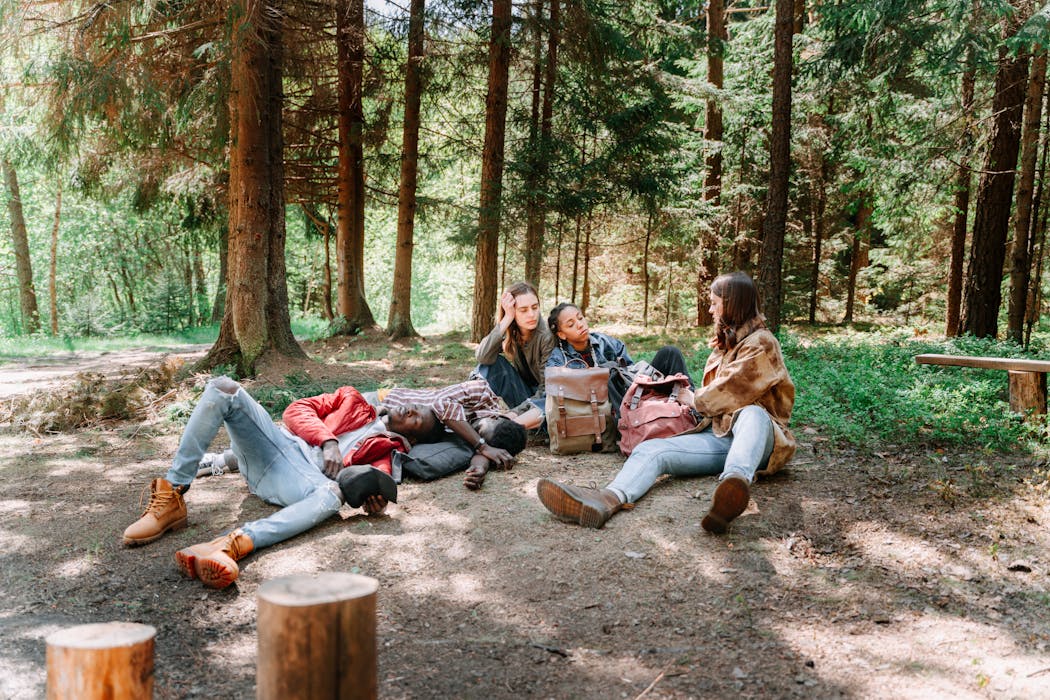
Medical issues can develop gradually and go unnoticed when camping alone. Dehydration, hypothermia, altitude sickness, or heat exhaustion may not present dramatic early symptoms. Without another person to observe changes, warning signs are easier to miss. Self assessment becomes unreliable under stress or fatigue. Conditions that could be addressed early may worsen overnight. Solo campers may underestimate severity to avoid interrupting plans. Medical professionals note that delayed response increases complication risk. Alone, there is no one to insist on rest or evacuation. This delay transforms manageable health issues into emergencies requiring rescue intervention.
Wildlife Encounters Without Deterrence
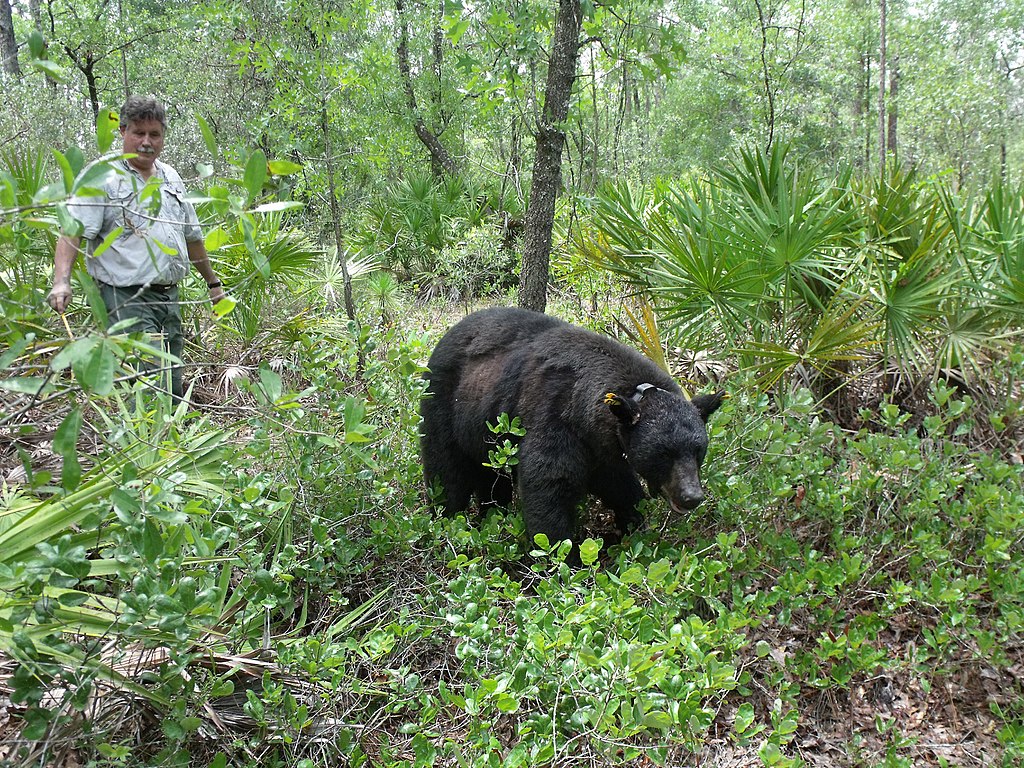
Wildlife encounters feel more intense when camping alone. Noise, visibility, and group presence often discourage animals. A solo camper lacks these passive deterrents. Encounters with curious or defensive animals demand calm, informed responses. Without assistance, managing food storage, camp cleanliness, and vigilance requires constant effort. Surprise encounters may escalate due to reduced awareness or slower reaction. Wildlife agencies emphasize that most incidents involve surprise or food attraction. Alone, maintaining vigilance becomes harder over time. The absence of another person increases perceived vulnerability and reduces options during encounters, making preparation and situational awareness especially critical.
Fire Management Mistakes
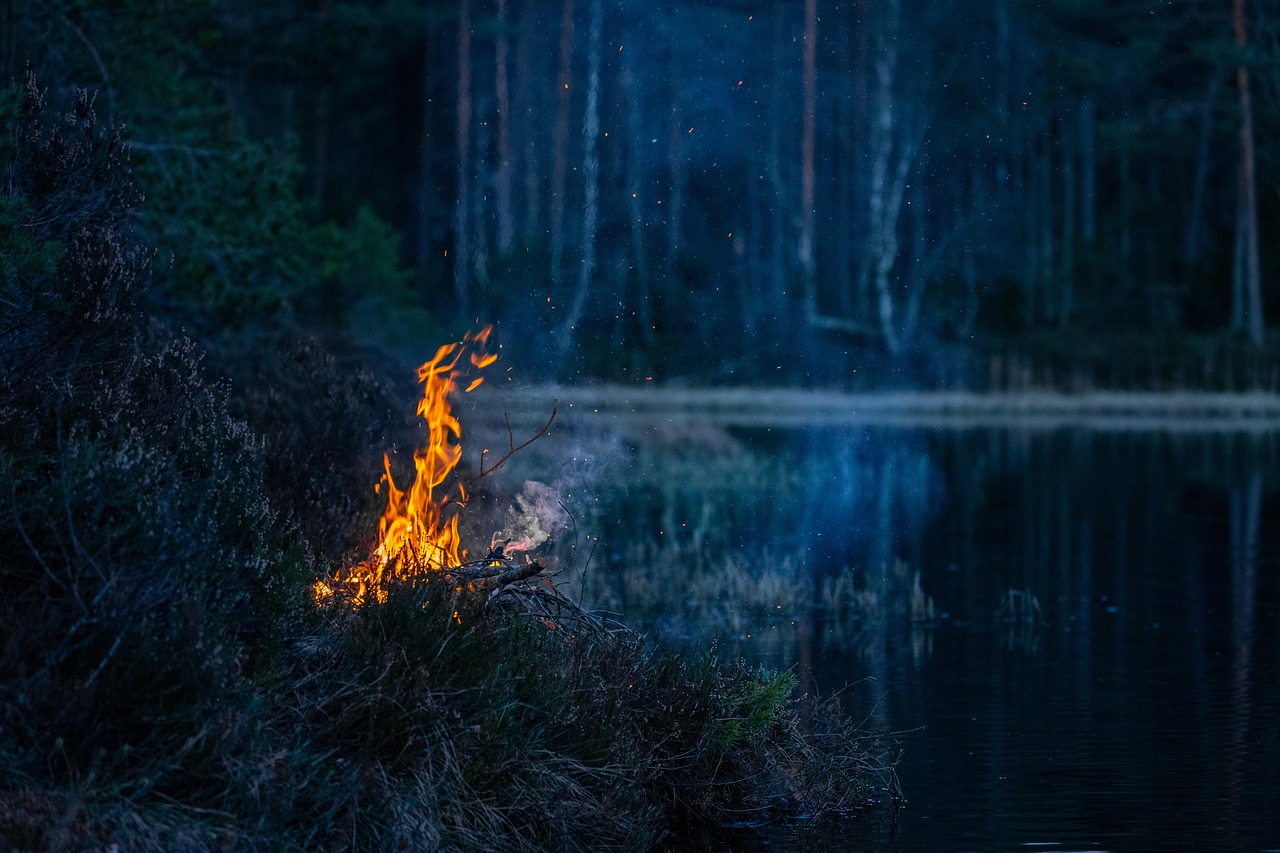
Fire provides warmth, cooking, and morale, yet mistakes carry higher risk when alone. An uncontrolled fire can spread quickly without help to contain it. Conversely, failing to maintain a fire in cold conditions increases hypothermia risk. Fire starting requires focus and energy, which fatigue reduces. Burns become more serious without immediate assistance. Many solo campers underestimate how demanding fire management becomes after dark or during storms. Environmental conditions like wind complicate control. Alone, fire safety margins shrink. Careful planning, restraint, and awareness are essential, since mistakes cannot be offset by shared responsibility or rapid assistance.
Reduced Ability to Signal for Help
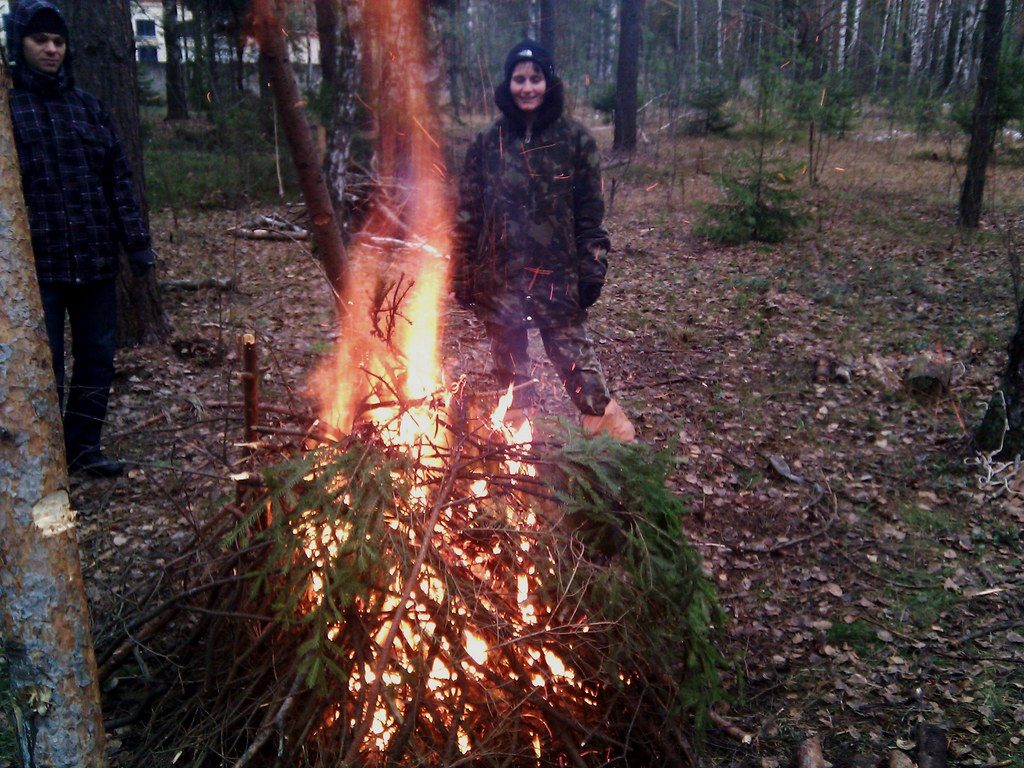
Signaling for help requires energy, visibility, and persistence. Alone, maintaining signals while managing shelter, warmth, and hydration becomes exhausting. Injury or illness further limits signaling ability. Sound signals may go unanswered in remote areas. Visual signals require placement and maintenance. Search protocols prioritize visible signs, yet solo campers may lack strength to create or sustain them. Technology failures worsen the challenge. Without a partner to alternate tasks, signaling competes with survival needs. This limitation increases reliance on early prevention and conservative choices, because rescue becomes harder once physical capacity declines significantly.
Fatigue From Managing Every Task
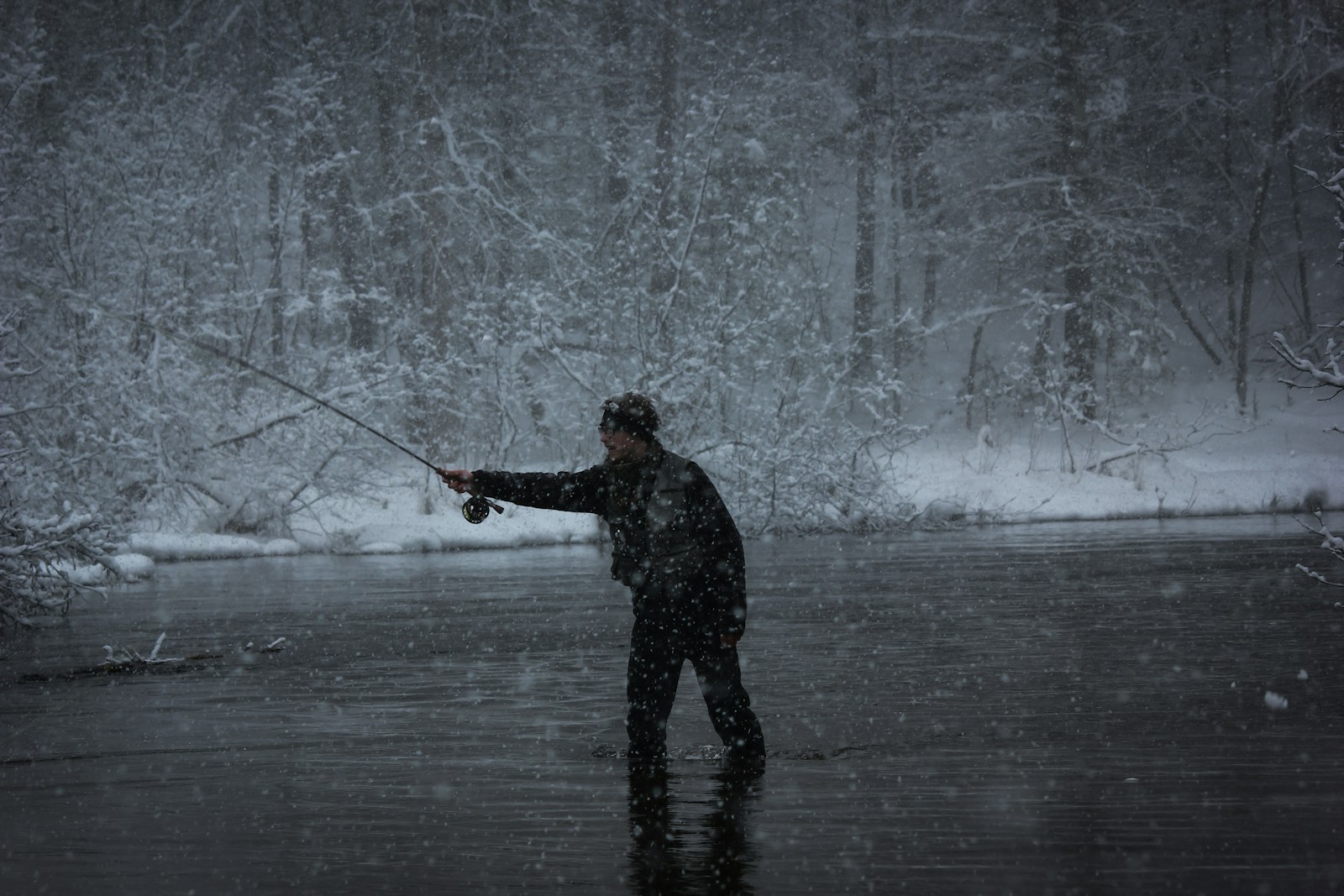
Every survival task demands energy, and solo campers perform them all. Gathering water, preparing food, securing shelter, navigating, and maintaining awareness create cumulative fatigue. Without shared workload, exhaustion builds faster. Fatigue reduces coordination, judgment, and morale. Simple chores feel overwhelming after days alone. Rescue statistics show fatigue contributes to accidents late in trips. There is no opportunity to rest while another person works. Managing constant responsibility drains reserves quietly. Solo camping magnifies workload intensity, making pacing and energy conservation essential. Ignoring cumulative fatigue increases risk more than any single dramatic hazard in prolonged solitary outdoor experiences.