Spending a weekend on the trail sounds like the perfect escape until sudden exhaustion ruins the afternoon. Identifying the 10 things that drain your energy fast while hiking helps prevent a miserable slog back to the car. Many people underestimate how physically demanding a long trek actually is. Simple mistakes easily turn a beautiful mountain walk into a painful struggle. Carrying unnecessary weight or ignoring basic nutritional needs silently strips away precious stamina. Recognizing these hidden traps allows hikers to adjust their plans and enjoy the scenery. Proper preparation transforms any difficult outdoor adventure into a wonderfully relaxing experience.
Carrying Unnecessary Backpack Weight
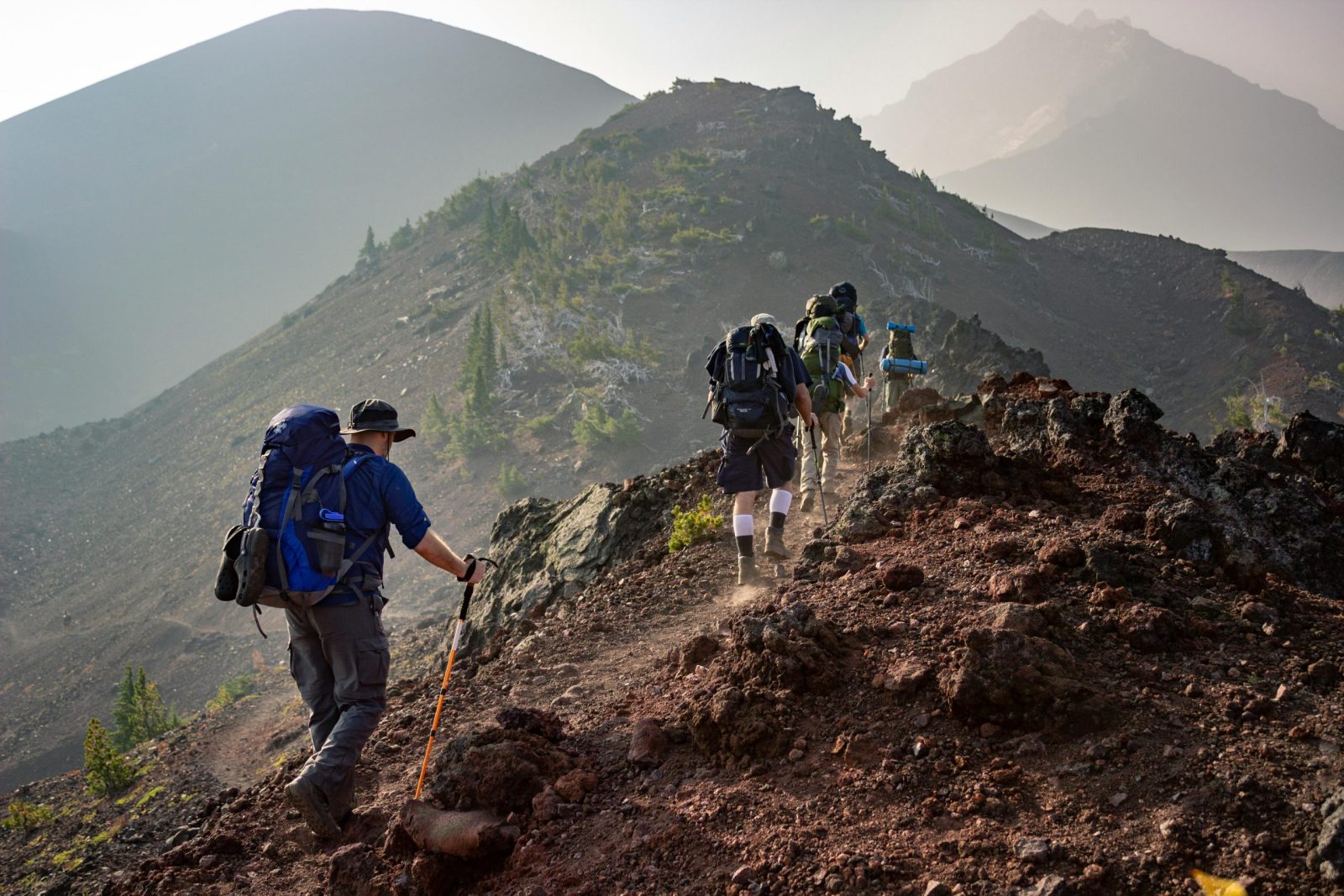
Stuffing a backpack with random gear seems harmless at home. That perspective changes drastically after lugging those heavy items up a steep dirt trail. A bulky pack pulls constantly on the shoulders and forces leg muscles to work much harder. Tossing in an extra-thick sweater or three heavy books drains physical strength remarkably fast. Trimming down to the bare essentials keeps the load light and manageable. A lighter bag makes walking feel effortless and leaves plenty of energy for exploring side paths safely. Evaluating every single item before leaving the house guarantees a significantly more comfortable weekend journey.
Wearing the Wrong Shoes

Grabbing everyday sneakers for a Rocky Mountain climb usually ends in tears. Thin soles offer zero protection against jagged stones that bruise the bottom of the foot. Blisters form quickly when stiff leather boots lack a proper break-in period before the big trip. Ignoring arch support transforms a pleasant nature walk into an agonizing march. High-quality trail runners provide excellent grip and flexibility without feeling like concrete blocks. Good footwear essentially acts like a protective suspension system for the entire body. Taking care of tired feet prevents early exhaustion and keeps hikers smiling throughout the entire outdoor afternoon.
Forgetting to Drink Enough Water
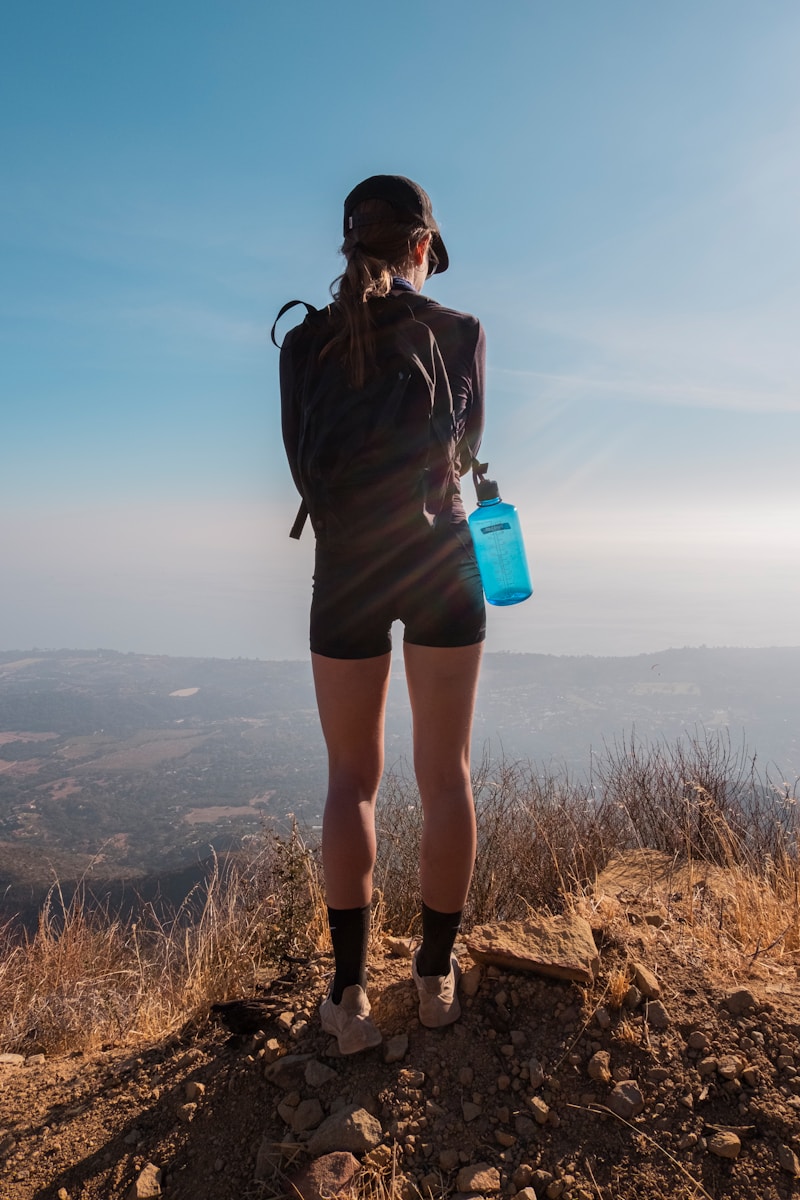
Waiting until a dry throat signals thirst means dehydration has already started winning the battle. The body loses massive amounts of moisture through simple breathing and sweating during a climb. This fluid loss thickens the blood and forces the heart to pump sluggishly. A tired cardiovascular system directly translates into heavy legs and a foggy mind. Sipping water from a convenient hydration bladder prevents this dangerous dip in performance. Drinking steadily keeps energy levels completely stable across several rugged miles. Staying hydrated remains the absolute easiest way to feel remarkably strong while enjoying a beautiful sunny forest trail safely.
Skipping Essential Trail Snacks

Hiking burns an incredible number of calories in a surprisingly short amount of time. Trying to conquer a steep incline on an empty stomach practically guarantees a major midday crash. Leg muscles desperately need carbohydrates to keep moving forward at a reasonable pace. A handful of trail mix or a peanut butter sandwich provides the exact fuel required for continuous climbing. Pausing for a quick snack break also gives tired lungs a wonderful chance to recover properly. Eating small portions frequently keeps the metabolic furnace burning brightly and prevents those awful feelings of sudden muscle weakness during the trip.
Walking Too Fast Initially
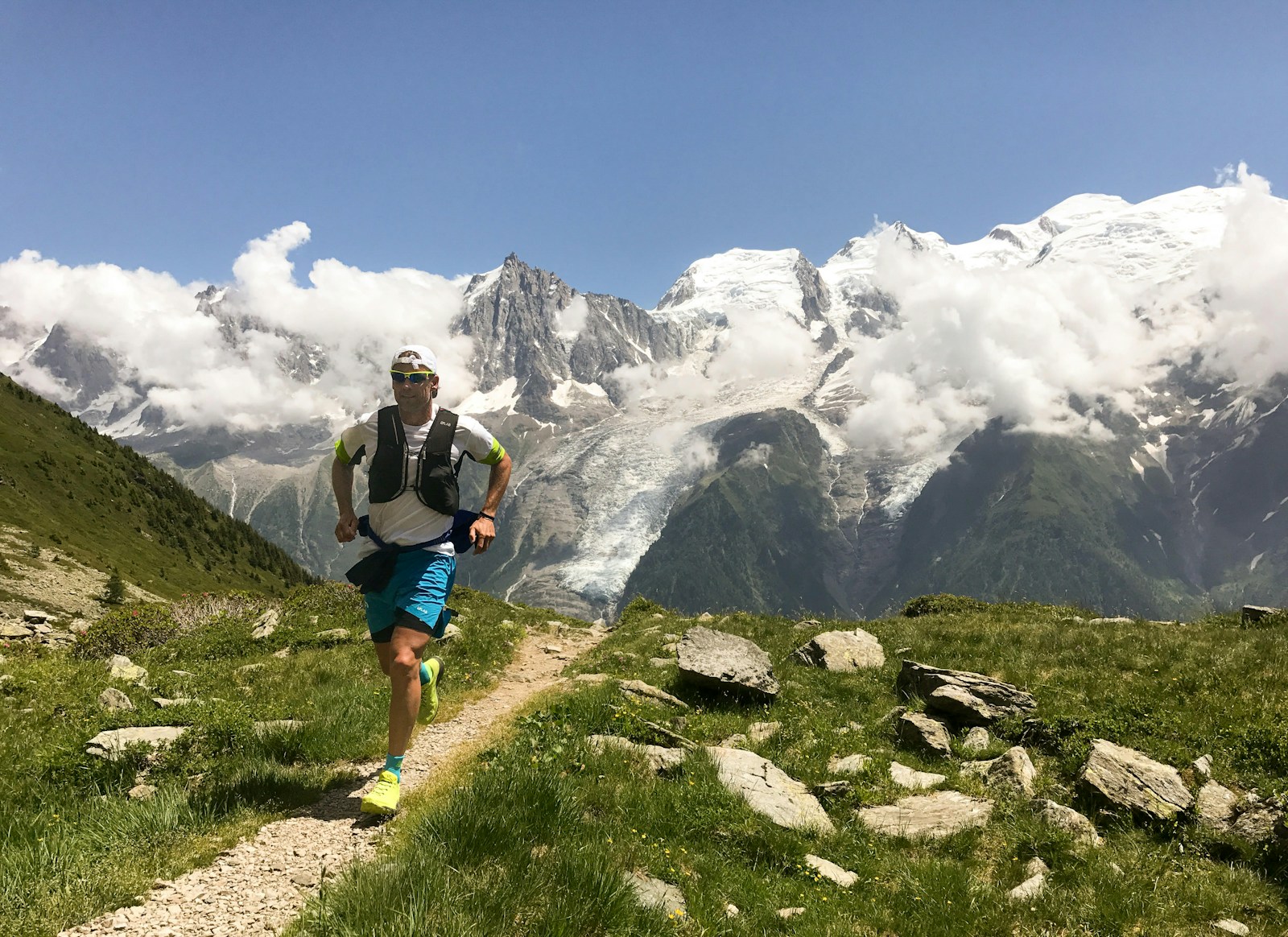
Sprinting out of the parking lot happens constantly when beginners feel excited about a new trail. Pushing the pace early burns through oxygen reserves and leaves the body gasping for air within minutes. Maintaining a slow and consistent rhythm works much better for covering long distances comfortably. Finding a gentle stride allows the heart rate to elevate smoothly without causing unnecessary chest pain. Trekking poles help establish a fantastic walking cadence that protects the knees nicely. Pacing requires a little patience but completely prevents the dreaded feeling of absolute exhaustion halfway up the challenging and steep rocky outdoor hill.
Fighting Uncomfortable Weather
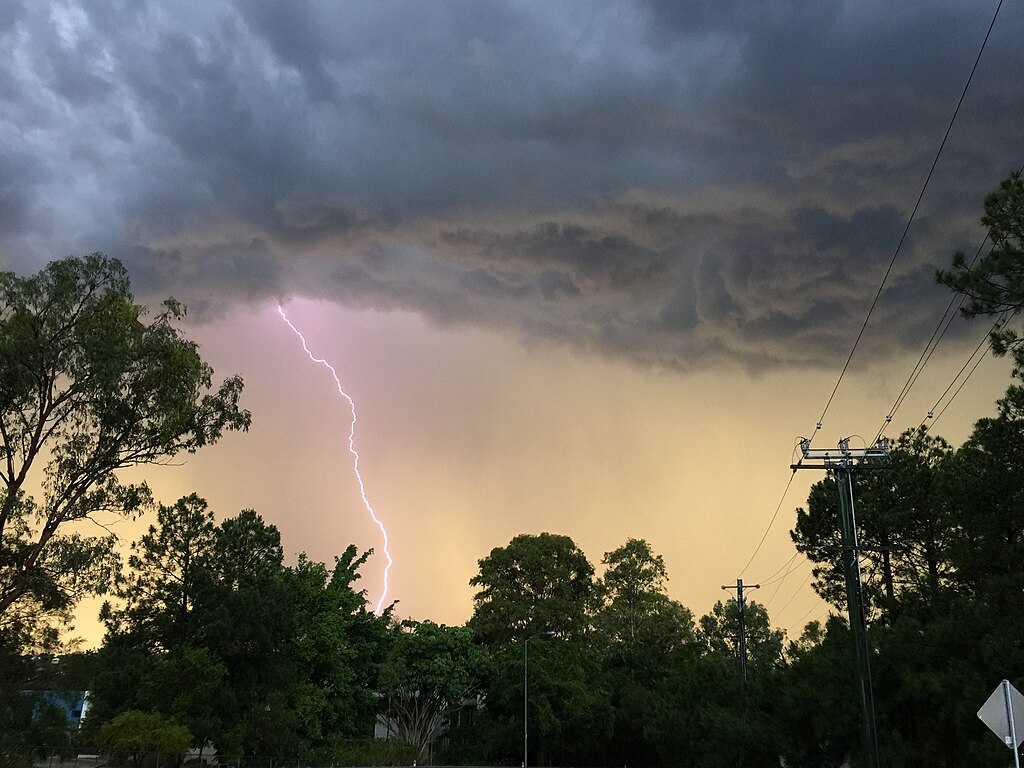
Ignoring the forecast before a trip creates a truly miserable experience outdoors. Walking through freezing rain forces the body to burn valuable calories just to stay somewhat warm. Hot summer days act like an oven that bakes energy right out of tired limbs. Wearing flexible clothing layers allows anyone to adapt to sudden temperature shifts easily. Adding a light windbreaker stops chilly breezes from stealing precious body heat at higher elevations. A simple cotton hat keeps the blinding sun away from sensitive skin. Staying comfortable requires proactive wardrobe adjustments instead of just merely suffering silently outside all afternoon long.
Carrying Poorly Packed Bags

A terrible packing job makes even a lightweight bag feel incredibly heavy. Shoving dense items into the very top section completely ruins balance and posture. The core muscles have to work constantly just to keep the torso from tipping backward. Stuffing heavy water bottles and thick food tightly against the middle spine solves this frustrating issue instantly. Fastening the padded hip belt securely transfers the crushing load down toward the stronger leg muscles. Taking five minutes to rearrange gear prevents awful shoulder knots and keeps the back feeling surprisingly fresh all afternoon long during a steep mountain climbing adventure.
Trudging Through Deep Mud
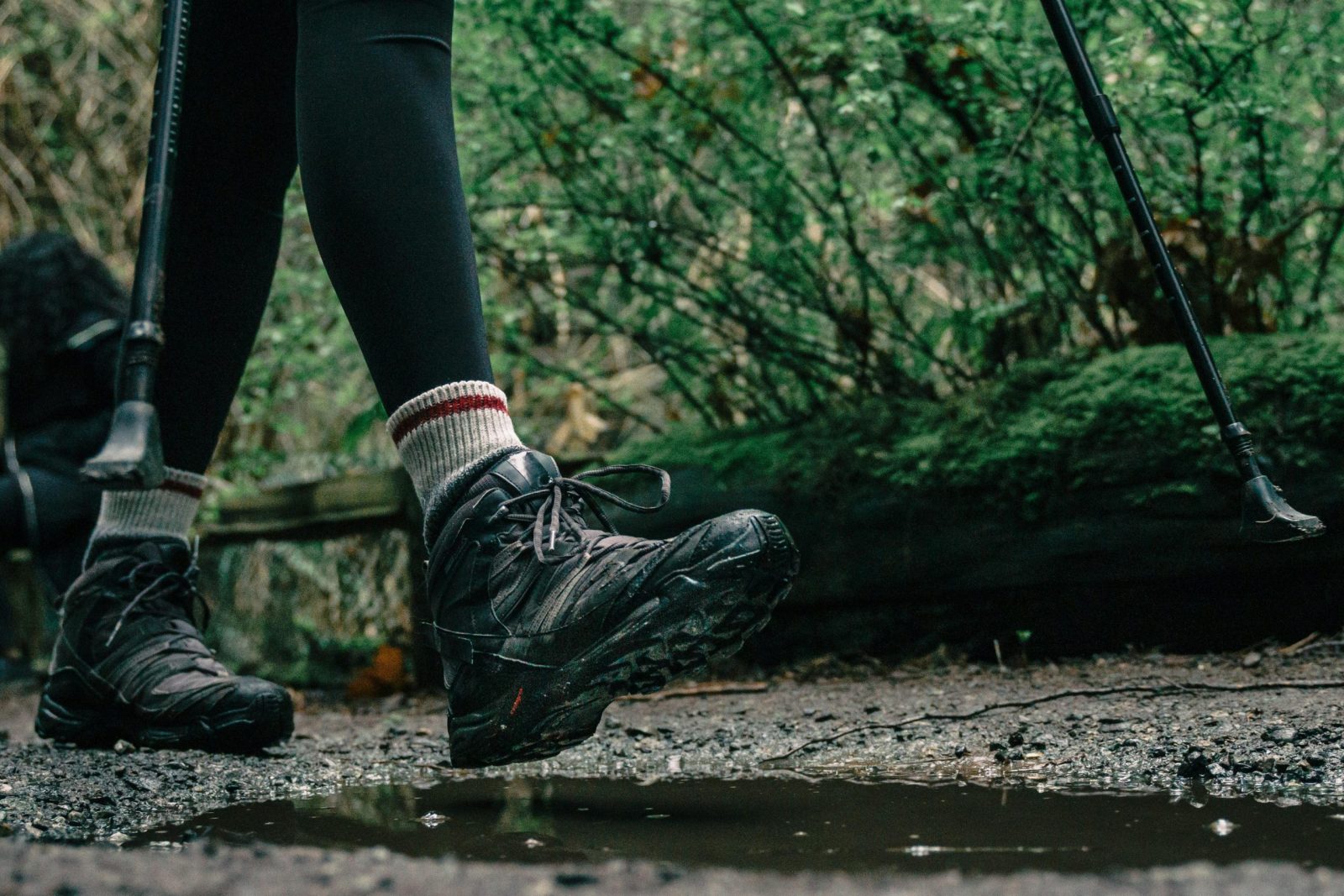
Walking across dry rocks takes far less effort than fighting against a flooded path. Soft mud acts like a giant sponge that absorbs momentum with every single step. Yanking boots out of sticky puddles wears out the calves remarkably fast. Trying to balance on slippery fallen logs to keep dry demands intense mental focus and extra core stability. Taking weird detours into the thick brush adds unwanted mileage to an already tiring day. Sticking to well-maintained trails during the rainy spring season preserves a tremendous amount of physical endurance and completely prevents sheer frustration from ruining the trip.
Getting Lost Off the Path

Losing sight of the trail markers spikes anxiety levels instantly. Panic floods the body with adrenaline and causes a rapid heart rate that burns energy for absolutely no reason. Frantically rushing around to find familiar ground often involves climbing over sharp rocks and ducking under heavy branches. This stressful scrambling drains physical reserves while achieving zero actual progress toward the car. Carrying a reliable paper map prevents these exhausting little side trips. Staying remarkably calm and slowly returning to the last known trail sign saves energy and guarantees a much safer walk back toward civilization before sunset.
Skipping Necessary Rest Breaks
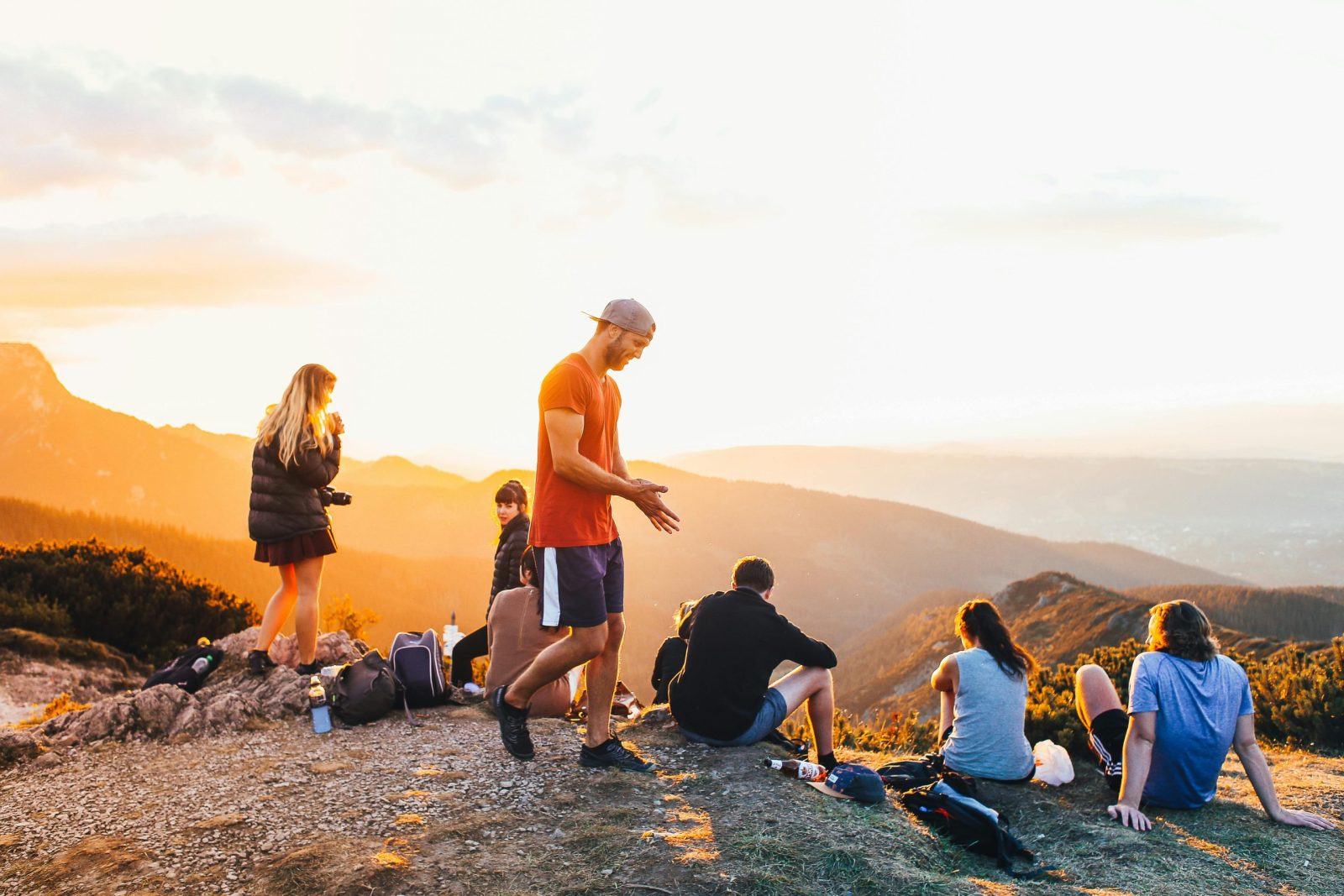
Powering through deep fatigue without pausing guarantees a miserable finish to any hike. Muscles produce lactic acid constantly during a steep climb up a mountain. Skipping short resting periods causes severe cramping and makes the legs feel like lead weights. Sitting on a quiet rock for five minutes allows the entire body to flush out those nasty toxins properly. Taking off heavy boots briefly helps cool swollen feet and restores blood circulation instantly. These little micro breaks provide a wonderful mental reset and ensure a strong finish for the remaining miles left on the lovely outdoor path right now.