Dogs share a deep emotional bond with the people who care for them, often expressing their feelings through subtle behaviors rather than obvious signals. As they age or approach the end of life, many dogs begin to show small changes that attentive owners may notice. These behaviors are not always dramatic, and in many cases, they appear quiet, gentle, and reflective. Understanding these signs can help owners offer comfort, patience, and compassion during a dog’s final moments. Every dog is different, and not all animals will show the same patterns. However, certain behaviors appear often enough that veterinarians and experienced pet owners recognize them as meaningful. The night before a dog passes away may include moments of unusual calm, closeness, or withdrawal. Recognizing these changes allows families to respond with kindness and support. The following observations describe behaviors that many dogs display near the end of life.
1. Becoming Unusually Quiet and Calm

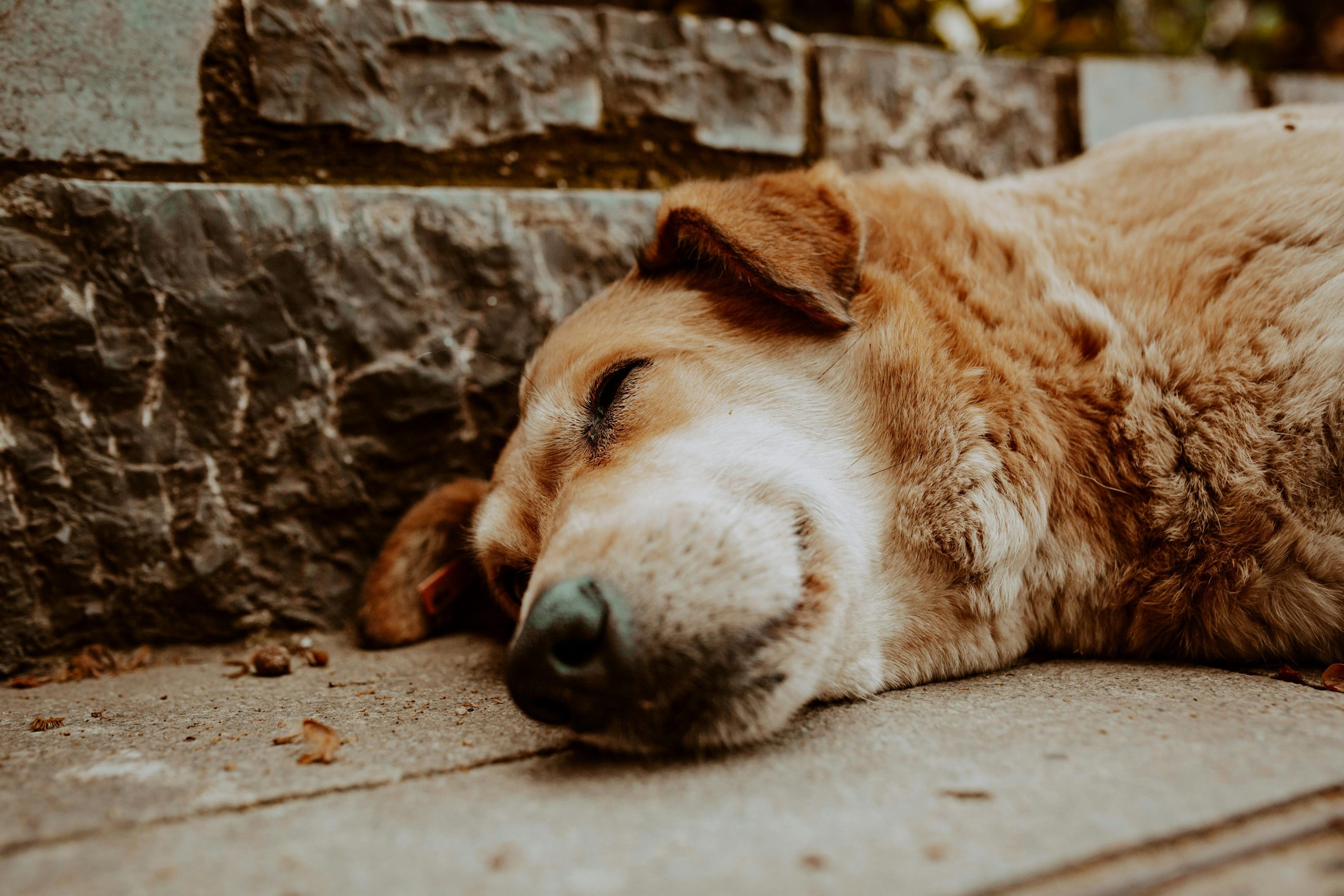
Many dogs become noticeably quieter during their final hours. A pet that normally follows people around the house or reacts quickly to sounds may suddenly appear calm and still. This shift can happen gradually over several hours or appear suddenly during the evening. Dogs that once showed excitement for toys, visitors, or activity may choose instead to lie down and observe quietly. This calm behavior often reflects fatigue and a natural slowing of the body. Breathing may become slower, and movements may feel deliberate or careful. Owners sometimes notice that their dog seems peaceful rather than restless. While this change can be difficult to witness, it is often the body’s way of conserving energy. Providing a comfortable resting area, gentle touch, and a quiet environment can help the dog remain relaxed during this time.
2. Seeking Out a Hidden or Quiet Spot
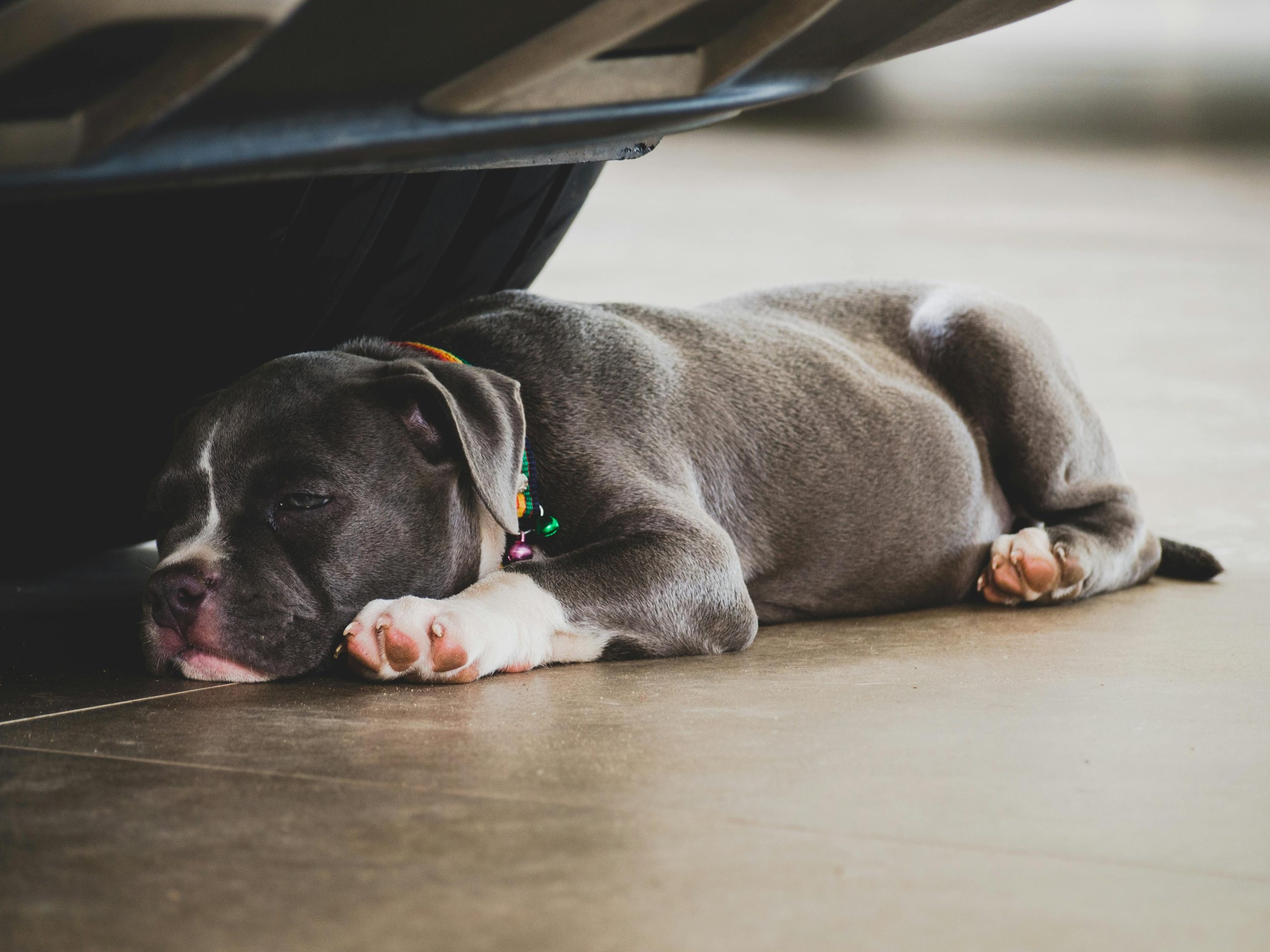
Some dogs instinctively look for a quiet place away from noise or activity. This behavior comes from natural survival instincts seen in many animals. In the wild, animals often withdraw when they are weak or vulnerable. A dog might choose a corner of the house, a closet, or a shaded outdoor area where it can lie down undisturbed. Owners sometimes notice their dog settling into a spot it rarely used before. The goal is usually privacy and calm rather than separation from loved ones. While it may feel upsetting to see a dog withdraw, this behavior is often normal near the end of life. If possible, allow the dog to rest where it feels comfortable while still ensuring it is safe and warm. Quiet observation and gentle reassurance can help maintain a sense of security.
3. Wanting Extra Physical Contact
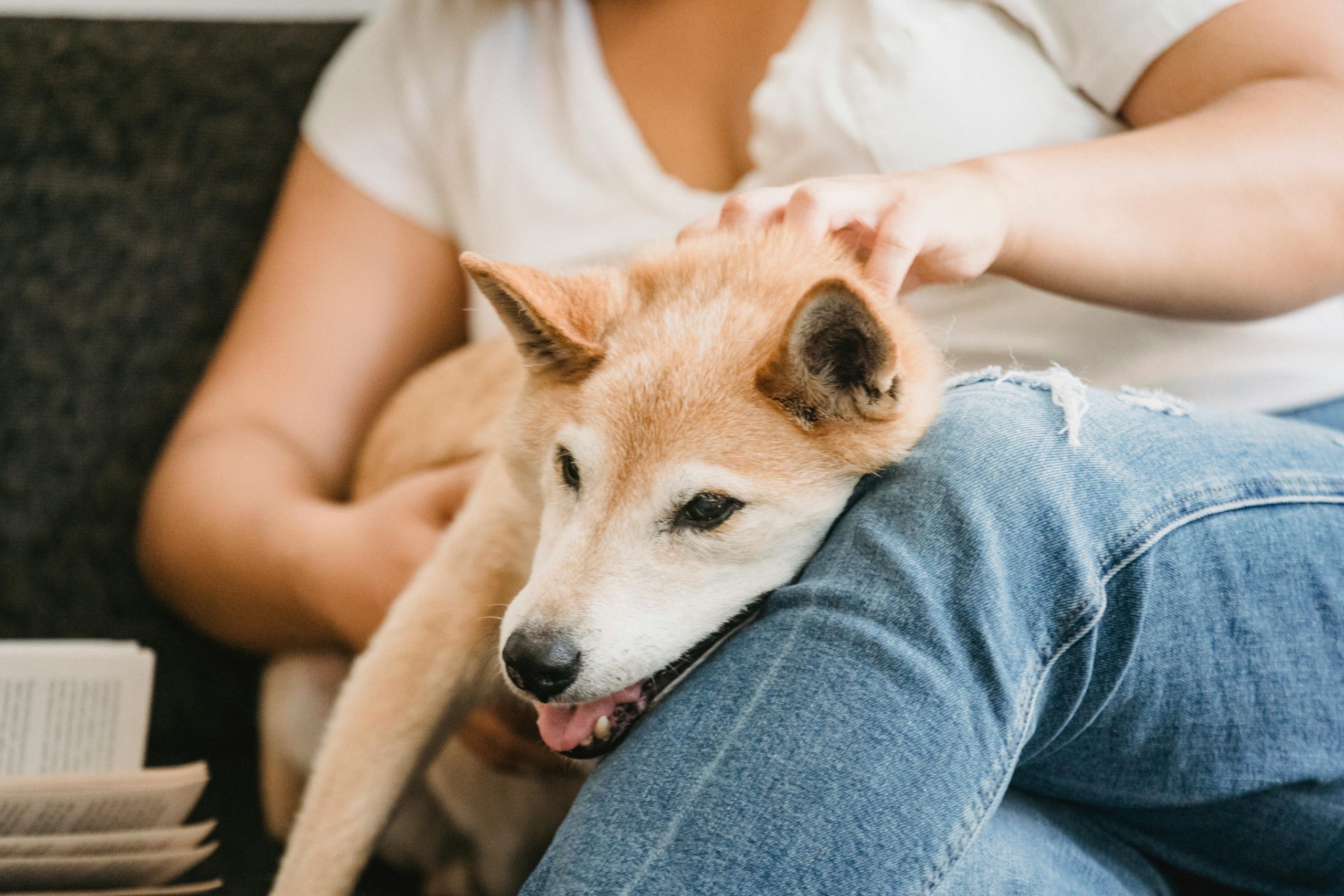
While some dogs withdraw, others do the opposite and seek close contact with their owners. A dog may follow its favorite person around the home, rest its head on a lap, or lean gently against a leg. This desire for closeness often reflects trust and emotional comfort. Dogs that sense physical weakness may instinctively look for the presence of someone familiar. Owners sometimes notice their pet maintaining eye contact longer than usual or staying nearby even when normally independent. Gentle petting, calm voices, and reassuring touch can help the dog feel secure. These quiet bonding moments can become deeply meaningful for both the pet and the owner. Many families later remember this closeness as a final expression of the relationship they shared with their dog.
4. Losing Interest in Food or Water
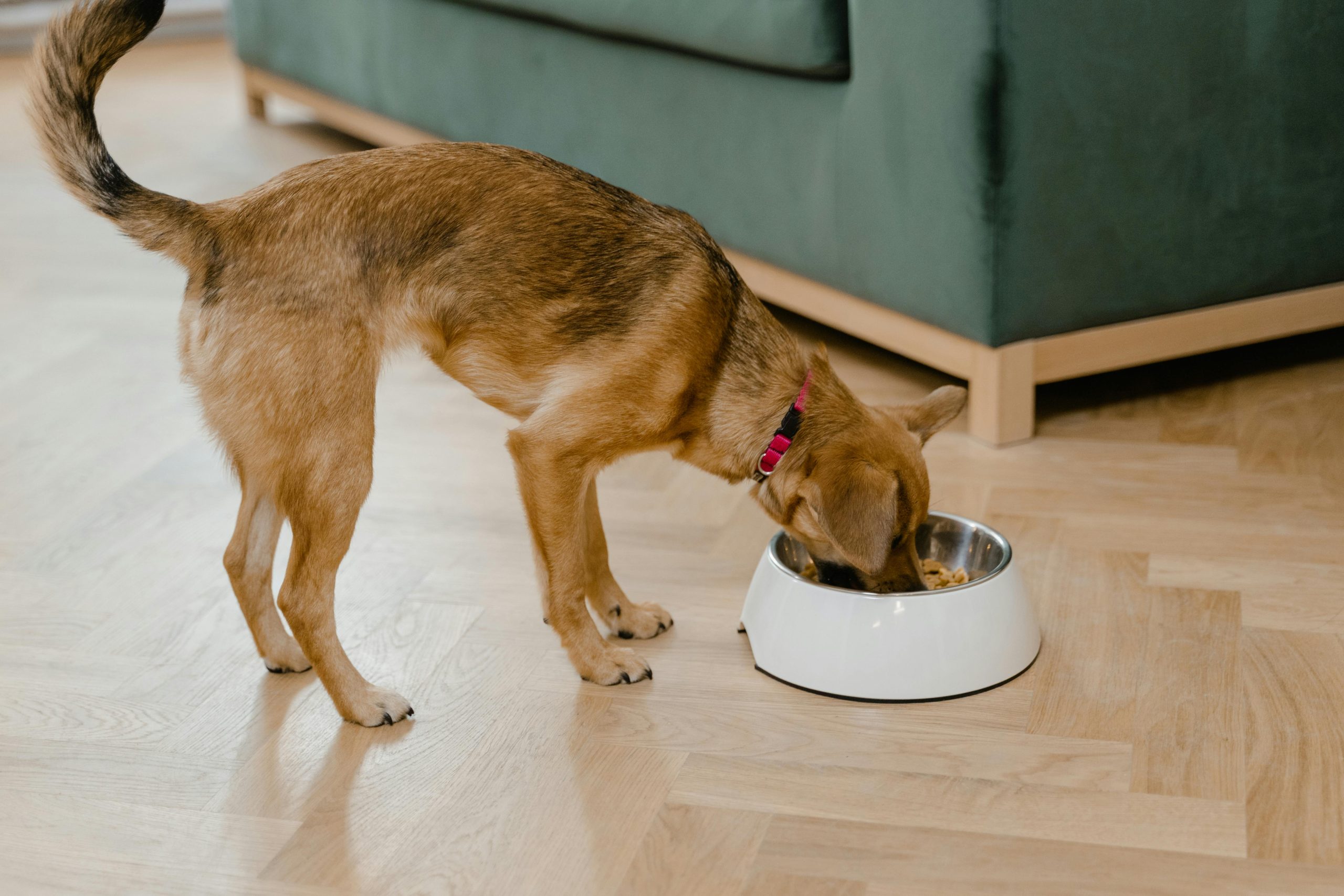
A noticeable drop in appetite often occurs near the end of life. Dogs that normally eat eagerly may suddenly ignore meals or drink very little water. This change happens because the body begins to slow down and no longer requires the same level of energy intake. Owners sometimes try to encourage eating with favorite foods, but the dog may simply sniff and turn away. While it can be difficult to watch, forcing food is usually unnecessary and may cause discomfort. Offering small amounts of water or soft food can help if the dog shows interest. The most important support during this time is comfort rather than nutrition. Quiet companionship and a calm environment can help the dog remain relaxed.
5. Breathing Patterns Begin to Change

Changes in breathing often appear during the final stage of life. Some dogs begin breathing more slowly, while others show pauses between breaths. Occasionally, breathing may become slightly irregular or shallow. These shifts occur because the body’s systems are gradually slowing. Owners sometimes notice that their dog sleeps more deeply or takes longer breaths while resting. Although these changes can seem alarming, they are often part of the natural process. Keeping the dog comfortable and undisturbed is usually the best response. Soft bedding and a peaceful environment help reduce stress. If breathing appears severely distressed or painful, contacting a veterinarian can provide guidance and reassurance.
6. Sleeping More Than Usual

Increased sleep is one of the most common behaviors seen during a dog’s final hours. A pet that normally moves around the house may remain in one place for long periods. Even gentle noises or movement nearby might not wake the dog easily. This extended rest allows the body to conserve energy as physical systems slow down. Owners sometimes notice their dog drifting in and out of sleep throughout the night. When awake, the dog may appear calm and slightly tired before returning to rest again. Providing a soft, warm place to lie down can make this stage more comfortable. Quiet surroundings and dim lighting may also help the dog remain relaxed.
7. Reduced Interest in Movement
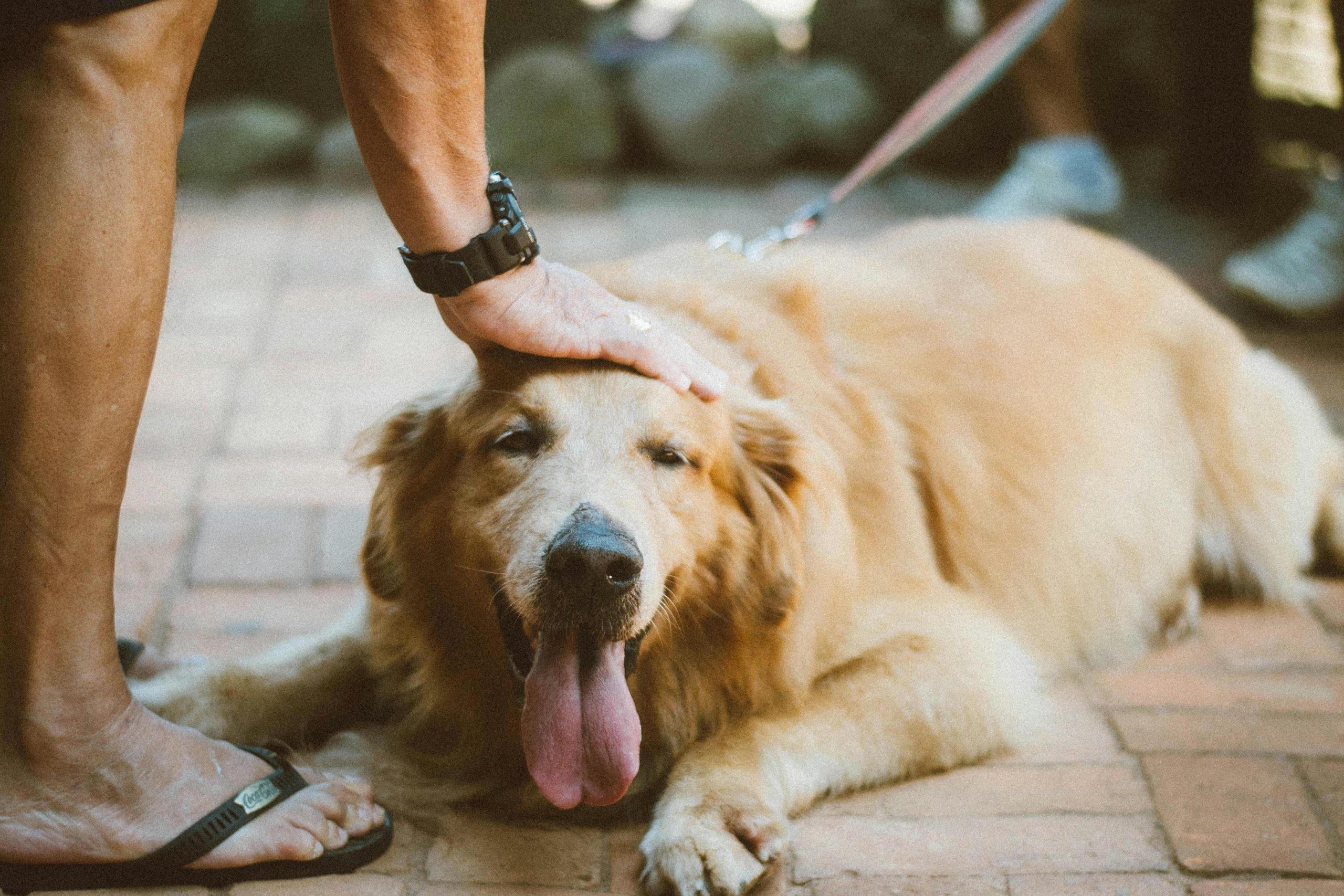
Dogs approaching the end of life often move less than usual. Activities that once seemed easy, such as climbing stairs or walking across the room, may appear tiring. Some dogs prefer to stay in one location rather than follow their owners around. This reduced movement usually reflects weakness or fatigue rather than fear or sadness. Owners may notice slower steps or difficulty standing up. Offering support, such as helping the dog reposition or providing soft bedding, can improve comfort. The goal during this stage is not activity but rest. Allowing the dog to remain relaxed without pressure to move helps maintain dignity and calm.
8. Increased Sensitivity to Surroundings
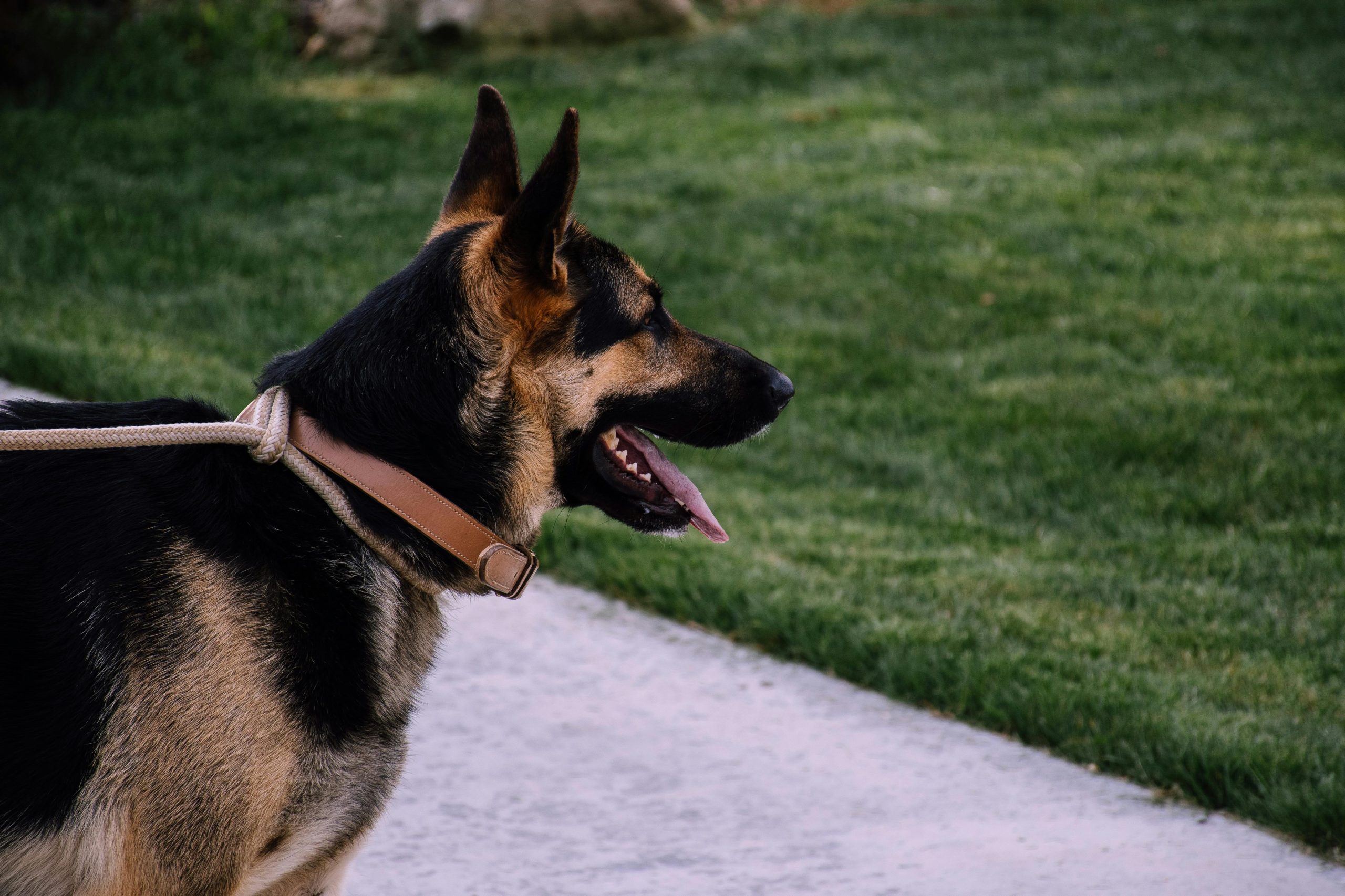
As a dog nears the end of life, it may become more sensitive to sounds, light, or sudden movement. Even familiar household noises might cause mild reactions. This heightened awareness can happen because physical strength is declining while senses remain alert. Some dogs respond by keeping their eyes open longer or gently turning their head toward quiet sounds. Speaking softly and keeping the environment calm can help reduce stress. Owners may notice that their dog relaxes when hearing a familiar voice or feeling a gentle touch. Maintaining a peaceful atmosphere allows the dog to remain comfortable during these final hours.
9. Looking at Their Owner for Long Moments
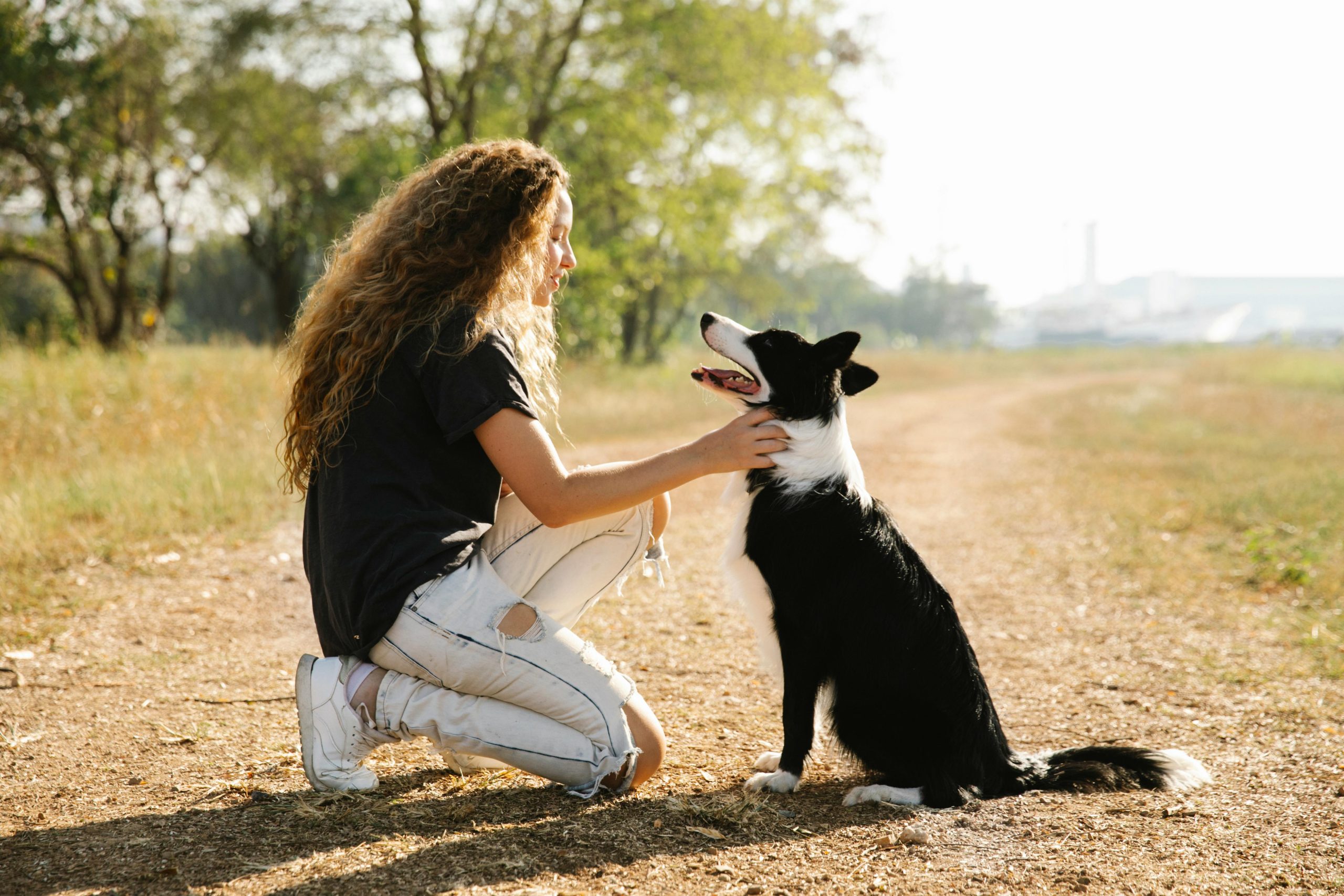
Many owners describe their dog looking at them for longer periods than usual near the end of life. This steady gaze often feels deeply emotional and personal. Dogs communicate strongly through eye contact, and these moments may reflect recognition, trust, or simple awareness of their surroundings. A dog might hold eye contact quietly while resting or sitting nearby. Owners sometimes interpret this as a silent form of connection. Responding with calm reassurance and gentle touch can provide comfort. These moments often become meaningful memories for families who shared years of companionship with their pet.
10. Showing Signs of Peaceful Relaxation
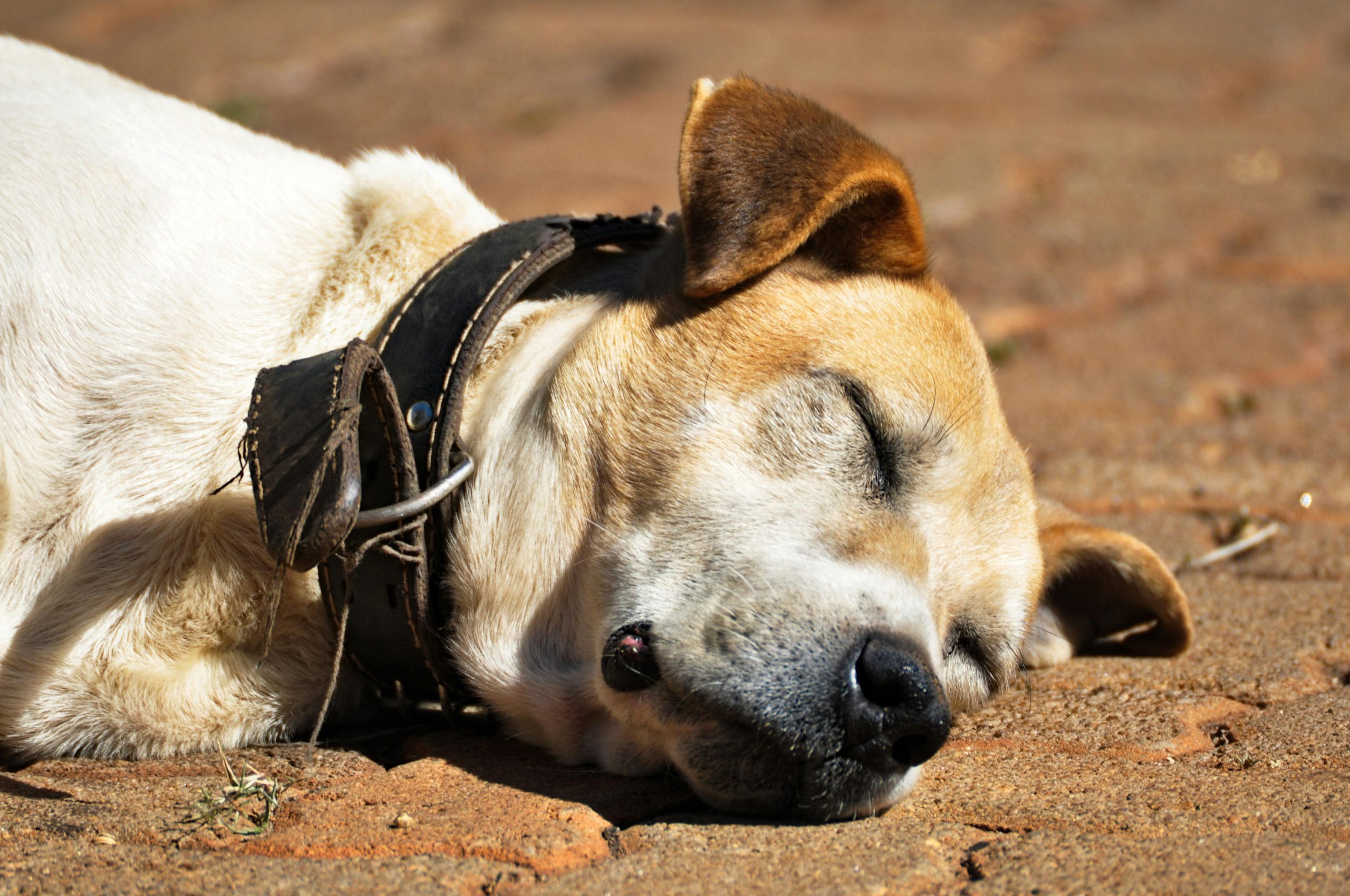
In the final stage, many dogs appear calm and relaxed. Muscles may loosen, breathing becomes quieter, and the body settles into a comfortable position. This peaceful state often indicates that the dog is no longer struggling physically. Owners sometimes notice that the pet seems calm in a way that feels different from normal sleep. Providing a quiet environment, gentle presence, and emotional reassurance allows the dog to remain at ease. For many families, these final moments are filled with gratitude for the years shared. Remaining close and offering comfort can help make the transition gentle and peaceful.