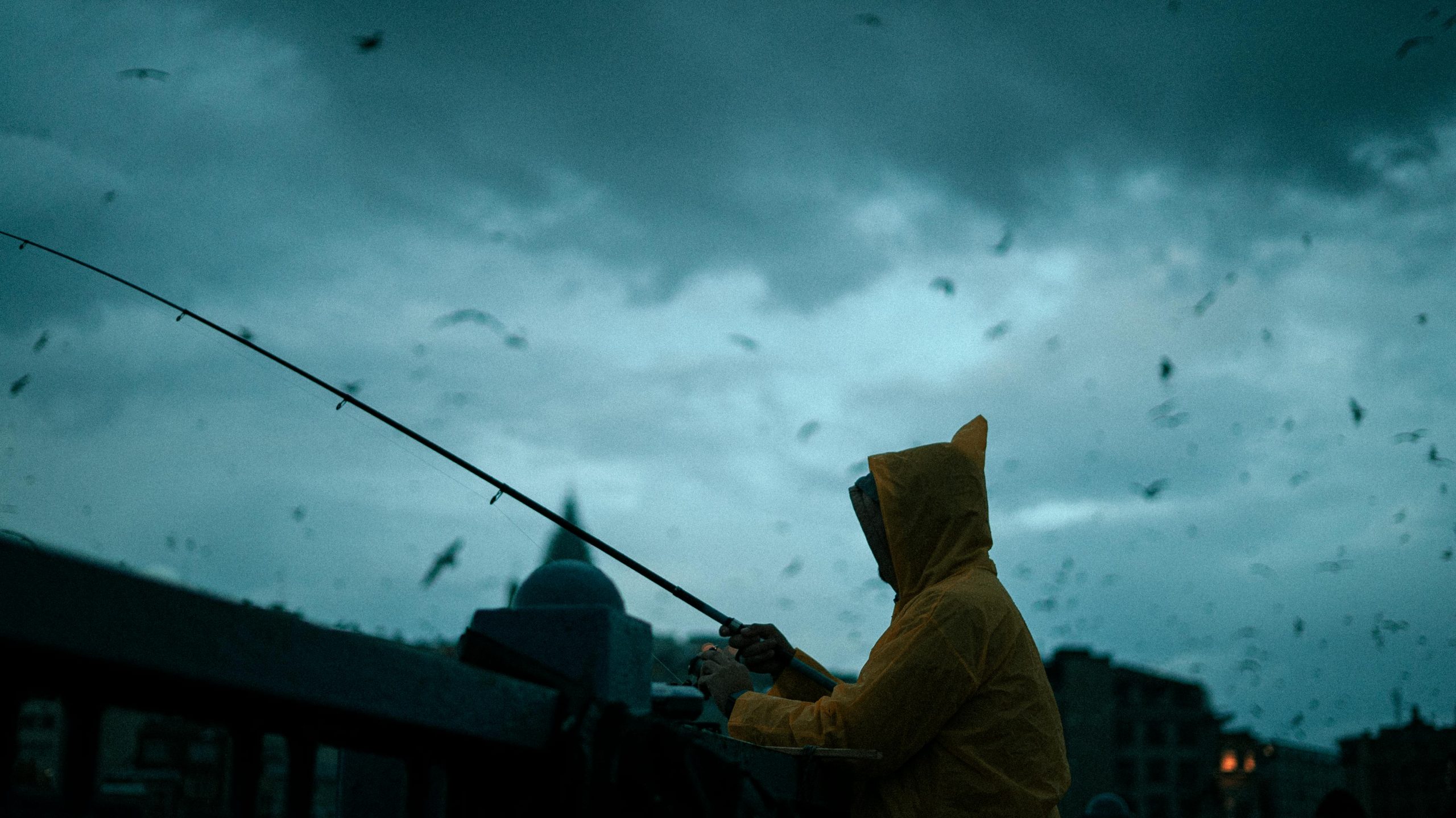
Even with modern radar and weather apps, many fishermen continue to trust the traditional storm-tracking tricks passed down through generations. These time-tested methods rely on observing subtle changes in the sky, sea, and wildlife signals that often appear long before official forecasts update. The techniques may be simple, but they remain remarkably accurate, helping fishermen sense rough conditions early and return safely. Here are ten classic storm-reading skills still widely used today
1. Watching Subtle Shifts in Cloud Color

Fishermen often examine cloud color more closely than cloud shape because color changes reveal moisture building in the atmosphere. When bright clouds slowly turn a murky gray or brownish tint, it usually points to rising humidity and unstable air. A darkening horizon, especially when it spreads unevenly, suggests a developing squall far offshore. These visual shifts often appear hours before storms form, giving fishermen valuable early warning that conditions may turn dangerous.
2. Studying the Movement of Low, Ragged Clouds
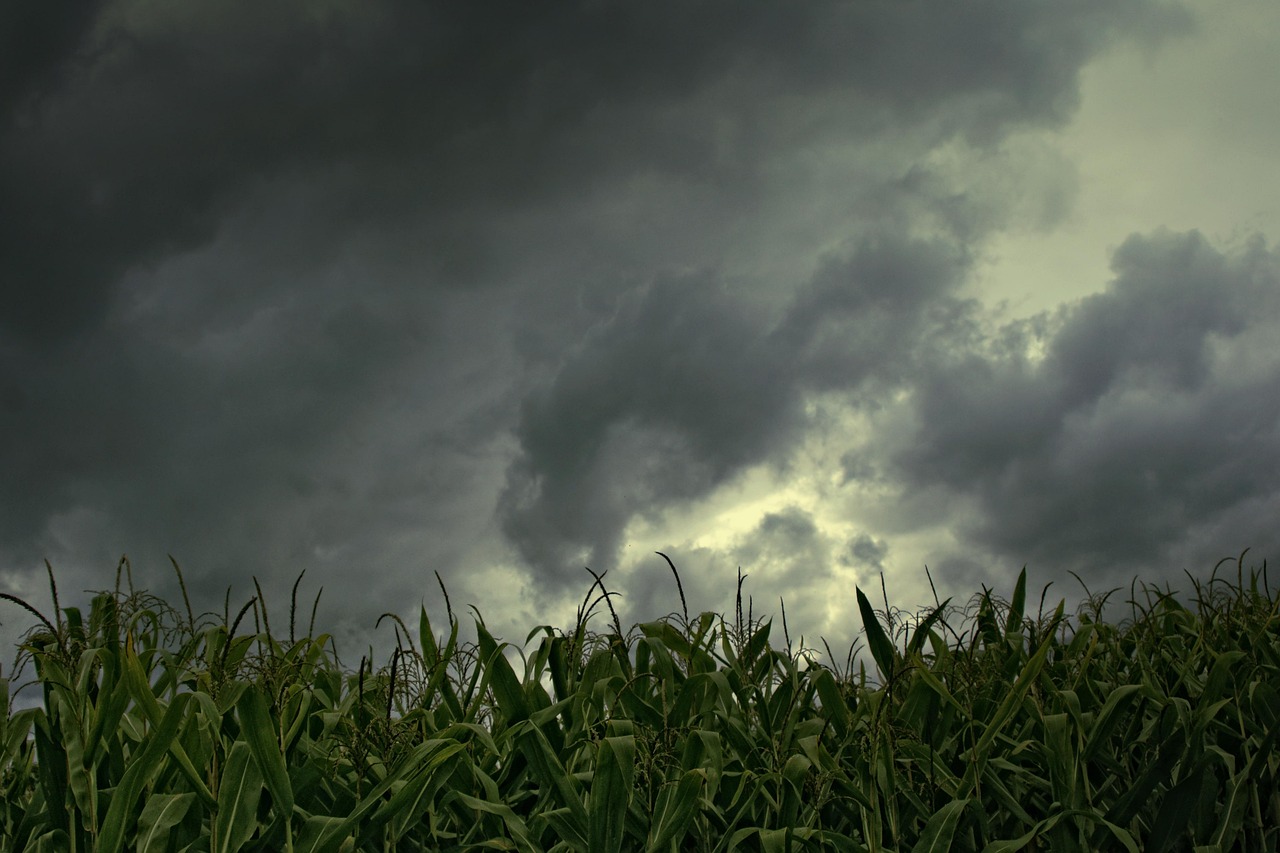
Fast, torn-looking low clouds are one of the earliest natural signs of unstable weather. Fishermen watch these clouds carefully because their speed and direction tell a story about shifting winds higher up. When low clouds begin racing inland or changing direction suddenly, it often means a storm front is moving faster than expected. This simple observation helps fishermen estimate whether they have time to finish their route or if they should head back before the weather sharpens unexpectedly.
3. Noting Abrupt Changes in Seabird Behavior

Seabirds react quickly to pressure drops and sudden changes in wind, making them reliable natural indicators. When birds stop diving, fly unusually low, or suddenly retreat inland, fishermen recognize these behaviors as early warnings of approaching storms. Many coastal communities still rely on these clues, knowing birds will leave exposed areas long before rough weather arrives. Even today, experienced fishermen glance toward bird patterns to confirm whether the atmosphere is shifting toward something more threatening.
4. Listening to Shifts in the Sound of the Wind
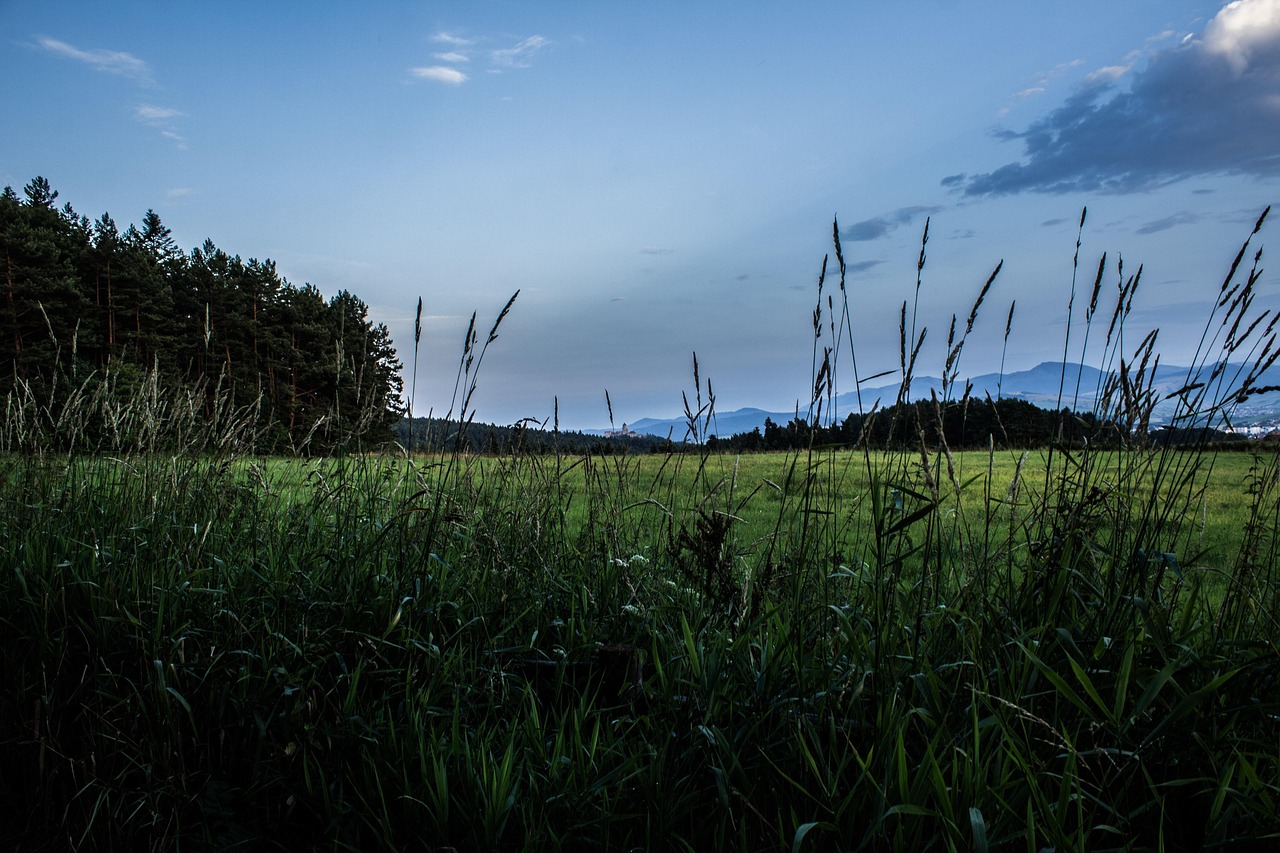
Long before instruments were common, fishermen learned to trust their ears. They still listen for changes in the wind’s tone because it often shifts before a storm appears. A gentle breeze may become sharper, uneven, or whistle across the boat’s lines, signaling stronger gusts forming offshore. This acoustic change often arrives sooner than visible weather signs. By pairing these sound cues with what they see on the horizon, fishermen gain an accurate sense of whether conditions may soon deteriorate.
5. Reading the Ocean Surface for “Nervous Water”
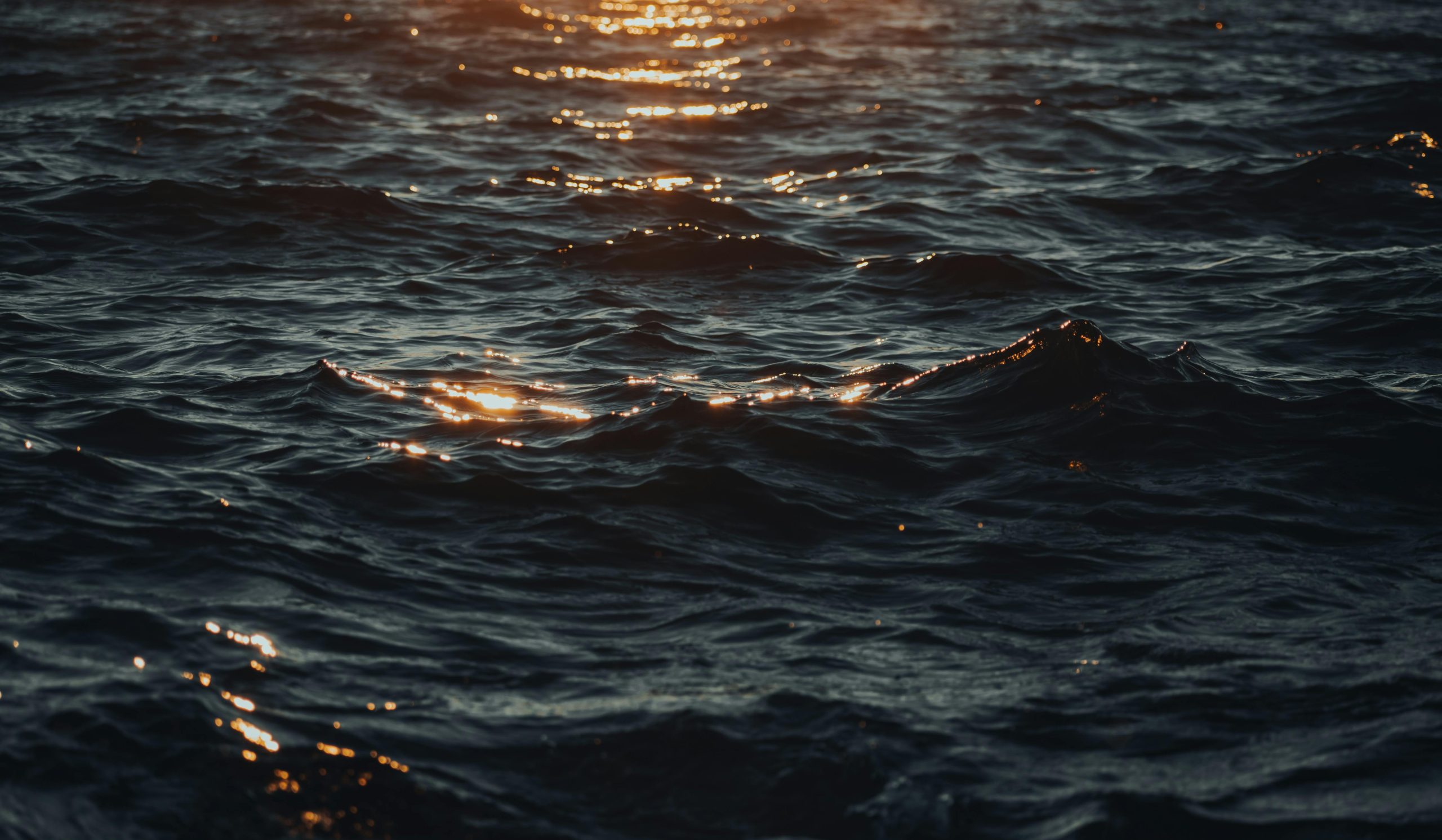
One of the oldest storm-reading tricks is studying how the sea behaves before wind speeds increase. Even when the ocean looks calm, the surface may develop jumpy, irregular ripples known as “nervous water.” These patterns show that wind directions are changing or pressure is shifting above the surface. Fishermen still watch for this because it often appears long before large waves build. Recognizing these subtle textures helps them decide whether they should shorten their trip or move toward safer waters.
6. Monitoring Sudden Drops in Temperature
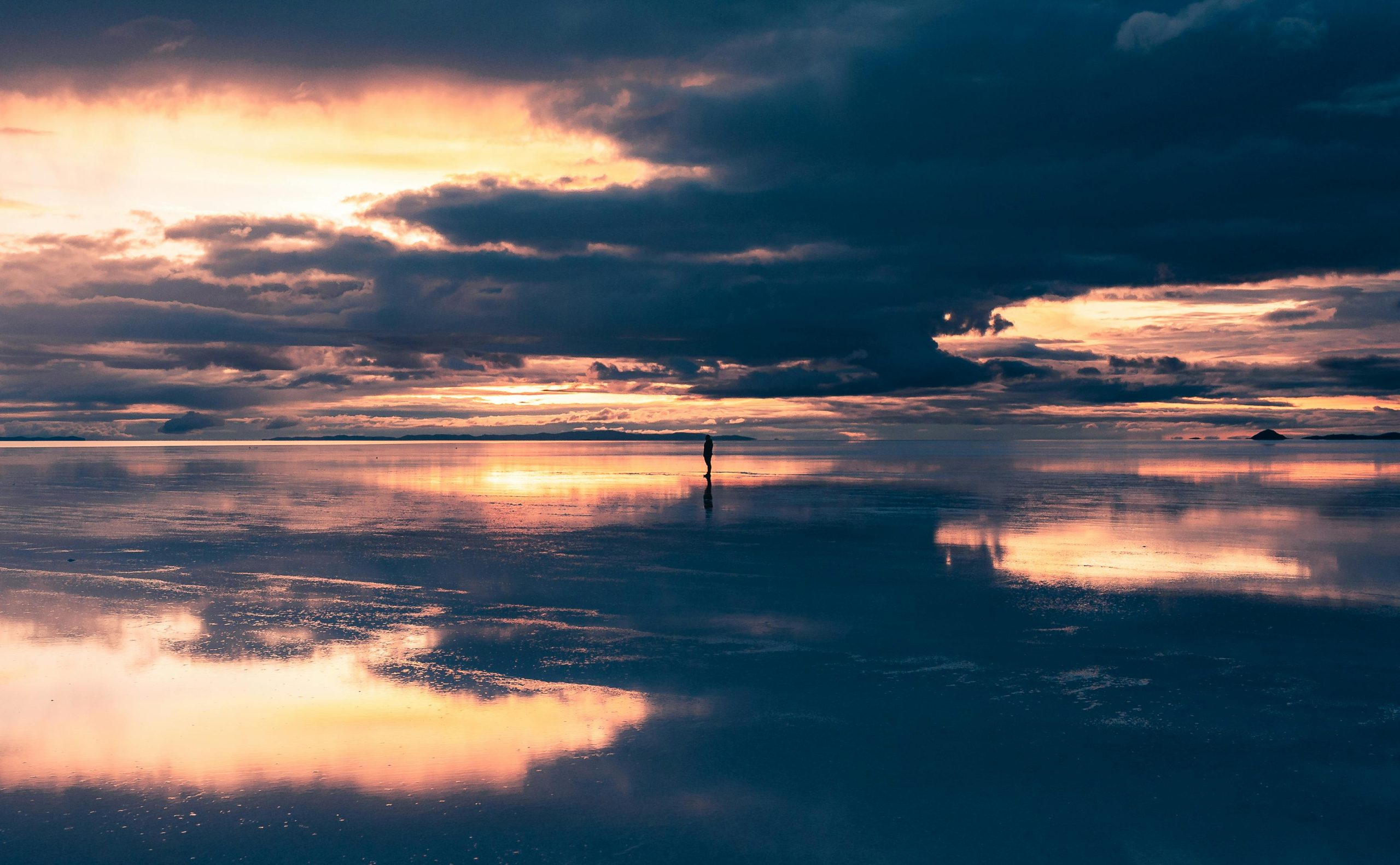
A quick temperature drop, especially close to sunrise or sunset, is a classic sign that a cold front might be pushing in. Fishermen pay attention to these shifts because they often signal strong winds or heavy rain approaching from a distance. Even a slight change in warmth can indicate unstable air forming overhead. By combining this cue with cloud observations, fishermen can gauge whether to continue working or head inland before the situation intensifies into a harder, more dangerous storm.
7. Watching for Deep, Unusual Ocean Swells
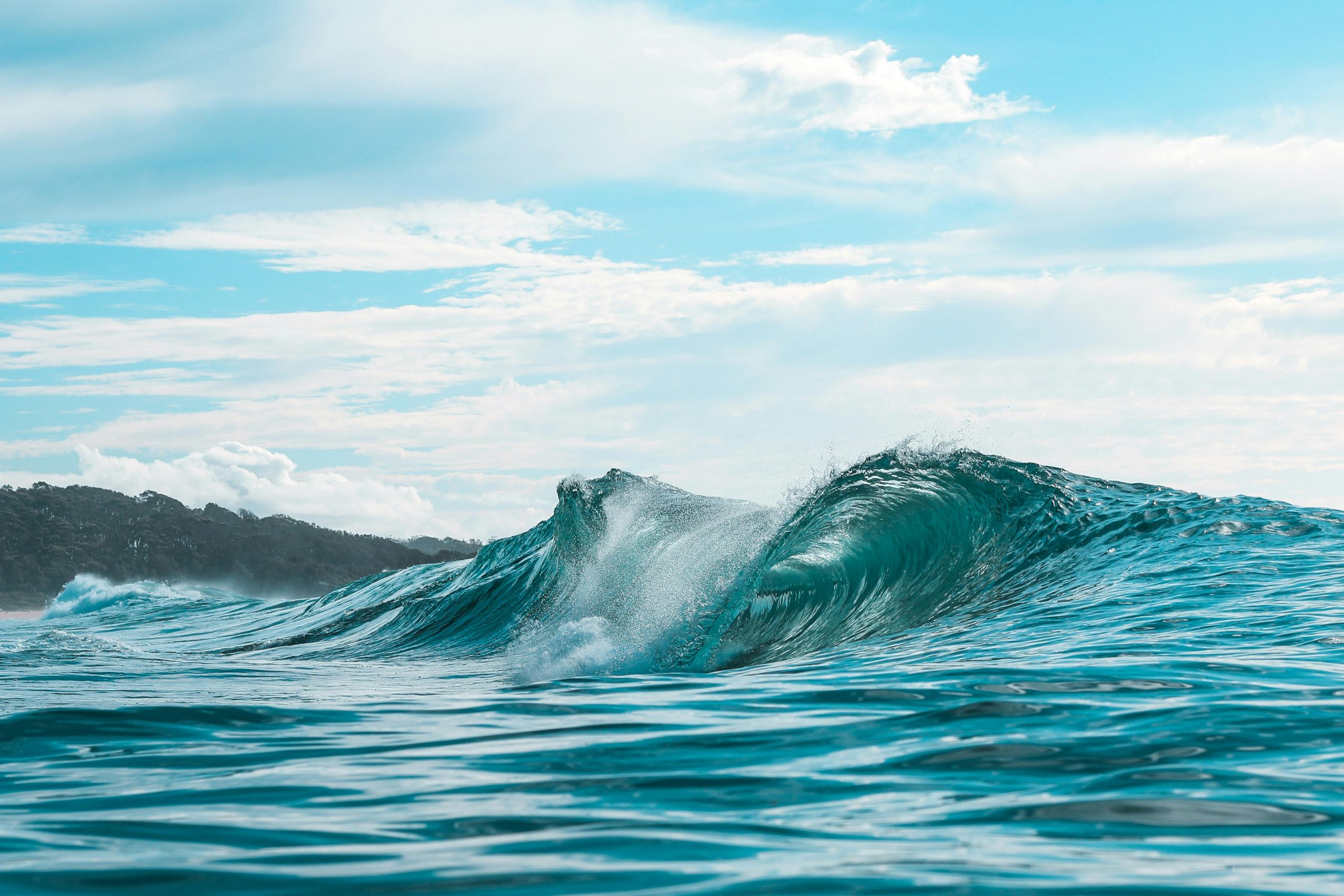
Long, slow swells often announce storms that are still far beyond the horizon. These rolling waves move differently from local wind-driven chop, making them easy for experienced fishermen to recognize. When swells become deeper or begin arriving sooner than expected, fishermen interpret them as signs of distant storms sending their energy outward. This early indication gives them time to prepare or move to safer grounds. The ability to distinguish these patterns remains a trusted and highly valuable skill.
8. Tracking Pressure Changes with Simple Barometers
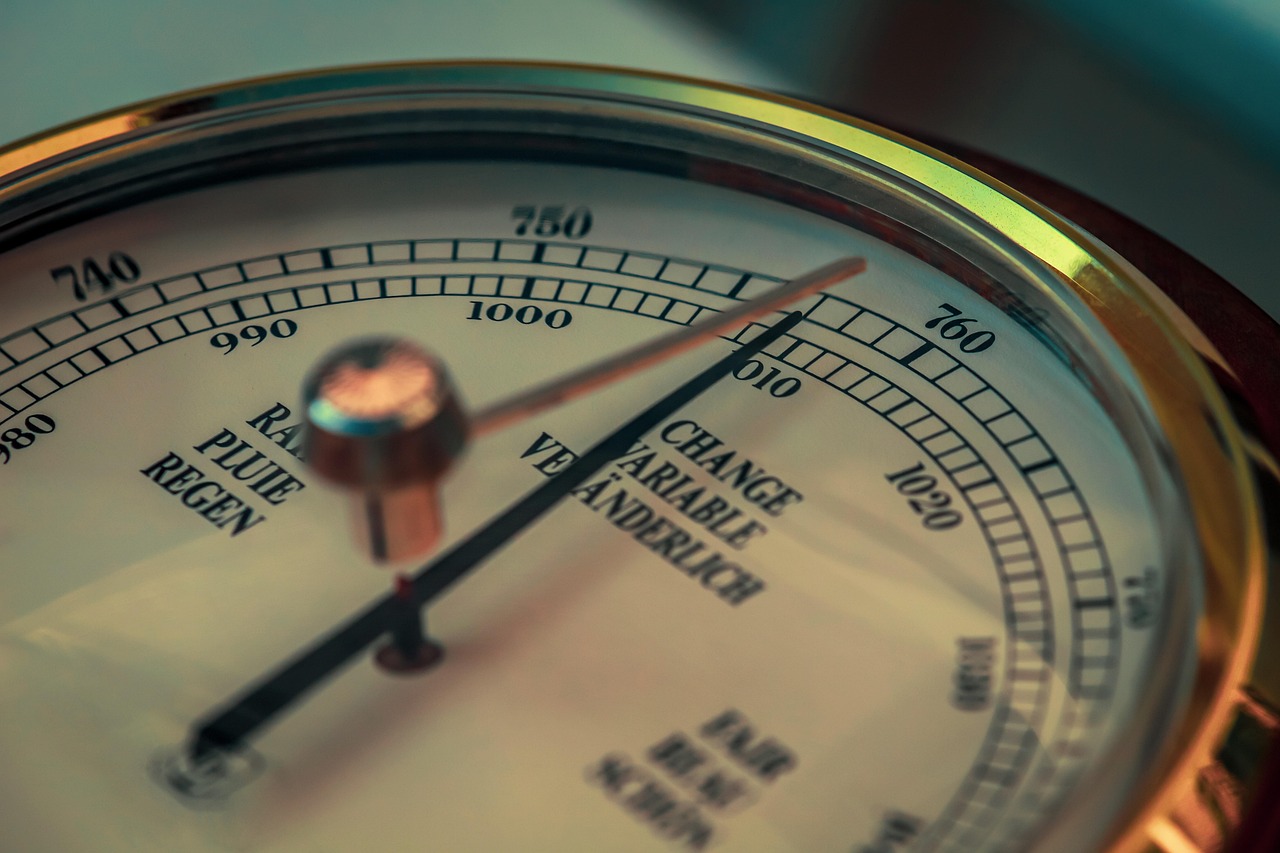
While technology has advanced, many fishermen still carry old-style aneroid barometers because they reliably show pressure trends in real time. A gentle, steady drop usually hints at developing weather changes, while a steeper fall signals a fast-approaching storm. These instruments require no power and respond quickly to shifts in the atmosphere. Fishermen use them alongside visual cues to form more accurate predictions, allowing them to make safer decisions even when forecasts are vague or delayed.
9. Watching for Halos Around the Moon at Night

A soft, glowing halo around the moon forms when light passes through high-altitude ice crystals, often signaling incoming moisture. Fishermen still pay attention to this nighttime sign because it frequently precedes large storm systems. When the halo appears unusually sharp or wide, it usually means a frontal system is moving in, and the weather may turn within a day. This reliable natural cue helps fishermen plan early morning trips or choose to delay heading out until conditions stabilize.
10. Smelling the Air for Moisture and Pressure Changes

The ocean carries distinct scents that change with the weather, and fishermen have long trusted these subtle hints. Before storms, the air often smells sharper, earthier, or more metallic due to rising humidity and falling pressure. This shift may be hard for newcomers to detect, but experienced fishermen sense it instantly. When paired with changes in wind, clouds, or waves, this natural signal becomes a powerful final confirmation that rough weather is nearby and caution is needed.